


How to Choose the Right Wireless Charger for Your Device
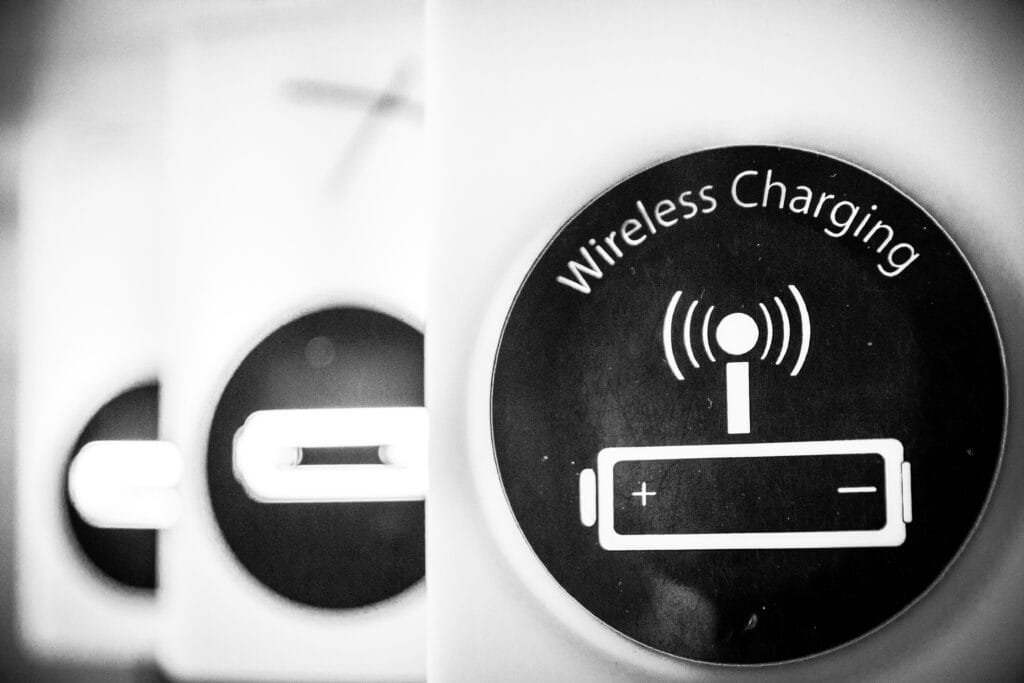
- Introduction to Wireless Charging
- The Science Behind Wireless Charging
- Types of Wireless Charging Technologies
- How Wireless Chargers are Made
- Efficiency and Speed of Wireless Charging
- Benefits of Using Wireless Chargers
- Drawbacks and Considerations
- Future of Wireless Charging Technology
- Conclusion and Final Thoughts
Introduction to Wireless Charging
Wireless charging, also known as inductive charging, refers to the technology that allows electronic devices to be charged without the need for physical connectors. This process utilizes electromagnetic fields to transfer power between a charging station and a compatible device, typically smartphones, tablets, and other small electronics. With the increasing prevalence of mobile devices and the continual drive for convenience in technology, wireless charging has seen a significant rise in popularity within the modern tech landscape.
The core principle behind wireless charging involves the use of electromagnetic induction. A charging pad or station generates an alternating electromagnetic field, which induces an electric current in a coil located within the device that needs charging. This method not only simplifies the charging process but also eliminates the wear and tear associated with traditional charging cables. Today’s consumers appreciate the ease of simply placing their devices on a charging pad rather than fumbling with cords and connectors.
Moreover, wireless chargers are becoming increasingly integrated into our daily lives, appearing not only in homes and offices but also in public spaces like cafes and transportation hubs. This accessibility enhances user experience, as it allows individuals to charge their devices quickly and efficiently without needing to be tethered to a wall outlet. The convenience offered by wireless chargers, paired with advances in charging speeds and efficiency, makes this technology an attractive option for those seeking a hassle-free way to power their devices.
This blog post will explore the fundamental principles behind wireless charging, touching upon the technology’s working mechanisms, its advantages, and the challenges it presents. As consumers continue to demand more innovative charging solutions, understanding this technology will prove essential in navigating its future developments.
The Science Behind Wireless Charging
Wireless charging operates based on the principles of electromagnetic induction and resonance charging, allowing devices to receive electrical energy without the need for physical connectors. The key to this technology lies in the interaction between magnetic fields and electric currents. When an alternating current flows through a coil in the charging station, it generates an oscillating magnetic field around it. This phenomenon is primarily governed by Faraday’s law of electromagnetic induction, which states that a changing magnetic field can induce an electric current in a nearby conductor.
The process begins when a device, such as a smartphone or smartwatch, is placed on a wireless charging pad. A secondary coil within the device picks up the magnetic field generated by the charging pad. This results in an electric current being induced in the device’s coil. This current is then converted into direct current (DC) to charge the device’s battery. The efficiency of this energy transfer can depend on several factors, including the alignment of the coils and the distance between them.
Another important concept related to wireless charging is resonance charging. In resonance charging systems, both the transmitting and receiving coils are tuned to resonate at the same frequency, enhancing the energy transfer efficiency. This takes advantage of the natural frequency of the coils, allowing for a more effective energy transfer compared to systems that operate at non-resonant frequencies.
Overall, wireless charging represents a significant advancement in technology, simplifying the way devices are charged. By utilizing electromagnetic fields and resonance, the need for cumbersome cables is eliminated, paving the way for more convenient and innovative charging solutions. As technology progresses, improvements in efficiency and range of these systems are likely, contributing to the commonplace integration of wireless charging in everyday life.
Types of Wireless Charging Technologies
Wireless charging technologies have evolved significantly, offering various methods to power devices without the need for traditional cables. The three primary types are inductive charging, resonant charging, and radio frequency (RF) charging. Understanding the mechanisms, advantages, and typical applications of each can help users determine which technology best suits their needs.
Inductive charging is perhaps the most common method, utilizing electromagnetic fields to transfer energy between two coils: a transmitter coil in the charging station and a receiver coil within the device. When the two coils are aligned, an alternating current is generated in the transmitter, producing a magnetic field that induces an electric current in the receiver coil. This technology is widely used in smartphones, smartwatches, and electric toothbrushes due to its efficiency and convenience. One notable advantage of inductive charging is its ability to provide energy without direct contact between the device and the charger, minimizing wear and tear on charging ports.
Resonant charging, while similar to inductive charging, operates over a greater distance by using resonant inductive coupling. This approach allows for a more extensive spatial range between the transmitter and receiver, potentially enabling multiple devices to charge simultaneously on a single pad. The technology employs tuned circuits to achieve resonance, significantly improving energy transfer efficiency. Its application extends to electric vehicles and consumer electronics, offering the advantage of charging multiple devices without the need for precise alignment.
Lastly, radio frequency (RF) charging utilizes electromagnetic radiation to transmit energy. Unlike the other two methods, RF charging can operate over longer distances and is not limited to specific orientations. This technology is still emerging, but its applications are varied, ranging from powering small sensors to possibly enabling charging in public spaces. Although still in its development phase, RF charging presents an exciting opportunity for future wireless energy solutions.
How Wireless Chargers are Made
The manufacturing process of wireless chargers involves a series of intricate steps that focus on creating an efficient and safe charging device. At the core of a wireless charger are the inductive coils, typically made from copper, which play a pivotal role in the transfer of energy. These coils are designed to create an electromagnetic field, facilitating the wireless transmission of power. The production of these coils demands precision engineering to ensure that they are able to generate and capture sufficient power for effective charging.
In addition to coils, wireless chargers consist of receivers that are integral for the conversion of the electromagnetic energy back into electrical energy. These receivers are often located within smartphones or other compatible devices. The receivers also need to be designed meticulously as they must align perfectly with the charging coils to optimize energy transfer. The development of these components involves the use of sophisticated materials and technology to enhance compatibility across various devices.
Power management circuits are also a crucial aspect of wireless charger production. These circuits ensure that the energy received is appropriately regulated, providing a stable and safe charge to the device. The circuits must be engineered to handle fluctuations in power and to protect against overheating, which can otherwise result in potential hazards. Engineers must balance efficiency with safety standards, making use of durable materials that can withstand regular use while maintaining high performance.
The overall design and engineering of wireless chargers not only influence their efficiency but also their aesthetic appeal. A visually appealing charger can enhance user experience while promoting market competitiveness. The combination of advanced materials, precise engineering, and thoughtful design in the manufacturing process contributes significantly to the functionality and reliability of wireless charging solutions.
Efficiency and Speed of Wireless Charging
The efficiency and speed of wireless charging have been subjects of considerable interest, particularly when comparing this technology to traditional wired charging methods. While wireless chargers have significantly evolved, they often exhibit inherent limitations in terms of energy transfer efficiency and charging speed. Typically, most wireless chargers achieve an efficiency rate of 70% to 80%, which contrasts with wired chargers that can reach efficiencies above 90%. This discrepancy arises primarily due to energy losses converted into heat during the wireless charging process.
Several factors influence the performance of wireless charging. First and foremost is the alignment of the charging coils. Proper alignment between the transmitter coil in the charging pad and the receiver coil in the device is crucial for optimal energy transfer. Even slight misalignments can result in decreased efficiency and slower charging times. Furthermore, the distance between the coils plays a significant role, where increased spacing can result in diminished energy efficiency, making close contact essential for effective charging.
Environmental conditions also impact the performance of wireless charging systems. For instance, the presence of metal objects or the use of certain phone cases can interfere with the electromagnetic field needed for efficient charging. These factors can not only impede the charging process but may also lead to overheating, which further reduces charging speed and device safety. Comparatively, wired charging methods do not typically endure such limitations, providing more consistent and faster charging times regardless of external conditions.
While wireless charging may not yet match wired charging in efficiency and speed, innovations continue to emerge that aim to address these limitations. Emerging technologies, such as resonance charging, pave the way for potential advancements in this area. Therefore, understanding these factors is essential for users to make informed decisions about their charging options and expectations regarding wireless technology.
Benefits of Using Wireless Chargers
Wireless chargers have rapidly gained popularity in recent years, largely due to the numerous benefits they offer compared to traditional wired charging methods. The most apparent advantage is the convenience they provide. Users can simply place their devices on a charging pad without the hassle of plugging and unplugging cables. This ease of use is especially beneficial in environments where multiple devices need to be charged simultaneously, as it eliminates the clutter of cables and connectors.
Another significant benefit of wireless charging is the reduction in wear and tear on charging ports. Frequent plugging and unplugging of cables can lead to damage over time, ultimately affecting the device’s functionality and lifespan. By using wireless chargers, consumers can mitigate this issue, safeguarding their devices from potential port-related problems. Additionally, wireless charging technology often incorporates safety features that further protect devices from overheating or overcharging, offering peace of mind to users.
Aesthetics play a crucial role in the modern lifestyle, and wireless chargers can seamlessly integrate into various environments. With their sleek designs, they enhance the visual appeal of workspaces or living areas, contributing to a minimalist aesthetic. Moreover, many wireless chargers are designed to charge multiple devices at once, appealing to technology-savvy consumers who own more than one device. This multipurpose functionality not only saves space but also optimizes the charging experience for users with multiple gadgets.
In summary, the benefits of using wireless chargers range from practical advantages, such as convenience and safety, to aesthetic enhancements that elevate the user experience. As technology continues to advance, wireless charging is expected to become an increasingly attractive option for consumers seeking efficient and elegant ways to power their devices.
Drawbacks and Considerations
While wireless charging technology offers a range of advantages, it is also essential to acknowledge certain drawbacks and considerations that users should be aware of. One of the prominent issues associated with wireless charging is heat generation. When a device is placed on a wireless charger, it can generate excess heat due to energy inefficiencies. This heat can lead to faster battery wear over time, negatively affecting battery life and overall performance. Users may find that prolonged exposure to heat can even trigger safety mechanisms in their devices, causing a temporary halt in the charging process.
Another significant consideration is the slower charge times compared to traditional wired charging methods. Wireless chargers typically have lower power output, which translates into longer charging durations. For individuals accustomed to quick charging, this can be a considerable drawback, especially when dealing with urgent charging needs. Users may need to align their charging habits to accommodate the slower pace of wireless charging, potentially leading to inconvenience during busy days or when on the move.
Moreover, compatibility is a critical factor that warrants attention when opting for wireless charging. Not all devices are equipped with the necessary technology to support wireless charging, and some may require specific types of chargers to function effectively. This could limit the accessibility of wireless charging for some users. Additionally, obstacles such as phone cases and other accessories can hinder the charging process, necessitating users to remove these items for optimal performance.
In light of these considerations, users must weigh the benefits of convenience and modernity against the potential downsides of heat issues, slower charging times, and compatibility challenges. Carefully assessing these factors can assist in making an informed choice between wireless and traditional charging methods.
Future of Wireless Charging Technology
The future of wireless charging technology appears promising, with significant advancements on the horizon that could redefine how we power our devices. Innovations are continually emerging, aimed at enhancing efficiency and reducing the time required for charging. As the demand for faster charging capabilities grows, researchers and engineers are exploring various techniques to increase the power transfer efficiency of wireless chargers. This pursuit is not only about speed but also about minimizing energy loss, which is critical for sustainable electronic usage.
Another exciting development is the potential integration of wireless charging technology into public spaces. Urban environments may soon see charging stations embedded in tables at cafes, benches in parks, and even on the streets. This kind of ubiquitous charging solution would enable users to power their devices on the go, significantly altering daily routines and making the need for plugged-in charging stations less critical. Companies are also considering collaborations with city planners to incorporate such innovations into smart city frameworks, highlighting how the integration of wireless power can improve convenience and accessibility.
Moreover, the automotive industry is poised to benefit immensely from advancements in wireless charging. Electric vehicles (EVs) could leverage stationary wireless charging stations or even dynamic charging lanes that power cars as they drive. Such developments may hasten the adoption of electric vehicles, enhance road safety, and reduce infrastructure costs associated with traditional charging stations.
As we move forward, the evolution of wireless charging technology will likely reshape our charging habits and devices’ integration into our daily landscapes. With ongoing research and the trend toward smarter, more efficient solutions, the future of wireless charging holds the potential to make charging our devices more seamless and user-friendly than ever before.
Conclusion and Final Thoughts
In conclusion, wireless chargers represent a significant advancement in charging technology, utilizing electromagnetic induction to provide a convenient and efficient method of powering devices. By eliminating the need for physical connectors, these chargers offer unparalleled ease of use, allowing users to simply place their smartphones or other compatible devices on a charging pad. This innovative approach not only enhances user experience but also contributes to the longevity of device ports, which can suffer wear and tear from frequent plugging and unplugging.
Moreover, various advancements in wireless charging technologies, such as the introduction of different power levels and compatibility across multiple devices, have expanded the utility of these chargers. As the technology continues to evolve, it becomes increasingly essential to understand how wireless chargers function, enabling users to make informed choices that suit their lifestyles. With widespread adoption in public spaces and homes, wireless charging systems have the potential to become the standard for powering mobile devices.
It is important for users to consider factors such as charging speed and the specific type of charger that is compatible with their devices when selecting a wireless charging solution. As awareness and understanding of wireless charging grow, so too does the potential for community engagement and shared experiences. We encourage you to share your thoughts or experiences regarding wireless charging in the comments section below, as your contributions can enrich our collective knowledge and foster discussion. Together, we can explore the evolving landscape of technology and its impact on our daily lives.


