

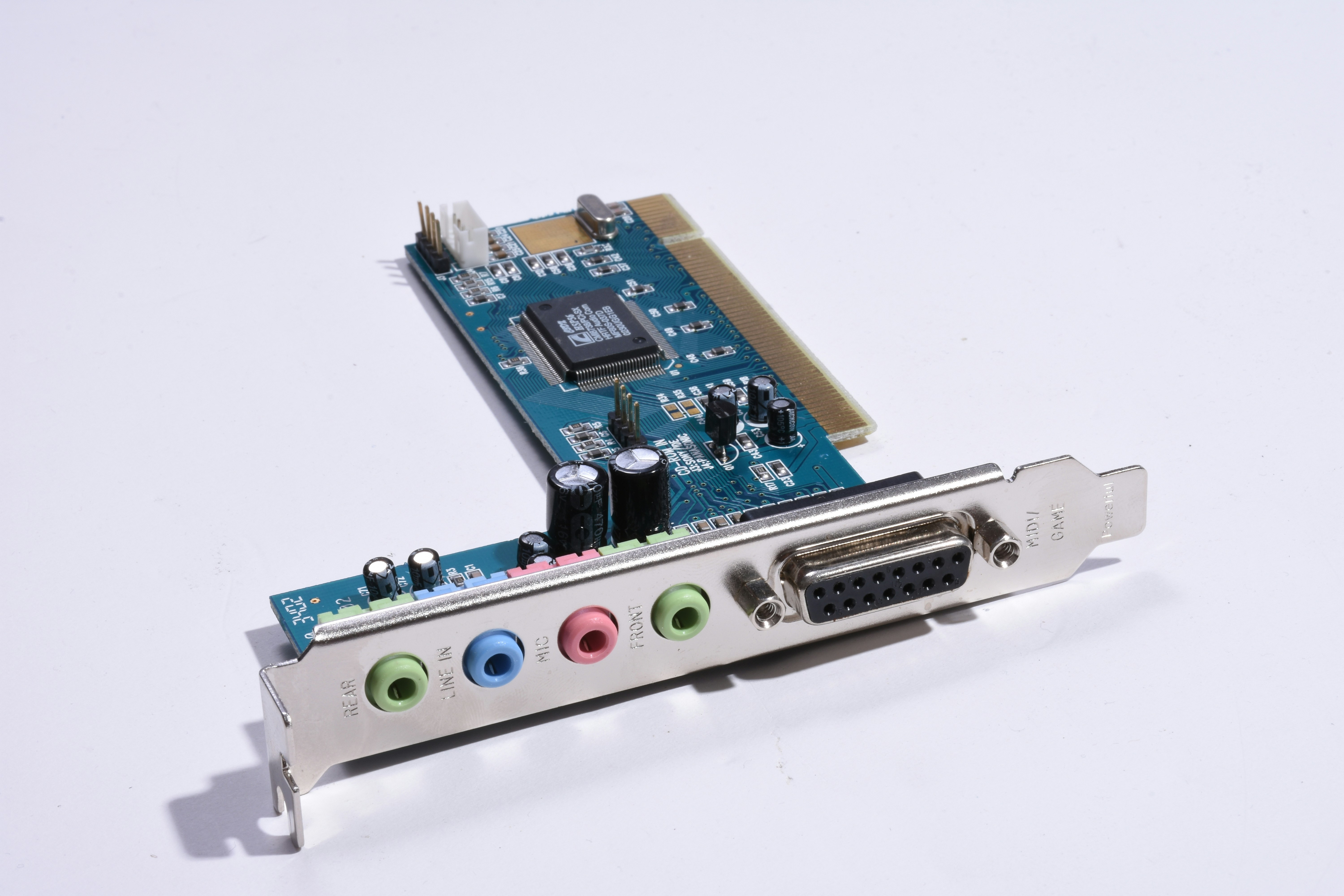
How to Choose the Right DSP Chip for Audio Applications
Introduction to DSP Chips
Digital Signal Processing (DSP) chips are specialized microprocessors designed to manipulate digital signals efficiently. These chips serve a fundamental role in a variety of audio processing applications by converting analog signals into digital format and vice versa, enabling the effective processing of sound. The primary purpose of DSP chips is to perform complex mathematical operations on the audio signals, allowing for real-time alterations that enhance sound quality and functionality.
There are two main types of DSP chips: fixed and programmable. Fixed DSP chips are designed to handle specific audio processing tasks, executing pre-defined algorithms that cater to particular audio applications. On the other hand, programmable DSP chips offer a high degree of flexibility, enabling developers to create custom algorithms tailored to their specific audio processing needs. This programmability is crucial in today’s rapidly evolving audio landscape, where the demand for unique sound experiences and features is growing.
The ability to program DSP chips makes them indispensable in modern audio applications, ranging from professional audio equipment to consumer electronics. For instance, they allow manufacturers to customize the sound profile of hearing aids, enhance audio in smartphones, and create immersive environments in home theater systems. Moreover, the availability of programming languages and development tools has simplified the process of designing audio applications that leverage DSP technology, making it accessible to a broader audience, including independent developers.
In conclusion, understanding DSP chips and their distinct fixed and programmable types is essential for anyone involved in audio processing. Their crucial role in the manipulation of sound not only revolutionizes traditional audio applications but also paves the way for innovative advancements in how we experience audio in daily life.
How DSP Chips Work
Digital Signal Processing (DSP) chips are pivotal components in modern audio processing, transforming raw audio signals into enhanced sound experiences. Understanding how these chips operate begins with the concepts of sampling and quantization. Sampling is the initial step where an analog audio signal is converted into a digital format. This is achieved by measuring the amplitude of the audio signal at regular intervals, known as the sampling rate. Higher sampling rates yield more accurate representations of the original sound wave, allowing for better fidelity in playback and processing.
Once the audio signal is sampled, the next step is quantization. This process involves mapping the infinite range of audio signal amplitudes into a finite number of discrete levels. Each level corresponds to a binary value, allowing digital systems to store and manipulate the sound. Quantization is crucial because it directly affects the dynamic range and overall quality of the audio. A higher bit depth in quantization provides increased resolution, thereby enabling the capture of subtle nuances in the audio, which is essential for producing high-quality sound.
Furthermore, DSP chips incorporate digital filtering techniques to manipulate the audio signals effectively. These filters can enhance or suppress certain frequency ranges, thus tailoring the sound to the listener’s preferences and the specific application. Digital filters are highly versatile, capable of performing complex operations such as equalization, noise reduction, and spatial effects. By utilizing algorithms that define the filter characteristics, DSP chips can adjust audio in real-time, delivering an optimized listening experience.
In summary, the operational principles of DSP chips hinge on the processes of sampling, quantization, and digital filtering. These elements collectively contribute to the sophisticated audio processing capabilities that modern DSP chips deliver, playing a critical role in revolutionizing sound processing technology.
Advantages of Programmable DSP Chips
Programmable DSP (Digital Signal Processing) chips have transformed the landscape of sound processing, providing numerous advantages over traditional fixed-function devices. One of the primary benefits of these chips is their flexibility in functionality. Unlike fixed DSP chips, which are limited to pre-configured algorithms, programmable DSP chips allow developers to implement various algorithms tailored to specific applications. This adaptability is particularly valuable in industries such as telecommunications, automotive, and consumer electronics, where audio processing requirements can differ significantly.
Another significant advantage is the ease of updating algorithms. With programmable DSP chips, developers can modify or enhance existing audio processing algorithms without needing to replace the hardware. This capability not only extends the lifespan of the devices but also allows manufacturers to respond quickly to changing market needs and technological advancements. For instance, a smartphone manufacturer can update the audio processing software to improve voice recognition features or noise cancellation without the cost of redesigning the hardware.
The potential for personalized sound processing is another key benefit. Programmable DSPs can be configured to suit individual user preferences, enabling customized audio experiences. Users can adjust sound parameters such as equalization, dynamic range control, and spatial audio settings. This personalization is particularly beneficial in applications like hearing aids and high-fidelity sound systems, where user needs and auditory environments vary widely.
Examples of programmable DSP applications can be seen across various industries. In automotive, these chips are used for developing enhanced voice recognition systems and adaptive noise control, improving the overall driving experience. In consumer electronics, programmable DSPs have become essential in portable audio devices and smart speakers, allowing for advanced features that cater to user preferences. Overall, the advantages provided by programmable DSP chips underscore their importance in modern audio processing technologies.
Applications of Programmable Audio DSP Chips
Programmable audio DSP (Digital Signal Processing) chips have found a diverse array of applications across multiple fields, showcasing their versatility and significance in modern technology. In music production, these chips play a critical role by enabling composers and sound designers to manipulate audio signals with unprecedented precision. By implementing real-time effects such as reverb, equalization, and dynamic range compression, music producers can craft polished soundtracks that resonate well with audiences. The ability to customize processing algorithms further allows for creative experimentation and innovative sound design, making programmable audio DSP chips indispensable in studios.
In the realm of live sound processing, programmable audio DSP chips are employed in mixing consoles and sound reinforcement systems to ensure optimal audio quality during performances. These chips facilitate advanced processing capabilities that allow sound engineers to adjust audio signals dynamically based on environmental factors. For instance, adaptive filtering can optimize sound clarity in varying acoustical conditions, providing audiences with an immersive listening experience. The integration of these chips helps to improve overall system performance and reliability in live sound environments.
Telecommunications is another sector where programmable audio DSP chips are essential. They are utilized in devices such as smartphones and VoIP systems to enhance audio clarity and reduce noise. Functions like echo cancellation and noise suppression are primarily executed by these chips, ensuring high-quality voice communication. Likewise, in embedded systems used in consumer electronics, such as soundbars and smart speakers, programmable audio DSP chips contribute to their capability to deliver high-fidelity audio playback. By allowing for user programmability, these chips enable manufacturers to differentiate their products and cater to the specific needs of consumers.
Overall, the applications of programmable audio DSP chips span numerous industries, each benefiting from the advanced audio processing capabilities they provide, thereby revolutionizing the way we experience sound.
Key Players in the DSP Chip Market
The digital signal processing (DSP) chip market has witnessed significant advancements and innovations, driven by the contributions of prominent companies. Several key players have emerged as leaders in the industry, each making notable impacts through their technologies and product offerings.
Texas Instruments (TI) is one of the pioneering companies in the DSP chip market, known for its extensive range of signal processing solutions. They have developed various DSP chips that cater to applications spanning from consumer electronics to automotive systems. TI’s investments in research and development have allowed them to refine their technology, thus maintaining a strong presence in the competitive landscape.
Analog Devices is another critical player in the DSP chip arena, providing high-performance solutions that excel in audio processing, communications, and industrial applications. Their commitment to innovation is evident in their new architectures designed for real-time processing, which enhance capabilities in cutting-edge applications such as 5G communications and smart sensing technologies.
NXP Semiconductors has also made significant strides, particularly in automotive and communication sectors. The company offers advanced DSP solutions that prioritize power efficiency and processing speed, catering to the growing demand for high-performance audio processing in vehicles and connected devices. Their focus on integrating machine learning with digital signal processing has positioned them at the forefront of industry innovations.
Lastly, Qualcomm, widely recognized for its contributions to mobile technology, also plays an important role in the DSP market. Their Snapdragon processors include integrated DSP functionalities that enhance audio and multimedia processing capabilities in smartphones and other mobile devices. Through continuous development and advancement, Qualcomm remains a key influencer in shaping the future of sound processing technologies.
As these companies continue to innovate, they will undoubtedly influence the DSP chip market, with significant implications for audio processing and the broader electronics industry.
Choosing the Right DSP Chip for Your Needs
When it comes to selecting a digital signal processing (DSP) chip, several factors must be considered to ensure that the chip aligns with your specific requirements and intended applications. One of the primary concerns is processing power. The capabilities of various DSP chips can vary significantly, affecting their ability to handle complex audio algorithms and real-time processing. It is essential to assess the expected workload and select a chip that can comfortably manage the necessary computations without introducing latency.
Memory is another critical aspect to take into account. DSP chips can come with varying amounts of built-in RAM and flash memory, which directly impacts their ability to store audio sample data and execute algorithms efficiently. Depending on the complexity of the audio processing tasks—such as equalization, filtering, or dynamic range compression—opt for a DSP with adequate memory capacity to avoid bottlenecks in operation.
Compatibility with existing systems and components is also pivotal. Before making a decision, it is prudent to review the interfacing capabilities of the DSP chip, ensuring it is compatible with the other elements in your audio processing framework, such as microcontrollers, input/output devices, and various protocols. This compatibility can greatly influence the integration process, impacting the overall performance of your audio system.
Lastly, consider the intended application of the DSP chip. Different applications may require varying features such as low power consumption for battery-operated devices or higher performance levels for professional audio equipment. Understanding your use case—be it consumer audio, automotive sound systems, or broadcast applications—can guide you towards the most suitable DSP chip, ensuring that it meets both your functional requirements and performance expectations.
Future Trends in Audio DSP Chips
The landscape of audio Digital Signal Processing (DSP) chips is undergoing significant transformation, driven by advancements in technology and the increasing demands of audio production and consumption. One of the most prominent trends is the integration of machine learning algorithms within audio DSP chips. This integration enables adaptive processing capabilities, allowing chips to learn from the audio they handle and make real-time adjustments to optimize sound quality. As the field of artificial intelligence continues to evolve, we can anticipate even more sophisticated audio enhancement techniques, leading to immersive sound experiences.
In addition to machine learning, energy efficiency has become a focal point in the development of future audio DSP chips. As consumer electronics become more portable and the demand for battery-operated devices rises, manufacturers are tasked with creating chips that not only provide superior audio performance but also consume less power. This shift towards energy-efficient designs is not only beneficial for battery life but also aligns with global sustainability goals, which increasingly influence technological innovations across various sectors, including audio technology.
The rapid evolution of audio technology itself also plays a crucial role in shaping the future of DSP chip design. With the emergence of new audio formats and advancements in spatial audio, DSP chips must adapt to support these innovations. Companies are now focusing on enhancing the capabilities of DSP chips to handle higher sample rates and bit depths, ensuring compatibility with high-resolution audio. As virtual reality and augmented reality applications become more prevalent, the demand for versatile and powerful audio DSP chips that cater to these environments is expected to rise significantly.
Overall, the future of programmable audio DSP chips is bright, characterized by integration of advanced technologies, increased energy efficiency, and a continuous adaptation to the evolving audio landscape. As these trends unfold, they will undoubtedly redefine sound processing, impacting both the industry and the end-user experience.
Challenges and Limitations of DSP Chips
Digital Signal Processing (DSP) chips have transformed sound processing through their ability to handle complex algorithms efficiently. However, their deployment is not without challenges and limitations that can impact overall performance. One of the primary concerns is latency. Although DSP chips are designed to process signals quickly, the time delay between input and output can adversely affect real-time applications, such as live sound reinforcement and interactive audio systems. Users often perceive this delay as a lack of responsiveness, which can compromise the auditory experience.
Another significant limitation is power consumption. DSP chips, especially those deployed in portable devices, must balance processing performance with energy efficiency. High-performance DSP chips can drain battery life rapidly, leading to trade-offs between sound quality and device longevity. Designers must often opt for lower power models, potentially sacrificing some processing capabilities for the sake of battery life. This necessity can constrain developers when trying to implement high-quality sound processing solutions in battery-operated devices.
Additionally, the complexity of programming DSP chips presents a considerable barrier for many developers. Unlike traditional computing where general-purpose languages can suffice, DSP programming typically requires specialized knowledge of digital signal processing techniques and its associated tools. The steeper learning curve can deter new developers and limit the diversity of applications that can utilize these chips effectively. Furthermore, the optimization of algorithms for specific DSP architectures adds another layer of complexity, as not all chips support the same features or performance metrics.
These challenges – latency, power consumption, and programming complexity – highlight the intricate balancing act required in designing effective audio processing systems. A successful deployment of DSP technology hinges on addressing these limitations while maximizing sound processing capabilities.
Conclusion
In summary, programmable audio DSP chips have emerged as a pivotal technology that significantly enhances audio processing capabilities across various applications. Through their ability to manipulate sound in real-time, these chips offer unparalleled flexibility, enabling developers and audio professionals to tailor sound experiences according to specific needs and preferences. This adaptability is crucial, particularly in industries such as music production, live sound reinforcement, and consumer electronics, where high-quality audio is paramount.
Moreover, the integration of advanced algorithms with programmable audio DSP chips allows for improved sound fidelity, noise cancellation, and dynamic range control, leading to a superior listening experience. The shift towards digital audio processing has made it essential for audio engineers and content creators to adopt these technologies to stay competitive and meet the demands of contemporary audiences.
As we have explored, the significance of these chips extends beyond mere sound enhancement; they represent a broader trend towards modular and scalable audio solutions. This trend empowers users to customize their setups, whether in professional studios or home environments, fostering a culture of innovation in audio design.
The implications of programmable audio DSP technology are profound, encouraging further exploration and exploitation in future projects. For those interested in music technology, embracing the use of these chips can lead to exciting developments and creative breakthroughs. Therefore, it is essential for audio professionals, hobbyists, and technologists to delve deeper into the functionalities and applications of programmable audio DSP chips. By doing so, one can unlock new possibilities in sound processing and contribute to the evolving landscape of audio engineering.


