


7 Surprising Everyday AI Applications You Didn’t Know About
- Introduction to AI in Our Daily Lives
- Smart Assistants: More Than Just Voice Commands
- Social Media Algorithms: Curating Your Feed
- Recommendation Systems: Shopping and Entertainment Insights
- Facial Recognition Technologies: Beyond Security
- AI in Healthcare: Making Diagnoses Smarter
- Translators and Language Processing Tools: Breaking Down Barriers
- Self-Driving Cars: The AI Behind Autonomous Vehicles
- Conclusion: The Future of AI in Everyday Life
Introduction to AI in Our Daily Lives
Artificial Intelligence (AI) has become an integral part of our daily routine, often functioning behind the scenes to enhance our experiences. While many people may associate AI with advanced technologies such as robotics or self-driving cars, its presence permeates various everyday applications and tools that significantly improve convenience and efficiency in modern life. From the algorithms that power our social media feeds to the virtual assistants that help manage our schedules, AI operates in numerous forms that are often taken for granted.
One of the most widely recognized implementations of AI is in recommendation systems, commonly used by streaming platforms and e-commerce websites. These systems analyze user behavior and engagement patterns to suggest content or products that align with individual preferences. This not only personalizes the user experience but also streamlines the decision-making process, making it simpler for users to find what they are looking for without extensive browsing.
AI technology is also evident in the voice assistants integrated within smartphones and home devices, such as Siri, Google Assistant, and Alexa. These virtual helpers utilize natural language processing to understand user commands and provide relevant responses. The convenience that comes from using voice commands—whether for checking the weather, setting reminders, or controlling smart home devices—underscores how AI simplifies communication between humans and machines.
Moreover, AI plays a crucial role in enhancing security systems. Utilizing facial recognition software, surveillance systems can identify individuals and detect unusual activities, contributing to increased safety in both public and private spaces. Additionally, AI-driven chatbots enhance customer service by providing instant support and assistance, thereby improving user satisfaction and operational efficiency for businesses. As we navigate an increasingly tech-driven world, understanding the ubiquitous nature of AI is essential. Its applications are diverse and continually expanding, solidifying its role as a transformative force in our everyday lives.
Smart Assistants: More Than Just Voice Commands

The evolution of smart assistants such as Siri, Alexa, and Google Assistant has fundamentally changed the way individuals interact with technology. At the heart of these devices is sophisticated artificial intelligence (AI) that enhances their capability to understand and process natural language. This technology relies heavily on natural language processing (NLP), a subset of AI that enables computers to understand, interpret, and respond to human language in a meaningful way.
These smart assistants utilize advanced machine learning algorithms to improve their functionality continuously. For example, through user interactions, they gather data that helps refine their responses and overall performance. This learning can occur in various forms, such as understanding user preferences, adapting to speech patterns, or recognizing personal contexts. Over time, these smart assistants become more attuned to the user’s needs, leading to an increasingly personalized experience.
Furthermore, smart assistants play a crucial role in streamlining daily tasks. From setting reminders to controlling smart home devices and searching the internet, they serve as centralized hubs in managing different aspects of users’ lives. By integrating with various applications and services, these assistants significantly reduce the time and effort required to complete routine tasks. Tasks that once required multiple steps can now often be accomplished through a simple voice command or a tap on a screen.
The growing reliance on smart assistants reflects a broader trend in leveraging AI to create more efficient and user-friendly technologies. As these devices continue to advance, it is anticipated that their capabilities will expand, leading to even greater integration into everyday life. Understanding the underlying AI technologies can provide users with a greater appreciation of the convenience and efficiency that smart assistants offer.
Social Media Algorithms: Curating Your Feed

Social media platforms have transformed the way individuals connect, communicate, and consume content. Central to this evolution is the implementation of social media algorithms powered by artificial intelligence. These algorithms analyze user behavior and preferences to create a personalized experience that keeps users engaged. By evaluating factors such as user interactions, content type, and engagement history, AI-driven algorithms curate the content that appears in a user’s feed, presenting posts, videos, and advertisements that cater to their interests.
At the core of these algorithms is the evaluation of data collected from user actions. When users like, comment, share, or even scroll past certain types of posts, algorithms learn from these interactions. This analytical approach enables platforms to group similar content and prioritize it according to individual preferences. For instance, if someone regularly engages with travel-related content, the algorithm will likely recommend similar posts or suggest friends who share that interest. Consequently, users often find their feeds populated with content that resonates with their personal tastes and inclinations.
However, the deployment of these AI-driven algorithms presents both benefits and challenges. On one hand, personalized feeds enhance user experience by ensuring relevant content is readily accessible. On the other hand, this focus on engagement can lead to scenarios where users are exposed only to familiar viewpoints, potentially fostering echo chambers. Additionally, the extensive data collection required for such personalization raises concerns regarding user privacy. Social media platforms must balance the excitement of tailored content with ethical considerations surrounding the use of personal information.
In conclusion, social media algorithms are a powerful manifestation of artificial intelligence that curates users’ online experiences. By analyzing behavior and preferences, these algorithms optimize content delivery while also highlighting key implications concerning user privacy and information diversity.
Recommendation Systems: Shopping and Entertainment Insights

In the modern digital landscape, recommendation systems have emerged as pivotal tools for enhancing the consumer experience in both e-commerce platforms and streaming services. Powered by artificial intelligence, these systems leverage machine learning algorithms to analyze users’ past behaviors, preferences, and interactions. By doing so, they are capable of providing tailored recommendations that help users discover relevant products or content more efficiently.
The application of AI in recommendation systems can be observed across various online retail platforms. For instance, when a user browses an e-commerce website, the integrated recommendation engine analyzes their past purchases, viewed items, and even the behaviors of similar users. This analysis helps the system generate personalized product suggestions that stimulate engagement and increase conversion rates. Consequently, shoppers are more likely to find items that align with their preferences, thus facilitating a more satisfying shopping experience.
Facial Recognition Technologies: Beyond Security

Facial recognition technology has rapidly evolved into a multifaceted tool that extends beyond mere security measures. Originally developed for use in law enforcement and governmental agencies, today’s facial recognition systems are embedded in various aspects of daily life, from unlocking smartphones to tagging friends on social media platforms. This blend of convenience and technological advancement raises important considerations regarding the ethical implications surrounding privacy and surveillance.
Underpinning these technologies are sophisticated AI algorithms that analyze facial features, create unique biometric profiles, and match them against extensive databases. These AI systems leverage neural networks and machine learning to improve accuracy and efficacy over time. For instance, when a user unlocks their smartphone via facial recognition, the device employs AI to quickly compare the captured image to stored profiles, ensuring both security and user convenience. Moreover, many applications utilize facial detection and recognition to enhance user experience, such as automatically cropping photos based on the faces detected within them.
However, while these advancements offer substantial benefits, they also prompt urgent discussions surrounding surveillance and individual privacy. As facial recognition becomes increasingly ubiquitous in public spaces, concerns emerge regarding consent and data security. Authorities may employ these technologies for crowd monitoring, but this practice can inadvertently infringe on the rights of individuals who may not be aware that their images are being analyzed. The balance between leveraging AI for societal benefits and protecting personal liberties presents a complex challenge that stakeholders must address.
Consequently, understanding the implications of facial recognition technology is essential, as its influence continues to permeate various sectors, from transportation to retail. As we embrace these advancements, ongoing dialogue about governance, ethical considerations, and responsible usage must remain a priority.
AI in Healthcare: Making Diagnoses Smarter

Artificial intelligence (AI) is increasingly becoming an integral component in the healthcare sector, revolutionizing the ways in which medical diagnoses and patient care are approached. AI technologies are capable of analyzing vast amounts of data, offering predictive analytics that help healthcare providers in making informed decisions for patient care. By evaluating historical patient data, AI algorithms can predict potential health issues even before they manifest, allowing for early intervention and more effective treatment regimens.
One of the significant applications of AI in healthcare is in diagnostic tools. These advanced systems utilize machine learning and image recognition to assist medical professionals in accurately identifying diseases. For instance, AI-powered imaging technologies analyze radiological images—such as X-rays, MRIs, and CT scans—with a precision that surpasses human capabilities. This not only speeds up the diagnostic process but also minimizes the probability of human error, leading to better health outcomes for patients.
Moreover, AI is instrumental in creating personalized treatment plans tailored to the individual needs of patients. By leveraging patient history, genetic information, and other relevant data, AI systems can recommend specific therapies that are likely to be more effective for particular conditions. This personalized approach not only enhances the treatment efficacy but also improves overall patient satisfaction and engagement in their health journey.
Overall, the utilization of AI in healthcare signifies a paradigm shift toward smarter and more proactive medical practices. By harnessing the power of predictive analytics, sophisticated diagnostic tools, and tailored treatment options, AI is fundamentally transforming the landscape of healthcare and significantly enhancing patient outcomes. This technology is indeed paving the way for a future where medical interventions are not only effective but also timely and personalized, thus improving lives across the globe.
Translators and Language Processing Tools: Breaking Down Barriers
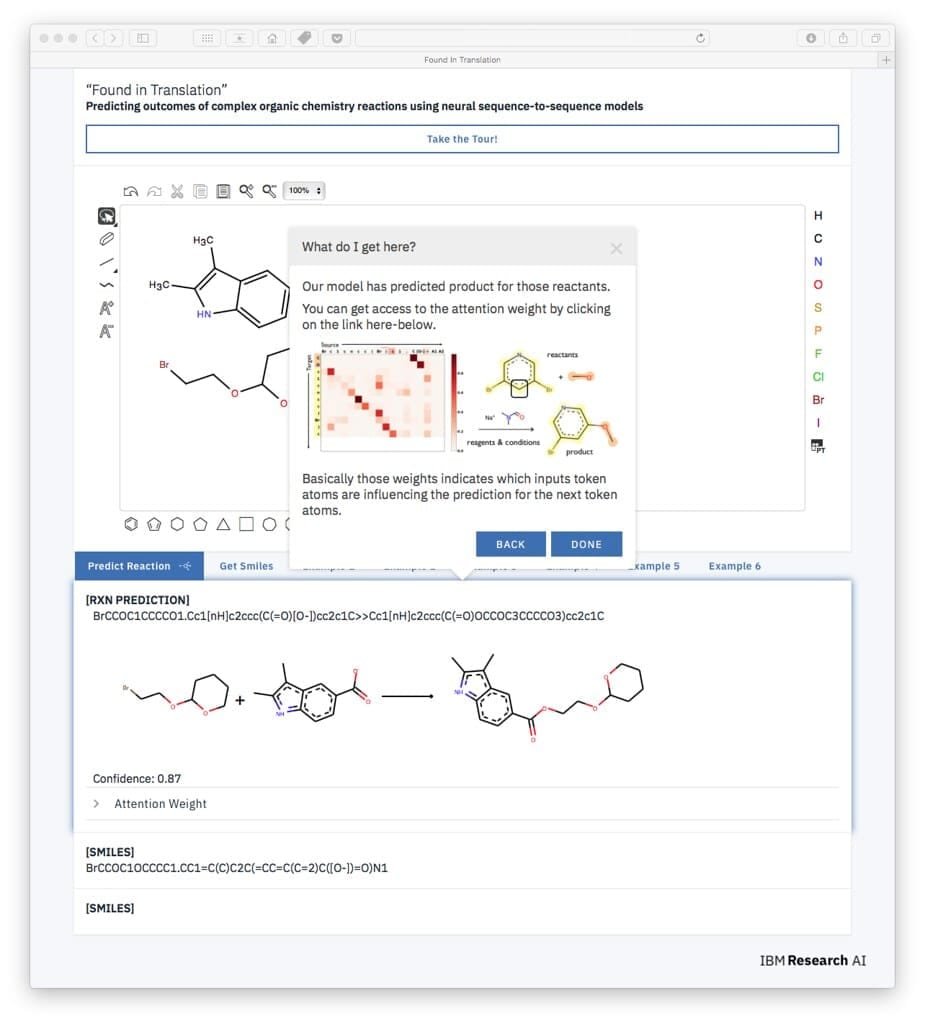
Artificial intelligence plays a pivotal role in the realm of language translation, enabling seamless communication across diverse linguistic boundaries. AI-driven tools, such as translators and grammar checkers, have evolved significantly due to advancements in technology, especially with the emergence of neural machine translation (NMT). This innovative approach utilizes deep learning techniques to enhance the accuracy and fluency of translations, making it possible to convey intricate meanings and cultural nuances that were often lost in traditional translation methods.
NMT models operate by interpreting entire sentences rather than word by word, allowing for context-driven translations. By leveraging vast amounts of data and sophisticated algorithms, these systems can predict the best possible translations based on context. This transformation has not only improved the precision of translations but has also made it feasible to translate languages with less available training data, further breaking down communication barriers.
Moreover, AI language processing tools continue to integrate grammar-checking capabilities that enhance writing by providing real-time suggestions for editing and improvement. These tools benefit users by identifying grammatical errors, suggesting stylistic changes, and offering vocabulary enhancements. The learning processes of these AI systems are iterative; they improve continuously by analyzing usage patterns and user feedback, which results in more reliable linguistic suggestions over time.
As AI technology advances, the potential for these translation and language processing tools only increases. Future developments may lead to even higher accuracy rates and more sophisticated understanding of languages, dialects, and idiomatic expressions. This evolution underscores the transformative impact that artificial intelligence has on global communication, empowering individuals to connect, collaborate, and exchange ideas regardless of linguistic differences.
Self-Driving Cars: The AI Behind Autonomous Vehicles

Self-driving cars, often hailed as the future of transportation, rely heavily on advanced artificial intelligence technologies. These vehicles utilize a combination of sensors, machine learning algorithms, and vast amounts of data to navigate complex environments. At the core of this technology lies computer vision, which enables cars to interpret visual information from their surroundings. Through the use of cameras and LiDAR (Light Detection and Ranging), self-driving cars can detect and identify obstacles, lane markings, traffic signs, and pedestrians, allowing for safe navigation.
Moreover, sensor data interpretation is crucial for autonomous vehicles. These cars are equipped with a suite of sensors, including radar, ultrasonic, and GPS systems, which collect real-time information about the vehicle’s location and the dynamics of the environment. With this information, algorithms can assess potential hazards or changes in driving conditions, providing the necessary feedback for the car’s operational system.
Decision-making processes are particularly sophisticated in self-driving cars, as they must evaluate multiple factors simultaneously. AI systems leverage machine learning techniques to analyze historical driving data, learning from past experiences to make better decisions on the road. For example, an autonomous vehicle facing a complex intersection must assess the behavior of other vehicles, predict their actions, and determine the safest course of action in real-time.
The integration of these technologies allows for the development of highly autonomous systems that can operate with minimal human intervention. While the path to fully autonomous vehicles continues to evolve, understanding the AI technologies propelling this innovation provides insight into the profound impact artificial intelligence has on modern transportation.
Conclusion: The Future of AI in Everyday Life
As we have explored in this blog post, artificial intelligence is already woven into the fabric of our daily activities, often in ways that go unnoticed. From smart assistants that help manage our schedules to recommendation systems that influence our shopping habits, AI technologies are enhancing our everyday experiences. The continuous integration of AI into various sectors is reshaping how we interact with technology, providing us with efficiency and convenience that was previously unimaginable.
Looking ahead, the future of AI promises even more groundbreaking innovations. The rapid evolution of machine learning and deep learning algorithms suggests not only improvements in existing applications but also the emergence of entirely new solutions. For instance, we may witness significant advancements in personalized healthcare, where AI could analyze vast amounts of health data to deliver tailor-made treatment plans. Similarly, in education, AI-powered platforms might revolutionize learning by providing customized educational experiences that cater to individual student needs.
The potential societal impacts of such pervasive AI integration cannot be understated. It holds the promise of significantly enhancing productivity across various industries, thereby fostering economic growth. However, the widespread adoption of AI will also necessitate careful consideration of ethical concerns, data privacy issues, and job displacement. As AI continues to evolve, society will need to navigate these challenges to harness its benefits responsibly. In conclusion, while artificial intelligence is already playing a substantial role in daily life, its future capabilities are likely to redefine our interactions with technology, making it an essential component of our everyday existence.


