


How to Ensure Accurate AI Medical Diagnosis
- The Rise of AI in Healthcare
- Understanding AI Limitations in Medical Diagnosis
- Data Privacy and Confidentiality Concerns
- Recognizing Red Flags: When to Seek Immediate Help
- Integrating AI as a Support Tool, Not a Replacement
- Future of AI in Healthcare: Opportunities and Challenges
- Conclusion: Balancing Technology and Human Expertise
The Rise of AI in Healthcare
In recent years, artificial intelligence (AI) has progressively integrated into various sectors, reshaping how industries operate, particularly healthcare. One of the notable advancements in this field is the use of AI-driven chatbots such as ChatGPT, designed to facilitate patient interaction and provide immediate responses to medical queries. These chatbots have gained traction due to their ability to process vast amounts of data quickly, delivering information that can assist in preliminary medical assessments and guiding patients toward appropriate care.
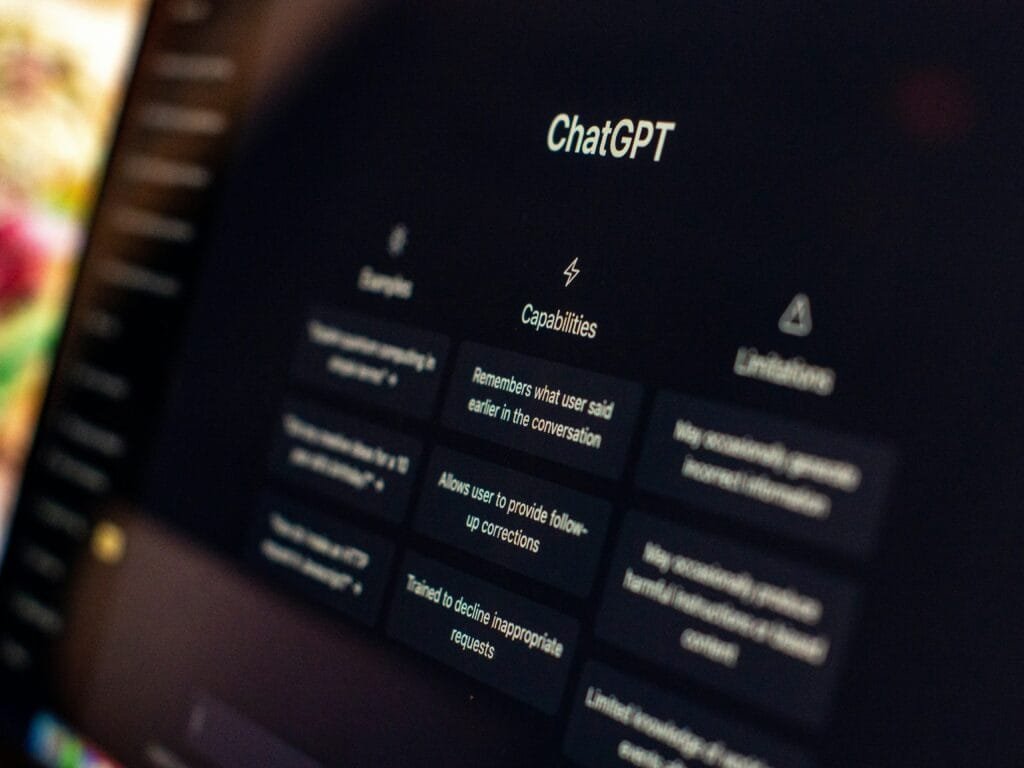
AI technology in healthcare not only enhances patient experience by offering 24/7 accessibility but also alleviates the burden on healthcare professionals. Individuals seeking medical advice can engage with AI systems, receiving tailored responses based on their symptoms or inquiries. This immediacy can be especially beneficial in non-emergency situations where reaching a healthcare provider may require a wait or in cases where information is needed promptly. However, the implementation of such technology comes with its own set of challenges and limitations.
Despite the apparent advantages of using AI for initial medical advice, it is crucial to acknowledge the risks involved. AI systems, including chatbots, rely heavily on algorithms and databases that may not account for every variable in a patient’s health. The accuracy of the information provided can vary significantly based on the quality of the underlying data and the model’s training. Consequently, there are concerns regarding over-reliance on these tools for a definitive diagnosis. Misinterpretation or misinformation can lead to potential health risks for individuals who may forego professional medical assessments based solely on AI-generated responses.
Therefore, while the rise of AI in healthcare, particularly through platforms like ChatGPT, offers considerable convenience and support, it is essential for patients and healthcare providers to approach AI-generated medical advice with caution. Understanding the limitations of AI is paramount in ensuring that patients receive safe and effective care.
Understanding AI Limitations in Medical Diagnosis
Artificial Intelligence, like ChatGPT, has shown tremendous potential in various fields, including healthcare. However, it is essential to recognize the inherent limitations of AI in medical diagnosis. One major limitation is the inability of AI to understand context in the same nuanced way a human doctor can. While AI algorithms can process vast amounts of data, they often lack the experiential knowledge gained from years of medical training and clinical practice. This leads to a fundamental gap in the understanding of subtleties in patient presentations, which are critical for accurate diagnosis.
Furthermore, the training data AI systems are based on may not encompass all aspects of real-world medical conditions. AI technologies can misinterpret data or overlook important factors, resulting in potentially misleading or inaccurate diagnoses. For example, if an AI system is trained on datasets that predominantly feature a specific demographic, it may struggle to generate accurate assessments for patients outside that demographic. This limitation emphasizes the danger of over-reliance on AI, particularly in diagnosing diverse populations.
Another critical concern is the tendency of AI to generate information that appears plausible but is not necessarily correct. AI models can invent details or offer misleading conclusions when faced with incomplete information. A concrete illustration of this pitfall can be seen in cases where AI might suggest a common treatment for a symptom without considering the patient’s full medical history. Such recommendations can lead to inadequate care and unforeseen complications.
In summary, while AI like ChatGPT holds exciting prospects for augmenting medical diagnosis, it is crucial to approach its use with caution. Understanding the limitations of AI’s contextual awareness, depth of training, and propensity for inaccuracies is vital in ensuring appropriate integration into medical practice.
The advent of artificial intelligence (AI), including tools like ChatGPT, has transformed numerous sectors, including healthcare. However, despite the advancements in technology, it is paramount to recognize the irreplaceable role of professional medical advice. AI can assist in processing vast amounts of information quickly, yet it lacks the critical human touch essential for accurate medical diagnosis.
Human medical experts bring extensive knowledge and experience to patient evaluation. A qualified healthcare professional not only considers the specific symptoms presented but also takes into account the patient’s complete medical history, including previous conditions, medications, and family health issues. This holistic approach is crucial as it helps in accurately interpreting symptoms that may otherwise be misunderstood by an AI algorithm. While AI can suggest potential conditions based on symptoms inputted by the user, it cannot delve into the nuances of each case that a human practitioner would assess.
Moreover, physical examinations play a significant role in diagnosing medical issues that AI is unable to replicate. For instance, certain diseases may present physical signs not available through a digital interface, such as variations in skin color or physical tenderness. These subtle cues require not just knowledge but also the ability to observe and understand the complexities of human health.
Furthermore, ongoing training and continual learning are hallmarks of a competent healthcare provider. Unlike an AI model, which relies on pre-coded algorithms and static databases, human practitioners adapt to the evolving landscape of medical knowledge and emerging research. This adaptability enables them to provide the most informed and up-to-date medical advice.
In summary, while AI tools can facilitate and enhance the diagnostic process, they must not be seen as substitutes for professional medical advice. The expertise and insights of human medical professionals remain essential for ensuring accurate diagnoses and effective treatment plans.
The integration of artificial intelligence (AI) tools, such as ChatGPT, into the realm of medical diagnosis has revolutionized access to healthcare information. However, the advent of these technologies presents significant risks, particularly when individuals engage in self-diagnosis. One of the paramount concerns related to the use of AI for self-diagnosis is the possibility of misdiagnosis. AI tools, while advanced, may not adequately capture the complexity of an individual’s symptoms or health history, leading to erroneous conclusions. As a result, users may act upon incorrect information, exacerbating their conditions rather than addressing them.
Another crucial risk is the over-reliance on technology. Individuals may find themselves trusting AI-generated responses more than professional medical opinions. This dependency can create a false sense of security, encouraging users to forego consultations with qualified health professionals. This habit can delay essential treatments and interventions that are critical for effective healthcare management.
Moreover, the psychological impact of utilizing AI for self-diagnosis cannot be understated. When individuals misinterpret the information provided by AI tools, it can lead to increased anxiety, stress, and confusion regarding their health. This reaction can create a vicious cycle where self-diagnosed individuals experience heightened worry about their conditions, ultimately impacting their mental well-being.
Inappropriate usage of AI in medical diagnosis not only jeopardizes physical health but can also compromise emotional stability. Users should remain cautious and recognize that while AI can serve as a helpful resource for information, it is not a substitute for professional medical advice. It is essential to balance the benefits of AI technologies with an understanding of their limitations in medical contexts.
Data Privacy and Confidentiality Concerns
The integration of artificial intelligence tools like ChatGPT into the healthcare domain has opened new avenues for medical inquiry and diagnosis. However, this advancement brings forth significant issues concerning data privacy and confidentiality. When users engage with AI platforms for medical purposes, they often share sensitive health information, which raises questions about how this data is managed and protected.
First and foremost, it is crucial to understand the data handling policies of the AI system. Many AI platforms may store user interactions, which could include personal health details. It is important for users to be aware of these policies before disclosing any sensitive information. Failure to understand these practices can lead to unintentional breaches of confidentiality, putting personal health data at risk.
Moreover, the practice of sharing health information with AI tools calls for a comprehensive understanding of potential risks. AI systems may not always have robust encryption or security safeguards in place, making them vulnerable to unauthorized access or data breaches. Users must consider these factors seriously, especially when the information involves serious medical conditions or private health history.
Additionally, as AI technologies evolve, so do the methods employed by malicious actors to exploit vulnerabilities in data storage and sharing practices. Therefore, individuals should approach the use of AI for medical diagnosis with a degree of caution. Ensuring that any interaction with an AI tool is conducted on a secure platform can mitigate some of these risks. Being vigilant about the information shared and understanding the implications of such sharing is critical for preserving both privacy and confidentiality in medical discussions involving AI.
Recognizing Red Flags: When to Seek Immediate Help
In today’s digital age, artificial intelligence applications, such as ChatGPT, can provide significant assistance in numerous fields, including healthcare. However, it is crucial to recognize situations where reliance on AI may not be appropriate. Understanding the red flags that indicate the need for immediate professional medical help is vital for patient safety.
Symptoms that suggest urgent care include, but are not limited to, severe chest pain, difficulty breathing, sudden confusion, or inability to wake or stay awake. These indicators may suggest a medical emergency such as a heart attack or stroke, conditions that require prompt intervention from healthcare professionals. In such situations, depending solely on AI for diagnosis could delay vital treatment.
Additionally, other red flags can arise from the exacerbation of chronic conditions. For instance, if a patient experiencing diabetes notices an unusual increase in blood sugar levels accompanied by symptoms like excessive thirst or frequent urination, immediate consultation with a healthcare provider is essential. Similarly, acute changes in the management of asthma, such as increased use of inhalers or frequent hospital visits due to shortness of breath, necessitate an urgent evaluation.
Behavioral concerns also represent critical situations. If an individual exhibits signs of severe mental distress, such as suicidal thoughts or self-harm, it is imperative to seek immediate professional help rather than relying on AI-generated insights. Mental health emergencies demand the expertise of qualified professionals who can provide guidance and intervention.
In conclusion, while AI technologies like ChatGPT can be beneficial for general advice and information, recognizing the red flags outlined above is necessary for ensuring the safety and health of patients. When faced with any medical issues indicated, turning to a healthcare professional is always the preferred course of action.
Integrating AI as a Support Tool, Not a Replacement
As advancements in artificial intelligence continue to revolutionize various fields, its application in healthcare, particularly through tools like ChatGPT, has shown significant potential. However, it is crucial to understand that AI should serve as a complementary resource in medical diagnostics rather than a substitute for qualified healthcare professionals. This approach not only optimizes patient care but also preserves the integrity of professional medical practice.
To effectively integrate AI into the healthcare framework, it is important for patients and medical professionals alike to recognize AI’s limitations. AI systems, while adept at processing vast amounts of data and identifying patterns, lack the human ability to consider nuanced patient histories and the complex interplay of various conditions that a trained medical professional can provide. Therefore, patients should view AI as a supportive tool that can assist in the decision-making process rather than a definitive source of diagnosis.
One practical way for patients to use AI responsibly is to engage with these tools for preliminary research and symptom assessment. For example, a patient experiencing unusual symptoms might use AI to obtain general information or potential causes, which can then be critically evaluated in a conversation with a healthcare provider. This collaboration encourages a well-rounded approach to healthcare, wherein the insights derived from AI enrich the dialogue between patient and physician.
Healthcare professionals are encouraged to use AI-generated insights as an adjunct to their clinical expertise. This collaboration can lead to enhanced diagnostic accuracy and treatment planning. Moreover, AI can streamline patient data management, allowing healthcare providers to focus on direct patient care.
In conclusion, the thoughtful integration of AI like ChatGPT into healthcare holds promise for improved patient outcomes when used as a support tool alongside traditional diagnostic methods.
Future of AI in Healthcare: Opportunities and Challenges
The future of artificial intelligence (AI) in healthcare presents a multitude of opportunities that can significantly enhance patient care and streamline medical processes. As ongoing research continues to push the boundaries of technology, developments in AI systems, such as machine learning and natural language processing, are being leveraged to assist medical professionals in diagnosis and treatment planning. These advancements promise to improve diagnostic accuracy, optimize individualized care approaches, and reduce administrative burdens in healthcare settings.
One of the most exciting opportunities lies in predictive analytics, where AI algorithms can identify potential health risks for patients based on extensive datasets. By analyzing patterns in data collected from various sources, AI can facilitate early intervention strategies which may lead to better health outcomes and potentially reduce hospitalizations. Furthermore, AI-driven platforms can assist healthcare providers in staying updated on the latest treatment protocols and emerging medical research, creating a more informed medical environment.
However, the integration of AI into healthcare is not without its challenges and ethical considerations. Ensuring data privacy and security is paramount, as healthcare data is particularly sensitive. Additionally, the potential for algorithmic bias raises concerns about equitable care delivery. If AI systems are trained on non-representative data, they might inadvertently perpetuate health disparities across different populations. Therefore, oversight and regulation are essential to ensure AI systems adhere to ethical standards and provide unbiased assistance.
The future of AI in healthcare will hinge on collaborative efforts among technologists, healthcare providers, and regulatory bodies to harness the benefits of AI while addressing its inherent challenges. Only through comprehensive dialogue and thoughtful implementation can AI facilitate a safe and effective transformation in the medical field.
Conclusion: Balancing Technology and Human Expertise
In the evolving landscape of healthcare, the integration of artificial intelligence (AI), including tools like ChatGPT, presents both significant opportunities and potential challenges. While these technologies can process vast amounts of data and provide rapid responses, they should not be viewed as a replacement for human expertise in medical diagnosis. The reliance on AI requires a careful examination of its capabilities and limitations.
AI systems can offer insights and support healthcare providers by streamlining processes and enhancing decision-making. However, they operate based on pre-installed algorithms and data, leaving room for inaccuracies and a lack of context that only a trained medical professional can provide. Therefore, it is crucial that patients and practitioners recognize the limitations of AI-generated information. The role of medical professionals remains paramount, particularly in interpreting complex situations and applying nuanced clinical judgment.
Moreover, ethical considerations arise when AI is integrated into patient care. Privacy concerns and the potential for misdiagnosis necessitate a cautious approach to the use of such technologies. Patients should always seek comprehensive medical advice from qualified clinicians, who can evaluate their unique circumstances and make informed recommendations. Ensuring a collaborative relationship between artificial intelligence and human expertise can lead to improved patient outcomes while mitigating risks associated with over-reliance on technology.
Ultimately, as AI continues to advance, it is vital for both patients and healthcare professionals to maintain a balanced perspective. Emphasizing the indispensable value of human judgment and empathy in medicine, alongside the efficiencies provided by AI, can pave the way for responsible and effective healthcare practices.


