

How to Refine Budgets for Better Google Ads Outcomes
Introduction to Google Ads in 2025
As we move into 2025, the landscape of Google Ads has undergone significant transformations, driven by advancements in technology, evolving algorithms, and shifts in consumer behavior. Advertisers are now faced with an increasingly competitive environment, requiring them to adapt their strategies for optimal performance. The necessity of maintaining a stable cost-per-acquisition (CPA) while scaling campaigns has become paramount for businesses aiming to sustain their growth.
One notable change in this realm is the evolution of Google’s advertising algorithms, which have been fine-tuned to better understand user intent and deliver more relevant ads to target audiences. This has resulted in a higher degree of personalization in advertising, aiding businesses in reaching potential customers who are more likely to convert. Advertisers must therefore become adept at utilizing these enhanced targeting capabilities to optimize their campaigns effectively.
The competition within the Google Ads ecosystem has also intensified, with more businesses recognizing the value of online advertising. As a result, advertisers are vying for limited ad space in search results, leading to increased bidding wars and elevated costs. To navigate this challenge, focusing on maintaining a stable CPA becomes critical; businesses need to ensure that their investment yields a satisfactory return while keeping acquisition costs manageable.
Furthermore, evolving trends in consumer behavior are reshaping how advertisers approach their campaigns. With consumers becoming more discerning and reliant on digital interactions, the messaging, timing, and placement of ads must be tailored to meet their expectations. Consequently, understanding these behavioral changes is essential for advertisers to create effective strategies that resonate with their target audiences.
Overall, the landscape of Google Ads in 2025 demands a strategic approach to campaign management, emphasizing the critical balance between scaling efforts and maintaining a stable CPA. Adapting to these trends and competition is instrumental in achieving sustained success in this dynamic advertising arena.
Understanding Cost-Per-Acquisition (CPA)
Cost-Per-Acquisition (CPA) is a fundamental metric in the realm of digital advertising, particularly within Google Ads campaigns. CPA represents the cost incurred by an advertiser for acquiring a customer who yields a specific action, often a purchase or lead generation. This metric is calculated by dividing the total cost of a campaign by the number of conversions it generates. For example, if an advertiser spends $500 on a campaign that results in 50 conversions, the CPA would be $10. Understanding and effectively managing CPA can significantly impact the profitability and success of Google Ads initiatives.
Maintaining a stable CPA is critical for advertisers aiming to scale their Google Ads campaigns efficiently. A fluctuating CPA can signal that campaigns are either losing effectiveness or running into market saturation. Advertisers must continuously analyze various factors that contribute to CPA, including ad quality, targeting precision, and bidding strategies. If CPA rises unexpectedly, it may suggest that the ad copy is not resonating with the intended audience or that competition for the targeted keywords has intensified. In such cases, revisiting the campaign settings and making necessary adjustments becomes paramount.
Ultimately, advertisers face the challenge of balancing scale and stability. As campaigns expand, it is not uncommon for CPA to experience fluctuations due to increased competition or changes in market dynamics. Employing sophisticated tracking and reporting tools can assist in identifying these variations, allowing for prompt strategic adjustments. Thus, understanding CPA not only helps in managing budgets but also in optimizing the overall effectiveness of advertising efforts. In a rapidly evolving landscape, particularly in 2025 and beyond, mastering CPA will be an essential aspect of successful Google Ads marketing strategies.
Analyzing Campaign Performance Data
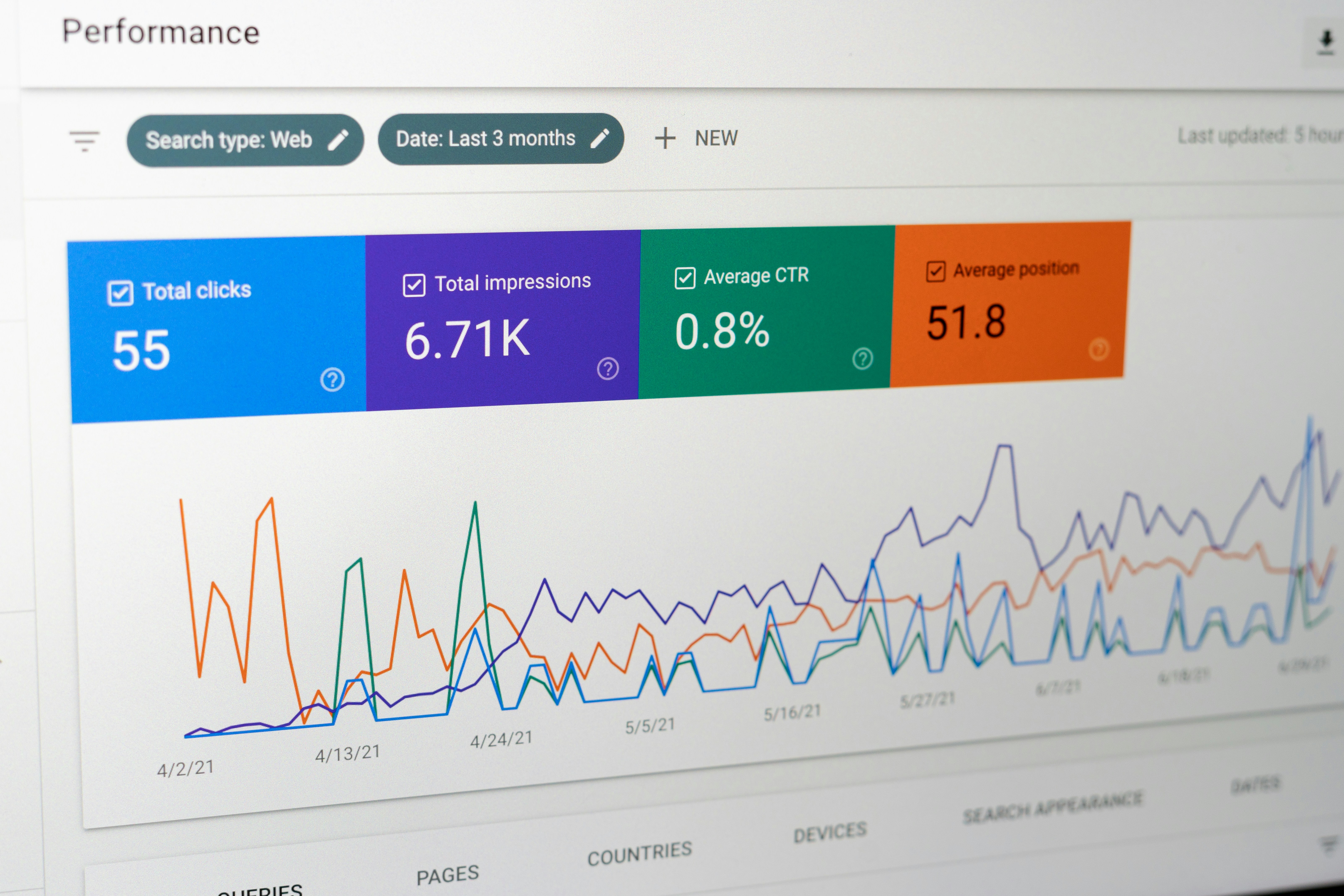
To effectively scale Google Ads campaigns in 2025 while ensuring a stable Cost Per Acquisition (CPA), a thorough analysis of campaign performance data is essential. The foundation of successful scaling lies in the ability to track and interpret key metrics that reflect how well the current campaigns are performing. Among the most critical metrics are Click-Through Rate (CTR), Conversion Rate, Cost Per Click (CPC), and Quality Score, each serving a unique purpose in performance assessment.
Utilizing appropriate tools for data analysis can facilitate a more comprehensive understanding of these metrics. Google Ads itself offers built-in reporting features; however, third-party analytics tools such as Google Analytics, SEMrush, and Tableau can provide additional insights. These tools allow advertisers to dissect their data, making it easier to visualize trends and correlations that may not be immediately evident. Deploying these resources can yield information about user engagement and behaviors, aiding in identifying opportunities for optimization.
Interpreting performance data involves looking beyond the raw numbers. Analyzing trends over time and comparing the performance across different segments can reveal areas for improvement. For instance, if a particular ad group exhibits a higher CTR but a lower conversion rate, this may indicate a disconnect between the ad’s messaging and landing page content. Similarly, keeping an eye on seasonal variations and identifying peak performance periods can guide when to allocate increased budgets and ramp up ad spend.
Ultimately, the insights derived from campaign performance data inform scaling decisions that align with maintaining a stable CPA. By establishing a framework for continuous monitoring and analysis, advertisers can make more calculated decisions, ensuring that their scaling efforts do not disrupt the efficiency and cost-effectiveness that the original campaigns provided.
Leveraging Automation Tools
The evolving landscape of Google Ads in 2025 necessitates a strategic embrace of automation tools to maintain a stable Cost Per Acquisition (CPA) while scaling campaigns. Automation significantly reduces the manual effort involved in managing ads, allowing marketers to allocate their resources more efficiently. Among the key components of this automation are smart bidding strategies, which utilize advanced machine learning algorithms to adjust bids in real-time based on user behavior and conversion likelihood.
Utilizing smart bidding not only optimizes individual bids but does so with the overarching goal of maximizing conversions while adhering to budget constraints. Strategies such as Target CPA and Maximize Conversions are prime examples of how advertisers can achieve stable CPAs. By focusing on the desired CPA, these strategies automatically adjust bids in response to changing market conditions, ensuring that campaigns remain competitive without sacrificing profitability.
Moreover, Google Ads offers various machine learning tools designed to enhance targeting and improve ad relevance. These tools analyze vast amounts of data to discern patterns and preferences among potential customers, providing insights that can inform ad creative, messaging, and placement. By leveraging such insights, advertisers can achieve higher engagement rates, ultimately contributing to a stable CPA as campaigns scale.
Additionally, remarketing lists for search ads (RLSAs) and dynamic ad re-targeting can be automated, allowing advertisers to engage users who have previously interacted with their brand. This not only fosters brand recall but also boosts conversion rates, aiding in the quest for a stable CPA. As Google Ads continues to evolve with automation at its core, adopting these tools becomes essential for businesses aiming to optimize their campaigns and efficiently scale their advertising efforts.
Refining Targeting Strategies
In the ever-evolving landscape of digital advertising, refining targeting strategies is essential for optimizing Google Ads campaigns. Effective targeting ensures that advertisements reach the most relevant audience, thereby enhancing engagement and maintaining a stable cost per acquisition (CPA). One notable technique is demographic targeting, which involves analyzing and selecting specific characteristics such as age, gender, income, and location. By understanding the demographics of your audience, advertisers can tailor their messages and bids more efficiently, focusing resources on those most likely to convert.
Another effective method is remarketing, which allows advertisers to reconnect with users who have previously interacted with their website or app. Remarketing is a powerful strategy that targets individuals who have shown interest in your products or services, reminding them of their previous engagement. This approach not only increases the likelihood of conversion but also optimizes CPA by ensuring that ads are displayed to an audience already familiar with the brand. Implementing remarketing lists based on user behavior can further refine this strategy, allowing advertisers to segment audiences according to their previous interactions.
Furthermore, employing customer intent signals can significantly enhance targeting precision. Intent signals are indicators that reflect a user’s readiness to purchase or engage with a product or service. By analyzing search queries, website interactions, and social media engagement, advertisers can develop a comprehensive understanding of potential customers’ intent. Utilizing this data enables campaigns to reach audiences at the right stage of their buyer’s journey, thus improving efficiency and keeping costs in check. Sophisticated targeting, including demographic profiling, remarketing, and intent-based strategies, plays a vital role in scaling Google Ads campaigns effectively while maintaining a stable CPA.
Creating Scalable Ad Variants
Developing scalable ad variants is a crucial strategy in enhancing the effectiveness of Google Ads campaigns while maintaining a stable cost per acquisition (CPA). Engaging and diverse ad creatives can significantly impact a campaign’s performance, allowing marketers to resonate with various segments of their target audience. By creating multiple ad variants, advertisers have the opportunity to test different messaging, visuals, and calls to action, ultimately determining which combinations lead to the most conversions.
To begin, it is essential to analyze the specifics of your target audience. This involves understanding demographics, interests, and behavior patterns, to tailor varied ad creatives accordingly. For instance, an ad targeting young adults may use contemporary language and imagery that reflects current trends, whereas an ad aimed at a more mature audience might incorporate formal language and traditional visuals. By connecting with users through relatable content, the chances of engagement increase, and by extension, a lower CPA becomes attainable.
Additionally, employing A/B testing can be a powerful method to evaluate the effectiveness of different ad creatives. This tool allows marketers to launch two variations of an ad simultaneously, analyzing performance metrics to identify which creative generates a better response. Over time, this approach facilitates data-driven insights that inform future ad creation, leading to improved scalability. Another valuable technique is dynamic ads, which automatically generate ad variants based on user data. This personalized experience can enhance relevance for potential customers, increasing conversion rates and further lowering CPA.
Ultimately, the key to scaling Google Ads campaigns lies in the continuous development and testing of varied ad creatives. By tailoring ads to align with different audience segments and engaging in systematic testing, marketers can create a robust portfolio of ad variants that not only attract attention but also drive successful conversions.
Budget Management and Allocation
Effective budget management is crucial for the success of Google Ads campaigns, particularly when aiming to scale while maintaining a stable cost per acquisition (CPA). A strategic approach to budget allocation can significantly influence campaign performance, ensuring that resources are utilized efficiently across various campaigns and ad groups.
First and foremost, understanding the nuances of different campaigns is essential. Not all campaigns yield the same results; thus, it’s vital to categorize them based on performance metrics, historical data, and overall business objectives. Identify high-performing campaigns that consistently generate conversions at an acceptable CPA and allocate a larger portion of the budget towards those initiatives. This practice creates a feedback loop where increased investment in top-performing campaigns can lead to even higher returns.
Another effective technique involves utilizing a tiered budget structure. By establishing budgets for each campaign level, from overall account spending to individual ad groups, you can maintain a clear oversight of expenditure. This structure aids in quickly identifying which segments require additional funding or need restrictions. Also, it’s advisable to implement a flexible budget model that adapts to real-time performance metrics. If a campaign starts to underperform, reassess and reallocate budget resources accordingly to maximize efficiency.
Moreover, taking advantage of automated tools provided by Google Ads can enhance budget management processes. Using features such as automated bidding can allow for real-time adjustments based on predetermined budget limits and CPA targets. Such tools optimize resource allocation without the need for constant manual oversight, leading to more consistent CPA management across campaigns.
Incorporating these budget management techniques ensures that Google Ads campaigns remain robust, allowing for thoughtful scaling while keeping CPA levels steady. By dedicating resources strategically, advertisers can enhance their chances of achieving sustained growth without sacrificing profitability.
Monitoring Competitor Strategies
In today’s dynamic digital marketing landscape, maintaining a stable cost per acquisition (CPA) through Google Ads requires vigilant monitoring of competitor strategies. Understanding how competitors position themselves in the market helps businesses make informed decisions regarding their own advertising practices. Regularly analyzing competitor ads allows marketers to identify effective keywords, bidding strategies, and ad copy that resonate with potential customers, ultimately enabling them to adjust their campaigns accordingly.
Various tools are available to facilitate this process, such as SEMrush, Ahrefs, and SpyFu. These platforms provide insights into competitors’ keyword strategies, enabling advertisers to unearth valuable data regarding which keywords drive conversion. Furthermore, they allow businesses to track ad placements, budget allocations, and performance metrics of rival campaigns. By utilizing these resources, companies can not only benchmark their performance but also adapt their tactics to enhance their own advertising effectiveness.
In addition to leveraging analytical tools, businesses should consider systematically reviewing competitors’ ad designs and messaging. This analysis can deliver insights on new trends in visual strategies or emotional appeals that current advertisements might lack. Furthermore, by regularly scanning competitors’ landing pages, businesses can gather best practices on user experience (UX) design and conversion optimization, helping to improve their own sites and maintain a competitive edge in the crowded digital space.
Collating this intelligence is essential, especially in a year like 2025 when the digital landscape may continue to evolve rapidly. Adjusting campaigns based on competitor insights may lead to more effective budget allocation and an ultimately more stable CPA. By remaining vigilant and responsive to competitor strategies, businesses can ensure their Google Ads campaigns resonate with audiences while effectively managing costs.
Future Trends and Predictions
As we navigate through the evolving landscape of digital advertising, several emerging trends are poised to shape the future of Google Ads campaigns and influence Cost Per Acquisition (CPA) strategies. One prominent trend is the continuous shift in consumer behavior, driven by heightened awareness and digital literacy. In 2025, consumers are expected to prioritize personalized experiences and transparency. Advertisers who leverage data analytics to tailor their messaging and ensure alignment with consumer values will likely see more favorable CPA outcomes.
Furthermore, advancements in technology play a critical role in redefining the advertising arena. The proliferation of artificial intelligence (AI) and machine learning will further empower advertisers to optimize their campaigns. Sophisticated algorithms will assist in determining the most effective bidding strategies, analyzing consumer interactions, and predicting trends. This will enable marketers to make informed decisions and adjust their campaigns dynamically, thereby maintaining a stable CPA.
Another aspect to consider is the rise of voice search and its implications for search advertising. With an increasing number of users relying on voice-activated devices, there is a greater need for advertisers to adapt their keyword strategies. This means optimizing content for voice queries that are typically longer and more conversational. By remaining attuned to these shifts, advertisers can effectively manage their CPA while reaching audiences in new and innovative ways.
Lastly, the integration of augmented reality (AR) and virtual reality (VR) into the advertising experience holds significant potential. Engaging consumers through immersive content can lead to higher conversion rates, ultimately affecting CPA positively. Advertisers who experiment with these technologies will likely differentiate their campaigns from the competition and engage their audience more effectively.
In conclusion, emerging trends such as shifts in consumer behavior, technological advancements, and innovative advertising formats are crucial for shaping the future of Google Ads campaigns. By staying proactive and adapting to these changes, advertisers will position themselves to maintain stable CPA while achieving their business objectives.


