
How to Animate Your First TikTok Short: A Beginner’s Guide

- Introduction to Animated Shorts
- Understanding TikTok's Audience and Trends
- Choosing the Right Animation Style
- Tools and Software for Animation
- Storyboarding Your Animated Short
- Creating Your Animation
- Editing and Refining Your Animated Short
- Sharing and Promoting Your Short on TikTok
- Learning from Feedback and Iterating
Introduction to Animated Shorts
The rise of animated shorts on social media platforms, particularly TikTok, has revolutionized the way creators engage with audiences. Animated shorts, brief segments of animation ranging from a few seconds to a couple of minutes, captivate viewers through their unique storytelling and visual appeal. In an age where attention spans are fleeting, animation allows creators to convey messages, emotions, and narratives in a condensed format, making it an increasingly popular choice for both budding artists and seasoned animators.
One of the primary reasons animation thrives on TikTok is its versatile nature. With a blend of creativity and technology, animated shorts can vary from simple stick figures to complex character animations. This flexibility enables creators to express ideas that might be difficult to communicate through live-action video alone. Furthermore, the dynamic aspects of animation, such as vivid colors and rapid movements, are designed to grab the viewer’s attention instantly, which is essential on a platform that promotes fast-paced content consumption.
Animation also provides a distinct advantage in terms of originality. While many creators might rely on similar themes or trends in conventional videos, animated shorts allow for more imaginative storytelling and character creation. This originality can help new creators differentiate themselves in an ever-growing pool of content on TikTok. By utilizing animation, they have the opportunity to establish a unique brand identity that resonates with viewers, thereby fostering a more personal connection.
In this guide, we will explore practical steps for creating animated shorts that stand out on TikTok. As we delve deeper into the world of animation, aspiring creators will learn how to harness this captivating medium to effectively engage their audience and elevate their presence on the platform.
Understanding TikTok’s Audience and Trends
As one of the fastest-growing social media platforms, TikTok boasts a diverse audience that significantly influences content creation. Primarily, TikTok attracts a younger demographic, particularly Generation Z and Millennials, with users aged 16 to 24 comprising a substantial portion of the platform’s user base. This demographic is characterized by a preference for engaging, visually appealing, and often humorous content. Understanding this audience is crucial for creators looking to produce animated shorts that resonate with viewers.
Trends play a pivotal role in shaping the type of content that gains traction on TikTok. Viral challenges, trending sounds, and popular hashtags frequently dictate what is considered ‘in’ at any given moment. These trends not only guide the kind of animations that creators should consider but also inform the themes and styles that viewers are currently drawn to. For instance, if a particular sound or song is trending, incorporating it into an animated short can substantially increase the chances of the content being discovered by a wider audience.
By analyzing trending hashtags, creators can gain insights into what topics are capturing viewers’ attention. Utilizing TikTok’s search function to identify popular sounds and trending content allows animators to adapt their styles and narratives to align with these prevailing trends. Additionally, participating in challenges or incorporating elements from popular animations can provide a direct pathway into trending conversations, making animated shorts more relatable to the platform’s audience.
Ultimately, by recognizing the significance of audience demography and staying attuned to emerging trends, newbies in the animation field can develop TikTok shorts that are not only enjoyable but also relevant. Understanding these factors enhances a creator’s ability to engage with TikTok’s audience effectively, increasing their chances of success on the platform.
Choosing the Right Animation Style
When embarking on the journey of creating animated shorts for TikTok, selecting an appropriate animation style is a crucial first step. The platform, known for its quick and engaging content, offers various animation techniques, including 2D, 3D, stop-motion, and motion graphics. Each style has unique characteristics and may appeal to different audiences, making your choice significant depending on the narrative you wish to convey.
2D animation is a popular choice among beginners due to its relatively straightforward process. Tools like Adobe Animate and Toon Boom Harmony provide user-friendly interfaces that facilitate the creation of engaging visuals. This style is well-suited for storytelling that requires expressive characters and vibrant backgrounds, making it ideal for humorous or light-hearted narratives. Furthermore, incorporating elements of 2D animation can enhance your storytelling by allowing for a level of detail and personality that resonates with viewers.
If you’re inclined toward a more sophisticated approach, 3D animation may be the right option. With programs like Blender and Autodesk Maya, you can create stunning visuals that bring depth and dimension to your short films. Although 3D animation involves a steeper learning curve, the results can be incredibly rewarding. This style works well for stories that benefit from realism or intricate animations, attracting an audience that appreciates high-quality production.
For those searching for a creative twist, stop-motion animation provides a unique aesthetic using physical objects and models. While it may require more time and effort to set up, the charm of stop-motion is undeniable, making it a captivating option for storytelling that emphasizes tactile elements. Alternatively, motion graphics utilize animated text and shapes to deliver messages efficiently, ideal for informative content.
Ultimately, beginners should assess their own skills, the tools at their disposal, and the essence of the story they intend to tell. By thoughtfully choosing an animation style that aligns with these factors, creators can set the groundwork for effective and engaging animated shorts on TikTok.
Tools and Software for Animation
For those venturing into the vibrant world of animation, it is essential to select the right tools and software that cater to your skill level and creative aspirations. A variety of applications, both free and paid, are available for beginners aiming to create compelling animated shorts for TikTok. Here’s a summary of some popular options that can facilitate your journey into animation.
First on the list is Toon Boom Harmony, a professional-grade animation software widely used in the industry. While it offers a range of advanced features, its user-friendly interface makes it accessible for newcomers. Beginners might find the essential tools overwhelming, but numerous tutorials provide a solid foundation for learning.
Another excellent option is OpenToonz, an open-source software that combines professional tools with an adaptable interface. It allows users to create 2D animations with ease, and its open-source nature ensures that it remains free. This software is particularly suitable for those interested in exploring traditional animation techniques.
If you prefer mobile applications, FlipaClip is a popular choice among animators starting on their smartphones or tablets. Its intuitive interface makes frame-by-frame animation straightforward and enjoyable. Additionally, FlipaClip offers a wealth of features, including layers, sound integration, and the ability to export animations to various formats.
Animaker stands out as an online platform perfect for creating animated videos quickly. It offers a plethora of pre-built characters and templates, making it ideal for individuals without extensive animation experience. The drag-and-drop functionality streamlines the animation process, allowing users to focus on creativity.
Lastly, Adobe Animate remains a favorite among budding animators. The software supports both raster and vector graphics, providing versatility in animation styles. Although it requires a subscription, Adobe Animate offers a myriad of powerful features that can enhance the learning experience for beginners.
In summary, selecting the appropriate animation tools and software can dramatically influence your creative process. Whether you lean towards desktop applications or mobile apps, the right choice will help you bring your animated shorts to life on TikTok.
Storyboarding Your Animated Short
Storyboarding is a fundamental step in creating animated shorts, serving as the visual blueprint for your project. This process involves sketching out a series of illustrations or images, representing each significant moment of the narrative. By organizing these visual elements, filmmakers can effectively visualize the sequence of scenes and the overall flow of the story before production begins. Storyboarding plays a crucial role in ensuring that your animated short not only captivates but also conveys a coherent narrative to its viewers.
To start your storyboard, begin by breaking down your script or concept into several key scenes. Determine the main events that drive your animation, then draft rough sketches of each scene, along with notes that describe the action taking place and any dialogues, sound effects, or music. Prioritize clarity over artistic detail at this stage, as the primary goal is to communicate ideas effectively. A well-structured storyboard will help you identify the pacing of your animated short, aiding in timing and transitions between scenes.
One helpful technique in storyboarding is to utilize a grid layout, organizing each panel in chronological order. This grid makes it easier to visualize the sequence of events as well as any necessary changes. Be sure to include annotations for camera angles, movements, and transitions; these elements will aid you in visualizing the action and atmosphere of each scene. Additionally, consider creating alternate versions of specific panels, as this allows for experimentation with different approaches to storytelling. Storyboarding is not static; it can evolve as your ideas develop.
In conclusion, the storyboard serves as the backbone of your animated short, allowing for a comprehensive overview of your narrative. By following these storytelling techniques and principles, you will enhance the consistency and quality of your completed animation for platforms like TikTok. Embracing the importance of storyboarding will set a strong foundation for your animation journey.
Creating Your Animation
Once you have developed a storyboard, the next step in producing your animated short for TikTok is to create the animation itself. This process can be both invigorating and challenging, and mastering it requires attention to detail and creativity.
The first essential element to consider is character design. Characters are the heartbeat of your animation, so ensure that they are visually appealing and resonate with your intended audience. Utilize design software like Adobe Illustrator or Procreate to sketch and refine the characters, ensuring that they have distinct features and expressions that will convey emotion effectively during your animation.
Secondly, focus on background creation. The backgrounds should reflect the tone and setting of your animation, enhancing the scene without overshadowing the characters. You can either illustrate these backgrounds manually or use pre-made assets from libraries available online. Consistency in style is key; ensure that the backgrounds complement your characters and align with the overall aesthetic of your animation.
Scene transitions are another critical component to bring your animation to life. Smooth transitions between scenes will help in maintaining viewer engagement, making the narrative flow seamlessly. Experiment with various transition effects like fades, slides, or cuts, but be mindful not to overdo them to avoid distracting from the storyline.
Lastly, syncing your animation with audio is crucial. The right sound effects and music can significantly enhance the impact of your animated short. Use audio editing software to adjust timings, ensuring that voiceovers align with character dialogues and that sound effects accentuate movements. By focusing on these key elements, you can effectively animate your creations and enhance the viewer’s experience on platforms like TikTok.
Editing and Refining Your Animated Short
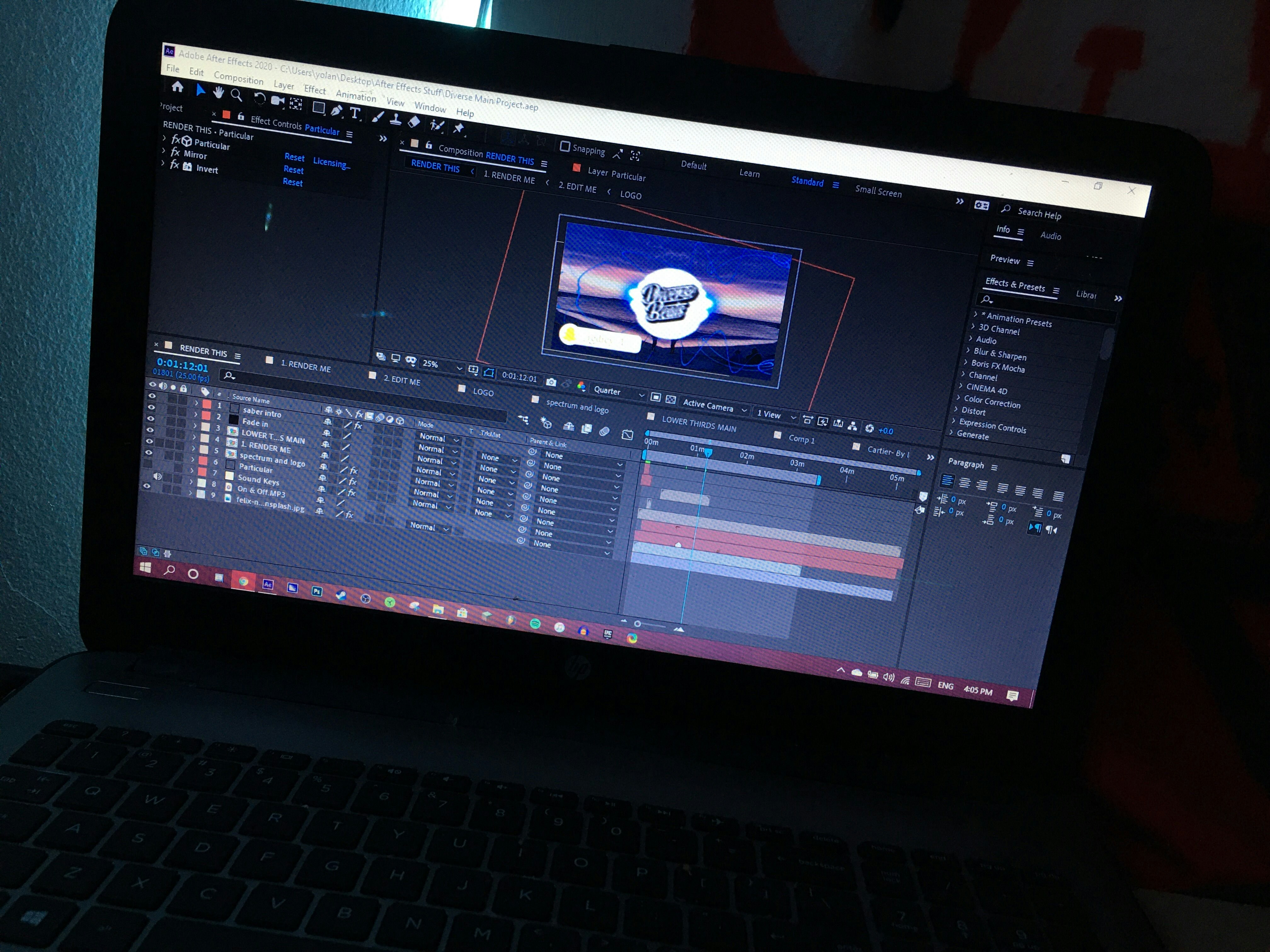
Once the animation of your short is complete, refining it through the editing process is crucial to achieving a polished final product. Effective editing enhances the overall quality, ensuring your animated short engages the audience on TikTok. The initial step in this process involves careful review of the animated sequences to determine areas that require adjustments. This may include identifying frames that could benefit from better timing or transitions that need smoothing.
One basic editing technique to employ is color correction. This involves adjusting the colors of your animation to create a cohesive and visually appealing aesthetic. Utilizing software tools, you can manipulate the brightness, contrast, and saturation of your colors, which can significantly impact the mood and tone of your animated short. Ensuring that the color palette aligns with your intended message can amplify viewer engagement.
Additionally, adding visual effects can further enhance the animation. Effects such as motion blur or subtle transitions between scenes elevate the overall quality and maintain viewer interest. Be mindful, though, to use effects judiciously—as overuse can lead to distraction rather than enhancement. Each effect should serve a purpose and be in harmony with the animation’s theme.
Improving audio quality is another pivotal aspect of editing your animated short. Ensure your sound effects and background music complement the visuals seamlessly. Utilizing software options like Adobe Premiere Pro or Final Cut Pro provides a range of audio editing features, allowing you to adjust levels, reduce noise, and enhance clarity.
Software recommendations can vary depending on your editing experience. Beginners might find user-friendly options such as Shotcut or OpenShot suitable for their needs. As skills grow, transitioning to more advanced software can provide additional features that enhance your editing capabilities. Taking the time to meticulously edit and refine your animated short ultimately results in a more captivating and professional-looking final product.
Sharing and Promoting Your Short on TikTok
Once you have created your animated short, the next vital step is to share and promote it effectively on TikTok. This platform thrives on engaging content, and your ability to connect with viewers can significantly impact your short’s reach and overall success. One of the first considerations is crafting an engaging caption. Your caption should not only describe your short but also evoke curiosity or emotion. Aim to ask a question, share a fun fact, or include a call to action, encouraging viewers to interact with the content. A compelling caption acts as an invitation for viewers to click on your post and engage with it.
Additionally, utilizing the right hashtags plays a crucial role in maximizing visibility. Hashtags are essential tools that help categorize your content and make it discoverable to users interested in specific topics. Research trending hashtags within the TikTok community and include a mix of popular ones along with niche-specific hashtags related to your animation. This balanced approach can enhance your potential to reach different audience segments, thereby increasing engagement and attracting new followers.
Moreover, timing matters when it comes to posting your animated short. An optimal posting schedule can influence how many people see and engage with your content. Analyzing TikTok’s peak user activity times can guide you in determining the best times to share your short. Consistency is also key; maintaining a regular posting schedule keeps your audience engaged and directly correlates to increasing your TikTok visibility over time. By focusing on these strategies—engaging captions, strategic hashtags, and optimal posting times—you can effectively promote your animated short on TikTok, maximizing both reach and audience interaction.
Learning from Feedback and Iterating
As a creator of animated shorts for TikTok, recognizing the value of viewer feedback is paramount for artistic growth and audience engagement. Each comment, share, and view presents an invaluable opportunity to glean insights regarding what resonates with your audience. Start by actively reading and analyzing the comments on your posts; constructive criticism can illuminate areas in need of improvement, while positive feedback can guide you in replicating successful elements in your future work. Pay attention to recurring themes in the comments, which can highlight your strengths and potential weaknesses in storytelling, animation style, or humor.
In addition to qualitative feedback, quantitative data such as views and shares can offer a broader understanding of your content’s impact. An increase in views, for example, may suggest that the timing of your post aligns with peak user activity, or that the content itself has sparked interest. Tracking engagement metrics over time allows you to identify patterns that define your audience’s preferences and viewing habits, enabling you to tailor your future projects accordingly. For instance, if a specific animation style or topic garners markedly more attention than others, experimenting further with that style could lead to enhanced viewer satisfaction.
Iteration is a key component of the creative process. Using the insights acquired from feedback, consider testing variations of your animated shorts to see how small changes can significantly affect audience reception. This could involve adjusting pacing, character designs, or even the themes of your narratives. Engaging in this experimental cycle not only nurtures your creative skills but also fosters a stronger connection with your audience, as they feel their opinions are valued and reflected in your evolving body of work. Ultimately, embracing feedback and iterating on your creations will lay the groundwork for sustained growth and innovation in your animated storytelling journey.