
patakhdeletsolutionsltd.tech

Loading

patakhdeletsolutionsltd.tech
How to Leverage AI for Better User Interactions

How to Leverage AI for Better User Interactions

Photo by Lucia Macedo on Unsplash

Introduction to Search Behavior

Search behavior refers to the manner in which individuals utilize search engines to find information, products, or services online. Understanding this behavior is essential for digital marketers, website developers, and content creators alike, as it illuminates how users engage with search tools to fulfill their needs. As users interact with search engines, they go through a series of stages, including the formulation of queries, reviewing AI-generated summaries or overviews, and ultimately making decisions based on the information retrieved.

One of the key factors influencing search behavior is search intent, which can be categorized into various types including informational, navigational, and transactional. Users may enter a query seeking straightforward answers, specific website navigation, or detailed insights into purchasing decisions. Recognizing these intent types is crucial as it enables content creators to tailor their offerings to meet user expectations more effectively. Moreover, search intent plays a significant role in how users interact with AI overviews, which can sometimes provide sufficient information to satisfy their queries without delving deeper into the search results.

Furthermore, the user experience during the search process is influenced by numerous factors, including the effectiveness of search algorithms, the design of the search results page, and the relevance of displayed content. A well-structured search experience can facilitate user engagement, while a poorly constructed one may lead to frustration and abandonment of the query. Understanding where users tend to drop off in their search journey can provide valuable insights. By analyzing these drop-off points, stakeholders can identify areas for improvement, enhancing the overall efficacy of search engine interactions.

In summary, appreciating the dynamics of search behavior is integral for optimizing content and user experience on digital platforms. By examining user intent and interactions with AI-generated overviews, one can better understand the patterns and expectations that underpin online search activities.

The Role of AI in Modern Search Engines

In recent years, the integration of artificial intelligence (AI) in search engines has fundamentally transformed the way users access and interact with information online. AI algorithms play a pivotal role in enhancing search results by utilizing advanced machine learning and natural language processing techniques. This innovation allows search engines to understand queries in a more nuanced manner, thereby delivering more relevant content to users.

Machine learning models are adept at recognizing patterns within vast amounts of data. These models analyze user behavior, including click-through rates, time spent on pages, and past search histories, to adapt and refine search results. As users continually interact with search engines, machine learning enables these platforms to evolve, tailoring responses to individual preferences while maintaining a seamless experience. This adaptability is vital, as it ensures that users are presented with the most pertinent information without having to navigate through unrelated or less useful results.

Natural language processing (NLP) further elevates the effectiveness of AI in search engines. By understanding the context and semantics behind user queries, NLP allows search engines to interpret language subtleties, including idioms, synonyms, and variations in phrasing. This capability is especially important in accommodating the diverse linguistic styles of users, as it ensures that everyone can find the information they seek regardless of how they phrase their search query. As a result, the quality of search results improves significantly.

Additionally, personalized content delivery has become a hallmark of AI-driven search engines. By leveraging user data, AI can curate tailored search results that reflect individual interests, enhancing user satisfaction. This personalization not only increases engagement but also fosters trust in search engine platforms as they consistently provide relevant and valuable information. The continuous advancement of AI in search technologies sets the stage for an enriched user experience, transforming how individuals navigate the digital landscape.

High-Level Overview: What Users Seek

When it comes to online searches, users frequently encounter AI-generated overviews that provide a high-level summary of information. These overviews are designed to give immediate responses, encapsulating essential details in a user-friendly format. Common features of AI overviews include succinct bullet points, concise summaries, and direct answers to specific queries. This presentation style is particularly effective in catering to users with time constraints or those seeking quick insights into a topic.

The format of these overviews can significantly influence user engagement. For instance, bullet points allow for rapid scanning, making it easier for users to absorb key information without diving deep into a more extensive text. Similarly, succinct summaries encapsulate broader topics, guiding users who may not have the expertise to interpret complex data. Direct answers, often highlighted at the top of search results, effectively draw attention and give users an immediate satisfaction of their informational needs.

However, while these features are appealing, they may not entirely fulfill users’ deeper search intentions. Many individuals enter queries with specific information needs, looking for detailed analysis, expert opinions, or comprehensive data that a brief overview simply cannot provide. Consequently, the reliance on AI overviews can lead to high drop-off rates, as users may feel that their inquiry remains insufficiently addressed. This dichotomy between the convenience of instant answers and the cravings for more in-depth content reflects a critical aspect of search behavior, highlighting the balance between user satisfaction and the complexity of their queries.

Understanding what users genuinely seek in their searches is crucial for content creators and marketers aiming to bridge the gap between high-level overviews and the depth of information that users often desire. By recognizing this phenomenon, strategies can be developed that cater to diverse user needs, enhancing engagement and retention.

Reasons for User Drop-Off at AI Overviews

As digital users sift through vast amounts of content, there are several reasons why many may choose to cease their search upon encountering an AI-generated overview. One significant factor is the perceived insufficiency of information provided in such overviews. While AI summaries aim to encapsulate complex topics succinctly, they often lack the nuanced detail that serious seekers of knowledge typically desire. Consequently, users may find themselves feeling dissatisfied and opt to look elsewhere for more comprehensive resources.

Another contributing aspect to user drop-off is the inherent preference for detailed content among many individuals. For users engaged in thorough research or looking for in-depth understanding, brief overviews can feel inadequate, prompting them to abandon what they perceive as a superficial exploration of the topic. This phenomenon illustrates a gap between the intention behind AI-generated summaries, which is to streamline information consumption, and the actual needs of users who often favor extensive data that can shed light on complex subjects.

Additionally, user browsing tendencies can play a role in this behavior. Many individuals approach online queries with the intention of gathering information through exploration rather than passive reading. When faced with a succinct AI overview, they may feel compelled to browse for other alternatives that offer richer content. This inclination toward exploring various resources rather than digesting short summaries can lead to a quicker disengagement from the AI overview, as users seek more engaging and informative experiences. In summary, the reasons for user drop-off at AI overviews are multi-faceted, indicating a demand for greater depth and interactivity in content delivery.

Statistics on Search Interactions and Drop-Off Rates

Understanding user interactions with search engines is essential for enhancing search experience and delivering relevant content. Recent studies highlight that a significant percentage of queries terminate at the AI overview stage, illustrating a common pattern in user behavior. According to recent statistics, approximately 30% of users report that their searches conclude after reviewing the AI-generated overview, suggesting that this initial information often satisfies their immediate needs.

Moreover, engagement rates reveal that less than 20% of users click on links beyond the first page of results, with many opting to review the overview provided by AI instead. This tendency contributes to notable bounce rates; data shows that around 50% of users leave a search results page without interacting further if they perceive their query has been sufficiently addressed by available AI summaries. Consequently, this indicates a lack of motivation to delve deeper into additional resources or links.

Furthermore, a notable aspect of this behavior is the frequency with which users refine their searches. Statistically, around 40% of individuals returning to the search results are inclined to rephrase or adjust their queries after initially relying on the AI overview. This pattern shows a duality in search behavior—the initial dependence on AI summaries, followed by an intent to seek more targeted information when those summaries do not entirely fulfill their inquiry.

In summary, current statistics solidify the understanding that a notable portion of user interactions with search engines concludes at the AI overview stage. The dual trends of high bounce rates alongside the prevalence of query refinement illustrate the complexities of user search behavior and the ongoing necessity for search engines to evolve and meet user demands effectively.

Impact of Content Quality on Search Engagement

Content quality plays a pivotal role in shaping user engagement and retention in the digital landscape. As users navigate through search engine results, they are often met with a myriad of options—some compelling and others lacking substance. High-quality content that is well-structured, relevant, and informative effectively captures users’ attention, encouraging them to explore further rather than abandon the search results. When users encounter content that meets their needs, they are more likely to stay engaged, spending additional time on the site and increasing the likelihood of conversion.

Conversely, when content fails to meet the expectations of users, whether due to a lack of depth, poor organization, or irrelevant information, it can lead to frustration and increased bounce rates. Users are likely to disregard content that is not directly applicable to their queries or that presents information in a convoluted manner. To maintain user interest, content should not only be accurate but also presented in a clear, logical format that enhances readability. This includes utilizing headings, bullet points, and concise paragraphs to facilitate easy scanning of the material.

Moreover, the use of tailored, authoritative content can significantly enhance engagement. When content addresses specific queries and demonstrates a deep understanding of the subject matter, it fosters trust and keeps users coming back for more. Engaging content, which may include a mix of text, visuals, and interactive elements, encourages deeper exploration and generates a community of return visitors. In an era where information is abundant, the quality of content stands out as a critical factor determining user engagement and retention in search behavior.

Improving User Journey Beyond AI Overviews

As users increasingly rely on AI overviews for quick information, it becomes imperative for content creators and website owners to enhance the user journey beyond these initial interactions. One effective strategy is to optimize content for deeper engagement, guiding users towards more comprehensive insights that go beyond surface-level responses. This entails utilizing engaging formats such as infographics, videos, and interactive tools which invite users to delve deeper into the subject matter.

An essential aspect of enhancing user engagement is the strategic placement of related resources. After a user has completed an initial search and reviewed an AI-generated overview, they should be directed to supplementary content that aligns with their interests. This could include articles, case studies, or tutorials that provide additional context and insight, enabling users to explore further without feeling lost or overwhelmed. Implementing user-friendly navigation elements, such as “related articles” or “you might also like” sections, can effectively guide users to relevant information that enriches their understanding.

Moreover, reinforcing the importance of follow-up queries is critical for maintaining a thoughtful user journey. Users should be encouraged to ask more specific questions that can lead to more tailored information. Adding prompts or contextual suggestions for follow-up queries not only enhances user experience but also promotes curiosity and exploration. For example, an AI overview might include questions such as “What are the next steps?” or “How does this apply to my situation?” to provoke further inquiry.

By implementing these strategies, content creators can significantly improve the user journey beyond AI overviews, enabling users to make informed decisions and engage more deeply with the subject at hand. This holistic approach helps users transition from initial curiosity to comprehensive understanding, ultimately enhancing their overall experience with the content.

Case Studies of Successful Engagement Strategies

In the ever-evolving digital landscape, many organizations have successfully recognized the importance of user engagement, particularly after providing AI overviews. One notable case is that of the e-learning platform, Coursera. They implemented a strategy to enhance course recommendations based on users’ previous interactions and AI-generated overviews. By utilizing machine learning algorithms, Coursera not only tailored the content shown to users but also offered additional resources, such as community forums and study groups. As a result, the platform saw a 25% increase in user retention within six months of this initiative.

Another example can be found in the online travel sector with the platform Airbnb. After realizing that many visitors were simply browsing without engaging further, Airbnb introduced personalized AI overviews highlighting popular local attractions and experiences based on user preferences. This integration led to a significant uptick in booking conversions—a 15% increase within the first quarter after implementation. Engaging users in a more meaningful way prior to the booking phase was essential, and the enhanced AI tools played a pivotal role in achieving this goal.

Furthermore, health and fitness applications like MyFitnessPal have utilized similar strategies by combining AI-generated overviews with personalized content. They began offering users a tailored fitness journey based on their previous logs and goals. This approach not only enhanced user experience but also drove a notable increase in app engagement rates, resulting in a 30% rise in daily active users. These examples demonstrate that well-crafted engagement strategies, centered on AI overviews, can significantly impact user retention and overall business outcomes.

In analyzing search behavior within the context of AI overviews, it is evident that a significant number of queries are being satisfied by summarized information generated by artificial intelligence. Users are increasingly relying on concise, AI-generated responses for quick insights, thus shifting the dynamics of traditional search patterns. This behavior marks a substantial transition, emphasizing the need for both users and content creators to adapt to these changes in information retrieval.

Understanding the factors driving this trend is essential. User expectations have evolved towards immediacy and efficiency, with searches often prioritizing rapid answers over exhaustive exploration. In this landscape, the role of search engines is also transforming. Search algorithms are progressively optimizing for AI-generated content that can effectively engage and address user queries, indicating a potential shift in how search relevance is defined.

Looking towards the future, it is anticipated that advancements in AI technology will further refine user interaction with search engines. As AI continues to develop, the likelihood of personalized search results that adapt to individual queries based on historical behavior increases. This suggests a future where queries may predominantly yield customized AI overviews tailored to user preferences and contexts, potentially diminishing the reliance on traditional links and listings.

Moreover, the integration of conversational AI may further augment the search experience, allowing users to engage in dialogue with search engines. This trend could lead to more nuanced understanding and fulfillment of user intent, enriching the overall effectiveness of information retrieval. As such, stakeholders in the digital communication space must remain vigilant and proactive in recognizing these evolving user behaviors and technological capabilities, paving the way for innovative strategies that align with the anticipated shifts in search behavior.

How to Foster Genuine User Engagement for Better CTR

How to Foster Genuine User Engagement for Better CTR

Photo by Justin Morgan on Unsplash

Introduction to CTR Manipulation

Click-Through Rate (CTR) manipulation refers to the practice of artificially increasing the ratio of clicks on a particular search result or advertisement to its total impressions. This metric is crucial in digital marketing and search engine optimization (SEO), as it provides insights into the effectiveness of content and advertising strategies. A high CTR often indicates relevance and appeal to users, which can propel a website’s ranking on search engine results pages (SERPs). However, the integrity of this metric can be compromised when it is manipulated.

Various techniques are employed to inflate CTRs deceptively. One common method involves using automated bots or scripts that repeatedly click on a link, thereby increasing its impression count without genuine user engagement. Alternatively, some entities may resort to click farms, which employ numerous low-cost laborers to click on ads and links. This practice misrepresents user interest and can lead to an unfair advantage in the competitive landscape of digital marketing, often overshadowing legitimate efforts by companies striving for organic growth.

Google views CTR manipulation as an antithetical practice that undermines the trustworthiness of its search results. The implications of inflated CTR extend beyond a distorted perception of popularity for specific content; they threaten the overall quality of search engine output. Users rely on the accuracy of CTR metrics to guide their choices, and any deceit in this area can lead to disillusionment with search engines. As a result, Google has developed sophisticated algorithms and measures to detect and mitigate such manipulative practices, ensuring that its search results remain credible and reflective of genuine user behavior.

The Impact of CTR Manipulation on SEO

Click-through rate (CTR) manipulation tools have become a topic of concern within the realm of search engine optimization (SEO). These tools promise to artificially inflate the number of clicks a website receives, thus potentially improving its ranking on search engine results pages (SERPs). However, the implications of using such tools can be detrimental, not only to individual businesses but to the integrity of search results as a whole.

One significant consequence of CTR manipulation is the distortion of rankings. When a website attains a higher position based on false click data, it diminishes the visibility of legitimate competitors who provide valuable content and services. This situation fosters an unfair online environment where quality is disregarded in favor of mere numbers. Consequently, the search results become less reliable, which can lead to user dissatisfaction as they struggle to find the best resources.

Moreover, CTR manipulation can undermine the credibility of Google’s algorithms. As users become aware that rankings can be artificially inflated, their trust in search results may erode. This may prompt users to explore alternative search engines or question the validity of the information presented to them. Ultimately, manipulating CTR may offer short-term gains for some businesses, but it poses long-term risks to the overall efficacy of search engines.

For instance, consider a case where a small e-commerce company resorted to CTR manipulation. While they achieved a temporary boost in rankings and traffic, they faced a swift decline in organic search visibility when Google identified their tactics and penalized them. The shift not only reduced their traffic but also damaged their reputation, emphasizing that the costs of short-sighted SEO tactics far outweigh the perceived benefits.

In summary, CTR manipulation significantly impacts SEO strategies, leading to misleading rankings and negatively affecting user experience. As search engines adapt their approaches, businesses are encouraged to focus on ethical SEO practices that prioritize genuine engagement and content quality.

Google’s Approach to Fighting CTR Manipulation

Google employs a multifaceted strategy to combat click-through rate (CTR) manipulation, which is an issue that can undermine the integrity of its advertising platform. One of the primary tools in Google’s arsenal is its sophisticated algorithms that analyze vast amounts of data. These algorithms are designed to identify irregular click patterns that suggest manipulation. For instance, they can spot clicks that originate from the same IP address that occur in rapid succession, a likely indicator of automated behavior.

Machine learning techniques further enhance Google’s ability to detect misleading activity. By training models on historical click data, Google can establish baselines for normal user behavior. Any deviations from these patterns can trigger alerts, prompting a deeper investigation. This proactive approach allows Google to refine its detection capabilities continually, adapting to new methods employed by those attempting to manipulate CTR.

In addition to algorithms and machine learning, Google employs behavioral analysis to distinguish between organic and manipulated traffic. This analysis encompasses evaluating user engagement metrics, such as session duration and the subsequent actions taken by users after clicking an ad. For example, a high number of clicks with minimal engagement may signify that the clicks were not genuine, thus raising flags for further scrutiny. By combining these methods, Google can effectively reduce the impact of CTR manipulation tools on its advertising ecosystem.

Moreover, continuous updates and policy enforcement play a crucial role. Google regularly updates its terms of service to clarify unacceptable practices and introduces measures to penalize those caught manipulating CTRs. This comprehensive approach underscores Google’s commitment to fostering a trustworthy online advertising environment, ensuring that advertisers receive genuine, valid traffic for their campaigns.

Behavioral Metrics and Data Analysis

Within the realm of search engine optimization, understanding user interactions is critical for maintaining the integrity of click-through rates (CTR). Google employs various behavioral metrics to assess the legitimacy of user engagement with search results. Key indicators such as bounce rates, time spent on a page, and overall engagement metrics play a vital role in this analysis. By examining these elements, Google can identify patterns that suggest CTR manipulation efforts.

Bounce rate, defined as the percentage of visitors who navigate away from a site after viewing only one page, serves as an initial indicator of user satisfaction and content relevance. A high bounce rate may imply that users are not finding what they expected upon clicking a link, leading Google to potentially deem such clicks less trustworthy. Conversely, lower bounce rates often correlate with positive user experiences, signifying genuine engagement with the content.

Additionally, the time spent on a page functions as a direct measure of user engagement. When visitors linger on a page, it is typically indicative of valuable content that fulfills their search intent. Anomalously low time spent, juxtaposed with high CTR, may raise red flags for Google’s algorithms, suggesting that manipulative strategies could be at play. Furthermore, metrics like scroll depth and interaction rates measure how users engage with the content once they arrive on a page. High levels of interactions, such as comments or shares, reinforce the perception of legitimate engagement, whereas limited interaction may lead to further scrutiny.

Data analysis underpins the ability to interpret these behavioral metrics effectively. By leveraging advanced machine learning algorithms and data analytics tools, Google meticulously filters out patterns that deviate from expected behaviors, ultimately enhancing the reliability of CTR as a ranking measure. Through this comprehensive approach, Google continuously works to maintain a fair playing field in its search results, minimizing the impact of CTR manipulation tools and ensuring genuine engagement is rewarded.

Machine Learning and Algorithms at Work

In the ongoing battle against click fraud and click-through rate (CTR) manipulation, Google employs sophisticated machine learning algorithms designed to safeguard the integrity of its search results. These algorithms are integral to identifying patterns and anomalies indicative of fraudulent activity, ensuring that results presented to users remain relevant and authentic. To achieve this, Google utilizes an extensive array of training data, comprising both historical click data and user behavior metrics. This rich dataset enables the algorithms to learn from past instances of manipulation, adapting to new fraudulent tactics as they emerge.

The core of Google’s detection mechanism lies in its predictive modeling techniques. By constructing models based on numerous variables, including click patterns, session durations, and user engagement levels, Google can effectively discern legitimate user behavior from fraudulent activity. These models are continuously refined as they process fresh data, allowing for a dynamic response to changing manipulative tactics. For example, unusual spikes in CTR for particular ads can signal potential fraud, prompting further analysis and mitigation measures.

Moreover, real-time analytics play a pivotal role in this framework. As data streams in, Google’s algorithms assess the information instantaneously, enabling rapid identification of irregularities before they escalate. This immediate response capability is crucial in maintaining campaign effectiveness and preserving the trustworthiness of advertising metrics. Combining these elements, Google not only shields advertisers from potential losses due to manipulation but also upholds the overall quality of user experience in its services.

Ultimately, the deployment of machine learning and algorithms in combating CTR manipulation exemplifies Google’s commitment to leverage advanced technology to foster a fair and trustworthy digital advertising environment.

User Reports and Feedback Mechanisms

In combating click-through rate (CTR) manipulation, Google employs a multifaceted approach that heavily relies on user reports and feedback mechanisms. This strategy is integral to identifying and mitigating dishonest practices that may distort search ranking metrics. By prioritizing user input, Google can gain valuable insights into suspicious behavior that may not be easily detectable through algorithmic means alone.

One of the primary channels for user feedback is the Google Search Console, a tool that allows webmasters to monitor and manage their site’s performance in Google search results. Through this platform, users can report issues related to website appearance or behavior, including anomalies in CTR. When a significant number of users report unexpected results or fraudulent activity associated with a particular site, it signals to Google that there may be underlying manipulation at play.

Community input also plays a crucial role in this feedback loop. Users often share their experiences and observations in forums, social media, and other platforms. Such discussions allow Google to flag potentially harmful practices that may not be on their radar. This collective vigilance from the community aids in the adaptation and evolution of Google’s algorithms, ensuring they remain effective against emerging threats, including sophisticated CTR manipulation tools.

Furthermore, the implementation of machine learning models allows Google to analyze patterns in user behavior and feedback more efficiently. These models can identify discrepancies in click rates and user engagement, which could suggest manipulation tactics. Ultimately, the synergy between user reports, community feedback, and technological enhancements forms a robust defense against CTR manipulation, ensuring that search results remain reliable and authentic.

Consequences for Those Caught Manipulating CTR

Engaging in click-through rate (CTR) manipulation tactics is fraught with risks that can severely impact a website’s standing within Google’s search ecosystem. Such actions are not only unethical but also counterproductive in the long run. Google has established a robust algorithmic framework, equipped with various indicators, to identify and penalize websites that engage in CTR manipulation. These penalties can have significant consequences for those involved.

One of the most immediate repercussions of CTR manipulation is a drop in search engine rankings. Google prioritizes delivering high-quality, relevant content to its users, and any attempt to artificially inflate CTR can undermine that goal. Websites caught in this activity may see their search rankings plummet, leading to decreased visibility and traffic. Furthermore, even temporary boosts in rankings achieved through manipulation can result in long-term damage once discovered by Google’s algorithms.

In extreme cases, a website may face de-indexing from Google’s search results altogether. This means that the website will no longer appear in any search results, effectively removing it from the public eye. Such a drastic measure highlights the seriousness with which Google treats CTR manipulation and serves as a warning to others contemplating similar actions.

For instance, there have been instances where well-known businesses, once thriving in organic search, have seen their entire digital presence collapse due to being caught in manipulation schemes. The resulting fallout can extend beyond just lost traffic; companies may also suffer reputational damage, leading to a loss of consumer trust.

In conclusion, the consequences of manipulating CTR are severe and multifaceted. Businesses and individuals must recognize the risks involved and instead focus on legitimate SEO practices, which not only safeguard their online reputation but also contribute positively to the overall integrity of search engine results.

Best Practices to Avoid CTR Manipulation Issues

To ensure the integrity of your SEO efforts and maintain compliance with Google’s guidelines, it is crucial to adopt best practices that help avoid click-through rate (CTR) manipulation issues. Ethical SEO practices not only enhance your website’s credibility but also foster sustainable growth in organic traffic. One effective strategy is to focus on legitimate traffic generation methods. This includes utilizing social media platforms, content marketing, and email newsletters to engage your target audience and drive genuine interest in your offerings.

Building a strong online presence through valuable content is essential. Crafting high-quality blog posts, informative articles, and engaging videos can attract real users who are interested in your product or service. Additionally, optimizing your website for user experience will improve overall engagement metrics, which can positively influence your search engine rankings. Ensure your website loads quickly, is mobile-friendly, and contains clear navigation to enhance user interactions.

Another important aspect of a successful digital marketing campaign is leveraging analytics tools to monitor user behavior. Analyzing metrics such as bounce rates, time on site, and user demographics can provide insights into how visitors engage with your content. Using this data helps refine your strategies to better meet the needs of your audience, which, in turn, encourages organic traffic rather than resorting to manipulative tactics.

Lastly, cultivating a relationship with your audience through transparent communication and excellent customer service can further reduce the temptation for deceptive tactics. Encourage feedback and create a community around your brand to enhance trust and engagement. By following these best practices aimed at legitimate traffic generation and user interaction, you can build a robust digital marketing strategy that not only aligns with Google’s guidelines but also cultivates lasting relationships with your audience.

Conclusion: The Future of CTR and SEO Integrity

As we navigate the complex landscape of search engine optimization (SEO), maintaining integrity within CTR (Click-Through Rate) metrics is becoming increasingly paramount. The battle against CTR manipulation tools highlights the ongoing challenges that search engines like Google face in preserving the genuine user experience. By continuously refining their algorithms and employing advanced machine learning techniques, Google actively works to identify and neutralize any tools that seek to artificially inflate CTRs. This not only reinforces the integrity of its search results but also underscores a commitment to providing users with authentic and relevant content.

In our exploration of this subject, we observed the significant implications that CTR manipulation has on SEO strategies. The temptation to resort to deceptive practices may arise from the desire to achieve quick gains in visibility and traffic. However, the long-term consequences of such actions can jeopardize a website’s overall standing and credibility in search engine rankings. Hence, ethical methods of optimizing CTR, such as enhancing content quality and user engagement, should be prioritized over manipulative tactics.

Looking forward, several emerging trends in the realm of SEO may play a vital role in shaping the future of organic search strategies. The integration of artificial intelligence and big data analytics promises to offer deeper insights into user behavior, enabling marketers to create more tailored and engaging content experiences. Furthermore, the increasing emphasis on user experience signals that SEO strategies will need to evolve accordingly, aligning with Google’s heightened focus on delivering value to searchers rather than simply game the system.

In conclusion, the commitment to protecting SEO integrity, along with the proactive measures taken against CTR manipulation, is essential for ensuring fair competition and maintaining audience trust. As the landscape of SEO evolves, adapting to these changes will be crucial for marketers striving to achieve sustainable growth and success in digital visibility.

How to Leverage Local SEO in an AI-Centric World

How to Leverage Local SEO in an AI-Centric World

Photo by Lukas Müller on Unsplash

The advent of artificial intelligence (AI) has significantly transformed the realm of search engines, fundamentally altering how information is retrieved and displayed to users. AI technologies, such as machine learning algorithms and natural language processing, have been integrated into search engines to enhance their capability to deliver more relevant and personalized results. This evolution allows search engines to understand user intent better, leading to a more streamlined and effective search experience for individuals and businesses alike.

AI-driven search algorithms analyze vast amounts of data, discern patterns, and adapt to user behavior over time. This ability results in more accurate and contextually relevant search results, which can enrich user engagement and satisfaction. For businesses, the implications are profound; by optimizing their online presence for AI-enhanced search algorithms, they can achieve improved visibility and reach their target audience more effectively. Furthermore, AI can facilitate enhanced features like voice search, conversational search interfaces, and image recognition, all of which contribute to an increasingly dynamic user experience.

However, the integration of AI in search is not without challenges. While businesses may benefit from improved search visibility, they may also face increased competition as they vie for top positions in search results. The complexity of AI algorithms can create a moving target for search engine optimization (SEO), necessitating that businesses continually adapt their strategies to keep pace with evolving technologies. Moreover, there are ethical considerations regarding data privacy and the potential for algorithmic bias, which could impact the fairness of search outcomes.

In summary, the introduction of AI into search engines has reshaped the landscape of online visibility for businesses, presenting both opportunities and challenges that warrant careful examination. As we navigate this transformative era, it is essential to understand how AI influences search results to harness its potential while mitigating its drawbacks.

How AI Optimizes Search Outcomes

Artificial Intelligence (AI) has increasingly become an integral part of the digital landscape, particularly in optimizing search outcomes for businesses. The deployment of AI technologies facilitates a more personalized search experience, resulting in tailored content delivery that is aligned with users’ preferences and behaviors. This personalization is driven by sophisticated algorithms that analyze user interactions, enabling search engines to predict and prioritize the information that is most relevant to individual queries.

One of the most notable advantages of AI optimization is the improved relevancy of search results. Traditional search algorithms often relied on keyword matching which, while effective to an extent, could lead to a myriad of irrelevant results. With AI, search engines utilize natural language processing and machine learning to contextualize search queries. This means that nuances in language and intent are better understood, allowing businesses to achieve greater visibility by appearing in searches when their content is most pertinent. As a result, users are more likely to engage with the material provided, which can lead to increased conversions and brand loyalty.

Moreover, AI enhances efficiency in finding information. With function such as predictive text, voice search capabilities, and image recognition, businesses can streamline how customers access their offerings. These features not only save time but also enhance user satisfaction, as consumers can obtain the information they need with minimal effort. A prime example of this can be seen in e-commerce platforms like Amazon, where AI-driven recommendations lead to a significant proportion of sales, driven by an intuitive understanding of user preferences.

Therefore, as AI continues to evolve, its impact on business search outcomes becomes increasingly significant. By leveraging these advanced technologies, organizations can not only optimize their search results but also create a more engaging and effective user experience that fosters growth and establishes a competitive advantage.

The Challenges AI Poses for Businesses

The integration of artificial intelligence (AI) into search results has transformed the landscape of online visibility, presenting a range of challenges for businesses, particularly smaller enterprises. One of the most significant hurdles is the algorithm changes that frequently accompany AI advancements. These shifts can dramatically alter how search engines prioritize content, often leaving small businesses scrambling to adjust their strategies in order to maintain their search rankings.

For many small businesses, resources are limited, and the expertise required to navigate these algorithm changes may not be readily available. Unlike larger corporations that can allocate substantial budgets for SEO expertise and technology, small businesses often find themselves at a competitive disadvantage. As AI continues to evolve, the criteria for ranking content may become more complex, making it increasingly difficult for smaller players to achieve and sustain visibility in search results.

Additionally, the risk of being overshadowed by larger corporations looms large. These organizations typically have the resources to invest in AI optimization tools and advanced marketing strategies, allowing them to better align their content with AI-driven search algorithms. Consequently, smaller businesses may find their content relegated to lower-ranking positions in search results, resulting in diminished traffic and potential losses in revenue.

Another challenge lies in the unpredictability of AI systems. As these systems adapt and learn from user behavior, small businesses may struggle to keep pace. An oversight in adapting to AI changes can lead to plummeting search rankings overnight, making monitoring and flexibility essential yet challenging for smaller entities.

In an era where online presence is critical, businesses must recognize the potential obstacles presented by AI in search results and develop strategies to counteract them effectively. Addressing these challenges is crucial for ensuring sustainable growth and leveraging the advantages of AI technology without falling victim to its complexities.

AI and Content Creation

Artificial Intelligence (AI) has revolutionized various facets of business practice, none more so than in the realm of content creation. As algorithms advance, there is an increasing reliance on AI to generate persuasive and informative content. Businesses leverage AI tools to streamline content creation processes, produce articles, blog posts, and social media updates with greater speed and efficiency. However, this capability comes with significant implications for content uniqueness and the broader SEO landscape.

One major concern surrounding AI-generated content is the risk of homogenization. As more businesses adopt AI technologies, there is potential for content to become increasingly similar, which could diminish uniqueness in the digital marketplace. Search engines prioritize original content; thus, if multiple entities utilize similar AI tools, their outputs may converge in style and substance, ultimately leading to a decline in each piece’s effectiveness in attracting organic traffic.

Moreover, the use of AI in content marketing raises ethical questions. The transparency of authorship becomes a critical issue; audiences may demand clarity on whether content is human-generated or AI-created. This concern is particularly pronounced as consumers increasingly value authenticity in marketing. Furthermore, businesses must navigate the possible ramifications of automated content that may inadvertently perpetuate biases present in training data, creating a need for vigilant oversight in content strategy.

Despite its complexities, AI can be a valuable asset if employed judiciously. Businesses can enhance their SEO strategies by integrating AI insights into keyword analysis and content marketing efforts while simultaneously fostering a commitment to originality and integrity in their messaging. This balanced approach can ultimately propel a business forward in an increasingly competitive digital landscape.

The Role of Local SEO in an AI-Driven World

As the influence of artificial intelligence (AI) continues to permeate various sectors, its role in local search engine optimization (SEO) has become increasingly significant. Businesses with a physical presence must adapt to the evolving landscape shaped by AI algorithms that determine search visibility. Traditional SEO tactics alone are no longer sufficient; businesses must embrace local SEO strategies optimized for AI-driven environments.

AI impacts local search results by enhancing their relevance and personalization. Search engines utilize machine learning algorithms to analyze data such as user behavior, location, and past searches to deliver the most pertinent results. For local businesses, this means ensuring that their online presence is optimized to meet these AI-driven criteria. Key tactics include maintaining accurate and up-to-date local listings across various platforms, including Google My Business, Yelp, and niche directories, to improve visibility in local search results.

Furthermore, the importance of user-generated content—such as reviews and ratings—cannot be understated. AI algorithms often prioritize local businesses with positive customer interactions, which can lead to improved rankings. Encouraging satisfied customers to leave reviews and promptly addressing negative feedback can enhance a business’s appeal in the eyes of AI-driven search engines.

Additionally, employing localized keywords throughout a business’s online content can significantly improve search rankings. This can involve incorporating neighborhood names, regional terms, and content that resonates with the local community. Businesses should also focus on developing mobile-friendly websites, as AI often favors responsive designs that enhance user experience. As voice search technology continues to improve, optimizing for conversational queries will further align local SEO efforts with AI advancements.

In summary, understanding the intersection of AI and local SEO is vital for businesses aiming to thrive in today’s competitive landscape. By adopting smart local SEO tactics that align with AI trends, businesses can significantly enhance their search visibility and drive foot traffic to their physical locations.

Competitive Landscape and Market Dynamics

The integration of artificial intelligence (AI) into the online business environment has drastically shifted the competitive landscape. Established brands are increasingly leveraging AI technologies to enhance their search engine optimization (SEO), which has allowed them to maintain visibility and influence in a crowded marketplace. The ability to analyze vast amounts of data rapidly enables these companies to optimize their online content for higher search rankings, effectively solidifying their market position.

Conversely, new entrants into the market have found that AI tools can democratize access to advanced marketing strategies. Startups and smaller companies, once at a significant disadvantage, can now utilize AI-driven tools to compete more effectively against larger, more established entities. These tools provide insights into consumer behavior, market trends, and competitive analysis, allowing new players to better position their offerings. Consequently, this shift fosters a more dynamic and competitive environment, with traditional power dynamics being challenged.

The increased competition also means that businesses must continuously innovate to maintain their edge. Companies are encouraged to develop their unique selling propositions while capitalizing on AI technology to enhance customer interactions through personalized marketing strategies. Adopting agile methodologies and utilizing predictive analytics can also help businesses tailor their offerings more effectively to meet consumer demands. Firms that hesitate to embrace AI may risk losing market share to those that can leverage these insights for competitive advantage.

As businesses navigate these evolving dynamics, it is essential to remain vigilant and adaptable. Understanding how AI influences consumer behavior and search engine algorithms will be critical for companies aiming to thrive in today’s digital economy. By carefully monitoring market shifts and adopting innovative AI solutions, businesses can position themselves favorably within this transformative landscape.

As artificial intelligence continues to evolve, the future of AI in search engines stands to transform the way businesses engage with their target audiences. Emerging technologies such as machine learning, natural language processing, and neural networks are set to enhance the sophistication of search algorithms. These advancements will enable search engines to better understand user intent and deliver more personalized search results, reshaping consumer behavior and decision-making.

One notable trend is the increasing adoption of voice search and visual search technologies. With devices like smart speakers and image recognition software becoming mainstream, businesses will need to adapt their SEO strategies accordingly. This shift requires a focus on conversational keywords and semantic search, ensuring that content aligns with natural language usage. As voice and visual search grow, companies will likely need to incorporate structured data and rich snippets to enhance their visibility in these new search contexts.

Another significant development is the integration of AI-driven recommendation systems. These systems analyze user data and behaviors to provide tailored content and product suggestions, enhancing the search experience. Businesses must consider how to leverage AI to create compelling content that resonates with their audience, thus increasing engagement and driving conversions.

To remain competitive in this evolving landscape, organizations must proactively prepare for future AI developments in search. This preparation involves staying informed about emerging technologies, reevaluating digital marketing strategies, and investing in AI-driven tools that enhance search visibility. A forward-thinking approach will enable businesses to adapt to changes and capitalize on new opportunities presented by AI advancements.

In conclusion, the future of AI in search holds significant implications for businesses. By embracing technological advancements and adjusting their strategies, organizations can effectively navigate the complexities of this rapidly changing environment and optimize their search presence.

Best Practices for Businesses to Adapt

In today’s rapidly evolving digital landscape, businesses must recognize the significant impact that artificial intelligence (AI) has on search results. To navigate these changes effectively, it is essential for companies to adopt best practices that ensure their online presence remains competitive and relevant. Here are several actionable strategies for businesses looking to adapt to AI-driven search results.

First and foremost, optimizing their website for improved user experience is crucial. This involves ensuring that the website is mobile-friendly, loads quickly, and features intuitive navigation. Search engines, influenced by AI algorithms, prioritize sites that provide a seamless experience to users. Therefore, investing in responsive web design and regularly testing site performance should be a priority.

Furthermore, businesses should harness the power of AI tools responsibly. Leveraging AI-driven analytics can provide valuable insights into customer behavior and preferences, allowing businesses to refine their content strategy effectively. However, businesses must remain conscious of ethical considerations and avoid overly aggressive strategies, such as keyword stuffing, which can lead to penalties by search engines.

A solid SEO strategy is essential for adaptation in the AI era. This includes focusing on high-quality, relevant content that directly addresses the needs and interests of the target audience. Content optimization should prioritize the use of semantic keywords, enhancing overall readability and engagement. Additionally, incorporating structured data can help search engines understand the content better, potentially leading to enhanced visibility in search results.

Regular monitoring of search trends and algorithm updates is vital in staying ahead of the competition. By keeping abreast of industry changes, businesses can adapt their strategies in real time, ensuring sustained performance in search rankings. Networking with industry peers and participating in relevant forums can also promote knowledge exchange and best practices.

In conclusion, by implementing these best practices and remaining vigilant to changes in the digital landscape, businesses can successfully navigate the challenges posed by AI in search results, ultimately leading to greater online visibility and customer engagement.

Conclusion: Balancing Opportunities and Threats

As artificial intelligence continues to shape the landscape of business, it brings forth a multitude of opportunities and potential threats that merit careful consideration. Businesses that harness AI technologies can gain significant advantages in efficiency, customer insights, and competitive edge. For instance, AI-driven algorithms can analyze vast amounts of data to refine search results, thereby enhancing online visibility and customer acquisition strategies. These capabilities are particularly beneficial in digital marketing, where precision and personalization are critical for success.

However, the integration of AI is not without its challenges. The reliance on machine-driven solutions can pose risks including data privacy concerns, algorithmic biases, and potential dependency on technology that may alienate traditional business practices. It is essential for organizations to remain vigilant against these drawbacks, ensuring they implement robust ethical guidelines and data governance strategies in their AI applications. By doing so, businesses can minimize adverse impacts while still reaping the rewards that AI offers.

To thrive in an AI-influenced market, businesses must adopt a proactive mindset. This involves staying informed about evolving technologies and market trends, facilitating continuous learning and adaptation among team members. Companies should strike a balance between leveraging AI’s potential and maintaining human oversight, thus ensuring that customer relationships and ethical standards are upheld. Ultimately, navigating the complexities of AI requires a comprehensive strategy that encompasses both the innovations it brings and the challenges it presents.

In conclusion, the impact of AI on business search results presents a double-edged sword. Organizations must refine their approaches to capitalize on AI’s strengths while mitigating its associated risks. By incorporating both technological advancements and ethical considerations into their operations, businesses can not only survive but also thrive in this rapidly changing environment.

How to Delete Google Search Results Effectively

How to Delete Google Search Results Effectively

Image by Gerd Altmann from Pixabay

Introduction to Google Search Results

In the digital age, Google search results play a pivotal role in determining the online visibility of websites. When users enter a query, Google retrieves and showcases a list of relevant websites, presenting them in a ranked order based on various criteria. The significance of this ordering cannot be overstated; higher search rankings often correlate with increased traffic, brand awareness, and credibility. Consequently, understanding Google’s algorithms and search results becomes essential for businesses and content creators aiming to optimize their online presence.

Search engines like Google utilize complex algorithms to evaluate and rank web pages. These algorithms consider a multitude of factors, including keyword relevance, content quality, user experience, and mobile-friendliness. By analyzing these elements, Google seeks to provide users with the most relevant and authoritative sources in response to their queries. Thus, the visibility of a page in search results is not merely a function of chance but is influenced by strategic optimization efforts undertaken by the site owners.

SEO (Search Engine Optimization) emerges as a critical practice in the quest for better search rankings. Effective SEO incorporates various techniques, such as keyword research, content optimization, link building, and technical SEO improvements like site speed and structure. By implementing these strategies, webmasters can enhance their site’s visibility, ultimately influencing its position on search engine results pages (SERPs).

Additionally, staying abreast of evolving algorithm updates is vital in maintaining or improving search rankings. Google’s updates often serve to refine how pages are ranked, prioritizing high-quality, relevant content tailored to user intent. Consequently, those aiming for success in the digital landscape must be agile in their SEO strategies, ensuring continuous alignment with best practices and emerging trends.

Understanding Google’s Ranking Algorithm

Google’s ranking algorithm is a complex system that determines the order in which search results are displayed. This system is primarily designed to return the most relevant and useful content to users based on their search queries. Several key components contribute to how Google evaluates and ranks web pages. Among these, relevancy plays a crucial role, as Google assesses how well a webpage matches the intent behind a user’s query. When a user enters keywords into the search bar, the algorithm utilizes various techniques to identify which pages are most pertinent to those keywords.

Keywords themselves are critical to this process. They are the terms and phrases that users type in when searching, and Google’s algorithm evaluates the presence and placement of these keywords within a webpage’s content, titles, and meta descriptions. Proper keyword usage is essential for achieving higher visibility in search results.

Another significant factor influencing Google’s ranking is the quality and quantity of backlinks. Backlinks serve as a form of validation; when multiple reputable sites link to a page, it signals to Google that the content is trustworthy and valued within its niche. Consequently, well-established websites with higher authority typically rank better due to their robust backlink profiles.

User engagement metrics also play a vital role in ranking decisions. These metrics include click-through rates, time spent on a page, and bounce rates—all of which provide insights into how well a page satisfies users’ needs. If a page maintains a low bounce rate and high engagement, it signals to Google that the content is useful and relevant.

It is important to acknowledge that Google frequently updates its algorithm, introducing changes that can directly affect the outcome of search results. Staying informed about these updates and understanding how they impact ranking is essential for anyone looking to optimize their online content effectively. Adjusting strategies in response to these changes provides a better chance of maintaining or improving visibility in search results.

Why You Might Want to Change Search Results

In today’s digital age, the significance of an individual’s or a business’s online reputation cannot be overstated. Search engine results often serve as the first point of contact for potential customers or employers, making it crucial to maintain a favorable online presence. Consequently, various reasons prompt individuals and organizations to seek the deletion or reordering of Google search results.

One of the primary motivations for altering search results is reputation management. Individuals may find that negative content, such as unfavorable reviews or news articles, surfaces prominently in search results. This can adversely affect personal image and professional opportunities. Companies may face similar challenges; for instance, a negative client review or a controversy can deter potential customers from engaging with their services. Hence, businesses often look to mitigate the impact of such information by managing what appears in the search results.

Another reason for adjusting search results involves optimizing for search engine optimization (SEO). It is essential for businesses to ensure that their web pages rank higher than any potentially damaging information. By pushing negative search results down the page, companies can improve visibility for their own content that highlights positive aspects of their brand. This not only enhances their online reputation but can also drive better traffic to their websites, resulting in increased clientele.

Furthermore, maintaining a positive online presence can be vital for personal branding and career advancement. Professionals seeking new job opportunities may wish to create an online image that aligns with their aspirations. By cleaning up search results, they can control the narrative around their skills and experiences, thus positively influencing prospective employers.

In summary, the motivations for deleting or rearranging search results encompass reputation management, SEO optimization, and the overall management of one’s digital presence. Addressing these aspects can lead to a significant improvement in how one is perceived online.

Methods to Remove Negative Search Results

When it comes to managing your online reputation, addressing negative search results on Google is of paramount importance. Fortunately, there are several effective methods to help you remove or diminish such unfavorable outcomes. This discussion will cover content removal requests, the Google URL removal tool, and strategies for contacting website owners to request the removal of undesirable content.

One of the most straightforward approaches is to submit a content removal request through Google. This process enables users to report specific URLs that display content they believe is harmful or misleading. Conditions for removal include instances of sensitive personal information or cases where content violates privacy policies. Submitting these requests is essential for addressing any content that unjustly impacts your online presence, although the final decision lies with Google.

In addition to content removal requests, utilizing the Google URL removal tool can prove beneficial. This tool is part of Google Search Console and allows users to temporarily remove a page from search results. While this method does not erase the content from the internet, it can provide immediate relief by preventing the page from being indexed. This may be particularly useful for situations where a website is being updated or content is being changed.

Moreover, reaching out to website owners is a vital step in managing negative search results. Identifying the source of the undesirable content and contacting its publisher can sometimes yield favorable results. In your communication, it is essential to be clear and professional, explaining your reasons for the removal request. Many website owners are willing to cooperate, especially if the content in question is outdated or inaccurate.

By employing these methods, individuals can take proactive steps toward improving their online visibility and reducing the impact of negative search results.

Promoting Positive Content to Reorder Results

In the digital age, managing your online reputation is paramount, particularly when negative search results can affect personal or professional endeavors. One effective strategy for influencing search rankings is to actively promote positive content that can effectively push down undesired results. This requires a multifaceted approach involving search engine optimization (SEO) practices, content marketing, social media engagement, and regular content updates.

To begin with, implementing robust SEO practices is crucial. By ensuring that positive content is optimized for search engines, you can increase its visibility. This involves the use of relevant keywords that pertain to the positive aspects you wish to highlight. Quality backlinks from reputable sites can also enhance the authority of your content, thereby improving its ranking in Google search results.

Additionally, content marketing plays a key role in promoting positive narratives. Creating high-quality articles, blog posts, and multimedia content that focus on your strengths and achievements will not only engage your audience but will also signal to search engines that this content is valuable. Regularly updating your content ensures it remains current and relevant, which can help maintain its position in the search rankings.

Social media engagement is another powerful tool in this strategy. Actively sharing positive content across various social media platforms increases its reach and interaction levels, further signaling its value to search engines. Encouraging followers to engage with and share your positive content can create a ripple effect, amplifying your online presence and assisting in the reordering of search results.

Finally, regularly monitoring and updating your content to reflect new achievements or positive developments is essential. By continuously feeding search engines with fresh, relevant information, you can create a multi-layered digital footprint that gives positive content a better chance of ranking higher and overshadowing negative search results.

Utilizing Google Search Console

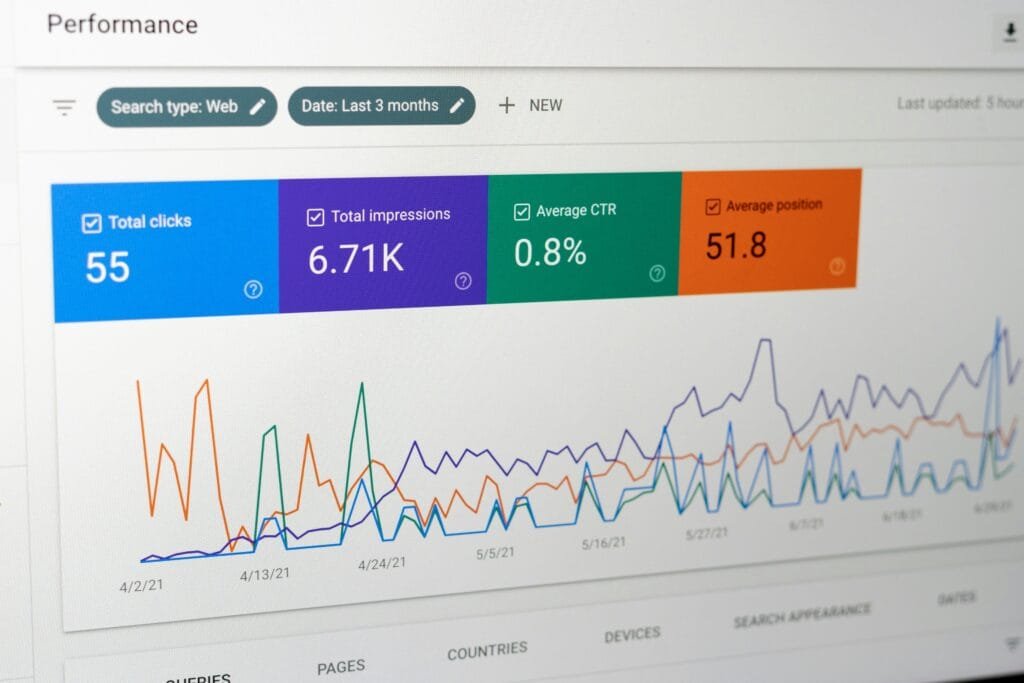
Google Search Console is a vital tool for managing your website’s presence in Google search results. It offers various features that can help webmasters understand how their site appears in search and improve its overall performance. One of the key functionalities of this platform is its performance reports, which provide insights into how your site is performing in search results, including data on clicks, impressions, and the average position of your pages. These reports can help identify which pages are gaining traffic and which ones might need optimization.

Furthermore, Google Search Console allows users to check their site’s index status. This feature provides an overview of how many of the site’s pages are indexed by Google, which is crucial when aiming to delete or change the order of search results. If certain pages do not appear as expected or if you wish to remove specific URLs from the index, Search Console provides tools to assist with that process. You can submit removal requests directly through the platform, ensuring that unwanted content is no longer visible in search results.

In addition to indexing and performance insights, Search Console enables website owners to submit new content for indexing. This feature allows you to alert Google that you have made updates or published new pages, which helps facilitate their discovery in the search results. When utilizing this tool, it is essential to ensure that your content complies with Google’s guidelines for quality and relevancy, as this will affect how well it is received by users and search algorithms alike.

In conclusion, mastering Google Search Console can significantly enhance your ability to manage your site’s presence in search results. The insights and tools it provides empowers webmasters to optimize their content and strategically influence the order of search results, making it indispensable for effective search engine management.

When managing your online reputation, understanding the legal avenues for removing harmful or false information from Google search results can be crucial. Various options exist, especially under specific laws and regulations, which offer individuals and entities recourse against detrimental content.

One of the most significant legal mechanisms is the Right to be Forgotten, a concept derived from European Union legislation. This law allows individuals to request the removal of their personal data from search engines if the information is inaccurate, irrelevant, or outdated. However, it is essential to note that this right is not absolute; the removal request must be justified based on specific circumstances. In practice, individuals must demonstrate that their privacy rights outweigh the public interest in accessing the information.

Additionally, defamation laws can serve as a crucial legal pathway for content removal. Under defamation law, individuals can seek legal action if false statements damage their reputation. To pursue a defamation claim, one generally needs to prove that the information presented is untrue, harmful, and has been disseminated to a third party. If successful, this can lead to the removal of specific content and possible compensation for damages incurred.

Another route is through legal complaints or requests filed with search engines directly. Google, for instance, has established processes for handling requests to remove harmful content, particularly regarding sensitive topics such as revenge pornography, financial scams, or doxxing incidents. Those seeking removal should prepare to provide supporting documentation and a clear rationale for their requests.

In summary, navigating the landscape of legal options for content removal can empower individuals facing damaging information in search results. Understanding these pathways—ranging from the Right to be Forgotten to defamation laws—provides an essential toolkit for reclaiming online reputations and ensuring personal privacy in the digital age.

Monitoring and Maintaining Your Online Reputation

In today’s digital landscape, the importance of effectively monitoring and maintaining your online reputation cannot be overstated. Your online presence significantly influences public perception and, consequently, your professional and personal prospects. As potential clients, employers, or collaborators often conduct online searches to evaluate individuals or brands, it is imperative to ensure that search results reflect a positive image.

One of the most effective ways to track your online reputation is through the use of monitoring tools. Numerous platforms, such as Google Alerts, allow users to set up notifications whenever their name or brand is mentioned online. This proactive approach not only alerts you to new content but also enables you to respond promptly to negative remarks, reviews, or misinformation that could tarnish your image. Additionally, social media management tools like Hootsuite or Mention can help you track brand mentions across a variety of platforms, ensuring that you remain aware of how your brand is being perceived in real-time.

Regularly updating your content is another crucial aspect of managing your online reputation. Fresh, high-quality content can push down unfavorable search results and create a more favorable digital footprint. This may include writing blog posts, engaging in guest blogging, or updating your professional profiles on platforms like LinkedIn. The inclusion of relevant keywords associated with your brand will also enhance the likelihood of positive content appearing higher in search results.

Furthermore, maintaining an active presence on social media allows you to engage directly with your audience, thereby fostering goodwill and enhancing brand loyalty. Responding to comments, posts, or messages shows that you value feedback and are committed to maintaining a reputation that aligns with your core values. In essence, the continuous process of monitoring and updating your online reputation is vital not only for personal branding but also for the longevity of your business or professional identity.

Conclusion and Next Steps

In this blog post, we have explored the essential strategies for deleting or changing the order of Google search results. We discussed the importance of monitoring your online presence, understanding the factors that influence search results, and the various techniques available to manage them effectively. Whether you are looking to remove negative content, improve your online reputation, or promote specific information, it is crucial to take a proactive approach.

One of the key points highlighted is the significance of search engine optimization (SEO) in influencing the visibility of your desired results. By employing SEO techniques on your own content, you can potentially push down unwanted links. Additionally, we examined the use of Google’s own tools, such as the Search Console, which offers capabilities to remove URLs and request reconsiderations for certain types of content.

Moreover, the necessity of maintaining updated information and ensuring consistency across various platforms cannot be overstated. Engaging actively with online communities and encouraging positive reviews can further contribute to enhancing your online image. Remember, the management of search results is not a one-time effort but a continuous process that requires consistent monitoring and timely adjustments based on your evolving objectives.

As you move forward, consider implementing these strategies by prioritizing the content you wish to highlight and regularly assess your digital footprint. Regular checks on search engine results pages (SERPs) can provide valuable insights into what users encounter when they search for your name or your business. Take these initial steps to start reshaping your online narrative today. Your ongoing engagement in managing search results is vital in ensuring they reflect the truth of your personal or organizational brand.

Enhance Visibility: Fixing Non-Indexing Pages Made Easy

Enhance Visibility: Fixing Non-Indexing Pages Made Easy

Photo by 1981 Digital on Unsplash

Understanding Page Indexing

Page indexing is a fundamental process employed by search engines to determine which web pages are to be included in their database. This process begins with crawling, where search engine bots navigate the web, following links from one page to another. Crawling enables search engines to discover new content as well as revisit previously indexed pages to see if updates have occurred. Upon discovering a page, the search engine renders it, analyzing the content and various elements such as HTML structure, images, and videos. This step ensures that the search engine understands the context and relevance of the page.

The importance of page indexing cannot be overstated. For a website to achieve visibility in search engine results, its pages must be indexed effectively. If a page is not indexed, it is essentially invisible to search engine users, severely limiting the website’s traffic potential. Accessibility, relevance, and authority are key factors that search engines evaluate during the indexing process. Thus, if a webpage fails to meet these criteria, it might not be indexed or could be indexed poorly, leading to lower ranking positions.

There are various elements that can impact whether a page gets indexed. These include the presence of a robots.txt file, which controls crawler access, and the utilization of proper meta tags, specifically the ‘noindex’ directive which explicitly instructs search engines not to index a page. Additionally, factors such as site architecture, internal linking, and the use of HTTP status codes can influence the success of the indexing process. Understanding these mechanisms provides essential insights for webmasters aiming to diagnose and rectify pages that are not indexing as intended.

Common Reasons for Non-Indexed Pages

Many website owners encounter the frustrating issue of their pages not being indexed by search engines. Understanding the common reasons for this problem is critical for optimizing your website’s visibility. One prevalent factor is the absence of a well-structured XML sitemap. XML sitemaps are essential tools that guide search engines in discovering and indexing content on your site. If your sitemap is missing or improperly configured, search engines may overlook significant web pages.

Another common reason for non-indexing is restrictions set within the robots.txt file. This file controls and directs the crawling behavior of search engines. If improperly configured, it can inadvertently block crawlers from accessing important sections of your website. Furthermore, the presence of “noindex” tags can prevent specific pages from appearing in search engine results, effectively making them invisible to users and search engine bots alike. Therefore, a meticulous review of both the XML sitemap and robots.txt file is vital for ensuring effective indexing.

Site structural issues can also impede the indexing process. Poor site architecture, broken links, and duplicate content can impede crawlers from navigating your site efficiently and may lead to incomplete indexing. Moreover, server errors, such as 404 or 500 status codes, can signal to search engines that certain pages are unavailable, further complicating indexing efforts.

Lastly, site performance metrics, such as loading speed and mobile-friendliness, contribute significantly to how indexing occurs. Slow-loading pages may cause search engines to drop them from their indexing queue, as they aim to promote a high-quality user experience. By addressing these common factors, website owners can take crucial steps toward ensuring that their web pages are effectively indexed.

Checking Indexing Status

To determine whether your webpage has been successfully indexed by search engines, you can employ several straightforward methods. One of the most effective tools available is Google Search Console, which offers insights into how Google views your site and its pages. Begin by logging into your Search Console account. Once inside, navigate to the “Coverage” report section, where you will find valuable information regarding the pages that are indexed, those that have issues, and any that are excluded from indexing.

Upon accessing the Coverage report, you will see a summary along with a breakdown of pages. Look for the status categorized as “Valid,” which indicates that these pages are indexed. Alternatively, identify the “Error” or “Excluded” categories, which highlight pages that may not be indexed due to various technical issues, such as server errors or incorrect canonical tags. By clicking on specific URLs, you can investigate the reason for the indexing status and access suggested fixes.

In addition to using tools like Google Search Console, performing a site search query can offer immediate results regarding indexing. Simply type “site:yourdomain.com/page-url” into the Google search bar, replacing “yourdomain.com” and “page-url” with the relevant details. If your page appears in the results, it is indexed. If not, this indicates that the page has not yet been indexed by Google.

Furthermore, consider checking your robots.txt file to ensure that the page isn’t being blocked from indexing. This file specifies which parts of your site should be crawled or ignored by search engines. By understanding these tools and queries, you will effectively be able to gauge the indexing status of your pages and troubleshoot any issues hindering their visibility on search engines.

Validating and Requesting Re-indexing

Ensuring that your web pages are indexed by search engines is crucial for visibility and organic traffic. The first step in this process is validating the page to confirm that it adheres to indexing guidelines. A primary tool for this task is Google Search Console, which provides insights into how Google perceives your page. Start by checking the ‘Coverage’ report in Search Console to view the indexing status of your URLs. If a page is not indexed, identify any issues listed, such as errors that prevent indexing. Common reasons could be a “noindex” directive in the HTML, crawler access restrictions via the robots.txt file, or content quality concerns. Addressing these issues is the foundational aspect of validation.

Once validation is completed and potential errors are rectified, the next step is requesting re-indexing. This can also be accomplished through Google Search Console. Navigate to the ‘URL Inspection’ tool, input the URL in question, and review the current indexing status. If the page appears as valid but remains unindexed, you can request re-indexing directly from this interface. Providing fresh content plays a significant role in this process. Search engines are more likely to prioritize the indexing of pages that have been updated or enhanced with new, relevant information. Thus, consider adding new insights, images, or features to your content before submitting your request.

The timing of your request is also vital. Typically, search engines may take time to revisit and re-evaluate your page after submitting a re-indexing request. Therefore, patience is essential. Monitoring the outcomes through the ‘Coverage’ report again can provide feedback on whether the re-indexing was successful. By adhering to these best practices of validating and requesting re-indexing, you can improve the chances of your pages being indexed effectively and efficiently.

Technical SEO Considerations

Technical SEO plays a crucial role in ensuring that a website’s pages are effectively indexed by search engines. It encompasses a variety of elements that not only enhance the user experience but also improve the visibility of the website in search results. One of the primary considerations is mobile-friendliness, as an increasing number of users access the internet through mobile devices. Google prioritizes sites that are optimized for mobile, meaning that if your pages are not responsive or lack a mobile version, they may be penalized or even excluded from indexing.

Site speed is another vital aspect of technical SEO that influences indexing. A site that loads quickly provides a better user experience, leading to lower bounce rates and higher engagement metrics. Essentially, faster loading pages are favored by search engines and are more likely to be crawled and indexed. To enhance site speed, website owners can utilize various techniques including image optimization, minimizing HTTP requests, and leveraging browser caching. Implementing these strategies can significantly increase the chances of a site’s pages being indexed.

Additionally, the URL structure of a website should be both friendly and logical. Clear, descriptive URLs improve the ease of navigation and can enhance the likelihood of indexing. Keywords in the URL can provide further context to search engines, prompting better indexing behavior. Proper use of canonical tags also plays a pivotal role in avoiding duplicate content issues, ensuring that search engines can recognize and prioritize the canonical version of a page. These tags indicate to search engines which URL to index in cases where multiple versions of a page exist.

By focusing on these technical SEO considerations, website owners can significantly improve their chances of achieving proper indexing. Addressing mobile-friendliness, site speed, URL structure, and canonical tags not only enhances user experience but also boosts overall search engine visibility.

Content Quality and Relevance

The importance of content quality in the indexing process cannot be overstated. High-quality content is a crucial factor that search engines consider when evaluating a webpage for indexing. Search engines like Google utilize complex algorithms that assess various aspects of content, including its originality, relevance to user queries, and overall engagement metrics. Content that is unique and provides value to readers is more likely to be indexed, as it is viewed as an authoritative source by search engines.

Originality serves as a cornerstone in content quality. Plagiarized or duplicate content can lead to penalties, causing the pages to be deprioritized in search index results. Therefore, it is essential to create original content that addresses specific topics in depth, showcasing a thorough understanding of the subject matter. Additionally, keyword usage plays a significant role in helping search engines understand the context of the content. Strategically incorporating relevant keywords and their synonyms can enhance the topic’s relevance without compromising readability.

User engagement metrics also influence how content is perceived by search engines. Factors such as bounce rates, time spent on the page, and social sharing indicate how well the audience engages with the content. Content that retains visitors effectively and encourages interaction signals to search engines that the material is valuable. Furthermore, regularly updating content is vital for maintaining its relevance and freshness. Outdated information can lead to a decrease in ranking, making it essential to revisit pages periodically and provide updated facts or insights.

In summary, ensuring high content quality through originality, appropriate keyword usage, and user engagement, along with regular updates, are significant steps in optimizing pages for successful indexing. This comprehensive approach can greatly enhance the chances of visibility in search engine results, ultimately benefiting the site’s performance.

Impact of Domain and Website Authority

The authority of a domain plays a pivotal role in the indexing process of webpages by search engines. A critical factor influencing a website’s authority is its age. Older domains tend to be viewed as more trustworthy and credible by search engines, resulting in better indexing outcomes. This trust accrues over time, as search engines gather data regarding the site’s content, user engagement, and overall performance. Consequently, establishing a robust and consistent online presence from an early stage can significantly enhance the probability of quicker and more effective indexing.

Another essential component contributing to a website’s authority is its backlink profile. Backlinks serve as endorsements from other websites, signaling to search engines that the content is valuable and relevant. High-quality, reputable backlinks can considerably boost a domain’s authority. It is essential to monitor the quality of incoming links; in contrast, links from spam or low-quality sites can harm a site’s credibility. Therefore, focusing on earning backlinks from trusted sources should be a priority for anyone looking to improve their website’s authority and, subsequently, its indexing capabilities.

Furthermore, achieving a balance between on-page and off-page SEO strategies is vital in building domain authority. On-page factors such as content quality, keyword optimization, and user experience not only improve indexing but also contribute to enhancing domain credibility. Off-page elements, primarily derived from backlinks and social media presence, further solidify a domain’s standing in the eyes of search engines. By actively working on both aspects, website owners can cultivate a strong domain authority that encourages search engines to index their pages consistently and effectively.

Monitoring and Analyzing Indexing Issues

Effectively monitoring and analyzing indexing issues is critical for maintaining a website’s visibility in search engine results. This process involves utilizing various tools and metrics that provide insights into how well your pages are indexed. One of the most widely used tools is Google Search Console, which allows website owners to track indexing status, submit sitemaps, and identify any errors that could hinder a page’s indexing. By regularly checking the ‘Coverage’ report, webmasters can see which pages are indexed, which are excluded, and reasons for any indexing problems. This information is vital for troubleshooting and making necessary adjustments to enhance indexability.

In addition to Google Search Console, other tools such as Bing Webmaster Tools can also provide valuable data regarding indexing issues. These platforms offer different insights, which can be beneficial for comprehensive monitoring. Additionally, utilizing site audit tools like Screaming Frog or SEMrush enables users to perform in-depth analysis by crawling the website, identifying potential issues such as broken links, duplicate content, or incorrect canonical tags that may adversely affect indexing.

Moreover, tracking key metrics such as organic traffic, page load speed, and site architecture can significantly contribute to understanding indexing performance over time. Organic traffic, for example, often correlates with indexing success; a decline may signal that pages are not being indexed properly. Similarly, maintaining a robust site structure can facilitate easier crawling by search engines. Additionally, consistently updating and optimizing content can help improve the chances of pages being indexed and ranking higher in search results.

Ultimately, regular monitoring and analysis are essential for addressing any indexing issues promptly. By staying proactive and making use of the appropriate tools, site owners can ensure that their pages are indexed effectively, thereby enhancing overall performance in search engine visibility.

Case Studies and Examples

Understanding the real-world implications of indexing issues can provide valuable insights into effective troubleshooting methods. In this section, we present several case studies that highlight common indexing problems faced by various websites, along with the successful strategies implemented to resolve them.

The first case involves a small e-commerce site that noticed a significant drop in organic traffic. Upon investigation, it was discovered that several key product pages were not being indexed by search engines. The troubleshooting process began with a review of the site’s robots.txt file and the implementation of essential meta tags. It was identified that the file inadvertently disallowed search engines from crawling the product pages. After correcting these directives and submitting a new sitemap, the site saw a restoration of traffic as the previously unindexed pages began to rank in search results.

Another example features a large blog that experienced poor performance despite having quality content. The team conducted an extensive audit of their website and found numerous pages returning a “noindex” tag due to a misconfiguration in the CMS settings. By revisiting the content management system’s SEO configuration, they re-enabled indexing for specific categories of articles. Following the changes, organic traffic surged, confirming that the content was now discoverable by search engines.

A final case comes from a local service provider whose homepage was not appearing in search results. The issue stemmed from a lack of inbound links and social media signals that are crucial for indexing. The provider initiated a local SEO campaign, gaining citations in reputable online directories and engaging in community outreach to cultivate backlinks. Within months, their homepage was successfully indexed, leading to increased visibility and client inquiries.

These case studies demonstrate the importance of comprehensive troubleshooting strategies when dealing with indexing issues. By evaluating specific factors leading to indexing failures, webmasters can implement targeted solutions that enhance their site’s online presence and search engine performance.

Mastering Bing Analytics: Insights for Better Performance

Image by StartupStockPhotos from Pixabay

Introduction to Bing Webmaster Tools

Bing Webmaster Tools is a comprehensive suite of features designed for website owners and digital marketers seeking to enhance their online presence and improve website performance. With the growing importance of search engine optimization (SEO), having access to detailed analytics is crucial for making informed decisions regarding content and site structure. Bing Webmaster Tools provides valuable insights that allow users to monitor their website’s health and visibility in Bing search results.

One of the key features of Bing Webmaster Tools is its ability to track various metrics related to your website’s performance. From search traffic and keyword rankings to crawl errors and indexing status, these analytics help users identify opportunities for improvement. For instance, website owners can discover which keywords are driving traffic to their site, allowing them to optimize their content accordingly. This level of insight is essential in refining online marketing strategies to attract a larger audience.

Moreover, Bing Webmaster Tools offers a user-friendly interface that simplifies the process of accessing essential data. Users can easily navigate through different sections, such as the Dashboard, Search Performance, and Indexing, making it straightforward to find the information needed for effective website management. Additionally, the platform provides actionable recommendations tailored to enhance user experience and improve search visibility.

Utilizing Bing Webmaster Tools in conjunction with other online marketing strategies can significantly contribute to a website’s success. By understanding and analyzing performance metrics, website owners can make data-driven decisions that positively impact their search rankings and overall online presence. Overall, this tool should be an integral part of any comprehensive digital marketing plan, ensuring websites are optimized for success in the competitive online landscape.

Creating a Bing Webmaster Tools Account

To leverage the power of Bing for tracking your website analytics, the first step is to create a Bing Webmaster Tools account. This process not only provides access to various analytical features but also enhances your website’s visibility on the Bing search engine. Before proceeding, it is essential to have a Microsoft account, as this will be required for the registration process.

Begin by visiting the official Bing Webmaster Tools website. If you already possess a Microsoft account, you can log in directly. For those who do not have one, click on the link to create a new Microsoft account. The account setup process entails providing necessary details such as your email address, password, and country of residence. Ensure that the information entered is accurate and that you create a strong password to safeguard your account.

After you have successfully established your Microsoft account, return to the Bing Webmaster Tools page. Click on the “Get Started” button, which will guide you through a few introductory steps. Following this, you will be prompted to verify your website by adding your site’s URL. This process confirms that you are the owner of the website, which is crucial for managing your site’s performance analytics. Verification can be accomplished in several ways, including adding a meta tag to your website’s HTML code or uploading an XML file to your server.

Once your site is verified, you will have access to a dashboard displaying various features, allowing you to monitor your website’s performance on Bing effectively. From here, you can explore tools for checking site health, indexing status, and keyword analysis. By creating a Bing Webmaster Tools account, you equip yourself with valuable insights that can drive traffic and improve overall search visibility.

Adding Your Website to Bing Webmaster Tools

Bing Webmaster Tools is an essential resource for website owners who wish to analyze their site’s performance on the Bing search engine. Adding your website to this platform is the first crucial step in monitoring analytics and improving your site’s visibility. The process begins with creating a Bing Webmaster Tools account if you do not already have one. Once you have logged into your account, you can start the verification process, which confirms that you own the website you intend to manage.

There are several verification methods available, allowing for flexibility based on technical proficiency and access. The first option is the HTML file upload method. This entails downloading a verification file from Bing and uploading it to the root directory of your website. After uploading, return to Bing Webmaster Tools to confirm that file is accessible, which verifies ownership.

Another method involves using a meta tag. You would require access to your website’s HTML code. Bing provides a meta tag that you can copy and paste into the <head> section of your homepage. Once added, click the verification button on the Bing platform to validate the ownership.

The third option is DNS verification, which may be preferable for users with limited access to their website’s HTML. This method entails adding a specific TXT record to your domain’s DNS settings. Once the record is added, you must wait for the changes to propagate, then return to Bing Webmaster Tools to finalize the verification process.

Following successful verification through any of these methods, your website will be added to Bing Webmaster Tools, enabling you to access various analytical features designed to enhance your website’s performance on Bing.

Navigating Bing Webmaster Tools Dashboard

The Bing Webmaster Tools dashboard serves as a centralized hub for website owners looking to optimize their online presence through insightful analytics. Upon logging into the platform, users are greeted with an overview of key performance indicators that are essential for evaluating the health and effectiveness of their site. The main features found within this dashboard include performance statistics, site health checks, and optimization suggestions.

One of the primary elements displayed is the ‘Performance’ section, which provides detailed statistics on how your website is performing on Bing search results. Here, users can examine metrics such as clicks, impressions, click-through rates (CTR), and average position. These insights are crucial for understanding user engagement and identifying opportunities for improvement in search visibility.

Another significant feature is the ‘Site Health’ tool, which evaluates your website for potential issues that could hinder performance. The tool checks for factors like URL indexing, crawl errors, and sitemap submission status. Understanding your site’s health is essential for maintaining an optimal online presence, as these factors directly impact your search rankings.

Additionally, the ‘SEO Reports’ section offers automated recommendations to enhance your website’s visibility. These reports analyze your site’s compliance with Bing’s best practices and provide actionable steps for optimization. Users can utilize these suggestions to refine their content and improve their ranking positions effectively.

Illustrations within the dashboard facilitate the navigation process, guiding users to locate various tools and features effortlessly. With clear visuals highlighting specific areas, even those new to Bing Webmaster Tools will find the platform accessible and user-friendly, allowing for an efficient analysis of website analytics.

Accessing Website Analytics on Bing

To access your website analytics on Bing, you will need to begin by navigating to the Bing Webmaster Tools portal. Start by visiting the official Bing Webmaster Tools website at bing.com/webmasters. It is advisable to log in using your Microsoft account, as this is the gateway to analyze your website’s performance. If you do not have an account, you will need to create one to fully utilize the analytics features available.

Once logged in, you will be presented with the dashboard that displays a list of all the websites you have added to the Bing Webmaster Tools. If you have several websites, find and select the specific site for which you want to check the analytics. Click on the website name to enter its dashboard, where various tools and insights are available for your review.

On the left-hand sidebar, you will find several options. Look for the “Reports & Data” tab, which is where you can gather a wide range of website analytics. Click on it, and then select the “Search Performance” option. This section displays important metrics regarding your website, including traffic statistics, keyword performance, and click-through rates. You can use the filters available to customize the date range and specific metrics you wish to analyze.

For traffic statistics, you will be able to view specific details about how many users visited your site, the pages they interacted with, and the sources that directed traffic to your site. Monitoring keyword performance will help you understand which search queries are driving traffic to your website, enhancing your ability to optimize content accordingly. Utilizing the Bing Webmaster Tools effectively can provide valuable insights into your website’s performance on this search engine.

Understanding Your Website Analytics Data

When managing a website, understanding the analytics data provided by Bing Webmaster Tools is crucial to enhance performance and optimize content. The primary metrics you will encounter include clicks, impressions, average position, and click-through rates (CTR). Each of these metrics opens a window into how users interact with your website, thus aiding in informed decision-making.

Clicks represent the number of times users clicked on your website’s link in search results. This metric is vital as it reflects direct engagement with your content. Monitoring clicks over time allows you to assess the effectiveness of your SEO strategies and the appeal of your meta descriptions and titles. A sudden increase in clicks can indicate a successful campaign or a high-performing keyword, while a decrease may necessitate a reevaluation of your content strategy.

Impressions, on the other hand, signifies how often your web page appeared in search results. A high number of impressions, combined with low clicks, may suggest that while your page is being seen, it is not compelling enough for users to click on it. This disparity requires attention to your page’s title tags and snippets to enhance their attraction to potential visitors.

The average position metric shows where your website ranks in search engine results. Generally, the higher the ranking, the more visibility your site gains. It’s important to track changes in your average position closely, as fluctuations can indicate the effectiveness of ongoing SEO efforts. You may discover that certain keywords yield a better average position, prompting you to shift your focus toward these terms.

Finally, click-through rates (CTR) are calculated by dividing the number of clicks by impressions, representing the percentage of users who choose to engage with your link. A higher CTR is an encouraging sign of effective marketing strategies and content relevance. Understanding these metrics will empower you to refine your website and improve overall performance on Bing.

Using Analytics to Optimize Your Website

Understanding website analytics is crucial for website owners looking to enhance their online presence and performance. Bing Webmaster Tools provides a wealth of data that can be instrumental in driving improvements. The first step in utilizing this data is to analyze your website’s performance metrics. Key indicators to focus on include page views, sessions, and bounce rates, as these will provide insight into how users interact with your content.

One effective strategy is to assess which pages are receiving the most traffic. By identifying these high-traffic pages, you can determine what type of content resonates with your audience. Consider optimizing these pages further with additional keywords or improving the quality of the existing content. This approach facilitates better search visibility and potentially increases the conversion rate.

Using Bing’s query reports, take note of the keywords that bring users to your site. This information is invaluable for guiding your content strategy. If certain keywords are underperforming, consider revisiting and optimizing those areas of your website. Implementing related synonyms or variations of these keywords will enhance your site’s relevance and search engine visibility, allowing you to reach a broader audience.

Incorporating user experience enhancements is another way to leverage analytics data. Pay attention to the average session duration and bounce rate. If these metrics indicate that visitors leave your site quickly, consider refining your website’s design or content layout. A more user-friendly interface can significantly improve visitor retention and engagement.

Ultimately, regularly reviewing and analyzing your Bing analytics data enables you to make informed decisions that boost your website’s performance. By implementing these strategies consistently, you will not only cultivate an optimized website but also foster a better understanding of your audience’s needs and preferences.

Troubleshooting Common Issues

Using Bing Webmaster Tools for checking your website analytics can sometimes lead to unexpected issues. One common problem users face is incorrect data reporting. This may be due to delays in data updating or errors in the integration of tracking codes. If you notice discrepancies in the traffic statistics, first ensure that your Bing tracking code is correctly installed on all relevant pages of your website. A thorough verification of your website’s code can help eliminate this as a source of error. It is also advisable to check the ‘Data Refresh’ settings within the tool, as there are instances where data may take up to 48 hours to reflect accurately.

Another frequent challenge is the verification failure when you attempt to link your site to Bing Webmaster Tools. Make sure you have followed the verification methods accurately, whether it is through adding a meta tag, uploading an XML file, or using DNS record verification. If you still encounter issues, recheck the steps taken, since even a minor oversight can result in failure. Allowing some time after making corrections may also help, as systems sometimes need a moment to refresh and reflect the changes made.

Users may also experience difficulties navigating the Bing Webmaster Tools interface. It is not uncommon to feel overwhelmed by the variety of metrics and reports available. To resolve this, take advantage of the help section within Bing Webmaster Tools, which provides clear guidelines and explanations of each feature. Additionally, utilizing official Bing forums can give you access to a community of users who may have faced similar challenges, offering peer support and solutions.

By understanding and addressing these common issues proactively, you can enhance your experience with Bing Webmaster Tools and ensure accurate website analytics.

Conclusion and Next Steps

In the digital landscape, effectively monitoring your website analytics is crucial for optimizing your online presence. Utilizing Bing’s analytical tools provides vital insights into user behavior, website performance, and overall search visibility. Regularly checking your analytics allows you to identify trends, track your progress, and implement changes that enhance user experience and improve your site’s search engine ranking. With consistent analysis, webmasters can leverage the data gathered to make informed decisions that align with their strategic goals.

For those seeking to deepen their understanding of Bing’s analytics platform, several resources and advanced tips are available. Bing Webmaster Tools offers an array of features including performance reports, keyword research tools, and URL inspection capabilities. Utilizing these features can aid in assessing various aspects of your website, such as page speed, mobile friendliness, and international targeting options. Engaging with Bing’s community forums and support documentation can also provide valuable insights from experienced users and experts.

In addition, consider experimenting with A/B testing or user experience enhancements based on your analytic findings. These practices can reveal actionable insights that directly impact your website’s effectiveness. Furthermore, subscribing to industry newsletters may keep you updated on the latest trends and best practices in website optimization and analytics utilization.

Ultimately, continuously monitoring your website analytics on Bing is not a one-time task but an ongoing process. By dedicating time to regularly review the metrics, you contribute toward the sustained improvement of your digital space and its performance in search rankings. The journey of online optimization is constant and requires dedication, but the rewards are significant for those who stay committed to leveraging analytical insights.

Ultimate Guide: Best SEO Strategies for YouTube Success

Image by DevAshish Deval from Pixabay

Introduction to YouTube SEO

YouTube SEO refers to the process of optimizing video content to improve visibility and ranking within the YouTube search engine and algorithm. As the second most visited website globally, YouTube has become an essential platform for content creators and marketers alike. With over two billion logged-in users each month, the potential reach of a single video is immense. However, to harness this potential, understanding and implementing effective SEO strategies is critical.

The importance of SEO on YouTube stems primarily from user behavior. Research indicates that 70% of viewers are influenced in their purchasing decisions by the content they watch on this platform. As such, properly optimized videos not only increase visibility but also engage viewers more effectively, leading to longer watch times and higher engagement rates. These metrics are pivotal, as YouTube’s algorithm prioritizes videos that keep viewers engaged, allowing them to rank higher in search results.

Additionally, YouTube functions mainly as a search engine for videos, meaning users often input specific keywords when seeking information or entertainment. By utilizing relevant keywords within video titles, descriptions, and tags, content creators can align their content with what users are searching for. This optimization process significantly increases the chances of videos being discovered by potential audiences.

Moreover, with the rise of mobile viewing, where around 70% of watch time occurs, SEO becomes even more crucial as users can access content from anywhere. As content creators and marketers aim to engage an increasingly mobile and diverse audience, understanding how YouTube’s unique algorithms work is paramount. Hence, grasping the fundamentals of YouTube SEO not only aids in reaching target audiences effectively but also enhances overall performance on the platform, establishing a robust presence in the crowded digital landscape.

Understanding YouTube’s Algorithm

YouTube’s algorithm is a complex system designed to enhance user experience by recommending videos that align closely with viewers’ interests. The algorithm is not static; it evolves continually, adapting to changes in user behavior, content trends, and technological advancements. Understanding this dynamic system is critical for content creators aiming for visibility and engagement.

The primary function of YouTube’s algorithm is to determine which videos are suggested to users based on their viewing history and preferences. Key factors influencing video ranking include watch time, click-through rate (CTR), likes, comments, and shares. Watch time is particularly significant, as it indicates how long viewers engage with content, further suggesting that they find it valuable. High watch time signals to the algorithm that a video is worthy of promotion!

Another critical aspect is viewer engagement metrics. Comments and likes not only reflect viewer sentiment but also signal to the algorithm that a video resonates with its audience. Videos that generate higher engagement rates are prioritized in search results and recommendations. Additionally, YouTube values the freshness of content, meaning that newer videos may receive a temporary boost if they quickly gain traction and viewer interaction.

It is essential to consider the importance of audience retention, which tracks how many viewers continue watching a video until the end. A high retention rate indicates that the content is engaging and informative, which can lead to enhanced visibility within search results. Beyond engagement, the algorithm is also attentive to keyword relevance, ensuring that titles, descriptions, and tags appropriately reflect the video’s content.

In conclusion, comprehending YouTube’s algorithm is vital for anyone seeking to optimize their content for better visibility. By focusing on engagement, watch time, and audience retention, creators can improve their chances of ranking higher in search results and suggested videos.

Keyword Research for YouTube Videos

Keyword research serves as a crucial foundation for executing effective SEO strategies on YouTube. The platform operates on a search-based model, where the visibility of your videos hinges significantly on selecting the right keywords. By identifying and utilizing relevant keywords, content creators can enhance their chances of being discovered by the target audience.

One of the most effective tools for performing keyword research is Google Trends. This free tool allows users to analyze the popularity of specific search queries and gauge their relevance over time. Content creators can compare the search volumes of different keywords, helping them to identify trending phrases that align with their content goals. Additionally, the “related queries” section can unveil lesser-known but potentially valuable keywords that competitors may overlook.

YouTube’s own search suggestion feature is another powerful resource. When you begin typing a query into the YouTube search bar, it automatically generates a list of suggested search terms relevant to the input. These suggestions are tailored based on what users frequently search for, which can provide immediate insights into trending topics and keywords that can attract more viewers. This method allows creators to discover audience interests directly related to their niche, thus informing their video content planning.

After identifying suitable keywords, it is pivotal to assess the competition associated with them. Tools like VidIQ and TubeBuddy can assist in analyzing the keyword difficulty and general search volume, offering critical insights into how saturated those keywords are within the platform. By selecting keywords with lower competition but reasonable search volume, creators can position themselves more effectively within search results, ultimately enhancing their visibility and reach.

Optimizing Video Metadata

Effective video metadata is a crucial element in achieving success on YouTube. It consists primarily of three components: titles, descriptions, and tags. Each of these elements plays a significant role in ensuring that your content is discoverable by target audiences. Optimizing them correctly can lead to improved visibility and engagement, which are vital for boosting your overall SEO performance.

The title is the first thing viewers notice, making it essential to craft it carefully. Incorporating relevant keywords naturally into your title can enhance your video’s discoverability in search results. It is advisable to keep titles under 60 characters to prevent truncation in search listings while still conveying the main theme of the video effectively.

In addition to titles, descriptions provide a critical context for your video content. YouTube allows for up to 5,000 characters in the description field, but best practices suggest focusing on the first 150 characters. This segment is often visible in search previews and should include the main keywords. Within the description, provide a thorough overview of the content and include relevant links, such as to other videos or social media platforms, which can drive further engagement.

Tags also contribute significantly to video SEO. While tags are not as impactful as they once were, they still help categorize videos and can support discoverability. Use a mix of broad and specific tags, which can include synonyms and related keywords. A good practice is to include 5-10 tags that reflect the video’s main themes, while ensuring they remain relevant to the content.

By focusing on optimizing video metadata—titles, descriptions, and tags—you can greatly enhance your video’s performance and ranking on YouTube, leading to increased viewership and engagement over time.

Creating Engaging Thumbnails and Titles

In the competitive landscape of YouTube, the significance of captivating thumbnails and titles cannot be overstated. These elements serve as the initial touchpoints for potential viewers, determining whether they engage with your content or scroll past it. An engaging thumbnail acts as a visual hook, while a well-crafted title optimally aligns with search intent, incorporating target keywords.

To create eye-catching thumbnails, consider employing bold colors, striking images, and clear, readable text. Thumbnails should be visually representative of the content and foster an emotional connection with viewers. Using faces or expressions can enhance relatability, drawing in a broader audience. Image resolutions should be optimized to maintain clarity, even in smaller view sizes, as many users will be browsing on mobile devices.

When it comes to crafting compelling titles, integrating relevant keywords is crucial. Titles should be concise yet descriptive enough to attract viewers’ attention. An effective strategy is to present the value proposition clearly, conveying what the viewer stands to gain by watching the video. Additionally, employing actionable language and creating a sense of urgency can further increase click-through rates.

A/B testing can be an invaluable method to refine these elements. By creating multiple versions of thumbnails and titles, you can assess which combinations yield the highest engagement rates. Monitoring the performance of each variant allows for data-driven decisions to enhance your content strategy. Tracking metrics such as click-through rates and average view duration will help you gauge the effectiveness of your thumbnails and titles over time.

Through careful attention to these components, content creators can significantly elevate their YouTube success, attracting more viewers and fostering greater engagement in a saturated market.

The Role of Engagement Metrics in SEO

Engagement metrics serve as essential indicators of a video’s performance on YouTube, playing a crucial role in Search Engine Optimization (SEO). YouTube’s algorithm prioritizes content that resonates well with audiences, thus maximizing watch time is fundamental for creators aiming to enhance their SEO strategies. Watch time reflects the total minutes viewers spend watching a video, and longer watch times signal to the algorithm that a video is valuable and engaging. Consequently, videos that maintain higher watch times tend to rank better in search results, further driving visibility.

In addition to watch time, likes are another significant engagement metric influencing SEO. A higher number of likes on a video serves as an endorsement from viewers, signaling content quality to the platform. This positive interaction can enhance a video’s ranking by indicating viewer satisfaction, thus increasing its chances of appearing in search results or recommended videos. Creators are encouraged to encourage viewers to like their content actively, as this simple action can significantly impact their overall SEO performance.

Comments also indicate audience interaction and engagement. Viewer feedback in the comment section provides creators with insights regarding audience preferences, allowing them to adapt their content accordingly. Furthermore, when viewers engage in discussions within the comments, it boosts activity around the video, thereby improving its SEO standings. Lastly, video shares on social media platforms can amplify reach and drive traffic back to the video, further enhancing engagement metrics. Encouraging users to share content can lead to broader audience exposure and ultimately contribute to superior search rankings on YouTube.

By focusing on these key engagement metrics—watch time, likes, comments, and shares—creators can develop effective SEO strategies that improve their content’s visibility and performance on YouTube.

Utilizing Playlists for Better Visibility

In the competitive landscape of YouTube, utilizing playlists effectively can significantly enhance your SEO efforts. Playlists serve to organize your video content in a structured manner, which not only improves user experience but also contributes positively to your overall visibility on the platform. By grouping related videos into playlists, you can create a coherent narrative that encourages viewers to watch multiple videos consecutively, increasing total watch time – a key factor in YouTube’s ranking algorithm.

Creating an optimized playlist begins with thoughtful curation of your content. Start by identifying a theme that resonates with your audience. For example, if your channel focuses on cooking, consider creating playlists for various types of cuisine or special occasions. The title of the playlist should incorporate relevant keywords and be descriptive enough to inform viewers about the content they can expect. This not only aids in discoverability but also attracts clicks from search results.

Another crucial element is the description associated with your playlist. By including keywords and phrases that align with your target audience’s search behavior, you enhance the SEO potential of the playlist. This description should succinctly summarize what each video in the collection entails, providing additional context that can draw viewers in. Furthermore, customizing the cover image for your playlists can create a visually appealing element that entices users to explore your content further.

In addition to boosting discoverability, optimized playlists can drive more views. By encouraging viewers to binge-watch related content, you can enhance viewer retention rates and increase engagement metrics essential for improving your channel’s search ranking. Overall, well-structured playlists are an invaluable tool in your SEO strategy for YouTube, promoting better visibility and encouraging deeper viewer interaction with your content.

Promoting Your Videos Outside of YouTube

In the realm of digital marketing, promoting your videos outside of YouTube is crucial for enhancing visibility and driving traffic to your content. By leveraging various social media platforms, blogs, and websites, you create multiple avenues for potential viewers to discover your videos. This external traffic is an essential factor in improving your YouTube SEO, as the search engine rewards content that attracts views from diverse sources.

One effective strategy is to utilize popular social media platforms like Facebook, Twitter, Instagram, and TikTok. Each platform caters to different audiences and formats, so customizing your promotional approach is key. For instance, on Instagram, you could share compelling snippets or teaser clips of your videos in the form of stories, reels, or posts. These engaging previews should include a call-to-action directing users to the full video on YouTube, thereby bridging your content across platforms.

Blogs also serve as excellent vehicles for video promotion. By writing articles related to your video topics and embedding the YouTube link within the content, you can enhance the user experience while driving traffic. Moreover, conducting guest posts or collaborations with other bloggers can expand your reach even further, allowing you to tap into their audience. Email newsletters offer another opportunity to connect with your audience, enabling you to share video updates directly and encourage subscriptions.

Partnerships with influencers who align with your brand can also catalyze video promotion. By collaborating with well-established content creators, you can access their subscriber base, which may lead to an influx of new viewers. Ultimately, diversifying your promotional efforts across various platforms not only increases your video’s exposure but significantly boosts your YouTube SEO. Embracing these actionable strategies will bolster your chances of reaching a wider audience and achieving YouTube success.

Analyzing and Adjusting SEO Strategies

For sustained success on YouTube, the continuous analysis and adjustment of SEO strategies are paramount. Monitoring analytics provides insights into how content is performing and how audiences are engaging with it. Key metrics to focus on include watch time, viewer retention, click-through rate (CTR), and audience demographics. These metrics not only indicate how well your videos are performing but also reveal opportunities for improvement.

To effectively track performance, several tools can be utilized. YouTube Analytics is the primary tool for any content creator, offering a plethora of data, including traffic sources and engagement levels. Additionally, tools like Google Trends and VidIQ can help identify trending topics and keywords, enabling creators to adapt their content strategies accordingly. By analyzing data from these tools, creators can gain a clearer understanding of what resonates with their audience, allowing for informed adjustments to their approach.

Moreover, audience feedback plays a crucial role in refining your SEO strategies. Engaging with viewers through comments can provide qualitative data on what they enjoyed or what improvements they expect. Performing polls or surveys may also yield valuable insights that are not evident from analytics alone. Coupled with trend analysis, this feedback can inform the type of content to produce in the future. Iteration based on audience preferences can significantly enhance viewer satisfaction, leading to better performance in terms of engagement and reach.

Ultimately, the iterative process of analyzing metrics and audience feedback is vital for successful YouTube SEO strategies. By remaining attuned to performance data and the evolving preferences of viewers, content creators are well-positioned to refine their approaches and achieve ongoing success in the dynamic landscape of YouTube.

How to Enhance Email Deliverability and Reduce Spam

Image by Gerd Altmann from Pixabay

Understanding Email Spam Reports

Email spam reports are actions taken by recipients who identify unsolicited or unwanted email messages. When a user receives an email that they consider to be spam, they can report it directly to their email service provider. This report alerts the provider about the sender’s behavior and can significantly impact the sender’s reputation. The more spam complaints a sender accumulates, the more damage is done to their credibility and trustworthiness.

The implications of spam reports extend beyond individual user experiences; they can adversely affect the entire sending organization. A high rate of spam complaints signals to Internet Service Providers (ISPs) that the organization is delivering content that users do not value or wish to receive. This perception of user dissatisfaction can lead to severe repercussions, such as the sender being placed on a blacklist. Being blacklisted restricts the organization’s ability to reach its audience, as emails may be automatically filtered out or diverted to spam folders, reducing overall email deliverability.

User perception is ultimately paramount in maintaining a healthy sender reputation. Organizations must recognize that trust plays a critical role in the effectiveness of their email marketing campaigns. Establishing and nurturing this trust goes beyond simply avoiding spam complaints; it involves providing valuable content, honoring user preferences, and ensuring relevance in communications. In turn, when users feel respected and valued, they are less likely to report emails as spam, fostering a sustainable relationship that benefits both parties.

Consequently, understanding the dynamics of email spam reports and their repercussions is essential for organizations aiming to maximize their email marketing effectiveness. By proactively managing user perception and addressing feedback, senders can maintain their reputations and improve email deliverability, safeguarding their ability to connect with audiences efficiently.

Importance of Permission-Based Marketing

In the landscape of digital communication, obtaining explicit consent from users prior to sending email communications has emerged as an essential practice, known as permission-based marketing. This method not only enhances user experience but also plays a crucial role in reducing spam complaints. By focusing on permission, marketers can ensure that their content reaches an engaged audience, cultivating a positive relationship between the sender and the recipient.

To effectively implement permission-based marketing, it is vital to build and maintain a robust opt-in email list. This entails employing various methods to encourage users to willingly subscribe to communications, such as offering valuable incentives, providing clear information about what to expect, and communicating the frequency of emails they will receive. These strategies help establish trust, allowing users to feel more in control of their inbox and ensuring that they only receive relevant content.

One of the best practices in developing an opt-in email list is the use of double opt-in methods, where users confirm their subscription via an additional email. This practice not only confirms their intent but also helps filter out unqualified leads, subsequently reducing the likelihood of spam complaints. Additionally, providing easy access to unsubscribe options and respecting user preferences further enhances the effectiveness of your email strategy. This approach reinforces a company’s commitment to respecting the user’s choices and privacy, fostering long-term engagement.

Incorporating these best practices not only contributes to a healthier email marketing ecosystem but also aligns with regulatory requirements, such as the General Data Protection Regulation (GDPR) and the CAN-SPAM Act. By embracing permission-based marketing, businesses can reduce spam reports, increase open rates, and ultimately achieve better results from their email campaigns.

Crafting Clear and Compelling Content

In the realm of email marketing, the content presented to the recipient plays a crucial role in determining engagement levels and the overall success of campaigns. To mitigate spam reporting by users, it is essential to prioritize clarity and relevance in email communications. Emails should resonate with the audience’s needs and preferences, ensuring that the information provided is both meaningful and timely.

Clear and concise messaging is imperative. Recipients should be able to grasp the purpose of the email within seconds of opening it. Utilizing straightforward language, devoid of excessive jargon, allows for better comprehension and retention of information. Moreover, segmenting content into easily digestible sections can enhance the reading experience. This ensures that important points stand out, fostering a positive impression and reducing the chances of content being flagged as spam.

Personalization also plays a significant role in user engagement. By incorporating the recipient’s name or specific information relevant to them, marketers can create a sense of connection and relevance. Tailored content is more likely to be perceived as valuable, thus diminishing the likelihood of being categorized as spam. Implementing user data to tailor offers, announcements, or content recommendations can significantly elevate the user’s experience.

Additionally, crafting compelling subject lines is essential in capturing the initial interest of the recipient. A thought-provoking or intriguing subject line can stimulate curiosity and encourage users to open the email. However, it is vital to ensure that the subject line accurately reflects the content within. Misleading subject lines can lead to dissatisfaction and increased spam complaints as users feel tricked into opening emails that do not meet their expectations.

Lastly, the visual design of emails should not be overlooked. A well-designed email that incorporates a clean layout, appealing graphics, and easy navigation can enhance user satisfaction. By investing in clear content, personalized messaging, and attractive email designs, marketers can create an experience that not only reduces the likelihood of spam reporting but also fosters lasting engagement. Ultimately, this approach positions email as a valuable communication tool rather than a source of annoyance.

Implementing an Easy Unsubscribe Process

Creating a user-friendly unsubscribe process is crucial in minimizing the reporting of emails as spam. When users receive unwanted emails, their immediate reaction may be to mark these communications as spam. However, offering a simple and clear method to unsubscribe can significantly reduce their frustration, ultimately improving user satisfaction and retention. A well-designed unsubscribe mechanism symbolizes respect for the user’s preferences and can prevent negative perceptions of your brand.

An effective unsubscribe process should be easily accessible within every email communication. To achieve this, it is important to place the unsubscribe link in a prominent location, preferably at the bottom of the email, where users generally expect to find it. The link should be clearly labeled, employing straightforward language like “Unsubscribe” or “Opt-Out,” which informs the user of the action they are about to take. Additionally, minimizing the number of clicks required to complete the process enhances the user experience and encourages compliance.

Upon clicking the unsubscribe link, users should be directed to a dedicated landing page that confirms their choice. This page can provide options for modifying their subscription preferences instead of a complete withdrawal from all communications. This flexibility will allow users to tailor the frequency or type of emails they receive, which can, in turn, foster better engagement and reduce the likelihood of spam reports.

Furthermore, providing a brief explanation of why the user might be unsubscribing can yield valuable insights, guiding future email marketing strategies. Transparency about data usage and ensuring that user information is handled with care not only enhances trust but also encourages users to remain connected without feeling overwhelmed.

Segmenting Your Email Audience

Email marketing remains an essential tool for engaging with customers; however, the challenge of spam reports continues to plague marketers. One effective strategy to reduce these reports is audience segmentation. By dividing your email list into distinct groups based on demographic characteristics, interests, and behavior, you can create targeted communications that resonate more deeply with recipients.

Segmentation allows marketers to tailor their messages to specific audience preferences. For instance, if you know that a significant portion of your subscribers are interested in health and wellness, you can send them content related to fitness tips, healthy recipes, or wellness products. Conversely, sending generic emails to the entire list might overwhelm some users and lead to increased spam reports. As a result, targeted communication not only enhances user experience but potentially decreases misclassification of emails as spam.

Real-world examples highlight the benefits of audience segmentation. Consider an e-commerce company that sells both athletic and casual apparel. By segmenting their email lists based on purchase history, they can craft targeted campaigns. Customers who have previously purchased athletic wear can receive tailored offers for running shoes or workout gear, while casual wear buyers can be updated with new arrivals in leisure clothing. This targeted approach ensures that recipients receive relevant content, thus reducing the likelihood of being reported as spam.

Moreover, implementing preference centers where users can customize their email experience further enhances segmentation efforts. By allowing subscribers to select topics of interest or the frequency of communication, marketers can provide a more personalized experience, thereby fostering engagement and trust. In summary, audience segmentation leads to more pertinent communications, ultimately reducing spam reporting and improving overall email marketing effectiveness.

Monitoring Email Metrics and User Feedback

In the realm of email marketing, monitoring performance metrics is crucial for understanding user engagement and improving overall effectiveness. Key metrics such as open rates, click-through rates, and spam complaints provide valuable insights into how recipients are interacting with emails. Open rates indicate how many users are viewing the emails, while click-through rates measure the effectiveness of the content in prompting users to take desired actions. Low open rates may suggest that the subject lines or sender names are not resonating with the audience, which can lead to further investigation and adjustments.

Spam complaints are particularly important as they directly reflect user dissatisfaction. A high rate of spam complaints can significantly impact an organization’s sender reputation and result in emails being filtered into the spam folder for all recipients. Identifying trends in spam complaints can reveal specific issues such as content relevance, frequency of emails, or misalignment with user expectations. By analyzing these metrics, organizations can pinpoint the exact stages in their email campaigns that require refinement.

In addition to quantitative metrics, actively seeking user feedback can enrich the understanding of audience perceptions. Engaging users through surveys or direct responses can yield qualitative insights that metrics alone cannot. For example, recipients may express concerns about email frequency, content type, or even the tone of communication, all of which can contribute to the likelihood of a message being marked as spam. Integrating user feedback loops into email strategies allows for a more responsive approach, fostering a better relationship with the audience.

Ultimately, the proactive management of email performance metrics, combined with user feedback, equips organizations with the tools needed to adapt their email strategies effectively. Through careful analysis and timely adjustments based on these insights, organizations can not only reduce spam reporting by users but also enhance overall engagement with their email campaigns.

Providing Value in Every Email

In today’s digital landscape, the inundation of emails has made it essential for businesses to capture and maintain user interest effectively. One of the most effective strategies to achieve this is by ensuring that every email contains valuable content. When recipients perceive email communication as beneficial, they are less likely to classify it as spam. Therefore, delivering value is not merely a tactic; it is a vital necessity for successful email marketing.

There are numerous ways to provide value in your emails. One approach is to include informative articles that address the interests and needs of your audience. By sharing insights, research findings, or industry news, you can position your brand as a trusted source of information. Recipients who find your emails enlightening are more inclined to open them regularly, decreasing the likelihood of spam reports.

Exclusive offers also constitute an effective method of adding value. People appreciate deals that are reserved for subscribers, creating a sense of privilege. Whether it is a discount code, early access to products, or invitations to events, exclusive promotions can significantly enhance the appeal of your emails. Such offers not only incentivize recipients to continue receiving your communications but also foster a sense of loyalty.

Moreover, incorporating helpful tips or how-to guides can be an indispensable way to engage your audience. By providing practical advice tailored to your subscribers’ specific needs, you not only add value to their experience but also demonstrate that you understand their pain points. Over time, such initiatives can build a rapport that minimizes the risk of your emails being marked as spam.

Ultimately, the more value you deliver in your email communications, the higher the chances of retaining recipient interest and reducing spam complaints. Adopting a value-centric approach will not only enhance user experience but also positively impact your overall email marketing strategy.

Educating Your Audience About Email Practices

Educating users about proper email practices is pivotal in reducing instances of spam reporting. Users must understand how to differentiate between legitimate emails and spam, which can significantly impact their engagement and interaction with your communications. Clear guidelines on how to correctly mark an email as spam can help users make informed decisions, thereby decreasing unnecessary reports. For instance, users should be encouraged to check the sender’s address, look for discrepancies in the subject line, and inspect the content for red flags such as poor grammar or suspicious links.

Furthermore, it is essential to explain the implications of marking emails as spam. When a user incorrectly labels a legitimate email as spam, it not only affects the sender’s reputation but may also hinder future communications from other important sources. By educating users about these consequences, organizations can foster a culture of careful consideration before reporting an email. Users should be made aware that their actions have broader implications, not just for themselves but for all recipients as well.

To effectively communicate these practices, companies should consider integrating educational material into the onboarding process for new users. Providing a comprehensive FAQ section that addresses common concerns about spam can aid in clarifying these concepts. Visual aids such as videos or infographics can also enhance understanding, catering to different learning preferences. Additionally, periodic reminders and tips sent through newsletters can reinforce this educational initiative, reminding users of the importance of vigilance in their email interactions.

By prioritizing user education on email practices, organizations can reduce false spam reports and cultivate a more engaged user base, ultimately leading to improved communication effectiveness.

Testing and Refining Your Email Strategy

In today’s digital landscape, continuously testing and refining your email strategy is crucial for maintaining user engagement and reducing spam complaints. Implementing A/B testing is a practical method to gauge the effectiveness of various elements within your email campaigns. By systematically varying one element at a time—such as subject lines, call-to-action buttons, or the layout of the email—you can gather valuable insights into what resonates best with your audience. This data-driven approach not only enhances your emails’ performance but also aids in minimizing the likelihood of users marking your communications as spam.

Moreover, it is essential to be receptive to feedback from your audience. Encourage your subscribers to share their thoughts on your email content, frequency, and overall experience. Surveys and feedback forms can be instrumental in understanding user preferences and making necessary adjustments. Listening to your audience demonstrates that you value their input, fostering a stronger relationship and further reducing the risk of spam reports.

Another crucial aspect of refining your email strategy is staying adaptable to changing user needs and preferences. The digital environment is constantly evolving, and consumer behavior can shift due to various factors, including trends and technological advancements. Regularly reviewing your email metrics, such as open rates, click-through rates, and unsubscribe rates, will provide insights into how your audience is engaging with your content. Incorporate this analysis into your strategy to ensure that your emails remain relevant and valuable to your subscribers.

In summary, a commitment to testing, receiving feedback, and adapting your email strategy not only enhances engagement but also plays a critical role in reducing spam complaints. By focusing on these practices, marketers can create a more effective and user-friendly email experience.

Google light signage

How to Insert Google AdSense Code in Your Theme

Image by Pexels from Pixabay

Introduction to Google AdSense

Google AdSense is a program that allows website owners and content creators to monetize their online content by displaying relevant advertisements. By integrating AdSense into their websites, individuals can earn revenue when visitors interact with these ads. The program operates on a cost-per-click (CPC) basis, meaning website owners receive a payment each time a user clicks on an advertisement. This creates a direct financial incentive for website owners to attract more traffic, thereby increasing potential earnings.

One of the major advantages of Google AdSense is its user-friendly nature, which allows beginners and professionals alike to incorporate advertisements into their websites without extensive technical knowledge. AdSense automatically determines the most relevant ads to display based on the content of the site and the interests of its visitors. This contextual advertising maximizes the likelihood of users engaging with the ads, enhancing revenue potential for the site owner.

In addition to the straightforward integration process, Google AdSense offers various reporting tools that allow content creators to analyze performance metrics such as impressions, clicks, and click-through rates (CTR). Understanding these key terms is crucial for optimizing the placement and effectiveness of ads on a website. For instance, impressions refer to how often ads are displayed, while clicks indicate how frequently users engage with them. Monitoring these metrics enables website owners to make data-driven decisions to enhance their monetization strategies.

Moreover, Google AdSense provides several ad formats, including display ads, text ads, and native ads, giving website owners flexibility in terms of design and placement. AdSense also supports mobile optimization, ensuring that advertisements are suitably displayed on various devices, which is increasingly vital in today’s mobile-centric digital landscape. As a result, utilizing Google AdSense can prove advantageous for those looking to monetize their online presence efficiently.

Understanding the HTML Code for AdSense

When integrating Google AdSense into your website, the first step involves understanding the specific HTML code that Google provides for ad placement. This code is essential for creating a smooth and successful monetization strategy. AdSense offers various types of ad formats tailored to different placement preferences, including display ads, in-feed ads, and more. Each format serves a unique purpose and fits different layouts, allowing users to select what best suits their site design and audience engagement preferences.

To obtain your AdSense code, one must first log into the AdSense account. From there, navigating to the “Ads” section enables users to create new ad units. When creating an ad unit, Google generates a specific piece of HTML code representing the selected ad type. This code typically includes a combination of HTML and JavaScript, which collectively enable the execution and display of relevant advertisements from the AdSense inventory.

Understanding the structure of this HTML code is crucial. It generally includes essential components such as the <script> tags, which load the AdSense library, and <ins> tags that define where the ads will appear. Additionally, attributes within these tags dictate the ad size, style, and specific identifiers unique to the ad unit. Properly embedding this code into your website allows Google to serve targeted ads based on user behavior and context, optimizing the opportunity for ad impressions and clicks.

Incorporating this code into your theme requires careful navigation to ensure it is placed correctly within the HTML structure of your website. Grasping the significance of each part of the Ads code not only paves the way for successful ad placement but also maximizes revenue potential from your website. By following these steps, website owners can efficiently implement Google AdSense to enhance their site’s monetization strategy.

Accessing the Theme File Editor in WordPress

Accessing the theme file editor in WordPress is a straightforward process, yet it requires careful execution to avoid any unintended consequences. The theme file editor is a built-in feature that permits users to modify their theme’s code directly from the WordPress dashboard. To start, log in to your WordPress admin panel using your credentials. Once logged in, navigate to the left-hand sidebar where you will find a menu with various options.

Look for the “Appearance” option in this menu. By hovering over or clicking on “Appearance,” a dropdown menu will appear, revealing additional choices. From this list, select “Theme Editor.” This action will take you to the theme file editor, where the current active theme’s files are displayed on the right-hand side of the screen. The editor may display a warning that editing core theme files can be risky, particularly if you are not familiar with coding.

Before proceeding with any modifications, it is crucial to back up your theme files. This precaution ensures that you have a restore point in case anything goes wrong during the editing process. You can create a backup by using various plugins available in the WordPress repository or by manually downloading the theme folder via FTP or the hosting provider’s file manager.

Additionally, it is advisable to enable maintenance mode on your site while making substantial changes. This step can help prevent any disruption for visitors while the edits are being made. Check that you have selected the correct theme you want to edit in the top-right corner of the screen, as changes made to the wrong theme may lead to undesired outcomes. Choosing the right theme is essential to ensure your modifications affect the intended appearance and functionality of your website.

Where to Place the AdSense Code: Key Areas of Your Website

When implementing Google AdSense on a website, selecting the right areas for placing the AdSense HTML code is crucial for maximizing visibility, engagement, and revenue. Each location presents unique advantages and disadvantages that deserve consideration. The primary locations for AdSense code implementation include the header, footer, sidebar, and within the content itself.

Placing AdSense code in the header of your website can be beneficial because it ensures that ads are visible as soon as a user lands on the page. This immediate exposure can lead to higher click-through rates (CTR). However, one potential downside is that header placements often compete for attention with other important navigation elements, which may distract users from the ads.

Footers are another option for ad placement, allowing for an unobtrusive approach. Users often scroll to the footer when seeking additional information, making it a suitable location for ads. However, footers generally receive less visibility than headers, which can impact ad performance negatively. Advertisers might experience lower engagement as users may not reach the footer in their browsing experience.

Incorporating AdSense code in the sidebar provides a balanced approach, particularly for blogs or content-rich websites. Sidebars allow for prominent ad placement while not obstructing the main content. However, ads placed in sidebars might become blind spots if users are accustomed to ignoring them, which can decrease CTR.

Finally, placing AdSense code within the content itself presents an effective method for capturing user attention. When integrated naturally, inline ads can enhance user experience and generate higher engagement rates. Nonetheless, care must be taken to ensure that the ads do not disrupt the reading flow or overwhelm the content, which can negatively impact user experience.

In determining where to place Google AdSense code, it is essential to evaluate each option’s advantages and disadvantages to find a solution that aligns with your overall content strategy and audience engagement goals.

Adding the AdSense HTML Code to Your Theme Files

To successfully monetize your website through Google AdSense, the first step involves inserting the AdSense HTML code into your theme files. This process requires a careful approach to ensure that the functionality of your site remains intact while enabling the display of ads. The most common locations for placing the AdSense code are the header.php, footer.php, and sidebar.php files. Each of these files serves a unique purpose in your site’s layout, making them suitable for different ad placements.

Begin by accessing the theme editor of your WordPress dashboard. To do this, navigate to Appearance and then select Theme Editor. Here, you will find a list of theme files on the right side of the screen. It is essential to create a backup of your theme before making any alterations to avoid potential malfunctions. Once you are prepared, identify the header.php file if you wish to place the ads at the top of your site. Open the file, and carefully locate the <head> section; this is where you should place your AdSense code.

If you choose to insert the code into the footer.php, open that file and scroll to the end just before the closing </body> tag. This location is beneficial as it allows you to load ads after the main content, often enhancing page loading times. For ads to appear in the sidebar, navigate to sidebar.php and paste the HTML code where you want the ads displayed within that section. Remember that ensuring the code is placed correctly is crucial to avoid disrupting your website’s layout. After inserting the code, save the changes and verify that the ads are displaying as expected on your site.

Testing Your Ad Placement

After successfully incorporating Google AdSense HTML code into your theme file editor, the next crucial step is to test your ad placement. Proper testing ensures that the ads not only display correctly but also generate optimal engagement and revenue. Initially, it is essential to visit the web pages where your ads have been inserted. Look for the physical presence of ads and confirm that they are responsive and appropriately formatted on various devices, including desktops, tablets, and smartphones.

If the ads do not appear as expected, consider common troubleshooting techniques. First, clear your browser’s cache, as sometimes previous versions of the page can prevent new ads from displaying. Additionally, ensure that your AdSense account is active without any policy violations, which could hinder ad visibility. If ads still fail to show, check the placement of your ad code within the theme file. Verify that it is positioned correctly in the HTML hierarchy, and ensure there are no syntax errors or conflicts with other scripts.

Utilizing tools like the Google Publisher Toolbar can significantly aid in testing your ad placements. This tool allows you to view ad performance metrics in real-time and can indicate whether the ads are live on your site. Furthermore, the Google AdSense Debugging Tool can help identify issues or prohibited content that may impact ad visibility. Regularly using these tools as part of your testing protocol is beneficial not just for initial ad implementation, but also for ongoing adjustments and optimizations as your site evolves.

In summary, testing your ad placement is essential for ensuring that your Google AdSense ads function effectively. By following the outlined methods and utilizing relevant tools, you can troubleshoot common issues and ensure that your ads contribute positively to your website’s user experience and overall revenue generation.

Making Adjustments and Optimizing Ad Performance

Once you have successfully placed the Google AdSense HTML code within your theme file editor, the journey does not end there. Continuous adjustments and optimization are essential for enhancing ad performance and maximizing revenue. It is vital to monitor the performance metrics associated with your ads regularly. Google AdSense provides a comprehensive dashboard where users can analyze key performance indicators such as click-through rates (CTR), impressions, and revenue generated from various ads.

To effectively optimize your ad placements, begin by evaluating these metrics over time. Identify which ads perform well and which ones underperform. For instance, an ad displaying a high CTR indicates that it is resonating with your audience, while a low CTR may suggest that the ad is poorly placed or not aligned with the interests of your users. Consider experimenting with different locations on your website, such as sidebars, headers, or within content. Research shows that ad placements embedded within the content tend to attract more interaction from users.

Additionally, consider the overall user experience on your site. Poorly placed ads can detract from content readability and lead to higher bounce rates, ultimately affecting ad performance adversely. Therefore, maintaining a balance between user engagement and ad visibility is crucial. Testing various sizes, formats, and types of ads can provide insight into what works best for your audience. Pay attention to seasonal trends or content topics that may influence user interaction and adjust your ads accordingly.

In summary, optimizing Google AdSense ad performance requires ongoing adjustments based on performance metrics and user interactions. By regularly reviewing analytical data and adapting ad placements, website owners can significantly enhance their revenue potential while providing a better user experience.

Common Mistakes to Avoid When Placing AdSense Code

When it comes to integrating Google AdSense HTML code into your website, several common mistakes can undermine your efforts to monetize effectively. One of the most prevalent errors is improper file editing. Many website owners, particularly those without extensive coding experience, may mistakenly edit the wrong theme file or compromise the functionality of their site. It is essential to back up your theme files before making any changes and to ensure that you are working within the correct file directory. This precaution can save you time and prevent potential issues down the line.

Another frequent pitfall is poor placement of the AdSense code within the website’s HTML structure. Placing ads too close to navigation links, within pop-ups, or in areas where they are likely to be ignored can result in low visibility and engagement. Furthermore, this layout might violate AdSense policies, which specifically dictate acceptable ad placements. To counter this issue, it is advisable to conduct thorough testing and analysis of your website’s design. Utilize tools such as heat maps to determine user interaction with ads and modify their placement accordingly for optimal results.

Additionally, neglecting to adhere to AdSense program policies can lead to serious repercussions, including account suspension. Website owners must familiarize themselves with the guidelines provided by Google to ensure compliance. This includes avoiding excessive ad clutter on a single page and ensuring that the content is high-quality and relevant. By prioritizing best practices, such as maintaining a clean, user-friendly design and ensuring ads do not interfere with user experience, you can help secure a stable income stream. Adopting these strategies will improve your chances of maximizing revenue while adhering to Google’s standards.

Final Thoughts and Best Practices

Successfully placing Google AdSense HTML code within your theme files is a nuanced process that demands careful consideration and precision. This comprehensive guide has illustrated the importance of integrating AdSense ads in a manner that not only optimizes revenue potential but also enhances user experience. Ensuring that the ad placements are unobtrusive yet effective is essential for maintaining visitor engagement on your website.

One significant aspect highlighted in this discussion is the necessity of selecting optimal locations within the theme editor for your AdSense code. Generally, top placements tend to garner higher visibility, but they must be balanced with the overall aesthetic and functionality of your site. Ad slots placed in between content paragraphs or at the end of articles can also perform well, as they capture users’ attention once they have engaged with the material. Therefore, experimenting with various placements can yield valuable insights into what works best for your specific audience.

Moreover, it is vital to stay updated with Google’s policies on AdSense to ensure compliance with their guidelines. Violating these standards can result in monetization issues, which may stymie your revenue growth. Utilizing tools such as Google Analytics can be instrumental in monitoring ad performance, allowing for data-driven adjustments that enhance efficiency and effectiveness.

In conclusion, consistently following best practices and regularly reviewing your ad placements are pivotal steps in optimizing your Google AdSense experience. By approaching the process with diligence and a strategic mindset, you can effectively monetize your website while providing a seamless experience for your users. Emphasizing both revenue generation and user satisfaction will ultimately lead to sustained success in your online endeavors.

How to Identify Spam Update Effects on Your Site

Image by Markus Winkler from Pixabay

Understanding the Impact of Spam Updates

Spam updates are critical algorithm changes implemented by search engines, designed specifically to address low-quality content and various spammy practices that adversely affect the search experience for users. These updates aim to improve the overall quality of search results by demoting websites that employ unethical tactics or provide irrelevant information, thus significantly impacting website traffic. Understanding the nature of these updates and their implications for webmasters is essential for maintaining a healthy online presence.

Search engines routinely analyze websites to identify patterns of behavior that may indicate spam or manipulation of rankings. When a spam update occurs, sites that violate search engine guidelines may experience a sudden drop in their search rankings, leading to a significant loss of organic traffic. Common issues associated with such low-quality content may include keyword stuffing, cloaking, and excessive advertising, all of which can trigger penalties during these updates.

It is crucial for webmasters to diligently monitor traffic changes that occur after a spam update. Utilizing analytical tools can provide insights into traffic trends, allowing owners to identify patterns or anomalies closely tied to the update in question. Recognizing these signs is imperative, as it can help in pinpointing problematic areas within the website and contribute towards developing strategies to mitigate the impact of future updates.

Ultimately, awareness of spam updates and their potential repercussions enables site owners to proactively address issues affecting their sites. By adhering to best practices and placing an emphasis on quality content, webmasters can not only recover from traffic declines but also bolster their site against future algorithm changes. Staying informed and responsive to these updates is an essential component of effective website management in today’s digital environment.

Identifying the Source of Traffic Drops

When a website experiences a decline in traffic, particularly after a spam update, it is crucial to conduct a thorough analysis to identify the underlying causes. One of the most effective methods for assessing the impact of such updates is through the use of analytics tools. Platforms like Google Analytics can provide valuable insights into traffic patterns and user behavior. Start by examining the traffic data around the time the drop occurred, looking for any significant changes in visitor numbers that coincide with the update. Understanding the timeline of these fluctuations will help you establish a direct correlation between the spam update and the decrease in traffic.

Another essential aspect of this analysis involves reviewing keyword rankings. Tools such as Google Search Console can facilitate a detailed examination of how keyword positions may have changed leading up to and following the update. Look for any fluctuations in the rankings of keywords that are critical to your site’s visibility. If you notice a significant drop in rankings for keywords relevant to your niche, it may indicate that your website has been adversely affected by the spam update. This insight can guide you in determining whether the decline is due to external factors or internal content quality.

Moreover, assessing the overall quality of your website’s content and SEO practices is vital. A spam update may trigger penalties for websites not adhering to high content standards. Engage in a comprehensive review of your content, looking for issues such as duplicate content, low-quality articles, or manipulative SEO tactics. Evaluating these components not only aids in identifying the traffic drop’s source but also helps in strategizing a recovery plan. Enhancing content quality, improving user experience, and adopting ethical SEO practices will be essential in regaining lost traffic following a spam update.

Conducting a Comprehensive Website Audit

When experiencing a drop in website traffic following a spam update, one of the essential steps to take is conducting a comprehensive website audit. This process involves a thorough examination of various aspects of your website to identify elements that may be contributing to the decline in traffic.

Begin by checking for duplicate content across your website. Duplicate content can confuse search engines and diminish your site’s ranking. Tools such as Copyscape or Siteliner can help detect these duplicates. Eliminate or consolidate any duplicate content to enhance the overall quality of the site.

Next, assess the quality of the backlinks pointing to your site. Poor-quality links from spammy or irrelevant websites can negatively impact your site’s authority and visibility. Use tools like Ahrefs or SEMrush to analyze your backlink profile. Disavow any harmful links that could be penalizing your site. Rebuilding your backlink profile with reputable, high-quality links will contribute to restoring lost traffic.

Outdated SEO tactics can also play a significant role in traffic drops. Review your keyword strategies to ensure they align with current best practices. This review may involve updating title tags, meta descriptions, and header tags while focusing on relevant keywords that improve user engagement. Additionally, verify that your internal linking structure is logical and effective in directing visitors to important content.

Finally, evaluate your website’s technical aspects, including site speed, mobile-friendliness, and overall user experience. Poor performance in these areas can lead to higher bounce rates and diminished traffic. Utilize tools like Google’s PageSpeed Insights and Mobile-Friendly Test to identify areas needing improvement.

Identifying and addressing these areas of improvement through a detailed website audit is vital for recovering lost traffic and enhancing your site’s overall performance in a post-spam update environment.

Improving Content Quality

Enhancing the quality of your website content is crucial, particularly following a spam update that may have adversely affected your traffic. The first step in this process involves creating original and high-value content that aligns with user intent. This means understanding what your audience is searching for and providing them with comprehensive, trustworthy information that meets their needs. Conduct keyword research to identify relevant topics and queries, ensuring that your content addresses specific pain points, questions, or interests of your target audience.

Another critical component is optimizing on-page SEO. This includes incorporating relevant keywords naturally into your content, optimizing headers, and utilizing meta descriptions that accurately reflect your content. A well-structured piece will help search engines understand your content’s relevance and index it appropriately. Additionally, employing internal linking strategies can enhance user engagement, leading visitors to explore more pages on your website, which can improve your overall site performance in search rankings.

Content marketing best practices should also be implemented to attract more organic traffic. This can include distributing content across various channels, such as social media platforms, email newsletters, and guest blogging opportunities. Engaging with your audience through these mediums increases visibility and can drive traffic back to your website. Furthermore, analyzing user feedback, engagement metrics, and overall performance will allow you to iterate and improve upon your content continuously, ensuring it remains aligned with current trends and user preferences.

In summary, focusing on improving content quality through original creation, on-page SEO optimization, and effective content marketing strategies is essential for mitigating the impact of spam updates and sustaining organic traffic growth.

When a website experiences a drop in traffic following a spam update, one of the first steps to consider is the assessment and cleaning of the backlink profile. Backlinks play a crucial role in determining a site’s authority and rankings in search engine results. However, not all backlinks are beneficial; some may be harmful and contribute to the spam penalties. It is imperative to identify these detrimental links using tools such as Google Search Console or third-party SEO tools that can analyze the backlink profile.

Once harmful links have been identified, the next step is to remove or disavow them. Reach out to the webmasters of the sites containing these links, requesting removal. If removal is not feasible, utilizing Google’s disavow tool can indicate to search engines that these links should not be considered when assessing your site’s integrity. This proactive approach not only aids in regaining search engine trust but also helps refine the overall link profile.

Additionally, a review of existing SEO practices is essential in understanding what may have led to the penalty. Ethical SEO practices, often referred to as white-hat techniques, focus on providing valuable content and a positive user experience. It is vital to avoid black-hat tactics, such as keyword stuffing or using link farms, which can attract punitive measures from search engines. By adhering to best practices, such as focusing on high-quality content creation, improving site speed, and adopting a mobile-first approach, website owners can foster long-term growth and resilience against future algorithm updates.

Establishing a sustainable and ethical SEO strategy is paramount in recovering from traffic drops post-spam update. The focus should always be on providing a quality user experience while ensuring compliance with search engine guidelines.

Engaging with Your Audience to Build Trust

Building a trustworthy relationship with your audience is crucial, especially when your website experiences traffic drops after a spam update. Engaging effectively with your users can serve as a cornerstone for increasing traffic and restoring confidence in your platform. One of the most effective strategies is to actively respond to comments on your posts. By doing so, you foster a sense of community, making users feel valued and appreciated. Regular interaction demonstrates that you care about their opinions and are receptive to feedback, which can dramatically enhance user satisfaction and encourage repeat visits.

Another method to boost engagement is by encouraging social shares. Promoting easy sharing options for your content not only motivates your audience to advocate for your brand but also exposes your website to a broader demographic. This act of sharing establishes a form of social proof, which can entice new visitors and help mitigate traffic declines. Incorporating compelling calls to action within your blog posts—encouraging readers to share their thoughts or tell their peers—can effectively stimulate this engagement.

Creating community-driven content can further enhance user interaction and investment in your website. Inviting user-generated content, such as testimonials, experiences, or opinions related to your topics, successfully showcases genuine user interest and promotes a more dynamic dialogue. This not only enriches the content but also positions your audience as an important part of your website’s narrative, as they see their contributions recognized and valued. Content that resonates with readers on a personal level transforms a basic visit into an engaging experience, thereby fostering trust and loyalty over time.

Through meaningful interaction, you can cultivate an engaged audience that is more likely to return, share content, and advocate for your brand, all of which are essential for recovering traffic lost due to algorithm changes.

Implementing Recovery Strategies

When a website experiences traffic drops following a spam update, it is crucial to take immediate and effective action to regain lost visibility and restore rankings. The first step in this recovery process is to create a comprehensive recovery plan that outlines the specific steps to be taken. This plan should include a thorough analysis of the website’s existing content, backlink profile, and overall SEO health. Identifying and addressing vulnerabilities will help in formulating a robust strategy for recovery.

One of the primary methods for recovery is revising content strategies. It is essential to assess the quality of the website’s content and ensure that it adheres to search engine guidelines. Focus on creating high-quality, original, and informative content that provides real value to users. Outdated or low-quality content should be updated or removed, as it can negatively impact search rankings. Furthermore, consider the integration of relevant keywords within the content, ensuring that they align with user intent while enhancing readability.

Alongside content revisions, it is important to tackle any toxic backlinks that may contribute to the traffic drops. Conduct an audit of the backlink profile using tools to identify potentially harmful links. Once identified, these links can either be disavowed or addressed through outreach to the linking sites. This proactive measure can help to clean up a website’s profile and signal to search engines that improvements have been made.

After implementing necessary changes, consider submitting a reconsideration request to search engines. This formal request informs the search engine that the website has been improved and seeks reevaluation. In the request, it is critical to clearly outline the changes made and the rationale behind them. This step demonstrates a commitment to adhering to search engine guidelines and can initiate the reinstatement process of lost traffic.

Monitoring Traffic Trends Post-Recovery

Once a website has implemented changes in response to a spam update, monitoring traffic trends becomes critical for assessing recovery progress. To effectively track these trends, website owners should utilize various analytics tools such as Google Analytics, SEMrush, or Ahrefs. These platforms allow users to gauge fluctuations in organic traffic, user engagement, and other vital metrics. Setting up custom dashboards can provide a more tailored view of performance indicators relevant to specific business goals.

In the initial recovery phase, it is advisable to focus on organic search traffic as well as referral traffic to gauge the impact of updates on user acquisition. Organic traffic typically reflects the effectiveness of SEO strategies implemented post-update, while referral traffic indicates how well external sources are driving visitors to the site. Monitoring these metrics helps to determine whether the changes are yielding positive results and identifies areas that may require further optimization or adjustments.

Additionally, setting specific goals can significantly enhance monitoring efforts. For example, establishing key performance indicators (KPIs) such as percentage increases in traffic or bounce rates facilitates a more precise evaluation of recovery effectiveness. These goals should be realistic and aligned with long-term objectives, which encourages ongoing improvements based on actionable insights.

Understanding user behavior metrics is also crucial during this phase. Metrics such as average session duration, pages per session, and user demographics provide insights into how visitors interact with the site. Monitoring these can reveal shifts in audience engagement, allowing for timely pivots in strategy as necessary. Continuous observation of traffic trends after recovery efforts will not only help in identifying potential issues but also in refining tactics to ensure sustained long-term success.

Keeping Up with Future Updates

In the rapidly evolving digital landscape, it is crucial for website owners and digital marketers to remain vigilant and informed about emerging updates and trends. Search engines like Google frequently roll out updates to their algorithms, impacting how websites are ranked and perceived in search results. Staying abreast of these changes is fundamental for maintaining website traffic and visibility. By understanding the nature of these updates, you can proactively adjust your strategies to mitigate the risk of experiencing traffic drops.

One of the most effective ways to keep updated is through reputable industry resources such as SEO blogs, forums, and newsletters. Websites like Moz, Search Engine Journal, and SEMrush offer invaluable insights into algorithm changes, best practices, and emerging SEO trends. Subscribing to their newsletters can help you receive timely updates directly in your inbox. Additionally, participating in webinars and online courses focused on SEO can provide deeper insights into adapting to changes in search engine algorithms.

Moreover, it is beneficial to engage with online communities and forums where SEO professionals share their experiences and strategies. Platforms like Reddit’s r/SEO and various LinkedIn groups can be excellent places to discuss recent updates and their implications for your website. Collaborating with other professionals in the field can enhance your understanding of diverse strategies that have proven successful in navigating traffic fluctuations.

Lastly, maintaining a flexible and adaptive SEO strategy is essential. Regularly reviewing your website’s performance, understanding user behavior, and refining your content can contribute significantly to sustaining traffic. By embracing a proactive approach and being informed about the digital ecosystem, you can better prepare for potential changes that may affect your website’s visibility and traffic in the future.