
patakhdeletsolutionsltd.tech

Loading

person's left hand wrapped by tape measure

Can AI Technology Revolutionize Your Weight Loss Efforts?

Introduction: The Growing Interest in AI and Weight Loss

In recent years, artificial intelligence (AI) has permeated various aspects of daily life, from enhancing productivity in workplaces to revolutionizing healthcare applications. One notable area where AI has garnered significant attention is in the realm of health and fitness, particularly weight loss. With the growing emphasis on maintaining a healthy lifestyle, technology is increasingly being leveraged to assist individuals in their wellness journeys. This trend is evidenced by an increasing number of applications and platforms designed to support personal fitness and dietary goals, utilizing AI to create more effective and tailored solutions.

Photo by Total Shape on Unsplash

The reliance on technology, particularly AI, for personal wellness initiatives is on the rise due to its capacity to analyze vast amounts of data rapidly. Users can receive personalized recommendations based on their individual preferences, historical results, and real-time tracking of their health metrics. This shift towards a more individualized approach enables a greater understanding of personal health, making it easier to identify patterns and adjust strategies for success in weight loss efforts. With the support provided by AI, individuals can navigate their fitness and dietary options more efficiently than ever before.

The purpose of this blog post is to explore the multifaceted role that AI plays in aiding weight loss efforts. By examining various AI-powered tools and applications, we aim to shed light on how technology can facilitate better decision-making for individuals striving to shed pounds. As we delve deeper into the intersection of AI and personal health, we will uncover the potential benefits, challenges, and implications that may arise from incorporating such innovative solutions into one’s weight loss journey.

Understanding AI: A Brief Overview

Artificial Intelligence (AI) refers to the simulation of human intelligence in machines programmed to think and learn like humans. The primary capabilities of AI include data analysis, predictive analytics, and automated decision-making. This technology can sift through vast amounts of data, identifying patterns and trends that might go unnoticed by human analysts. By employing algorithms and advanced computing techniques, AI systems can make predictions based on historical data, which is particularly beneficial in diverse fields, including healthcare, finance, and more.

There are several types of AI technologies, notably categorized into three main types: narrow AI, general AI, and superintelligent AI. Narrow AI, also known as weak AI, specializes in completing a specific task, such as image recognition or speech processing. In contrast, general AI, or strong AI, possesses the ability to learn and perform any intellectual task that a human can, although this level of AI is yet to be realized. Superintelligent AI, which is hypothetical at this point, would surpass human intelligence across virtually all areas.

Machine learning, a subset of AI, uses statistical techniques to give computers the ability to “learn” from data, improving their performance over time without explicit programming. Natural language processing (NLP) enables machines to understand and respond to human language in a way that is both conversational and contextually relevant. These AI technologies can be applied to personal health goals by offering personalized recommendations based on individual behavior, preferences, and health data, thereby assisting users in their weight loss journey.

AI-Driven Nutrition: Personalized Diet Plans

The integration of artificial intelligence in nutrition has emerged as a groundbreaking avenue for personalizing diet plans. By analyzing individual preferences, dietary restrictions, and specific health objectives, AI technology facilitates the development of customized meal plans tailored to the unique needs of each user. This personalized approach is largely made possible by advanced algorithms that leverage vast databases of nutritional information and food choices.

AI systems can analyze user data, including age, weight, dietary goals, and even historical eating habits, to generate meal recommendations that align with the user’s lifestyle. For instance, an individual with diabetes might receive suggestions that carefully balance carbohydrates to manage their blood sugar levels effectively. Similarly, someone aiming for weight loss could benefit from meal plans that focus on lower-calorie options while still providing adequate nutrition.

Several apps and programs are capitalizing on AI technology to enhance users’ dietary experiences. These applications often provide features that allow users to input their food choices, enabling the software to track caloric intake and nutritional content in real-time. With this capability, individuals can make informed decisions about their meals, which is vital for sustaining a balanced diet. Moreover, AI-driven nutritional apps can adapt meal plans as users progress towards their goals, ensuring ongoing alignment with their evolving dietary needs.

In essence, AI’s role in crafting tailored meal plans represents a significant advancement in the pursuit of healthy eating. By harnessing technology to provide personalized dietary recommendations, individuals can maintain a balanced diet that supports their health and wellness objectives. This innovation not only simplifies meal planning but also empowers users to take an active role in their nutritional journeys.

Fitness Tracking and AI: Smart Workouts

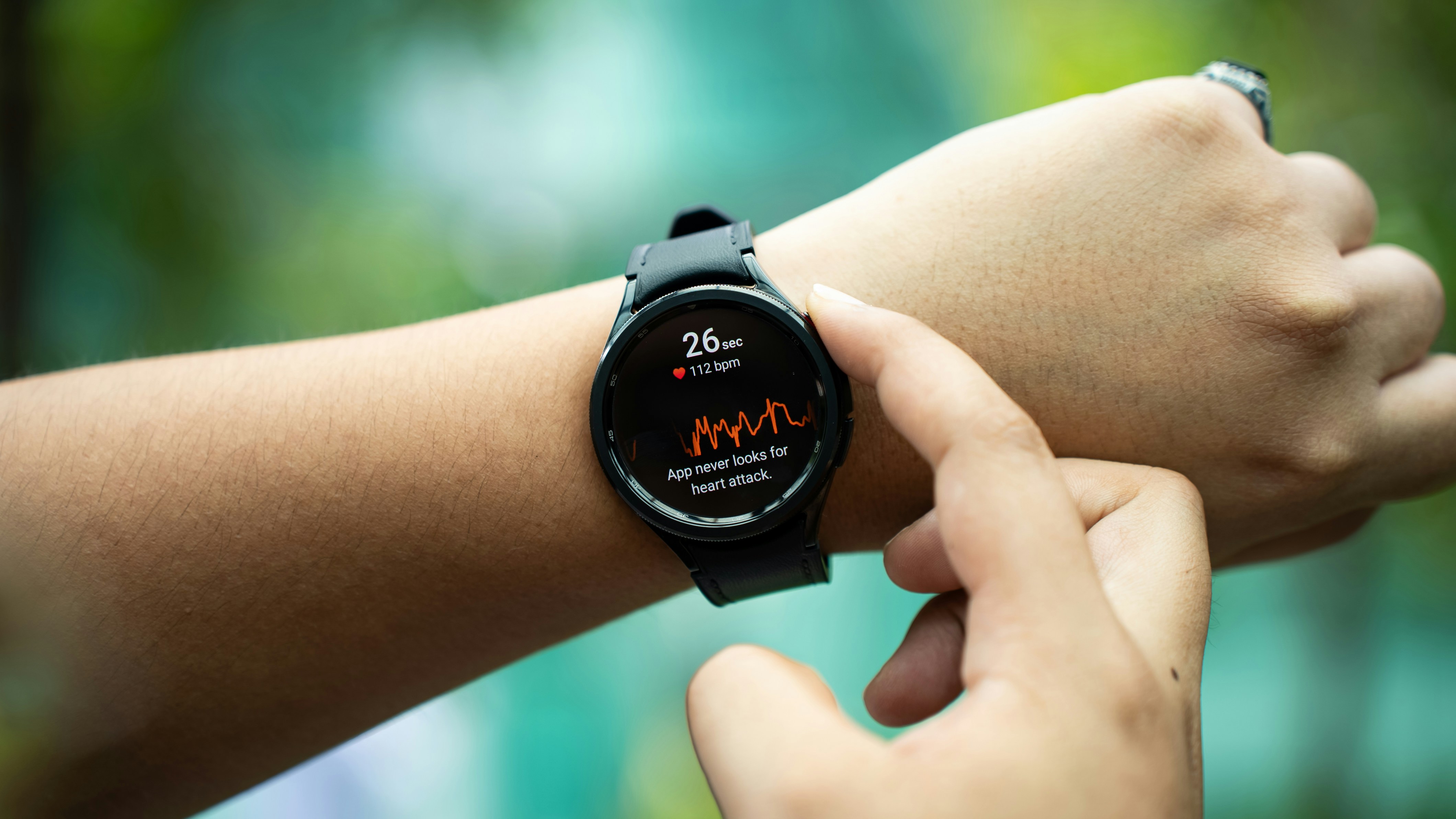
Artificial intelligence (AI) has revolutionized the way individuals approach their fitness routines by enabling the development of advanced fitness tracking devices and wearables. These innovations have transformed traditional workout methodologies into personalized, data-driven experiences. AI-powered fitness trackers can continuously monitor various physical activities, including steps taken, heart rate, and calorie expenditure, thereby providing comprehensive insights into an individual’s overall health.

The application of AI in fitness tracking extends beyond mere data collection. These devices analyze workout patterns and behavioral trends, allowing users to understand their physical capabilities and limitations. For example, if a user gravitates towards specific types of exercises, an AI fitness tracker can recognize this pattern and suggest tailored workouts designed to enhance performance in those areas. This personalized approach ensures that each workout regimen is aligned with an individual’s fitness goals, which can lead to increased motivation and more effective outcomes.

Moreover, the importance of real-time data cannot be overstated in the context of workout efficiency. AI-enabled fitness trackers can provide immediate feedback during workouts, alerting users to their heart rate zones and caloric burn rates. This instant feedback is crucial for maintaining exercise intensity, optimizing workout sessions, and preventing injuries due to overexertion. The integration of AI allows for continuous adjustments to be made, increasing the likelihood of meeting and exceeding fitness objectives.

Ultimately, the functionality of fitness trackers powered by AI has made significant strides in promoting healthier lifestyles. By enabling users to track their progress and receive personalized recommendations, these smart devices serve as comprehensive fitness companions that not only enhance workout efficiency but also contribute to sustained motivation, ensuring that users stay engaged in their journey toward health and wellness.

Behavioral Insights: AI and Weight Loss Psychology

Understanding the psychological aspects of weight loss is crucial for achieving long-term success. One key element is the recognition of behavioral patterns that contribute to unhealthy eating and exercise habits. Artificial Intelligence (AI) offers innovative solutions that support individuals in their weight loss journeys by analyzing habits and providing tailored feedback based on psychological insights.

AI can track users’ eating behaviors, physical activity, and emotional triggers, creating a comprehensive profile that highlights tendencies that may hinder weight loss. For instance, through the use of wearable technology and apps, AI can identify moments when individuals are most likely to overeat or skip exercise. By analyzing this data, AI can suggest potential mindset shifts that encourage healthier decisions.

Moreover, AI-driven platforms often incorporate motivational nudges that remind users of their goals or suggest strategies to overcome obstacles. These nudges may range from sending positive affirmations to providing real-time feedback on progress. This personalized approach not only aids in reinforcing motivation but also helps users establish a more constructive relationship with food and exercise.

Furthermore, AI can assist in understanding the emotional context surrounding eating habits, such as stress-induced cravings or emotional eating. By identifying these patterns, AI can recommend coping mechanisms and alternative activities that replace unhealthy behaviors with positive ones. This shift not only enhances an individual’s psychological well-being but also contributes to sustainable weight loss.

In summary, AI’s ability to intertwine behavioral science with technology provides a significant advantage in addressing the psychological factors influencing weight loss. By leveraging its insights, individuals can uncover and alter detrimental behavior patterns, fostering a more successful journey towards achieving their weight loss objectives.

Virtual Coaching: AI Personal Trainers

The emergence of artificial intelligence (AI) has revolutionized various sectors, including fitness and personal training. AI personal trainers and virtual coaching systems are becoming increasingly popular as they provide tailored fitness guidance to users at any time of day. These technologies harness data analysis and user feedback to fine-tune workout plans, ensuring they meet individual needs and preferences.

One of the primary advantages of AI personal trainers is their ability to analyze user data continuously. By tracking metrics such as exercise frequency, duration, and performance levels, these systems can adjust workouts dynamically. This adaptability means that individuals can receive a customized fitness regimen that evolves as they make progress, aligning more closely with personal goals. Moreover, the use of algorithms allows these virtual trainers to identify patterns in a user’s behavior, helping them suggest exercises that enhance motivation and effectiveness.

Accessibility is another critical benefit provided by AI coaching systems. Users can access their virtual trainers 24/7, which alleviates scheduling conflicts common with traditional personal training. This around-the-clock support encourages individuals to integrate fitness more seamlessly into their daily routines. Whether it’s early in the morning or late at night, users are never far from guidance, which can help sustain motivation over time.

Additionally, AI-driven platforms often include features like video demonstrations, nutrition advice, and community support, offering a holistic approach to health and fitness. By integrating various aspects of personal wellness, these virtual coaches can foster a comprehensive lifestyle change rather than merely focusing on exercise. Consequently, as technology continues to advance, the role of AI in personal training is likely to expand further, providing valuable tools for those looking to shed pounds and maintain a healthier lifestyle.

Challenges and Limitations of AI in Weight Loss

While artificial intelligence (AI) offers numerous benefits in the realm of weight loss, it is essential to acknowledge the challenges and limitations associated with its use. One major concern is data privacy. AI systems often require extensive personal data to function effectively, which can raise significant privacy risks. Users must be aware of how their information is collected, stored, and utilized by these technology platforms. Inadequate data protection measures can lead to unauthorized access and misuse of sensitive information, making it vital for users to choose AI applications that prioritize privacy and security.

Another limitation stems from the potential for over-reliance on technology. Users may develop an excessive dependence on AI for motivation and guidance, which can detract from personal responsibility in managing their health. While AI can provide tailored advice and strategies for weight loss, it cannot replace fundamental lifestyle changes that require individual commitment and perseverance. An over-reliance on technology may also lead individuals to overlook the importance of intuitive eating and self-care practices, thus countering the holistic approach that weight loss necessitates.

Furthermore, human interaction remains a critical component of successful weight management. Face-to-face support from healthcare professionals, dietitians, or support groups often plays an indispensable role in fostering accountability and emotional resilience. AI lacks the empathetic understanding and nuanced guidance that human professionals can offer, making it important for individuals to seek a balanced approach to weight loss. Although AI can serve as a supplementary tool in the journey toward a healthier lifestyle, it is not a substitute for professional medical advice. Engaging with qualified professionals ensures that individuals receive comprehensive support tailored to their unique needs.

Success Stories: Real-World Applications of AI in Weight Loss

In recent years, numerous individuals have harnessed the power of artificial intelligence (AI) to achieve their weight loss goals, showcasing the effectiveness of technology in personal health management. Many AI-driven applications utilize data analytics to provide tailored recommendations regarding diet, exercise, and lifestyle modifications. As a result, inspiring testimonials illustrate how these technological advancements have facilitated sustainable weight loss.

One notable example includes a large-scale case study involving a popular weight loss app that leverages machine learning algorithms. According to the company, users who actively engaged with the app lost an average of 10% of their body weight within six months of consistent usage. The app employs AI to analyze each user’s dietary habits and physical activity patterns, subsequently offering personalized meal plans and workout routines.
Furthermore, it employs predictive analytics to motivate users by suggesting achievable goals based on their progress.

Another success story features a 34-year-old woman who integrated AI into her daily routine with a fitness tracker connected to a health app. By utilizing AI-generated insights, she was able to identify unhealthy eating patterns and adjust her caloric intake accordingly. Over the span of one year, she reported a weight loss of 45 pounds, greatly attributing her achievements to the real-time feedback provided by the AI technology. In her testimonial, she emphasized how the integration of these AI tools not only helped her shed pounds but also cultivated a more informed approach to her health.

Statistical data further underpins the efficacy of AI in weight loss strategies. A study published in a prominent health journal revealed that participants using AI-based applications for three months experienced nearly twice the weight loss compared to those following traditional weight loss programs. These compelling instances demonstrate the significant potential of AI in assisting individuals on their journey to better health.

Conclusion: The Future of AI in Weight Management

As we have explored throughout this blog post, artificial intelligence is rapidly emerging as a transformative force in the domain of weight management. The integration of AI-driven technologies offers a promising avenue for individuals aiming to achieve their weight loss goals. By providing personalized meal planning, real-time tracking of caloric intake, and sophisticated algorithms to analyze exercise patterns, AI facilitates a more tailored approach to weight loss that addresses individual needs and preferences.

However, it is crucial to recognize that while AI can significantly enhance the effectiveness of weight loss strategies, it should not replace traditional methods of health management. A balanced approach that marries technology with foundational principles such as proper diet, physical activity, and psychological well-being is essential for long-term success. This holistic view acknowledges that weight management is not solely a mathematical equation but a complex interplay of various factors, including emotional health and lifestyle choices.

Looking ahead, the potential applications of AI in the weight loss sector are expected to evolve dramatically. We may witness advancements in wearable technology that offer even greater insights into personal health data. Additionally, machine learning algorithms could become increasingly adept at predicting weight loss outcomes based on individual behavior patterns, thereby optimizing strategies for each user. As research in AI continues to advance, more innovative solutions and features will likely be integrated, making it easier for various populations to engage with their health and well-being.

In conclusion, the future of AI in weight management holds vast opportunities for both personal accountability and professional guidance. By embracing a symbiotic relationship between technology and traditional health practices, individuals can craft a sustainable and effective roadmap toward achieving their weight loss aspirations.


brown human organs learning equipment

How to Use AI for Early Kidney Disease Detection

Introduction to Kidney Disease and Its Impact

Kidney disease, also known as renal disease, is a condition that occurs when the kidneys are damaged or cannot function properly. This results in the accumulation of toxins and waste products in the body, which can lead to serious health complications. The prevalence of kidney disease has been increasing globally, affecting millions of individuals worldwide. According to recent statistics from the World Health Organization (WHO), around 850 million people are estimated to have some form of kidney disease, underscoring its significant impact on public health.

Photo by Robina Weermeijer on Unsplash

Kidney disease is categorized into various forms, including acute kidney injury (AKI) and chronic kidney disease (CKD). CKD, in particular, is a progressive condition that can lead to end-stage renal disease (ESRD) requiring dialysis or kidney transplantation. Several risk factors contribute to the development of kidney disease, including diabetes, hypertension, and obesity. These conditions not only heighten the risk of kidney dysfunction but also contribute to a range of other health issues, resulting in reduced quality of life and increased healthcare costs.

The implications of kidney disease extend far beyond the individual, as it often translates into significant socioeconomic burdens. As patients progress through different stages of kidney disease, the complexity of treatment increases, necessitating more healthcare resources. Moreover, early detection of kidney disease is crucial, as timely intervention can slow progression, improve patient outcomes, and alleviate some of the financial strains on both healthcare systems and families. With advancements in technology, harnessing artificial intelligence (AI) for early detection of kidney disease holds promise, allowing for more effective treatment pathways and better quality of care for patients affected by this increasingly prevalent condition.

The Role of AI in Healthcare

Artificial Intelligence (AI) has begun to play a transformative role in the healthcare sector, presenting numerous advancements that enhance medical practices and patient care. AI technologies, including machine learning algorithms, natural language processing, and data analytics, are increasingly integrated into various fields of medicine. This integration is particularly evident in diagnostics, where AI is being employed to improve the accuracy and speed of disease detection.

One of the most significant applications of AI in healthcare is in the area of diagnostics. Traditional diagnostic methods often rely on manual interpretation and subjective analysis, which can lead to variability and errors. AI systems, however, can analyze vast amounts of data quickly and consistently. For instance, in imaging studies such as x-rays and MRIs, AI algorithms can detect patterns that may be invisible to the human eye. This capability holds promise for early detection of conditions such as kidney disease, leading to timely interventions and improved patient outcomes.

Moreover, AI technologies are being utilized to predict patient risks by leveraging electronic health records and other healthcare data sources. By identifying trends and abnormalities in patient information, AI can assist healthcare professionals in making informed decisions about interventions and treatment plans. The ability to provide personalized treatment options tailored to individual needs is another advantage offered by AI in healthcare.

Furthermore, the efficiency brought about by AI can significantly reduce the workload for healthcare providers, allowing them to focus more on patient care rather than administrative tasks. This can lead to a more streamlined workflow in healthcare settings, ultimately benefiting both providers and patients.

Overall, the advancements in AI technology have the potential to revolutionize diagnostics and treatment pathways within the healthcare sector. By enhancing accuracy, providing predictive insights, and improving operational efficiency, AI is set to play a crucial role in shaping the future of medical practice.

Understanding Kidney Disease: Types and Symptoms

Kidney disease encompasses a wide range of conditions that affect the kidneys’ ability to filter waste from the blood effectively. The two primary types of kidney disease are Chronic Kidney Disease (CKD) and Acute Kidney Injury (AKI), along with a number of other less prevalent disorders.

Chronic Kidney Disease is a progressive condition characterized by gradual loss of kidney function over time. It often develops as a result of other health issues such as diabetes and high blood pressure. Symptoms may not appear until the disease is advanced, making early detection challenging. Common signs include fatigue, swelling in extremities, and changes in urination patterns.

Acute Kidney Injury, on the other hand, is a rapid decline in kidney function that can occur within hours or days. This can be caused by factors such as severe dehydration, infections, or exposure to certain medications. Symptoms can be more pronounced and may include decreased urine output, confusion, and shortness of breath. Unlike CKD, AKI is often reversible with timely treatment.

Other kidney-related disorders include glomerulonephritis, which involves inflammation of the kidneys’ filtering units, and kidney stones, which can cause severe pain and urinary issues. Each of these conditions can manifest a variety of symptoms, often leading to confusion since they may overlap with other health issues. Patients might overlook early signs, attributing them to fatigue or stress instead.

Recognizing the importance of understanding these types of kidney disease and their symptoms is crucial for effective treatment and management. Early recognition can lead to timely interventions, slowing disease progression and improving overall outcomes for patients affected by kidney dysfunction.

The integration of artificial intelligence (AI) in healthcare has revolutionized the early detection of kidney disease. Advanced algorithms play a pivotal role in analyzing complex datasets, allowing for the identification of key biomarkers associated with the onset of kidney dysfunction. These algorithms use machine learning techniques, which enable them to learn from existing data, identify patterns, and make predictions regarding patient health outcomes.

One of the primary methodologies employed is the analysis of electronic health records (EHRs). AI systems can sift through vast amounts of patient data, including demographic information, lab results, and previous health conditions, to spot subtle changes that might indicate early stages of kidney disease. By leveraging predictive analytics, AI can flag patients at higher risk, facilitating prompt intervention.

Imaging techniques are also enhanced through AI. Technologies like ultrasound, MRI, and CT scans are being combined with AI algorithms to improve diagnostic accuracy. For instance, AI models can be trained to detect abnormalities in kidney structure, such as lesions or cysts, that may not be easily visible to the human eye. This enhanced imaging capability is particularly useful in asymptomatic patients, where early detection is critical.

Additionally, the role of AI extends beyond conventional data analysis. Natural language processing (NLP) allows AI systems to extract relevant information from clinical notes and research papers, further enriching the datasets used for patient assessment. As these AI systems continue to evolve, their precision in identifying early signs of kidney disease is expected to significantly improve, leading to more personalized treatment pathways.

Benefits of Early Detection through AI

The integration of artificial intelligence (AI) in the early detection of kidney disease offers numerous advantages that dramatically enhance patient outcomes. One of the primary benefits is the improvement in prognosis. Traditional diagnostic methods often result in late-stage detection of kidney ailments, which limits the effectiveness of treatment options. AI technologies, however, facilitate the analysis of patient data and patterns, leading to earlier and more accurate diagnosis. This timely detection allows healthcare providers to intervene sooner, thereby increasing the chances of successful treatment.

Additionally, AI-powered tools enable personalized treatment plans tailored to individual patient profiles. By analyzing vast amounts of data, healthcare professionals can identify specific risk factors associated with kidney disease for each patient, resulting in a more focused and effective management strategy. These personalized approaches not only improve patient compliance but also enhance overall treatment effectiveness.

Cost-effectiveness is another significant advantage of utilizing AI in early kidney disease detection. By identifying conditions at an earlier stage, healthcare systems can reduce the expenses associated with late-stage treatments, hospitalizations, and complications. Early interventions typically require less intensive resources than those needed for advanced kidney disease, thereby allowing for more efficient allocation of healthcare resources.

Moreover, the implementation of AI can lead to better resource distribution within healthcare settings. With the ability to prioritize high-risk patients and streamline follow-up care, AI assists providers in managing their workloads and offering timely services to those who need them most. This optimized system fosters an environment where healthcare resources are utilized effectively, contributing to overall improved public health outcomes.

Challenges in Implementing AI for Kidney Disease Detection

The integration of artificial intelligence (AI) in the early detection of kidney disease presents a range of challenges that healthcare providers must navigate to realize its potential benefits. One significant hurdle is data privacy. In order to train AI algorithms effectively, large datasets containing sensitive patient information are required. This raises concerns regarding the confidentiality and security of patient data, particularly in light of regulations such as HIPAA in the United States and GDPR in Europe. Healthcare organizations must ensure that any data utilized is anonymized and handled in a manner that exceeds compliance requirements, which involves additional resources and efforts.

Another critical challenge is the necessity for training among medical professionals. The deployment of AI tools requires clinicians to have a solid understanding of the technology’s capabilities, as well as its limitations. Without adequate training and education on how to interpret AI-generated insights, healthcare providers may find themselves hesitant to trust these tools. This could impede the widespread adoption of AI technologies, limiting their impact on patient outcomes. Comprehensive training programs therefore need to be developed, ensuring that healthcare professionals can effectively incorporate AI insights into their diagnostic processes.

Moreover, integrating AI systems into existing healthcare frameworks poses yet another challenge. Many healthcare institutions utilize legacy systems that may not be directly compatible with advanced AI technologies. This lack of interoperability can lead to increased costs and complexities, as updates and conversions are required to facilitate smooth operation. Furthermore, stakeholders must invest time and effort in creating an ecosystem where AI can be seamlessly integrated into clinical workflows. Addressing these challenges is crucial for unlocking the full potential of AI in kidney disease detection and enhancing the overall quality of care.

Real-life Case Studies of AI in Kidney Disease Detection

Artificial Intelligence (AI) has made significant strides in the healthcare sector, particularly in the realm of kidney disease detection. Various case studies have demonstrated how AI algorithms can identify subtle changes in kidney function, which may go unnoticed through traditional diagnostic methods.

One notable case involved a healthcare facility that implemented an AI-driven tool to analyze electronic health records and lab results of patients at risk for kidney disease. This initiative led to the identification of early-stage kidney dysfunction in over 200 patients who had previously not exhibited any noticeable symptoms. As a result, timely interventions were performed, including dietary modifications and medication adjustments, which immensely improved patient outcomes.

An additional case study conducted at a major university hospital showcased AI’s capacity to analyze imaging data to detect kidney abnormalities. By employing deep learning techniques, researchers were able to train an AI model to accurately interpret ultrasound images. In a cohort of patients with compromised kidney health, the AI’s predictions aligned closely with the assessments of nephrologists, often highlighting issues that doctors may have initially overlooked. This not only streamlined the diagnostic process but also fostered a collaborative environment between AI and specialists.

Furthermore, a team of medical professionals reported a significant reduction in misdiagnosis rates when using an AI-based decision-support system. This system utilized machine learning to correlate a variety of clinical parameters with historical patient data, leading to better stratification of those most vulnerable to severe kidney disease. Clinicians noted improved confidence in their diagnostic decisions and greater patient trust due to enhanced communication regarding treatment pathways.

These case studies collectively reinforce the notion that AI is not just a support tool but a vital component of modern healthcare. The insights gathered from AI applications in kidney disease detection illustrate its transformative potential in improving patient outcomes through early identification and intervention.

Future Prospects: Innovations on the Horizon

The landscape of kidney disease detection and treatment is poised for significant transformation through the advent of artificial intelligence (AI). The future holds the promise of innovative technologies that could greatly enhance early diagnosis and subsequent care pathways. Ongoing research in AI aims to integrate advanced machine learning algorithms that analyze vast datasets from electronic health records, imaging studies, and genetic information. These algorithms can identify patterns and markers indicative of kidney dysfunction even before clinical symptoms manifest.

One exciting prospect lies in the development of AI-powered predictive analytics, which can process real-time data to forecast patient outcomes and risks related to kidney disease. By leveraging these insights, healthcare providers can implement preventative measures tailored to individuals at high risk, thus potentially averting the progression of the disease. Furthermore, advancements in wearable technology equipped with AI capabilities can facilitate continuous monitoring of kidney health, providing immediate feedback to patients and physicians.

Another critical domain of innovation is the use of AI in drug development aimed specifically at kidney disease treatment. Machine learning models are being employed to streamline the drug discovery process, allowing for a more targeted approach to devise therapies that can ameliorate or reverse kidney damage. This approach not only accelerates the timeline for bringing new drugs to market but also enhances the chances of success by focusing on personalized medicine strategies.

Research into the integration of AI in telehealth services is also gaining momentum. AI-driven diagnostic tools can be utilized in remote consultations, widening access to specialist care, particularly for patients in underserved areas. This could ensure that more individuals receive timely evaluations and interventions, critical for managing kidney health effectively.

In conclusion, as ongoing research yields promising results, the integration of AI technologies into the detection and treatment of kidney disease is expected to evolve rapidly, shaping a new era of precision medicine and comprehensive healthcare solutions for patients worldwide.

Conclusion and Call to Action

In recent years, the integration of artificial intelligence (AI) into healthcare has emerged as a groundbreaking development, particularly in the realm of early detection of kidney disease. This blog post has outlined the various applications of AI technologies, such as machine learning and predictive analytics, in identifying kidney disease at its earliest stages. The potential benefits of early detection, including improved patient outcomes, more efficient allocation of healthcare resources, and reduced healthcare costs, cannot be overstated.

As healthcare challenges continue to grow, it is essential to leverage advanced technologies like AI to enhance our clinical practices. The evidence presented demonstrates that AI can significantly improve the accuracy of diagnosing kidney disease, ultimately leading to timely interventions and better management of patients’ health. Furthermore, the use of AI can help healthcare professionals in understanding risk factors and personalizing treatment plans based on individual patient data.

With the strong potential for AI to transform treatment pathways for kidney disease, it is crucial for healthcare professionals, policymakers, and stakeholders to actively advocate for the adoption of such innovative solutions. By promoting policy changes that support AI integration into clinical workflows, we can pave the way for better patient care and management of kidney disease.

In closing, we urge our readers to consider the vital role AI can play in enhancing kidney disease detection and treatment. Collective efforts and collaborations among healthcare entities and technology providers can contribute to establishing AI as a standard tool in the diagnosis and management of kidney diseases. Together, we can harness these advancements to foster a healthier future for all.

How to Use AI for Neurofibromatosis Diagnosis

Introduction to Neurofibromatosis

Neurofibromatosis (NF) refers to a group of genetic disorders that cause tumors to form on nerve tissue. These benign tumors, known as neurofibromas, can occur anywhere in the nervous system, including the brain, spinal cord, and peripheral nerves. There are three main types of neurofibromatosis: Type 1 (NF1), Type 2 (NF2), and Schwannomatosis. NF1 is the most common form, affecting approximately 1 in 3,000 individuals globally. It is characterized by the presence of multiple neurofibromas, skin discolorations called café au lait spots, and various other symptoms that may vary significantly in severity among those affected.

Type 2, while rarer, is often associated with bilateral vestibular schwannomas, leading to hearing loss, tinnitus, and other auditory complications. Schwannomatosis, the least common form, primarily causes the development of schwannomas, which affect the nerve sheath but typically do not involve the vestibular nerves associated with hearing. Understanding the types of neurofibromatosis is crucial for accurate diagnosis and treatment, as they manifest differently and have distinct implications for patient care.

The genetic basis of neurofibromatosis is linked to mutations in specific genes. For NF1, the NF1 gene on chromosome 17 is commonly affected, while mutations in the NF2 gene on chromosome 22 are implicated in NF2. Schwannomatosis is thought to involve mutations in the SMARCB1 or LZTR1 genes. These genetic mutations can lead to the uncontrolled growth of Schwann cells, resulting in the formation of tumors. Consequently, understanding the genetic underpinnings is essential for developing targeted therapies. As research progresses, advancements involving artificial intelligence are promising to transform the diagnosis and treatment landscape for individuals affected by neurofibromatosis, enhancing the understanding of its complexities and improving patient outcomes.

Current Challenges in Neurofibromatosis Management

Neurofibromatosis, a genetic disorder characterized by the development of neurofibromas, poses numerous challenges in management due to its heterogeneous nature. Symptoms can vary significantly from one patient to another, ranging from mild cutaneous lesions to serious neurological complications. This variability complicates both the diagnosis and treatment, as healthcare professionals may encounter patients with differing degrees of severity and associated risks.

Furthermore, the need for early detection and intervention is paramount in neurofibromatosis management. Many patients may not be diagnosed until later in life, at which point they might present with more severe manifestations that complicate treatment options. Early screening and awareness among healthcare providers are essential to facilitate timely diagnosis and initiate appropriate management strategies. However, the lack of standardized diagnostic criteria can hinder these efforts, leading to discrepancies in patient care.

Moreover, managing neurofibromatosis over a patient’s lifetime introduces additional complexities. As patients age, the risks of developing malignancies or other comorbidities increase, necessitating a comprehensive approach to their care. Continuous monitoring and interdisciplinary collaboration among specialists—such as neurologists, oncologists, and genetic counselors—are crucial to ensure effective management throughout various life stages. Addressing these challenges requires not only a nuanced understanding of the disorder but also the integration of innovative treatment options and technologies that can better facilitate diagnosis and support ongoing patient management.

Artificial intelligence (AI) is increasingly becoming a cornerstone in the field of medical diagnosis, revolutionizing the ways healthcare professionals evaluate and interpret complex data. With the advent of advanced algorithms and machine learning techniques, AI assists in ensuring that diagnosis is not only faster but also more accurate. This transformation is particularly significant in areas such as imaging, data analysis, and decision support systems.

In imaging, AI technologies leverage deep learning to analyze medical scans, such as MRIs and CTs, with remarkable precision. Algorithms can identify patterns and anomalies in images that may not be immediately evident to the human eye. For example, in diagnosing conditions such as neurofibromatosis, AI can assist clinicians by highlighting potential tumor formations or atypical growths in imaging data, thereby enhancing the diagnostic process and ensuring timely intervention.

Moreover, AI excels in data analysis through its ability to process vast datasets swiftly, uncovering insights that can inform clinical decisions. By analyzing electronic health records (EHRs), AI systems can detect correlations between patient demographics, previous medical history, and symptom profiles that contribute to a more comprehensive understanding of a patient’s condition. This capability empowers healthcare providers to tailor treatment plans that are more personalized and effective.

Decision support systems further enhance diagnostic accuracy by providing clinicians with evidence-based recommendations derived from the latest research. AI algorithms can analyze patient data in real-time and generate alerts regarding potential misdiagnoses or suggested tests. This ensures that healthcare providers have immediate access to relevant information that can significantly influence patient outcomes.

In summary, the integration of AI in medical diagnostics offers profound enhancements in imaging interpretation, data analysis, and clinical decision-making, setting the stage for more effective and accurate patient care in the long term.

AI Technologies Applied to Neurofibromatosis

Artificial Intelligence (AI) is revolutionizing the landscape of neurofibromatosis research and treatment through various advanced technologies. Primarily, machine learning algorithms have been developed to analyze large datasets derived from patients diagnosed with neurofibromatosis, enabling healthcare professionals to identify patterns that may not be immediately visible through traditional methods.

For example, one significant application of machine learning is in the realm of risk assessment. By utilizing historical patient data, machine learning models can predict the likelihood of tumor growth and associated risks, which facilitates personalized treatment plans tailored to individual patients. These predictive models have shown promise in optimizing clinical strategies and improving patient outcomes.

Natural language processing (NLP) is another transformative AI technology leveraged in neurofibromatosis research. NLP enables the extraction and analysis of valuable information from vast quantities of unstructured medical texts, such as clinical notes and research articles. By automating the data interpretation process, NLP assists researchers in identifying relevant clinical guidelines, treatment modalities, and patient histories that can guide clinical decision-making.

Furthermore, imaging algorithms have advanced significantly in their application to neurofibromatosis diagnostic procedures. AI-powered imaging techniques, such as convolutional neural networks, are utilized to enhance the interpretation of MRI scans. These algorithms can detect subtle radiologic features indicative of neurofibromatosis, enabling earlier and more accurate diagnoses.

Several case studies exemplify the successful implementation of these AI technologies. For instance, a recent project demonstrated how machine learning tools could accurately classify neurofibromas and predict their malignancy potential with higher precision than conventional methods. In another case, NLP tools identified patient cohorts suitable for clinical trials, streamlining the recruitment process and enhancing research efficiency.

In summary, the application of AI technologies such as machine learning, natural language processing, and imaging algorithms represents a significant advancement in the diagnosis and treatment of neurofibromatosis, ultimately paving the way for improved patient care and clinical outcomes.

Predictive Analytics in Neurofibromatosis

Predictive analytics, especially when harnessed through artificial intelligence, has the potential to revolutionize the field of neurofibromatosis (NF) diagnosis and patient management. By utilizing complex algorithms to analyze extensive demographic and clinical data sets, healthcare professionals can gain insights into disease progression and individual patient outcomes. This data-driven approach allows for more tailored treatments and proactive management strategies.

AI-driven predictive models typically incorporate a variety of variables, including genetic information, the age of onset, clinical manifestations, and treatment history. By processing this data, algorithms can identify patterns and correlations that may not be easily discernible through traditional analytic methods. For instance, these predictive models can help determine the likelihood of tumor growth or the potential for additional neurofibromas developing over time. Such insights are invaluable, as they enable physicians to implement early interventions and monitor patients more effectively.

Moreover, predictive analytics can facilitate better resource allocation in healthcare systems by identifying high-risk patients who may require more intensive monitoring or specialized care. As a result, healthcare providers can optimize their approaches to managing neurofibromatosis, ensuring that individuals receive personalized treatments that align with their unique health profiles.

The integration of predictive analytics into the clinical workflow signifies a shift towards a more data-driven healthcare model. With continuous advancements in AI technology, the ongoing refinement of these algorithms promises to enhance predictive accuracy further. Ultimately, as predictive analytics becomes an integral part of neurofibromatosis management, it holds the potential to improve patient outcomes significantly and transform the landscape of NF treatment.

Personalized Treatment Plans through AI

The advent of artificial intelligence (AI) in the medical field marks a significant advancement, particularly in the management of complex conditions like neurofibromatosis (NF). By leveraging machine learning algorithms and vast data repositories, healthcare professionals are now able to create personalized treatment plans tailored specifically for each neurofibromatosis patient. This individualized approach is revolutionizing how clinicians design therapeutic interventions and monitor their effectiveness.

One of the critical applications of AI in neurofibromatosis treatment is in the analysis of genetic data. AI systems can identify specific mutations and patterns associated with different types of neurofibromatosis, providing crucial insights that inform treatment options. Consequently, this information allows clinicians to select therapies that target the underlying genetic abnormalities, enhancing the efficacy of the treatment and minimizing potential side effects.

Moreover, AI can monitor patient responses to treatment in real-time, facilitating timely adjustments. For instance, through wearable devices and mobile health applications, data is continuously captured regarding a patient’s symptoms and overall health. This continuous monitoring empowers healthcare providers to make evidence-based decisions regarding therapeutic modifications, ensuring that treatment remains aligned with the patient’s evolving needs.

Additionally, AI fosters enhanced follow-up care strategies, incorporating predictive analytics that can estimate the likelihood of disease progression or recurrence in neurofibromatosis patients. By forecasting potential complications, healthcare teams can proactively address issues before they develop fully, thus potentially improving quality of life and patient outcomes.

Overall, the integration of AI into the treatment plans for neurofibromatosis exemplifies the potential of technology in personalizing healthcare. It not only optimizes therapeutic interventions but also empowers patients by involving them in their treatment journey through tailored follow-ups and real-time monitoring.

Ethical Considerations of AI in Healthcare

As artificial intelligence (AI) technology integrates into healthcare, particularly in the diagnosis and treatment of neurofibromatosis, several ethical considerations emerge that warrant thorough examination. One primary concern is patient data privacy. The application of AI often requires large datasets for training algorithms, which can include sensitive health information. It is crucial for healthcare providers to ensure that patient data is handled with the utmost confidentiality and integrity. Compliance with regulations such as the Health Insurance Portability and Accountability Act (HIPAA) in the United States is not only a legal obligation but also a moral imperative to foster trust between patients and healthcare professionals.

Another critical ethical implication relates to algorithm bias, which can significantly affect diagnostic outcomes and treatment effectiveness. AI systems learn from existing data, and if that data reflects systemic biases, the algorithm may perpetuate these disparities in patient care. In the context of neurofibromatosis, where varied genetic expression can lead to diverse patient experiences, it is essential to utilize diverse data sources during the development of AI models. Continuous monitoring and validation of AI algorithms are necessary to ensure fair treatment across different demographics.

Furthermore, while AI can enhance diagnostic precision and streamline treatment protocols, the human element in healthcare should not be overlooked. The importance of empathy, understanding, and personalized care remains paramount, especially for conditions like neurofibromatosis, which can deeply affect a patient’s quality of life. As AI continues to be harnessed in medical settings, striking a balance between technological advancements and maintaining a compassionate approach to patient care is essential.

Future of AI in Neurofibromatosis Research

The integration of artificial intelligence (AI) into neurofibromatosis research holds the promise of transforming diagnosis and treatment methodologies. As AI technologies continue to evolve, they offer unprecedented opportunities to enhance understanding of this complex genetic disorder. Leveraging big data analytics, AI can analyze large datasets related to neurofibromatosis, facilitating the identification of patterns and correlations that may elude traditional research methods.

One significant avenue for AI in neurofibromatosis research lies in its collaboration with genetic studies. By combining genomic data with advanced machine learning algorithms, researchers can gain insights into the genetic underpinnings of various neurofibromatosis types. This synergy may lead to the discovery of new biomarkers for diagnosis, allowing for earlier identification of at-risk individuals. AI’s ability to rapidly process and interpret genomic sequences positions it as a crucial player in advancing personalized medicine approaches for neurofibromatosis patients.

Moreover, future collaborations between technology companies and healthcare providers will likely accelerate these advancements. By pooling resources and expertise, multidisciplinary teams can focus on developing AI-driven tools that streamline the diagnostic process. Such collaborations could result in robust databases that not only aid in research but also serve as essential resources for clinicians managing neurofibromatosis cases. Furthermore, these AI tools can provide predictive analytics to improve patient outcomes by tailoring treatment plans based on individual genetic profiles.

As research progresses, it is essential to ensure that ethical considerations surrounding the use of AI in healthcare are taken into account. Striking a balance between innovation and patient privacy will be pivotal as AI continues to shape the future landscape of neurofibromatosis diagnosis and treatment. Overall, the future of AI in neurofibromatosis research appears promising, with the potential to revolutionize our approach to this condition.

Conclusion and Call to Action

The integration of artificial intelligence (AI) into the diagnosis and treatment of neurofibromatosis is pioneering a new frontier in medicine. Throughout this blog, we have highlighted how AI can improve diagnostic accuracy, offering insights that surpass traditional methods. Advanced machine learning algorithms analyze vast datasets, enabling the identification of patterns and risk factors associated with neurofibromatosis that may not be immediately apparent to healthcare professionals. By harnessing these technologies, we are on the brink of enhancing treatment modalities tailored to individual patient profiles.

Furthermore, the potential for expedited clinical trials through AI applications is noteworthy, as it serves to accelerate the approval of innovative therapies. Collaboration between tech companies, researchers, and medical professionals is essential in establishing frameworks that ensure effective application of AI in clinical settings. This synergy is crucial to refining and promoting AI-driven tools that can lead to earlier, more accurate diagnoses and personalized treatment plans.

We urge our readers to support AI research initiatives focused on neurofibromatosis actively. Your involvement can take many forms—whether facilitating partnerships within the healthcare sector, advocating for funding, or participating in community awareness campaigns. Only through collaborative efforts can we drive progress in the fight against neurofibromatosis, ensuring that cutting-edge technology leads to better health outcomes. As stakeholders in healthcare and technology, it is the responsibility of all involved to champion these transformative advancements. Together, we can foster an environment where AI not only enhances our understanding of neurofibromatosis but also improves the lives of those affected.

The Technology Behind Artificial Heart Pacemakers: Safety and Innovations

The Technology Behind Artificial Heart Pacemakers: Safety and Innovations

Image by WOKANDAPIX from Pixabay

Introduction to Artificial Heart Pacemakers

Artificial heart pacemakers are vital medical devices essential for managing abnormal heart rhythms, known as arrhythmias, and conditions like heart block. These devices play a crucial role in ensuring that the heart maintains a consistent rhythm, thereby supporting efficient blood flow throughout the body. The primary function of a pacemaker is to monitor heart activity and transmit electrical impulses to stimulate the heart to beat at a regular pace. This regulation is particularly significant for patients suffering from conditions that impede the heart’s ability to beat naturally.

The development of artificial heart pacemakers has marked a major advancement in cardiac care, significantly enhancing the quality of life for numerous individuals dealing with heart-related issues. These devices can be programmed according to the specific needs of the patient, allowing customized treatment plans that further contribute to improved health outcomes. The innovations in pacemaker technology have led to the creation of smaller, more efficient devices, some of which can even be implanted through minimally invasive procedures, reducing recovery times and risks associated with traditional surgery.

Furthermore, the integration of advanced technology into pacemaker design has resulted in features such as automatic adjustment to physical activity levels and wireless communication with healthcare providers for continuous monitoring. These advancements not only ensure timely response to irregular heartbeats but also empower patients to lead healthier, more active lives, free from the limitations posed by their conditions. By understanding the function and significance of artificial heart pacemakers, we gain insight into how they enhance cardiac health and provide essential support for individuals with serious heart rhythm disturbances.

How Pacemakers Work: The Technology Explained

Artificial heart pacemakers are intricate medical devices designed to regulate the heart’s rhythm, particularly useful for patients with arrhythmias or other heart complications. Central to their operation is the pulse generator, a small unit that houses a battery and electronic circuitry. This generator generates electrical impulses that stimulate the heart to beat at a proper rate. Typically, the pulse generator is implanted under the skin, usually near the collarbone, offering a discreet option for individuals requiring cardiac assistance.

Integral to the pacemaker’s function are the leads, which are insulated wires that connect the pulse generator to the heart. The number of leads can vary depending on the type of pacemaker, and they are responsible for both delivering electrical impulses and sensing the heart’s natural rhythms. These leads are equipped with electrodes at their tips, which make contact with the heart tissue. The electrodes are crucial as they capture electrical activity from the heart and transmit this data back to the pulse generator for analysis. This interaction allows the device to determine when to fire pulses to maintain a steady heartbeat.

There are various types of pacemakers available, each tailored to meet specific patient needs. For instance, single-chamber pacemakers utilize one lead in either the right atrium or right ventricle, while dual-chamber pacemakers utilize two leads to coordinate the timing of both atrial and ventricular contractions. More advanced options, such as biventricular pacemakers, are employed for patients with heart failure, enhancing the heart’s pumping efficiency by synchronizing the contractions of both ventricles. The technology behind these devices continues to evolve, integrating advanced features such as wireless monitoring and adaptive pacing algorithms, ultimately enhancing patient care and outcome.

Types of Pacemakers: Choosing the Right Device

Pacemakers are vital devices designed to regulate heart rhythms and ensure that the heart beats at a normal rate. Different types of pacemakers are available, each catering to specific needs based on the patient’s heart condition. The three primary types of pacemakers include single-chamber, dual-chamber, and biventricular pacemakers. Understanding the distinctions between these devices is crucial in selecting the most suitable option for a patient.

A single-chamber pacemaker is typically implanted in the right atrium or ventricle and is designed to stimulate one chamber of the heart. This type is generally recommended for patients with simple heart rhythm issues, such as bradycardia, where only one chamber requires pacing. It helps enhance the heart’s efficiency and maintain appropriate blood flow.

In contrast, a dual-chamber pacemaker connects to both the atrium and ventricle, facilitating coordinated heart contractions. This type is often preferred for individuals with more complex arrhythmias, as it can deliver signals to both heart chambers, mimicking the heart’s natural pacing mechanisms. This feature reduces the risk of atrial fibrillation and facilitates improved blood circulation.

Biventricular pacemakers represent the latest advancements in pacing technology. These devices stimulate both ventricles, coordinating their contractions and optimizing heart function. Primarily used for patients with heart failure, a biventricular pacemaker is often part of a treatment strategy known as cardiac resynchronization therapy (CRT). Studies have demonstrated that CRT can significantly improve symptoms in patients with severe heart failure by enhancing heart performance and quality of life.

Healthcare providers determine the ideal type of pacemaker for a patient based on a comprehensive evaluation of the individual’s heart condition, medical history, and potential risks. Recent innovations in pacemaker technology have expanded treatment options, ensuring more patients can benefit from tailored cardiac care.

The Safety Features of Modern Pacemakers

Modern pacemakers have undergone significant advancements in technology and design, focusing on enhancing patient safety. One critical feature is the integration of built-in defibrillators, which are designed to detect and correct life-threatening arrhythmias. This automatic response ensures that if a patient’s heart experiences a dangerous rhythm, the pacemaker can deliver a therapeutic shock to restore normal function, thus reducing the risk of sudden cardiac arrest. The inclusion of defibrillation technology not only adds to the reliability of pacemakers but also instills confidence in both patients and healthcare providers.

Another notable safety feature is battery life monitoring. Modern pacemakers are equipped with sophisticated sensors that continuously assess battery levels, providing real-time feedback on the device’s power status. This capability helps in preventing unexpected failures by alerting patients and healthcare professionals when replacement is necessary. Additionally, many pacemakers now utilize batteries designed for extended longevity, often lasting up to ten years or more under normal operating conditions. Such advancements in battery technology alleviate concerns regarding frequent replacements and contribute to overall patient safety.

Moreover, fail-safe mechanisms are integral to the design of contemporary pacemakers. These systems are programmed to ensure that the device continues to function even in the event of a malfunction. For instance, should a primary sensing lead fail, the pacemaker can automatically switch to backup leads, maintaining the heart’s rhythm without interruption. Additionally, the use of biocompatible materials reduces the risk of complications related to device implantation. Overall, these safety protocols and innovations collectively enhance the reliability of modern pacemakers, providing peace of mind for patients relying on these life-sustaining devices.

Risks and Complications Associated with Pacemaker Implantation

The implantation of a pacemaker, while generally considered safe, does carry certain risks and potential complications that patients and healthcare providers must be aware of before proceeding with the procedure. One of the most significant risks is the possibility of infection at the site of the incision. Infections can occur if proper sterilization techniques are not employed during the surgery or if postoperative care is not meticulously followed. Symptoms of infection may include increased redness, swelling, and discharge, necessitating prompt medical intervention.

Another common concern is lead dislodgment, which occurs when the electrical leads that connect the pacemaker to the heart move from their intended position. This can lead to ineffective pacing, requiring subsequent corrective procedures to reposition the leads. Patients should be monitored carefully for signs of lead malfunction, which can be prompted by excessive physical activity soon after the implantation.

Adverse reactions to anesthesia can also pose risks during the pacemaker implantation process. Individuals may experience allergic reactions or complications stemming from underlying health issues, such as respiratory problems or cardiovascular conditions. Therefore, a comprehensive medical evaluation prior to the procedure is essential to identify patients at greater risk.

Post-implantation, continuous patient monitoring is imperative to detect and manage any potential complications early on. Regular follow-up care is essential to ensure that the pacemaker is functioning correctly and to assess the patient’s overall health. Utilizing advanced technologies, healthcare professionals can effectively track pacemaker performance and provide necessary adjustments. Overall, while neat innovations in pacemaker technology have improved patient safety, comprehensive awareness and management of associated risks remain critical for successful outcomes.

Technological Innovations in Pacemaker Design

The field of cardiac care has undergone significant transformation with the advent of technological innovations in pacemaker design. These advancements not only improve the functionality of devices but also enhance patient safety and overall care. Among the notable innovations are MRI-compatible pacemakers, which enable patients to undergo MRI scans without the risk of device malfunction. Traditionally, patients with pacemakers were often advised against MRI due to the potential interference with the device; however, the development of these advanced systems has eradicated this concern, allowing for more comprehensive medical assessments.

Another significant advancement is the incorporation of remote monitoring capabilities into pacemaker systems. This technology allows healthcare providers to receive real-time data about a patient’s heart rate, device status, and potential complications. Consequently, it facilitates timely interventions, reduces the need for frequent clinic visits, and empowers patients to take an active role in managing their health. By leveraging secure internet connections, remote monitoring systems enhance accessibility and can lead to improved health outcomes.

Additionally, leadless pacemakers represent a groundbreaking shift in device design. This innovative approach eliminates the need for leads, which are traditionally used to connect the device to the heart. Leadless options are implanted directly into the heart’s chamber, minimizing the risk of complications such as infection and lead dislodgment. The compact design of these devices also allows for less invasive procedures, which can result in faster recovery times for patients. As the technology continues to evolve, leadless pacemakers represent a promising avenue for enhancing patient care while addressing some of the limitations of conventional pacemaker systems.

Overall, these technological innovations, including MRI-compatible devices, remote monitoring capabilities, and leadless solutions, signify a marked improvement in the effectiveness and safety of pacemakers, thereby fostering better patient outcomes and quality of life.

The Role of Telemedicine in Pacemaker Management

Telemedicine has increasingly become an integral part of healthcare, particularly in managing patients with pacemakers. This innovative approach utilizes remote monitoring systems to closely track patients’ heart health metrics from the comfort of their homes. By enabling continuous observation, telemedicine significantly enhances the ability to detect any irregularities or complications that may arise after pacemaker implantation.

One of the primary benefits of telemedicine in pacemaker management is the ability to provide timely interventions. Remote monitoring allows healthcare providers to receive real-time data on a patient’s cardiac activity, including heart rate and rhythm. If any deviations are noted, clinicians can promptly adjust treatment plans or suggest necessary follow-up examinations. This proactive approach minimizes potential risks associated with untimely responses to heart health issues, thereby ensuring patients receive optimal care.

Moreover, telemedicine fosters improved patient engagement. Patients often express higher satisfaction when they can monitor their health without frequent trips to healthcare facilities. Remote check-ins reduce the burden of travel and associated expenses, making it easier for patients to stay informed and involved in their healthcare routines. Such engagement can lead to better adherence to prescribed medications and lifestyle changes, further improving patients’ overall wellbeing.

The growing implementation of telemedicine in pacemaker management exemplifies a shift towards more patient-centered care. It harmonizes technology and healthcare by leveraging digital tools to foster connections between patients and providers. By embracing these innovations, the healthcare sector can enhance the management of heart conditions, ultimately making pacemaker management safer and more effective. As telemedicine continues to evolve, its role in this arena is expected to expand, benefiting both patients and healthcare providers alike.

Patient Experience: Living with a Pacemaker

Living with a pacemaker is a transformative experience that often encompasses a range of physical and emotional adjustments. For many patients, the initial adjustment begins immediately following the implant procedure. Many report a sense of relief, often accompanied by a newfound appreciation for a stable heartbeat, especially after experiencing arrhythmias or other heart-related issues prior to the surgery.

Physically, patients may notice differences in their energy levels and overall stamina. Following the implant, some individuals experience a quick return to normal activities, while others may find the recovery period longer and more challenging. Many report a gradual increase in their ability to engage in daily physical activities, such as walking, climbing stairs, and even exercising. However, there are also limitations; medical professionals often recommend avoiding certain activities, especially those involving heavy lifting or high-impact sports during the recovery phase.

Emotions can run high during this transition. While some individuals feel empowered by the technology that supports their hearts, others may experience anxiety or a fear of dependency on a device. Support groups and therapy can be incredibly beneficial, connecting patients with others who share similar experiences. The emotional adjustments can be profound, as many navigate a landscape of trust and reliance on technology, balancing between the reassurance it provides and the fear of unforeseen complications.

Social impacts are also significant, as patients may alter their lifestyle habits to accommodate their health condition. This could mean more careful planning for activities, travel considerations, and ongoing medical appointments for device check-ups. However, many express that the incorporation of a pacemaker ultimately enhances their quality of life, allowing them to reclaim activity levels they once thought unachievable. Overall, living with a pacemaker involves a complex blend of adaptation, which shapes one’s health outlook and daily existence in meaningful ways.

Future Perspectives: The Evolution of Pacemaker Technology

The future of pacemaker technology appears promising, fueled by ongoing research and the rapid advancement of medical science. As our understanding of cardiac health deepens, innovations in pacemaker design and functionality are anticipated to play a pivotal role in enhancing patient care. One significant direction for future development involves the integration of biocompatible materials, which aim to minimize adverse reactions within the body. These materials could potentially increase the longevity and effectiveness of pacemakers, creating a more seamless experience for patients.

Another exciting trend in pacemaker technology is the incorporation of artificial intelligence (AI). By leveraging data analytics and machine learning, AI can help in monitoring a patient’s heart rhythms in real-time, facilitating immediate responses to any irregularities. This predictive capability could transform the management of cardiovascular health, allowing healthcare providers to intervene proactively rather than reactively. Such advancements may not only improve patient outcomes but also enhance the overall efficiency of health systems.

Furthermore, there is an increasing focus on personalized medicine, which emphasizes tailored treatments based on individual patient profiles. Future pacemakers may come equipped with features that adapt to the unique physiological conditions of each user, such as variable pacing algorithms and sensors that adjust functionality according to patient activity levels. This individualized approach may significantly enhance the effectiveness of pacemaker devices, leading to more favorable health outcomes.

Finally, as we explore the possibilities of remote monitoring and connectivity, pacemaker technology may evolve to support telehealth solutions, enabling continuous assessment of heart health from the comfort of a patient’s home. In conclusion, the trajectory of pacemaker technology reflects a commitment to innovation and enhanced patient safety, marking an exciting chapter in cardiovascular health management.