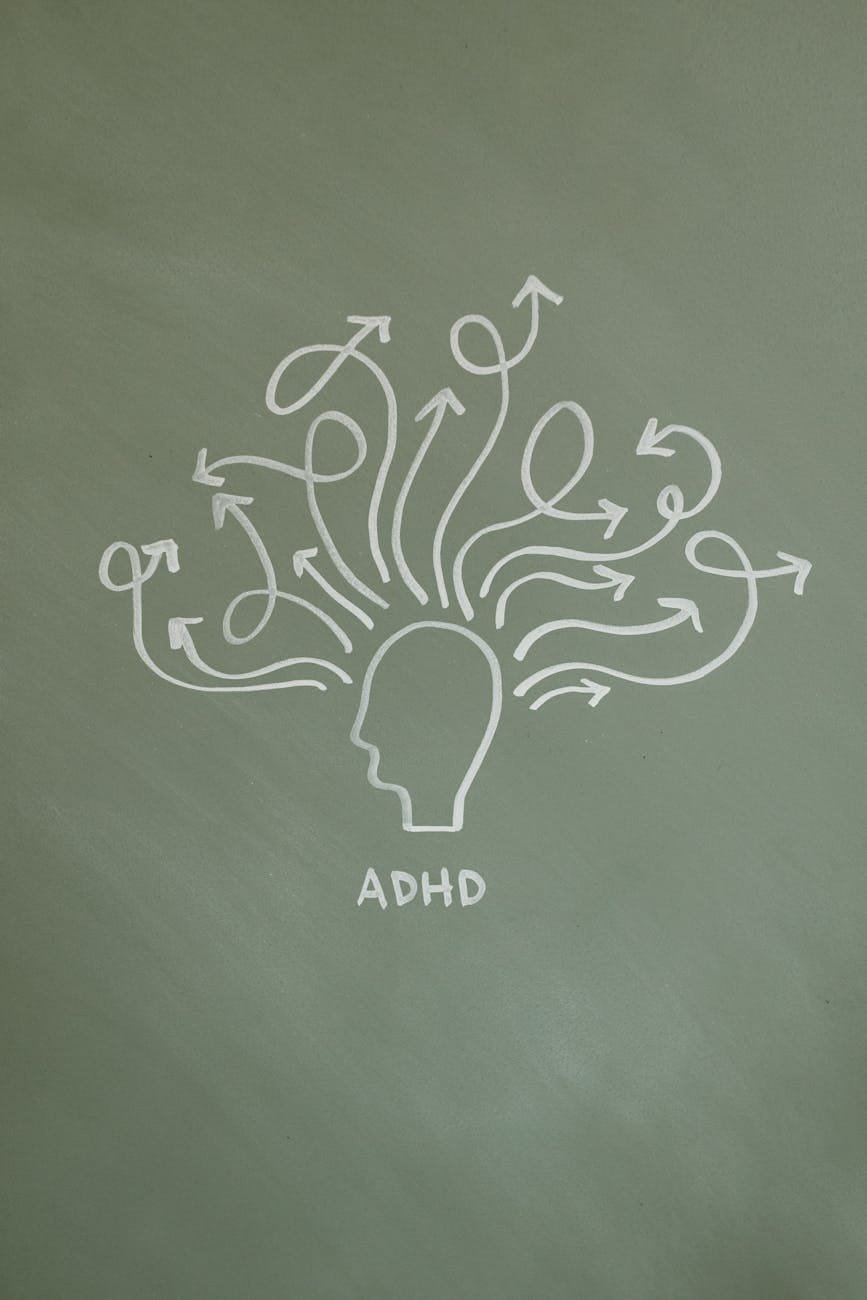
Attention-Deficit/Hyperactivity Disorder (ADHD) is a neurodevelopmental condition characterized by a persistent pattern of inattention and/or hyperactivity-impulsivity that interferes with functioning or development. ADHD is prevalent among individuals of all ages, with estimates suggesting it affects approximately 5% of children and often continues into adulthood. Symptoms and their severity can vary widely, leading to diverse experiences among those diagnosed with the disorder.
Individuals with ADHD often struggle with focus, which may result in difficulties completing tasks and maintaining productivity. This challenge can manifest in various settings, whether academic, professional, or personal, where sustained attention is required. Additionally, organizational skills can be significantly impacted; individuals frequently experience issues with keeping track of items, managing schedules, and adhering to deadlines. Time management is another critical area where those with ADHD face barriers, as they may underestimate the time needed for tasks or procrastinate, ultimately affecting their overall efficiency.
The emotional and psychological ramifications of ADHD are also profound. Many individuals encounter feelings of frustration, low self-esteem, and anxiety due to the societal demands and expectations that do not align with their capabilities. The impact extends beyond day-to-day activities, often leading to challenges in relationships and general well-being. Seeking personalized support tailored to the unique challenges of ADHD is essential in helping individuals navigate these difficulties. This support can take various forms, from behavioral therapies to the integration of artificial intelligence solutions that offer innovative approaches to managing ADHD symptoms effectively.
The Evolution of Support Tools: From Reminders to AI Integration
In recent years, the support landscape for individuals with Attention Deficit Hyperactivity Disorder (ADHD) has undergone a significant transformation, transitioning from traditional methods such as simple calendars and task lists to sophisticated AI-driven solutions. Historically, individuals relied heavily on physical planners or digital reminders, which offered basic functionality for task management. However, as technology has evolved, so too have the tools available to support those with ADHD.
Artificial Intelligence (AI) has played a crucial role in advancing ADHD support tools. Modern applications use AI to learn from user behavior, providing personalized strategies tailored to individual needs. For example, predictive text functions can guide users in sentence completion, thereby streamlining communication and reducing frustration associated with expressive difficulties. This feature not only enhances productivity but also boosts confidence, allowing users to focus on content rather than mechanics.
Additionally, AI tools are now equipped with adaptive learning capabilities, which adjust the support strategies based on user performance over time. Such customization enables individuals to engage more effectively with their tasks, promoting better focus and organization. Furthermore, intelligent reminders utilize machine learning algorithms to anticipate when a user may need a nudge, delivering prompts at optimal times. These reminders are not merely time-based but are instead informed by contextual data, making them significantly more effective than their traditional counterparts.
The integration of these advanced features marks a departure from one-size-fits-all solutions and provides a more nuanced approach to ADHD support. As technology continues to progress, the potential for AI to enhance the lives of individuals with ADHD becomes increasingly promising, revealing opportunities for further innovation in support tools.
AI Solutions in Action: Case Studies and Applications
The advent of artificial intelligence (AI) has brought forth significant advancements in various sectors, including education, healthcare, and personal development. For individuals with Attention Deficit Hyperactivity Disorder (ADHD), these innovative solutions have proven to be game-changing. Numerous case studies demonstrate how AI applications are effectively addressing the unique challenges faced by those living with ADHD.
One key application is the use of AI-assisted focus apps, such as Forest and Focus@Will. These applications employ algorithms to analyze user behavior and adapt their functionalities to enhance concentration. For instance, Forest uses gamification to keep users engaged in productivity tasks while avoiding distractions from their mobile devices. Case studies from users reveal that consistent use of such applications has led to marked improvements in attention spans and overall productivity, illustrating how AI can foster a more focused work environment.
Another strong example is the implementation of smart planners and organizational tools like Todoist and Notion, which utilize machine learning to help users efficiently manage their tasks. These platforms analyze user preferences and habits to suggest personalized organization strategies, effectively reducing organizational challenges often faced by individuals with ADHD. Testimonies from users indicate that these tools not only improve task management but also significantly reduce the stress associated with overwhelming schedules.
Additionally, mental wellness programs powered by AI, such as Woebot, provide therapeutic support through conversational agents. These AI-driven platforms offer real-time emotional support and cognitive behavioral therapy techniques tailored to users’ needs. Research indicates that users of these programs report improvements in emotional regulation and coping strategies, affirming the role of AI in enhancing mental health for those with ADHD.
In summary, these case studies convey the profound impact of AI solutions on the lives of individuals with ADHD, showcasing how technology can facilitate better focus, organization, and overall mental wellness.
The Future of ADHD Support: Emerging Trends and Considerations
The landscape of support for individuals with Attention Deficit Hyperactivity Disorder (ADHD) is undergoing significant transformation, largely driven by advancements in artificial intelligence (AI). As we look ahead, several emerging trends will likely shape the future of ADHD support. One critical area is the increased integration of AI-driven tools that facilitate personalized support for those affected by ADHD.
One prominent trend is the development of AI algorithms that can analyze an individual’s behavior, preferences, and requirements to tailor interventions effectively. These tools have the potential to offer more customized support than traditional methods, making it easier for individuals to engage with resources that resonate with their unique needs. Furthermore, as these tools become more sophisticated, they can provide real-time feedback, enabling users to make informed adjustments to their routines and strategies.
However, the implementation of AI in ADHD support raises several ethical considerations. Issues surrounding data privacy, the potential for bias in algorithms, and the necessity for transparency in how these tools operate are vital to ensuring that they are reliable and effective. Moreover, accessibility of AI resources must be prioritized, particularly for diverse populations who may face barriers in technology use due to socioeconomic or cultural factors.
Continuing research is crucial to further understand the long-term implications of AI use in ADHD support. Collaborative efforts involving developers, clinicians, and individuals with ADHD can lead to the creation of more beneficial tools that consider the complexities of the disorder. By fostering an environment of collaboration, the efficacy of AI-driven support solutions can be enhanced, ultimately leading to improved outcomes for those living with ADHD. The integration of technological innovation with ongoing research and ethical considerations will likely define the trajectory of ADHD support in the coming years.
Artificial intelligence (AI) refers to the simulation of human intelligence processes by machines, particularly computer systems. This concept has rapidly advanced in recent years, infiltrating various sectors, including healthcare, finance, and education. The behavioral health field, which encompasses mental health and substance use disorders, is beginning to embrace AI technologies, leading to innovative solutions that enhance the quality of care. Behavioral health is crucial as it directly influences individuals’ emotional, psychological, and social well-being. Addressing behavioral health challenges helps in improving overall health outcomes and societal productivity.
The integration of AI in behavioral health arises from the increasing demand for effective interventions and treatment options. Traditional approaches to mental health care often face barriers such as limited access to professionals, time constraints, and stigma associated with seeking help. AI technologies, such as machine learning and natural language processing, are being harnessed to tackle these issues. For instance, AI-driven applications can analyze large datasets to identify patterns correlating with behavioral health disorders, allowing for more personalized and timely intervention strategies.
Moreover, AI has the potential to enhance diagnostic accuracy by providing insights that clinicians may overlook, thereby improving treatment outcomes. AI can facilitate telehealth services, offering patients the flexibility to access support remotely, which is especially beneficial in today’s fast-paced and often resource-limited environments. Additionally, chatbots and virtual mental health assistants are enabling 24/7 support for individuals experiencing mental health issues, making professional help more readily available.
In conclusion, the convergence of AI technology and behavioral health presents a remarkable opportunity to transform how mental health care is delivered. By streamlining processes, enhancing accessibility, and providing tailored solutions, AI is positioned to significantly improve the management and outcomes of behavioral health issues. As we delve deeper into this innovative intersection, the potential impacts on society at large become increasingly evident.
Behavioral health encompasses mental health and substance use issues that affect individuals across all demographics. However, it is fraught with challenges that hinder effective treatment. One of the most significant barriers is the pervasive stigma surrounding mental health issues. Many individuals feel ashamed to seek help because of societal misconceptions, leading to an underreporting of conditions and worsening symptoms.
Accessibility to care is another crucial obstacle. Many individuals face geographical, economic, and logistical challenges that make it difficult to obtain timely treatment. Rural areas, in particular, may lack mental health resources, compelling individuals to travel long distances to receive care. For those living in urban settings, long wait times can create a significant delay in treatment, exacerbating existing conditions.
High operational costs associated with behavioral health services present yet another hurdle. Many services are priced beyond the reach of average individuals, deterring them from pursuing necessary care. Costs associated with therapy sessions, hospitalization, and medication can lead to significant financial strain. This financial barrier is further exacerbated by the lack of adequate insurance coverage for behavioral health services.
Additionally, there is a noted shortage of mental health professionals, including psychiatrists, psychologists, and counselors. This shortage places enormous pressure on existing providers, leading to burnout and a diminished quality of care. As demand for mental health services continues to rise, addressing the gap in the workforce becomes increasingly urgent.
These challenges not only affect individuals seeking behavioral health support but also strain the healthcare system as a whole. Understanding these fundamental issues sets the stage for exploring how innovations such as artificial intelligence (AI) can offer potential solutions to improve access, reduce costs, and address stigma in behavioral health.
AI Applications in Behavioral Health
The integration of artificial intelligence (AI) into behavioral health has transformed various aspects of mental health care, yielding innovative applications designed to enhance treatment and support for individuals. Among the most prominent AI-driven tools are chatbots, which serve as virtual companions providing immediate assistance and emotional support. These chatbots utilize natural language processing to engage users in conversation, helping to alleviate feelings of loneliness and anxiety. They can also deliver resources and psychoeducation relevant to the user’s condition.
Another significant application is that of virtual therapists. Utilizing AI algorithms, these platforms can offer therapeutic sessions in real-time, making mental health resources more accessible to individuals who may be hesitant to seek traditional therapy. Virtual therapists are programmed to respond to emotional cues and provide evidence-based interventions, making them a valuable tool for many seeking support.
Predictive analytics represents another notable advance in behavioral health. By analyzing vast amounts of data from medical records and patient histories, AI can identify patterns that may indicate an individual’s risk of developing certain mental health conditions. This early intervention capability enables professionals to act proactively, providing support before issues escalate.
Furthermore, personalized treatment plans benefit from AI’s ability to analyze unique patient data, including their preferences, history, and responses to previous treatments. By tailoring interventions and strategies specifically for the individual, healthcare providers can enhance treatment effectiveness, leading to better outcomes. In summary, AI applications in behavioral health, ranging from chatbots to predictive analytics, are evolving the landscape of mental health care, offering new and innovative ways to provide support and treatment to those in need.
The Role of Machine Learning in Behavioral Analysis
Machine learning (ML), a subset of artificial intelligence (AI), has begun to reshape the landscape of behavioral health by analyzing complex behavioral data to unearth patterns, trends, and risk factors. By leveraging algorithms, healthcare professionals can gain insights into individual behaviors that were previously difficult to quantify. This technology applies statistical methods to identify correlations within large datasets, thus enabling practitioners to recognize significant indicators of mental health conditions.
One of the critical advantages of machine learning in behavioral analysis is its ability to customize treatment approaches. Traditional methods often rely on standardized practices, which may not account for the unique needs of individual patients. However, through ML algorithms, practitioners can tailor interventions based on the specific behaviors and responses exhibited by each patient. For instance, if the data indicates that a particular patient shows signs of anxiety in specific contexts, treatment plans can be adapted to address those settings more effectively.
Additionally, machine learning excels in predictive analytics, which allows for the identification of high-risk individuals before they encounter severe mental health crises. By analyzing factors such as social media activity, communication patterns, and even biometric data, ML systems can forecast potential behavioral issues, enabling early intervention. This proactive approach not only enhances patient care but also optimizes resource allocation within healthcare systems.
Moreover, as these algorithms continue to evolve, they hold the promise of improving the overall efficacy of treatments in behavioral health. By harnessing the power of machine learning, clinicians can make data-informed decisions that lead to better treatment outcomes, thereby advancing the field of mental health care. The integration of ML into behavioral analysis underscores a significant shift towards more personalized and efficient mental health care solutions.
Enhancing Patient Engagement through AI
The integration of artificial intelligence (AI) technologies in behavioral health is revolutionizing how patients engage with their mental health care. With a specific emphasis on enhancing patient engagement, AI can personalize the treatment experience, making it more relevant and appealing to individuals. One significant advancement is the utilization of gamification in mental health applications. Gamification introduces game-like elements into therapeutic practices, transforming conventional mental health strategies into interactive and enjoyable experiences. By applying reward systems, progress tracking, and challenges, these applications can keep patients motivated and engaged in their treatment plans.
Another critical area where AI enhances patient engagement is through personalized content delivery. AI algorithms analyze individual patient data, preferences, and treatment history to curate tailored mental health resources that resonate with each user. This approach ensures that patients receive information and support that specifically addresses their unique conditions and needs, fostering a deeper connection with their mental wellness journey. Personalized content can include guided meditations, coping strategies, or educational articles about their symptoms, offering a comprehensive support system.
Furthermore, AI-powered tools can provide real-time feedback mechanisms that actively involve patients in their treatment process. These tools offer immediate responses based on user behavior and self-reported data, enabling patients to understand their progress and challenges better. For instance, AI algorithms can analyze input from mood tracking and alert patients when patterns emerge, encouraging them to discuss their experiences with healthcare professionals. This instant feedback fosters a sense of accountability and empowerment, motivating patients to take charge of their mental health.
Overall, the application of AI in behavioral health promotes active patient involvement, ultimately leading to better outcomes and a more supportive therapeutic environment.
Ethical Considerations and Data Privacy
The integration of artificial intelligence (AI) within the realm of behavioral health presents myriad opportunities for enhanced patient care; however, it also raises significant ethical concerns, particularly regarding data privacy. Given that AI systems rely on large datasets to train algorithms, the collection, storage, and processing of sensitive patient information are critical issues that warrant careful consideration. Patients must be assured that their data is handled with strict confidentiality, as breaches can lead to severe consequences not only for individuals but also for the trust in the health care system as a whole.
Moreover, the risk of bias in AI algorithms poses another ethical dilemma. If data used to train these models are skewed or unrepresentative, there is a potential for perpetuating existing disparities in mental health care. For instance, an AI tool trained primarily on data from specific demographic groups may not provide accurate assessments for those outside of those groups, ultimately affecting treatment efficacy. Stakeholders, including health care providers and technology developers, must work collaboratively to identify and rectify biases in data to ensure fairness and equity in AI applications.
Maintaining patient autonomy is also paramount. Individuals must have the ability to make informed choices about their treatment, including how their data is used within AI systems. Transparent practices must be implemented, allowing patients to understand the functions of AI tools and how they contribute to their care. In recognizing these ethical considerations, stakeholders can forge a path towards creating AI technologies that are ethically sound, prioritizing patient privacy, addressing biases, and respecting individual autonomy. This balanced approach will ultimately foster responsible innovation in behavioral health.
Case Studies and Success Stories
The application of artificial intelligence (AI) in behavioral health has become increasingly prominent, leading to innovative solutions that significantly enhance patient outcomes. One notable case study is that of Mindstrong Health, which utilizes AI to monitor patients’ smartphone usage patterns, allowing for an understanding of their mental health status in real time. This data-driven approach enables clinicians to provide timely interventions, tailored to individuals’ behavioral changes, ultimately resulting in improved patient engagement and adherence to treatment plans.
Another compelling example is the partnership between Beacon Health Options and a leading AI analytics firm. This collaboration harnesses AI algorithms to analyze vast amounts of healthcare data, identifying trends that inform customized treatment strategies. The AI system successfully flags individuals at risk of deteriorating mental health, facilitating early preventive measures. By effectively combining behavioral health insights with AI technology, Beacon Health Options reported a 20% reduction in hospital readmissions due to mental health crises.
Furthermore, Lyra Health implemented an AI-powered platform to match patients with appropriate therapists based on various factors, including personality traits and therapy preferences. This optimization of the referral process resulted in a 30% increase in therapy engagement rates. Patients expressed higher satisfaction levels, attributed to their connection with therapists who met their specific needs, showcasing AI’s capability in enhancing the therapeutic alliance.
These case studies highlight the tangible benefits of integrating AI into behavioral health practices. By showcasing real-world applications, organizations can learn from these success stories to inform their own strategies, promote innovation, and ultimately improve mental health outcomes. Leveraging AI in this sector is not just about technology; it reflects a broader commitment to understanding and improving patient care.
The Future of AI in Behavioral Health
The integration of artificial intelligence (AI) into behavioral health is poised to fundamentally reshape the landscape of mental health care in the coming years. Experts predict several emerging trends that reflect both advancements in technology and the evolving needs of patients. One significant development is the enhancement of AI-driven diagnostic tools, which can facilitate earlier identification of mental health conditions. By leveraging machine learning algorithms, these tools analyze data from various sources, including electronic health records and patient interactions, to identify patterns that may signify mental health issues.
Moreover, personalization of treatment plans through AI is expected to become more prevalent. AI systems will enable practitioners to tailor interventions based on individual patient data, preferences, and historical responses to treatment. This personalized approach can enhance engagement and adherence to treatment protocols, which are often critical factors in the success of behavioral health interventions.
In addition to diagnostics and treatment personalization, AI is anticipated to play a significant role in expanding access to care. Telehealth services, powered by AI technologies, can provide immediate support to individuals in remote or underserved areas, reducing barriers to mental health resources. Predictive analytics can also help healthcare providers anticipate patient needs and allocate resources more efficiently, ensuring timely access to necessary services.
Furthermore, advancements in natural language processing (NLP) will allow for more sophisticated interactions between AI systems and patients. AI chatbots and virtual therapists, equipped with NLP capabilities, will provide conversational support, monitor patient responses, and offer real-time feedback, contributing to continuous care management.
Overall, the future of AI in behavioral health appears promising, with the potential to revolutionize how mental health care is delivered. As technology continues to advance, the positive impact of AI on improving outcomes in behavioral health may be substantial, paving the way for a more responsive and effective mental health care system.
Conclusion: Embracing AI for Better Behavioral Health Outcomes
As we conclude our exploration of artificial intelligence (AI) in the realm of behavioral health, it is evident that AI technologies have the potential to significantly enhance mental health care and overall patient outcomes. From predictive analytics that facilitate early intervention to personalized treatment plans driven by machine learning, AI innovations are transforming how we approach mental health issues. These advancements not only aid healthcare professionals in providing effective treatments but also empower patients through better access to resources and support systems.
The integration of AI-driven tools such as chatbots and virtual therapy sessions provides an avenue for increased accessibility to mental health services, particularly for those who may face barriers in traditional care settings. As we have discussed throughout this blog post, the efficacy of such tools lies in their capacity to reach individuals who otherwise might not receive the help they need. This democratization of care is crucial in addressing the ongoing mental health crisis faced by numerous communities globally.
However, it is important to recognize that the journey towards fully harnessing AI in behavioral health care is still in its early stages. Ethical considerations, data privacy, and the necessity of human oversight in treatment continuity must remain at the forefront of discussions regarding AI implementation. As we move forward, innovation in this field should be accompanied by rigorous research and development to ensure that these technologies complement the human elements of therapy that are essential for effective mental health treatment.
In summary, the application of AI in behavioral health shows great promise in improving patient care and outcomes. By embracing these technologies, we can pave the way for a more effective, accessible, and responsive mental health care system that addresses the needs of all individuals seeking help.
The integration of artificial intelligence (AI) into mental health services signifies a transformative approach to addressing psychological well-being. AI, in this context, refers to the simulation of human intelligence processes by machines, particularly computer systems. Within the mental health domain, AI technologies are increasingly being utilized to enhance access to care, improve diagnosis, and develop individualized treatment plans.
The growing importance of mental health cannot be overstated, particularly in today’s fast-paced and often stressful environment. As awareness of mental health issues rises, there is a corresponding demand for services that can effectively cater to diverse needs. Unfortunately, traditional mental health support often faces challenges such as accessibility, stigma, and resource limitations. This is where AI enters the conversation, promising to bridge the gap between demand and supply.
AI is revolutionizing the landscape of mental health care by providing innovative solutions that can reach individuals who may otherwise be unable to seek help. For example, AI-driven chatbots and virtual therapists offer immediate support and advice, functioning around the clock, which is a significant departure from conventional therapy sessions. These tools utilize natural language processing and machine learning to understand user inquiries and provide appropriate responses, thereby democratizing mental health support.
Moreover, AI can analyze vast amounts of data, such as social media activity and wearable health metrics, to identify and predict mental health crises. This predictive capability allows for proactive intervention, enabling mental health professionals to act before the situation escalates. Such advancements not only enhance the quality of care but also foster a more personalized mental health experience.
As we delve deeper into this exploration of AI in mental health, it is essential to understand its potential benefits while also addressing the ethical considerations that accompany such technological advancements.
Benefits of AI-Powered Mental Health Tools
AI-powered mental health tools provide a wealth of advantages that significantly enhance the landscape of psychological wellness. A primary benefit is increased accessibility. Traditional mental health services can often be limited by geographical location, availability of practitioners, and financial constraints. AI tools, however, can be accessed from anywhere with an internet connection, ensuring that individuals can reach mental health support when they need it.
Another key advantage lies in the personalized care that these tools can offer, driven by advanced AI analytics. By utilizing algorithms, AI can process a vast array of information, tailoring interventions and suggesting coping strategies that are specifically aligned with individual user’s needs. This aspect not only improves user engagement but also enhances satisfaction, as individuals receive tailored guidance that resonates with their unique experiences and challenges.
Cost-effectiveness is another significant attribute of AI-powered mental health applications. Traditional therapy sessions can be expensive, often deterring individuals from seeking the help they need. Conversely, many AI-driven platforms offer a range of services at a fraction of the cost, making mental health support more financially accessible without compromising on quality.
Furthermore, AI has unparalleled capabilities in data analysis. It can interpret vast amounts of information quickly and accurately, providing therapists with insights that might go unnoticed in conventional settings. This analytical power not only supports practitioners in delivering informed care but also helps identify patterns and trends in mental health that can inform future practices and developments.
Finally, while AI tools serve as a robust supplement, they do not replace the invaluable human touch that traditional therapy offers. Instead, they complement existing methods, creating a more holistic approach to mental well-being.
Types of AI Technologies Used in Mental Health
Artificial Intelligence (AI) technologies have emerged as transformative tools in the field of mental health, offering innovative solutions to support individuals seeking wellness. Among these technologies, chatbots are particularly notable. These AI-driven virtual assistants engage in text-based conversations, providing immediate responses to users’ inquiries. Programs like Woebot and Wysa utilize natural language processing to offer cognitive-behavioral therapy (CBT) techniques, guiding users to better manage their mental health challenges.
Another significant application of AI is virtual reality (VR). VR technology creates immersive environments that can replicate real-world scenarios. In a therapeutic context, this technology is used for exposure therapy, helping individuals confront and manage phobias or anxiety disorders in a controlled setting. By simulating social interactions or stressful situations, VR facilitates exposure while allowing therapists to guide the process effectively.
Machine learning algorithms also play a crucial role in mental health support. These algorithms analyze vast amounts of data, identifying patterns that can inform clinical practices. For instance, machine learning can help predict potential mental health crises, allowing for earlier interventions and personalized treatment plans. The adaptability of these algorithms ensures that they continue to evolve, improving their accuracy over time.
Lastly, sentiment analysis tools are increasingly being employed to assess emotional states based on text input from various sources, including social media and clinical notes. By evaluating the sentiment behind users’ words, these tools provide valuable insight into individuals’ emotional well-being and potential needs for intervention. Overall, the integration of these AI technologies is revolutionizing the mental health landscape, making support more accessible and tailored to individual needs.
AI Chatbots: Your Virtual Therapist
AI chatbots are a transformative tool in the realm of mental health support, designed to assist individuals in managing their emotional well-being. Operating around the clock, these virtual therapists provide immediate access to support, eliminating traditional barriers such as scheduling conflicts or geographic limitations. In an age where mental health needs are increasingly recognized, AI chatbots offer a convenient solution for receiving care anytime, anywhere.
The core functionality of these chatbots relies on sophisticated algorithms capable of understanding and responding to user input. They utilize natural language processing (NLP) to engage users in meaningful conversations, providing guidance, coping strategies, or even just a listening ear. This form of interaction fosters a sense of companionship, particularly beneficial for those who may feel isolated or hesitant to seek help in person.
One of the primary advantages of AI chatbots is their anonymity. Many individuals experience stigma when discussing mental health issues, which can deter them from seeking help. Chatbots offer a private, supportive environment that encourages users to share their struggles without fear of judgment. Furthermore, the scalability of these services means that many users can be catered to simultaneously, which is particularly crucial during times of crisis when demand for mental health services spikes.
Despite the clear benefits, there are limitations and ethical considerations that must be addressed. While AI chatbots can provide support, they lack the ability to fully comprehend complex human emotions or situations. Additionally, there are concerns regarding data privacy and the potential for misinformation. It is essential for users to understand these limitations and seek professional help when needed. AI chatbots can be valuable adjuncts to therapy, but they should not replace the nuanced care provided by human therapists.
Evidence and Research Supporting AI Mental Health Solutions
Recent advancements in artificial intelligence (AI) have sparked interest in its potential applications within mental health support. A body of research underscores the efficacy of AI-driven solutions in the realm of mental health, indicating favorable outcomes in aspects such as user satisfaction and treatment effectiveness. Studies have consistently demonstrated that AI can provide personalized, scalable, and accessible interventions for individuals struggling with various mental health issues.
For instance, a recent meta-analysis reported that AI-driven chatbots and virtual therapy platforms achieved satisfaction ratings of over 85%, a figure that rivals traditional therapy outcomes. This high level of satisfaction suggests that users are finding these solutions helpful and supportive. Furthermore, various clinical trials illustrate that AI mental health applications can effectively reduce symptoms of anxiety and depression. A comprehensive study showed that users of AI-based solutions experienced a 30% reduction in depressive symptoms compared to a control group engaging in standard therapeutic practices.
The comparative effectiveness of AI mental health solutions against conventional methods has also been a focal point of research. One longitudinal study highlighted that AI-assisted therapy could potentially bridge gaps in access to mental health services, particularly in underserved populations. With a significant portion of the population lacking access to traditional forms of therapy, AI offers a viable alternative that is both economical and widely accessible. Emerging trends in AI research further suggest a future where mental health interventions are increasingly tailored to individual needs, using algorithms that learn and adapt based on user interactions.
Credible research plays a critical role in validating the effectiveness of AI tools within mental health settings. As the field continues to evolve, robust evidence supporting these innovative therapies will be essential in promoting their adoption and integration into mainstream mental health care.
Challenges and Limitations of AI in Mental Health
The integration of AI-powered solutions in mental health care is undoubtedly a promising development; however, it is essential to acknowledge the challenges and limitations that accompany these technologies. One significant concern revolves around data privacy. AI systems often require substantial amounts of personal data to function effectively. This raises questions about how securely this data is stored and whether it is susceptible to breaches. Patients must trust that their sensitive information will be protected, which is a challenge that the industry must continually address.
Another issue is the potential for misdiagnosis. While AI can analyze patterns in data, it lacks the nuanced understanding of human emotions and complex psychological states that trained professionals possess. There is a risk that an AI’s assessment may overlook vital indicators of mental health issues, leading to incorrect diagnoses or inappropriate treatment suggestions. This reliance on technology necessitates a careful balance; while AI can aid in diagnosis, it should not replace human judgment.
Furthermore, there is the concern of over-reliance on technology. While AI can enhance mental health support, it is crucial for individuals to maintain connections with healthcare providers. The therapeutic relationship established between a patient and a clinician is irreplaceable and vital to effective treatment. Complete dependence on AI can undermine this relationship, potentially affecting the quality of care.
To overcome these challenges, a hybrid approach, combining AI assistance with human oversight, can be valuable. By leveraging AI for initial assessments or monitoring while ensuring that qualified professionals interpret results and provide final diagnoses, the benefits of technology can be maximized while minimizing risks. This collaborative model can enhance the effectiveness of mental health support systems and inspire greater trust among users.
The Role of AI in Crisis Intervention
Artificial Intelligence (AI) is increasingly becoming a pivotal component in mental health crisis intervention, providing timely support and assistance to individuals in distress. One of the most notable applications of AI technology in this realm is the development of algorithms that can analyze user-generated content in real time. For example, platforms that utilize machine learning to monitor social media posts or messaging apps can quickly identify language patterns indicative of suicidal thoughts or severe distress.
In certain cases, AI-powered tools have successfully flagged alarming content, leading to immediate responses from mental health professionals or emergency services. For instance, a well-known AI application developed for social media platforms detected phrases associated with behavioral health emergencies. Once such content is analyzed, alerts can be sent to trained mental health providers, who can then intervene or reach out to the individual for support.
Moreover, AI-driven chatbots have emerged that offer immediate, anonymous help to users experiencing mental health crises. These digital assistants, such as Woebot and Wysa, provide evidence-based cognitive behavioral therapy techniques and can engage users in supportive conversations. Studies have shown that these tools not only help alleviate feelings of distress but also guide users toward professional resources when necessary. Such capabilities illustrate how AI can serve as an accessible first-line resource for those hesitant to seek traditional therapy, thereby reducing barriers to care.
As the field of AI in mental health continues to evolve, ongoing research aims to refine these interventions further. By integrating advanced data analysis with ethical considerations, the potential for AI to revolutionize crisis intervention strategies is immense, ultimately saving lives and improving mental health outcomes.
The Future of AI in Mental Health Support
As we look ahead, the role of artificial intelligence in mental health support is poised for significant transformations. Technological advancements are facilitating the development of AI systems that are not only adept at processing vast amounts of data but also increasingly sophisticated in understanding human emotions and behaviors. With these innovations, AI’s potential to enhance mental health outcomes becomes more pronounced.
One of the notable trends is the growing integration of AI-driven tools in clinical settings. Mental health professionals are likely to employ AI systems that can assist in diagnosing mental health conditions more accurately and efficiently. By analyzing patient data and identifying patterns, AI can help clinicians tailor treatment plans to individuals’ specific needs, allowing for a more personalized approach to mental health care.
Moreover, the integration of AI with human therapists represents a significant advancement in mental health support. Rather than replacing mental health professionals, AI can serve as a supportive tool. For example, AI chatbots can offer immediate assistance to patients outside of standard appointment hours, providing essential support that complements traditional therapy. This synergistic relationship could improve accessibility to mental health resources, benefiting individuals who may otherwise struggle to seek help.
The future also holds promise for AI’s role in preventative mental health measures. Predictive analytics powered by AI can identify at-risk populations and facilitate early interventions, ideally minimizing the onset of more severe mental health issues. Furthermore, the incorporation of AI into mental wellness applications can promote self-care and resilience among users, helping them to maintain positive mental health proactively.
In conclusion, as technology continues to advance, AI’s influence in the domain of mental health support will likely expand, leading to improved outcomes for individuals seeking help. The collaboration between artificial intelligence and human therapists may redefine the landscape of mental health care, making it more effective and accessible than ever before.
Conclusion: Embracing AI for Better Mental Health Support
As we navigate the evolving landscape of mental health care, the integration of AI technologies presents significant opportunities to enhance support systems. Throughout this discussion, we have examined how AI can facilitate early detection of mental health issues, personalize treatment options, and streamline access to resources. The power of AI in mental health lies not only in its ability to analyze large volumes of data but also in its potential to provide tailored interventions that resonate with individual needs.
Implementing AI solutions in mental health care workflows can lead to improved outcomes for individuals seeking support. For instance, AI-driven chatbots and virtual therapists can offer immediate assistance when traditional options may not be accessible. Additionally, the capability of AI to monitor behavioral patterns allows for timely interventions, which can be crucial for those at risk of deteriorating mental health.
However, as we embrace these innovative tools, it is essential to address the ethical considerations surrounding their use. Ensuring human oversight in AI applications for mental health is imperative to mitigate risks associated with over-reliance on technology. Professionals in the mental health sector must remain vigilant in integrating AI responsibly, prioritizing patient privacy, and ensuring that algorithms are free from bias to provide equitable care.
In summary, harnessing AI-powered mental health support holds the promise of transforming wellness approaches. While the benefits are substantial, the focus must remain on creating a balanced and responsible framework that considers the complexities of mental health challenges. By combining the strengths of AI with compassionate human care, we can pave the way for more accessible, effective, and holistic mental health support solutions.