patakhdeletsolutionsltd.tech

Loading

The Truth About Updating iPhone 13 to iOS 18.2

The Truth About Updating iPhone 13 to iOS 18.2

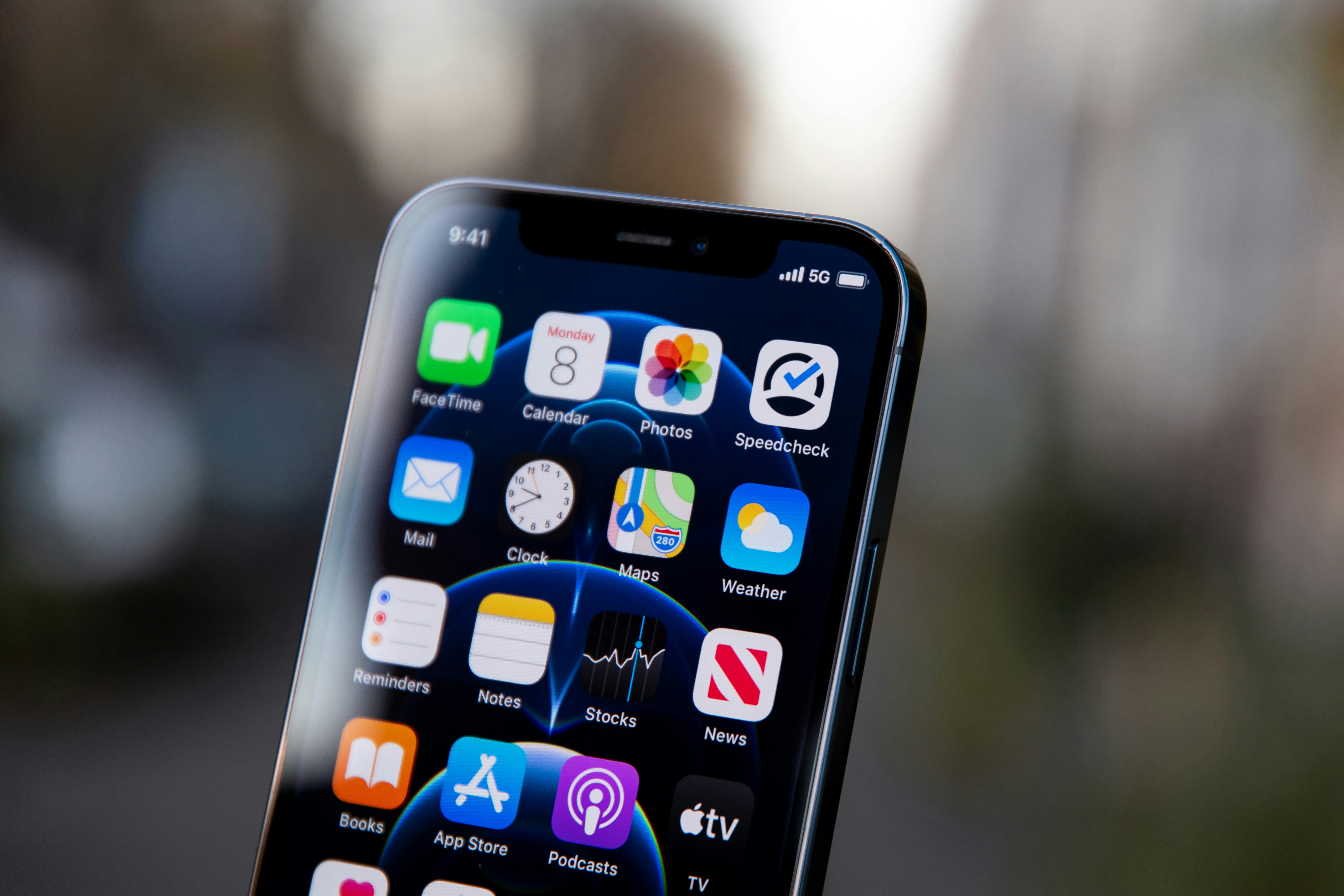
Photo by Onur Binay on Unsplash

Introduction to iOS Updates

The iOS update process is a crucial aspect for every iPhone user, as it directly influences the device’s performance, security, and overall user experience. Regular updates from Apple often contain various improvements, including security enhancements, bug fixes, and new features that aim to enhance the functionality of the device. As cyber threats continue to evolve, staying up-to-date with the latest iOS versions becomes increasingly important to protect against potential vulnerabilities that can compromise personal data.

Each iteration of iOS, including the recent iOS 18.2, aims to deliver a more refined experience. These updates not only address existing issues but also introduce advanced functionalities that promote better multitasking, increased app performance, and optimized battery management. Additionally, new features can enhance the usability of the iPhone, allowing for greater customization and increased efficiency in daily tasks. Thus, understanding the importance of these updates is paramount for iPhone users who wish to maximize their device’s potential.

Moreover, iOS updates usually come equipped with various performance optimizations. Users may often worry about their devices performing slower post-update; however, the improvements embedded within these updates frequently lead to a more efficient and smoother experience. Specifically for iPhone 13 users, updating to iOS 18.2 may result in decreased loading times, increased responsiveness, and a more stable performance across applications. Consequently, a well-informed decision regarding updates ensures that users can enjoy a safer and more enjoyable experience while using their iPhones.

Overview of iOS 18.2 Features

iOS 18.2 introduces a range of notable improvements and new features that enhance the overall functionality and user experience of the iPhone 13. One of the primary enhancements is the optimization of the existing applications, which now run more smoothly and efficiently. The Messages app has received significant updates, including improved search capabilities and easier access to important conversations. Furthermore, users can now customize their message notifications, allowing for a more tailored experience.

Additionally, iOS 18.2 includes significant updates to the FaceTime application, enhancing video and audio quality during calls. Users can expect better connectivity and more responsive interactions, making virtual conversations feel closer to in-person experiences. The introduction of spatial audio capabilities provides an immersive sound experience, further enriching the usability of FaceTime for personal and professional interactions.

Another key feature is the enhanced privacy settings introduced in this update. iOS 18.2 allows users to have more granular control over their data and app permissions. The transparency features added to applications provide users with clear insights into how their data may be used, helping to foster an environment of trust between users and developers. This move towards greater privacy demonstrates Apple’s commitment to safeguarding user information, which is increasingly important in today’s digital landscape.

Moreover, performance upgrades are a significant aspect of iOS 18.2, focusing on ensuring that the iPhone 13 operates seamlessly even with demanding applications. Load times are reduced, and multitasking capabilities are improved, allowing users to switch between apps without noticeable lag. Overall, iOS 18.2 is a well-rounded update that not only introduces new functionalities but also ensures that existing features work tirelessly to enhance the user experience on the iPhone 13.

Is iOS 18.2 Compatible with iPhone 13?

When considering whether to update an iPhone 13 to iOS 18.2, it is crucial to evaluate the compatibility of this operating system with the device. The iPhone 13, released in September 2021, is equipped with the A15 Bionic chip, which provides substantial processing power. This allows the iPhone 13 to effectively support the latest iOS updates and operate smoothly with newer software features.

According to Apple’s guidelines, iOS 18.2 is designed to be compatible with various models, including the iPhone 13. Notably, this compatibility indicates that users can expect their devices to run optimally after the update. It is essential to highlight that while iOS 18.2 includes noteworthy features and enhancements, not all capabilities may be universally applicable to older models. Therefore, users of the iPhone 13 can anticipate a significant benefit in terms of software improvements without facing major limitations inherent to older devices.

Additionally, the update can improve performance metrics such as speed and efficiency, even in devices like the iPhone 13 that are already quite advanced. Users should also be aware that Apple continually fine-tunes its operating systems to ensure compatibility with existing hardware. Thus, while certain features of iOS 18.2 may be exclusive to more recent models, the core functionalities essential for day-to-day usage remain available for the iPhone 13. Ultimately, this compatibility reinforces users’ confidence in updating their devices to embrace the latest advancements in mobile technology.

Assessing Performance Changes After Update

When considering an update to the iOS 18.2 on an iPhone 13, it is prudent to assess the impact such an update may have on the device’s overall performance. Users often express concerns regarding possible slowdowns that may occur after installing new software. To gain a clearer understanding, we can explore both user experiences and expert opinions on this matter.

Many iPhone 13 users report varying degrees of satisfaction following the iOS 18.2 update. A significant number of users have noted that their devices continue to operate smoothly, with some even experiencing improvements in speed and responsiveness. Enhanced features and optimizations introduced in iOS 18.2 seem to contribute positively to the performance metrics of the device. Users have highlighted better app launch times and smoother multitasking capabilities as key benefits that they have encountered.

Conversely, a subset of users has pointed out occasional performance hitches, particularly during initial app launches or when executing demanding tasks immediately after the update. These observations suggest that while the iOS 18.2 update can generally lead to improved performance, isolated instances of temporary sluggishness may occur as the system optimizes in the wake of the update.

Experts recommend that users ensure sufficient storage space is available on their iPhone 13 prior to initiating the update. A well-maintained device with adequate storage can mitigate potential slowdowns. Additionally, performing routine maintenance tasks, such as clearing cache and background app refresh settings, can further optimize device performance post-update.

In conclusion, while most iPhone 13 users can expect enhancements in their device’s performance after updating to iOS 18.2, it is essential to stay vigilant and adopt best practices to ensure optimal functioning. Feedback indicates that the majority enjoy smoother operation, making the upgrade seem worthwhile for most users. However, individual experiences may vary, underscoring the importance of considering personal usage habits before proceeding with the update.

User Experiences and Reviews

As iPhone users consider upgrading to iOS 18.2, many have shared their experiences across various forums and tech publications. The sentiment towards this update appears to be largely positive, with numerous users reporting enhanced performance and new features that improve the overall utility of their devices. According to several reviews, iOS 18.2 has introduced several bug fixes and optimizations that address previous issues found in earlier versions.

Many users noted that their devices run more smoothly after the upgrade, with tasks such as app launching and system navigation becoming noticeably faster. The integration of new privacy settings and user control features has also garnered praise from the community. Users are particularly appreciative of the ability to customize notifications and manage background app activity with greater precision. These enhancements contribute to a more user-friendly experience, making the transition to iOS 18.2 feel worthwhile for many.

However, a small percentage of users have reported encountering issues related to battery life following the upgrade. Some individuals have expressed concerns that their devices have experienced shortened battery life or unexpected overheating. While this feedback highlights the potential risks associated with updates, tech analysts suggest that these instances are sometimes specific to individual devices or the applications being used, rather than a widespread fault of the operating system itself.

Overall, user testimonials reflect a generally positive reaction to iOS 18.2, with most individuals finding the benefits outweigh the downsides. Users emphasize that taking precautions, such as backing up data before upgrading, is always advisable. By collecting and analyzing various reviews, potential upgraders can make a more informed decision about transitioning to iOS 18.2 without undue concern about performance issues.

Precautions Before Updating

Before updating your iPhone 13 to iOS 18.2, it is essential to take several precautions to ensure a seamless transition and avoid potential complications. One of the primary steps is to back up your data. This can be done through iCloud or by using a computer with iTunes or Finder. A complete backup protects all your important files, including photos, messages, and app data, ensuring that you can retrieve them in case something goes wrong during the update.

Another crucial step is to check the compatibility of your apps with the new iOS version. Software updates can sometimes lead to compatibility issues with older applications. Visit the App Store and look for any available updates for your apps before proceeding with the iOS upgrade. It is also advisable to read through user reviews and update notes regarding the specific apps you rely on, as this information can provide insights on any potential issues that other users have experienced.

Furthermore, it is vital to ensure that your device has sufficient storage space for the update. iOS updates often require a significant amount of storage, and a lack of space can hinder the installation process. To check available storage, go to Settings, then tap on General, followed by iPhone Storage. If your storage is nearing capacity, consider deleting unnecessary files or apps to create more space. This proactive approach not only helps during the update but also contributes to the overall performance of your device.

By taking these precautions—backing up your data, checking app compatibility, and ensuring sufficient storage—you can enhance your experience with the iOS 18.2 update on your iPhone 13 without significant issues.

How to Update Your iPhone 13 to iOS 18.2

Updating your iPhone 13 to iOS 18.2 is a straightforward process that enhances the device’s functionality and security. To ensure a smooth update, follow these detailed steps:

Firstly, it is advisable to back up your iPhone. This can be accomplished by connecting your device to your computer and utilizing iTunes or Finder if you’re using macOS Catalina or later. Alternatively, you can use iCloud by navigating to Settings > Your Name > iCloud > iCloud Backup, and then selecting Back Up Now. This step is crucial, as it protects your data in case issues arise during the update.

Next, ensure that your device is charged. It is best to have at least 50% battery or keep your iPhone plugged into a power source during the updating process to avoid interruptions. Once you have completed the backup and ensured sufficient power, you can proceed to update your iPhone.

To initiate the update, navigate to the Settings app on your iPhone, tap General, and select Software Update. Your device will check for available updates. If iOS 18.2 appears, tap Download and Install. You may be prompted to enter your passcode. Agree to any terms and conditions presented on the screen.

If prompted, connect to Wi-Fi. This connection is essential to download the update files, which can be quite substantial. After the download, your device will begin the installation. Follow the on-screen prompts to complete the process. It is advisable to be patient, as depending on your connection and device capacity, this can take some time.

In the event of complications or errors during the updating process, look for error messages that may guide you. Restarting your device or attempting to update again after a brief period can often resolve minor issues. If problems persist, consider reaching out to Apple Support for targeted assistance.

Post-Update Troubleshooting Tips

After updating to iOS 18.2, users may encounter several common issues that can affect the performance and efficiency of their iPhone 13. Addressing these problems promptly is essential to ensure a smooth experience with the new operating system.

One prevalent issue reported by users is increased battery drain. After an update, it’s not unusual for the device to experience a temporary surge in battery usage, primarily due to background activities such as app updates and system processes. To mitigate this, users should navigate to the Settings app, select Battery, and review which applications are consuming the most power. If specific apps are identified as the culprits, consider disabling background app refresh for those applications or uninstalling and reinstalling them to refresh their performance.

Another problem that may arise is app crashes. This can occur if certain applications have not yet been optimized for iOS 18.2. If you experience crashes, first ensure that all apps are updated to their latest versions through the App Store. If the issue persists, try force-closing the app by swiping up from the bottom of the screen and closing it completely, then reopening it. If the app continues to malfunction, deleting and reinstalling it may resolve the conflict.

Additionally, some users may face performance hiccups, such as lagging or freezing. This might be attributed to temporary system overload after the update. Restarting the device can help resolve these performance issues, as it clears temporary files and refreshes system processes. Regularly checking for system updates is also advisable, as subsequent patches may address bugs introduced in the iOS 18.2 update.

By implementing these troubleshooting tips, iPhone 13 users can effectively manage common post-update issues and maintain optimal device performance.

Conclusion: Is Updating Worth It?

As we have discussed, updating an iPhone 13 to iOS 18.2 brings several enhancements and improvements that can enhance the overall user experience. The latest update includes valuable features such as enhanced security protocols, improved battery performance, and new functionalities that may not only streamline daily operations but also keep the device relevant against emerging technological trends. Many users have noted the importance of maintaining up-to-date software, as it often includes essential patches that address vulnerabilities within the system.

However, potential risks accompany any software update. Concerns about hardware compatibility, particularly for older devices, remain prevalent. While the iPhone 13 is relatively recent, some users fear that an update to iOS 18.2 could result in a perception of sluggishness or unresponsiveness due to the heavier demands of new software features. Most importantly, individuals should ensure they have adequate storage capacity on their device prior to installation, as insufficient space can lead to installation errors or performance lags post-update.

In light of these considerations, users must weigh the benefits of new features and enhanced security against the possibility of decreasing performance and other potential complications. It is advisable to review feedback from other iPhone 13 users who have already undergone the update, as this may provide insight into the real-world implications of the switch to iOS 18.2.

Ultimately, whether or not to proceed with the update hinges on personal usage habits and the prioritization of features that come with iOS 18.2. If enhanced performance, security, and user experience are significant considerations, the upgrade is likely worth pursuing. However, remaining informed and prepared for any challenges is essential for a seamless transition.


How to Choose the Right Wireless Charger for Your Device

How to Choose the Right Wireless Charger for Your Device

Photo by Limor Zellermayer on Unsplash

Introduction to Wireless Charging

Wireless charging, also known as inductive charging, refers to the technology that allows electronic devices to be charged without the need for physical connectors. This process utilizes electromagnetic fields to transfer power between a charging station and a compatible device, typically smartphones, tablets, and other small electronics. With the increasing prevalence of mobile devices and the continual drive for convenience in technology, wireless charging has seen a significant rise in popularity within the modern tech landscape.

The core principle behind wireless charging involves the use of electromagnetic induction. A charging pad or station generates an alternating electromagnetic field, which induces an electric current in a coil located within the device that needs charging. This method not only simplifies the charging process but also eliminates the wear and tear associated with traditional charging cables. Today’s consumers appreciate the ease of simply placing their devices on a charging pad rather than fumbling with cords and connectors.

Moreover, wireless chargers are becoming increasingly integrated into our daily lives, appearing not only in homes and offices but also in public spaces like cafes and transportation hubs. This accessibility enhances user experience, as it allows individuals to charge their devices quickly and efficiently without needing to be tethered to a wall outlet. The convenience offered by wireless chargers, paired with advances in charging speeds and efficiency, makes this technology an attractive option for those seeking a hassle-free way to power their devices.

This blog post will explore the fundamental principles behind wireless charging, touching upon the technology’s working mechanisms, its advantages, and the challenges it presents. As consumers continue to demand more innovative charging solutions, understanding this technology will prove essential in navigating its future developments.

The Science Behind Wireless Charging

Wireless charging operates based on the principles of electromagnetic induction and resonance charging, allowing devices to receive electrical energy without the need for physical connectors. The key to this technology lies in the interaction between magnetic fields and electric currents. When an alternating current flows through a coil in the charging station, it generates an oscillating magnetic field around it. This phenomenon is primarily governed by Faraday’s law of electromagnetic induction, which states that a changing magnetic field can induce an electric current in a nearby conductor.

The process begins when a device, such as a smartphone or smartwatch, is placed on a wireless charging pad. A secondary coil within the device picks up the magnetic field generated by the charging pad. This results in an electric current being induced in the device’s coil. This current is then converted into direct current (DC) to charge the device’s battery. The efficiency of this energy transfer can depend on several factors, including the alignment of the coils and the distance between them.

Another important concept related to wireless charging is resonance charging. In resonance charging systems, both the transmitting and receiving coils are tuned to resonate at the same frequency, enhancing the energy transfer efficiency. This takes advantage of the natural frequency of the coils, allowing for a more effective energy transfer compared to systems that operate at non-resonant frequencies.

Overall, wireless charging represents a significant advancement in technology, simplifying the way devices are charged. By utilizing electromagnetic fields and resonance, the need for cumbersome cables is eliminated, paving the way for more convenient and innovative charging solutions. As technology progresses, improvements in efficiency and range of these systems are likely, contributing to the commonplace integration of wireless charging in everyday life.

Types of Wireless Charging Technologies

Wireless charging technologies have evolved significantly, offering various methods to power devices without the need for traditional cables. The three primary types are inductive charging, resonant charging, and radio frequency (RF) charging. Understanding the mechanisms, advantages, and typical applications of each can help users determine which technology best suits their needs.

Inductive charging is perhaps the most common method, utilizing electromagnetic fields to transfer energy between two coils: a transmitter coil in the charging station and a receiver coil within the device. When the two coils are aligned, an alternating current is generated in the transmitter, producing a magnetic field that induces an electric current in the receiver coil. This technology is widely used in smartphones, smartwatches, and electric toothbrushes due to its efficiency and convenience. One notable advantage of inductive charging is its ability to provide energy without direct contact between the device and the charger, minimizing wear and tear on charging ports.

Resonant charging, while similar to inductive charging, operates over a greater distance by using resonant inductive coupling. This approach allows for a more extensive spatial range between the transmitter and receiver, potentially enabling multiple devices to charge simultaneously on a single pad. The technology employs tuned circuits to achieve resonance, significantly improving energy transfer efficiency. Its application extends to electric vehicles and consumer electronics, offering the advantage of charging multiple devices without the need for precise alignment.

Lastly, radio frequency (RF) charging utilizes electromagnetic radiation to transmit energy. Unlike the other two methods, RF charging can operate over longer distances and is not limited to specific orientations. This technology is still emerging, but its applications are varied, ranging from powering small sensors to possibly enabling charging in public spaces. Although still in its development phase, RF charging presents an exciting opportunity for future wireless energy solutions.

How Wireless Chargers are Made

The manufacturing process of wireless chargers involves a series of intricate steps that focus on creating an efficient and safe charging device. At the core of a wireless charger are the inductive coils, typically made from copper, which play a pivotal role in the transfer of energy. These coils are designed to create an electromagnetic field, facilitating the wireless transmission of power. The production of these coils demands precision engineering to ensure that they are able to generate and capture sufficient power for effective charging.

In addition to coils, wireless chargers consist of receivers that are integral for the conversion of the electromagnetic energy back into electrical energy. These receivers are often located within smartphones or other compatible devices. The receivers also need to be designed meticulously as they must align perfectly with the charging coils to optimize energy transfer. The development of these components involves the use of sophisticated materials and technology to enhance compatibility across various devices.

Power management circuits are also a crucial aspect of wireless charger production. These circuits ensure that the energy received is appropriately regulated, providing a stable and safe charge to the device. The circuits must be engineered to handle fluctuations in power and to protect against overheating, which can otherwise result in potential hazards. Engineers must balance efficiency with safety standards, making use of durable materials that can withstand regular use while maintaining high performance.

The overall design and engineering of wireless chargers not only influence their efficiency but also their aesthetic appeal. A visually appealing charger can enhance user experience while promoting market competitiveness. The combination of advanced materials, precise engineering, and thoughtful design in the manufacturing process contributes significantly to the functionality and reliability of wireless charging solutions.

Efficiency and Speed of Wireless Charging

The efficiency and speed of wireless charging have been subjects of considerable interest, particularly when comparing this technology to traditional wired charging methods. While wireless chargers have significantly evolved, they often exhibit inherent limitations in terms of energy transfer efficiency and charging speed. Typically, most wireless chargers achieve an efficiency rate of 70% to 80%, which contrasts with wired chargers that can reach efficiencies above 90%. This discrepancy arises primarily due to energy losses converted into heat during the wireless charging process.

Several factors influence the performance of wireless charging. First and foremost is the alignment of the charging coils. Proper alignment between the transmitter coil in the charging pad and the receiver coil in the device is crucial for optimal energy transfer. Even slight misalignments can result in decreased efficiency and slower charging times. Furthermore, the distance between the coils plays a significant role, where increased spacing can result in diminished energy efficiency, making close contact essential for effective charging.

Environmental conditions also impact the performance of wireless charging systems. For instance, the presence of metal objects or the use of certain phone cases can interfere with the electromagnetic field needed for efficient charging. These factors can not only impede the charging process but may also lead to overheating, which further reduces charging speed and device safety. Comparatively, wired charging methods do not typically endure such limitations, providing more consistent and faster charging times regardless of external conditions.

While wireless charging may not yet match wired charging in efficiency and speed, innovations continue to emerge that aim to address these limitations. Emerging technologies, such as resonance charging, pave the way for potential advancements in this area. Therefore, understanding these factors is essential for users to make informed decisions about their charging options and expectations regarding wireless technology.

Benefits of Using Wireless Chargers

Wireless chargers have rapidly gained popularity in recent years, largely due to the numerous benefits they offer compared to traditional wired charging methods. The most apparent advantage is the convenience they provide. Users can simply place their devices on a charging pad without the hassle of plugging and unplugging cables. This ease of use is especially beneficial in environments where multiple devices need to be charged simultaneously, as it eliminates the clutter of cables and connectors.

Another significant benefit of wireless charging is the reduction in wear and tear on charging ports. Frequent plugging and unplugging of cables can lead to damage over time, ultimately affecting the device’s functionality and lifespan. By using wireless chargers, consumers can mitigate this issue, safeguarding their devices from potential port-related problems. Additionally, wireless charging technology often incorporates safety features that further protect devices from overheating or overcharging, offering peace of mind to users.

Aesthetics play a crucial role in the modern lifestyle, and wireless chargers can seamlessly integrate into various environments. With their sleek designs, they enhance the visual appeal of workspaces or living areas, contributing to a minimalist aesthetic. Moreover, many wireless chargers are designed to charge multiple devices at once, appealing to technology-savvy consumers who own more than one device. This multipurpose functionality not only saves space but also optimizes the charging experience for users with multiple gadgets.

In summary, the benefits of using wireless chargers range from practical advantages, such as convenience and safety, to aesthetic enhancements that elevate the user experience. As technology continues to advance, wireless charging is expected to become an increasingly attractive option for consumers seeking efficient and elegant ways to power their devices.

Drawbacks and Considerations

While wireless charging technology offers a range of advantages, it is also essential to acknowledge certain drawbacks and considerations that users should be aware of. One of the prominent issues associated with wireless charging is heat generation. When a device is placed on a wireless charger, it can generate excess heat due to energy inefficiencies. This heat can lead to faster battery wear over time, negatively affecting battery life and overall performance. Users may find that prolonged exposure to heat can even trigger safety mechanisms in their devices, causing a temporary halt in the charging process.

Another significant consideration is the slower charge times compared to traditional wired charging methods. Wireless chargers typically have lower power output, which translates into longer charging durations. For individuals accustomed to quick charging, this can be a considerable drawback, especially when dealing with urgent charging needs. Users may need to align their charging habits to accommodate the slower pace of wireless charging, potentially leading to inconvenience during busy days or when on the move.

Moreover, compatibility is a critical factor that warrants attention when opting for wireless charging. Not all devices are equipped with the necessary technology to support wireless charging, and some may require specific types of chargers to function effectively. This could limit the accessibility of wireless charging for some users. Additionally, obstacles such as phone cases and other accessories can hinder the charging process, necessitating users to remove these items for optimal performance.

In light of these considerations, users must weigh the benefits of convenience and modernity against the potential downsides of heat issues, slower charging times, and compatibility challenges. Carefully assessing these factors can assist in making an informed choice between wireless and traditional charging methods.

Future of Wireless Charging Technology

The future of wireless charging technology appears promising, with significant advancements on the horizon that could redefine how we power our devices. Innovations are continually emerging, aimed at enhancing efficiency and reducing the time required for charging. As the demand for faster charging capabilities grows, researchers and engineers are exploring various techniques to increase the power transfer efficiency of wireless chargers. This pursuit is not only about speed but also about minimizing energy loss, which is critical for sustainable electronic usage.

Another exciting development is the potential integration of wireless charging technology into public spaces. Urban environments may soon see charging stations embedded in tables at cafes, benches in parks, and even on the streets. This kind of ubiquitous charging solution would enable users to power their devices on the go, significantly altering daily routines and making the need for plugged-in charging stations less critical. Companies are also considering collaborations with city planners to incorporate such innovations into smart city frameworks, highlighting how the integration of wireless power can improve convenience and accessibility.

Moreover, the automotive industry is poised to benefit immensely from advancements in wireless charging. Electric vehicles (EVs) could leverage stationary wireless charging stations or even dynamic charging lanes that power cars as they drive. Such developments may hasten the adoption of electric vehicles, enhance road safety, and reduce infrastructure costs associated with traditional charging stations.

As we move forward, the evolution of wireless charging technology will likely reshape our charging habits and devices’ integration into our daily landscapes. With ongoing research and the trend toward smarter, more efficient solutions, the future of wireless charging holds the potential to make charging our devices more seamless and user-friendly than ever before.

Conclusion and Final Thoughts

In conclusion, wireless chargers represent a significant advancement in charging technology, utilizing electromagnetic induction to provide a convenient and efficient method of powering devices. By eliminating the need for physical connectors, these chargers offer unparalleled ease of use, allowing users to simply place their smartphones or other compatible devices on a charging pad. This innovative approach not only enhances user experience but also contributes to the longevity of device ports, which can suffer wear and tear from frequent plugging and unplugging.

Moreover, various advancements in wireless charging technologies, such as the introduction of different power levels and compatibility across multiple devices, have expanded the utility of these chargers. As the technology continues to evolve, it becomes increasingly essential to understand how wireless chargers function, enabling users to make informed choices that suit their lifestyles. With widespread adoption in public spaces and homes, wireless charging systems have the potential to become the standard for powering mobile devices.

It is important for users to consider factors such as charging speed and the specific type of charger that is compatible with their devices when selecting a wireless charging solution. As awareness and understanding of wireless charging grow, so too does the potential for community engagement and shared experiences. We encourage you to share your thoughts or experiences regarding wireless charging in the comments section below, as your contributions can enrich our collective knowledge and foster discussion. Together, we can explore the evolving landscape of technology and its impact on our daily lives.

What Are the Best Free AI Avatar Generators Available?

What Are the Best Free AI Avatar Generators Available?

Photo by Neeqolah Creative Works on Unsplash

Introduction to AI Avatar Generators

In recent years, the emergence of artificial intelligence has transformed various aspects of digital interaction, particularly in the way individuals represent themselves online. AI avatar generators are innovative tools designed to create personalized digital representations, or avatars, based on user inputs. These generators leverage advanced algorithms and machine learning techniques to transform photographs, sketches, or even text descriptions into visually appealing virtual characters. The functionality of these generators primarily rests on their ability to analyze user data and synthesize it into unique, expressive digital personas that can be utilized across a range of platforms.

The growing popularity of AI avatar generators can be attributed to their versatility and the increasing demand for digital identities in various domains. In the realm of gaming, for example, players often wish to create avatars that not only reflect their appearance but also enhance their gaming experience. Similarly, on social media platforms, users are increasingly drawn to customizable avatars that allow for greater expression and individualization. Virtual reality environments further capitalize on this trend, as users seek avatars that genuinely represent their identity in immersive settings. This rise in interest reflects a broader cultural shift toward digital engagement, with avatars becoming a fundamental part of online interaction.

Moreover, the accessibility of AI avatar generators has significantly contributed to their popularity. Many of these tools are available for free, making them an attractive option for a wide audience. Whether individuals are looking to create a fun representation for social media, design a professional avatar for their online presence, or simply engage in creative exploration, these generators offer an exciting way to shape one’s digital identity. As we delve deeper into the realm of AI avatar generation, it becomes evident that these tools not only facilitate self-expression but also play a crucial role in shaping how we inhabit virtual spaces.

Benefits of Using AI Avatar Generators

AI avatar generators have gained prominence in recent years, offering a myriad of advantages for individuals seeking to create a digital persona. One of the primary benefits is the extensive customization options available. Users can tailor their avatars to reflect their unique personalities, preferences, and styles. This level of personalization is particularly appealing since it allows individuals to convey their identities in a virtual environment, enabling deeper engagement across various digital platforms. For instance, platforms like Zmoji and Bitmoji offer diverse options, including hairstyles, clothing, and facial features, allowing users to create avatars that closely resemble them or embody a completely different persona.

Another significant advantage is the ability to express individuality. In an era where digital communication is predominant, having a personalized avatar can help users stand out. Whether for social media, gaming, or virtual meetings, a unique avatar serves not only as a representation of the individual but also as a means to project one’s values, interests, and creativity. This expression can enhance personal branding and create memorable impressions in various online interactions.

Privacy is also a critical aspect that AI avatar generators address. In many online spaces, individuals may prefer to remain anonymous or protect their identity. Creating a digital persona allows for interaction without revealing personal information. This is especially beneficial in professional settings where users can utilize avatars to maintain a level of privacy while still engaging with colleagues or clients. Avatars can be used in video calls or virtual conferences, offering a visually appealing alternative to showing one’s actual image.

Lastly, the functionality of AI avatar generators can extend beyond informal use to professional environments, serving as tools for brand representation or teamwork. By crafting an avatar that resonates with the intended audience or aligns with corporate culture, professionals can enhance communication and contribute to a cohesive team identity. Overall, the benefits of using AI avatar generators encompass customization, individuality, privacy, and versatility, making them valuable assets in the digital age.

Understanding the Mechanisms of AI Avatar Generators

AI avatar generators leverage advanced technologies, primarily artificial intelligence (AI) and machine learning, to create personalized digital personas. At the core of these generators lies sophisticated algorithms capable of interpreting and processing user input to produce unique avatars. The process typically begins when a user provides specific data—such as images, descriptions, or preferences—that the system analyzes to construct an individualized representation.

Machine learning plays a pivotal role in this operation. By training models on extensive datasets that contain various characteristics and features, these generators learn to recognize patterns and stylistic nuances. For instance, when a user uploads a photograph or selects certain traits like hair color or clothing style, the system utilizes past learnings to generate an avatar that closely mirrors the entered attributes. This underlying technology enhances the accuracy of the final output, resulting in a more authentic digital persona.

Furthermore, many AI avatar generators utilize generative adversarial networks (GANs), a class of machine learning frameworks where two neural networks contest with each other. One network generates candidate avatars, while the other evaluates their quality, effectively enhancing the precision and visual appeal of the outcomes. This interplay not only contributes to the realism of avatars but also ensures that even subtle variations in user input yield distinct and innovative results.

As technology evolves, the integration of augmented reality (AR) into these systems is becoming increasingly prevalent. This adds a layer of interactivity, allowing users to see their digital avatars in real-world environments, thereby enriching the overall experience. The culmination of AI, machine learning, and AR signifies a remarkable advancement in how users can craft their digital identity through innovative avatar generation processes.

Top Free AI Avatar Generators

As the demand for personalized digital representations continues to grow, several AI avatar generators have emerged as prominent tools allowing users to create unique and expressive avatars. Below is a curated list of some of the most popular free AI avatar generators currently available online, each distinguished by its unique features.

1. Avatoon: Avatoon is a user-friendly app that focuses on creating custom cartoon avatars. It offers a wide range of customization options, including facial features, hairstyles, and outfits. Users can also adjust their avatars’ facial expressions, making it easy to convey various emotions. This flexibility sets Avatoon apart from many competitors.

2. Bitmoji: Bitmoji has gained immense popularity, especially among social media users. This tool allows individuals to create cartoon avatars that can be used across various platforms. One of its standout features is the integration with Snapchat, where users can easily access their Bitmoji avatars. The sheer variety of stickers and scenarios available enhances user engagement, providing an extensive library of expressive options.

3. Zmoji: Zmoji caters to those looking for a more personalized touch in their avatars. The generator employs AI to assist users in creating avatars that closely resemble them. Zmoji offers a wide array of customization tools, enabling users to tweak their avatars’ appearances and backgrounds. Moreover, it provides an option to create animated stickers which can be shared in chats, further enhancing its usability.

4. Avatarify: For users seeking realism in their digital personas, Avatarify is an innovative choice. It uses advanced AI technology to generate highly detailed and lifelike avatars based on a single photograph. This generator excels in producing realistic representations, offering unique editing options to fine-tune the resulting avatar to the user’s satisfaction.

These AI avatar generators not only facilitate creative expression but also enable individuals to craft a unique digital persona tailored to their preferences. With the increasing reliance on digital identities, selecting the right avatar generator has never been more critical.

Step-by-Step Guide on Creating Your Avatar

Creating your own digital persona has never been easier, thanks to the rise of free AI avatar generators available online. This guide will walk you through a straightforward process to craft a unique avatar, complete with personalized features, all while ensuring an efficient and enjoyable experience.

First, choose a reliable avatar generator. Popular options include platforms such as Artbreeder, Avatarify, and Toonify, each offering diverse styles and customization capabilities. Once you select an appropriate generator, navigate to its homepage, where you will typically find a user-friendly interface designed to guide you through the process.

After entering the website, start by familiarizing yourself with the interface. Most platforms provide tutorial prompts or templates to help you understand the features available. Take note of the various sections, which may include options for facial shape, hair, eye color, and accessories. These are crucial components in establishing your avatar’s identity.

The next step involves selecting key features that best represent your desired digital persona. You may start with the basic attributes, such as gender and skin tone, followed by more detailed characteristics. Feel free to experiment with different combinations until you achieve a satisfactory look. Utilizing the preview function can assist in visualizing the changes in real-time.

Once you have finalized your avatar’s appearance, the next step is saving your creation. Look for a download button, typically found on the top or bottom of the screen. Formats may vary, and you can usually choose between standard image files like PNG or JPEG. Consider saving multiple versions in various formats for versatility in usage.

Lastly, optimize your avatar by ensuring it aligns with the platforms where it will be used, whether for social media profiles, avatars in gaming, or virtual meetings. Modifying the dimensions for specific applications can enhance its clarity and effectiveness. This simple, yet comprehensive process will aid you in creating a captivating digital persona that resonates with your personal or professional identity.

Customization Options Available

AI avatar generators provide a diverse range of customization options, enabling users to create unique digital personas tailored to their individual preferences. One of the most notable options is the ability to modify hairstyles. Users can choose from a multitude of styles, lengths, and colors, allowing for the creation of avatars that resonate with their personalities. Furthermore, options to add accessories such as hats, glasses, or headbands enhance the customization capabilities even further.

In addition to hairstyles, users can also carefully select facial features that define their avatar’s identity. Generators often offer adjustments on eye shapes, nose types, and mouth expressions, granting users significant control over how their avatar conveys emotions or personality traits. Moreover, skin tone and facial markings can be tailored to accurately represent cultural backgrounds or personal aesthetics. Such options ensure that the digital representation is a true reflection of the user.

Clothing is another critical aspect of avatar customization. Most AI avatar generators come with a wide array of dressing styles, from casual wear to formal attire, and include fashion accessories such as bags and jewelry. This versatility supports the creation of avatars that match desired themes, whether for professional engagements or personal expression. Users are also encouraged to combine different clothing elements to achieve distinctive looks, further enhancing creativity.

For optimal results, it is advisable for users to explore various combinations of features and styles. Regularly experimenting with different aspects can lead to a more satisfying digital persona. While some applications may offer templates as a starting point, additional tweaks and personal touches can elevate the avatar’s uniqueness. The extensive customization options available in AI avatar generators empower users significantly, leading to highly personalized and expressive digital representations.

Use Cases for AI Avatars

AI avatars have emerged as versatile tools that cater to a myriad of use cases across different domains. One of the most prominent applications is in the gaming industry, where AI-generated avatars enhance player engagement by providing personalized character options. Players can create avatars that reflect their unique identities or aspirations, enriching their gaming experience and fostering a deeper connection to the narrative.

In the realm of online profiles, AI avatars serve as digital representations of individuals in various platforms, from social media to professional networking sites. Users can choose or customize avatars that represent their personality, making interactions feel more engaging and authentic. This personalization is crucial in building a recognizable brand image, especially for content creators and influencers looking to distinguish themselves in crowded digital spaces.

AI-generated avatars also find significant utility in marketing efforts. Brands often leverage these digital personas to connect with target audiences more effectively. By utilizing avatars in promotional materials, businesses can convey their message in a relatable manner, breaking down barriers between the brand and the consumer. These avatars can be designed to resonate with particular demographics, further enhancing their appeal.

Moreover, AI avatars have begun to play a crucial role in virtual environments, such as virtual conferences and online social gatherings. As remote interaction becomes increasingly common, having a visually representative avatar can elevate user experience, allowing individuals to represent themselves in a way that transcends traditional video conferencing limitations. This represents a fundamental shift towards creating more immersive and interactive digital landscapes.

In various capacities, AI avatars have shown their potential to redefine interactions in both professional and personal contexts, making them valuable assets as technology continues to evolve.

Considerations When Using AI Avatar Generators

As individuals increasingly turn to AI avatar generators to create digital personas, several critical considerations must be taken into account to ensure a responsible and informed use of these tools. First and foremost, privacy concerns are paramount. Many AI avatar generators require users to upload personal images or provide data that could potentially be stored or used for other purposes. Users should carefully review the privacy policies of such platforms to understand how their information is managed and whether it is shared with third parties. Being proactive in securing personal data is essential in our increasingly digital world.

Moreover, copyright issues present another layer of complexity. When utilizing AI-generated avatars, individuals must be aware of the ownership of the created images. Some generators may use existing copyrighted materials or could limit the rights of users to their generated content. It is advisable for users to familiarize themselves with the terms and conditions associated with the avatar generators they use, ensuring they retain the intended control over their digital personas. Furthermore, users should consider the implications of using avatars that may inadvertently resemble known figures or utilize elements from copyrighted artwork.

Another factor to consider is the potential for misrepresentation. While AI avatar generators can create striking and engaging images, there is a risk that these portrayals may not accurately reflect the user’s actual appearance or identity. This dissonance can lead to misunderstandings in online interactions, particularly in professional settings where authenticity plays a crucial role. Therefore, users are encouraged to thoughtfully consider how their avatar represents them and to balance creativity with authenticity when crafting their digital personas. Through awareness of these considerations, individuals can navigate the world of AI avatar generation more responsibly.

The landscape of AI avatar generation is continuously evolving, driven by rapid advancements in technology and artificial intelligence. As we look ahead, several key trends are set to define the next wave of innovation in this field. One significant trend is the improvement in machine learning algorithms, enabling AI systems to create more realistic and personalized avatars. These advancements will likely result in avatars that can mimic human expressions, gestures, and even emotions, creating a more engaging user experience.

Moreover, the integration of augmented reality (AR) and virtual reality (VR) technologies is expected to play a crucial role in future avatar generation. Users will be able to interact with their AI-generated avatars in immersive environments, making the experience more tangible and meaningful. This seamless interaction between avatars and users will not only enhance communication but also open up new avenues for creative expression in gaming, social media, and virtual meetings.

Additionally, we can expect increased personalization options in AI avatar creation tools, allowing users to customize their digital personas to an unprecedented degree. From adjusting physical features to selecting unique clothing, hairstyles, and accessories, these customizable options will cater to individual preferences and promote user engagement. Such enhancements have the potential to transform how people utilize avatars in both personal and professional contexts, as they will be able to present themselves in ways that reflect their true identities or desired personas.

As AI technology continues to mature, the automation of avatar creation processes is also anticipated. This could enable users to generate high-quality avatars without requiring extensive technical skills or design knowledge. With the advancements in natural language processing, users might simply describe their desired avatar characteristics and receive an instantly generated digital representation, thus democratizing access to sophisticated avatar technology.

In conclusion, the future of AI avatar generation is characterized by advancements in realism, personalization, and user interaction. As technology progresses, we can expect even more innovative solutions that will change how we engage with our digital selves, offering experiences that blend creativity, communication, and technology in unprecedented ways.

How to Use DeepSeek-V3 for Enhanced Data Search

How to Use DeepSeek-V3 for Enhanced Data Search

Photo by Saradasish Pradhan on Unsplash

Introduction to DeepSeek-V3

DeepSeek-V3 represents a significant advancement in the realm of data search technologies, harnessing the power of artificial intelligence to enhance data retrieval processes across various applications. In an era characterized by an exponential growth of digital information, the necessity for efficient and effective data search solutions has never been greater. DeepSeek-V3 addresses this challenge by combining innovative algorithms with user-centric design to facilitate rapid and accurate data access.

The platform is designed to accommodate a wide spectrum of data types and sources, ensuring comprehensive coverage within organizations’ databases. By employing AI-driven semantic search capabilities, DeepSeek-V3 transcends traditional keyword-based search limitations, allowing users to find relevant information not solely based on exact matches but also through context and meaning. This is particularly crucial in a landscape where raw data is often overwhelming and disorganized, thus requiring sophisticated tools that can streamline the search process.

Additionally, DeepSeek-V3 integrates machine learning techniques that refine search results over time, adapting to user behavior and preferences. This dynamic adaptability ensures that the platform continually enhances its performance, thereby providing users with increasingly relevant results. Such functionalities are essential not only for corporate environments dealing with extensive data sets but also for any individual or entity seeking effective solutions in the vast digital landscape.

Moreover, the significance of efficient data retrieval extends beyond mere convenience; it is critical for informed decision-making, innovation, and maintaining a competitive edge. By revolutionizing how we interact with and access information, DeepSeek-V3 positions itself as a vital tool in optimizing data search efforts, embodying the intersection of technology and intuition in the pursuit of knowledge.

Key Features of DeepSeek-V3

DeepSeek-V3 represents a significant advancement in data search technology, driven by artificial intelligence (AI) algorithms designed to enhance the efficiency and accuracy of data retrieval. One of the standout features of this system is its AI-driven algorithms that employ machine learning techniques. These algorithms not only categorize data effectively but also learn from user interactions, continuously refining their search capabilities. For instance, users might notice improved result relevancy over time as the system adapitates to their particular search patterns and preferences.

Another notable feature of DeepSeek-V3 is its advanced filtering options. Users can customize searches with multiple filters, enabling them to sift through vast amounts of data effortlessly. This enables precise search results, whether a user is searching through academic databases, corporate records, or other large datasets. For example, a researcher can filter results by date, relevance, or source type, ensuring that the information retrieved is not only accurate but also applicable to their specific needs.

The user-friendly interface of DeepSeek-V3 contributes significantly to the overall user experience. With a clean design and intuitive navigation, users can easily initiate searches without a steep learning curve. The interface guides users through the various features, minimizing the time spent on understanding how to utilize the system effectively. This streamlined approach allows for a more focused and productive data search experience.

Finally, DeepSeek-V3 boasts robust integration capabilities with other data systems, making it versatile for diverse applications. This feature enables organizations to connect DeepSeek-V3 with existing databases, content management systems, and other data sources to create a comprehensive search environment. For example, a business can integrate its customer relationship management (CRM) data with DeepSeek-V3, allowing employees to conduct holistic searches that combine different data sets. Overall, these features collectively enhance the data search experience, making DeepSeek-V3 a powerful tool for navigating today’s complex data landscape.

How DeepSeek-V3 Works

DeepSeek-V3 employs a sophisticated architecture that integrates AI and machine learning algorithms to optimize data search processes. At its core, the system consists of several interconnected modules responsible for data ingestion, processing, and retrieval. This modular design allows for enhanced scalability and adaptability, making it suitable for various applications ranging from enterprise-level databases to smaller-scale applications.

The data processing methodology utilized by DeepSeek-V3 is a multi-step approach that ensures efficient data handling. Initially, data from various sources is ingested through an efficient extraction layer that supports structured and unstructured data formats. This is critical in today’s data landscape, where information comes in diverse forms. Once the data is collected, it undergoes a rigorous cleaning and preprocessing phase, where irrelevant or duplicate information is eliminated, ensuring that users receive accurate and relevant results.

Central to DeepSeek-V3’s functionality is its AI-driven search engine. Utilizing advanced algorithms, the system analyzes content and retrieves information using semantic understanding rather than relying solely on keyword matching. This allows it to interpret user queries more effectively, producing results that are contextually relevant and aligned with user intent. Machine learning techniques further enhance this capability; the system learns from user interactions and feedback, progressively refining its search accuracy over time.

The operational efficiency of DeepSeek-V3 can also be visualized through a simplified flowchart. This chart outlines the sequential steps from data ingestion to final retrieval, emphasizing the interactions among the various system components. Through this integration of AI and machine learning, DeepSeek-V3 stands out as a pioneering solution in the field of data search, showcasing a transformative approach to accessing information in a digital world increasingly inundated with data.

Comparative Analysis: DeepSeek-V3 vs. Traditional Search Tools

The advent of DeepSeek-V3 marks a significant shift in the landscape of data search technologies, particularly when juxtaposed against traditional search tools. Traditional search engines often rely on keyword matching and basic algorithms to retrieve information, which can sometimes lead to irrelevant results or a lack of depth in the information retrieved. In contrast, DeepSeek-V3 leverages advanced artificial intelligence to provide rapid, accurate, and contextually relevant search results.

One of the primary advantages of DeepSeek-V3 is its processing speed. Traditional search tools may require considerable time to sift through vast databases to deliver results. According to recent studies, DeepSeek-V3 can perform queries in mere milliseconds, which represents a considerable improvement over conventional methods. This speed is crucial for businesses and researchers who depend on timely access to data for decision-making.

Accuracy is another area where DeepSeek-V3 excels. Traditional search tools predominantly utilize a rigid algorithm that might misinterpret user intent. However, DeepSeek-V3 employs sophisticated natural language processing techniques, allowing it to grasp the nuances of user queries. As a result, users receive more precise information tailored to their specific needs. Case studies have shown that organizations using DeepSeek-V3 experience a 40% improvement in the relevance of their search results compared to those using traditional tools.

Furthermore, DeepSeek-V3 incorporates intelligent recommendation systems that can suggest relevant data based on user behavior and preferences. Traditional search tools lack this capability, which often leads to a repetitive search experience. With DeepSeek-V3, users encounter personalized suggestions that enhance discovery and facilitate a more productive search experience.

In conclusion, the comparative analysis reveals that DeepSeek-V3 not only surpasses traditional search tools in speed and accuracy but also introduces intelligent recommendations that cater to user preferences. This transformative technology aligns with the evolving demands of data retrieval, ultimately paving the way for a more efficient and satisfying user experience.

Use Cases of DeepSeek-V3

DeepSeek-V3 has emerged as a transformative tool across various industries, providing innovative solutions to challenges related to data search and handling. One notable application is in the healthcare sector, where managing vast amounts of patient data, clinical research, and treatment plans can be overwhelming. DeepSeek-V3 enables healthcare professionals to quickly access and analyze patient histories and medical records, ultimately improving patient care and allowing for more informed decision-making. By utilizing natural language processing and machine learning algorithms, healthcare providers can retrieve relevant information more efficiently, thereby enhancing overall operational efficiency.

Another industry poised to benefit from DeepSeek-V3’s capabilities is finance. Financial institutions deal with enormous volumes of data, including transaction records, regulatory requirements, and market trends. DeepSeek-V3 provides essential tools for financial analysts and auditors to search through disparate data sources, identify irregularities, and ensure compliance. The advanced search functionalities enable quicker retrieval of vital data, which can be pivotal when making timely investment decisions or managing risk. Additionally, the solution’s capability of understanding context allows professionals to conduct comprehensive analytics, further supporting strategic planning and operational effectiveness.

In the realm of research, scholars often face the challenge of sifting through extensive academic articles and data sets. DeepSeek-V3 addresses this issue by simplifying the data discovery process. Researchers can utilize the platform to perform targeted searches across multiple databases, thus streamlining their workflow. Whether it is for literature reviews or data analysis, DeepSeek-V3 empowers researchers by providing them with relevant information efficiently, allowing them to focus on generating insights rather than spending hours searching for necessary data.

These use cases illustrate how DeepSeek-V3 is revolutionizing data search capabilities within healthcare, finance, and research sectors, significantly improving data handling and operational efficiencies.

User Experience and Interface

The user experience (UX) of DeepSeek-V3 plays a pivotal role in its acceptance and effectiveness as a data search tool. The interface is designed to be intuitive, catering to a wide range of users—from seasoned data analysts to those less familiar with advanced search techniques. Feedback from users has indicated that the layout is clean and uncluttered, prioritizing essential features while minimizing distractions. This design philosophy aids in reducing cognitive load, enabling users to focus on the task at hand.

Navigation within DeepSeek-V3 has been streamlined to facilitate quick and efficient searches. The search bar is prominently located, allowing users to initiate queries with ease. Furthermore, well-organized categories enable users to drill down into specific types of data without unnecessary clicks. This hierarchical setup not only enhances usability but also fosters an environment where users can discover new data types relevant to their research seamlessly. Additionally, the incorporation of a visually appealing color palette contributes to a pleasant browsing experience, leading to increased user satisfaction.

The learning curve for new users is another critical aspect of the DeepSeek-V3 interface. Tutorials and tooltips are incorporated throughout the platform, ensuring that essential functions are easily understood and utilized. Feedback gathered from early adopters reflects a positive reception to these resources, indicating that they significantly reduce the time required to become proficient. Even users without technical expertise have reported feeling capable of conducting thorough searches after only a few interactions with the platform.

Through continuous updates based on user feedback, DeepSeek-V3’s interface evolves, maintaining its relevance in an ever-changing data landscape. By prioritizing user needs, the platform not only simplifies data search processes but also maximizes the overall effectiveness of data utilization.

Advantages of Using DeepSeek-V3

The advent of DeepSeek-V3 has marked a significant progression in how organizations approach data search and management. One of the primary advantages of utilizing this advanced AI-driven tool is its capacity to improve efficiency dramatically. Organizations can process vast amounts of data in a fraction of the time it would traditionally take, dramatically enhancing productivity levels. Studies have shown that businesses employing DeepSeek-V3 witnessed at least a 30% reduction in search-related time, allowing for more focus on core activities.

Another crucial benefit is the cost-effectiveness it brings to data handling operations. By streamlining the search process, organizations can reduce resource expenditures related to data retrieval and processing. The reduction in operational costs can reach up to 20%, as the AI minimizes the need for extensive human involvement in mechanical search tasks. This allows companies to allocate their financial resources to strategic initiatives rather than labor-intensive data management processes.

Enhanced data accuracy is yet another advantage that organizations can experience with DeepSeek-V3. This tool employs sophisticated algorithms to enhance the relevance of search results, thereby diminishing the chance of errors and ensuring that users retrieve the most pertinent information. Research indicates that organizations that integrate DeepSeek-V3 report an impressive increase of 25% in data accuracy. This improvement not only aids in immediate decision-making but also fosters long-term strategic planning with reliable data.

Furthermore, better data management is facilitated through the capabilities of DeepSeek-V3. The system allows for more organized storage and retrieval processes, ensuring that employees can access crucial information quickly and efficiently. Effective data management has been linked to improved organizational performance, and those employing DeepSeek-V3 often see a distinct advantage over competitors who rely on conventional methods.

Potential Challenges and Limitations

While DeepSeek-V3 offers significant advancements in data search capabilities through its AI-driven approaches, there are inherent challenges and limitations that users may encounter. One of the primary concerns is the dependency on the underlying quality of data. DeepSeek-V3’s effectiveness is contingent on access to accurate, relevant, and well-structured datasets. If the data input is flawed or not representative, the output results will likely reflect those shortcomings, rendering the system less effective in conveying critical insights.

Another consideration is the initial complexity associated with setting up DeepSeek-V3. Implementing such a sophisticated tool often necessitates extensive technical expertise and resources. Organizations may face challenges regarding integration with existing systems, data preparation, and configuration. These aspects can be daunting, especially for smaller firms lacking specialized IT support. Therefore, adequate planning and training are paramount to ensure successful deployment and operation of the platform.

Furthermore, user resistance can potentially hinder the adoption of DeepSeek-V3. As with any new technology, individuals may be skeptical or hesitant to rely on AI for data-searching tasks, especially if they are accustomed to traditional methods. Overcoming this reluctance requires a concerted effort in terms of education and demonstrating the tangible benefits of DeepSeek-V3. Resistance can stem from fears of job displacement or concerns about AI decision-making processes, which must be addressed through transparent communication and effective change management strategies.

In conclusion, while DeepSeek-V3 presents promising advantages, it is crucial for organizations to be cognizant of these challenges. Addressing data quality, setup complexities, and user acceptance can facilitate a smoother transition to utilizing this innovative search technology, ultimately maximizing its potential benefits.

Future Developments and Enhancements

As technology continues to advance at a breakneck pace, the future of DeepSeek-V3 appears promising, especially in the realm of artificial intelligence and data search capabilities. Several potential enhancements could significantly improve user experience and efficiency in data retrieval. One such enhancement is the integration of more advanced natural language processing (NLP) techniques. Enhancing DeepSeek-V3’s ability to understand and interpret user queries in a conversational manner could facilitate a more intuitive search experience. By employing state-of-the-art NLP frameworks, the system could contextualize queries, yielding more relevant and precise results.

Moreover, the exploration of AI-driven predictive analytics is another area ripe for development. With the right algorithms, DeepSeek-V3 could anticipate user queries based on historical data and usage patterns, streamlining the search process further. This could lead to proactive data suggestion systems that enhance user productivity by reducing the time spent searching for information. The incorporation of machine learning would also allow DeepSeek-V3 to continuously improve its search algorithms based on user feedback and interaction, leading to smarter, more adaptive search capabilities.

Additionally, as data privacy and security become increasingly paramount, future developments could focus on creating more robust security protocols within DeepSeek-V3. Implementing advanced encryption techniques and user authentication systems may ensure that sensitive information remains protected during data searches, fostering user trust in the technology.

Finally, as we observe trends in AI and data search technologies converging, DeepSeek-V3 could potentially expand to encompass multi-modal searches. This involves integrating various data types—text, audio, and visual—into a cohesive search experience. Such innovations will be vital as users demand more versatile and comprehensive data management solutions. The trajectory for DeepSeek-V3 undoubtedly suggests exciting advancements in the near future.

How to Understand Net Neutralization and Its Benefits

How to Understand Net Neutralization and Its Benefits

Image by StockSnap from Pixabay

Introduction to Net Neutralization

Net neutralization refers to the principle that all internet traffic should be treated equally, without discrimination regarding content, platform, user, or application. This concept posits that service providers must not favor any specific data, thereby preserving an open and fair online environment. The practice of net neutralization is essential for maintaining the transparency and integrity of the internet, allowing users to access and share information freely while preventing potential monopolistic practices by internet service providers (ISPs).

The core tenet of net neutralization asserts that ISPs should not engage in practices such as throttling, prioritizing service, or blocking access to certain websites or applications. This neutrality ensures a level playing field, where both small startups and large corporations can compete on equal terms. A lack of net neutralization may lead to situations where larger entities dominate the market, as they could afford to pay ISPs for faster access, ultimately silencing smaller voices.

Moreover, the implications of net neutralization extend far beyond individual users to encompass the broader online ecosystem, including content creators, businesses, and educators. Without net neutralization, the potential for innovation and diversity in online content diminishes, hindering social and economic growth. Users rely on accessible internet services to engage in research, learning, and creation. Therefore, understanding net neutralization’s importance is crucial for advocating policies that protect user rights and foster an inclusive digital landscape.

In sum, net neutralization serves as a foundational principle that reinforces the idea of an equitable internet. By maintaining this neutrality, we encourage an environment where creativity, diversity, and accessibility are upheld, reflecting the democratic values that the internet was initially built upon.

The Concept of Neutrality in the Internet

Net neutrality refers to the principle that internet service providers (ISPs) must treat all data on the internet equally, without discriminating or charging differently by user, content, website, platform, application, or method of communication. This foundational concept ensures that ISPs cannot favor certain content or applications over others, thereby maintaining a level playing field for all online services. Under net neutrality, all internet traffic should be regarded equally, which restricts ISPs from blocking, throttling, or prioritizing specific services.

The significance of net neutrality extends beyond technical definitions; it is vital for fostering innovation, competition, and free expression online. When ISPs are prohibited from manipulating internet traffic, startups and smaller companies have equal opportunities to compete with established firms. Without such a principle, large corporations could prioritize their services or those of partners, potentially stifling competition and limiting consumer choices. This could result in a digital landscape that favors only well-funded entities, leaving smaller or emerging businesses struggling to reach their audiences.

Moreover, neutrality in the internet facilitates access to diverse content for all users. With an equitable system, individuals from various backgrounds can access the same information and services, which is crucial for educational and social equality. The absence of net neutrality could lead to a tiered internet, where wealthier users enjoy faster access and superior services, thereby creating a digital divide. Thus, the principles of net neutrality are not just about the technical operation of the internet; they also have broader implications for democracy, human rights, and equitable access to information, which highlight its crucial role in today’s society.

Historical Context of Net Neutrality

Net neutrality, a term that encapsulates the principle of treating all internet data equally, has a history that reflects the evolving relationship between technology, policy, and society. The roots of net neutrality can be traced back to the early days of the internet when it was predominantly a research tool. In 1996, the Telecommunications Act represented a significant legislative effort in the United States aimed at fostering competition and innovation. While this act laid the groundwork for broadband expansion, it did not explicitly address net neutrality, which would become a pivotal issue in the years to come.

In 2005, then-FCC Chairman Kevin Martin asserted the necessity of net neutrality principles, stressing that internet service providers (ISPs) should not discriminate against competing services or applications. However, it was not until 2010 that the Federal Communications Commission (FCC) established formal rules to protect net neutrality. These rules were aimed at preventing ISPs from blocking or throttling lawful content, applications, and services, laying the groundwork for an open internet.

The momentum for net neutrality gained considerable traction following a pivotal 2014 court decision in Verizon v. FCC, which struck down the FCC’s broader authority to enforce net neutrality rules. This decision prompted widespread public engagement and advocacy for stronger net neutrality protections, resulting in the FCC’s 2015 decision to reclassify broadband internet under Title II of the Communications Act, thereby affording it enhanced regulatory provisions.

Despite these advancements, the battle for net neutrality continues to evolve. In 2017, the FCC voted to repeal the 2015 regulations, igniting renewed debates among stakeholders, including ISPs, content providers, and consumer advocacy groups. Events such as these underscore the historical complexity surrounding net neutrality and illustrate how it remains a critical topic in discussions regarding internet governance, regulation, and the ongoing quest for equitable access to digital information.

How Net Neutralization Works

Net neutralization, a principle designed to maintain equal access to internet services, operates through a combination of regulatory frameworks, technologies, and methodologies. At its core, net neutralization assures that all data packets are treated uniformly, regardless of their source or destination. This principle is upheld by various laws and regulations established by governmental and independent bodies that aim to prevent favoritism among internet traffic.

Regulatory frameworks on net neutralization have evolved to impose requirements on internet service providers (ISPs) to refrain from discriminating against specific content, applications, or services. For instance, in the United States, the Federal Communications Commission (FCC) has implemented rules to protect against blocking, throttling, and paid prioritization of internet traffic. These regulations are essential in fostering an open internet where users can access content freely without ISP interference.

Technologically, net neutralization is enforced through a series of protocols and mechanisms. Traffic management practices employed by ISPs are regulated to ensure they do not intentionally degrade service for particular websites or applications. Technologies like deep packet inspection (DPI) and bandwidth throttling are prohibited if used unfairly, serving to uphold net neutralization principles. Furthermore, peering agreements between ISPs and content providers are structured to ensure equal treatment, promoting competitive access to services at similar speeds and qualities.

Methodologies employed in net neutralization involve continuous monitoring and transparency measures. Independent organizations and regulatory bodies frequently assess ISP practices to ensure compliance with net neutrality rules, often relying on input from advocacy groups and the public. By mitigating unfair practices in the digital ecosystem, net neutralization ultimately champions consumer rights and fosters innovation across diverse online platforms.

Benefits of Net Neutralization

Net neutralization, the principle that Internet service providers (ISPs) must treat all data on the Internet equally, presents several significant benefits that contribute to a thriving digital ecosystem. Primarily, it promotes innovation, as it allows startups and small companies to compete on a level playing field with larger corporations. Without net neutralization, ISPs could prioritize their own services or those of businesses that pay higher fees, limiting the ability of new entrants to reach consumers effectively. For instance, platforms like YouTube and Netflix are products of an environment where all websites receive equal treatment, enabling diverse services to flourish without ISPs placing barriers to entry.

Another critical advantage of net neutralization is the protection of consumer rights. By ensuring that all Internet users have unfettered access to content and applications, consumers are empowered to make choices regarding the information they consume. This degree of freedom prevents ISPs from engaging in unfair practices, such as throttling or blocking certain websites, effectively maintaining an open Internet for everyone. For example, in regions where net neutralization is enforced, consumers have reported greater satisfaction with their Internet services, as they can access content without arbitrary limitations imposed by ISPs. This practice fosters an environment where users can freely engage with diverse viewpoints and resources.

Moreover, net neutralization ensures a fair and competitive marketplace. With equal access to broadband networks, businesses are not coerced into paying for preferential treatment, which fosters healthy competition. This competitive environment incentivizes companies to innovate and improve their services continuously. Companies like Spotify and Airbnb have been able to thrive and disrupt traditional markets precisely because of a level playing field that net neutralization facilitates. In this way, net neutralization does not just protect individual interests; it enhances the overall health of the economy by supporting a vibrant and varied online marketplace.

The Impact on Businesses and Content Creators

Net neutrality has established itself as a critical principle in the realm of the internet, profoundly influencing how businesses, particularly startups and small enterprises, and individual content creators operate. By ensuring that all data transmitted over the internet is treated equally, net neutrality allows businesses of all sizes to compete on an even playing field. This accessibility is essential for startups seeking to gain traction in their respective markets, as they often operate with limited resources. Without the constraints imposed by internet service providers (ISPs), startups can launch their products and services without the fear of preferential treatment afforded to larger corporations.

Moreover, net neutrality fosters innovation and creativity. Content creators can share their work freely, thereby enriching the digital ecosystem and providing diverse options for consumers. This environment enables individuals to reach audiences they may not have been able to access under a tiered service model. For instance, a small video production company can distribute content just as effectively as a larger competitor, ensuring that unique voices and ideas can emerge without undue barriers. The resulting diversity not only enhances consumer choice but also promotes the overall health of the digital marketplace.

However, while net neutrality presents numerous opportunities, it is not without its challenges. Startups still face hurdles such as limited visibility in a crowded market and the necessity of ongoing investment in marketing and technology. Additionally, without regulations, the risk of ISPs prioritizing certain content for financial gain could emerge, leading to potential inequalities that disadvantage smaller enterprises and independent creators. Therefore, the ongoing discourse around net neutrality remains vital in assessing how it can be upheld to ensure that all participants in the digital landscape can thrive and contribute effectively to the economy.

Current Challenges to Net Neutralization

In recent years, net neutrality has faced an array of challenges that threaten to undermine its fundamental principles. One significant challenge arises from legislative changes within various jurisdictions. Governments have debated and, in some cases, enacted laws that either repeal existing net neutrality regulations or weaken their enforcement, impacting the free flow of information on the internet. The repeal of net neutrality regulations in the United States is a notable example, illustrating how electoral politics can significantly affect the state of internet accessibility and fairness.

Corporate lobbying is another critical factor contributing to threats against net neutrality. Large internet service providers (ISPs) often advocate for policies that benefit their business models, pushing for deregulation that may allow them to control bandwidth allocation. This influence can result in a tiered internet system where companies prioritize their services over competitors, ultimately harming smaller entities and stifling innovation. Such lobbying efforts create a challenging landscape for advocacy groups striving to preserve net neutrality in the face of corporate interests.

Technological advancements also pose challenges to net neutrality. The increasing reliance on data-intensive services, such as streaming and online gaming, places significant demands on internet infrastructure. ISPs may argue that they require the ability to manage traffic to ensure consistent service quality for all users. This position can be seen as a justification for deviating from net neutrality principles, as it raises questions about whether prioritized service delivery could ultimately lead to Internet behaviours that mirror the very biases net neutrality aims to eliminate.

The convergence of these challenges—legislative changes, corporate lobbying, and technological demands—creates a complex environment where the future of net neutrality hangs in the balance. It requires ongoing vigilance from both policymakers and the public to ensure an internet that remains open and accessible for all.

Global Perspectives on Net Neutrality

Net neutrality, the principle that internet service providers must treat all data on the internet equally, has garnered varying responses around the globe. Different countries have adopted distinct approaches to net neutrality, reflecting their unique political, economic, and cultural contexts. An analysis of international perspectives reveals a spectrum of regulations and legal frameworks that shape the environment of internet access.

In the United States, net neutrality has been a contentious issue, characterized by a cycle of regulations and deregulations. The Federal Communications Commission (FCC) established strong net neutrality rules in 2015 under the Obama administration, which prohibited internet service providers from blocking or throttling content. However, these regulations were repealed in 2017, leading to a heated debate over the implications for consumers and innovation. Proponents argue that a lack of net neutrality could result in a tiered internet, favoring larger corporations over small enterprises, potentially stifling competition and harming new startups.

Conversely, the European Union has maintained a more unified stance on net neutrality through its Telecommunications Single Market Regulation. This framework, implemented in 2016, enshrines the right to open internet access, mandating that internet service providers refrain from discriminatory practices. The EU’s approach reflects a commitment to preserving a competitive digital environment, enhancing consumer protection, and fostering innovation across member states.

In contrast, countries like India have embraced strict measures supporting net neutrality. The Telecom Regulatory Authority of India (TRAI) imposed a ban on differential pricing of data services in 2016, ensuring that all users have equal access to internet resources. This proactive approach has been praised for safeguarding the interests of consumers and fostering an inclusive online ecosystem.

As countries navigate the complexities of net neutrality, it becomes evident that approaches vary widely. Each regulatory framework highlights diverse philosophies regarding the role of government, the importance of equitable access, and the future of internet innovation. Understanding these global perspectives is essential for fostering informed discussions and potential collaborations on net neutrality.

Future Outlook for Net Neutralization

The future outlook for net neutrality is inevitably intertwined with the rapid advancement of technology, the evolving political landscape, and shifting societal expectations regarding internet access. As we progress deeper into the digital age, the principles of net neutrality remain a crucial topic of discussion. One prominent trend is the increasing push for legislation that aims to safeguard net neutrality, particularly as public awareness grows about the potential threats posed by the prioritization of certain online content.

Technological advancements, particularly in telecommunications infrastructure, may also impact net neutrality. The rollout of 5G technology and the expansion of broadband access could create scenarios where internet service providers (ISPs) might exploit these advancements to favor certain services over others. For instance, while faster connectivity can enhance user experience for all, there is a risk of ISPs implementing tiered service levels that may compromise the core tenet of net neutrality. Advocates must remain vigilant and proactive to ensure that the internet ecosystem remains level for all users and content providers.

Politically, the fate of net neutrality will heavily depend on the prevailing government policies and public interest advocacy. Various stakeholders, including tech companies, consumer rights organizations, and government bodies, must collaborate to create balanced regulations that promote fair competition and protect consumers. As various jurisdictions approach net neutrality differently, the global landscape may bring forth competing frameworks, influencing international relations among countries regarding internet governance.

Lastly, societal factors such as increasing digital literacy and the demand for equitable access to information will continue to shape the net neutrality debate. A well-informed populace will be pivotal in influencing policy decisions that protect the open internet. As we navigate the complexities of the future, it is crucial to consider the widespread implications of net neutrality in a continually evolving environment, fostering a more inclusive digital society.

black and white robot toy on red wooden table

Real-World Examples of AI Transforming Telecom Industry

Image by Alexandra_Koch from Pixabay

Introduction to AI in Telecom

Artificial Intelligence (AI) has emerged as a transformative force across various industries, with telecommunications being one of the sectors significantly impacted by its advancements. The integration of AI technologies into telecom operations paves the way for enhanced efficiency, improved customer experience, and better resource management. As telecommunications continue to evolve, AI offers solutions that address traditional challenges while creating innovative opportunities for growth and competitive advantage.

The significance of AI in the telecommunications industry lies in its ability to process vast amounts of data and learn from patterns in real-time. This capability allows telecom companies to predict demand, optimize network performance, and maintain high standards of service delivery. Furthermore, AI-driven analytics can provide insights that enhance decision-making, enabling companies to respond swiftly to market changes and customer needs.

Recent trends indicate that telecom providers are increasingly leveraging AI for various applications, including network optimization, customer service automation, and fraud detection. By employing machine learning algorithms, companies can analyze usage patterns, identify anomalies, and automate responses to customer inquiries, significantly reducing operational costs and improving response times. Moreover, AI technologies such as natural language processing are being utilized for chatbots and virtual assistants, streamlining customer interactions and freeing human agents to tackle more complex issues.

As 5G networks expand globally, the relevance of AI in telecom will only grow. The ability to manage and analyze data from numerous connected devices is crucial for delivering seamless connectivity and services. Innovations in AI are set to redefine how telecom companies operate, bringing forth a new era of intelligence-driven service delivery. The ongoing advancements in AI technologies, coupled with the shifting needs of consumers, make this intersection a critical area of focus for telecommunications going forward.

Improving Customer Experience with AI

The integration of Artificial Intelligence (AI) into the telecommunications sector has significantly transformed customer experience. As companies strive to remain competitive in an increasingly digital world, AI emerges as a crucial tool for providing personalized services, enhancing communication channels through chatbots, and leveraging predictive analytics to anticipate customer needs. This strategy not only caters to individual preferences but also fosters customer loyalty and improves retention rates.

One of the primary applications of AI in telecom is the deployment of chatbots. These intelligent systems can handle a vast array of customer inquiries in real-time, providing immediate assistance and reducing wait times. For instance, many leading telecom providers have embraced chatbots that utilize natural language processing to engage users effectively, answering queries related to billing, service outages, and technical support. This immediacy in response not only satisfies customer requests promptly but also allocates human resources to more complex issues, thereby improving overall service delivery.

Another significant advantage of AI in enhancing customer experience is predictive analytics. Telecom companies utilize data-driven insights to anticipate customer behavior and preferences, which enables them to tailor their services accordingly. By analyzing usage patterns and historical data, providers can identify potential issues before they arise, offering proactive solutions and minimizing disruptions. Companies like Vodafone and AT&T have successfully implemented AI algorithms to forecast customer churn, allowing them to take necessary actions to retain customers before they decide to switch to competitors.

In essence, the application of AI in telecommunications not only streamlines processes but also creates an environment where customers feel valued through personalized service experiences. As the technology continues to evolve, its potential to further enhance customer engagement and satisfaction remains promising, paving the way for a more responsive and efficient telecom industry.

Network Management and Optimization

Artificial intelligence (AI) has emerged as a transformative force in the realm of network management and optimization, significantly enhancing the capabilities of telecommunications companies. One of the primary applications of AI in this context is predictive maintenance. By analyzing historical data and identifying patterns, AI algorithms can predict network failures before they occur. This predictive capability allows telecom providers to undertake maintenance measures proactively, minimizing disruption and maintaining service quality.

In addition to predictive maintenance, automated fault detection is another critical use case of AI in network management. Traditional methods of fault detection can be time-consuming and often require human intervention, which can lead to delays in addressing issues. AI-driven systems, however, can automatically detect anomalies within the network infrastructure, pinpoint their locations, and even suggest potential solutions. This rapid response not only saves valuable time but also reduces the labor costs associated with manual troubleshooting, aligning with the demands for more efficient network operations.

Another vital aspect of AI in optimizing network management is intelligent traffic management. Telecom operators face the constant challenge of managing large volumes of data traffic, especially during peak usage times. AI solutions can analyze real-time traffic patterns and dynamically allocate resources to ensure optimal bandwidth distribution. By intelligently routing network traffic, AI helps to alleviate congestion, enhance user experience, and improve overall service delivery.

Several telecom companies are already reaping the benefits of these AI applications. For instance, some organizations have implemented AI-powered analytics platforms that allow them to visualize network performance metrics in real time. This increased visibility facilitates better decision-making regarding network adjustments, ensuring that potential issues are addressed before they escalate into significant problems.

In conclusion, the integration of AI into network management and optimization processes has revolutionized how telecom companies operate. From predictive maintenance to automated fault detection and intelligent traffic management, AI not only enhances operational efficiencies but also improves service quality, ensuring that customers remain satisfied with their telecommunications services.

Fraud Detection and Prevention

The telecom industry has increasingly become a target for fraudulent activities due to its vast network and substantial exchange of data. In this context, artificial intelligence (AI) has emerged as a pivotal technology for enhancing fraud detection and prevention strategies. By leveraging machine learning algorithms, telecom companies can analyze vast amounts of data and identify unusual patterns that signify potential fraud. Such techniques allow for real-time monitoring, making it easier to react promptly to suspicious activities.

Machine learning models are trained on historical data to recognize characteristics associated with legitimate versus fraudulent behavior. These algorithms continuously learn and adapt by processing new data, ensuring that they remain effective against evolving fraud tactics. For instance, anomaly detection systems can flag unusual call patterns, such as sudden spikes in international calls from a particular number or significant changes in payment behaviors that deviate from a customer’s historical patterns. By identifying these anomalies, telecom operators can take proactive measures to prevent losses and secure sensitive customer information.

Several telecom companies have successfully integrated AI-driven fraud detection systems to enhance their security frameworks. A notable case is that of a major telecom provider that implemented an AI solution capable of detecting SIM card cloning. By analyzing call metadata and user behavior, the system was able to identify cloned SIM cards in real-time, leading to a significant reduction in related revenue losses. Another example includes the use of AI in identifying fraudulent activities related to billing and identity theft, where the system flags transactions that appear inconsistent with a user’s typical usage patterns.

By incorporating AI technologies in their fraud prevention strategies, telecom companies not only safeguard their revenue but also protect their customers’ data, fostering trust and long-term relationships. The synergy of AI and telecom operations paves the way for more resilient defenses against fraud, underscoring the importance of innovative technology in this sector.

Cost Reduction through AI Automation

In the rapidly evolving telecommunications industry, the integration of artificial intelligence (AI) has emerged as a pivotal strategy for organizations seeking to streamline operations and reduce costs. AI-driven automation encompasses a range of functionalities that significantly enhance efficiency while minimizing expenses. Notably, areas such as automated billing, service provisioning, and maintenance have largely benefited from these technological advancements.

Automated billing systems powered by AI not only expedite payment processes but also minimize errors associated with manual data entry. This increased accuracy in invoicing allows telecom companies to improve their cash flow while simultaneously reducing the administrative burden on staff. By leveraging AI algorithms, companies can predict billing discrepancies and rectify them preemptively, thus avoiding revenue loss.

Service provisioning, another critical domain influenced by AI automation, facilitates quicker and more efficient deployment of telecommunications services. Through intelligent algorithms, operators can manage network resources dynamically, leading to a swift activation of services for customers. This not only enhances customer satisfaction but also results in substantial cost savings, as manual provisioning processes tend to be labor-intensive and time-consuming.

Furthermore, AI-powered maintenance systems enable predictive maintenance by analyzing data generated from network operations. By accurately forecasting potential equipment failures, telecom companies can undertake maintenance activities only when needed, as opposed to following a rigid schedule. This shift from reactive to proactive maintenance can substantially reduce overhead costs and improve operational efficiency.

Numerous companies have successfully implemented AI technologies to achieve cost reduction. For instance, a leading telecommunications provider reported a 30% decrease in operational costs after adopting automated billing and service provisioning systems driven by AI. By embracing AI-driven automation, telecom operators are not only cutting costs but are also positioning themselves for greater innovation and competitiveness in the marketplace.

AI in Network Planning and Design

The integration of artificial intelligence (AI) into the planning and design of telecom networks has emerged as a transformative force within the industry. By harnessing vast amounts of data, AI facilitates a more strategic approach to infrastructure planning and optimization. Telecom providers can now analyze complex datasets to arrive at well-informed decisions regarding the distribution of resources, ensuring network coverage meets customer demands while minimizing costs.

One significant application of AI in this domain is its ability to optimize network coverage. Traditionally, network planning required extensive manual analysis of geographical and demographic data to assess service requirements. However, AI algorithms can process and analyze such data far more efficiently, identifying patterns that inform optimal site selections for new infrastructure. This capability is crucial for adapting to fluctuating consumer demands and the ever-changing landscape of technology.

Furthermore, AI-powered forecasting tools allow telecom operators to predict future demand with greater accuracy. By leveraging historical usage data and current trends, these tools can anticipate growth in specific areas. As a result, telecom companies can preemptively scale their infrastructure, enhancing service reliability and overall customer experience. Operators such as Vodafone have reported impressive gains from implementing AI models that allow them to adjust their network configurations proactively, rather than reactively adjusting after issues arise.

Leading telecom providers are increasingly recognizing the benefits of adopting AI technologies for innovative network design. By utilizing AI for everything from predictive analytics to real-time monitoring, these companies can significantly improve their operational efficiency. As AI continues to evolve, it will undoubtedly play a pivotal role in shaping the future of telecom network planning and design, enabling providers to meet the growing demands of an interconnected world.

Enhancing Security with AI

In recent years, the integration of artificial intelligence (AI) in the telecommunications sector has revolutionized the approach to cybersecurity. Telecom networks, being critical infrastructures, are frequently targeted by various cyber threats, which necessitates advanced security measures. AI technologies play a pivotal role in enhancing the safety and integrity of these networks by employing sophisticated algorithms that can predict, detect, and respond to potential threats more effectively than traditional security systems.

One of the primary applications of AI in telecommunications security is predictive analytics. By utilizing machine learning algorithms, telecom companies can analyze massive amounts of data to identify patterns indicative of potential cyber threats. This proactive approach allows for early detection of anomalies, minimizing the chance of breaches before they occur. Moreover, the continuous learning capability of AI systems ensures that they adapt to new tactics employed by cybercriminals, consequently strengthening the security posture of the network.

Moreover, AI-driven systems can aid in real-time monitoring and incident response. For instance, advanced AI tools analyze network traffic and user behavior to detect irregular activities that may signal a security breach. Once a threat is identified, AI can automatically initiate response protocols such as isolation of affected systems and alerting security personnel, thus drastically reducing response time.

Several telecom companies have successfully implemented AI for enhanced security measures. For example, a notable case involves a leading telecom operator that adopted AI-based security analytics tools, significantly reducing the incident response time from hours to minutes. By harnessing AI capabilities, this company improved its ability to thwart cyberattacks, thereby safeguarding sensitive customer data and maintaining service integrity.

Ultimately, the application of AI in enhancing security within telecom networks demonstrates its potential to transform cybersecurity practices. It empowers operators to address vulnerabilities swiftly and effectively, ensuring that they remain resilient against the ever-evolving landscape of cyber threats.

AI in Predictive Analytics for Telecom

The advent of artificial intelligence (AI) has significantly transformed industries, and the telecommunications sector is no exception. At the core of this transformation lies predictive analytics, which utilizes AI to analyze vast datasets, uncovering trends and insights that drive strategic decision-making. In a competitive market like telecom, the ability to anticipate customer behavior, usage patterns, and market trends has become indispensable for improving service delivery and customer satisfaction.

AI-powered predictive analytics enables telecom companies to monitor customer data in real-time, identifying patterns that indicate how users interact with services. By analyzing historical data, organizations can develop robust models that predict future behavior, such as churn risk or the demand for specific services. This anticipatory approach allows carriers to proactively address customer needs, tailor marketing strategies, and optimize resource allocation. For example, companies can identify high-risk customers and implement targeted retention strategies, thereby reducing churn and enhancing revenue stability.

Real-world applications of predictive analytics in telecom are already yielding positive results. A notable case is that of a leading mobile operator that used AI to forecast network usage patterns during peak times. By leveraging predictive models, the operator successfully adjusted bandwidth allocation, ensuring enhanced service delivery during high-demand periods. Such proactive measures not only improve customer experiences but also contribute to operational efficiency and cost savings.

Furthermore, telecom operators employ predictive analytics to monitor usage trends across different demographic segments. This insight enables them to design personalized offers that resonate with specific customer groups, enhancing engagement and loyalty. As AI technologies continue to evolve, the potential for predictive analytics in telecom will expand, driving further innovation and enabling companies to stay ahead of market dynamics.

The telecommunications industry is on the brink of a significant transformation driven by advancements in artificial intelligence (AI). Recognizing the potential of AI technologies, telecommunications companies are investing heavily in integrating AI solutions to enhance their operations, improve customer service, and streamline processes. As we look towards the future, several trends are likely to shape the landscape of AI in telecom.

Firstly, the rise of 5G technology will foster a myriad of AI applications. The high-speed, low-latency capabilities of 5G will enable more sophisticated AI algorithms to process data in real-time, facilitating smarter decision-making and operational efficiency. For instance, AI-driven predictive analytics can optimize network performance and enhance user experiences by anticipating service disruptions before they occur.

Moreover, as the Internet of Things (IoT) continues to grow, telecom companies will increasingly rely on AI to manage the vast amounts of data generated by connected devices. Machine learning algorithms will play a crucial role in processing this data, enabling proactive maintenance and automated network management. This will ensure not only enhanced performance but also improved security measures against network vulnerabilities.

Additionally, the focus on personalized customer experiences is expected to increase, with AI being leveraged to analyze customer behavior and preferences. By harnessing data analytics, telecom companies can tailor services, introduce targeted marketing campaigns, and enhance customer satisfaction. Chatbots and virtual assistants powered by natural language processing will continue to provide efficient customer support, further improving service delivery.

Finally, partnerships with technological firms are anticipated to flourish as telecom operators seek to stay ahead in the rapidly evolving AI landscape. Collaborations will enable the sharing of knowledge and resources, facilitating the development of innovative AI applications. In conclusion, as AI technologies continue to advance, telecom companies must adapt and prepare for the next wave of innovations to maintain competitiveness and drive growth in the industry.

Understanding VPN: A Simple Guide to Virtual Private Networks

Image by Dan Nelson from Pixabay

What is a VPN?

A Virtual Private Network (VPN) is a technology that creates a secure and encrypted connection over a less secure network, such as the internet. The primary purpose of a VPN is to ensure privacy and security for users when they are accessing the internet, particularly over public Wi-Fi networks. By using a VPN, individual users can mask their IP addresses, making their online activities harder to trace back to them. This added layer of anonymity helps protect sensitive data from potential cyber threats, including hackers and eavesdroppers.

When a user connects to a VPN, their internet traffic is routed through a specialized server maintained by the VPN provider. This server acts as an intermediary between the user’s device and the websites they visit. As data travels between the user and the VPN server, it gets encrypted. This encryption means that even if someone intercepts the data packets during transmission, they would be rendered unreadable without the appropriate decryption key. Therefore, using a VPN significantly increases the security of personal information, making it a valuable tool for those concerned about online privacy.

A VPN also allows users to bypass geographic restrictions imposed by content providers. By connecting to a VPN server located in a different country, users can access websites and online services that may be unavailable in their actual location. This capability is particularly useful for individuals who travel frequently or want to access streaming services that are restricted based on geographical location. Overall, VPNs play an essential role in enhancing online security while providing users with the flexibility to access the web without limitations.

How Does a VPN Work?

A Virtual Private Network (VPN) operates by creating a secure and private connection over the internet, allowing users to navigate online with an added layer of security and anonymity. The key elements that enable this functionality include encryption, tunneling protocols, and IP masking, each playing a vital role in safeguarding online activities.

At its essence, encryption involves transforming data into a coded format to safeguard it from unauthorized access. When a user connects to a VPN, their internet traffic is encrypted, which means that any data transmitted between the user’s device and the VPN server is transformed into an unreadable format. This encryption protects sensitive information, such as passwords or credit card numbers, from hackers and eavesdroppers.

In conjunction with encryption, tunneling protocols are utilized to facilitate a secure passage for data. These protocols create a virtual “tunnel” through which the encrypted data can travel over the internet. Various tunneling protocols exist, such as OpenVPN and L2TP/IPsec, each offering different levels of security and performance. The choice of protocol often depends on factors like user requirements for speed and security.

Furthermore, IP masking plays a crucial role in enhancing online privacy. When a user connects to a VPN, their original IP address is replaced with the IP address of the VPN server. This process not only makes it difficult for external parties to track the user’s online activities but also allows access to region-restricted content by making it appear as though the user is accessing the internet from the VPN server’s location.

Together, these components create a robust framework for online security and anonymity. By leveraging encryption, tunneling protocols, and IP masking, a VPN effectively shields users’ internet traffic from prying eyes, ensuring a safer online experience.

Benefits of Using a VPN

Utilizing a Virtual Private Network (VPN) offers numerous advantages that enhance online experience significantly. One of the foremost benefits is the elevated level of security and privacy it provides. By encrypting your internet connection, a VPN ensures that sensitive information such as passwords, personal data, and financial details remain confidential. For instance, when using public Wi-Fi in a cafe, a VPN acts as a shield against potential interceptors who might try to steal your data. This level of security is essential for individuals who often access sensitive information in unsecured networks.

In addition to security, a VPN grants users access to geo-restricted content. Many streaming services and websites impose regional restrictions that limit access to their content based on geographical location. By masking your IP address and making it appear as if you are browsing from a different country, a VPN allows users to bypass these restrictions. For example, a user in the UK can access shows available exclusively in the US by connecting to a VPN server located in the United States, thus enjoying a broader range of entertainment options.

Furthermore, a VPN can enhance browsing performance. In some cases, internet service providers (ISPs) may throttle or limit bandwidth for certain websites or services, especially during peak usage hours. By using a VPN, users can bypass such throttling, as their browsing activity is encrypted and less visible to ISPs. This can lead to faster download speeds and an overall smoother online experience. A user looking to download large files or stream high-definition videos can significantly benefit from a VPN in maintaining optimal performance levels.

Types of VPNs

Virtual Private Networks (VPNs) serve a variety of functions, and their design can differ significantly depending on the specific needs and requirements of users. The three predominant types of VPNs are Remote Access VPNs, Site-to-Site VPNs, and Mobile VPNs, each tailored to address unique scenarios and user demands.

Remote Access VPNs are primarily designed to connect individual users to a remote network. This type allows users to securely access a private network from virtually anywhere, thereby enabling telecommuting for employees and ensuring data confidentiality. It typically employs encryption protocols to protect the information exchanged over the internet. Organizations often use Remote Access VPNs to facilitate secure connections for remote workers, enabling them to access company resources while maintaining network integrity and security.

Site-to-Site VPNs, on the other hand, are utilized to connect entire networks together. This type is particularly beneficial for businesses with multiple locations, as it allows different branches to communicate with one another securely over the internet. Site-to-Site VPNs function by creating a secure tunnel between the networks, ensuring that data remains protected during transit. This setup is often employed in corporate environments where secure inter-office communication is essential and where resources need to be shared seamlessly across various locations.

Lastly, Mobile VPNs cater to users who require constant access to information while on the go. Unlike standard VPNs, Mobile VPNs maintain a stable connection even when the user switches between different networks—such as from Wi-Fi to cellular data. This capability is crucial for field workers or professionals who need uninterrupted access to organizational networks regardless of their physical location. Overall, understanding the different types of VPNs enables users and organizations to select the most appropriate solution for their specific needs, enhancing both security and connectivity.

Choosing the Right VPN Provider

When selecting a Virtual Private Network (VPN) provider, it is vital to consider several key factors that can greatly influence your overall experience and security. Firstly, privacy policies stand out as one of the most critical aspects. A reputable provider should have a clear, transparent privacy policy that outlines how they handle user data. Look for providers that adhere to a strict no-logs policy, meaning they do not store any information about your online activities.

Speed is another crucial factor to consider. The primary purpose of a VPN is to encrypt your internet connection without significantly decreasing your internet speed. To assess the performance of a VPN provider, seek out reviews and speed tests from various sources. Many services offer a money-back guarantee, allowing users to test the service without long-term commitment.

Next, examine the server locations offered by the VPN provider. A diverse range of servers can enhance your browsing experience by providing better speeds and more options for accessing content that may be restricted in your region. Consider whether the provider has servers in countries that are relevant for your needs, as this can affect your ability to bypass geo-blocks effectively.

Customer support is another important consideration when choosing a VPN provider. Look for services that provide multiple support channels, such as live chat, email, or a robust help center. Efficient customer support can be invaluable, especially when you face connectivity issues or have questions about the service.

Lastly, pricing should align with the features offered. While it is tempting to go for the cheapest service, ensure that you do not compromise quality for cost. Review the pricing plans, keeping an eye out for additional features that may justify the expense. By evaluating these factors, you can confidently select a VPN provider that meets your needs.

Common Misconceptions about VPNs

As Virtual Private Networks (VPNs) continue to gain popularity, various misconceptions have emerged, leading to misunderstandings about their capabilities and functions. These myths can create unrealistic expectations for users who seek to enhance their online privacy and security. One prevalent myth is that a VPN guarantees complete anonymity. While VPNs do provide a layer of privacy by masking users’ IP addresses and encrypting internet traffic, they do not render users completely invisible online. Websites and services can still gather information through other means, such as user accounts or payment details, which a VPN cannot shield.

Another common belief is that VPNs can provide unlimited internet speed. In reality, the performance of a VPN can be affected by several factors, including server load, distance to the server, and the user’s internet connection speed. While a well-optimized VPN may enhance speeds by bypassing throttling restrictions from Internet Service Providers (ISPs), users should not expect the same speed as their direct connection without the VPN in use. Additionally, if multiple users are connected to the same server, bandwidth can be shared, limiting individual speed.

Some may also think that using a free VPN service is an adequate alternative to paid options. While there are free VPNs available, they often come with limitations such as restricted bandwidth, fewer server locations, and questionable privacy practices. Some free services may even log user data or display ads, ultimately compromising the very privacy users seek. In comparison, reputable paid VPNs tend to offer more robust security features and comprehensive customer support.

It is crucial for users to approach VPN technology with a clear understanding of its benefits and limitations. By debunking these misconceptions, individuals can make informed decisions about their online privacy needs and expectations when utilizing virtual private networks.

How to Set Up a VPN

Setting up a Virtual Private Network (VPN) is a straightforward process, and this guide will walk you through the steps required for various devices, including Windows, macOS, and smartphones. To begin, you will need to choose a reliable VPN service provider. After subscribing to a service, download the appropriate application for your operating system.

For Windows users, follow these steps:

  1. Navigate to the VPN provider’s website and download the application.
  2. Open the installer and follow the prompts to complete the installation.
  3. Once installed, open the application and log in using your credentials.
  4. Select your desired server location from the list provided and click ‘Connect’ to establish a secure connection.

On macOS, the process is similar:

  1. Visit the VPN provider’s website and download the macOS app.
  2. Drag the application to your Applications folder and launch it.
  3. Log in with your account details and choose a server to connect.

For mobile devices, the setup is also simple, and here’s how to do it on both Android and iOS:

  1. Access the Google Play Store or Apple App Store and search for your VPN provider’s app.
  2. Download and install the application on your smartphone.
  3. Open the app and log in with your credentials.
  4. Select a server location and tap the ‘Connect’ button to initiate the VPN connection.

Upon establishing a connection on any device, you should see an indication that the VPN is active, typically shown as a lock symbol in the status bar. If you encounter any issues during the installation or connection process, be sure to consult the support section of your VPN provider’s website for troubleshooting tips. Remember that using a VPN enhances your online privacy and helps secure your data across different platforms.

Using a VPN for Streaming

Virtual Private Networks (VPNs) have become increasingly popular among users who seek to enhance their streaming experience. By encrypting users’ internet connections and masking their IP addresses, VPNs enable individuals to bypass geographic restrictions, commonly referred to as geo-blocks. Many streaming services restrict access to their content based on a user’s location, but with a VPN, users can connect to a server in a different country, effectively tricking the platform into believing they are accessing it from a permitted location.

For example, popular streaming platforms such as Netflix, Hulu, and BBC iPlayer often have different libraries that vary by region. By connecting to a VPN server located in a region with more extensive content availability, users can gain access to various series and films that might otherwise be unavailable to them. This capability not only expands the range of content available but also allows users to discover new shows and movies tailored to diverse preferences.

When selecting a VPN for streaming, it is vital to consider various factors, including speed, reliability, and server locations. A VPN with high-speed servers ensures a smooth viewing experience without buffering, while a broad array of server locations allows easier access to content from multiple regions. Notably, VPN providers like ExpressVPN, NordVPN, and Surfshark are often recommended for their ability to circumstantially overcome geo-restrictions on various streaming services.

Furthermore, it is essential to ensure that the chosen VPN is compatible with popular devices such as Smart TVs, tablets, and smartphones, as well as having user-friendly applications. As streaming trends evolve, the relevance of VPNs in accessing a broader spectrum of online content continues to grow, offering an essential tool for avid viewers seeking diverse entertainment options.

Conclusion and Final Thoughts

In this guide on understanding Virtual Private Networks (VPNs), we have explored the essential aspects of VPN technology, its benefits, and practical applications. VPNs serve as a crucial tool for enhancing privacy, security, and accessibility while navigating the complexities of the internet. By encrypting your data and masking your IP address, a VPN effectively shields your online activities from prying eyes and potential cyber threats.

The increasing reliance on digital devices for various activities—from remote work to streaming content—underscores the necessity of safeguarding personal information. A VPN not only protects sensitive data from hackers but also allows users to bypass geographical restrictions, ensuring access to content that may be otherwise unavailable in certain regions. This dual benefit makes a VPN an essential resource for anyone looking to maintain their digital freedom and security.

As we examined, the choice of a VPN provider is critical. It is advisable to select a reputable service that offers robust encryption protocols, a clear privacy policy, and a reliable mechanism to prevent data leaks. Moreover, consider the speed and server locations that best fit your usage needs, as these factors can significantly impact your overall experience. The growing availability of various VPN options allows users to find a solution tailored to their specific requirements, whether for personal use, business, or online gaming.

In light of the information discussed, we encourage readers to contemplate the importance of integrating a VPN into their internet usage practices. Taking proactive steps to secure online activities will foster a safer digital environment. By exploring and comparing different VPN options, individuals can make informed decisions that align with their privacy and security needs, ensuring a more secure online presence in today’s interconnected world.

Visualizing LAN and WAN: Examples for Better Understanding

Image by Andreas Lischka from Pixabay

Introduction to Networking

Computer networking refers to the interconnected system of devices that enables communication and data exchange between computers and other electronic devices. In today’s digital age, networking plays a pivotal role in facilitating communication, whether in personal or business environments. As various devices become increasingly interconnected, understanding the principles of networking is essential for leveraging its full potential.

At its core, networking involves the transmission of data over a medium—such as cables, optical fibers, or wireless signals. The fundamental concepts of networking encompass various terminologies such as nodes, protocols, and bandwidth. Nodes, for instance, refer to any device connected within a network, including computers, printers, and routers. Protocols are sets of rules that dictate how data is transmitted and received, ensuring reliable communication across different devices. Bandwidth, on the other hand, refers to the maximum rate of data transfer across a network, determining its capacity and performance.

Understanding these essential concepts forms the groundwork for more complex networking structures, such as Local Area Networks (LAN) and Wide Area Networks (WAN). An example of a local area network can be seen in a home or small office setup where multiple devices are interconnected, enabling resource sharing and communication. In contrast, a wide area network spans broader geographical areas, connecting networks across large distances, such as different cities or countries. Devices such as switches and routers play critical roles in these networks by directing data traffic, enabling efficient communication among devices.

In summary, the understanding of computer networking is fundamental to grasping more expansive topics like LAN and WAN. A solid foundation in networking concepts will empower users to navigate the increasingly digital world, enhancing their ability to communicate and share information effectively.

What is a Local Area Network (LAN)?

A Local Area Network (LAN) is a computer network that interconnects a limited number of devices within a relatively small geographical area, such as a home, school, or office. Typically, LANs are confined to a single building or a group of adjacent buildings, allowing users to share resources and communicate efficiently. The primary characteristic of a LAN is its high speed and low latency, enabling data transfer rates that often exceed 1 Gbps, which is significantly faster than those found in wider area networks (WANs).

The primary purpose of a LAN is to facilitate the sharing of resources such as printers, files, and internet connections among connected devices. Within households, for example, a LAN can support numerous gadgets like computers, smartphones, smart TVs, and gaming consoles, all connected to a single router or access point. This seamless connectivity enhances user experience and enables streamlined access to shared resources. In educational institutions, LANs are used to connect multiple computers in classrooms and laboratories, providing students with access to essential educational tools and resources.

In the business environment, LANs play a crucial role in improving productivity and collaboration. They can support a wide variety of applications, including email, centralized databases, and intranet systems, facilitating communication amongst employees. An example of a typical LAN setup might include a series of desktop computers connected to a local switch, with a network printer and a file server also integrated into the network. These configurations allow users to efficiently share information and access vital resources within the confined space of the network.

The structure of a LAN typically consists of several key components, including switches, routers, and cabling systems, which can vary depending on the complexity and needs of the users involved. With the advent of wireless technology, many LANs now also incorporate Wi-Fi networks, providing additional flexibility and mobility for users accessing the network.

Key Features of LAN

Local Area Networks (LANs) are characterized by several distinct features that contribute to their effectiveness in connecting devices over a localized area. One of the primary features of a LAN is its high data transfer rates. Typically, LANs can achieve speeds ranging from 100 Mbps to 10 Gbps, depending on the technology employed. This significant bandwidth allows for efficient data exchange, making LANs ideal for environments where multiple users access shared resources simultaneously, such as offices and schools.

Another notable feature of LANs is their low latency, which refers to the minimal delay experienced in data transmission. Low latency is crucial for applications requiring real-time communication, such as online gaming, video conferencing, or VoIP services. The design of LAN technologies, such as Ethernet and Wi-Fi, facilitates rapid responses between devices, thus fostering an enhanced user experience.

LANs also exhibit a limited geographical range, typically spanning a few hundred meters to a few kilometers. This restricted coverage distinguishes them from Wide Area Networks (WANs), which connect devices over much larger distances, often across cities or countries. The confinement of a LAN allows for better security, as it is easier to manage and control access within a localized environment. Ethernet, a widely used LAN technology, operates by connecting devices through cables, while Wi-Fi utilizes radio waves for wireless communication, providing flexibility in device placement.

Illustrative diagrams can effectively depict these features, showcasing the layout of a typical LAN and the relationships between interconnected devices. Overall, the high data transfer rates, low latency, and limited geographical range collectively define the functionality and utility of Local Area Networks in both residential and commercial settings.

What is a Wide Area Network (WAN)?

A Wide Area Network (WAN) is a telecommunications network that extends over a large geographical area, often encompassing towns, cities, states, or even countries. Unlike Local Area Networks (LANs), which operate within a confined area such as a single building or campus, WANs connect multiple LANs, allowing users and devices situated far apart to communicate and share resources effectively. The most common example of a WAN is the internet itself, which connects millions of computers and networks globally.

WANs are characterized by their expansive reach and the technologies utilized to create them. These networks can employ various transmission methods, including satellite, leased lines, or fiber-optic cables, to facilitate data transfer over long distances. As a result, WANs can support the demands of businesses and organizations that need to connect multiple office locations, branch sites, or data centers. This capability is particularly evident in corporate environments where companies rely on WANs for essential operations, collaboration, and seamless communication among employees often dispersed across different regions.

Typical users of WANs include large enterprises, educational institutions, and government agencies. These users benefit profoundly from WAN capabilities, which enable applications such as video conferencing, cloud computing, and remote access to centralized applications. It is through the establishment of WANs that businesses can maintain connectivity and operational efficiency, regardless of their locations. In addition to corporate usage, WAN technology is vital for the delivery of various services, including mobile communications and global data exchanges. Emphasizing the significance of WANs in today’s interconnected world illustrates their crucial role in the infrastructure supporting modern-day global communication.

Key Features of WAN

Wide Area Networks (WANs) are critical to the infrastructure of telecommunications and data communications, distinguishing themselves through several defining features. One of the most significant characteristics of a WAN is its capability to connect networks over vast geographical distances. This allows organizations with multiple locations, such as multinational corporations, to communicate and share data efficiently. Unlike Local Area Networks (LANs), which typically operate within a limited, localized area such as a single building or campus, WANs can span cities, countries, and even continents, providing a global reach.

Another distinguishing aspect of WANs is their typically slower data transfer rates in comparison to LANs. While LANs can offer high-bandwidth connections that support rapid data exchange, WANs often experience lower speeds due to the longer distances data must travel and varying network infrastructures. This can lead to higher latency, which may affect applications sensitive to timing, such as video conferencing and online gaming. Although modern technologies continuously improve WAN speeds, these networks still generally lag behind their LAN counterparts.

WANs utilize a range of transmission media to facilitate connectivity, including leased lines, satellite links, microwave transmissions, and more. Each method has its advantages and disadvantages, impacting factors such as speed, reliability, and cost. For instance, while satellite links can cover vast distances, they often involve higher latency and reduced speeds compared to ground-based solutions. In contrast, leased lines provide dedicated bandwidth, yet they may require significant financial investment, making them less accessible for smaller enterprises.

In summary, the defining features of WANs, such as extensive reach, comparatively slower speeds, and diverse transmission methods, underscore their critical function in connecting remote locations. As technology continues to evolve, these characteristics are likely to adapt, enhancing connectivity possibilities for users around the globe.

How LAN and WAN Work Together

A Local Area Network (LAN) and a Wide Area Network (WAN) function as integral components of modern networking environments, each fulfilling specific roles while complementing one another. LANs typically facilitate communication within a limited geographic area, such as a home, office, or school, allowing connected devices to share resources like files and printers at high speeds. In contrast, WANs cover broader distances and connect multiple LANs, enabling communication across cities, countries, or even continents.

The interrelationship between LANs and WANs is critical for enabling seamless connectivity and resource sharing. When devices on a LAN need to access data or services located on a different LAN, they rely on a WAN to bridge the gap. This is where the roles of routers and gateways come into play. Routers are network devices that direct data packets between LANs and WANs, ensuring that the data reaches its intended destination. Additionally, gateways serve as the entry and exit points for traffic between these networks, translating protocols and enabling compatibility when necessary.

For instance, consider an organization with multiple branch offices scattered across the country. Each office operates its own LAN, supporting the daily operations of local staff. However, in order to share essential resources or access a centralized database hosted at the headquarters, the branch offices must communicate through a WAN. Here, routers facilitate the transfer of data packets, allowing users on one LAN to access files stored on another LAN or share information efficiently. Thus, the synergy between LAN and WAN not only enhances connectivity but also optimizes resource utilization across geographically dispersed networks.

Examples of LAN and WAN in Real Life

To better understand the distinctions between Local Area Networks (LAN) and Wide Area Networks (WAN), it is beneficial to examine real-life examples that illustrate how they function in everyday scenarios. One of the most common examples of a Local Area Network is a home network setup. In a typical household, multiple devices such as computers, smartphones, tablets, and smart home appliances connect to a single router. This router serves as the central hub, allowing these devices to communicate with one another and share resources like an internet connection, printers, or storage devices. Such a configuration is typical within a relatively small geographic area, such as a single building or a small group of buildings, which exemplifies the operational limits and advantages of LAN technology.

On the other hand, the public internet serves as the quintessential example of a Wide Area Network. The internet connects millions of computers globally, facilitating communication and data exchange across vast distances. Unlike a LAN, which has a limited scope and speed due to its localized nature, the WAN can link users worldwide, allowing access to websites, cloud services, and remote servers regardless of the physical location of the user. The structure of the WAN involves numerous interconnected routers and switches, which manage data traffic to ensure efficient transmission across long distances. Both LAN and WAN demonstrate how network architectures cater to different needs and scales, addressing the growing demands for connectivity.

Visual illustrations of these networks further enhance comprehension. Diagrams showcasing a home network would typically feature devices connected to a central router, highlighting the simplicity of LAN configurations. Conversely, WAN illustrations would depict a network of interconnected nodes covering vast geographic areas. By providing these examples, it becomes clear how LANs and WANs function effectively within their respective domains of influence.

Advantages and Disadvantages of LAN and WAN

Local Area Networks (LANs) and Wide Area Networks (WANs) serve distinct purposes in the connectivity landscape, each with their own set of advantages and disadvantages. Understanding these aspects is essential when deciding on the appropriate network type for specific needs.

One significant advantage of LANs is their cost-effectiveness. Typically confined to smaller geographical areas such as homes, schools, or offices, LANs require less infrastructure and thus incur lower costs. The performance of LANs also tends to be superior compared to WANs, as data transfer speeds are usually much faster due to the proximity of devices connected within the network. Furthermore, since LANs operate on a closed network, they often provide a higher level of security, reducing vulnerability to external threats.

Conversely, LANs do have their downsides. The limited range restricts connectivity to a predefined physical area, making it unsuitable for organizations with multiple locations or those needing remote access. Maintenance can also be labor-intensive, as local network issues require on-site IT personnel for troubleshooting.

On the other hand, WANs extend connectivity across larger geographical divisions, allowing multiple LANs to interconnect. This provides significant flexibility for businesses and organizations with branch offices in various locations. WANs also facilitate remote access, enabling employees to connect to workplace resources from virtually anywhere in the world. However, the cost of establishing and maintaining WAN infrastructure is markedly higher than that of LANs, mainly due to the necessity for advanced technology and possibly recurring expenses associated with leased communication lines.

Performance can be less optimal in WANs, with slower data transfer rates caused by the longer distances and more complex routing. Security is another concern; since WANs typically involve public internet connections, they can be more susceptible to cyber threats if not properly managed. In navigating network choices, stakeholders must weigh these advantages and disadvantages carefully to meet both operational demands and budgetary constraints.

Conclusion and Future of Networking

Throughout this comprehensive guide, we have explored the fundamental differences and relationships between Local Area Networks (LAN) and Wide Area Networks (WAN). LANs, typically characterized by their limited geographic coverage, provide efficient networking solutions within small environments, such as offices or homes. Conversely, WANs facilitate connectivity over much larger distances, often spanning cities or countries, thus enabling global communication. Understanding these distinctions is crucial for individuals and organizations alike as they make decisions regarding network infrastructure, performance, and security.

As we look to the future of networking technology, one cannot overlook the significant developments on the horizon. The advent of 5G networks is poised to transform the landscape of connectivity, promising faster data transfer speeds, reduced latency, and increased capacity. This technology will enhance both LAN and WAN capabilities, allowing for more robust applications and enhanced user experiences. Moreover, the rise of hybrid networking solutions is increasingly being recognized for its ability to combine the benefits of both LAN and WAN, providing flexible and adaptive networks that can support diverse operational needs.

In an era where digital transformation is accelerating, the implications of understanding LAN and WAN concepts become even more critical. As individuals and businesses leverage these networks for various applications, from telecommuting to cloud services, having a solid grasp of their functionalities can influence performance and decision-making. The continued evolution of networking technology will inevitably shape how we connect, communicate, and collaborate. Thus, it is essential to remain informed and engaged with these trends to navigate the complexities of our increasingly interconnected world.

How to Determine the Best Connectivity: MiFi or WiFi

Image by fernando zhiminaicela from Pixabay

Introduction to WiFi

WiFi, a technology that enables wireless communication between devices, has become an integral part of modern connectivity. It operates primarily using radio waves, which allow devices such as smartphones, laptops, and tablets to connect to the internet without the need for physical cables. Developed in the late 1990s, WiFi has evolved to support a range of frequencies and standards, progressively increasing data transfer rates and enhancing user experiences.

The core area of a WiFi network is its infrastructure, which typically includes devices like routers and access points. A router serves as the central hub that packages and directs data between the internet and various connected devices. When a user requests online information, the router facilitates the transfer by sending and receiving signals to the appropriate devices. Access points extend the range of a WiFi network, allowing for connectivity in larger areas or buildings, and ensuring consistent performance in diverse environments.

Broadband internet plays a crucial role in WiFi networks by providing the high-speed connection necessary for effective data communication. Users connect to the internet through a modem, which then interfaces with the router, enabling the simultaneous connection of multiple devices. This capability is particularly beneficial in homes and offices where numerous users depend on reliable internet access for various applications, ranging from casual browsing to streaming and online gaming.

Common applications of WiFi technology can be found in numerous settings, from public hotspots in cafes and airports to private home networks. The convenience and flexibility offered by WiFi not only enhance connectivity but also drive the adoption of smart devices, as more individuals seek seamless access to the internet in their daily lives. Understanding the functionality of WiFi is essential in navigating the broader landscape of wireless communication technologies.

Introduction to MiFi

MiFi is a term that denotes mobile WiFi technology, primarily associated with portable devices that create a personal WiFi network by utilizing cellular data. A MiFi device, which often resembles a compact router or smartphone, connects to mobile networks and shares that connection wirelessly with other devices, such as laptops, tablets, or smartphones. This capability allows users to enjoy internet access while on the move, whether they are traveling, commuting, or working in remote locations.

The technology underlying MiFi devices is based on mobile broadband standards, primarily utilizing 3G, 4G, and, more recently, 5G cellular networks. With the advancements in mobile technologies, the speed and reliability of MiFi connections have significantly improved, making it a viable alternative to traditional broadband services, particularly in areas with limited fixed-line access.

A key characteristic that distinguishes MiFi from standard WiFi is its mobility. While traditional WiFi requires a more permanent infrastructure, such as routers and modems connected via cable to broadband services, MiFi grants users the flexibility to connect multiple devices to the internet from virtually any location with cellular coverage. This mobility is particularly advantageous for professionals who work remotely or for families who may need internet access while traveling.

Moreover, MiFi devices often feature rechargeable batteries, enabling them to provide connectivity without being tethered to a power source. This feature makes MiFi an excellent choice for outdoor activities and travel situations where a stable power supply is unavailable. Overall, the unique combination of portability, convenience, and connectivity made possible by MiFi technology greatly enhances the way individuals and businesses access the internet in today’s fast-paced, mobile-driven world.

Key Differences Between MiFi and WiFi

In the context of mobile connectivity, understanding the differences between MiFi and WiFi is crucial for selecting the appropriate technology for individual needs. MiFi, a brand name commonly associated with mobile hotspots, utilizes cellular networks to provide internet access. This means that MiFi devices leverage 3G, 4G, or even 5G networks to connect, making them particularly useful for individuals on the move or in areas lacking fixed broadband infrastructure. Conversely, WiFi relies on a fixed broadband connection, which can be delivered through DSL, cable, or fiber optics, to operate within a particular locale or home. The distinct technological bases lead to varied implications regarding range and performance.

One of the primary differences between MiFi and WiFi is range. WiFi networks, depending on the router strength, can typically offer coverage ranging from 100 to 300 feet indoors, with improvements through technological advancements such as mesh systems to extend coverage. In contrast, MiFi devices provide coverage much like a mobile phone hotspot, transmitting data securely over a much smaller area, often up to 30 feet. This limited range makes MiFi suitable for connecting a few devices when on the go, while WiFi is more appropriate for multiple users in a centralized location.

Speed is another critical factor distinguishing these technologies. WiFi usually benefits from higher speeds offered through broadband connections, with the latest standards, such as WiFi 6, capable of delivering over a gigabit per second under optimal conditions. On the other hand, MiFi speeds depend on cellular connectivity; thus, performance can vary significantly based on network congestion and signal strength. User capacity also differs, with typical WiFi routers supporting many devices simultaneously, while most MiFi devices are equipped to handle around 5 to 10 connections at a time. The choice between MiFi and WiFi ultimately hinges on user requirements, frequency of mobility, and anticipated internet usage patterns.

Pros and Cons of WiFi

WiFi networks have become a fundamental component of modern connectivity, providing users with numerous advantages that cater to various needs. One of the primary benefits of WiFi is its high-speed internet access, which supports a wide range of activities such as streaming, gaming, and online communication. Many home and office environments utilize WiFi to establish a seamless internet experience without the necessity for cumbersome cables, contributing to greater flexibility and mobility for devices.

Moreover, the cost-effectiveness of WiFi cannot be overlooked. Once a WiFi router is installed, multiple devices can connect to it without incurring additional charges, which reduces overall internet service costs. This characteristic makes WiFi particularly appealing for families and businesses, allowing multiple users to benefit from a single internet connection.

However, WiFi networks also exhibit several disadvantages that merit consideration. A significant limitation is the range of connectivity, which can be affected by physical barriers such as walls and electronic devices. As the distance from the router increases, the signal strength typically diminishes, leading to slow internet speeds or connectivity issues. Additionally, WiFi can be vulnerable to interference from various sources, including microwaves and neighboring wireless networks, which may disrupt the connection and impact performance.

Another drawback is the security aspect, as WiFi networks can be susceptible to unauthorized access if not properly secured. Although WPA2 and WPA3 protocols enhance security, users must remain vigilant in managing their passwords and encryption settings to protect their data.

To summarize, while WiFi networks provide significant advantages such as speed and cost-effectiveness, they also present challenges including range limitations and interference susceptibility. These factors should be evaluated carefully to determine the best connectivity solution for individual needs.

Pros and Cons of MiFi

MiFi devices, which provide mobile broadband connectivity through cellular networks, have emerged as a popular solution for those in need of wireless internet access on the go. Understanding the advantages and disadvantages of using a MiFi device can help users make informed decisions about their connectivity needs.

One of the most significant benefits of MiFi is its portability. Unlike traditional broadband services, which require a wired connection, a MiFi device can be taken anywhere within cellular coverage. This makes it an excellent choice for travelers, remote workers, and individuals who frequently find themselves in different locations. With its compact design, a MiFi device can easily fit into a pocket or bag, allowing for convenience in various environments.

Another notable advantage is the ease of setup. MiFi devices typically require minimal configuration, enabling users to connect to the internet almost instantly. Unlike establishing a connection with a wired network, which may involve multiple steps including contacting service providers and installing hardware, MiFi offers a straightforward solution that can be activated and used right away. This ease of access is particularly valued by those who may not be technologically inclined.

However, there are potential drawbacks to consider. Many MiFi devices come with data limitations, as users must rely on a data plan with specific caps or thresholds. This can pose challenges for individuals who utilize heavy internet-based applications or stream content frequently, as they risk exceeding their data allowance and incurring additional charges. Furthermore, MiFi devices are battery-operated, making them reliant on charge levels. Extended usage without access to a power source can lead to connectivity loss, hindering productivity for users who depend on a continuous internet connection.

In summary, while MiFi devices offer significant advantages such as portability and ease of setup, users should be mindful of the potential data limitations and battery dependency that may affect their overall experience. Each individual’s specific needs will ultimately dictate whether the benefits outweigh the drawbacks.

Use Cases for WiFi

WiFi technology has revolutionized the way we connect to the internet, providing users with flexibility and convenience in various settings. One of the most common applications of WiFi is within residential environments, where it serves as the backbone for home networking. In such scenarios, families can connect multiple devices, ranging from smartphones and tablets to smart home appliances, all to a single internet connection. This flexibility allows users to enjoy seamless browsing, streaming, and gaming experiences without the limitations often associated with wired connections.

In addition to residential use, WiFi is also extensively utilized in business environments. Companies leverage WiFi networks to support their operations, allowing employees to communicate and collaborate effortlessly. In modern workplaces, where remote and flexible work arrangements are becoming increasingly popular, WiFi provides a reliable means of connectivity that fosters productivity. It allows for smooth video conferencing, access to cloud services, and the sharing of documents and resources without the constraints of physical networks.

Moreover, WiFi technology is ubiquitous in public spaces, transforming the way people access the internet while on the go. Restaurants, coffee shops, libraries, and airports often provide free WiFi to enhance customer experiences. This accessibility is particularly beneficial for travelers and busy professionals who need to stay connected while attending meetings or working remotely. Public WiFi hotspots enable users to browse the web, check emails, and engage in social media without incurring any data costs, making it a practical choice for various scenarios.

Ultimately, the versatility and ease of setting up WiFi networks make them the preferred option for stationary internet connectivity in diverse environments, ranging from homes to bustling public venues.

Use Cases for MiFi

MiFi, a portable wireless device that provides internet access through cellular networks, proves to be invaluable in various scenarios where reliable connectivity is essential. One prominent use case for MiFi is during travel. For individuals who frequently visit different cities or countries, relying on local WiFi networks can be risky due to variable quality and potential security breaches. Carrying a MiFi device allows travelers to stay connected with a secure, personal network, ensuring that they can access essential emails, navigation tools, and social media without interruptions.

Another significant application for MiFi devices is in remote work settings. As the trend of telecommuting continues to rise, professionals often find themselves needing a stable internet connection outside of their typical office environments. Whether they are working from a coffee shop, a coworking space, or even a home with limited WiFi options, MiFi offers a solution that can adapt to multiple locations. Its ability to connect multiple devices simultaneously makes it ideal for individuals sharing the network with colleagues or family members during work hours.

Outdoor activities also present a perfect opportunity for utilizing MiFi technology. From camping trips to hiking adventures, connectivity can be critical for accessing maps, communicating with others, or even sharing experiences on social media. Many outdoor enthusiasts appreciate the freedom that MiFi provides, as it lets them maintain connectivity while engaging in nature. Having a portable internet solution is particularly beneficial for those who may encounter emergencies or require assistance while away from standard communication channels.

In conclusion, MiFi devices offer versatility and convenience in various contexts, significantly enhancing the experience of travelers, remote workers, and outdoor enthusiasts alike. Their ability to deliver robust internet access in diverse environments underscores the importance of portable connectivity in today’s fast-paced lifestyle.

Choosing Between MiFi and WiFi

When selecting between MiFi and WiFi, it is essential to evaluate your specific needs and circumstances. Both technologies offer distinct advantages and limitations that can significantly impact user experience. Thus, understanding your mobility requirements, intended use, budget constraints, and environment can guide your decision-making process.

Mobility is a critical factor to consider. MiFi devices are portable wireless routers that provide internet access via cellular networks, making them ideal for users who need connectivity on the go. For instance, if you frequently travel or engage in outdoor activities, a MiFi device may be more suitable. In contrast, traditional WiFi networks are typically suited for stationary use, providing internet within a confined area, such as a home or office, where users can connect multiple devices without mobility concerns.

The intended use also plays a significant role in this choice. If you require high-speed internet for activities such as streaming, gaming, or conducting video conferences, a stable WiFi connection may be preferable due to its generally higher bandwidth capabilities. On the other hand, if your usage is limited to browsing and light tasks—like checking emails—a MiFi device could suffice while offering the freedom to remain mobile.

Budget constraints should not be overlooked. MiFi plans may involve variable costs based on data usage, while WiFi often involves a fixed monthly fee. Carefully analyzing your data needs and how they align with these costs is essential for making a financially sound decision.

Finally, consider your user environment. If you are operating in an area with strong cellular service, MiFi may provide reliable connectivity. Conversely, if you frequently encounter network congestion or poor cellular reception, a typical WiFi setup might deliver a more stable connection overall. Evaluating these factors will provide you with a clearer picture to make an informed choice between MiFi and WiFi solutions.

Conclusion

In summation, understanding the distinction between MiFi and WiFi is essential for making informed choices regarding internet connectivity. WiFi is a wireless networking technology that allows multiple devices to connect to the internet within a specified range, typically supported by a fixed broadband connection. It is commonly utilized in homes, offices, and public spaces, facilitating seamless access for multiple users simultaneously. On the other hand, MiFi represents a portable version of WiFi, utilizing cellular networks to provide internet access on-the-go. This technology is particularly useful for individuals who require reliable internet connectivity while traveling or in remote locations where traditional internet services may not be available.

Both MiFi and WiFi have their unique strengths and applications. For those in need of a stable and high-capacity service, especially in fixed locations, WiFi is the preferred option. It enables higher speeds and accommodates numerous devices effectively. Conversely, MiFi serves as a versatile solution for individuals who frequently travel or require connectivity in varied environments. Understanding where each technology excels allows users to select the most suitable option for their specific requirements.

When evaluating potential internet solutions, it is crucial to consider factors such as speed, coverage, data plans, and intended usage. By having a clear understanding of the differences between MiFi and WiFi, users can optimize their internet usage according to their lifestyles, ensuring they remain connected whenever necessary. Ultimately, both technologies play significant roles in today’s connected world, and leveraging their respective advantages can greatly enhance one’s digital experience.

How to Choose the Best VoIP Service for Your Company

Photo by Devin Pickell on Unsplash

What is VoIP?

Voice over Internet Protocol, commonly referred to as VoIP, is a technology that facilitates voice communications using the Internet instead of traditional telephony systems. Essentially, VoIP converts voice signals into digital data packets, which are then transmitted over the Internet. This process allows for voice calls to be made between users regardless of their location, provided they have an Internet connection.

The primary distinction between VoIP and conventional telephone services lies in the method of voice transmission. Traditional phone systems rely on circuit-switched networks, where a dedicated line is established for the duration of a call. In contrast, VoIP uses packet-switched technology, which divides voice data into packets that are transmitted separately and reassembled at their destination. This enables more efficient use of bandwidth and supports a variety of communication forms, including voice, video, and text.

VoIP operates on various devices, including computers, smartphones, and dedicated VoIP phones. Users can enjoy enhanced flexibility, as VoIP systems typically come with a suite of features such as call forwarding, voicemail, and conference calling. Furthermore, VoIP services often result in reduced costs compared to traditional telephone lines, particularly for long-distance and international calls.

One of the key advantages of VoIP is its scalability. Businesses can easily add or remove lines as their needs change without the constraints often associated with traditional phone systems. Moreover, VoIP technology continues to evolve, incorporating advanced functionalities such as integration with customer relationship management (CRM) systems and collaboration tools.

In conclusion, understanding VoIP is essential for businesses looking to streamline their communication processes and reduce operational costs. Through its innovative approach to voice communication, VoIP is rapidly becoming the preferred choice for modern enterprises.

How VoIP Works

Voice over Internet Protocol (VoIP) represents a significant advancement in communication technology, allowing users to make voice calls using an internet connection rather than traditional phone lines. The primary mechanics of VoIP involve the conversion of voice signals into digital data packets, which are transmitted over IP networks. This process is known as packet switching, where voice data is broken down into small packets that can be sent independently, only to be reassembled at the destination. This method is efficient and enables real-time communication.

To facilitate the conversion of analog voice signals to digital data, VoIP utilizes codecs. These codecs are algorithms responsible for compressing voice data to enhance transmission speed and reduce bandwidth usage without sacrificing audio quality. Different codecs serve specific purposes and environments; for instance, some prioritize clarity, while others focus on reducing latency. Selecting the appropriate codec is critical for optimizing call quality and overall performance.

A standard VoIP system typically comprises several essential components, including an IP phone or a softphone application, a VoIP gateway, and a reliable internet connection. IP phones resemble traditional telephones but connect directly to data networks rather than analog phone lines. Softphones are software applications installed on devices like computers or smartphones that allow users to make VoIP calls using a microphone and speakers.

The VoIP gateway serves as a bridge between traditional phone networks and VoIP systems, ensuring seamless communication across various platforms. Additionally, a stable internet connection is paramount for a successful VoIP experience, as any network interference can adversely affect call quality. Understanding these elements is crucial for businesses considering the integration of VoIP into their communication infrastructure, as they outline the fundamental technology shaping the future of how organizations interact.

Business Advantages of VoIP

Voice over Internet Protocol (VoIP) technology has become increasingly integral to modern business communication systems, offering a multitude of advantages that can significantly enhance operational efficiency and communication clarity. One of the key benefits of VoIP is its suite of enhanced communication features that extend beyond traditional telephony capabilities. These may include video conferencing, instant messaging, call forwarding, and voicemail to email services. Such features foster a more collaborative and interactive work environment, allowing teams to connect seamlessly, regardless of their physical location.

Scalability is another noteworthy advantage of adopting VoIP solutions. As businesses grow and evolve, their communication needs change. VoIP allows organizations to easily adjust their voice communication systems by adding or removing lines and features without incurring substantial costs or infrastructure changes. This flexibility ensures that companies can maintain their communication systems in line with their growth trajectory, making VoIP a cost-effective solution for both small startups and large enterprises.

Mobility is critical in today’s fast-paced business landscape. VoIP technology empowers employees to take their work with them, as they can connect to their business phone system via mobile devices, laptops, or tablets, provided they have internet access. This feature enhances productivity by allowing teams to stay connected while working remotely or traveling, thereby accommodating a diverse workforce and varied working arrangements.

Moreover, VoIP integrates well with a range of other business applications, such as Customer Relationship Management (CRM) and productivity tools. This integration enables streamlined processes, facilitating better data sharing and analysis across departments. As a result, businesses can improve response times and customer service, ultimately leading to higher satisfaction and retention rates. By adopting VoIP, organizations can leverage these advantages to optimize their communications, ensuring a more efficient operation and clearer communication pathways within their teams.

Affordability of VoIP for Businesses

VoIP, or Voice over Internet Protocol, has emerged as a highly cost-effective communication solution for businesses of all sizes. Unlike traditional telephony, which typically incurs high costs for installation, maintenance, and long-distance calls, VoIP offers a more economical alternative. Many organizations are finding that adopting VoIP not only reduces their ongoing expenses but also enhances their operational efficiency.

One of the most appealing aspects of VoIP is its various pricing structures. Businesses can select from plans that fit their specific communication needs. Many VoIP providers offer flexible packages that encompass a range of features, such as call forwarding, voicemail, and conferencing, all bundled into a monthly subscription fee. This flexibility ensures that organizations can choose the most economically viable option without committing to extensive infrastructure investments.

The potential savings on long-distance calls, which can significantly impact a company’s budget, cannot be overlooked. VoIP utilizes the internet for communication, allowing users to make calls globally at little to no additional cost. This is particularly beneficial for businesses that maintain international operations or frequently communicate with clients and partners overseas. By shifting to VoIP, organizations can easily eliminate the high costs associated with traditional long-distance phone service.

Furthermore, the infrastructure costs associated with maintaining outdated telephony systems can be a burden. VoIP systems reduce the need for additional hardware, as many functions can be handled through existing internet connections and devices. This not only lowers initial capital expenditures but also minimizes ongoing maintenance and operational costs.

When evaluating VoIP providers, businesses should consider various factors, including service reliability, customer support, and scalability. By performing a comprehensive analysis of these financial aspects, organizations can make well-informed decisions regarding which VoIP solution aligns with their budgetary constraints and communication objectives.

Challenges and Considerations

VoIP technology has revolutionized communication for businesses by providing cost-effective and flexible solutions. However, transitioning to a Voice over Internet Protocol system comes with several challenges and considerations that organizations must carefully evaluate. One of the primary concerns is the dependency on a stable internet connection. Unlike traditional telephony services, VoIP relies entirely on internet bandwidth, and any fluctuations or outages can significantly disrupt communication. This dependence necessitates businesses to invest in reliable internet service to ensure uninterrupted connectivity.

Another critical factor to consider is the potential latency issues that can arise with VoIP systems. Latency refers to the delay between when a voice signal is transmitted and when it is received, which can hinder real-time communication. High latency can result in echoes, delays in responses, and poor call quality. Businesses should thoroughly assess their network capabilities and possibly implement Quality of Service (QoS) protocols to prioritize voice traffic over other types of data, minimizing these issues.

Security is also a significant consideration when adopting VoIP. As with any internet-based technology, VoIP systems are susceptible to various threats, including hacking and eavesdropping. Organizations must invest in robust security measures, such as encryption and secure firewalls, to protect sensitive information conveyed over VoIP calls. Regular software updates and employee training on security best practices can further mitigate risks.

Lastly, the quality of hardware plays a vital role in the VoIP experience. Subpar or outdated equipment can lead to poor call quality and an overall negative user experience. Businesses should ensure they utilize high-quality VoIP phones and that their existing infrastructure supports the demands of VoIP technology. By addressing these challenges and considerations, organizations can facilitate a smoother transition to VoIP while maximizing the benefits of this technology.

VoIP vs. Traditional Phone Systems

Voice over Internet Protocol (VoIP) represents a significant evolution in communication technology when compared with traditional landline phone systems. Both systems serve the fundamental purpose of enabling voice communication, but they operate distinctly and offer varying advantages and disadvantages that are crucial for businesses to understand.

The operation of VoIP systems is primarily reliant on internet connectivity, converting voice into data packets that are transmitted over the internet. In contrast, traditional phone systems transfer analog signals through copper wires. This fundamental difference not only affects the quality of service but also influences the installation and maintenance processes. VoIP often involves simpler installation techniques and requires less physical infrastructure, leading to less time and effort spent on setup.

Cost is another significant factor where VoIP tends to outshine traditional systems. Businesses often find that VoIP services are less expensive due to reduced costs for international calling, lower monthly fees, and the absence of expensive hardware. Traditional systems typically come with higher ongoing costs related to line rentals and call rates, making them less appealing for budget-conscious organizations.

When it comes to features, VoIP offers a multitude of advanced functionalities that are either unavailable or require additional costs with traditional systems. Features such as voicemail-to-email, video conferencing, and call forwarding can typically be integrated within a VoIP platform, whereas traditional systems often necessitate additional investment for similar services.

Flexibility is another area where VoIP excels. As businesses grow or change locations, VoIP services can easily scale to accommodate their needs without significant adjustments or installations. In contrast, traditional phone systems can be cumbersome and more difficult to adapt to changes in business operations.

In conclusion, the decision between VoIP and traditional phone systems encompasses various factors such as operation, cost, features, and flexibility. By evaluating these attributes, businesses can make informed choices that align with their communication needs in an increasingly digital world.

The Role of VoIP in Remote Work

In recent years, the rise of remote work has necessitated robust communication solutions that can support teams operating from disparate locations. Voice over Internet Protocol (VoIP) technologies have emerged as an essential component for facilitating effective communication in such environments. VoIP not only allows for traditional voice calls over the internet but also integrates various collaboration tools that are indispensable for remote teams.

Video conferencing capabilities provided by VoIP services enable face-to-face interactions that mimic in-person meetings, thus enhancing collaboration among team members. This is especially crucial when geographical barriers exist, as it helps maintain a sense of connection and teamwork. Furthermore, VoIP platforms often include additional functionalities, such as screen sharing and virtual whiteboards, which foster a more engaging and productive working environment.

In addition to video calls, VoIP provides chat services that allow team members to communicate instantly, share documents, and update each other on project statuses. This real-time communication aspect is critical for agile project management and helps in reducing the response time necessary for effective decision-making. The inclusion of unified communications—where voice, video, messaging, and collaboration tools are integrated—creates a seamless experience for remote workers, allowing them to focus on their tasks without the distraction of switching between multiple applications.

Moreover, VoIP technology is often more cost-effective than traditional communication methods, allowing businesses to allocate resources more efficiently. By minimizing expenses related to phone lines and long-distance calls, organizations can invest in improving their remote work infrastructure. Therefore, the adoption of VoIP technologies becomes vital, not just for enhancing communication but also for optimizing overall business operations in the remote work landscape.

Implementing VoIP Solutions

Implementing a VoIP solution within a business can significantly enhance communication efficiency. The first step in this process is choosing the right service provider. It is essential to evaluate various providers based on factors such as reliability, pricing, customer service, and features offered. Look for providers that deliver quality voice and video services, along with support for mobile compatibility, ensuring that communication remains uninterrupted across different devices.

Assessing your existing infrastructure is the next critical phase. Businesses must determine whether their current network can handle the demands of VoIP technology. This includes examining bandwidth capacity, hardware compatibility, and overall network performance. Ensuring that your network has sufficient bandwidth is vital, as VoIP calls require stable internet connections to maintain quality. Conducting a thorough network assessment will ultimately help identify any upgrades or modifications needed before implementing the system.

Training staff is a crucial component of smoothly transitioning to VoIP. Once the service provider and infrastructure are in place, it is necessary to familiarize employees with the new system. Organizing training sessions will enable staff to feel comfortable using the VoIP technology, ensuring they understand its features and functionalities. It is helpful to create user documentation or guides to assist employees in learning how to navigate the system effectively.

Adopting best practices during the transition process can further enhance the implementation of VoIP solutions. Setting a detailed action plan that outlines timelines, responsibilities, and goals is beneficial. Moreover, conducting pilot tests before a full rollout can help identify any issues or adjustments needed before wider implementation. Engaging with staff for feedback during this transition phase will also contribute to a smoother adoption of the VoIP system, promoting a culture of open communication and collaboration.

Future of VoIP Technology

The evolution of Voice over Internet Protocol (VoIP) technology is poised to undergo significant advancements in the coming years. One of the primary drivers of this evolution is the integration of artificial intelligence (AI). AI has the potential to enhance VoIP services by improving call routing, automating customer service through chatbots, and providing intelligent analytics to help businesses make data-driven decisions. With AI, traditional VoIP systems can evolve into smarter communication platforms capable of adapting to user preferences and optimizing communication efficiency.

Another crucial factor influencing the future of VoIP technology is the considerable improvements in broadband infrastructure. As internet speeds continue to rise and availability expands, the reliability and quality of VoIP services will markedly improve. High-speed broadband infrastructure is essential for ensuring clear voice communication and reducing latency, which are critical aspects of VoIP performance. Furthermore, as more rural areas gain access to reliable internet, businesses in those regions can leverage VoIP to enhance communication and connect with customers more effectively.

The rollout of 5G networks presents another transformative opportunity for VoIP technology. With significantly lower latency and higher data transfer rates compared to previous mobile network generations, 5G is set to revolutionize how VoIP services are delivered on mobile devices. This advancement will allow for seamless communication experiences, even in crowded areas where traditional networks could struggle. Businesses can benefit from this capacity as it empowers remote workforces and facilitates real-time collaboration across vast distances.

As these technologies converge, the future of VoIP looks promising. Businesses must stay abreast of these trends and embrace innovations that enhance communication capabilities. The continuous evolution of VoIP will undoubtedly play a crucial role in reshaping the landscape of business communication, making it more efficient and accessible than ever before.