

How to Leverage AI in Supply Chain Management
Introduction to Automation and AI in Supply Chain Management
In recent years, the integration of automation and artificial intelligence (AI) in supply chain management has emerged as a pivotal shift in industrial operations. Automation refers to the use of technology to perform tasks with minimal human intervention, enhancing efficiency and accuracy within supply chains. On the other hand, AI encompasses a range of technologies that enable machines to simulate cognitive functions, such as learning, problem-solving, and data analysis. Together, these innovations are transforming traditional supply chain practices into more dynamic and intelligent systems.
The relevance of automation and AI in today’s supply chain management landscape is underscored by the increasing complexity and pace of global trade. Modern supply chains are characterized by diverse products, fluctuating market demands, and an emphasis on sustainability and speed. As businesses strive to remain competitive, they are increasingly recognizing the necessity of technological solutions to streamline processes, reduce operational costs, and improve customer satisfaction. Such solutions include robotic process automation, machine learning algorithms that predict demand patterns, and autonomous vehicles for logistics.
The growing trend towards the adoption of these technologies is evident across various industries. More companies are investing in AI-driven analytics to enhance decision-making and optimize inventory levels. Furthermore, automation is becoming a common practice for repetitive and labor-intensive tasks, allowing human resources to focus on strategic initiatives. This shift not only addresses labor shortages and enhances productivity but also contributes to a more agile and responsive supply chain. As the conversation around automation and AI evolves, their implications for supply chain management continue to gain traction, setting the stage for a comprehensive exploration of their transformative effects.
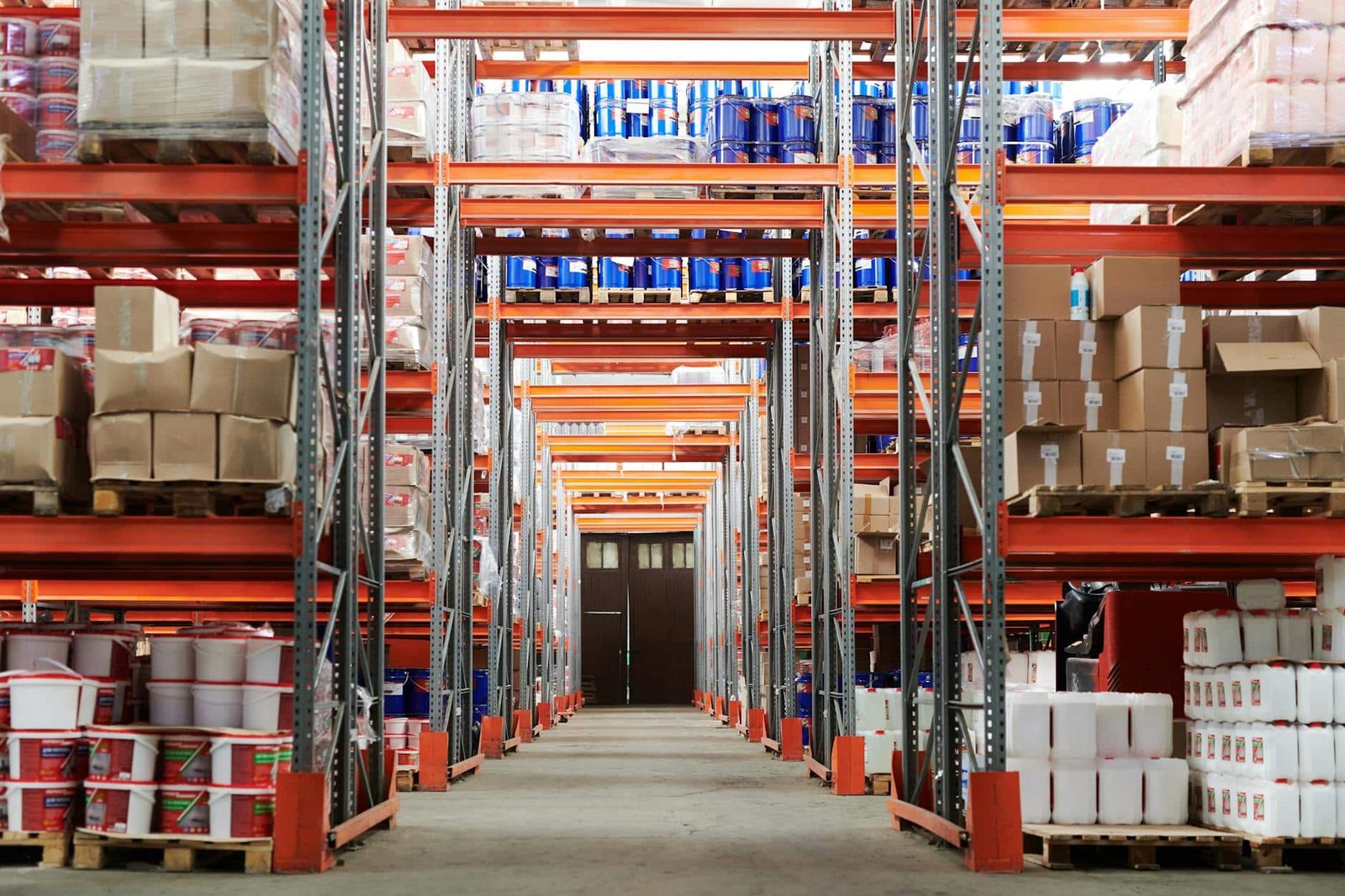
Benefits of Automation and AI in the Supply Chain
Automation and artificial intelligence (AI) are transforming supply chain management by enhancing operational efficiency, precision, cost-effectiveness, and risk mitigation. Businesses across various sectors are increasingly adopting these technologies to streamline their processes and improve overall productivity.
One of the primary benefits of automation in supply chains is efficiency. Automated systems reduce the time required for manual tasks such as data entry, inventory tracking, and order processing. For instance, companies like Amazon utilize robotics in their warehouses to pick and pack products at astonishing speeds, which decreases order fulfillment time significantly. In fact, according to a study by McKinsey, automation can increase productivity in supply chains by up to 20%.
Moreover, AI enhances accuracy in demand forecasting and inventory management. By utilizing machine learning algorithms, businesses can analyze historical data and predict future trends more accurately. This capability allows companies to optimize their inventory levels, ensuring that they have the right products on hand at the right time. A prime example is Walmart, which employs sophisticated AI tools to accurately forecast demand through the analysis of consumer behavior and purchasing trends, leading to substantial reductions in stock-outs and excess inventory.
Cost savings is another significant advantage of integrating automation and AI into supply chains. Automated processes reduce labor costs and minimize human error, leading to more efficient use of resources. For example, DHL has implemented AI-driven logistics solutions that have reportedly saved the company millions in operational costs by optimizing routes and enhancing load efficiency.
Lastly, automation and AI play a crucial role in risk mitigation. By monitoring supply chain activities in real-time, these technologies help identify potential disruptions early, allowing businesses to develop contingency plans swiftly. For instance, companies utilizing AI analytics can predict potential supply chain disruptions caused by geopolitical events or natural disasters, enabling them to take preemptive action.
In conclusion, the benefits of automation and AI in supply chain management are profound, affecting efficiency, accuracy, cost savings, and risk management. As technologies continue to evolve, companies that leverage these tools will likely maintain a competitive edge in the ever-changing market landscape.
Challenges and Considerations in Implementing Automation and AI
As businesses venture into the integration of automation and artificial intelligence (AI) within their supply chain management, several challenges and considerations emerge. One of the most significant concerns is workforce displacement. The transition to automated systems often leads to fears among employees about job security, as repetitive tasks are increasingly handled by machines. Companies must address these concerns by investing in workforce retraining and reskilling programs, ensuring that employees can adapt to the evolving landscape while also fostering a culture of collaboration between human workers and AI technologies.
Another key challenge is technology integration. Implementing advanced automation systems and AI solutions requires a robust infrastructure that seamlessly connects existing technologies with new software and hardware. Businesses must conduct thorough assessments of their current supply chain processes to identify areas that can benefit from automation. This might involve significant technological upgrades or the adoption of new digital tools designed to enhance efficiency. Organizations should not underestimate the complexity of these integrations, and it is crucial to have a well-defined strategy that aligns technology with business goals.
Moreover, the initial costs of adopting automation and AI can be daunting. Although many companies are drawn to the potential for long-term savings, the upfront investment required for technology acquisition, staff training, and infrastructural adjustments can be substantial. A careful cost-benefit analysis is vital for organizations to weigh the immediate financial impacts against the projected efficiency gains. Strategic planning and thorough risk assessments should be prioritized to effectively navigate these challenges, ensuring that the transition to an automated and AI-powered supply chain is both sustainable and beneficial.
The Future of Supply Chain Management with AI and Automation
The future of supply chain management is poised for radical transformation due to ongoing advancements in artificial intelligence (AI) and automation technologies. As these tools evolve, businesses will increasingly harness their capabilities to enhance efficiency, reduce costs, and improve decision-making processes. One of the notable trends is the growing integration of AI-driven analytics that will allow organizations to process vast amounts of data in real time, ultimately leading to smarter inventory management and demand forecasting.
Moreover, automation technologies will streamline various supply chain operations, such as warehouse management and logistics. Robotics and autonomous vehicles are set to play crucial roles in reducing human intervention, thereby minimizing errors and accelerating operational throughput. This shift will not only optimize processes but also contribute to the overall resilience of supply chains, making them more responsive to disruptive events.
Innovation will continue to characterize the supply chain landscape as companies seek ways to leverage AI for predictive maintenance and performance optimization. Machine learning algorithms will enable businesses to analyze historical data and predict potential supply chain disruptions. This predictive capability empowers companies to proactively address issues before they escalate, ensuring smoother operations.
Additionally, as consumers increasingly demand transparency and sustainability, supply chain management will need to adapt by utilizing AI to track and verify sourcing and production processes. Blockchain technology integration, powered by AI, may provide solutions for improving traceability and accountability, enhancing consumer trust in brands.
As we look to the future, it is imperative for supply chain professionals to embrace these emerging technologies. By actively adapting their strategies and investing in innovative tools, organizations can position themselves to thrive in the rapidly changing landscape of supply chain management. The intersection of AI and automation is not just a trend; it represents a fundamental shift that will define the future of the industry.


