

How to Master Pinterest Marketing Strategies

- Introduction to Pinterest Marketing
- Setting Up Your Pinterest Business Account
- Understanding Pinterest SEO
- Creating Engaging and Visually Appealing Pins
- Building and Organizing Your Boards
- Leveraging Pinterest Analytics
- Scheduling and Promoting Your Pins
- Engaging with Your Audience on Pinterest
- Staying Updated with Pinterest Trends and Best Practices
Introduction to Pinterest Marketing
Pinterest marketing represents a powerful approach within the broader realm of digital marketing. As a visual discovery platform, Pinterest serves both users and businesses by allowing for the sharing and organizing of visual content. Unlike traditional social media, the focus on imagery and the platform’s unique algorithm enables brands to foster engagement in distinct ways. This offers businesses an opportunity to reach potential customers who are actively seeking inspiration and ideas, ideally suited for marketing products or services that are visually appealing.
The significance of Pinterest marketing lies in its ability to drive traffic effectively. With over 450 million monthly active users, Pinterest is not only a hub for personal expression but also a robust search engine for visual content. Users often turn to the platform for discovering new ideas or planning significant life events, which implies their intent to make purchases. By strategically positioning content on Pinterest, businesses can capture the attention of these users, guiding them toward their websites and encouraging them to learn more about their offerings.
Moreover, Pinterest’s functionality as a visual discovery tool enables brands to enhance their visibility and drive conversions. By utilizing boards, pins, and visually appealing graphics, companies can create a cohesive brand narrative that resonates with audiences. The platform’s emphasis on high-quality imagery and creative storytelling allows businesses to stand out amidst fierce competition. As they leverage Pinterest marketing effectively, organizations can cultivate a lasting relationship with their audience, leading to increased brand loyalty and customer retention.
In an ever-evolving digital landscape, understanding Pinterest marketing is essential for businesses looking to maximize their outreach and engagement. Through its unique features, Pinterest offers an innovative way to connect with consumers who are visually inclined, making it a critical element of successful digital marketing strategies.
Setting Up Your Pinterest Business Account
Establishing a Pinterest business account is a fundamental step for individuals and brands aiming to leverage the platform for marketing. Unlike personal accounts, which focus on individual interests, business accounts offer tools specifically designed for promoting products and services. To initiate the process, the first step is to visit the Pinterest for Business website where you can either convert an existing personal account or create a new business account from scratch.
Upon accessing the site, you will be prompted to fill out necessary information, including your email address, a password, and a business name. A crucial aspect at this stage is to select the right business category, as this will help Pinterest showcase your content to the appropriate audience. Once registered, you can access the Pinterest dashboard which offers various features tailored to business needs, such as analytics, advertising options, and audience insights.
Next, it is important to create a compelling profile. This includes carefully crafting your bio, which should succinctly describe your business and what it offers. Incorporate keywords that are relevant to your brand while ensuring the text is easy to read. A well-optimized bio can significantly enhance your visibility on the platform. Moreover, include a professional logo or image as your profile picture to establish brand recognition.
Finally, familiarizing yourself with the Pinterest interface will empower you to navigate effectively. Key features to explore include creating boards for your content, utilizing rich pins, and scheduling posts for maximum engagement. Overall, setting up a Pinterest business account lays the groundwork for successful marketing strategies and connecting with your target audience.
Understanding Pinterest SEO
In the realm of social media, Pinterest stands out not only as a creative platform for sharing visual content but also as a powerful search engine. Understanding Pinterest SEO is critical for marketers and content creators looking to enhance their visibility on the platform. At its core, Pinterest’s search algorithm prioritizes relevance and engagement. This means that the way users interact with pins plays a significant role in determining which content appears in search results. As such, crafting engaging, eye-catching content is essential.
To effectively leverage Pinterest SEO, it is crucial to conduct thorough keyword research. Identifying relevant keywords involves exploring Pinterest’s search bar suggestions, analyzing trending topics, and researching popular pins within your niche. By utilizing tools like Pinterest Trends and Google Trends, marketers can understand what users are searching for, ultimately aiding in the identification of high-traffic keywords. These keywords can then be strategically integrated into pin descriptions, board titles, and even profile bios to enhance discoverability.
Optimizing pin descriptions is another fundamental aspect of Pinterest SEO. Each pin description should succinctly incorporate targeted keywords that resonate with your audience. Precise language not only boosts search visibility but also improves click-through rates. Additionally, utilizing rich pins can provide more context about your content, further enriching the user experience. Furthermore, organizing relevant boards with descriptive titles will help in establishing thematic relevance, making your profile more appealing to search algorithms.
In summary, mastering Pinterest SEO involves a combination of strategic keyword research, engaging content creation, and thoughtful organization of boards and profiles. By implementing these effective strategies, marketers can significantly improve their presence in Pinterest search results, driving traffic and engagement to their content.
Creating Engaging and Visually Appealing Pins
In the realm of Pinterest marketing, the emphasis on high-quality visuals cannot be overstated. Users on this platform are primarily motivated by visual content, which makes it essential to create pins that are not only attractive but also effectively communicate the intended message. To achieve this, one must consider several factors, including dimensions, color schemes, and types of images utilized in the pin designs.
The ideal dimensions for Pinterest pins are a vertical aspect ratio of 2:3, with recommended sizes of 1000 x 1500 pixels. This format is optimized for mobile devices, ensuring that your content stands out in users’ feeds. Additionally, adhering to these dimensions allows for better visual engagement, which can drive more clicks and saves. Consistent use of a specific aspect ratio is vital, as it contributes to a cohesive brand presence across the platform.
Color schemes play a significant role in the effectiveness of pins. It is advisable to utilize a palette that resonates with your brand identity while also considering the psychology of color. For instance, warm colors can evoke feelings of excitement, while cool colors may convey calmness. Combining contrasting colors can enhance readability and guide the viewer’s focus towards essential text or imagery. Consequently, ensuring that fonts are legible and prominent against the background is crucial for capturing attention.
When it comes to the types of images selected, high-resolution photos, infographics, and illustrations are particularly effective. Incorporating human elements or relatable scenarios can create a deeper connection with the audience. Tools such as Canva, Adobe Spark, and Piktochart offer accessible solutions for crafting professional-looking graphics. These resources enable marketers to design pins that not only attract views but also resonate with their target audience, ultimately contributing to heightened engagement and conversion rates.
Building and Organizing Your Boards
Creating and managing boards on Pinterest is a fundamental aspect of an effective marketing strategy. Boards serve as thematic containers for your curated content, helping to organize pins in a way that appeals to your audience. To begin, it’s essential to identify relevant themes and niches that align with your brand objectives. This process not only enhances engagement but also aids in attracting a targeted audience. Aim to create boards that reflect your brand’s identity, showcasing areas of expertise or interest, ensuring that each theme is distinct and cohesive.
Best practices for board organization include maintaining a consistent naming convention and utilizing clear, descriptive titles. Consider using keywords in your board titles, which can enhance discoverability. Regularly review and update your boards to ensure that the content remains relevant and aligns with current trends or brand campaigns. It’s also wise to limit the number of boards to ensure that they are manageable, thus preventing overwhelming your audience with too much information.
Moreover, curating content that resonates with both your brand and your audience is pivotal. This not only involves pinning relevant images but also engaging with other content that complements your themes. Utilizing rich pins and a mix of original and repurposed content can elevate the quality of your boards, further establishing your authority within your niche.
Collaboration plays a significant role in maximizing the effectiveness of your Pinterest boards. Engaging with group boards allows various users to contribute, expanding the diversity of content and increasing reach. Actively participating in relevant group boards can foster community and enhance your brand visibility, as followers of those boards are likely to engage with your contributions. Ultimately, a well-structured collection of boards can serve as a powerful tool in your Pinterest marketing arsenal.
Leveraging Pinterest Analytics
Pinterest Analytics serves as a powerful tool for marketers looking to optimize their pinning strategies and improve engagement with their target audience. By providing insights into how posts perform, it allows users to adjust their efforts based on concrete data. Understanding key metrics is essential for influencing marketing decisions effectively.
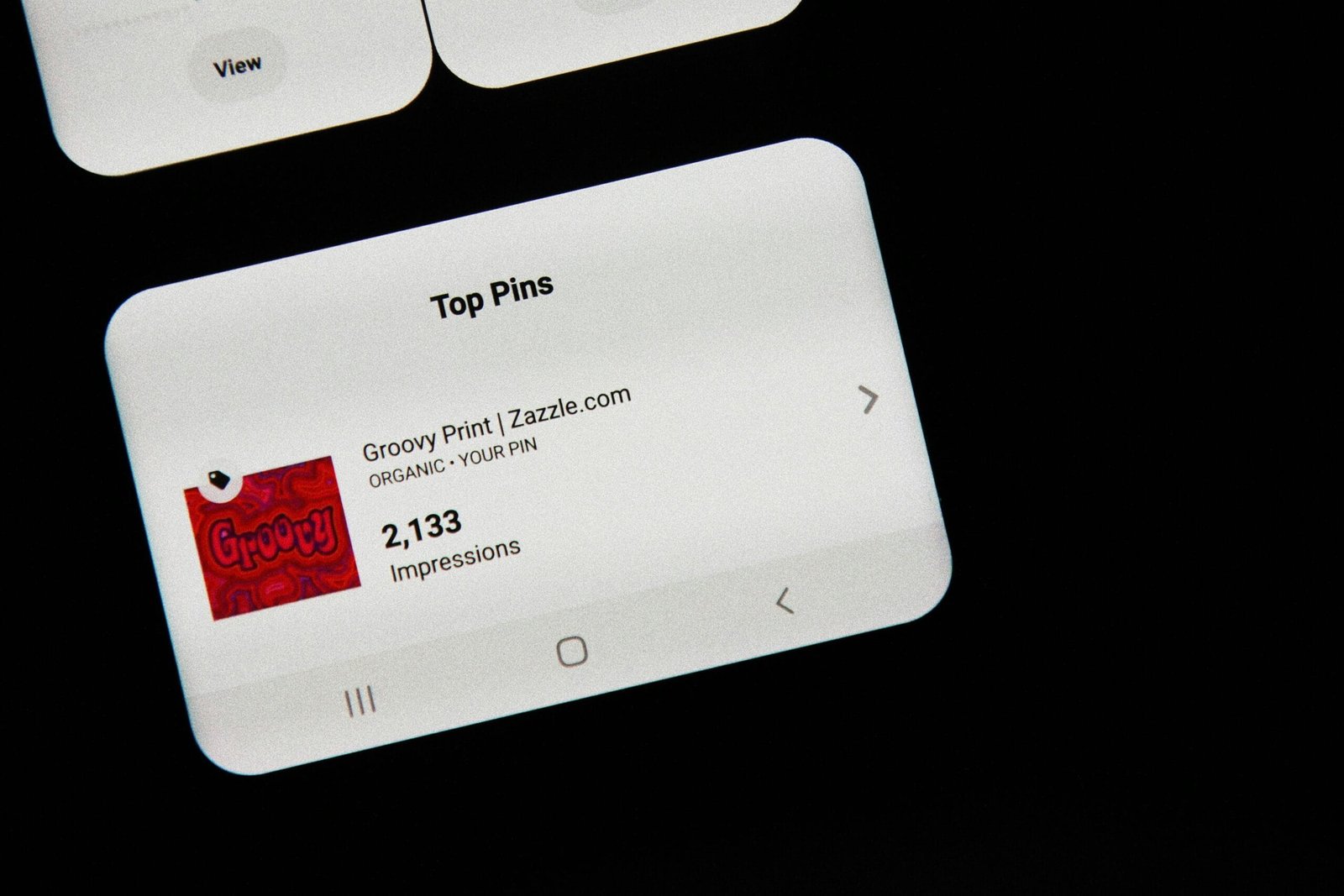
Among the critical metrics to monitor are impressions, saves, clicks, and audience engagement. Impressions indicate how many times your content has been displayed, while saves reflect the number of users who have added your pins to their boards, suggesting that the content resonates well. Monitoring clicks is crucial for gauging how many users are taking actionable steps by visiting your linked content. Collectively, these metrics reveal not only the immediate performance of specific posts but also provide a broader insight into what themes and styles resonate with your audience.
In addition to basic engagement metrics, Pinterest Analytics provides information about audience demographics and interests. Understanding who interacts with your content can help tailor future pins to better align with your audience’s preferences. This data can pinpoint trends and directions the audience is leaning towards, allowing marketers to adjust their content creation strategies accordingly.
To make the most of Pinterest Analytics, focus on setting specific, measurable goals and revisit the data regularly. Analyze patterns over time rather than relying on single data points, as this will enable more informed decisions. By monitoring what works and what doesn’t, marketers can refine their Pinterest marketing strategies, ensuring a data-driven approach that enhances overall effectiveness.
Scheduling and Promoting Your Pins
Establishing a successful Pinterest marketing strategy involves not just creating eye-catching pins but also ensuring they reach your target audience at optimal times. Scheduling tools are invaluable in this process, as they allow marketers to plan and automate pinning activities, ensuring a consistent online presence. A well-timed pin can significantly increase visibility, engagement, and ultimately, conversions. Several scheduling platforms offer user-friendly interfaces and features that enable users to manage multiple accounts, track analytics, and even curate content. Popular options include Tailwind, Buffer, and Hootsuite, all of which support Pinterest marketing.
Consistency is key in maintaining an active presence on Pinterest. Regular posting helps to stay within followers’ feeds and generates more opportunities for engagement. Research indicates that the best times to post on Pinterest often align with evenings and weekends, where users are more likely to browse for inspiration. While the frequency of posting may vary based on specific target audiences, a general guideline is to share 10 to 15 pins per day. This ensures that your content remains visible and continuously available to users searching for relevant topics.
Beyond scheduling, promoting your pins through Pinterest Ads can dramatically enhance their reach. Paid advertisements allow pin creators to target specific demographics, interests, and behaviors. Investing in Pinterest Ads ensures that your promotional content reaches an audience that is both broad and tailored, increasing the potential for engagement. Additionally, using promoted pins as part of your strategy amplifies not just individual posts, but the overall brand presence on the platform. Overall, the combination of a regular posting schedule and the strategic use of Pinterest Ads can optimize your marketing efforts, driving traffic and engagement effectively.
Engaging with Your Audience on Pinterest
Engagement on Pinterest is a crucial aspect of building a loyal and interactive community. As a visual discovery platform, Pinterest emphasizes not just the sharing of ideas, but also the interactions between users. To effectively engage with your audience, it is essential to cultivate a strategy that encourages participation and feedback. One fundamental approach is to respond to comments on your pins promptly. Acknowledging user interactions not only fosters a sense of community but also increases the visibility of your content through engagement metrics.
Participating in group boards is another effective strategy for enhancing your presence on Pinterest. By joining boards that resonate with your niche, you can reach a broader audience and connect with other content creators. This collaborative effort allows for diverse content sharing and opens the door to new followers who share similar interests. It is vital, however, to actively contribute to these boards by pinning quality content and engaging with other members, thus strengthening your community ties.
Cross-promoting your Pinterest content on other social media platforms can significantly enhance audience engagement. By sharing your Pinterest pins on platforms like Instagram, Facebook, or Twitter, you can attract a wider audience and drive traffic to your Pinterest profile. When promoting, consider tailoring your message to fit the specific audience and culture of each platform, ensuring a coherent and engaging narrative. Additionally, hosting contests or giveaways through your Pinterest boards can stimulate interactions, encouraging users to engage with your content and share it with their networks.
Ultimately, the key to successfully engaging with your audience on Pinterest lies in creating meaningful interactions. By responding to comments, participating in group boards, and cross-promoting content, you can build a community of loyal followers who are invested in your brand and its offerings.
Staying Updated with Pinterest Trends and Best Practices
Maintaining a competitive edge in Pinterest marketing necessitates a proactive approach to staying informed about the latest trends, updates, and best practices. Pinterest is a dynamic platform that continuously evolves, introducing new features, tools, and algorithms that can significantly impact how users engage with content. Therefore, marketers must prioritize continuous learning and adaptation to ensure their strategies remain effective.
One of the most reliable sources for updates is Pinterest’s official blog. This platform’s blog typically offers insights into new features, case studies, and successful marketing strategies that brands and creators have implemented. By regularly reviewing this resource, marketers can stay ahead of the curve and gain an understanding of how to optimize their content in alignment with Pinterest’s evolving guidelines. Additionally, subscribing to newsletters or alerts from Pinterest can ensure you receive timely information directly in your inbox.
Joining relevant online communities or forums can also contribute to understanding current trends. These communities often serve as platforms for sharing knowledge and experiences among fellow marketers. Participating in discussions and reading case studies shared by others can provide valuable insights into what strategies yield positive results. Social media groups, Reddit threads, or specialized forums dedicated to Pinterest marketing can be excellent places to network with like-minded individuals and gather firsthand information about emerging trends.
Lastly, taking advantage of continuing education opportunities is imperative. Many platforms and institutions offer courses or webinars focused on Pinterest marketing. These educational resources often cover a range of topics, from content creation to analytics interpretation, ensuring that marketers are equipped with the latest techniques. Embracing a mindset of lifelong learning will enable you to adapt your marketing strategies effectively as the Pinterest landscape continues to change.


