
patakhdeletsolutionsltd.tech

Loading

AI in Healthcare: Building Trust for Better Outcomes

AI in Healthcare: Building Trust for Better Outcomes

Introduction to AI in Healthcare

The integration of Artificial Intelligence (AI) into the healthcare sector has significantly transformed the landscape of patient care and medical practice. As healthcare systems around the globe embrace technology, AI applications have emerged as pivotal tools in enhancing diagnostic accuracy, treatment efficiency, and patient engagement. Currently, diverse AI technologies are being utilized within healthcare environments, providing substantial benefits to both practitioners and patients.

Photo by Risto Kokkonen on Unsplash

One prominent application of AI in healthcare is through diagnostic algorithms. These algorithms utilize machine learning to analyze medical images, lab results, and patient history, thereby assisting healthcare professionals in diagnosing diseases with greater precision. For instance, AI-driven tools are being employed to identify anomalies in radiology and pathology, leading to quicker and more reliable diagnoses.

Another significant area where AI is making an impact is virtual health assistants. These intelligent systems offer patients personalized guidance, medication reminders, and assistance with administrative tasks. By providing 24/7 support, virtual health assistants help patients manage their health more effectively while reducing the workload on healthcare providers. Such technologies not only improve patient access to care but also enhance the overall patient experience.

Furthermore, predictive analytics is becoming increasingly integral in patient care. By leveraging vast amounts of health data, AI applications can foresee potential health risk factors and identify trends that might otherwise go unnoticed. These predictive capabilities enable healthcare organizations to implement proactive measures, thus improving health outcomes and reducing costs.

In summary, the current landscape of AI in healthcare is marked by a range of applications that are redefining traditional medical practices. The importance of these technologies extends beyond operational efficiencies; they play a crucial role in building trust, enhancing patient experiences, and ultimately improving health outcomes. As we delve deeper into the topic, it is essential to explore how these AI applications are fostering human confidence in healthcare systems.

The Importance of Trust in Healthcare

Trust is a fundamental pillar of effective healthcare delivery and plays an essential role in fostering positive patient-provider relationships. In the healthcare environment, patients are often in vulnerable situations, requiring not only medical treatment but also emotional support. The presence of trust allows patients to communicate openly with their healthcare providers, facilitating accurate diagnoses and tailored treatments. When patients feel confident in their providers, they are more likely to share relevant information regarding their health, adhere to treatment plans, and engage in preventive care.

Research has shown that a strong sense of trust can significantly enhance patient outcomes. Trust reduces anxiety and promotes satisfaction with the care received, ultimately leading to improved health results. A prospective study demonstrated that patients who have high levels of trust in their healthcare providers experience greater adherence to medication regimens and are more likely to attend follow-up appointments. This adherence is linked to improved management of chronic diseases and greater overall patient well-being.

However, the absence of trust can have dire implications for healthcare outcomes. For instance, a study examining the impact of mistrust found that patients who do not trust their providers are less likely to seek care or follow medical advice, resulting in delays in treatment and poorer health outcomes. Additionally, in communities where mistrust in the healthcare system is prevalent, such as among marginalized groups, the consequences can be even more severe, leading to worsening health disparities and decreased access to care.

Real-life case studies further highlight the vital importance of trust in healthcare. For example, the Tuskegee Study serves as a historical reminder of how a breach of trust can lead to widespread harm and lasting repercussions in community relationships with healthcare providers. Trust is not merely a nicety; it is a necessity that shapes the quality of healthcare delivery and influences patient health trajectories.

Ethical Principles Guiding AI in Healthcare

As artificial intelligence (AI) technologies increasingly permeate the healthcare sector, the ethical principles that guide their development and implementation are paramount in ensuring public trust and acceptance. Key frameworks such as beneficence, non-maleficence, autonomy, and justice serve as foundational pillars in shaping responsible and ethically sound AI practices.

Beneficence, characterized by actions that promote the well-being of patients, mandates that AI applications in healthcare should aim to enhance patient outcomes. This principle encourages the development of AI tools that support clinical decisions, materialize improved diagnoses, and foster timely interventions, ultimately aiming at better health results.

Non-maleficence, often articulated as the principle of “do no harm,” reinforces the ethical obligation of healthcare providers and AI developers to ensure that the implementation of AI does not adversely affect patients. Safeguarding against errors, bias, or misuse of AI technologies is vital, as these factors can lead to significant harm, undermining the very trust that healthcare relies upon. Ensuring the accuracy and reliability of AI algorithms is essential to uphold this principle.

Autonomy emphasizes the importance of respecting individual patient rights and choices. AI applications must be designed to facilitate informed consent, allowing patients to make knowledgeable decisions regarding their treatment options. It is imperative that AI does not diminish the core human elements of healthcare, such as empathy and shared decision-making, which foster patient autonomy.

Finally, the principle of justice addresses the equitable distribution of healthcare resources. AI tools must be developed and deployed with an awareness of social and economic disparities to avoid exacerbating existing inequalities. Ensuring that all patients, regardless of background, have equal access to the benefits of AI-driven healthcare is essential for promoting equitable health outcomes.

Data Privacy and Security Measures

In the realm of healthcare, protecting patient information is paramount, particularly as artificial intelligence (AI) applications become increasingly prevalent. These applications often utilize vast amounts of sensitive data, including medical records, demographic details, and even genetic information. Hence, the importance of implementing robust data privacy and security measures cannot be overstated for maintaining the trust of patients and healthcare providers alike.

Regulations such as the Health Insurance Portability and Accountability Act (HIPAA) establish strict guidelines for the handling of patient data. HIPAA mandates that healthcare entities protect personal health information (PHI) through various means, including data encryption and secure data storage practices. Compliance with such regulations is essential in fostering confidence among users of AI applications in healthcare, as they ensure that sensitive information is only accessed by authorized personnel.

Technological measures play a crucial role in safeguarding data privacy. For instance, encryption transforms data into unreadable formats for unauthorized individuals, while anonymization removes personally identifiable information from datasets used in AI training. These strategies not only protect individual privacy but also enhance the credibility of AI solutions in healthcare. By demonstrating a commitment to these privacy principles, healthcare providers can reassure patients regarding the security of their data.

Despite these measures, incidents of data breaches have occurred, undermining confidence in healthcare systems. Notable examples include the breach of major health insurers and hospitals that exposed millions of patient records. The repercussions of such violations are significant, leading to financial losses, regulatory penalties, and a crisis of trust. Thus, it underscores the urgent need for continuous improvement in data security practices as AI technologies evolve in the healthcare sector.

Transparency and Explainability

In the rapidly evolving domain of healthcare, the integration of artificial intelligence (AI) applications has underscored the paramount importance of transparency and explainability. For AI systems to effectively function in providing patient care, it is essential that both healthcare providers and patients possess a clear understanding of how these systems operate. Transparency refers to the clarity with which AI processes and outcomes are communicated, while explainability is the degree to which the internal workings and decision-making criteria of AI models can be understood by humans. These two attributes are pivotal in fostering trust, acceptance, and confidence in AI’s role in healthcare.

AI systems often operate using complex algorithms that analyze vast amounts of data to produce their outputs. As such, making these outputs interpretable for healthcare stakeholders calls for specific approaches. One effective method involves the use of visualizations that elucidate the variables influencing AI decisions. For instance, presenting predictive models through intuitive graphical interfaces helps medical professionals comprehend the reasoning behind AI-generated recommendations. Additionally, the employment of model-agnostic frameworks, such as LIME (Local Interpretable Model-agnostic Explanations) and SHAP (SHapley Additive exPlanations), has gained traction. These techniques can help dissect intricate models, offering insight into how different input factors contribute to a particular prediction.

Moreover, clear communication regarding the limitations and potential biases inherent in AI systems serves to empower healthcare stakeholders, equipping them to make informed decisions. By fostering a culture of openness and active engagement regarding AI technologies, healthcare professionals can alleviate concerns and encourage patients to embrace AI-assisted care. In this context, understanding AI’s functionalities is not merely an academic exercise but a vital prerequisite for enriching patient experience and enhancing health outcomes.

Patient Outcomes and AI Effectiveness

The integration of Artificial Intelligence (AI) in healthcare has emerged as a powerful tool in enhancing patient outcomes and subsequently building trust among patients and healthcare providers. Several studies indicate that AI applications are instrumental in reducing mortality rates, optimizing treatment accuracy, and improving overall patient satisfaction.

For instance, a 2020 study published in the Journal of Medical Internet Research demonstrated that AI-assisted diagnostic tools have decreased misdiagnosis rates by approximately 30%, particularly in high-stakes areas like oncology. When AI models analyze vast datasets, including medical histories and imaging reports, they provide clinicians with insights that often surpass human capability in terms of speed and accuracy. This enhanced decision-making process contributes to timely and effective treatments, which ultimately leads to better patient outcomes.

Furthermore, AI’s ability to monitor patient conditions in real-time has proven critical in managing chronic diseases. For example, wearable devices powered by AI algorithms track vital signs and alert healthcare providers to any anomalies, leading to proactive interventions. According to a study from Harvard University, patients utilizing AI-driven health monitoring systems reported a 25% reduction in emergency room visits, signifying both improved health management and increased trust in AI applications.

Testimonials from healthcare professionals reinforce these findings. Dr. Sarah Thompson, an oncologist, reported, “AI tools have transformed my practice. The accuracy of treatment recommendations has significantly increased, and my patients express greater trust in the care they receive.” Similarly, patient feedback indicates that those treated with AI-supported systems feel more hopeful about their health prospects, cultivating a stronger trust in both their healthcare providers and the technologies employed.

In essence, as data underscores the positive impact of AI on patient outcomes, it becomes increasingly apparent that these advancements not only enhance the effectiveness of healthcare interventions but also strengthen the trust essential for successful patient-provider relationships.

Educating Stakeholders about AI in Healthcare

The integration of artificial intelligence (AI) into the healthcare sector represents a significant advancement, but it necessitates a well-informed audience to harness its full potential effectively. Educating healthcare professionals, patients, and the general public about AI technologies is crucial in fostering understanding and building trust. Healthcare professionals require comprehensive training programs that not only cover the technical aspects of AI applications but also clarify their operational implications and ethical considerations. This can be achieved through tailored workshops and continuous education courses that emphasize hands-on experience with AI tools, ensuring that practitioners are well-equipped to utilize these technologies in their daily operations.

For patients, the dissemination of information through easily accessible online resources can demystify AI applications in healthcare. Creating user-friendly guides, webinars, and informative videos can empower patients to navigate their health data and understand the role AI can play in personalized medicine, diagnostics, and treatment options. Additionally, establishing community outreach programs helps to create dialogues between healthcare providers and the public. Such initiatives can include public forums and seminars that invite discussions and answers to questions regarding AI’s impact on patient care and outcomes.

Moreover, it is vital to utilize social media platforms to share real-time information and updates about AI developments in healthcare. By collaborating with influencers or respected medical professionals, awareness campaigns can reach broader audiences, breaking down complex AI concepts into digestible information for all stakeholders. This multifaceted approach to education encourages a transparent environment, enhancing the relationship between AI technology and healthcare stakeholders. Ultimately, as understanding and confidence grow, so too will the acceptance of AI solutions in enhancing healthcare delivery.

Challenges in Building Trust in AI Healthcare Applications

As healthcare continues to evolve through technological advancements, the integration of artificial intelligence (AI) applications raises several challenges regarding trust. One significant barrier is the fear of job displacement among healthcare professionals. Many individuals worry that reliance on AI could lead to a diminished role for human practitioners, creating resistance to adoption. This apprehension is compounded by concerns about the effectiveness of AI in aiding diagnoses or treatment decisions. Trust in AI systems is, therefore, intertwined with the assurance that these tools will enhance rather than replace human expertise.

Another challenge that healthcare organizations face is skepticism regarding the capabilities of AI technologies. The perception that AI lacks the nuanced understanding required for patient care can lead to hesitance in its implementation. Clinicians often question whether AI can genuinely interpret medical data with the same accuracy as seasoned professionals. This skepticism is exacerbated by occasional high-profile failures of AI systems, which can undermine confidence in their application across various healthcare settings.

Furthermore, the digital divide presents a formidable challenge in building trust. Not all healthcare providers have equal access to advanced technologies or the necessary resources to implement AI applications effectively. This disparity can create a system where only certain populations benefit from AI advancements, leading to inequities in care. Addressing this digital divide requires targeted efforts from stakeholders to ensure that all healthcare providers have the necessary infrastructure and training to leverage AI effectively.

To overcome these challenges, it is essential to foster collaboration between AI developers and healthcare professionals. Developing policies that emphasize transparency, accountability, and robust data security can help in building trust among stakeholders. Additionally, continuous education and training programs should aim to mitigate fears surrounding job displacement and empower healthcare professionals to embrace AI as a collaborative tool, thereby enhancing both confidence and capability in AI healthcare applications.

The Future of Trust in AI-Driven Healthcare

The integration of artificial intelligence (AI) into healthcare is at a critical juncture where establishing trust is paramount for its success. As technology continues to evolve, the future of AI in healthcare will depend substantially on the stakeholders’ collective effort to foster a trustworthy environment. Trends emerging in this space suggest that patient-centric AI solutions will likely dominate the landscape, further enhancing the rapport between healthcare providers and patients.

One notable innovation on the horizon is the development of AI systems tailored to individual patient needs, which incorporates not just data analysis but also considers patient preferences and experiences. As these systems become more intuitive and personalized, they are designed to create a deeper understanding of patient requirements. This shift towards patient-centric AI can significantly enhance trust, as patients will likely feel more involved in their care decisions.

Moreover, ethical frameworks and regulatory measures will play an essential role in shaping the landscape of AI in healthcare. With increasing scrutiny on data usage, transparency, and accountability, compliance with established guidelines will become crucial for the deployment of AI technologies. The involvement of diverse stakeholders, including ethicists, regulators, and healthcare professionals, will ensure that trust remains at the forefront of AI development.

As we move forward, it is vital to recognize that trust in AI-driven healthcare will be built not only on technological advancements but also on a commitment to ethical standards and patient engagement. By fostering open communication and demonstrating the reliability of AI applications, the healthcare sector can create a robust framework where both patients and providers can thrive, ensuring that trust is not only earned but is also sustained.

AI in Manufacturing: A Catalyst for Sustainable Growth

AI in Manufacturing: A Catalyst for Sustainable Growth

Introduction to AI in Manufacturing

In recent years, artificial intelligence (AI) has emerged as a pivotal force in transforming various sectors, with manufacturing being one of the most significantly impacted. The integration of AI technology into manufacturing processes has revolutionized operations, enhancing efficiency and productivity in unprecedented ways. By leveraging machine learning, data analytics, and automation, manufacturing companies are increasingly able to optimize their workflows, reduce downtime, and improve product quality.

The significance of AI in manufacturing cannot be overstated. With advancements in AI technologies, industries are seeing improvements in predictive maintenance, quality control, and supply chain management. For instance, predictive analytics can anticipate equipment failures before they occur, allowing companies to schedule maintenance proactively. This level of foresight translates not only to cost savings but also to increased operational efficiency and reduced waste.

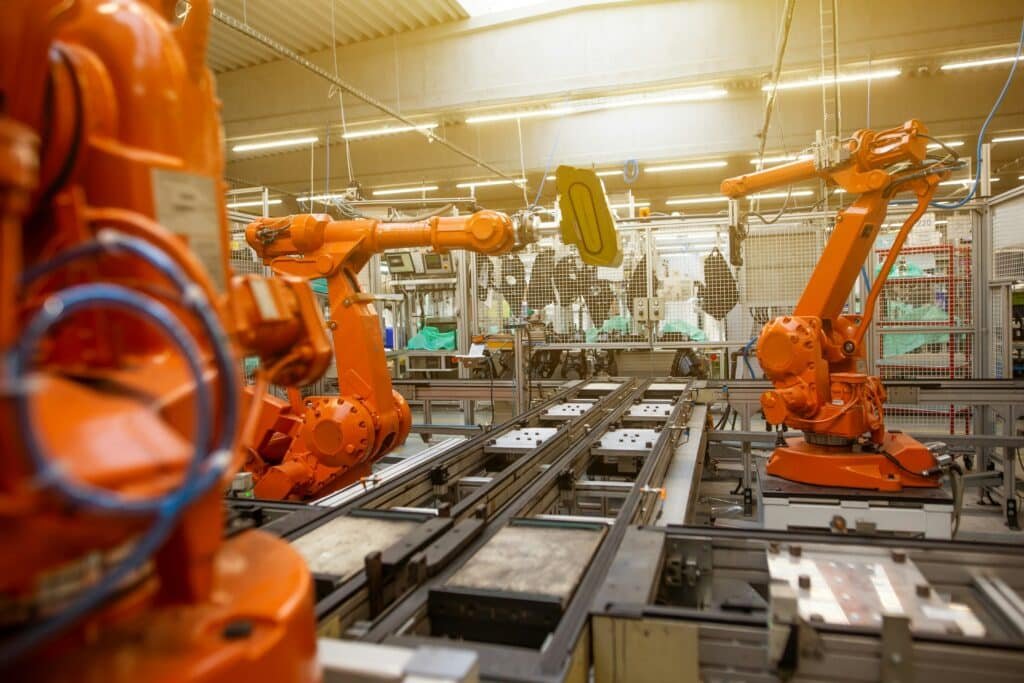
Photo by Simon Kadula on Unsplash

Recent advancements in AI also encompass the use of robotics and intelligent automation systems that can operate alongside human workers, leading to a collaborative environment. These systems can perform complex tasks and adapt to changes in production demands more swiftly than traditional machinery. Furthermore, AI-driven decision-making tools facilitate real-time analysis of production data, enabling manufacturers to respond rapidly to market changes and consumer preferences.

As a result, AI has become an integral part of modern manufacturing processes, reshaping the industry landscape. Companies that adopt AI technologies are not only improving their productivity but also positioning themselves as leaders in innovation. The future of manufacturing is undoubtedly interlinked with advancements in AI, which promises to streamline operations and foster sustainable growth.

Streamlining Production Processes

Artificial Intelligence (AI) is fundamentally changing the manufacturing sector through enhanced production processes that demonstrate increased efficiency and reduced operational costs. The integration of AI systems enables manufacturers to optimize workflows via machine learning algorithms that analyze vast datasets, allowing for data-driven insights that promote better decision-making. These algorithms adapt over time, learning from past production metrics to enhance current processes, thereby streamlining operations.

One significant application is predictive maintenance, where AI predicts equipment failures before they occur. By analyzing real-time data from machinery, AI can pinpoint wear and performance issues, resulting in timely interventions that prevent unplanned downtimes. This not only extends the lifespan of equipment but also reduces maintenance costs. For instance, a prominent automotive manufacturer implemented predictive maintenance AI tools and reported a reduction in equipment downtime by up to 30%.

Automation, another critical facet of AI in manufacturing, enables the deployment of robots and automated systems that increase operational efficiency. Automated production lines equipped with AI can operate continuously, significantly enhancing output and reducing the need for manual labor. This shift towards automation allows companies to concentrate on quality control while robots handle repetitive tasks with precision. A case study from a leading electronics manufacturer illustrates that the adoption of automated processes led to a 25% increase in production rates.

In conclusion, through machine learning, predictive maintenance, and automation, AI facilitates the streamlining of production processes, setting the stage for a more efficient and cost-effective manufacturing landscape. These advancements not only represent improved operational capacities but also highlight a significant evolution in manufacturing methodologies.

Enhancing Quality Control through AI

Quality control is a cornerstone of effective manufacturing, ensuring that products meet required standards before reaching consumers. The integration of Artificial Intelligence (AI) technologies into quality control processes has significantly advanced these efforts, as manufacturers adopt innovative solutions such as computer vision and anomaly detection systems.

Computer vision employs machine learning algorithms to analyze images captured during the production process. This technology allows for real-time inspection of products, identifying defects that may not be detectable by the human eye. For example, automotive manufacturers have implemented AI-driven systems that scrutinize vehicle components for flaws during assembly, leading to a marked reduction in recalls and increased safety for end-users. The precision of computer vision not only enhances quality but also minimizes human error, which is often a common factor in production flaws.

Another essential aspect of AI in quality control is anomaly detection. This technology uses statistical methods to identify deviations from expected patterns in manufacturing data. By setting benchmarks based on historical performance, AI systems can flag anomalies that may indicate quality issues. An automobile manufacturer employing anomaly detection technology recently reported a 20% decrease in defects, significantly boosting customer satisfaction levels and reducing waste related to returns and repairs.

Together, these AI technologies are revolutionizing quality control in manufacturing by allowing for swift detection and resolution of potential defects. The implications are profound; not only do these advancements reduce waste and costs associated with poor quality, but they also enhance brand reputation and consumer trust. As industries continue to embrace AI, the resultant improvements in quality control promise a future where manufacturing excellence becomes the norm rather than the exception.

Supply Chain Optimization

Artificial Intelligence (AI) is fundamentally reshaping supply chain management in the manufacturing industry. By harnessing the power of advanced algorithms and data analytics, businesses can predict demand, streamline inventory management, and enhance logistics operations. This transformation emphasizes the critical role AI plays in optimizing various aspects of the supply chain.

One of the core strengths of AI is its ability to analyze vast amounts of data swiftly and accurately. This data-driven approach allows manufacturers to forecast demand more effectively. Through sophisticated predictive analytics, AI considers historical sales data, market trends, and external factors to generate more accurate demand forecasts. As a result, companies can better align their production schedules and inventory levels, minimizing excess stock and reducing the risk of stockouts.

Furthermore, AI-powered inventory optimization tools can calculate optimal inventory levels based on real-time data. This capability ensures that manufacturers are not over-committing resources to unnecessary stock while still being prepared for fluctuations in demand. By decreasing holding costs and waste, companies can enhance their overall operational efficiency.

Logistics is another area where AI contributes significantly to supply chain optimization. Machine learning algorithms can analyze routing patterns, transportation costs, and shipment timelines to identify the most efficient delivery routes. For instance, companies like Amazon and Tesla utilize AI to optimize their logistics networks, resulting in reduced delivery times and lower transportation costs.

Real-life examples underscore the practical benefits of AI in supply chains. For instance, Siemens employs AI algorithms to enhance its supply chain visibility, allowing them to respond dynamically to disruptions. By integrating AI into their operations, manufacturing firms can achieve efficiency, significant cost reductions, and enhanced competitiveness in an increasingly complex market.

Predictive Maintenance and Downtime Reduction

The evolution of artificial intelligence (AI) has ushered in a new era in the manufacturing sector, particularly with respect to predictive maintenance. Predictive maintenance involves utilizing advanced algorithms and machine learning models to monitor the health of production machinery proactively. By analyzing historical and real-time data from machinery, AI can identify patterns indicative of potential failures, allowing manufacturers to schedule maintenance activities just before a machine is likely to fail.

The primary benefit of this sophisticated approach is the significant reduction in unplanned downtime. Traditionally, manufacturing operations faced productivity losses due to unexpected machine failures, which often led to costly production halts. However, with the implementation of AI-driven predictive maintenance strategies, manufacturers can anticipate issues, allowing them to perform timely interventions that can avert catastrophic machinery breakdowns. This not only helps maintain continuous production schedules but also enhances overall equipment efficiency.

Financially, the advantages of adopting AI for maintenance strategies are noteworthy. Manufacturers experience decreased operational costs by reducing the need for emergency repairs and minimizing the labor associated with unplanned maintenance. The shift from reactive to predictive strategies enables organizations to allocate resources more effectively, optimizing maintenance scheduling and inventory management processes. Ultimately, investment in AI technologies for predictive maintenance yields substantial returns, improving productivity and profitability over time.

Furthermore, this integration of AI extends beyond immediate maintenance tasks; it fosters a culture of continuous improvement within manufacturing facilities. As manufacturers utilize predictive insights to adapt their production methodologies, they can enhance overall operational resilience, making companies better equipped to meet market demands. Thus, the transformative impact of AI on predictive maintenance not only benefits individual companies but also contributes to a more robust manufacturing landscape.

Customizing Products with AI

In the modern manufacturing landscape, the demand for customized products is on the rise. Artificial Intelligence (AI) serves as a pivotal tool in enabling manufacturers to meet this demand through various innovative approaches. One of the most significant contributions of AI to customization is the advent of mass customization technologies, which allow companies to produce goods tailored to individual preferences without a significant increase in production costs.

AI-driven design tools utilize machine learning algorithms that analyze consumer trends and preferences to inform product design. These tools enable designers to create variations of products quickly while ensuring adherence to quality standards. For instance, AI can assist in selecting materials, adjusting dimensions, and even creating virtual models to visualize the final product. This ability to iterate designs based on consumer data leads to a more responsive and personalized manufacturing process.

Furthermore, the integration of AI in manufacturing facilitates the effective use of consumer data. By leveraging data analytics, manufacturers can gain valuable insights into customer preferences, enabling them to produce tailored products that resonate with their target audience. This data-driven approach ensures that customization is not only feasible but also efficient, allowing manufacturers to stock fewer standard products while still meeting diverse consumer needs.

The capabilities of AI extend to optimizing production schedules and workflows, thus enhancing efficiency. As manufacturers increasingly adopt these technologies, they can create a more agile system that adapts to consumer demands promptly. This transformation in manufacturing practices underscores the importance of AI not only in customizing products but also in streamlining operations, ultimately leading to a competitive edge in today’s marketplace.

Innovations in Robotics and Automation

The emergence of artificial intelligence (AI) has led to significant innovations in robotics and automation within the manufacturing sector. These advancements have enabled the development of robotic systems that not only enhance efficiency but also improve accuracy and flexibility. Traditionally, robots were limited in their capabilities and often designed for specific tasks within a production line. However, with the integration of AI, modern robotic systems can now adapt to various tasks, learning and optimizing processes in real-time.

One notable innovation is the rise of collaborative robots, also known as cobots, which are designed to work alongside human operators. Cobots utilize advanced sensors and AI algorithms to navigate shared workspaces safely. This synergy between human workers and intelligent machines enhances productivity and reduces the risk of injury or errors. Moreover, cobots can be easily reprogrammed for different functions, making them a versatile addition to manufacturing environments.

Furthermore, advancements in machine vision and natural language processing are allowing robots to interpret their surroundings more effectively. For instance, AI-enabled vision systems can assist robots in identifying components on an assembly line, facilitating sorting and quality inspection at unprecedented speeds. This precision significantly lowers production costs by minimizing waste and defects.

Looking ahead, the future of robotics and automation in manufacturing appears promising. We can expect to see increased use of sophisticated AI algorithms that enable predictive maintenance, thus extending the lifespan of machinery. Additionally, as the capabilities of AI continue to expand, the potential for fully autonomous manufacturing systems may soon become a reality. These developments promise not only to enhance operational efficiency but also to create a dynamic relationship between technology and human labor that fosters growth and innovation in the industry.

AI-Driven Research and Development

The integration of artificial intelligence (AI) in research and development (R&D) is rapidly transforming the manufacturing industry. AI enhances the capabilities of engineers and scientists, allowing for more efficient data analysis, which plays a pivotal role in new product development. By leveraging machine learning algorithms and advanced data analytics, companies can quickly identify patterns and insights that would be challenging or time-consuming to uncover through traditional methods.

In the context of material innovations, AI facilitates the exploration of new composite materials and processes. For instance, AI systems can analyze existing material properties and predict the performance of novel combinations, significantly reducing the time and cost associated with experimental testing. The predictive capabilities of AI enable manufacturers to create materials that not only meet but exceed industry standards for quality and sustainability.

Additionally, AI is transforming the prototyping phase of product development. Traditionally, prototyping can be a lengthy process, often requiring multiple iterations. However, with AI-driven simulations and modeling, manufacturers can produce digital twins of their products, allowing for rapid testing and iteration. This accelerates the innovation cycle dramatically, enabling firms to bring products to market faster while minimizing resource consumption.

For instance, companies like Siemens and GE are using AI technologies to streamline their R&D processes, which leads to quicker turnaround times for product advancements and a more agile response to market demands. The ability to harness vast amounts of data and glean actionable insights positions AI not just as a tool but as a strategic asset in R&D initiatives within the manufacturing sector.

The Future of AI in Manufacturing

The manufacturing industry is on the brink of a significant transformation as artificial intelligence (AI) continues to evolve and integrate into production processes. This technological advancement promises numerous opportunities, yet it also presents ongoing challenges that stakeholders must navigate. One of the crucial aspects of the future of AI in manufacturing lies in workforce dynamics. As AI systems become more capable of performing complex tasks, there may be a shift in employment needs, requiring upskilling and reskilling of the workforce to keep pace with these technological advancements. The demand for skilled professionals who can operate and maintain AI systems will likely increase, driving a fundamental change in manufacturing job specifications.

Additionally, organizations must take into account regulatory considerations surrounding AI implementation. As governments and regulatory bodies establish frameworks to govern the use of AI, manufacturers will need to ensure compliance while also fostering innovation. The evolving nature of regulation in this sphere may affect how manufacturers adopt and utilize AI technologies, highlighting the importance of strategic planning in AI deployment.

Beyond operational changes, AI is poised to have a broader impact on global manufacturing trends. The ability to analyze vast amounts of data facilitates enhanced decision-making, improves production efficiency, and reduces waste. Consequently, organizations may benefit from greater competitiveness in the global market. However, this shift necessitates a careful examination of ethical implications associated with AI. Concerns about data privacy, the potential for bias, and the overall sustainability of AI practices will become increasingly significant as manufacturers strive for ethical and environmentally friendly operations.

In summary, the future of AI in manufacturing is characterized by both transformative potential and complex challenges. As the industry adapts to these changes, ongoing dialogue regarding the ethical and sustainable use of AI will be vital to fostering a responsible and resilient manufacturing ecosystem.

7 Surprising Everyday AI Applications You Didn’t Know About

7 Surprising Everyday AI Applications You Didn’t Know About

Introduction to AI in Our Daily Lives

Artificial Intelligence (AI) has become an integral part of our daily routine, often functioning behind the scenes to enhance our experiences. While many people may associate AI with advanced technologies such as robotics or self-driving cars, its presence permeates various everyday applications and tools that significantly improve convenience and efficiency in modern life. From the algorithms that power our social media feeds to the virtual assistants that help manage our schedules, AI operates in numerous forms that are often taken for granted.

One of the most widely recognized implementations of AI is in recommendation systems, commonly used by streaming platforms and e-commerce websites. These systems analyze user behavior and engagement patterns to suggest content or products that align with individual preferences. This not only personalizes the user experience but also streamlines the decision-making process, making it simpler for users to find what they are looking for without extensive browsing.

AI technology is also evident in the voice assistants integrated within smartphones and home devices, such as Siri, Google Assistant, and Alexa. These virtual helpers utilize natural language processing to understand user commands and provide relevant responses. The convenience that comes from using voice commands—whether for checking the weather, setting reminders, or controlling smart home devices—underscores how AI simplifies communication between humans and machines.

Moreover, AI plays a crucial role in enhancing security systems. Utilizing facial recognition software, surveillance systems can identify individuals and detect unusual activities, contributing to increased safety in both public and private spaces. Additionally, AI-driven chatbots enhance customer service by providing instant support and assistance, thereby improving user satisfaction and operational efficiency for businesses. As we navigate an increasingly tech-driven world, understanding the ubiquitous nature of AI is essential. Its applications are diverse and continually expanding, solidifying its role as a transformative force in our everyday lives.

Smart Assistants: More Than Just Voice Commands

Photo by Lazar Gugleta on Unsplash

The evolution of smart assistants such as Siri, Alexa, and Google Assistant has fundamentally changed the way individuals interact with technology. At the heart of these devices is sophisticated artificial intelligence (AI) that enhances their capability to understand and process natural language. This technology relies heavily on natural language processing (NLP), a subset of AI that enables computers to understand, interpret, and respond to human language in a meaningful way.

These smart assistants utilize advanced machine learning algorithms to improve their functionality continuously. For example, through user interactions, they gather data that helps refine their responses and overall performance. This learning can occur in various forms, such as understanding user preferences, adapting to speech patterns, or recognizing personal contexts. Over time, these smart assistants become more attuned to the user’s needs, leading to an increasingly personalized experience.

Furthermore, smart assistants play a crucial role in streamlining daily tasks. From setting reminders to controlling smart home devices and searching the internet, they serve as centralized hubs in managing different aspects of users’ lives. By integrating with various applications and services, these assistants significantly reduce the time and effort required to complete routine tasks. Tasks that once required multiple steps can now often be accomplished through a simple voice command or a tap on a screen.

The growing reliance on smart assistants reflects a broader trend in leveraging AI to create more efficient and user-friendly technologies. As these devices continue to advance, it is anticipated that their capabilities will expand, leading to even greater integration into everyday life. Understanding the underlying AI technologies can provide users with a greater appreciation of the convenience and efficiency that smart assistants offer.

Social Media Algorithms: Curating Your Feed

a group of different social media logos

Social media platforms have transformed the way individuals connect, communicate, and consume content. Central to this evolution is the implementation of social media algorithms powered by artificial intelligence. These algorithms analyze user behavior and preferences to create a personalized experience that keeps users engaged. By evaluating factors such as user interactions, content type, and engagement history, AI-driven algorithms curate the content that appears in a user’s feed, presenting posts, videos, and advertisements that cater to their interests.

At the core of these algorithms is the evaluation of data collected from user actions. When users like, comment, share, or even scroll past certain types of posts, algorithms learn from these interactions. This analytical approach enables platforms to group similar content and prioritize it according to individual preferences. For instance, if someone regularly engages with travel-related content, the algorithm will likely recommend similar posts or suggest friends who share that interest. Consequently, users often find their feeds populated with content that resonates with their personal tastes and inclinations.

However, the deployment of these AI-driven algorithms presents both benefits and challenges. On one hand, personalized feeds enhance user experience by ensuring relevant content is readily accessible. On the other hand, this focus on engagement can lead to scenarios where users are exposed only to familiar viewpoints, potentially fostering echo chambers. Additionally, the extensive data collection required for such personalization raises concerns regarding user privacy. Social media platforms must balance the excitement of tailored content with ethical considerations surrounding the use of personal information.

In conclusion, social media algorithms are a powerful manifestation of artificial intelligence that curates users’ online experiences. By analyzing behavior and preferences, these algorithms optimize content delivery while also highlighting key implications concerning user privacy and information diversity.

Recommendation Systems: Shopping and Entertainment Insights

a screen shot of a computer

In the modern digital landscape, recommendation systems have emerged as pivotal tools for enhancing the consumer experience in both e-commerce platforms and streaming services. Powered by artificial intelligence, these systems leverage machine learning algorithms to analyze users’ past behaviors, preferences, and interactions. By doing so, they are capable of providing tailored recommendations that help users discover relevant products or content more efficiently.

The application of AI in recommendation systems can be observed across various online retail platforms. For instance, when a user browses an e-commerce website, the integrated recommendation engine analyzes their past purchases, viewed items, and even the behaviors of similar users. This analysis helps the system generate personalized product suggestions that stimulate engagement and increase conversion rates. Consequently, shoppers are more likely to find items that align with their preferences, thus facilitating a more satisfying shopping experience.

Facial Recognition Technologies: Beyond Security

a woman with white hair and pearls on her face

Facial recognition technology has rapidly evolved into a multifaceted tool that extends beyond mere security measures. Originally developed for use in law enforcement and governmental agencies, today’s facial recognition systems are embedded in various aspects of daily life, from unlocking smartphones to tagging friends on social media platforms. This blend of convenience and technological advancement raises important considerations regarding the ethical implications surrounding privacy and surveillance.

Underpinning these technologies are sophisticated AI algorithms that analyze facial features, create unique biometric profiles, and match them against extensive databases. These AI systems leverage neural networks and machine learning to improve accuracy and efficacy over time. For instance, when a user unlocks their smartphone via facial recognition, the device employs AI to quickly compare the captured image to stored profiles, ensuring both security and user convenience. Moreover, many applications utilize facial detection and recognition to enhance user experience, such as automatically cropping photos based on the faces detected within them.

However, while these advancements offer substantial benefits, they also prompt urgent discussions surrounding surveillance and individual privacy. As facial recognition becomes increasingly ubiquitous in public spaces, concerns emerge regarding consent and data security. Authorities may employ these technologies for crowd monitoring, but this practice can inadvertently infringe on the rights of individuals who may not be aware that their images are being analyzed. The balance between leveraging AI for societal benefits and protecting personal liberties presents a complex challenge that stakeholders must address.

Consequently, understanding the implications of facial recognition technology is essential, as its influence continues to permeate various sectors, from transportation to retail. As we embrace these advancements, ongoing dialogue about governance, ethical considerations, and responsible usage must remain a priority.

AI in Healthcare: Making Diagnoses Smarter

a white machine with a round top

Artificial intelligence (AI) is increasingly becoming an integral component in the healthcare sector, revolutionizing the ways in which medical diagnoses and patient care are approached. AI technologies are capable of analyzing vast amounts of data, offering predictive analytics that help healthcare providers in making informed decisions for patient care. By evaluating historical patient data, AI algorithms can predict potential health issues even before they manifest, allowing for early intervention and more effective treatment regimens.

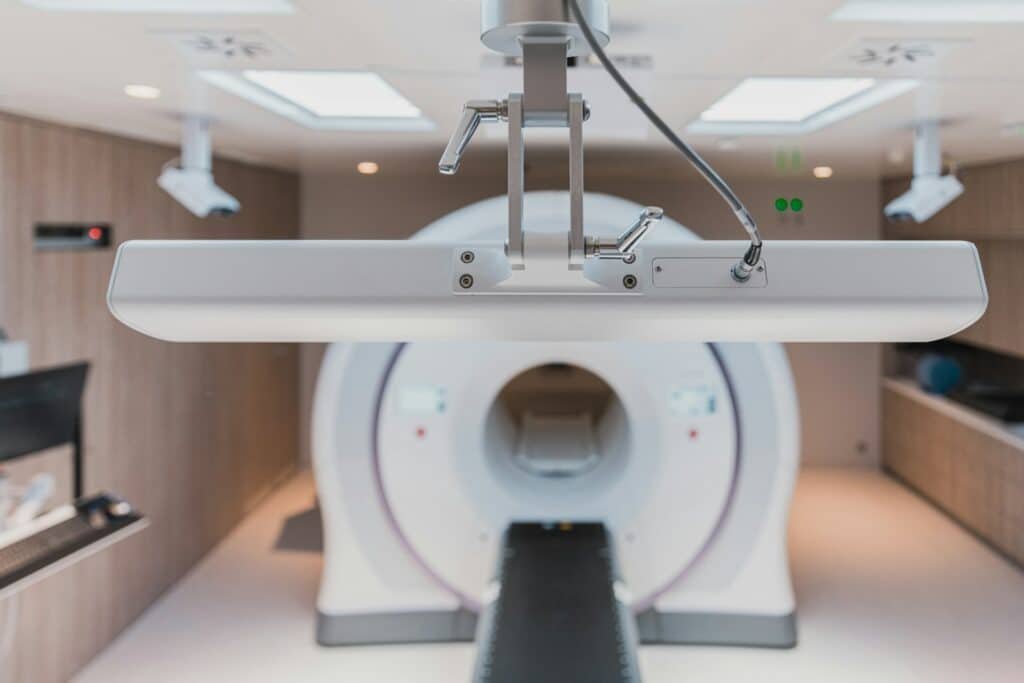
One of the significant applications of AI in healthcare is in diagnostic tools. These advanced systems utilize machine learning and image recognition to assist medical professionals in accurately identifying diseases. For instance, AI-powered imaging technologies analyze radiological images—such as X-rays, MRIs, and CT scans—with a precision that surpasses human capabilities. This not only speeds up the diagnostic process but also minimizes the probability of human error, leading to better health outcomes for patients.

Moreover, AI is instrumental in creating personalized treatment plans tailored to the individual needs of patients. By leveraging patient history, genetic information, and other relevant data, AI systems can recommend specific therapies that are likely to be more effective for particular conditions. This personalized approach not only enhances the treatment efficacy but also improves overall patient satisfaction and engagement in their health journey.

Overall, the utilization of AI in healthcare signifies a paradigm shift toward smarter and more proactive medical practices. By harnessing the power of predictive analytics, sophisticated diagnostic tools, and tailored treatment options, AI is fundamentally transforming the landscape of healthcare and significantly enhancing patient outcomes. This technology is indeed paving the way for a future where medical interventions are not only effective but also timely and personalized, thus improving lives across the globe.

Translators and Language Processing Tools: Breaking Down Barriers

Artificial intelligence plays a pivotal role in the realm of language translation, enabling seamless communication across diverse linguistic boundaries. AI-driven tools, such as translators and grammar checkers, have evolved significantly due to advancements in technology, especially with the emergence of neural machine translation (NMT). This innovative approach utilizes deep learning techniques to enhance the accuracy and fluency of translations, making it possible to convey intricate meanings and cultural nuances that were often lost in traditional translation methods.

NMT models operate by interpreting entire sentences rather than word by word, allowing for context-driven translations. By leveraging vast amounts of data and sophisticated algorithms, these systems can predict the best possible translations based on context. This transformation has not only improved the precision of translations but has also made it feasible to translate languages with less available training data, further breaking down communication barriers.

Moreover, AI language processing tools continue to integrate grammar-checking capabilities that enhance writing by providing real-time suggestions for editing and improvement. These tools benefit users by identifying grammatical errors, suggesting stylistic changes, and offering vocabulary enhancements. The learning processes of these AI systems are iterative; they improve continuously by analyzing usage patterns and user feedback, which results in more reliable linguistic suggestions over time.

As AI technology advances, the potential for these translation and language processing tools only increases. Future developments may lead to even higher accuracy rates and more sophisticated understanding of languages, dialects, and idiomatic expressions. This evolution underscores the transformative impact that artificial intelligence has on global communication, empowering individuals to connect, collaborate, and exchange ideas regardless of linguistic differences.

Self-Driving Cars: The AI Behind Autonomous Vehicles

black steering wheel in car

Self-driving cars, often hailed as the future of transportation, rely heavily on advanced artificial intelligence technologies. These vehicles utilize a combination of sensors, machine learning algorithms, and vast amounts of data to navigate complex environments. At the core of this technology lies computer vision, which enables cars to interpret visual information from their surroundings. Through the use of cameras and LiDAR (Light Detection and Ranging), self-driving cars can detect and identify obstacles, lane markings, traffic signs, and pedestrians, allowing for safe navigation.

Moreover, sensor data interpretation is crucial for autonomous vehicles. These cars are equipped with a suite of sensors, including radar, ultrasonic, and GPS systems, which collect real-time information about the vehicle’s location and the dynamics of the environment. With this information, algorithms can assess potential hazards or changes in driving conditions, providing the necessary feedback for the car’s operational system.

Decision-making processes are particularly sophisticated in self-driving cars, as they must evaluate multiple factors simultaneously. AI systems leverage machine learning techniques to analyze historical driving data, learning from past experiences to make better decisions on the road. For example, an autonomous vehicle facing a complex intersection must assess the behavior of other vehicles, predict their actions, and determine the safest course of action in real-time.

The integration of these technologies allows for the development of highly autonomous systems that can operate with minimal human intervention. While the path to fully autonomous vehicles continues to evolve, understanding the AI technologies propelling this innovation provides insight into the profound impact artificial intelligence has on modern transportation.

Conclusion: The Future of AI in Everyday Life

As we have explored in this blog post, artificial intelligence is already woven into the fabric of our daily activities, often in ways that go unnoticed. From smart assistants that help manage our schedules to recommendation systems that influence our shopping habits, AI technologies are enhancing our everyday experiences. The continuous integration of AI into various sectors is reshaping how we interact with technology, providing us with efficiency and convenience that was previously unimaginable.

Looking ahead, the future of AI promises even more groundbreaking innovations. The rapid evolution of machine learning and deep learning algorithms suggests not only improvements in existing applications but also the emergence of entirely new solutions. For instance, we may witness significant advancements in personalized healthcare, where AI could analyze vast amounts of health data to deliver tailor-made treatment plans. Similarly, in education, AI-powered platforms might revolutionize learning by providing customized educational experiences that cater to individual student needs.

The potential societal impacts of such pervasive AI integration cannot be understated. It holds the promise of significantly enhancing productivity across various industries, thereby fostering economic growth. However, the widespread adoption of AI will also necessitate careful consideration of ethical concerns, data privacy issues, and job displacement. As AI continues to evolve, society will need to navigate these challenges to harness its benefits responsibly. In conclusion, while artificial intelligence is already playing a substantial role in daily life, its future capabilities are likely to redefine our interactions with technology, making it an essential component of our everyday existence.

AI vs. Traditional Methods: Which Drives Better Results?

AI vs. Traditional Methods: Which Drives Better Results?

Introduction to AI and Traditional Methods

In the evolving landscape of business solutions, both artificial intelligence (AI) and traditional methods play crucial roles. Understanding their foundational principles is essential for determining their effectiveness in operational processes. Traditional methods refer to established approaches that have been used for years, typically characterized by manual processes, rule-based systems, and methodologies grounded in historical practices. These methods rely heavily on human expertise and experience, often necessitating significant time and resources to achieve desired outcomes.

Photo by Jo Lin on Unsplash

On the other hand, artificial intelligence represents a paradigm shift in how businesses can operate. AI encompasses a variety of technologies designed to simulate human intelligence, including machine learning, natural language processing, and data analytics. When integrated into business operations, AI utilizes algorithms to analyze vast amounts of data, enabling rapid decision-making and problem-solving. The evolution of AI technologies has transformed its application, shifting from rudimentary automated tasks to sophisticated systems capable of complex reasoning and predictive analysis.

The relevance of studying both AI and traditional methods within today’s business context is underscored by the increasing demands for efficiency, accuracy, and adaptability. Companies are now faced with the challenge of incorporating modern technological solutions while balancing the reliability of traditional approaches. This comparative analysis seeks to shed light on the effectiveness of AI versus traditional methodologies, providing insights into their respective strengths and weaknesses. By examining the principles that govern each framework, businesses can better navigate the integration of these methodologies, ultimately seeking optimal results in their operations.

Key Business Challenges Addressed by AI and Traditional Methods

In today’s rapidly evolving business landscape, organizations face several challenges that significantly impact their operational efficiency and competitiveness. Two prominent methods for addressing these challenges are AI-powered solutions and traditional approaches. Key business challenges include customer engagement, data analysis, operational efficiency, and cost management, each of which can benefit from both methodologies.

Customer engagement remains a cornerstone for business success. Traditional methods often rely on direct interactions and feedback loops through surveys or in-person meetings. However, AI enhances this framework with chatbots and personalized recommendations, using machine learning algorithms to analyze customer behavior. For instance, AI analytics can evaluate purchasing patterns, allowing businesses to tailor marketing strategies specifically to consumer preferences, thereby increasing engagement rates.

Data analysis is another critical area where businesses struggle. Traditional analytics often involve manual data entry and interpretation, which can be time-consuming and error-prone. In contrast, AI facilitates real-time data processing and predictive analytics. Machine learning models can reveal insights from vast datasets, enabling businesses to make informed decisions swiftly. For example, companies that utilize AI-driven analytics have reported significant improvements in forecasting accuracy compared to traditional spreadsheets.

Operational efficiency is greatly influenced by how businesses manage their resources. Traditional methods may necessitate a more hands-on approach, relying on established processes and human oversight. However, AI enhances this by automating repetitive tasks and optimizing supply chain management. A study found that organizations employing AI solutions experienced a 20% decrease in operational costs due to improved workflow and inventory management.

Finally, cost management is a critical challenge for any organization. Traditional cost-control measures often involve manual assessment and rigid budgeting. Conversely, AI provides dynamic budgeting tools that can predict future expenses based on historical data and current trends, allowing for more agile financial planning. Organizations that integrate AI into their cost management frameworks can reduce overheads and improve profitability.

Performance Metrics: How We Measure Success

To effectively compare the efficacy of AI-driven solutions with traditional methods, it is essential to establish a robust framework for evaluating performance metrics. These metrics serve as key indicators, allowing businesses to measure success in various dimensions, including speed of implementation, accuracy, scalability, cost-effectiveness, and user satisfaction. Each of these indicators will provide insights into how well each approach performs under a variety of operational scenarios.

Speed of implementation is a critical performance metric that evaluates how quickly a solution can be deployed and operational. In fast-paced business environments, the ability to implement solutions swiftly can lead to a significant competitive advantage. AI technologies, often characterized by their automation capabilities, tend to reduce the time taken to integrate solutions compared to traditional methods, which may require extensive manual processes.

Accuracy is another vital metric that assesses the correctness of results produced by AI and traditional techniques. In business contexts, inaccuracies can lead to poor decision-making and financial losses. Therefore, measuring the precision of outputs generated by both methodologies is crucial for understanding their effectiveness in real-world applications.

Scalability refers to the capacity of a solution to handle an increasing volume of work or to expand in scope successfully. AI models inherently possess scalability advantages, as they can adapt to growing datasets and evolving business needs more seamlessly than traditional solutions.

Cost-effectiveness, an essential aspect in any business decision, evaluates the relative costs of implementing and maintaining solutions. AI’s resource requirements, such as infrastructure and expertise, differ strikingly from those of conventional methods, making this metric critical for organizations aiming for sustainable growth.

User satisfaction encompasses the end-user experience and perceptions toward each solution. Understanding how users interact with and perceive AI versus traditional methods will provide deeper insights into the overall effectiveness of each approach. These performance metrics, collectively analyzed, will facilitate a comprehensive comparison of AI and traditional business solutions in contemporary settings.

Case Studies: AI-Powered Solutions in Action

In the evolving landscape of business solutions, numerous organizations have successfully embraced artificial intelligence (AI) to overcome specific challenges. This section explores several case studies that illuminate the practical benefits of AI implementation and how it can significantly enhance operational efficiency and decision-making processes.

One notable example is that of a leading retail giant, which faced inventory management challenges leading to excess stock and lost sales opportunities. To tackle this issue, the company implemented an AI-powered predictive analytics system. By utilizing historical sales data, consumer trends, and seasonal fluctuations, the AI system accurately predicted demand and optimized inventory levels. The implementation process involved integrating the AI solution with existing supply chain management systems. As a result, the company reported a 30% reduction in inventory holding costs while simultaneously improving stock availability, demonstrating the efficacy of AI in streamlining operations.

Another impactful case study can be observed in the healthcare sector, where a prominent hospital adopted an AI-driven diagnostic tool designed to enhance patient care. The hospital faced challenges with diagnostic accuracy and efficiency, resulting in delayed treatment for patients. The AI tool utilized machine learning algorithms to analyze medical imaging data alongside patient history and symptoms. The integration process included training healthcare professionals to utilize the AI system effectively. Following implementation, the hospital noted a significant increase in diagnostic accuracy, with a 20% improvement in early detection rates for various medical conditions. This exemplifies how AI can augment healthcare delivery and improve patient outcomes.

Additionally, a financial services firm adopted AI to combat fraud detection, a persistent issue within the industry. By employing machine learning algorithms capable of identifying anomalies in transaction patterns, the firm minimized fraudulent activities. The implementation involved a phased approach, starting with data collection followed by training AI models on historical fraud cases. Subsequently, the firm experienced a 40% reduction in fraudulent transactions, demonstrating AI’s power to enhance security measures.

Case Studies: Traditional Methods in Action

In a world increasingly influenced by technological advancements, understanding the effectiveness of traditional methods in solving business challenges remains essential. Different businesses have relied on these conventional approaches to navigate complex market dynamics and operational hurdles. This section highlights notable case studies that illustrate the strategic application of traditional methodologies and the outcomes achieved.

One prominent case study is that of a mid-sized manufacturing company that faced significant supply chain disruptions. Instead of adopting AI-driven tools, the management opted for traditional inventory management practices. This approach involved meticulous manual tracking and closer collaboration with suppliers to mitigate risks. The results were mixed; while they managed to stabilize some operations, the lack of real-time data led to inefficiencies. In time-sensitive situations, decisions were often delayed, resulting in lost opportunities and increased operational costs. Therefore, although traditional methods yielded immediate solutions, the limitations in speed and data accuracy were apparent.

Another example can be found in a regional marketing agency that utilized traditional advertising methods such as print media and direct mail campaigns. This agency focused on localized approaches, believing that personal touch could foster customer loyalty. While these campaigns initially resonated well with the target audience, the results dwindled over time as consumer preferences shifted towards digital channels. The limitations of traditional advertising became evident as engagement metrics dropped, leading to substantial decreases in return on investment. It revealed how reliance solely on conventional methods may hinder adaptability in an evolving marketplace.

In conclusion, the case studies demonstrate that while traditional methods can provide effective short-term solutions, they frequently encounter challenges related to efficiency and adaptability. A nuanced understanding of both AI and traditional strategies will help businesses leverage the most appropriate tools for their specific challenges.

Comparative Analysis: Strengths and Weaknesses

In examining the effectiveness of AI and traditional methods in business solutions, a comprehensive comparative analysis reveals both strengths and weaknesses inherent in each approach. AI-driven systems exhibit significant advantages in efficiency and innovation. The ability of AI technologies to process vast amounts of data at high speeds allows for real-time decision-making, enabling businesses to remain agile and responsive to market changes. Additionally, machine learning algorithms enable systems to adapt to new information, continuously improving performance based on emerging trends and unique customer needs.

On the other hand, traditional methods offer qualities such as reliability and simplicity, which cannot be easily overlooked. Established practices have been tried and tested over time, granting a level of trust and familiarity among users. This reliability translates into a stable performance that businesses can depend on, particularly in industries where regulatory compliance is essential. Furthermore, traditional methods may require fewer resources in terms of technical skills and infrastructure, making them more accessible for small-to-medium enterprises that may not possess advanced technological acumen.

Despite these strengths, AI fosters a level of adaptability that traditional methods often lack. For instance, automated systems can quickly adjust workflows based on changing operational requirements, allowing businesses to proactively address challenges rather than reactively engage. Conversely, traditional methods can be constrained by their rigid structures, potentially stifling creativity and responsiveness in times of disruption.

In summary, the comparative analysis underscores that both AI and traditional methods bring unique strengths and weaknesses to business operations. While AI excels in innovation and efficiency, traditional methods remain indispensable for their reliability and simplicity. Understanding these dynamics is crucial for organizations aiming to enhance their operational efficacy and achieve sustainable success in an increasingly complex business landscape.

Unique Value Proposition of AI Solutions

In today’s rapidly evolving business landscape, companies face an array of challenges that demand innovative solutions. Artificial Intelligence (AI) has emerged as a game changer, providing unique value propositions that traditional methods often cannot rival. One of the most significant advantages of AI-powered solutions is their ability to process and analyze vast amounts of data at impressive speeds. This capacity enables businesses to gain advanced analytics that are crucial for informed decision-making, thus allowing organizations to pivot strategies based on real-time data.

Moreover, AI systems are designed to deliver predictive insights that enhance strategic planning. By utilizing machine learning algorithms, businesses can forecast trends and customer behaviors with greater accuracy, enabling them to tailor their services and products better to meet market demands. This proactive approach gives companies a significant edge over competitors who rely solely on historical data and traditional market research methods.

Another critical aspect of AI solutions is automation. Automating routine tasks not only improves efficiency but also frees up valuable human resources to focus on higher-level strategic initiatives. This shift not only enhances productivity but also reduces operational costs, allowing businesses to allocate resources more effectively. The automation capabilities of AI tools lead to streamlined processes, which result in improved consistency and reduced error rates compared to traditional manual methods.

The integration of AI into business operations fosters a culture of innovation, as AI systems continuously learn and evolve, adapting to new data inputs and challenges that arise. This dynamic nature equips organizations with the tools they need to stay ahead in a competitive marketplace. Embracing AI solutions is not merely a response to current market pressures; it is a strategic investment in future growth and sustainability.

As we observe advancements in technology, the integration of artificial intelligence (AI) into business practices continues to rise at an unprecedented pace. The future of business transformation is set to be heavily influenced by AI capabilities which promise to enhance decision-making, optimize operations, and improve customer engagement. Traditional methods of business operations, while proven, are increasingly being challenged by AI-driven solutions that offer faster and more efficient outcomes.

One of the most significant trends is the development of predictive analytics powered by AI. By processing vast amounts of data, businesses can anticipate market trends and customer preferences with incredible accuracy. This not only enables companies to stay ahead of the competition but also allows for the customization of products and services to better meet consumer needs. Traditional approaches, which often rely on historical data and intuition, may not be able to keep pace with this level of insight.

Additionally, the automation of repetitive administrative tasks through AI is expected to transform labor dynamics. Businesses can redirect human resources towards more strategic initiatives rather than mundane processes, thereby enhancing productivity and job satisfaction. Meanwhile, traditional methods may struggle to adapt to this shift, potentially rendering some roles obsolete while creating new opportunities in AI maintenance and management.

Furthermore, expert predictions emphasize that AI will not only disrupt existing business paradigms but also create entirely new ones. The emergence of AI-driven platforms for collaboration and project management could replace conventional tools, fostering more dynamic and flexible workplace environments. This evolution reflects a broader trend towards technology-driven innovation, highlighting a marked shift in how organizations will operate in the coming years.

In summary, as AI technology continues to evolve, its role in business transformation will grow significantly, posing challenges to traditional methods and reshaping the landscape of business solutions. Organizations that embrace these changes are likely to experience enhanced efficiency and competitiveness, positioning themselves favorably in an increasingly digital world.

Conclusion: Choosing the Right Approach for Your Business

In the evolving landscape of business solutions, both artificial intelligence (AI) and traditional methods possess unique strengths and weaknesses that can significantly impact operational effectiveness. As organizations navigate the complexities of their environments, selecting the most suitable approach becomes paramount. Our comparative analysis illustrates that while AI offers remarkable advantages in terms of speed, scalability, and data processing capabilities, traditional methods maintain their relevance by providing foundational practices rooted in human judgment and experience.

Business leaders must consider the specific needs and challenges of their organizations when deciding between these two methodologies. AI-driven solutions can automate repetitive tasks, enabling employees to focus on higher-level decision-making and strategic initiatives. This technological integration is particularly beneficial in industries that require quick analysis and real-time decision-making. However, it is crucial to recognize that the implementation of AI also requires a robust understanding of the technology and its limitations, alongside a culture that embraces change.

Conversely, traditional methods often emphasize a more structured and gradual approach to business operations. These methods allow organizations to build on established processes while fostering interpersonal relationships, which can be essential for collaboration and team cohesion. In scenarios where the human element is vital, traditional frameworks may offer more stability and reliability.

Ultimately, the choice between AI and traditional methods should not be made hastily. Business leaders are encouraged to conduct thorough assessments of their current operations, taking into account the potential of AI in enhancing productivity alongside the value of traditional practices. By carefully weighing these options, organizations can develop a tailored strategy that aligns with their goals, ensuring they are well-equipped to meet future challenges and leveraging effective solutions.

AI in Healthcare: A New Era for Dementia Risk Management

AI in Healthcare: A New Era for Dementia Risk Management

Photo by Nahrizul Kadri on Unsplash

Introduction to AI in Healthcare

Artificial Intelligence (AI) is rapidly transforming the healthcare landscape, introducing innovative solutions that enhance diagnosis, treatment, and patient care. In recent years, AI has gained significant traction as a tool for predicting health outcomes, offering healthcare professionals valuable insights that were previously unattainable. The integration of AI into healthcare systems has opened new avenues for analyzing vast amounts of data, helping identify patterns and trends that can inform clinical decisions and enable personalized treatment plans.

AI applications in healthcare span various areas, from administrative support to advanced diagnostic tools. Machine learning algorithms, a subset of AI, can analyze electronic health records, imaging data, and genetic information to predict patient risks and outcomes. For instance, AI tools have been utilized to screen for diseases like diabetes and heart conditions, and their efficacy in identifying high-risk patients is garnering attention. One area where AI’s potential is particularly promising is in the prediction of neurologic disorders, such as dementia.

The burgeoning interest in AI for predicting dementia risk reflects a broader trend towards leveraging technology for enhanced patient outcomes. By analyzing data from multiple sources, AI can assist clinicians in determining the likelihood of a patient developing dementia based on genetic, lifestyle, and health history factors. This proactive approach not only facilitates early detection but also enables timely intervention, ultimately aiming to improve the quality of life for patients and their families.

As AI in healthcare continues to evolve, the emphasis on ethical considerations, patient privacy, and regulatory compliance remains paramount. Acknowledging these challenges will be crucial in paving the way for the responsible integration of AI technologies in clinical practice, ensuring that its benefits can be harnessed to enhance patient care effectively.

Understanding Dementia and Its Risk Factors

Dementia is a collective term used to describe a range of symptoms associated with a decline in cognitive function, significantly impacting daily living and overall quality of life. The most prevalent form of dementia is Alzheimer’s disease, accounting for a significant percentage of diagnosed cases. Other types include vascular dementia, Lewy body dementia, and frontotemporal dementia, each presenting distinct symptoms and underlying causes. Common signs of dementia encompass memory loss, difficulty in problem-solving or planning, challenges in language use, and changes in mood or behavior. Early detection is crucial, as timely intervention can significantly enhance the management and progression of the disease.

There exists a variety of risk factors associated with the development of dementia, which can be classified into non-modifiable and modifiable categories. Genetic predisposition, such as carrying the APOE ε4 allele, is a notable non-modifiable risk factor. While genetics plays an influential role, lifestyle choices also significantly impact an individual’s risk level. Factors like physical inactivity, poor diet, smoking, and excessive alcohol consumption contribute to cognitive decline and, consequently, dementia risk.

Environmental influences including exposure to pollutants and chronic stress may also play a role in developing dementia. There is a growing recognition of the importance of mental health, with conditions like depression being linked to an increased likelihood of cognitive impairment. Furthermore, engaging in social and mentally stimulating activities is considered beneficial in reducing risk. Understanding these risk factors not only aids in recognizing the potential for dementia but also underscores the importance of preventive measures. In this context, the integration of artificial intelligence (AI) tools for early detection and risk assessment could prove invaluable, paving the way for more personalized and effective interventions in dementia care.

The Role of AI in Predicting Dementia Risk

Artificial Intelligence (AI) has emerged as a transformative force in the field of healthcare, particularly in predicting dementia risk. Through the application of sophisticated algorithms, AI has the ability to analyze extensive datasets, identifying subtle patterns that may evade human observation. These algorithms utilize methodologies such as machine learning, which empower systems to learn from previous data to enhance accuracy in predictions. The primary objective is to predict the likelihood of an individual developing dementia based on various risk factors, such as genetics, lifestyle choices, and existing health conditions.

Machine learning models, among other AI techniques, are particularly adept at processing large volumes of heterogeneous data. Such models can be trained using data from electronic health records, neuroimaging studies, and even genetic analyses. For instance, a study demonstrated how AI could accurately classifying individuals into risk categories based on the combination of cognitive assessments and demographic information. By continuously learning, these systems improve their predictive capabilities, ultimately offering healthcare providers invaluable insights that can inform interventions tailored to each patient’s unique profile.

Successful case studies further exemplify the potential benefits of using AI in dementia prediction. In one notable implementation, researchers utilized AI to analyze neuroimaging data, resulting in a predictive model that significantly outperformed traditional risk assessment methods. This success highlights AI’s ability to complement clinical expertise, guiding healthcare professionals toward more timely interventions. Moreover, a predictive tool can enhance patient engagement as individuals become more informed about their own health risks, empowering them to make proactive lifestyle changes.

Overall, the role of AI in predicting dementia risk signifies a paradigm shift in healthcare, presenting opportunities for early detection and optimized patient care. As these technologies evolve, their integration into routine practice may greatly enhance the capacity to combat the challenges associated with dementia.

Ethical Considerations in AI Predictions

The integration of artificial intelligence (AI) in predicting dementia risk raises significant ethical considerations that must be addressed to ensure responsible usage in healthcare. One of the primary concerns is data privacy. The efficacy of AI algorithms in predicting cognitive decline relies heavily on access to extensive datasets, which often include sensitive personal health information. Safeguarding this data is paramount; unauthorized access or breaches can have devastating effects on patient confidentiality and trust in healthcare systems. Moreover, it is crucial to implement robust protocols for data encryption and user consent, ensuring that individuals are fully aware of how their information will be utilized.

Another critical aspect pertains to potential bias within AI algorithms. If the data used to train these systems is not adequately representative of diverse populations, there is a risk that AI predictions may be skewed, leading to disparities in healthcare accessibility and outcomes. It is essential that developers prioritize inclusivity in their data collection processes to enhance the accuracy and fairness of AI predictions. A biased model could not only fail to recognize dementia risk in underrepresented groups but may also contribute to reinforcing health inequities.

The impact of misdiagnosis is another concern that healthcare professionals must consider when implementing AI tools for dementia risk assessment. Incorrect predictions can lead to undue anxiety for patients or, conversely, a false sense of security, drastically affecting treatment timelines and planning. Establishing rigorous evaluation criteria for AI diagnostics is necessary to minimize these risks. Furthermore, developing transparent AI systems allows healthcare providers and patients to understand how predictions were made, fostering a culture of accountability and trust.

Ultimately, addressing these ethical considerations will require collaboration among technologists, ethicists, and healthcare professionals, ensuring that patient welfare remains a priority in the deployment of AI technologies in dementia risk prediction.

Public Perception and Acceptance of AI in Healthcare

The integration of artificial intelligence (AI) in healthcare has prompted various public responses, significantly influencing its acceptability in predicting conditions such as dementia. Recent surveys indicate a growing trend of patients expressing trust in AI technologies, particularly when these systems demonstrate accuracy and reliability in making predictions. A pivotal element of this trust lies in the transparency of AI mechanisms, as many individuals favor technologies that allow them to comprehend how conclusions are drawn. This transparency ultimately fosters a sense of security surrounding AI applications in healthcare.

Furthermore, factors such as familiarity with technology, previous encounters with digital health tools, and socio-demographic variables significantly impact public perception. Notably, younger populations tend to show greater acceptance of AI innovations, attributing their trust to an inherent comfort with technology. In contrast, older individuals may exhibit skepticism, primarily due to concerns about privacy and data security related to AI in healthcare settings. Such perceptions highlight the necessity for extensive public education strategies, aimed at enhancing understanding and confidence among diverse age groups.

Healthcare professionals play a crucial role in shaping public perceptions of AI systems. Their endorsement and proficient use of AI tools can significantly elevate community trust, particularly when practitioners convey clear benefits tied to the use of these technologies in patient care. Moreover, ongoing dialogue between healthcare providers and the public about the advantages and limitations of AI in predicting dementia risk serves to demystify potential apprehensions. In this context, addressing patients’ concerns and involving them in the conversation around AI applications is vital for promoting greater acceptability of these innovations in healthcare.

Challenges to Implementation and Acceptance

The integration of artificial intelligence (AI) in predicting dementia risk presents several significant challenges that must be addressed before widespread acceptance can be achieved. One of the most pressing issues is the technological limitations inherent in current AI systems. Many AI algorithms require vast amounts of high-quality data to function optimally; however, the availability of such data, especially in diverse populations, is often inconsistent. Moreover, the complexity of AI models can lead to difficulties in transparency and interpretability, making it hard for healthcare providers to rely on AI-generated predictions without a thorough understanding of how these conclusions are reached.

Another obstacle is the integration of AI systems into existing healthcare infrastructures. Many healthcare systems are still reliant on traditional methods of assessment and diagnosis, which can be deeply entrenched and resistant to change. For AI solutions to be effective, they need seamless integration into current workflows, which often necessitates significant changes in personnel training, data management, and patient interaction. This can create hesitation among healthcare organizations that may not be prepared to invest the time and resources needed for such a transition.

Furthermore, training healthcare professionals to effectively use AI tools poses a considerable challenge. Clinicians must be adequately educated not only on how to use these systems but also on understanding the ethical implications and limitations of the technology. There is a risk that reliance on AI could overshadow clinical judgment, leading to erroneous dependencies among healthcare providers. Financial considerations also play a vital role, as funding for the necessary updates in equipment and training can be limited. Without clear evidence of cost-effectiveness and demonstrable improvements in patient outcomes, healthcare institutions may be reluctant to embrace AI in predicting dementia risk fully.

Success Stories: AI in Action

The integration of artificial intelligence (AI) into healthcare has yielded impressive success stories, particularly in predicting dementia risk. Healthcare institutions around the world have started to leverage sophisticated AI algorithms to enhance early detection and diagnosis, thus significantly improving patient outcomes. One notable example is a clinical trial conducted by a leading university hospital in Europe, wherein researchers developed a machine learning model that analyzed patient data, including genetic and lifestyle factors. This model demonstrated a remarkable ability to identify individuals at high risk of developing dementia, allowing clinicians to implement preventive measures early on.

Similarly, a prominent healthcare provider in the United States introduced an AI-driven platform designed to assist primary care physicians in risk assessment. By analyzing patients’ electronic health records, the AI system identifies subtle patterns and factors that may indicate a predisposition to dementia. Over a period of two years, the use of this platform has led to a 30% increase in timely referrals to specialists, demonstrating how AI can facilitate prompt interventions and potentially alter the disease trajectory for at-risk individuals.

Personal accounts from patients and healthcare providers add dimension to these success stories. For instance, one patient shared their transformative experience after being identified as at risk through an AI assessment. Upon receiving targeted recommendations from their healthcare team, they engaged in cognitive training and lifestyle adjustments that led to noticeable improvements in their daily functioning. Healthcare providers also report that using AI tools has enhanced their decision-making processes and deepened their understanding of dementia risk factors.

Such success stories illustrates the transformative potential of AI in predicting dementia risk, encouraging a shift from reactive to proactive healthcare. As more institutions adopt these technologies, the future of dementia care looks increasingly promising.

Future Directions for AI in Dementia Risk Prediction

The landscape of artificial intelligence (AI) in predicting dementia risk is rapidly evolving, driven by advancements in technology and a growing understanding of the underlying mechanisms of dementia. The future holds great promise for AI applications in this field, focusing on enhancing predictive accuracy and personalization in risk assessments. One area of significant potential is the integration of advanced machine learning algorithms that can analyze vast datasets, including genetic, lifestyle, and biomarker information, to identify individuals at higher risk of developing dementia.

Furthermore, as the field of neuroscience progresses, there will be new opportunities to incorporate neuroimaging data into AI models. These models will not only predict dementia risk more effectively but also help monitor disease progression and response to interventions. Collaborative efforts among computer scientists, neurologists, and data analysts are essential, facilitating the development of robust models that can generalize well across diverse populations.

The integration of AI into clinical settings also raises important considerations for preventive healthcare strategies. Predictive models can empower healthcare providers to identify at-risk individuals earlier, enabling targeted interventions aimed at modifying risk factors such as hypertension or diabetes. This proactive approach can ultimately lead to improved patient outcomes and a potential reduction in dementia prevalence.

Interdisciplinary collaboration will be crucial, with stakeholders from healthcare, technology, and social sciences working together to create ethical frameworks that ensure the responsible use of AI. This collaboration can further enhance the trust and adoption of AI in clinical practice. As these developments unfold, continuous evaluation of AI’s impact on dementia risk prediction will be vital, not only for advancing research but also for translating findings into practical applications that enhance patient care.

Conclusion: Striking a Balance

As we have explored the integration of artificial intelligence in predicting dementia risk, it becomes evident that this innovation holds significant promise for the healthcare sector. By leveraging vast amounts of data, AI can enhance the accuracy of early predictions, which is crucial for timely interventions. However, the enthusiasm surrounding these technological advancements must be tempered with a thorough understanding of the associated ethical considerations. There exists a delicate balance between harnessing AI’s potential and safeguarding the rights and dignity of individuals. Ensuring that patient data is handled with the utmost care and that predictive models are transparent is a primary concern that cannot be overlooked.

Moreover, public acceptance plays a pivotal role in the successful implementation of AI in healthcare. Trust between healthcare providers and patients is essential. The healthcare community must engage in open dialogues with the public to address concerns regarding privacy, accuracy, and the potential for bias in AI systems. Striving for a collaborative approach can help demystify AI technologies and promote an environment where patients feel secure about the predictive capabilities of these systems.

Challenges remain as we push for further advancements in this domain, particularly concerning regulatory frameworks and the need for continuous validation of AI algorithms. Ensuring that these models are not only effective but also equitable across diverse populations is vital for achieving optimal health outcomes. Continued discussions among stakeholders—including medical professionals, data scientists, and ethicists—are necessary to navigate these complexities effectively. By fostering an environment committed to both innovation and ethical responsibility, we can work towards making AI a reliable tool for dementia risk prediction that prioritizes the interests of patients and enhances healthcare systems worldwide.

Understanding Microchips in Cats: Everything You Need to Know

Understanding Microchips in Cats: Everything You Need to Know

Photo by Philippine FITAMANT on Unsplash

What is a Microchip?

A microchip is a small electronic device that is used for identification purposes in pets, including cats. Unlike traditional identification tags that can fall off or become unreadable, microchips offer a permanent solution to help reunite lost pets with their owners. Each microchip is approximately the size of a grain of rice, measuring about 12 millimeters in length and 2 millimeters in diameter. Due to its compact size, a microchip can be easily implanted under a pet’s skin, typically between the shoulder blades, with minimal discomfort.

The technology behind microchips is relatively simple. Each microchip contains a unique identification number that is registered to the pet and its owner in a secure database. When a microchip scanner is passed over the implanted chip, it activates the chip, which then transmits the unique ID number back to the scanner. This transmitted information allows veterinary clinics or animal shelters to access the pet’s registration details, facilitating the process of returning the pet to its rightful owner.

The information stored in a microchip is crucial. Besides the unique identification number, owners can opt to include additional details, such as the pet’s name, owner’s contact information, and any pertinent medical history. However, it is important to note that a microchip does not contain GPS technology; it does not allow for tracking a pet’s location in real-time. Instead, the microchip serves as a means of identification, improving the chances of a lost cat being safely returned home by providing reliable information to possessors or caregivers who find the animal.

Why Microchip Your Cat?

Microchipping your cat is a crucial step every pet owner should consider, as it significantly enhances the chances of reuniting with a lost pet. Unlike collars and tags, which can easily be removed or lost, a microchip offers permanent identification. The microchip, approximately the size of a grain of rice, is implanted under your cat’s skin and contains a unique identification number that links to your contact information in a database. This permanent solution ensures that even if your cat escapes and is found miles away, animal shelters or veterinary offices can access your information to facilitate the reunion.

One of the most compelling reasons to microchip your cat is the increased likelihood of recovery. According to the American Humane Society, about 93% of microchipped pets are reunited with their owners. In comparison, only about 15% of lost cats without microchips are returned home. These statistics illustrate the critical role that microchipping plays in pet safety. Success stories abound, with numerous instances where lost cats were found and returned to their families after several months or even years, thanks to their microchip identification.

Moreover, microchipping provides peace of mind for pet parents. The mere knowledge that your furry companion has a permanent form of identification can alleviate anxiety about their safety. In addition, many veterinary clinics and animal shelters now require or highly recommend microchipping, underscoring its importance in responsible pet ownership. This small, one-time procedure is a proactive measure that can save you from the distress of searching for a lost pet. In conclusion, microchipping is an essential responsibility for cat owners, allowing for a safer and more secure life for your feline friend.

How is a Microchip Implanted?

The process of implanting a microchip in a cat is a straightforward and minimally invasive procedure that typically occurs during a routine veterinary visit. Initially, the veterinarian will perform a thorough examination of the cat to ensure it is healthy enough for the procedure. The microchip itself is about the size of a grain of rice and is made from biocompatible materials, which means it poses minimal risk of complications.

Before the implantation, the area where the microchip will be inserted is usually cleaned and disinfected. The microchip is then inserted using a syringe into the loose skin at the back of the cat’s neck, between the shoulder blades. This location is preferred as it is less likely to be disturbed or to interfere with the cat’s daily activities. Most cats experience only a brief pinch during the insertion, comparable to a standard vaccination. Following the procedure, it is essential to check the microchip’s functionality, which can be done immediately using a handheld scanner, ensuring that the chip has been properly registered with the appropriate identification information.

While the process is generally safe, there are minor risks associated with microchip implantation, such as localized swelling or infection at the injection site. Pet owners should monitor their cat for any unusual behavior or symptoms following the procedure. It is advisable to ensure a comfortable environment for the cat post-implantation, allowing it to recover without stress. Additionally, after the microchip has been implanted, pet owners should update their contact details in the microchip registry to guarantee that they can be reached if their pet goes missing.

Ultimately, microchipping is a reliable and effective way to safeguard your cat’s safety and ensure a higher chance of reunification if they become lost. Proper preparation and understanding of the implantation process can help both pet owners and their feline companions embrace this vital aspect of pet care.

Microchip Registration: The Next Step

Once a microchip has been implanted in your cat, the next crucial step is registration. The microchip itself does not hold any personal information; it merely provides a unique identification number that links your pet to your contact details stored within a national database. Registering your cat’s microchip is essential for ensuring a successful recovery should they go missing.

To register the microchip, you will need to provide some basic information, including your cat’s microchip number, your name, and your contact details such as address and phone number. Some registration services may also request your cat’s name, type, breed, color, and any distinguishing marks. It is vital to input accurate information during this process, as any discrepancies may hinder your cat’s return if they become lost.

Most microchip manufacturers or service providers offer online registration options, allowing pet owners to conveniently set up their accounts. It is recommended to keep a record of your registration confirmation, which can serve as proof of ownership. Additionally, after initial registration, it is equally important to update your information when there are changes, such as moving to a new address or changing your contact number. Neglecting to keep the registration details current can severely limit the chances of reuniting with your pet.

The connection between a registered microchip and successful pet recovery cannot be overstated. Studies have shown that lost pets with registered microchips are significantly more likely to be returned to their owners compared to unregistered ones. Consequently, ensuring that your cat’s microchip is registered and that your details remain up-to-date is a key component of responsible pet ownership, ultimately contributing to the safety and well-being of your feline companion.

Common Myths and Misconceptions About Microchipping

Microchipping has become a widely accepted practice among pet owners, providing a reliable method for identifying lost animals. However, several myths and misconceptions continue to circulate, which may lead to misunderstandings about the process, its benefits, and potential drawbacks. One prevalent myth is that microchips can track a cat’s location in real-time. In reality, microchips do not possess GPS capabilities. Instead, they function as permanent identification by emitting a unique identification number when scanned by a compatible reader. Therefore, if a cat goes missing, the microchip can help reunite the pet with its owner, but it will not provide live updates on the cat’s whereabouts.

Another common misconception is that the implantation of a microchip is an invasive and painful procedure. In truth, the microchipping process is relatively simple and minimally invasive. A microchip is typically about the size of a grain of rice and is injected just beneath the skin, often between the shoulder blades. While cats may experience a brief discomfort during the process, similar to a standard vaccination injection, there are minimal risks involved, and most pets recover quickly, returning to their normal activities almost immediately.

Additionally, some pet owners believe that microchips can be relocated by pets themselves. This is untrue; microchips remain in the tissue where they are injected, and they are not designed to move within the body. Regular check-ups can ensure the microchip is still functioning and is in proper position. Finally, there is a concern that microchipping may compromise a cat’s health. However, microchips are designed to be biocompatible and have been extensively tested for safety, making them a secure option for pet identification. Debunking these myths is essential for promoting responsible pet ownership and ensuring that more pet owners recognize the importance of microchipping as a means of protecting their feline companions.

The Importance of Microchipping for Cat Breeds

Microchipping has emerged as a vital component of pet ownership, particularly for specific cat breeds that may be more susceptible to wandering away or getting lost. Cats with a natural inclination for exploration, such as Burmese and Abyssinian breeds, often venture outside, increasing their chances of encountering various risks, including getting lost. Microchipping these breeds is essential as it ensures that they can be easily identified and reunited with their owners should they stray too far from home.

Moreover, the temperament of certain breeds plays a significant role in their likelihood of becoming lost. Breeds known for their curious and adventurous nature, such as Siamese and Tonkinese, may inadvertently wander off while exploring. They display high energy levels and a tendency to investigate their surroundings, which can lead to unintentional escapes. By microchipping these breeds, owners can secure peace of mind knowing that their cats have a reliable method of identification, facilitating a quicker reunion in case of separation.

In contrast, more reserved breeds like the Scottish Fold or Persian tend to be less adventurous and often remain within the confines of their home environment. However, there are scenarios where even these breeds may benefit from microchipping, especially in case of unexpected circumstances, such as natural disasters or sudden loud noises that might scare them. As a responsible pet owner, it is crucial to consider the unique characteristics and behavior of your cat’s breed when evaluating the importance of microchipping.

Ultimately, while not all cat breeds are equal in their propensity to wander, microchipping serves as a valuable safeguard for every feline. Regardless of breed, a microchip can provide an essential layer of safety for all cats, ensuring they can be traced back to their loving homes in any situation.

What to Do if Your Cat is Lost

If you find yourself in the unfortunate situation of losing your cat, there are several effective steps you can take to increase the likelihood of a safe return. First and foremost, it is essential to remain calm and act promptly. Microchips are a vital tool in reuniting lost pets with their owners, so ensure that your cat is microchipped and that your contact details are up to date in the microchip database.

The first step in your search should be to notify local shelters and animal control agencies. Provide them with a detailed description of your cat, including any distinguishing features, colors, and behavior characteristics. Many shelters keep lost and found pet listings, which can be a useful resource. It’s advisable to visit these shelters in person, as they may have pets that have been brought in but not yet posted online.

Utilizing social media can significantly amplify your search efforts. Share a clear photograph of your lost cat and a brief description on platforms such as Facebook, Instagram, and Twitter. You can also join local pet lost and found groups where you can connect with others who may have seen your cat. Engaging with your community is critical; many people are compassionate and willing to help in the search.

Creating flyers to post around your neighborhood can be beneficial as well. Use eye-catching colors and include a clear image of your cat, along with your contact information. Distribute these flyers in areas frequented by your cat, such as parks, local pet stores, and community bulletin boards.

Lastly, thoroughly check all possible hiding spots in your neighborhood. Cats often seek shelter in safe, quiet places. After your cat is located, ensure to have the microchip scanned promptly to confirm ownership and update any needed information. By taking these steps, the chances of recovering your lost cat significantly increase.

Microchip vs. Traditional Methods of Identification

When it comes to identifying cats, pet owners typically have a choice between traditional identification methods—such as collars and tags—and modern solutions like microchips. Each identification method presents its own advantages and drawbacks, influencing a pet owner’s decision based on their individual circumstances.

Collars with identification tags are the most recognizable form of pet identification. These collars can be easily personalized, enabling cats to be quickly identified by anyone who finds them. However, one significant drawback is that collars can be lost or removed, especially in instances where a cat escapes or becomes involved in a scuffle. Tags may also become illegible over time due to wear and tear, diminishing their effectiveness as an identification method.

Microchipping, on the other hand, provides a more permanent solution. A microchip is a small electronic device, implanted under the cat’s skin, that contains a unique identification number linked to the owner’s contact information in a pet registry. This method eliminates the risk of losing identification, as microchips are designed to last a lifetime. Additionally, it ensures that even if a cat loses its collar, the information remains accessible as long as the microchip is scanned.

However, microchipping is not without its disadvantages. The procedure requires a veterinary visit and entails a one-time cost, which may deter some pet owners. Furthermore, while microchips can support identification, they must be used in conjunction with traditional methods for immediate recognition by bystanders. Despite these factors, the benefits of microchipping often outweigh the downsides, particularly in emergency situations where quick identification is crucial.

Ultimately, combining both microchipping and collar identification methods can provide comprehensive security for pet owners seeking to safeguard their feline companions. The ability to swiftly locate a lost cat can grant peace of mind to caring owners, promoting a harmonious relationship between pets and their families.

The Future of Microchipping Technology

The evolution of microchipping technology has come a long way since its inception, and the future holds promising advancements that could significantly enhance pet safety and identification. One of the most exciting developments in this field is the integration of microchips with advanced tracking technologies. As technology progresses, it is likely that we will see microchips capable of real-time location tracking, allowing pet owners to monitor their cats’ movements with precision.

Wireless communication technologies, such as Bluetooth and RFID, are becoming increasingly sophisticated. These advancements can enable seamless connectivity between microchips and personal devices, creating opportunities for interactive pet management applications. For example, a pet owner may be able to receive notifications on their mobile devices if their cat strays too far from the designated safe zone. This level of integration promises to revolutionize how we monitor our feline companions and respond promptly to any potential dangers or escape attempts.

Moreover, there is growing interest in the incorporation of GPS systems within microchips. Such innovations could make it possible for cat owners to pinpoint their pet’s exact location via cloud-based services, offering peace of mind in situations where a cat goes missing. These developments may also include features such as geofencing and location history tracking, giving owners valuable insights into their cats’ behavior and routines.

Another intriguing area of research is the possibility of enhanced biometric identification. Future microchips may harness advanced technologies, such as genetics or unique biological markers, to provide even more reliable identification. As we move forward, it is essential that pet microchipping technology continues to prioritize safety, durability, and ease of use, ensuring that our beloved feline companions remain protected in an ever-changing world.

The Technology Behind Artificial Heart Pacemakers: Safety and Innovations

The Technology Behind Artificial Heart Pacemakers: Safety and Innovations

Image by WOKANDAPIX from Pixabay

Introduction to Artificial Heart Pacemakers

Artificial heart pacemakers are vital medical devices essential for managing abnormal heart rhythms, known as arrhythmias, and conditions like heart block. These devices play a crucial role in ensuring that the heart maintains a consistent rhythm, thereby supporting efficient blood flow throughout the body. The primary function of a pacemaker is to monitor heart activity and transmit electrical impulses to stimulate the heart to beat at a regular pace. This regulation is particularly significant for patients suffering from conditions that impede the heart’s ability to beat naturally.

The development of artificial heart pacemakers has marked a major advancement in cardiac care, significantly enhancing the quality of life for numerous individuals dealing with heart-related issues. These devices can be programmed according to the specific needs of the patient, allowing customized treatment plans that further contribute to improved health outcomes. The innovations in pacemaker technology have led to the creation of smaller, more efficient devices, some of which can even be implanted through minimally invasive procedures, reducing recovery times and risks associated with traditional surgery.

Furthermore, the integration of advanced technology into pacemaker design has resulted in features such as automatic adjustment to physical activity levels and wireless communication with healthcare providers for continuous monitoring. These advancements not only ensure timely response to irregular heartbeats but also empower patients to lead healthier, more active lives, free from the limitations posed by their conditions. By understanding the function and significance of artificial heart pacemakers, we gain insight into how they enhance cardiac health and provide essential support for individuals with serious heart rhythm disturbances.

How Pacemakers Work: The Technology Explained

Artificial heart pacemakers are intricate medical devices designed to regulate the heart’s rhythm, particularly useful for patients with arrhythmias or other heart complications. Central to their operation is the pulse generator, a small unit that houses a battery and electronic circuitry. This generator generates electrical impulses that stimulate the heart to beat at a proper rate. Typically, the pulse generator is implanted under the skin, usually near the collarbone, offering a discreet option for individuals requiring cardiac assistance.

Integral to the pacemaker’s function are the leads, which are insulated wires that connect the pulse generator to the heart. The number of leads can vary depending on the type of pacemaker, and they are responsible for both delivering electrical impulses and sensing the heart’s natural rhythms. These leads are equipped with electrodes at their tips, which make contact with the heart tissue. The electrodes are crucial as they capture electrical activity from the heart and transmit this data back to the pulse generator for analysis. This interaction allows the device to determine when to fire pulses to maintain a steady heartbeat.

There are various types of pacemakers available, each tailored to meet specific patient needs. For instance, single-chamber pacemakers utilize one lead in either the right atrium or right ventricle, while dual-chamber pacemakers utilize two leads to coordinate the timing of both atrial and ventricular contractions. More advanced options, such as biventricular pacemakers, are employed for patients with heart failure, enhancing the heart’s pumping efficiency by synchronizing the contractions of both ventricles. The technology behind these devices continues to evolve, integrating advanced features such as wireless monitoring and adaptive pacing algorithms, ultimately enhancing patient care and outcome.

Types of Pacemakers: Choosing the Right Device

Pacemakers are vital devices designed to regulate heart rhythms and ensure that the heart beats at a normal rate. Different types of pacemakers are available, each catering to specific needs based on the patient’s heart condition. The three primary types of pacemakers include single-chamber, dual-chamber, and biventricular pacemakers. Understanding the distinctions between these devices is crucial in selecting the most suitable option for a patient.

A single-chamber pacemaker is typically implanted in the right atrium or ventricle and is designed to stimulate one chamber of the heart. This type is generally recommended for patients with simple heart rhythm issues, such as bradycardia, where only one chamber requires pacing. It helps enhance the heart’s efficiency and maintain appropriate blood flow.

In contrast, a dual-chamber pacemaker connects to both the atrium and ventricle, facilitating coordinated heart contractions. This type is often preferred for individuals with more complex arrhythmias, as it can deliver signals to both heart chambers, mimicking the heart’s natural pacing mechanisms. This feature reduces the risk of atrial fibrillation and facilitates improved blood circulation.

Biventricular pacemakers represent the latest advancements in pacing technology. These devices stimulate both ventricles, coordinating their contractions and optimizing heart function. Primarily used for patients with heart failure, a biventricular pacemaker is often part of a treatment strategy known as cardiac resynchronization therapy (CRT). Studies have demonstrated that CRT can significantly improve symptoms in patients with severe heart failure by enhancing heart performance and quality of life.

Healthcare providers determine the ideal type of pacemaker for a patient based on a comprehensive evaluation of the individual’s heart condition, medical history, and potential risks. Recent innovations in pacemaker technology have expanded treatment options, ensuring more patients can benefit from tailored cardiac care.

The Safety Features of Modern Pacemakers

Modern pacemakers have undergone significant advancements in technology and design, focusing on enhancing patient safety. One critical feature is the integration of built-in defibrillators, which are designed to detect and correct life-threatening arrhythmias. This automatic response ensures that if a patient’s heart experiences a dangerous rhythm, the pacemaker can deliver a therapeutic shock to restore normal function, thus reducing the risk of sudden cardiac arrest. The inclusion of defibrillation technology not only adds to the reliability of pacemakers but also instills confidence in both patients and healthcare providers.

Another notable safety feature is battery life monitoring. Modern pacemakers are equipped with sophisticated sensors that continuously assess battery levels, providing real-time feedback on the device’s power status. This capability helps in preventing unexpected failures by alerting patients and healthcare professionals when replacement is necessary. Additionally, many pacemakers now utilize batteries designed for extended longevity, often lasting up to ten years or more under normal operating conditions. Such advancements in battery technology alleviate concerns regarding frequent replacements and contribute to overall patient safety.

Moreover, fail-safe mechanisms are integral to the design of contemporary pacemakers. These systems are programmed to ensure that the device continues to function even in the event of a malfunction. For instance, should a primary sensing lead fail, the pacemaker can automatically switch to backup leads, maintaining the heart’s rhythm without interruption. Additionally, the use of biocompatible materials reduces the risk of complications related to device implantation. Overall, these safety protocols and innovations collectively enhance the reliability of modern pacemakers, providing peace of mind for patients relying on these life-sustaining devices.

Risks and Complications Associated with Pacemaker Implantation

The implantation of a pacemaker, while generally considered safe, does carry certain risks and potential complications that patients and healthcare providers must be aware of before proceeding with the procedure. One of the most significant risks is the possibility of infection at the site of the incision. Infections can occur if proper sterilization techniques are not employed during the surgery or if postoperative care is not meticulously followed. Symptoms of infection may include increased redness, swelling, and discharge, necessitating prompt medical intervention.

Another common concern is lead dislodgment, which occurs when the electrical leads that connect the pacemaker to the heart move from their intended position. This can lead to ineffective pacing, requiring subsequent corrective procedures to reposition the leads. Patients should be monitored carefully for signs of lead malfunction, which can be prompted by excessive physical activity soon after the implantation.

Adverse reactions to anesthesia can also pose risks during the pacemaker implantation process. Individuals may experience allergic reactions or complications stemming from underlying health issues, such as respiratory problems or cardiovascular conditions. Therefore, a comprehensive medical evaluation prior to the procedure is essential to identify patients at greater risk.

Post-implantation, continuous patient monitoring is imperative to detect and manage any potential complications early on. Regular follow-up care is essential to ensure that the pacemaker is functioning correctly and to assess the patient’s overall health. Utilizing advanced technologies, healthcare professionals can effectively track pacemaker performance and provide necessary adjustments. Overall, while neat innovations in pacemaker technology have improved patient safety, comprehensive awareness and management of associated risks remain critical for successful outcomes.

Technological Innovations in Pacemaker Design

The field of cardiac care has undergone significant transformation with the advent of technological innovations in pacemaker design. These advancements not only improve the functionality of devices but also enhance patient safety and overall care. Among the notable innovations are MRI-compatible pacemakers, which enable patients to undergo MRI scans without the risk of device malfunction. Traditionally, patients with pacemakers were often advised against MRI due to the potential interference with the device; however, the development of these advanced systems has eradicated this concern, allowing for more comprehensive medical assessments.

Another significant advancement is the incorporation of remote monitoring capabilities into pacemaker systems. This technology allows healthcare providers to receive real-time data about a patient’s heart rate, device status, and potential complications. Consequently, it facilitates timely interventions, reduces the need for frequent clinic visits, and empowers patients to take an active role in managing their health. By leveraging secure internet connections, remote monitoring systems enhance accessibility and can lead to improved health outcomes.

Additionally, leadless pacemakers represent a groundbreaking shift in device design. This innovative approach eliminates the need for leads, which are traditionally used to connect the device to the heart. Leadless options are implanted directly into the heart’s chamber, minimizing the risk of complications such as infection and lead dislodgment. The compact design of these devices also allows for less invasive procedures, which can result in faster recovery times for patients. As the technology continues to evolve, leadless pacemakers represent a promising avenue for enhancing patient care while addressing some of the limitations of conventional pacemaker systems.

Overall, these technological innovations, including MRI-compatible devices, remote monitoring capabilities, and leadless solutions, signify a marked improvement in the effectiveness and safety of pacemakers, thereby fostering better patient outcomes and quality of life.

The Role of Telemedicine in Pacemaker Management

Telemedicine has increasingly become an integral part of healthcare, particularly in managing patients with pacemakers. This innovative approach utilizes remote monitoring systems to closely track patients’ heart health metrics from the comfort of their homes. By enabling continuous observation, telemedicine significantly enhances the ability to detect any irregularities or complications that may arise after pacemaker implantation.

One of the primary benefits of telemedicine in pacemaker management is the ability to provide timely interventions. Remote monitoring allows healthcare providers to receive real-time data on a patient’s cardiac activity, including heart rate and rhythm. If any deviations are noted, clinicians can promptly adjust treatment plans or suggest necessary follow-up examinations. This proactive approach minimizes potential risks associated with untimely responses to heart health issues, thereby ensuring patients receive optimal care.

Moreover, telemedicine fosters improved patient engagement. Patients often express higher satisfaction when they can monitor their health without frequent trips to healthcare facilities. Remote check-ins reduce the burden of travel and associated expenses, making it easier for patients to stay informed and involved in their healthcare routines. Such engagement can lead to better adherence to prescribed medications and lifestyle changes, further improving patients’ overall wellbeing.

The growing implementation of telemedicine in pacemaker management exemplifies a shift towards more patient-centered care. It harmonizes technology and healthcare by leveraging digital tools to foster connections between patients and providers. By embracing these innovations, the healthcare sector can enhance the management of heart conditions, ultimately making pacemaker management safer and more effective. As telemedicine continues to evolve, its role in this arena is expected to expand, benefiting both patients and healthcare providers alike.

Patient Experience: Living with a Pacemaker

Living with a pacemaker is a transformative experience that often encompasses a range of physical and emotional adjustments. For many patients, the initial adjustment begins immediately following the implant procedure. Many report a sense of relief, often accompanied by a newfound appreciation for a stable heartbeat, especially after experiencing arrhythmias or other heart-related issues prior to the surgery.

Physically, patients may notice differences in their energy levels and overall stamina. Following the implant, some individuals experience a quick return to normal activities, while others may find the recovery period longer and more challenging. Many report a gradual increase in their ability to engage in daily physical activities, such as walking, climbing stairs, and even exercising. However, there are also limitations; medical professionals often recommend avoiding certain activities, especially those involving heavy lifting or high-impact sports during the recovery phase.

Emotions can run high during this transition. While some individuals feel empowered by the technology that supports their hearts, others may experience anxiety or a fear of dependency on a device. Support groups and therapy can be incredibly beneficial, connecting patients with others who share similar experiences. The emotional adjustments can be profound, as many navigate a landscape of trust and reliance on technology, balancing between the reassurance it provides and the fear of unforeseen complications.

Social impacts are also significant, as patients may alter their lifestyle habits to accommodate their health condition. This could mean more careful planning for activities, travel considerations, and ongoing medical appointments for device check-ups. However, many express that the incorporation of a pacemaker ultimately enhances their quality of life, allowing them to reclaim activity levels they once thought unachievable. Overall, living with a pacemaker involves a complex blend of adaptation, which shapes one’s health outlook and daily existence in meaningful ways.

Future Perspectives: The Evolution of Pacemaker Technology

The future of pacemaker technology appears promising, fueled by ongoing research and the rapid advancement of medical science. As our understanding of cardiac health deepens, innovations in pacemaker design and functionality are anticipated to play a pivotal role in enhancing patient care. One significant direction for future development involves the integration of biocompatible materials, which aim to minimize adverse reactions within the body. These materials could potentially increase the longevity and effectiveness of pacemakers, creating a more seamless experience for patients.

Another exciting trend in pacemaker technology is the incorporation of artificial intelligence (AI). By leveraging data analytics and machine learning, AI can help in monitoring a patient’s heart rhythms in real-time, facilitating immediate responses to any irregularities. This predictive capability could transform the management of cardiovascular health, allowing healthcare providers to intervene proactively rather than reactively. Such advancements may not only improve patient outcomes but also enhance the overall efficiency of health systems.

Furthermore, there is an increasing focus on personalized medicine, which emphasizes tailored treatments based on individual patient profiles. Future pacemakers may come equipped with features that adapt to the unique physiological conditions of each user, such as variable pacing algorithms and sensors that adjust functionality according to patient activity levels. This individualized approach may significantly enhance the effectiveness of pacemaker devices, leading to more favorable health outcomes.

Finally, as we explore the possibilities of remote monitoring and connectivity, pacemaker technology may evolve to support telehealth solutions, enabling continuous assessment of heart health from the comfort of a patient’s home. In conclusion, the trajectory of pacemaker technology reflects a commitment to innovation and enhanced patient safety, marking an exciting chapter in cardiovascular health management.

How to Leverage AI for Better User Interactions

How to Leverage AI for Better User Interactions

Photo by Lucia Macedo on Unsplash

Introduction to Search Behavior

Search behavior refers to the manner in which individuals utilize search engines to find information, products, or services online. Understanding this behavior is essential for digital marketers, website developers, and content creators alike, as it illuminates how users engage with search tools to fulfill their needs. As users interact with search engines, they go through a series of stages, including the formulation of queries, reviewing AI-generated summaries or overviews, and ultimately making decisions based on the information retrieved.

One of the key factors influencing search behavior is search intent, which can be categorized into various types including informational, navigational, and transactional. Users may enter a query seeking straightforward answers, specific website navigation, or detailed insights into purchasing decisions. Recognizing these intent types is crucial as it enables content creators to tailor their offerings to meet user expectations more effectively. Moreover, search intent plays a significant role in how users interact with AI overviews, which can sometimes provide sufficient information to satisfy their queries without delving deeper into the search results.

Furthermore, the user experience during the search process is influenced by numerous factors, including the effectiveness of search algorithms, the design of the search results page, and the relevance of displayed content. A well-structured search experience can facilitate user engagement, while a poorly constructed one may lead to frustration and abandonment of the query. Understanding where users tend to drop off in their search journey can provide valuable insights. By analyzing these drop-off points, stakeholders can identify areas for improvement, enhancing the overall efficacy of search engine interactions.

In summary, appreciating the dynamics of search behavior is integral for optimizing content and user experience on digital platforms. By examining user intent and interactions with AI-generated overviews, one can better understand the patterns and expectations that underpin online search activities.

The Role of AI in Modern Search Engines

In recent years, the integration of artificial intelligence (AI) in search engines has fundamentally transformed the way users access and interact with information online. AI algorithms play a pivotal role in enhancing search results by utilizing advanced machine learning and natural language processing techniques. This innovation allows search engines to understand queries in a more nuanced manner, thereby delivering more relevant content to users.

Machine learning models are adept at recognizing patterns within vast amounts of data. These models analyze user behavior, including click-through rates, time spent on pages, and past search histories, to adapt and refine search results. As users continually interact with search engines, machine learning enables these platforms to evolve, tailoring responses to individual preferences while maintaining a seamless experience. This adaptability is vital, as it ensures that users are presented with the most pertinent information without having to navigate through unrelated or less useful results.

Natural language processing (NLP) further elevates the effectiveness of AI in search engines. By understanding the context and semantics behind user queries, NLP allows search engines to interpret language subtleties, including idioms, synonyms, and variations in phrasing. This capability is especially important in accommodating the diverse linguistic styles of users, as it ensures that everyone can find the information they seek regardless of how they phrase their search query. As a result, the quality of search results improves significantly.

Additionally, personalized content delivery has become a hallmark of AI-driven search engines. By leveraging user data, AI can curate tailored search results that reflect individual interests, enhancing user satisfaction. This personalization not only increases engagement but also fosters trust in search engine platforms as they consistently provide relevant and valuable information. The continuous advancement of AI in search technologies sets the stage for an enriched user experience, transforming how individuals navigate the digital landscape.

High-Level Overview: What Users Seek

When it comes to online searches, users frequently encounter AI-generated overviews that provide a high-level summary of information. These overviews are designed to give immediate responses, encapsulating essential details in a user-friendly format. Common features of AI overviews include succinct bullet points, concise summaries, and direct answers to specific queries. This presentation style is particularly effective in catering to users with time constraints or those seeking quick insights into a topic.

The format of these overviews can significantly influence user engagement. For instance, bullet points allow for rapid scanning, making it easier for users to absorb key information without diving deep into a more extensive text. Similarly, succinct summaries encapsulate broader topics, guiding users who may not have the expertise to interpret complex data. Direct answers, often highlighted at the top of search results, effectively draw attention and give users an immediate satisfaction of their informational needs.

However, while these features are appealing, they may not entirely fulfill users’ deeper search intentions. Many individuals enter queries with specific information needs, looking for detailed analysis, expert opinions, or comprehensive data that a brief overview simply cannot provide. Consequently, the reliance on AI overviews can lead to high drop-off rates, as users may feel that their inquiry remains insufficiently addressed. This dichotomy between the convenience of instant answers and the cravings for more in-depth content reflects a critical aspect of search behavior, highlighting the balance between user satisfaction and the complexity of their queries.

Understanding what users genuinely seek in their searches is crucial for content creators and marketers aiming to bridge the gap between high-level overviews and the depth of information that users often desire. By recognizing this phenomenon, strategies can be developed that cater to diverse user needs, enhancing engagement and retention.

Reasons for User Drop-Off at AI Overviews

As digital users sift through vast amounts of content, there are several reasons why many may choose to cease their search upon encountering an AI-generated overview. One significant factor is the perceived insufficiency of information provided in such overviews. While AI summaries aim to encapsulate complex topics succinctly, they often lack the nuanced detail that serious seekers of knowledge typically desire. Consequently, users may find themselves feeling dissatisfied and opt to look elsewhere for more comprehensive resources.

Another contributing aspect to user drop-off is the inherent preference for detailed content among many individuals. For users engaged in thorough research or looking for in-depth understanding, brief overviews can feel inadequate, prompting them to abandon what they perceive as a superficial exploration of the topic. This phenomenon illustrates a gap between the intention behind AI-generated summaries, which is to streamline information consumption, and the actual needs of users who often favor extensive data that can shed light on complex subjects.

Additionally, user browsing tendencies can play a role in this behavior. Many individuals approach online queries with the intention of gathering information through exploration rather than passive reading. When faced with a succinct AI overview, they may feel compelled to browse for other alternatives that offer richer content. This inclination toward exploring various resources rather than digesting short summaries can lead to a quicker disengagement from the AI overview, as users seek more engaging and informative experiences. In summary, the reasons for user drop-off at AI overviews are multi-faceted, indicating a demand for greater depth and interactivity in content delivery.

Statistics on Search Interactions and Drop-Off Rates

Understanding user interactions with search engines is essential for enhancing search experience and delivering relevant content. Recent studies highlight that a significant percentage of queries terminate at the AI overview stage, illustrating a common pattern in user behavior. According to recent statistics, approximately 30% of users report that their searches conclude after reviewing the AI-generated overview, suggesting that this initial information often satisfies their immediate needs.

Moreover, engagement rates reveal that less than 20% of users click on links beyond the first page of results, with many opting to review the overview provided by AI instead. This tendency contributes to notable bounce rates; data shows that around 50% of users leave a search results page without interacting further if they perceive their query has been sufficiently addressed by available AI summaries. Consequently, this indicates a lack of motivation to delve deeper into additional resources or links.

Furthermore, a notable aspect of this behavior is the frequency with which users refine their searches. Statistically, around 40% of individuals returning to the search results are inclined to rephrase or adjust their queries after initially relying on the AI overview. This pattern shows a duality in search behavior—the initial dependence on AI summaries, followed by an intent to seek more targeted information when those summaries do not entirely fulfill their inquiry.

In summary, current statistics solidify the understanding that a notable portion of user interactions with search engines concludes at the AI overview stage. The dual trends of high bounce rates alongside the prevalence of query refinement illustrate the complexities of user search behavior and the ongoing necessity for search engines to evolve and meet user demands effectively.

Impact of Content Quality on Search Engagement

Content quality plays a pivotal role in shaping user engagement and retention in the digital landscape. As users navigate through search engine results, they are often met with a myriad of options—some compelling and others lacking substance. High-quality content that is well-structured, relevant, and informative effectively captures users’ attention, encouraging them to explore further rather than abandon the search results. When users encounter content that meets their needs, they are more likely to stay engaged, spending additional time on the site and increasing the likelihood of conversion.

Conversely, when content fails to meet the expectations of users, whether due to a lack of depth, poor organization, or irrelevant information, it can lead to frustration and increased bounce rates. Users are likely to disregard content that is not directly applicable to their queries or that presents information in a convoluted manner. To maintain user interest, content should not only be accurate but also presented in a clear, logical format that enhances readability. This includes utilizing headings, bullet points, and concise paragraphs to facilitate easy scanning of the material.

Moreover, the use of tailored, authoritative content can significantly enhance engagement. When content addresses specific queries and demonstrates a deep understanding of the subject matter, it fosters trust and keeps users coming back for more. Engaging content, which may include a mix of text, visuals, and interactive elements, encourages deeper exploration and generates a community of return visitors. In an era where information is abundant, the quality of content stands out as a critical factor determining user engagement and retention in search behavior.

Improving User Journey Beyond AI Overviews

As users increasingly rely on AI overviews for quick information, it becomes imperative for content creators and website owners to enhance the user journey beyond these initial interactions. One effective strategy is to optimize content for deeper engagement, guiding users towards more comprehensive insights that go beyond surface-level responses. This entails utilizing engaging formats such as infographics, videos, and interactive tools which invite users to delve deeper into the subject matter.

An essential aspect of enhancing user engagement is the strategic placement of related resources. After a user has completed an initial search and reviewed an AI-generated overview, they should be directed to supplementary content that aligns with their interests. This could include articles, case studies, or tutorials that provide additional context and insight, enabling users to explore further without feeling lost or overwhelmed. Implementing user-friendly navigation elements, such as “related articles” or “you might also like” sections, can effectively guide users to relevant information that enriches their understanding.

Moreover, reinforcing the importance of follow-up queries is critical for maintaining a thoughtful user journey. Users should be encouraged to ask more specific questions that can lead to more tailored information. Adding prompts or contextual suggestions for follow-up queries not only enhances user experience but also promotes curiosity and exploration. For example, an AI overview might include questions such as “What are the next steps?” or “How does this apply to my situation?” to provoke further inquiry.

By implementing these strategies, content creators can significantly improve the user journey beyond AI overviews, enabling users to make informed decisions and engage more deeply with the subject at hand. This holistic approach helps users transition from initial curiosity to comprehensive understanding, ultimately enhancing their overall experience with the content.

Case Studies of Successful Engagement Strategies

In the ever-evolving digital landscape, many organizations have successfully recognized the importance of user engagement, particularly after providing AI overviews. One notable case is that of the e-learning platform, Coursera. They implemented a strategy to enhance course recommendations based on users’ previous interactions and AI-generated overviews. By utilizing machine learning algorithms, Coursera not only tailored the content shown to users but also offered additional resources, such as community forums and study groups. As a result, the platform saw a 25% increase in user retention within six months of this initiative.

Another example can be found in the online travel sector with the platform Airbnb. After realizing that many visitors were simply browsing without engaging further, Airbnb introduced personalized AI overviews highlighting popular local attractions and experiences based on user preferences. This integration led to a significant uptick in booking conversions—a 15% increase within the first quarter after implementation. Engaging users in a more meaningful way prior to the booking phase was essential, and the enhanced AI tools played a pivotal role in achieving this goal.

Furthermore, health and fitness applications like MyFitnessPal have utilized similar strategies by combining AI-generated overviews with personalized content. They began offering users a tailored fitness journey based on their previous logs and goals. This approach not only enhanced user experience but also drove a notable increase in app engagement rates, resulting in a 30% rise in daily active users. These examples demonstrate that well-crafted engagement strategies, centered on AI overviews, can significantly impact user retention and overall business outcomes.

In analyzing search behavior within the context of AI overviews, it is evident that a significant number of queries are being satisfied by summarized information generated by artificial intelligence. Users are increasingly relying on concise, AI-generated responses for quick insights, thus shifting the dynamics of traditional search patterns. This behavior marks a substantial transition, emphasizing the need for both users and content creators to adapt to these changes in information retrieval.

Understanding the factors driving this trend is essential. User expectations have evolved towards immediacy and efficiency, with searches often prioritizing rapid answers over exhaustive exploration. In this landscape, the role of search engines is also transforming. Search algorithms are progressively optimizing for AI-generated content that can effectively engage and address user queries, indicating a potential shift in how search relevance is defined.

Looking towards the future, it is anticipated that advancements in AI technology will further refine user interaction with search engines. As AI continues to develop, the likelihood of personalized search results that adapt to individual queries based on historical behavior increases. This suggests a future where queries may predominantly yield customized AI overviews tailored to user preferences and contexts, potentially diminishing the reliance on traditional links and listings.

Moreover, the integration of conversational AI may further augment the search experience, allowing users to engage in dialogue with search engines. This trend could lead to more nuanced understanding and fulfillment of user intent, enriching the overall effectiveness of information retrieval. As such, stakeholders in the digital communication space must remain vigilant and proactive in recognizing these evolving user behaviors and technological capabilities, paving the way for innovative strategies that align with the anticipated shifts in search behavior.

How Do Wearable Biotech Devices Enhance Quality of Life?

How Do Wearable Biotech Devices Enhance Quality of Life?

Photo by Spencer Davis on Unsplash

Introduction to Biotechnology Innovations

Biotechnology, a field at the convergence of biology and technology, has emerged as a transformative force in modern science. It encompasses a range of techniques and methodologies that utilize living organisms or their derivatives to develop products and processes aimed at improving the quality of life. The significance of biotechnology cannot be overstated, as it plays a crucial role in various sectors, including healthcare, agriculture, environmental management, and industrial processes. Through the manipulation of biological systems, biotechnology paves the way for innovative solutions to complex challenges.

The advancements in technology have been pivotal in shaping this dynamic discipline. Recent innovations, such as CRISPR gene editing and synthetic biology, have enhanced our ability to understand and manipulate genetic material, leading to unprecedented possibilities in disease treatment and crop enhancement. The integration of computational tools and data analytics has further accelerated research and development within the field, allowing scientists to make significant strides in understanding genetic diseases, developing personalized medicine, and improving agricultural yields.

In healthcare, biotechnology innovations have led to the development of targeted therapies and biologics, elevating patient care and treatment outcomes. Simultaneously, in the agricultural sector, biotechnological advancements are crucial for creating genetically modified organisms (GMOs), which can increase resistance to pests and diseases, and improve nutritional content, thereby addressing global food security challenges. Moreover, biotechnology holds promise for sustainable environmental practices, such as bioremediation, where living organisms are utilized to clean up contaminated environments.

As we delve deeper into the realm of biotechnology, it is essential to acknowledge the impactful inventions that are revolutionizing this field. These innovations not only foster advancements in scientific knowledge but also enhance the applications of biotechnology across various sectors, ultimately leading to improved global health, food security, and environmental sustainability.

CRISPR Technology: The Gene Editing Revolution

CRISPR technology, which stands for Clustered Regularly Interspaced Short Palindromic Repeats, represents a groundbreaking advancement in the field of biotechnology and gene editing. This revolutionary method leverages a natural defense mechanism found in bacteria, which enables them to recognize and combat viral infections. The mechanism operates through RNA molecules that guide an enzyme called Cas9 to specific sequences of DNA, allowing for precise cutting of the genetic material. This targeted approach facilitates the modification of genes with remarkable accuracy, presenting exciting possibilities for genetic research and therapeutic interventions.

The applications of CRISPR technology are vast and varied. In the realm of genetic research, it has become an invaluable tool for understanding gene functions and interactions. Researchers use CRISPR to create model organisms that mirror human diseases, allowing for deeper insights into the underlying mechanisms of various conditions. Furthermore, in medicine, CRISPR’s potential to treat genetic disorders is particularly noteworthy. By correcting mutations at the DNA level, it opens avenues for curing previously untreatable diseases, which could lead to transformative changes in healthcare.

However, the power of CRISPR technology does not come without ethical considerations. The ability to edit genes raises questions about the implications of modifying human embryos and the potential for unintended consequences in ecosystems. Ensuring responsible usage is crucial as scientists navigate the fine line between innovation and ethical responsibility. Regulatory frameworks and public discourse have become imperative to address concerns surrounding genetic privacy, eugenics, and long-term effects on the gene pool.

As CRISPR technology continues to evolve, it holds the promise of not only enhancing our understanding of biology but also revolutionizing the medical landscape. Its capacity for gene editing offers a transformative approach to tackling some of humanity’s most pressing health challenges, albeit demanding a rigorous ethical framework to guide its application.

Synthetic Biology: Engineering Life

Synthetic biology represents an innovative and interdisciplinary approach that combines principles of biology and engineering to design and construct new biological parts, devices, and systems. This forward-thinking field aims to create synthetic organisms or enhance existing ones with improved functionalities. Recent advancements in synthetic biology have opened new avenues for applications in various sectors, including healthcare, environmental sustainability, and industrial biotechnology.

One of the most significant breakthroughs in synthetic biology has been the development of engineered microorganisms capable of producing biofuels. By manipulating metabolic pathways, scientists can guide these organisms to convert biomass or simple sugars into renewable energy sources efficiently. This not only alleviates dependence on fossil fuels but also contributes to reducing greenhouse gas emissions. The potential for large-scale production of biofuels from engineered organisms serves as a critical step toward achieving energy sustainability.

Moreover, synthetic biology is playing a crucial role in the pharmaceutical industry by enabling the production of complex drugs and therapeutic compounds. Researchers are now able to synthesize intricate molecules using engineered microbial systems, thus enhancing drug efficacy and reducing production costs. This capability is particularly vital in responding to emerging health challenges, where rapid development and deployment of medications are essential. One example includes the synthesis of artemisinin, a key ingredient in malaria treatment, which has been successfully produced through engineered yeast, showcasing the effectiveness of synthetic biology in addressing global health crises.

Additionally, the scope of synthetic biology extends to environmental bioremediation. By engineering organisms to degrade pollutants, scientists are creating biological solutions for cleaning up contaminated sites. These synthetic life forms can efficiently break down harmful substances, like heavy metals and plastics, thus contributing to ecological restoration. The integration of synthetic biology in environmental applications illustrates its potential to revolutionize how we interact with and address significant challenges posed by human activities.

Bioprinting: The Future of Tissue and Organ Replacement

Bioprinting represents an innovative and transformative approach within the field of biotechnology, enabling the creation of living tissue and organ structures through advanced 3D printing technologies. This revolutionary process combines traditional additive manufacturing methods with biological materials, such as living cells, growth factors, and biomaterials, to fabricate complex tissue architectures that can mimic the structure and function of human organs.

The potential applications of bioprinting are substantial, particularly in the realms of transplant medicine and regenerative therapies. As the demand for organ transplants continues to exceed the supply, the ability to bioprint organs on demand could alleviate the chronic shortage facing many healthcare systems. Scientists and researchers are now focused on developing functional tissues that can be implanted into patients, reducing the risk of organ rejection and eliminating the need for immunosuppressive drugs, which are often required after transplantation.

Recent breakthroughs in bioprinting technology have significantly advanced the field. Innovations such as the use of hydrogel-based bioinks and sophisticated precision printers have improved the viability of printed cells and the complexity of printed tissues. For instance, advancements in 3D vascularization techniques have made it possible to create vascular networks within printed tissues, which is crucial for the survival and integration of larger constructs post-implantation. Furthermore, innovations in multi-material printing allow for the incorporation of different cell types and bioactive substances within a single printed construct, mimicking the heterogeneous nature of native tissues.

As research continues to evolve, bioprinting stands at the forefront of the biotechnology revolution. This burgeoning technology holds the promise of not only addressing the limitations of current transplant procedures but also paving the way for personalized medicine, where customized tissues and organs can be created specifically for individual patients. With ongoing investments and collaborative efforts in this field, the future of bioprinting appears bright, potentially transforming the landscape of medical treatments and organ replacement methodologies.

AI and Machine Learning in Biotechnology

In recent years, the integration of artificial intelligence (AI) and machine learning (ML) in biotechnology has transformed the landscape of research and development. These technologies offer innovative solutions that expedite various processes, particularly in drug discovery, bioprocessing optimization, and personalized medicine. The ability of AI and ML to analyze vast amounts of data enables researchers to identify patterns and insights that would otherwise be overlooked, ultimately enhancing the efficiency and accuracy of biotechnological innovations.

One significant application of AI in biotechnology lies in drug discovery. Traditional methods of drug development can be time-consuming and expensive; however, AI-driven platforms like Atomwise and Insilico Medicine have emerged to streamline this process. These platforms leverage deep learning algorithms to predict molecular interactions and identify potential drug candidates with high specificity, thereby reducing the time needed for initial screening. By utilizing historical data and real-time predictive analytics, researchers can focus their efforts on the most promising compounds, leading to faster and more cost-effective development timelines.

Moreover, machine learning applications extend into bioprocessing, where technologies such as real-time process monitoring and optimization algorithms are redefining production efficiency. For instance, Ginkgo Bioworks harnesses machine learning to optimize the cultivation of microbes used in biomanufacturing. This approach enables researchers to automatically adjust variables, such as nutrient levels and environmental conditions, resulting in improved yield and sustainability of bioprocesses. Additionally, AI facilitates the development of personalized medicine by analyzing genetic data and patient health records, leading to tailored treatment plans that enhance therapeutic outcomes and minimize adverse effects.

The intersection of AI, machine learning, and biotechnology continues to yield significant advancements, ultimately revolutionizing the way researchers approach complex biological problems. As the field progresses, ongoing collaboration between data scientists and biotechnologists will further capitalize on these breakthroughs, paving the way for innovative solutions that through application can reshape healthcare and improve lives.

Wearable Biotech Devices: Monitoring Health in Real-time

The advent of wearable biotech devices has significantly transformed the landscape of health monitoring and personalized healthcare management. These innovative devices, equipped with advanced biosensors, allow users to track a myriad of health parameters in real-time. Smartwatches, for instance, have evolved into sophisticated health monitoring tools that not only present the time but also provide data on heart rate, sleep quality, physical activity, and more. The integration of these features into everyday life exemplifies the convenience and accessibility that modern technology offers.

Beyond conventional wearables like smartwatches, there has been a surge in the development of implantable devices that seamlessly monitor internal health metrics. These devices often boast features such as glucose monitoring for diabetic patients, which can transmit data directly to healthcare providers. By enabling real-time tracking of critical health indicators, such innovations empower individuals to manage their health more effectively and proactively intervene in potential medical concerns before they escalate.

The impact of these technologies extends to personalized healthcare management, where data collected from wearable biotech devices is analyzed to tailor health interventions to individual needs. With the insights gained from continuous monitoring, healthcare providers can implement targeted treatment strategies that optimize patient outcomes. Furthermore, the ability to detect anomalies in health parameters early increases the prospects of timely intervention, thereby enhancing disease prevention measures.

As the field of biotechnology continues to advance, the capabilities of wearable biotech devices are expected to expand. The incorporation of artificial intelligence and machine learning into these devices promises even smarter solutions for health monitoring. Consequently, these technologies not only revolutionize how we approach personal health management but also hold the potential to redefine the future of healthcare on a broader scale.

Advances in Vaccine Technology: mRNA Breakthroughs

The field of vaccine technology has undergone significant transformation in recent years, particularly with the advent of messenger RNA (mRNA) vaccines. This innovative technology has revolutionized the way vaccines are developed and administered, leading to unprecedented speed and efficacy in combating infectious diseases. The rapid development and distribution of mRNA vaccines during the COVID-19 pandemic serve as a prime example of how these advancements have fundamentally altered the landscape of public health.

Unlike traditional vaccines that typically use weakened or inactivated pathogens to stimulate an immune response, mRNA vaccines operate by instructing cells to produce a harmless piece of the spike protein found on the surface of the virus. This protein prompts the immune system to recognize and combat the actual virus if encountered in the future. The primary benefit of this approach is the expedited vaccine development process; mRNA technology allows researchers to quickly adapt to emerging pathogens by altering the genetic sequence. This speed has proven essential in responding to outbreaks, as evidenced during the COVID-19 crisis where vaccines were developed, tested, and distributed in record times.

Moreover, mRNA vaccines showcase remarkable adaptability, enhancing their potential future applications against various infectious diseases beyond COVID-19, including influenza and Zika virus. The growing body of research highlights the efficacy and safety of mRNA vaccines, revealing that they elicit robust immune responses and have a favorable safety profile. Ongoing studies aim to explore further enhancements, such as combining mRNA technologies with other therapeutic modalities to broaden vaccine effectiveness.

In conclusion, the breakthroughs in mRNA vaccine technology represent a pivotal stride forward in the arena of biotechnology and public health. As research continues to expand on its capabilities, the prospects for efficient and responsive immunization strategies hold great promise, paving the way for a future where infectious diseases can be managed with greater precision and speed.

Nanotechnology Applications in Biotechnology

Nanotechnology has emerged as a transformative force in the field of biotechnology, greatly enhancing the capabilities and efficiency of biotechnological applications. By manipulating materials at the nanoscale, researchers are developing innovative solutions that significantly improve drug delivery systems, cancer treatment modalities, and diagnostic techniques. The unique properties of nanoparticles, such as their size, surface area, and reactivity, allow them to interact with biological systems in ways that traditional materials cannot.

One of the most significant applications of nanotechnology in biotechnology is in drug delivery systems. Nanoparticles can be engineered to encapsulate therapeutic agents, ensuring that these drugs are delivered more effectively to target sites within the body. This targeted delivery reduces the potential side effects and enhances the therapeutic outcomes, particularly in the treatment of complex diseases such as cancer. For instance, liposomes and polymeric nanoparticles are now being employed to transport chemotherapy drugs directly to tumor cells, increasing the concentration of drugs at the site of action while minimizing exposure to healthy tissues.

Moreover, nanotechnology plays a crucial role in the development of advanced cancer treatments. Gold and silica nanoparticles are being utilized for photothermal therapy, where they selectively absorb light and convert it into heat, leading to the destruction of cancer cells while sparing surrounding healthy tissue. Additionally, the use of nanomaterials in imaging applications facilitates the early detection of tumors, allowing for timely intervention and improved patient outcomes.

Diagnostics also benefit from nanotechnology, with nanosensors being developed to detect biomolecules associated with diseases. These highly sensitive devices can identify traces of biomarkers, significantly advancing the capabilities of early diagnostic methods. Thus, the integration of nanotechnology into biotechnology heralds a new era of medical innovation, enhancing the efficiency and effectiveness of various applications to ultimately revolutionize healthcare.

The field of biotechnology is on the cusp of significant transformation, with future trends indicating a robust growth trajectory across multiple dimensions. One of the most promising areas is precision agriculture, which leverages biotechnological advancements to enhance crop yield and sustainability. Innovations such as genetically engineered crops that can withstand extreme weather conditions or pests are likely to revolutionize traditional farming practices. This not only supports food security but also minimizes environmental impact, aligning agricultural productivity with ecological preservation.

Another domain poised for innovation is personalized medicine. The integration of genomics and biotechnology allows for tailored healthcare solutions that consider individual genetic profiles. Treatments that target specific diseases based on a patient’s genetic makeup could significantly improve efficacy while reducing adverse effects. As biotechnological tools become more advanced and accessible, the healthcare industry may witness a shift towards more preventive and personalized approaches rather than reactive interventions, affecting everything from drug development to patient care protocols.

However, alongside these advancements come critical ethical considerations. As biotechnology inventions pave the way for new possibilities, discussions around genetic modifications, data privacy, and biosecurity will become increasingly pertinent. Stakeholders, including scientists, policymakers, and the public, must engage in dialogues concerning the implications of emerging technologies. As innovations push the boundaries of what is possible in biotechnology, understanding the potential risks and benefits is crucial to ensure responsible development and application.

In conclusion, the future of biotechnology promises exciting developments in precision agriculture and personalized medicine while also necessitating a careful examination of ethical implications. As these trends continue to evolve, they will undoubtedly shape the way we interact with our environment and our health, creating a new landscape of possibilities within the life sciences.

How to Choose the Right Biotechnology Degree

How to Choose the Right Biotechnology Degree

Photo by Girl with red hat on Unsplash

Introduction to Biotechnology Careers

Biotechnology is a multidisciplinary field that integrates biological sciences with technology to provide innovative solutions to various challenges in healthcare, agriculture, environmental management, and industrial processes. As such, it plays a pivotal role in advancing scientific knowledge and improving the quality of life. The significance of biotechnology has been underscored by its applications in developing life-saving drugs, creating sustainable agricultural practices, and addressing global environmental issues.

The biotechnology sector is rapidly expanding, leading to numerous career opportunities for individuals interested in this dynamic field. Professionals in biotechnology can specialize in diverse areas such as research and development, quality control, regulatory affairs, manufacturing, and sales. Roles may include research scientists, bioprocess engineers, clinical data managers, and even bioinformatics specialists. The versatility of biotechnology careers allows individuals to work in various settings, including academic institutions, government agencies, pharmaceutical companies, and biotechnology firms.

Pursuing a career in biotechnology requires a solid educational foundation combined with specialized training. Most positions demand at least a bachelor’s degree in a relevant field, such as biology, biochemistry, or biotechnology. Advanced roles often necessitate a master’s or doctoral degree, supplemented by hands-on experience through internships, research opportunities, or laboratory work. Additionally, continuous education is crucial, as advancements in technology and research further shape the landscape of biotechnology.

In today’s competitive job market, possessing relevant qualifications and practical experience is vital for aspiring biotechnology professionals. The growing demand for skilled workers in this field suggests that those who invest in their education and training will be well-positioned to capitalize on the myriad of career paths available in biotechnology.

Essential Qualifications for Biotech Professionals

Entering the biotechnology field requires a solid foundation of qualifications that go beyond mere academic credentials. The journey typically begins with obtaining a relevant degree. A bachelor’s degree in fields such as biology, biochemistry, molecular biology, or biotechnology itself is often the minimum requirement for many entry-level positions. These undergraduate programs provide students with a comprehensive understanding of biological sciences, essential for grasping the complexities of biotechnological applications.

For those aiming for more advanced roles, pursuing a master’s degree or Ph.D. in biotechnology or related disciplines can significantly enhance career prospects. Graduate programs delve deeper into specialized areas, such as genetic engineering, bioinformatics, or pharmaceuticals, equipping professionals with the necessary expertise to tackle complex challenges in the field. Additionally, many employers prefer candidates who have experience with cutting-edge technologies and research methodologies, which are typically emphasized in these advanced programs.

Certifications also play a crucial role in distinguishing candidates in a competitive job market. Professional certifications from recognized organizations, such as the American Society for Clinical Laboratory Science (ASCLS) or the Biotechnology Innovation Organization (BIO), can reflect a commitment to professionalism and a higher standard of knowledge in the field. These certifications often require passing examinations that validate a professional’s skills and knowledge in biotechnology practices.

Beyond educational qualifications, specific skills are increasingly sought after by employers. Proficiency in laboratory techniques, data analysis, and bioinformatics tools are essential for aspiring biotech professionals. Strong communication skills and the ability to work collaboratively within interdisciplinary teams are also highly valued, as biotechnology often involves the integration of various scientific fields. Ultimately, aspiring biotech professionals should focus on building a comprehensive skill set that aligns with the evolving demands of the industry.

Undergraduate Degree Options for Biotechnology

Embarking on a career in biotechnology typically begins with obtaining an appropriate undergraduate degree. The Bachelor of Science in Biotechnology is a particularly beneficial path for aspiring professionals in the field. This degree program is designed to provide a strong foundation in biological sciences, emphasizing the application of modern biology to technological solutions. Coursework in cellular biology, microbiology, genetics, and biochemistry is common, equipping students with essential knowledge applicable to biotechnology innovations.

An alternative yet relevant degree option is a Bachelor of Science in Biology. This versatile degree offers a comprehensive exploration of various biological disciplines, enabling students to gain crucial insights into the living organisms and systems that biotechnology often seeks to manipulate or improve. Including courses in molecular biology, ecology, and physiology allows biology students to develop a well-rounded understanding, preparing them for the complexities of biotechnological applications.

In both degree programs, there is a strong emphasis on hands-on laboratory experience. Many schools offer opportunities for students to engage in practical lab work, working with sophisticated equipment and learning techniques such as DNA sequencing, protein analysis, and microbiological assays. Such experiential learning is vital as it helps students develop crucial technical skills that are immediately applicable when entering the workforce or pursuing advanced studies.

Furthermore, many undergraduate programs incorporate research opportunities, allowing students to contribute to ongoing projects, collaborate with faculty, and even present their findings at conferences. This exposure to real-world biotechnology challenges enhances their educational experience, fosters critical thinking, and ultimately lays the groundwork for future studies or career advancement in the biotechnology field.

Graduate Studies and Specializations in Biotechnology

Graduate studies in biotechnology are crucial for individuals seeking to advance their careers in this rapidly evolving field. A Master’s degree or a Ph.D. in biotechnology or a related discipline equips candidates with specialized knowledge and skills that are increasingly in demand by employers. These programs often foster an environment for research and practical applications, allowing students to explore complex biological systems and develop innovative solutions.

Master’s programs typically encompass core topics, such as molecular biology, biochemistry, and systems biology. Within these programs, students often have the opportunity to choose specializations that align with their career aspirations. One prominent area of focus is genetic engineering, which involves manipulating organisms’ DNA to achieve desired traits. This specialization is particularly relevant in agriculture and medicine, where it has the potential to enhance crop resilience and develop targeted therapies.

Another significant specialization is bioinformatics, which integrates computer science and biology. Given the explosion of biological data, bioinformatics is essential for analyzing and interpreting genomic information, thereby accelerating advancements in personalized medicine and drug discovery. The integration of computational tools with biological research has become a cornerstone of modern biotechnological innovation.

Additionally, pharmaceutical biotechnology is an influential domain that centers on the development of biologics and therapeutic proteins. A specialization in this area provides essential insights into the process of drug formulation, regulatory affairs, and the commercialization of biopharmaceuticals. Graduates specializing in pharmaceutical biotechnology are well-positioned to enter the biopharmaceutical industry, contributing to the development of life-saving therapies.

Overall, pursuing graduate studies in biotechnology enhances academic qualifications and broadens career prospects. By focusing on top-notch specializations like genetic engineering, bioinformatics, and pharmaceutical biotechnology, graduates are equipped to meet the demands of a rapidly changing job market and contribute to significant advancements in the field.

Important Skills for a Biotech Career

Embarking on a career in biotechnology requires a diverse skill set that encompasses both technical capabilities and soft skills. As the field is multidisciplinary, aspiring professionals must prepare to navigate various tasks and collaborate with peers in the scientific community. This section highlights essential skills that contribute to a successful career in biotechnology.

Technical skills are paramount in biotechnology. Proficiency in laboratory techniques, such as molecular cloning, PCR (Polymerase Chain Reaction), and cell culture, is fundamental for conducting experiments and analyzing biological samples. Additionally, familiarity with bioinformatics tools and software enhances data analysis capabilities, enabling professionals to interpret complex datasets and derive meaningful conclusions from their research. Skills in handling sophisticated laboratory equipment and understanding regulatory compliance are also critical, as ensuring safety and accuracy is vital in any biotech environment.

In complement to technical expertise, soft skills play a pivotal role in a biotechnology career. Effective communication is crucial when articulating research findings to both scientific and non-scientific audiences. This includes writing clear reports and presenting data succinctly at conferences or meetings. Furthermore, strong teamwork skills are necessary, as biotechnology projects often involve interdisciplinary collaboration with experts from various fields, ranging from engineering to healthcare. Being able to work cohesively with colleagues fosters innovation and greatly enhances problem-solving capabilities.

Moreover, adaptability and critical thinking are valuable traits that enable professionals to respond effectively to changes and challenges within the biotechnology landscape. The rapid pace of advancements in technology and science requires individuals to be open to continuous learning and to be proactive in acquiring new skills throughout their careers. By cultivating a robust blend of technical prowess and interpersonal skills, professionals can position themselves for success in the ever-evolving world of biotechnology.

Top Biotech Schools and Programs

When considering a career in biotechnology, the choice of educational institution can significantly impact future opportunities. Leading universities around the world offer specialized programs designed to equip students with both theoretical knowledge and practical skills necessary for the biotech industry. Below are some of the top schools renowned for their biotechnology programs.

One prominent institution is Massachusetts Institute of Technology (MIT), which offers a Master’s program in Biological Engineering. This program emphasizes a combination of engineering principles and biological sciences, preparing graduates to address complex biological problems. More information can be found on their website.

Stanford University is also highly regarded, particularly for its interdisciplinary approach. The university’s Department of Bioengineering provides an array of courses focusing on the intersection of engineering and health sciences, which is crucial for biotechnology advancements. Explore their offerings on the Stanford website.

Another notable school is Johns Hopkins University, recognized for its strong emphasis on research in the field of biotechnology. Their Bioinformatics program, part of the Whiting School of Engineering, combines computer science, biology, and information technology. Discover more through their official website.

University of California, San Diego (UCSD) offers a unique opportunity through its Biotechnology Program, fostered by close proximity to a thriving biotech industry in San Diego. The program allows students to engage in extensive research opportunities alongside esteemed faculty members. More details about UCSD can be accessed on their site.

Finally, the University of Cambridge in the UK provides a distinguished program that integrates various disciplines within life sciences and biotechnology. Students have access to cutting-edge research facilities and can collaborate with leading experts, positioning them for success in their biotech careers. Visit their website for additional insights.

Overall, these institutions are at the forefront of biotechnology education, contributing significantly to the field through innovative research and skilled graduates. Choosing the right program can greatly enhance a student’s future prospects in this rapidly evolving industry.

Internships and Hands-On Experience

In the field of biotechnology, internships and hands-on experience play a pivotal role in shaping a successful career. Engaging in practical training allows students to apply theoretical knowledge gained through their academic programs while gaining invaluable exposure to real-world applications of biotechnology. These experiences not only enhance understanding but also significantly boost the employability of graduates in a highly competitive job market.

Internships provide students with opportunities to work alongside seasoned professionals and contribute to ongoing projects. This experience is crucial as it helps develop critical skills such as problem-solving, teamwork, and communication. Furthermore, it allows interns to familiarize themselves with the latest technologies and techniques used in biotechnology, making them more attractive to potential employers. Many academic institutions emphasize the importance of internships and often have partnerships with companies and research facilities, making it easier for students to secure these roles.

To seek internship opportunities, students should start by leveraging their academic networks. Professors and university career services can offer valuable resources, including job boards and information about available positions. Additionally, attending industry seminars, workshops, and networking events can create contacts with professionals who may offer internship opportunities. Online platforms such as LinkedIn and specialized biotech job portals are also great tools for scouting internship postings.

In terms of the types of experiences that can significantly enhance a biotechnology education, internships in laboratories, research institutions, or companies involved in pharmaceutical development or genetic engineering are particularly beneficial. These settings provide practical exposure to laboratory techniques, data analysis, and regulatory compliance—skills that are essential in the field. By actively seeking out internships and hands-on experiences, students can prepare themselves for a robust career in biotechnology.

Networking and Industry Connections

In the rapidly evolving field of biotechnology, the importance of building a professional network cannot be overstated. Networking plays a crucial role in career advancement, offering individuals opportunities to connect with industry professionals, share knowledge, and stay informed about the latest trends and developments. Engaging with fellow scientists, researchers, and business leaders can lead to mentorship opportunities, collaborative projects, and even job openings that may not be publicly advertised.

One effective way to establish connections in the biotechnology sector is to attend industry-specific conferences, workshops, and seminars. These gatherings not only provide insight into cutting-edge research and advancements in biotechnology but also facilitate interactions with professionals from various backgrounds. During these events, it is essential to actively participate in discussions and take the initiative to introduce oneself to speakers and attendees alike. Such interactions can pave the way for future collaborations and enhance your understanding of the field.

In addition to attending events, leveraging online platforms and social media is equally significant for expanding your network in biotechnology. Websites like LinkedIn allow individuals to connect with professionals globally, join relevant groups, and engage in discussions on pertinent topics. Regularly sharing articles, insights, or personal experiences related to biotechnology can also position you as a knowledgeable contributor in discussions, thus attracting attention from industry leaders.

Furthermore, participating in local biotechnology communities or organizations can provide additional networking avenues. Engaging in volunteer activities or attending meetups can help forge connections with like-minded individuals who share a common interest in biotechnology. As relationships grow, these networking opportunities can lead to mentorship, internships, or even job offers tailored to your career aspirations within the biotechnology field.

Conclusion: Shaping Your Future in Biotechnology

As the biotechnology sector continues to expand, the importance of obtaining the right education and qualifications cannot be overstated. A career in biotechnology promises both growth and opportunity, making it essential for aspiring professionals to make informed decisions regarding their educational paths. This journey begins with understanding the various academic courses available and selecting programs that align with your career aspirations.

Many reputable institutions offer specialized degrees in biotechnology, ranging from undergraduate to advanced postgraduate studies. These programs not only provide theoretical knowledge but also incorporate practical experiences through laboratory work and internships. Engaging in hands-on training equips students with vital skills necessary for success in the rapidly evolving biotech industry. By choosing a school with a robust curriculum and strong industry ties, students can significantly enhance their employability after graduation.

In addition to formal education, acquiring relevant experience through internships or research positions is crucial. Such opportunities allow for the development of practical skills and the ability to apply academic concepts in real-world situations. Networking with professionals in the field often leads to mentorship, further enhancing one’s understanding of the industry and opening doors for future job prospects.

Furthermore, as biotechnology is intrinsically linked with various disciplines like genetics, microbiology, and bioinformatics, continuously updating one’s knowledge through workshops, seminars, and online courses can provide a competitive edge. As the industry evolves, staying abreast of the latest trends and advancements is essential in cultivating a successful long-term career in biotechnology.

Ultimately, the combination of a solid educational foundation, practical experience, and ongoing professional development forms the cornerstone of a successful career in biotechnology. By taking deliberate steps towards your career goals, you can position yourself effectively in this dynamic field, ready to contribute to innovations that could shape the future of healthcare, agriculture, and beyond.