
patakhdeletsolutionsltd.tech

Loading

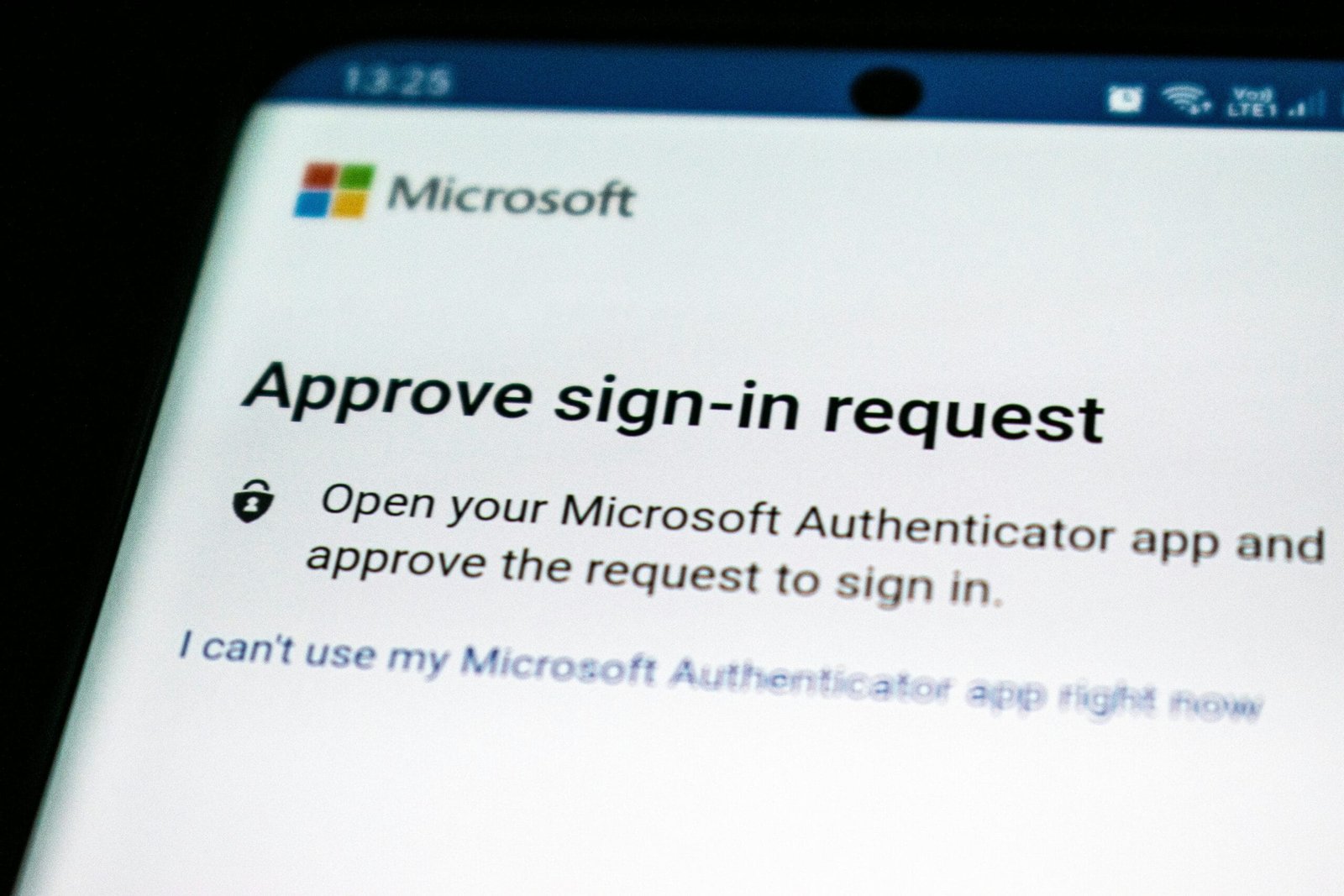
a screenshot of a phone

How to Secure Your Website with Two-Factor Authentication

Image by Gerd Altmann from Pixabay

Introduction to Two-Factor Authentication (2FA)

Two-Factor Authentication, commonly referred to as 2FA, is a security process that enhances the protection of online accounts by requiring users to present two distinct forms of identification before gaining access. This method significantly increases account security beyond the traditional single-password approach. With the proliferation of cyber threats such as phishing attacks, data breaches, and identity theft, 2FA has become an essential tool for individuals and organizations alike in safeguarding sensitive information and maintaining user trust.

2FA works by combining something the user knows, typically a password, with something the user possesses, such as a smartphone or a physical token. When logging into an account, after entering the password, the user is prompted to provide a second factor, which can be a one-time code sent via SMS, an authentication app, or a biometric scan. This dual verification process complicates unauthorized access, as it requires the attacker to have both the password and the second factor to breach the account.

By implementing Two-Factor Authentication, businesses can significantly reduce the risk of unauthorized access to their systems. For instance, if a password is compromised through phishing, an additional layer of security ensures that intruders cannot log in without the second form of verification. This robust security measure not only protects personal information but also averts potential damages to reputation and financial loss due to security breaches.

Overall, the adoption of 2FA serves as a proactive approach to online security, effectively addressing common threats while promoting peace of mind for both users and organizations. In today’s increasingly digital landscape, investing in two-factor authentication is not merely a precaution; it is a necessary step toward a more secure online experience.

Benefits of Implementing 2FA

Two-Factor Authentication (2FA) serves as a crucial enhancement to the security measures employed by websites. One of the primary benefits of implementing 2FA is the significant increase in security it provides. By requiring users to provide two forms of verification, typically something they know (a password) and something they possess (a mobile device or security token), the likelihood of unauthorized access is greatly reduced. This dual-layered approach effectively mitigates risks associated with common threats such as phishing attacks and credential stuffing.

Moreover, the introduction of 2FA markedly reduces the risk of data breaches. A single compromised password can lead to catastrophic data leaks and financial losses for both users and organizations. When a robust 2FA system is in place, even if an attacker manages to obtain a password, they would still need the second factor, making it significantly more challenging to gain unauthorized access to sensitive information.

Enhancing user trust is another substantial benefit of implementing 2FA. Users are increasingly aware of cybersecurity threats and often prefer platforms that prioritize their security. By clearly communicating the use of 2FA, organizations can foster confidence among their users, demonstrating a commitment to safeguarding personal information and security.

From a regulatory compliance perspective, many industries now require stringent security measures to protect user data. Implementing 2FA can help organizations meet these regulatory demands, avoiding potential fines and legal repercussions associated with data mishandling.

However, it is important to consider user experience during the implementation of 2FA. Providing flexible options, such as using authenticator apps or sending one-time codes via SMS, can cater to diverse user needs, making the security process seamless without diminishing security standards. By balancing security measures with user convenience, organizations can effectively implement 2FA for an optimal online experience.

Choosing the Right 2FA Method

Implementing Two-Factor Authentication (2FA) is an essential step in enhancing the security of your website. There are several methods available, each with distinct advantages and disadvantages. Understanding these methods can aid in selecting the most suitable option for your needs.

One prevalent method is SMS-based 2FA, where a user receives a text message containing a verification code. This approach is convenient, as most users have mobile phones and are familiar with texting. However, it is also susceptible to various attacks, such as SIM swapping and interception. Despite its accessibility, SMS-based 2FA may not provide the highest level of security, particularly for sensitive accounts.

Another option is app-based authentication, which employs dedicated mobile applications like Google Authenticator or Authy. These applications generate time-sensitive codes, which significantly enhances security compared to SMS. This method not only reduces the risk of interception but also limits reliance on cellular networks. However, users must have access to their mobile devices at all times, which could be a limitation for some.

Lastly, hardware token devices represent a more robust option for 2FA. These physical tokens generate codes and are not susceptible to remote attacks. While they provide an elevated security level, they can be more cumbersome for users, as they require an additional device. Additionally, they can involve higher costs compared to software-based solutions.

The choice of 2FA method should be based on an assessment of your website’s security requirements and user preferences. Consider factors such as the level of data sensitivity, user convenience, and the overall cost of implementation. Balancing these elements can lead to an effective 2FA solution that meets your needs.

Setting Up 2FA on Your Website

Implementing two-factor authentication (2FA) on your website is an essential step in enhancing security. The process begins with selecting a suitable authentication provider. Numerous providers offer various features, including SMS-based codes, email verification, and authenticator apps like Google Authenticator or Authy. It is crucial to consider factors such as ease of integration, user experience, and the specific security needs of your website when making your selection.

Once you have chosen an authentication provider, the next phase involves integrating the 2FA system into your existing website architecture. This may require modifications to your user login system. Depending on the platform your website operates on, you may find plugins or modules specifically designed for 2FA integration. For instance, if you are using WordPress, plugins such as “Wordfence” or “Google Authenticator” can simplify the setup process. For custom-built websites, you might need to rely on the provider’s API to facilitate integration. Following the provider’s documentation carefully during this stage is vital to ensure a seamless setup.

After successful integration, configuring the necessary settings is the final key step in establishing your 2FA system. This includes setting up user notification options, such as specifying how users will receive their authentication codes. You can select to send codes via SMS, email, or through authenticator apps based on user preference. It is also advisable to offer users the option to remember their device for a limited time, returning to a traditional login method if they regularly access your site from the same devices.

By meticulously following these steps, you can effectively implement 2FA on your website, greatly enhancing security against unauthorized access.

User Enrollment and Education

Implementing two-factor authentication (2FA) for your website requires careful consideration of user enrollment and education to ensure a smooth transition. The enrollment process should begin with a clear and intuitive onboarding experience that guides users step-by-step through the setup of their 2FA method. Start by presenting users with an overview of what 2FA is and its advantages in enhancing account security. This introduction helps users understand the necessity of integrating an additional layer of protection for their sensitive information.

During the enrollment phase, provide users with multiple options for setting up their 2FA, such as using authentication apps, receiving SMS codes, or employing hardware tokens. It is crucial to ensure that users receive clear instructions for each method, including screenshots or video tutorials to visually demonstrate the process. Additionally, offering a frequently asked questions (FAQ) section can effectively alleviate common concerns and questions that users may have during the setup.

After users have enrolled in the 2FA system, it is vital to continually educate them about its operation. Regular communication through emails or notifications can reinforce the importance of ongoing vigilance regarding account security. This communication should highlight how 2FA helps prevent unauthorized access and encourage users to update their recovery options to ensure accessibility in case they lose their primary authentication method.

Moreover, consider establishing dedicated support resources where users can reach out for assistance if they encounter issues while setting up or using 2FA. Providing a robust support system will promote user confidence in the process and reinforce the overall effectiveness of 2FA in securing their accounts. By emphasizing education and comprehensive support, you can foster a positive user experience and significantly enhance your website’s security posture.

Troubleshooting Common Issues with 2FA

While Two-Factor Authentication (2FA) enhances security for websites, users may encounter several challenges during its implementation. One of the most common issues arises when users do not receive the authentication codes necessary for logging in. This may occur due to poor network connectivity, incorrect phone numbers, or settings in their email accounts that could prevent messages from being delivered. Users should ensure they have a stable connection and verify their contact details in the security settings of their accounts.

Another frequent problem is the loss of access to authentication devices. Users may change phones or lose their authenticator apps, rendering them unable to generate the required codes. To mitigate the struggle of losing access, website administrators should encourage users to set up backup authentication methods. This could include providing alternative email addresses, phone numbers, or generating backup codes when the account is established. Maintaining these options aids users in regaining access without extensive downtime.

In cases where users have exhausted all recovery options, administrators can help by offering account recovery procedures tailored for individuals who cannot access their 2FA methods. This might involve verifying their identity through questions related to their account history or sending secondary authentication requests to trusted contacts, thereby ensuring that only the rightful account owner can regain access.

Lastly, it is important for web administrators to routinely assess their 2FA implementations and update their support documentation to address any emerging issues faced by users. Providing a dedicated help desk or support channel that focuses on 2FA-related queries can significantly reduce user frustration and enhance the overall experience of utilizing this important security measure. By adopting these proactive approaches, both users and administrators can effectively resolve common challenges associated with Two-Factor Authentication.

Best Practices for Maintaining 2FA Security

Implementing two-factor authentication (2FA) is a critical step toward enhancing the security of your website, but maintaining that security is an ongoing responsibility. To ensure that your 2FA implementation remains robust, it is essential to adopt a set of best practices designed to reinforce security measures.

First and foremost, keeping all software up to date is crucial. This includes the operating system, web applications, and any third-party plugins or libraries that are used in your website’s framework. Software updates often contain important security patches that help protect against vulnerabilities that hackers may exploit. Regularly check for updates and apply them promptly to ensure your systems are fortified against emerging threats.

Additionally, it is vital to regularly review security settings associated with your 2FA methods. Make it a practice to audit authentication policies, user access controls, and recovery options. This not only ensures that the latest security recommendations are implemented but also helps to identify any unnecessary risks that may have developed over time. For instance, disabling 2FA for inactive users or adjusting authorization requirements based on user roles can significantly boost security.

Monitoring your website for suspicious activity is another crucial aspect of maintaining 2FA security. Implement logs that track login attempts and user actions. Regularly reviewing these logs allows for the early detection of unauthorized access attempts, enabling swift action to mitigate potential breaches. Furthermore, educating your users about secure authentication practices is essential. Encourage them to use strong, unique passwords and inform them about the benefits of utilizing hardware tokens or authenticator apps over SMS-based verification, which can sometimes be vulnerable to interception.

By adhering to these best practices, website administrators can maintain the security integrity of their 2FA systems, ultimately protecting both their users and their online assets from threats. Regular vigilance and proactive measures are key to ensuring a safe digital environment.

Analyzing the Impact of 2FA on User Experience

The implementation of Two-Factor Authentication (2FA) introduces a significant layer of security that enhances protection against unauthorized access. However, this added security measure can also influence user experience, a critical aspect that must be considered during the implementation process. Users may initially perceive 2FA as an inconvenience due to the additional steps required to access their accounts. This perception has the potential to impact overall user satisfaction and engagement, particularly if the 2FA process is perceived as cumbersome.

To mitigate any potential negative impact on the user experience, organizations should aim to strike a balance between security and convenience. One effective method is to offer various 2FA options, such as SMS-based verification codes, authenticator apps, and even biometric methods like fingerprint recognition. This range of choices allows users to select the method that feels most comfortable and accessible for them, thus enhancing satisfaction.

Additionally, providing clear and concise instructions during the 2FA setup process proves crucial. Users should feel confident and assured during the authentication process, which ultimately fosters a sense of security. The education provided about the necessity of 2FA and its benefits can also help in alleviating frustrations related to extra steps, leading to a more positive user interaction. Regularly collecting feedback on the user experience with 2FA can yield valuable insights. Surveys or pop-up questionnaires after the authentication process can help gauge user perceptions and identify possible areas for improvement.

In conclusion, while the adoption of 2FA may initially pose challenges to user convenience, with thoughtful implementation and user-centric design, organizations can ensure that their enhanced security measures ultimately lead to a more secure and satisfactory user experience.

As digital threats continue to evolve, implementing Two-Factor Authentication (2FA) has become increasingly crucial for safeguarding sensitive user information. The traditional username and password combination is no longer sufficient, as attackers have become adept at breaching conventional security measures. 2FA adds an additional layer of security that drastically decreases the risk of unauthorized access, thus enhancing the overall integrity of online accounts. By requiring a second factor, typically a time-sensitive code sent to the user’s mobile device or an authentication app, organizations can help ensure that even if their passwords are compromised, unauthorized individuals are still barred from accessing critical data.

Looking ahead, the landscape of authentication technologies is poised for significant advancements. One prominent trend is the growing adoption of biometric authentication methods, such as facial recognition and fingerprint scanning. These technologies leverage unique physical traits to verify identity, providing a more secure and user-friendly alternative to traditional 2FA methods. As the reliability and accessibility of biometric systems improve, we can anticipate their increased integration into various applications, potentially leading to more widespread use in combination with traditional 2FA systems.

Furthermore, the evolution of security practices will likely focus on user behavior analysis and adaptive authentication. By assessing the usual patterns of user activity, such as location, device type, and interaction frequency, systems can dynamically adjust the required authentication methods based on perceived risk. This adaptive approach could simplify the user experience while maintaining robust security measures tailored to the context of each login attempt.

In summary, the implementation of Two-Factor Authentication is essential in today’s digital environment. As authentication technologies advance, organizations must stay vigilant and proactively adapt to emerging trends, fortifying their systems against potential threats while enhancing the user experience.


icon

How to Secure Your Instagram Account from Hackers

Image by Solen Feyissa from Pixabay

Understanding Instagram Hacking

Instagram hacking refers to unauthorized access to an individual’s Instagram account with the intent to manipulate, steal information, or use the account for malicious purposes. The prevalence of hacking incidents on social media platforms like Instagram has significantly increased, with various methods employed by thieves to gain control over accounts. Understanding these methods is crucial for users to protect their accounts and maintain their privacy.

Common hacking techniques include phishing, where hackers create fake login pages resembling Instagram’s interface to deceive users into providing their credentials. Another prevalent method is through the use of malware, which can be secretly installed on a user’s device, thereby giving hackers direct access to sensitive information. Moreover, weak passwords significantly increase the risk, as easy-to-guess passwords can be exploited with brute-force attacks.

The significance of recognizing these methods lies in the user’s ability to implement preventive measures. Acquainting oneself with the typical signs of a hacked account can be paramount. Indicators may include unfamiliar activity, such as messages sent from the account that the user did not initiate or changes made to account details without consent. If a user receives notifications regarding new logins from unknown devices or locations, these symptoms warrant immediate investigation. Ignoring these signals can lead to far-reaching consequences, including the loss of personal data, exposure of private information, and even damage to one’s reputation.

Understanding the dimensions of Instagram hacking is essential for building resilience against such threats. By being informed and vigilant about how hacking occurs and recognizing the warning signs, users can take proactive steps to safeguard their accounts and enhance their security measures. This knowledge serves as the first line of defense in the fight against cyber intrusions on Instagram.

Identifying Vulnerabilities in Your Account

Securing one’s Instagram account begins with understanding the vulnerabilities that can expose it to potential hacking. One of the primary weaknesses is a weak password. Many users tend to choose simple, easily guessable passwords, which can be quickly compromised by cybercriminals. It is crucial to create a strong password combining upper and lower case letters, numbers, and special characters. Avoid using easily accessible personal information, such as birthdays or names, which can be deduced from social media profiles.

Another significant vulnerability is the absence of two-factor authentication (2FA). This additional layer of security requires users to enter a code sent to their mobile device or generated by an authentication app during login attempts. Implementing 2FA can drastically reduce the likelihood of unauthorized access, as it necessitates not only the password but also possession of the linked device.

Using shared or public devices also presents a substantial risk. When accessing your account from shared computers or networks, such as those in cafes or libraries, it can expose your login credentials to malicious software or users. If using a shared device is unavoidable, ensure that you log out of your account after each session and avoid saving passwords in browsers. Additionally, consider using a virtual private network (VPN) to enhance your privacy when connecting through public Wi-Fi.

Regularly reviewing your account activity can help you identify potential unauthorized access. Be vigilant for any signs of suspicious behavior, such as unauthorized login attempts or unfamiliar devices. Utilizing Instagram’s security features, such as login alerts, can notify you of such activities. By recognizing these weaknesses and taking proactive measures, users can significantly enhance their account’s security, making it more resilient against hacking attempts.

Setting Up Strong Password Protection

Establishing a robust password for your Instagram account is an essential step in safeguarding your digital presence from potential hacking attempts. A strong password should encompass a mixture of uppercase and lowercase letters, numbers, and special characters. By incorporating these various elements, the complexity of your password increases significantly, making it more difficult for malicious actors to guess or crack it.

For instance, instead of using a simple word or a common phrase, consider creating a password that is both unique and memorable. Utilizing a passphrase formed by a sequence of random words can serve this purpose well. Additionally, interspersing numbers and symbols within this passphrase can further enhance its security. For example, transforming “SummerVacation” into “5umm3r!V@cation21” not only increases complexity but also makes it easier for you to remember.

Regularly updating your password is another crucial measure for maintaining account security. It is advisable to change your password every few months, or immediately following any suspected security breach. This proactive practice ensures that even if your password is compromised, the window of opportunity for unauthorized access is minimized.

Moreover, utilizing a password manager can dramatically streamline the process of creating and managing strong passwords. These tools generate complex passwords without requiring you to memorize each one, storing them securely and encrypting your sensitive information. With a password manager, you can easily implement different passwords across various platforms, reducing the risks associated with password reuse.

By adhering to these criteria for robust password protection, you can significantly enhance the security of your Instagram account and reduce the likelihood of falling victim to hacking attempts. Strong passwords, regular updates, and the assistance of password management tools collectively form a strong defense against unauthorized access.

Enabling Two-Factor Authentication

Two-factor authentication (2FA) is an essential security measure that significantly enhances the protection of your Instagram account against unauthorized access. By requiring an additional verification step beyond just your password, 2FA adds an extra layer of defense, making it considerably harder for hackers to compromise your account. This security feature can employ either an authenticator app or SMS verification, offering flexibility according to user preference.

To enable 2FA on your Instagram account, you first need to ensure that you are using the latest version of the app. Begin by navigating to your profile, and then tap on the three horizontal lines in the top right corner to access the settings menu. Under Settings, select the ‘Security’ option, where you will find ‘Two-Factor Authentication.’ Tap on this to begin the setup process.

You will be presented with different options for verification. The first option is to use an authenticator app, such as Google Authenticator or Authy. If you choose this method, you will need to scan a QR code displayed on the Instagram app with your chosen authenticator app. This will generate a time-sensitive code that you will enter to complete the setup. The second option is SMS verification, where you will receive a text message with a code each time you log in from an unrecognized device. To use this option, simply input your mobile phone number and follow the instructions sent via SMS.

Both methods significantly enhance the security of your account, making it increasingly difficult for hackers to gain access. It is essential to choose the method that best suits your needs, keeping in mind the potential risks associated with each. Finally, always remember to keep your recovery codes in a safe place, as they can be vital if you lose access to your authentication method.

Recognizing Phishing Attempts

Phishing is a prevalent tactic employed by cybercriminals to compromise Instagram accounts and other online services. This method often involves deceptive communication aimed at enticing individuals to reveal sensitive information such as usernames and passwords. Recognizing the signs of phishing can significantly reduce the risk of falling victim to these schemes.

One of the most common forms of phishing occurs through emails that appear to come from Instagram or associated services. These emails may feature urgent language, claiming that immediate action is required concerning your account. For example, you might receive a message indicating suspicious activity or urging you to verify your login credentials. Legitimate communications from Instagram typically use your official email and never solicit sensitive information directly. Always scrutinize the sender’s email address, as it often contains subtle misspellings or unusual domain names.

In addition to email phishing, cybercriminals frequently utilize direct messages on Instagram or other social media platforms. These messages might be crafted to appear as if they are coming from friends or acquaintances, urging you to click on malicious links. Being vigilant about the conversations you engage in is crucial; if a message seems out of character for the sender or requests personal information, it is advisable to contact them through a different method to verify its authenticity.

Another red flag to watch for is links that redirect to unfamiliar websites. Before clicking on any link, hover over it to preview the URL. If it does not lead to an official Instagram site (such as instagram.com), do not engage. If you ever encounter suspicious communications, report them to Instagram’s help center and delete the message or email immediately. Understanding these phishing tactics and remaining cautious can greatly enhance your protection against potential security breaches on your Instagram account.

Regularly Monitoring Account Activity

Maintaining the integrity of your Instagram account significantly relies on regularly monitoring account activity. This proactive step is essential in identifying any unauthorized changes or suspicious behavior that may indicate a potential hacking attempt. Instagram provides users with the ability to review login activity and see what devices have accessed their accounts, allowing for better control and security.

To check login activity on Instagram, users can navigate to the “Settings” section of their profile and look for the “Security” tab. Within this tab, there is an option labeled “Login Activity.” Here, you will find a list of locations and devices that have accessed your account. It is critical to review this list regularly, particularly after being notified of any security alerts or if you suspect that your account might be compromised.

If you notice any unfamiliar devices or locations on the login activity list, it is imperative to act quickly. First, you should log out of all active sessions using the option provided in the account settings. This will sever access for any unauthorized users. Next, it is recommended to change your password immediately to something strong and unique, incorporating a mix of letters, numbers, and special characters. Furthermore, enabling two-factor authentication adds an extra layer of security, requiring a verification code in addition to your password when logging in from an unrecognized device.

Moreover, consistent monitoring also helps you to notice changes in your account that may not be related to unauthorized access but could still be concerning. Unusual follower growth, unexpected changes in the frequency of posts, or alterations in personal information should be addressed swiftly. By remaining vigilant and responsive to any signs of suspicious activity, you can significantly enhance the security of your Instagram account and mitigate the risks associated with hacking attempts.

Recovery Steps if Your Account Is Hacked

If you suspect that your Instagram account has been hacked, it is crucial to act swiftly to reclaim control. The platform provides a series of recovery steps designed to assist users in regaining access to their compromised accounts. Begin by attempting to reset your password. Navigate to the Instagram login screen and click on “Forgot password?” Follow the prompts to request a password reset link. This link will be sent to your registered email address or phone number. If you can access your email or SMS, follow the instructions to set a new password that is both strong and unique.

If you no longer have access to the email address or phone number linked to your Instagram account, select the option that allows you to receive help through the app. Instagram may ask you to provide further information about your account to verify your identity. This can include details such as prior passwords or the account creation date. Be prepared to answer these questions accurately to increase your chances of recovery.

In cases where your email has been changed or you have been locked out, it is essential to report the hacked account to Instagram. You can do this by opening the app and selecting “Get help signing in.” Follow the prompts and choose “My account was hacked.” You will be guided through a series of steps to report the issue, which may involve filling out a form with information about your account.

Lastly, remain cautious while waiting for Instagram to respond. Often, responses can take time due to high volumes of reports. Meanwhile, monitor your email for any communication from Instagram regarding your account’s status. After regaining access, it is imperative to update your password and enable two-factor authentication to enhance your account’s security in the future.

Preventing Future Hacks

Securing your Instagram account against hacking attempts requires a proactive approach. One of the most effective strategies is to regularly update your security settings. Instagram periodically rolls out new features and updates that enhance security measures. Users should familiarize themselves with these updates and ensure that they are taking advantage of the latest security options available. This includes enabling two-factor authentication (2FA), which adds an additional verification step during login, making it significantly harder for unauthorized users to access the account.

Another important preventive measure is to remain cautious about the use of third-party applications. Many apps claim to enhance user experience on platforms like Instagram, but they may compromise your account’s security. It is crucial to only use trusted applications that are well-reviewed and have strong security protocols. Before linking any third-party apps, consider whether the benefits outweigh the potential risks involved. Always review what permissions you are granting these apps and be especially wary of any that request excessive permissions beyond normal functionality.

Ongoing education about the latest security trends and threats is equally important in protecting your Instagram account. Cyber threats are continually evolving, and staying informed can help you recognize potential risks before they become a problem. Engaging with reputable cybersecurity websites, following news about data breaches, and actively participating in online communities can greatly enhance your understanding of current security issues. This knowledge allows you to make informed decisions regarding your account’s safety, ensuring that you can effectively guard against hacks as they emerge.

Additional Resources and Support

To bolster your defense against potential hacking incidents on Instagram, it is essential to leverage available resources and support networks. Instagram itself provides a wealth of information aimed at heightening user security. One such resource is the official Instagram Help Center, which offers guidance on account security measures, privacy settings, and recovery options. Users can explore articles tailored to their needs, whether it involves strengthening passwords or understanding two-factor authentication.

Moreover, engaging with cybersecurity tools can further strengthen your Instagram account’s defenses. Tools such as LastPass or Dashlane can aid in generating complex passwords and managing them safely. Antivirus software like Avast and McAfee provide additional layers of protection against malware that could jeopardize your login credentials.

Community forums and support channels also present invaluable platforms where users can exchange experiences and solutions regarding account security. Websites like Reddit’s Instagram Community offer a space for discussions, advice, and real-time support from fellow users who might have encountered similar issues. Additionally, tech-focused forums such as Tech Support Alert can provide insights from experts regarding potential vulnerabilities associated with social media accounts.

Utilizing these resources effectively equips users with the knowledge and support necessary to navigate through the complexities of cyber threats. By being proactive and informed, Instagram users can significantly enhance the security of their accounts while remaining connected to a community that values online safety.

How to Secure Your YouTube Channel from Hackers

Image by Stefan Schweihofer from Pixabay

Introduction to YouTube Security

In recent years, the significance of YouTube security has become increasingly apparent, especially with the rise in hacking incidents targeting content creators. YouTube, as one of the largest video-sharing platforms globally, attracts millions of users and channels. Unfortunately, this popularity also makes it a lucrative target for hackers who aim to exploit vulnerabilities for malicious purposes. Reports indicate that a growing number of creators, ranging from novices to seasoned professionals, have fallen victim to these attacks, often losing access to their channels, viewership, and hard-earned reputations.

The motivations behind such hacking incidents can vary. Some hackers may seek to gain unauthorized access to valuable content, others may aim to manipulate channels for financial gain—such as running unauthorized advertisements or selling the channel for profit. Regardless of the motives, the impact of these breaches is profound, leading creators to face potential financial repercussions and a tarnished brand image. As such, understanding the importance of YouTube security is essential for every content creator.

It is crucial to recognize that protecting a channel goes beyond simply securing login credentials. Enhancing YouTube security requires a comprehensive approach that includes recognizing and mitigating potential threats, implementing robust security measures, and promoting awareness of best practices within the community. By doing so, creators can not only protect their content but also maintain the trust of their audience.

As the digital landscape continues to evolve, so too do the methods employed by cybercriminals. Thus, all YouTube creators must prioritize security measures, ensuring their channels are safeguarded against potential attacks. An informed and proactive approach to YouTube security can make a significant difference in preventing hacking incidents and recovery, ultimately allowing creators to focus on what they do best—producing engaging content for their viewers.

Understanding the Hacking Threats on YouTube

YouTube channel owners are increasingly vulnerable to various hacking threats that can jeopardize their content and audience engagement. Understanding these threats is crucial for safeguarding one’s channel from potential breaches. One prominent method employed by hackers is phishing scams. In these scenarios, cybercriminals masquerade as legitimate entities, often sending deceptive emails or messages that appear to originate from YouTube or related services. By enticing users to click on malicious links, hackers can obtain sensitive information, such as login credentials, which can then be used to access the account unlawfully.

An additional threat comes in the form of password breaches. This can occur when users utilize common or weak passwords, making it easier for hackers to gain access through brute-force attacks. Moreover, if a user’s password has been compromised in data leaks from other websites, hackers may leverage those stolen credentials to infiltrate the user’s YouTube account. This emphasizes the importance of employing strong, unique passwords and utilizing password management tools to enhance account security.

Account takeovers represent another significant threat faced by YouTube users. In this scenario, hackers not only gain access to an account but also often change critical account settings, including recovery information and associated email addresses. Once they have control, they can alter or remove content, misuse the channel for malicious activities, or even monetize it for their own gain. The consequences of such breaches can be devastating, leading to loss of subscribers, damage to reputation, and potential legal issues. Awareness of these hacking methods is essential for YouTube creators to take proactive measures to protect their accounts and mitigate risks associated with such cyber threats.

Step 1: Strengthening Your Password Security

Having a robust password is the first line of defense against unauthorized access to your YouTube channel. A strong password not only protects your account but also significantly reduces the risk of hacking attempts. In today’s digital landscape, hackers utilize sophisticated methods to breach accounts, making it imperative to create passwords that are not easily guessable. The ideal password should consist of a combination of uppercase and lowercase letters, numbers, and special characters. Aim for a length of at least 12-16 characters to enhance complexity.

When creating a password, avoid using easily obtainable information, such as birthdays, names of family members, or even your channel name. Instead, consider using random word combinations or a memorable phrase that includes a mix of different character types. This approach not only improves security but also makes it easier for you to remember your password without resorting to writing it down in an insecure location.

To simplify password management, utilizing a password manager can be highly beneficial. These tools securely store and encrypt your passwords, enabling you to create unique passwords for each of your accounts without the need to memorize them all. Many password managers also offer features like password generators, which can create complex passwords at the click of a button. By centralizing your password management, these tools provide an added layer of security, ensuring that your YouTube channel—and all your online accounts—are safeguarded against potential threats.

In summary, creating a strong, unique password for your YouTube account is essential for safeguarding your channel. By following best practices and using a password manager, you can significantly enhance your password security and thwart potential hacking attempts, keeping your content safe and secure.

Step 2: Enabling Two-Factor Authentication (2FA)

Two-factor authentication (2FA) serves as a critical security measure for YouTube accounts, significantly reducing the risk of unauthorized access. This process requires users to provide a second form of verification in addition to their primary password, making it much harder for potential hackers to gain entry. By integrating something you know (your password) with something you have (a code sent to your mobile device), 2FA fortifies your YouTube channel against malicious threats.

To enable 2FA on your YouTube account, start by navigating to your Google Account settings. Once there, select the “Security” tab, where you will find the option for “2-Step Verification.” Click on this option and follow the on-screen prompts. During the setup, you will typically be asked to add a phone number where you can receive either a text message or a voice call containing a verification code. This step is crucial as it links your YouTube activity to a device that you control.

After completing the initial setup, your account will require a verification code every time you or anyone else attempts to access it from an unrecognized device. It’s advisable to save backup codes provided during the setup process in a secure location. These codes can be utilized in the event you lose access to your phone or cannot receive verification codes.

The importance of enabling two-factor authentication cannot be overstated. By implementing this enhanced layer of security, you not only protect your YouTube channel from hackers but also provide peace of mind, knowing that your content and personal information are better safeguarded. Given the rise in cyber threats, adopting 2FA is a proactive measure that every YouTube user should take seriously to ensure continued security and protect their online presence.

Step 3: Keeping Personal Information Private

In an era where digital security is increasingly crucial, protecting your personal information becomes a paramount concern, especially for YouTube channel owners. Cybercriminals often exploit personal data such as email addresses, phone numbers, and even birthday information to gain unauthorized access to accounts. Therefore, taking proactive measures to safeguard this information is essential to mitigate the risk of hacking.

One of the first steps to consider involves reviewing and managing privacy settings not just on YouTube but across all social media platforms. For YouTube, navigate to the ‘Settings’ menu and explore the ‘Privacy’ section. Here, you can choose to keep your subscriptions, saved playlists, and liked videos private. Limiting the visibility of this information can deter potential hackers from gathering clues that may help them breach your channel.

Beyond YouTube, examine your other social media accounts for similar privacy settings. Ensure that personal information is either hidden or visible only to trusted connections. Furthermore, avoid sharing sensitive data publicly in comments or posts. Remember that social engineering tactics often rely on gathering personal insights from social media activity, making it essential to maintain a guarded online presence.

Additionally, consider employing a pseudonym or a brand-specific name for your YouTube channel and associated accounts. This approach can help shield your personal identity from public view. It limits access to identifiable information that hackers may exploit to achieve their malicious objectives.

Ultimately, understanding the significance of personal information privacy and implementing sound management strategies can greatly bolster the security of your YouTube channel. By taking these precautions, you not only protect yourself but also ensure that your creative efforts remain safe and secure from unauthorized access.

Step 4: Regularly Reviewing Account Activity

Monitoring your YouTube account activity is a fundamental aspect of protecting your channel from potential hacking attempts. By regularly reviewing your account activity, you can identify any unauthorized changes or suspicious actions that may pose a threat to your online presence. This proactive approach allows you to catch potential breaches early, minimizing the potential damage to your channel.

To check recent activity on your YouTube account, navigate to the “YouTube Studio,” where you can find various analytics and activity logs relevant to your channel. This section provides insights into video uploads, comments, and any modifications made to your channel settings. Look for any unfamiliar activity, such as videos that you did not upload, changes in your profile information, or altered privacy settings. If you detect anything unusual, immediately take steps to secure your account.

Regularly reviewing your account activity not only helps in identifying unauthorized changes but also aids in understanding your channel’s performance. By tracking engagement metrics, such as viewer statistics and interaction rates, you can spot anomalies that may indicate a larger issue. For instance, if you observe a significant drop in views or comments, it could be a sign that someone has altered your settings or that your channel has been restricted due to security concerns.

In addition to performing routine checks, consider setting up alerts for any major changes. YouTube offers a feature that notifies your registered email about significant account activity, such as password changes or new login attempts. This can provide an added layer of security, alerting you to potential threats in real-time. By remaining vigilant and aware of your account’s activity, you can better defend your YouTube channel against hacking attempts and ensure its longevity in an increasingly challenging digital environment.

Reporting Suspicious Activity

In the digital landscape, the security of your YouTube channel is paramount. If you notice any suspicious activity indicative of potential hacking attempts, it is critical to act promptly. The first step is to document the unusual behavior you observe. This may include unauthorized changes to your channel settings, unfamiliar comments, or notifications regarding login attempts from unrecognized locations. Thorough documentation aids both you and YouTube in understanding the issue at hand.

Once you have gathered relevant information, the next step involves reporting the suspicious activity directly to YouTube. You can do this through the YouTube help center. Navigate to the ‘Get Support’ section, where you will find options specifically designed for reporting security issues. YouTube provides a straightforward online form where you can specify the nature of the suspicious activity. Be detailed and clear about your concerns to ensure a swift response. This may include providing screenshots or any other evidence that supports your claim.

In addition to reporting to YouTube, it is also advisable to report the incident to your local authorities, especially if you believe your personal information is under threat. Cybercrimes are taken seriously, and law enforcement agencies may offer additional resources or guidance. Furthermore, consider reaching out to community forums or groups that focus on YouTube security issues. Fellow creators often share their experiences and might provide insights that can enhance your understanding of what to look out for in the future.

Remaining vigilant is key to protecting your channel. By promptly reporting any suspicious activity and utilizing available resources, you contribute to a safer online environment for all content creators. Regularly reviewing your security settings and staying informed about potential threats will also enhance your channel’s protection.

Recovery Steps if Your YouTube Channel Gets Hacked

If your YouTube channel has been compromised, it is essential to act quickly to recover your account and minimize potential damage. The first step is to try to regain access to your account through the standard recovery method. Visit the YouTube login page, click on “Forgot password?”, and follow the prompts. You’ll need to provide the email address associated with your account and answer any security questions you’ve previously set up. If you still have access to the recovery email or phone number linked to your account, YouTube will send you a verification code to help regain access.

If you are unable to recover your account using the standard methods, it is critical to contact YouTube’s support team directly. To do this, navigate to the YouTube Help Center and look for the “Need more help?” section. There, you can find options for contacting support. Prepare relevant information beforehand, such as details about when you lost access, the type of content on your channel, and any email notifications you received regarding suspicious activity.

Additionally, gather any evidence to support your claim. This includes screenshots of the channel, URLs of recent videos, or any communication from YouTube regarding policy violations or unauthorized access. Be thorough with your documentation, as it can significantly aid the recovery process.

While waiting for a response from YouTube, take preventive measures to secure your other online accounts. Change passwords to ensure additional platforms are not compromised. Utilize two-factor authentication where available, and remain vigilant for any phishing attempts that could jeopardize your online security.

In conclusion, recovering a hacked YouTube channel involves prompt action, thorough documentation, and effective communication with YouTube’s support team. By following these steps, users can enhance their chances of regaining control and securing their channel against future threats.

Preventative Measures for Future Protection

In the ever-evolving digital landscape, safeguarding your YouTube channel represents an essential commitment for every content creator. The increase in hacking attempts emphasizes the need for persistent vigilance in securing your online presence. One fundamental aspect of this preventive strategy is regularly updating your passwords. Creating strong, unique passwords that incorporate a combination of uppercase and lowercase letters, numbers, and special characters significantly enhances your channel’s security. Moreover, changing passwords periodically can deter would-be hackers from gaining access.

Staying informed about the latest security updates and recommendations from YouTube is another critical step in prevention. This platform regularly introduces new features and security protocols designed to protect users, and being mindful of these updates can help you maintain a robust defense against potential threats. Additionally, enabling two-factor authentication (2FA) is a highly effective measure that provides an extra layer of security by requiring a second form of verification before anyone can access your account.

Furthermore, exercising caution when interacting with unsolicited emails or links plays a vital role in protecting your YouTube channel. Phishing attempts are prevalent, and they often masquerade as official communications from YouTube or affiliated services. To guard against this, approach unknown emails with skepticism and verify their authenticity before clicking any links or providing personal information. By implementing these practices, creators can significantly reduce their vulnerability to hacking incidents.

Ultimately, being proactive about security measures will foster a more resilient YouTube channel, ensuring that content creators can focus on producing high-quality material without the looming threat of hacking. Regular updates, informed vigilance, and cautious behavior around communication are key components in establishing a secure online presence.

Conclusion: Empowering Creators Against Hacking

In the ever-evolving digital landscape, the security of your YouTube channel should be a top priority for every creator. Implementing measures to protect your account is not merely a suggestion; it is an essential practice to ensure the longevity and integrity of your content. Taking proactive steps, such as using strong, unique passwords and enabling two-factor authentication, can significantly reduce the risk of being hacked. Additionally, regular monitoring of your channel’s activity and prompt reporting of any suspicious behavior are crucial for maintaining control over your digital assets.

Furthermore, staying informed about current online security trends can empower you to adapt and refine your security practices. By understanding the various tactics employed by cybercriminals, creators can anticipate potential threats and mitigate risks more efficiently. Engaging in continuous education regarding security measures will enhance your ability to safeguard your channel from unauthorized access or attack.

Moreover, fostering a community of aware creators can create an environment where knowledge sharing about online safety becomes commonplace. As more individuals prioritize their online security, the collective consciousness surrounding this issue will strengthen, thereby reducing the likelihood of successful hacking attempts. Your vigilance not only protects your channel but also sets a powerful example for others in the YouTube community.

In conclusion, the responsibility of defending your YouTube channel against hacking rests on your shoulders. By implementing the strategies discussed, you can significantly enhance your channel’s security and work towards creating a safer online environment. Empower yourself with knowledge and take the necessary steps to protect your digital presence effectively.

TikTok Account Safety: What You Need to Know

Image by WOKANDAPIX from Pixabay

Understanding the Risks: Why TikTok Accounts Are Targeted

The ongoing surge in hacking incidents targeting TikTok accounts can be attributed to several critical factors that underscore the platform’s allure for cybercriminals. Primarily, TikTok’s unprecedented popularity among diverse user demographics has transformed it into a prime target for hackers. With millions of active users worldwide, each account potentially represents a treasure trove of sensitive information and social influence.

One of the most compelling reasons behind the focus on TikTok accounts is the substantial value these profiles hold. Accounts with a large following, high engagement rates, and notable content creators garner significant attention not only from fellow users but also from brands and marketers. Hacked accounts can be exploited for various malicious purposes, including orchestrating fraudulent activities, spreading misinformation, or conducting phishing schemes. The ability to impersonate popular influencers amplifies this threat, leading to possible reputational damage for both victims and associated brands.

Moreover, sensitive information contained within TikTok accounts heightens the urgency of addressing these vulnerabilities. Users often link their TikTok profiles to other social media accounts, leverage third-party applications, or provide personal details that, if accessed, can lead to identity theft or other forms of cybercrime. This interconnectedness of online platforms creates a broader risk landscape, making it even more critical for users to prioritize cybersecurity.

The statistics surrounding social media hacking are alarming, with recent studies indicating a rising trend in targeted attacks on platforms like TikTok. Reports reveal that social media accounts, including TikTok, are consistently identified among the top targets for hacking attempts, demonstrating the need for heightened awareness and security measures. Understanding these risks is the first step in fortifying one’s TikTok account against potential threats.

Step 1: Strengthening Your Password

One of the most critical steps in safeguarding your TikTok account against hacking is to develop a strong and secure password. Passwords serve as the first line of defense; thus, having a robust password is paramount in preventing unauthorized access. A strong password should ideally comprise a mix of uppercase and lowercase letters, numbers, and special characters. This variety makes it more challenging for potential hackers to guess or crack your password using brute force methods.

It is wise to avoid the use of information that is simple to predict, including birthdays, personal names, or ordinary vocabulary. Instead, consider utilizing passphrases—a series of unrelated words or a sentence that can be modified with numbers and symbols to enhance security. For instance, a phrase like “I Love Ice Cream!” can be transformed into “ILuv!ceCr3@m!” to bolster its strength. By applying this technique, your password becomes significantly more complex while still remaining memorable.

Another essential guideline for maintaining password security is not to reuse passwords across different platforms. If one account is compromised, it can put your other accounts at risk if they share the same password. Therefore, creating unique passwords for each of your online accounts, including TikTok, is a wise practice. To help manage the complexity of having multiple strong passwords, consider using a password manager. These tools not only generate secure passwords but also store them safely, ensuring that you do not have to remember every individual password while maintaining strict security.

In summary, a strong and unique password is vital for protecting your TikTok account from hacking attempts. By utilizing various characters, avoiding common phrases, and employing password managers, you can significantly enhance the security of your account.

Step 2: Enabling Two-Factor Authentication (2FA)

Securing your TikTok account is paramount in today’s digital landscape, where hacking attempts are increasingly common. One of the most effective measures you can take to enhance your account’s security is enabling Two-Factor Authentication (2FA). This added layer of protection requires not only your password but also a secondary form of verification, significantly reducing the risk of unauthorized access.

To enable 2FA on TikTok, follow these straightforward steps: first, open the TikTok app and navigate to your profile by tapping “Me” at the bottom right corner. Next, tap the three dots in the top right corner to access the settings. Scroll down to find “Privacy and Safety,” then select “Security.” Here, you will see the option for Two-Factor Authentication. You may be prompted to enter your password again for confirmation.

Once in the 2FA settings, TikTok offers various methods for verification. The most common options include SMS verification, where a code is sent to your registered mobile number, and authentication apps, which generate time-sensitive codes. Choose the method that best suits your preferences and follow the on-screen instructions to complete the setup. It is recommended to use an authentication app as they are generally more secure than SMS.

Implementing 2FA offers multiple benefits. It acts as a deterrent against potential breaches, as even if someone acquires your password, they will still need this additional authentication step. Moreover, it enables better account recovery options should access be compromised. Adopting such proactive security measures not only safeguards your TikTok account but may also encourage a broader culture of responsible digital behavior among users.

Step 3: Recognizing Phishing Scams

Phishing scams represent a significant threat to TikTok users, designed to deceive individuals into providing sensitive information. These scams often masquerade as legitimate communications from TikTok, aiming to exploit users’ trust. It is essential for users to familiarize themselves with the various types of phishing attacks that are prevalent on social platforms like TikTok.

One common tactic employed by scammers is the use of fraudulent messages or emails that appear to be from TikTok. These communications may state that there is a problem with an account, prompting users to click on a link to verify their credentials. Often, these links lead to fake websites that closely resemble TikTok’s official site but are set up to capture login details and other personal information. Users must be wary of unsolicited requests for sensitive data, especially those that create a sense of urgency or fear.

Another method involves social engineering, where scammers pose as TikTok support staff through direct messages or emails. They might offer assistance with an issue or entice users with offers that seem too good to be true, luring them into revealing their login credentials. It is crucial for TikTok users to confirm the authenticity of any communication received, particularly if it asks for personal information or urges immediate action.

To recognize potential phishing attempts, users should look for signs such as poor grammar, generic greetings, and unfamiliar sender addresses. It is advisable to avoid clicking on links in suspicious messages and to verify the sender’s identity directly through official channels. If a user believes they have been targeted by a phishing attempt, they should report it to TikTok and consider changing their password immediately to enhance account security.

Managing Privacy Settings Effectively

In the realm of social media, effective management of privacy settings is crucial for maintaining security, particularly on platforms like TikTok. Users can take several steps to secure their accounts, enhancing protection against potential hacking threats. The platform’s privacy settings allow individuals to control who can view their content, send direct messages, and interact through friend requests. By utilizing these settings thoughtfully, users can significantly reduce their vulnerability to hacking.

One of the key privacy features is the option to restrict who can view your profile and content. TikTok provides three choices: public, friends, or private. Setting your profile to private ensures that only approved followers can access your videos, providing a layer of security. This option is essential as it prevents unwanted users from viewing your content, thereby reducing the risk of malicious actors taking advantage of your personal information.

Furthermore, managing direct messages is equally important. TikTok allows users to adjust settings relating to who can send them direct messages, which can help prevent unsolicited communications from strangers. By limiting direct messages to friends only, users can create a more secure environment where personal interactions occur only between trusted contacts.

Handling friend requests is another vital aspect of privacy management. TikTok enables users to filter incoming requests, thereby preventing unwanted individuals from gaining access to their profiles. Users should regularly review their followers and remove any unknown or suspicious accounts. Taking this proactive approach helps maintain a secure network on the platform.

Overall, by familiarizing themselves with and actively managing these privacy settings, TikTok users can create a safer online experience that minimizes the risks associated with hacking and unauthorized intrusions. Such diligence in privacy management can foster a more secure community on TikTok, enhancing the enjoyment of this popular platform.

Step 5: Keeping the App Updated

In today’s digital landscape, the significance of maintaining up-to-date applications cannot be overstated, particularly for platforms like TikTok, where user data and personal information may be at risk. Regular updates are crucial as they often include important security patches designed to address vulnerabilities that hackers could exploit. By keeping the TikTok app and the device it operates on current, users can greatly reduce the risk of hacking attempts and unauthorized access.

Software developers continuously monitor their applications for weaknesses and swiftly respond by releasing updates. These updates may encompass various enhancements including bug fixes, improved user interfaces, and crucially, security upgrades. Users should ensure that they have enabled automatic updates on their devices to facilitate seamless upgrades without requiring manual input. This proactive approach guarantees that the latest security features are always in effect.

To enable automatic updates on TikTok, users can navigate to the settings on their respective app stores—such as the Google Play Store for Android or the Apple App Store for iOS. Activating this feature will guarantee that the application updates to the latest version as soon as they become available, thereby protecting against emerging threats and vulnerabilities.

Conversely, relying on outdated versions of TikTok can expose users to a myriad of potential risks. Hackers often target older versions of apps, as they may contain known exploits that are easily circumvented. Furthermore, outdated apps may not have the latest security features, leaving accounts more susceptible to intrusion.

Ultimately, regularly updating the TikTok app is a vital step in heightening account security and playing an essential role in safeguarding both personal data and overall digital safety.

Step 6: Being Cautious of Third-Party Apps

As TikTok continues to evolve, many users often seek third-party applications that promise to enhance their experience by offering features not available within the official app. However, exercising caution when selecting such applications is crucial, as they may present significant security risks. Third-party applications can request access to sensitive information, including personal data and account credentials, which could leave your TikTok profile vulnerable to hacking.

One of the primary dangers of utilizing these applications is that they are often unregulated and may not adhere to the same security protocols as the official TikTok application. Consequently, they can become a conduit for various cyber threats, including phishing attempts and malware installations. Before downloading any third-party app, it is essential to research the developer and read user reviews to assess its reliability. Often, reputable applications will have positive feedback from the user community, indicating that they operate safely and legally.

Additionally, ensure that any app you consider has a clear privacy policy that outlines how your data will be used and protected. Legitimate applications will disclose their data-handling practices, and if such information is not readily available, it is advisable to avoid the application altogether. Moreover, consider whether the features promised by the app truly meet your needs or if they are simply enticing marketing gimmicks designed to lure users into a security compromise.

In summary, while third-party applications can enhance your TikTok experience, they can also pose serious risks to your account security. Always prioritize your online safety by verifying the legitimacy of any app before granting permissions, thereby reducing the likelihood of falling victim to hacking attempts.

Recovery: What To Do If Your Account Is Hacked

Finding out that your TikTok account has been hacked can be a distressing experience. However, there are definitive steps you can take to recover your account and secure it against further incidents. The first action is to report the hacking incident directly to TikTok. You can do this through the app by selecting the “Profile” tab, navigating to “Settings and Privacy,” and choosing the “Report a Problem” option. It’s essential to provide as much detail as possible, explaining that your account has been compromised and including any relevant information that could assist TikTok in addressing the issue swiftly.

Once you have reported the hacking incident, check your email for any communication from TikTok. If the hacker has changed your password, you may be able to recover your account through the password reset option. Click on the “Forgot Password?” link on the login page and follow the prompts to reset your password using your email address or phone number associated with the account. After regaining access, immediately change your password to something strong and unique, ideally combining letters, numbers, and special characters.

If you discover that your personal information has been compromised, such as your email address or phone number, it’s crucial to take further steps. Update your email password and enable two-factor authentication wherever possible for added security. This will provide a second layer of protection by sending a verification code to your registered phone number during the login process. Additionally, inform your friends and followers about the situation, particularly if they may have received suspicious communications from your account.

To enhance your security moving forward, regularly review privacy settings and consider limiting who can view or interact with your content. Take the time to educate yourself about secure social media practices, ensuring your TikTok account remains safe and secure for future activities.

Educating Yourself and Staying Informed

In an age where digital presence plays a significant role in our lives, understanding the landscape of cybersecurity is crucial, particularly when it comes to protecting your TikTok account from potential hackers. Awareness and education are vital in staying ahead of threats. Continuously educating yourself on the latest security challenges will better equip you to safeguard your personal information and online identity.

To stay informed, consider regularly visiting reputable security blogs and websites dedicated to the field of cybersecurity. Many organizations produce up-to-date articles and analyses regarding vulnerabilities in social media platforms, including TikTok. Engaging with content from these specialized sources can provide insights into potential risks and behaviors to adopt for enhanced security on your account.

TikTok’s help center is another essential resource where users can find guidance on protecting their accounts. This platform frequently updates its security features and policies. By familiarizing yourself with these updates, you can ensure that you are utilizing all available tools offered by TikTok to minimize your risk of being hacked.

Additionally, participating in cybersecurity forums or online communities can be beneficial. These platforms often feature discussions among users and experts about the latest security threats and preventative measures. Engaging in these communities allows you to share experiences and learn from the perspectives of others, enhancing your overall knowledge of online security.

Finally, follow cybersecurity professionals and influencers on social media who share valuable insights regarding account protection. These experts frequently post tips, tricks, and alerts regarding emerging threats, helping you stay one step ahead in keeping your TikTok profile safe. By committing to ongoing education and actively seeking out information, you can significantly bolster your defenses against hacking attempts.

Conclusion: Taking Control of Your TikTok Security

In today’s digital landscape, securing your TikTok account has become increasingly vital, especially given the potential threats posed by hacking. Throughout this blog, we have outlined key strategies and proactive measures that users can adopt to protect their accounts from unauthorized access. Understanding the importance of using strong, unique passwords and enabling two-factor authentication has been emphasized as fundamental steps in safeguarding your content, personal information, and overall presence on the platform.

Furthermore, we discussed the value of being wary of suspicious links and messages, as well as the significance of regularly reviewing your privacy settings. These preventive measures not only bolster your TikTok security but also foster a greater understanding of the broader implications of online safety and digital citizenship. Recognizing that cyber threats can impact anyone, it is essential for TikTok users to remain vigilant and informed about potential risks. Engaging with educational resources and staying updated on the latest security practices are also crucial components of a comprehensive security strategy.

As we conclude, it is vital for users to take a proactive stance in maintaining their TikTok accounts. Adopting the steps discussed in this blog not only enhances your individual account security but also contributes to a safer online environment for all users. By prioritizing your digital security and implementing robust protective measures, you can enjoy the engaging and creative aspects of TikTok without the constant fear of hacking or compromise. Taking control of your TikTok security is ultimately about cultivating a mindful approach to your online presence, ensuring a positive experience on this popular social media platform.

man wears blue crew-neck t-shirt holding toddler wears black hooded jacket near ocean under blue sky at daytime

How to Create Engaging Content for Your Parenting Blog

Image by Tiny Tribes from Pixabay

Introduction to Parenting Blogs

Parenting blogs have emerged as a popular avenue for parents to express their thoughts, share experiences, and connect with a broader community in today’s digital landscape. As the world becomes increasingly interconnected through technology, the role of such blogs has expanded far beyond simple family updates. Instead, they now serve as essential platforms where mothers, fathers, and foster parents can articulate their challenges, triumphs, and advice regarding raising children. This shift in communication reflects a growing desire among parents to seek support, affirmation, and practical guidance from their peers.

The motivations behind starting a parenting blog are as diverse as the parents themselves. Many individuals embark on this journey to document their personal experiences, providing valuable insights into daily life, developmental milestones, and the complexities of parenting. Others may aim to build a supportive community, where they can engage with fellow parents who understand their struggles. Alternatively, some bloggers are driven by the desire to share expert advice on topics such as child development, health, and education, establishing their credibility in the parenting arena.

In light of this trend, a plethora of parenting blogs now populate the internet, each offering unique perspectives and insights. Whether a blog focuses on personal anecdotes, practical tips, or expert opinions, the common thread lies in the genuine intention to contribute positively to the parenting landscape. Throughout this post, readers will uncover various strategies for successfully launching and maintaining a parenting blog. From identifying your target audience to crafting engaging content and employing effective promotional techniques, each element plays a crucial role in creating a successful online presence dedicated to the art of parenting.

Identifying Your Niche in Parenting

In the vast landscape of the parenting blogosphere, discovering a specific niche can significantly increase your blog’s relevance and appeal. Parenting is a broad subject encompassing various experiences and perspectives, including motherhood, fatherhood, and foster parenting. By honing in on a particular area, you can create content that resonates more deeply with your target audience.

Consider the different niches available within parenting. For instance, some bloggers focus exclusively on motherhood, sharing insights on pregnancy, child-rearing, and the challenges faced by mothers. Others may dive into fatherhood, highlighting experiences unique to dads, such as balancing work with family commitments or discussing societal expectations. Additionally, niches like parenting with disabilities, single parenting, or blended families offer tremendous opportunities to provide valuable content and support to specific communities.

The uniqueness of your blog can stem from your personal experiences and passions. Reflect on what aspects of parenting you feel most passionate about and how your lived experiences can provide a different viewpoint. Authenticity is crucial in the blogging world; readers are drawn to voices that resonate with their own experiences. By being genuine in your writing, you will naturally attract an audience seeking relatable content.

To help identify your niche, brainstorm topics that inspire or challenge you, and consider creating a mind map of ideas to visualize how different themes may intersect. Research other parenting blogs to see how you can differentiate your approach while staying true to your voice. As you explore various topics, remember that your niche may evolve over time as your experiences change, providing an opportunity for continuous growth and connection with your audience.

Setting Up Your Blog: Practical Steps

Establishing a parenting blog involves several essential steps that can significantly shape your online presence. The first crucial decision is selecting a suitable blogging platform. Among the most popular options, WordPress is frequently recommended due to its user-friendly interface and vast customization capabilities. Alternatives such as Wix and Squarespace also offer intuitive drag-and-drop features, which can be beneficial for beginners without technical expertise. The choice ultimately depends on your specific needs and preferences.

Once you have chosen a platform, the next step is to purchase a domain name that reflects the essence of your parenting blog. A good domain name should be memorable and easy to spell, as it will serve as your online address. Domain registration can typically be accomplished through services like GoDaddy or Namecheap, which provide various affordable options. After securing your domain, you will need to select a hosting service, essential for storing your blog’s files and making it accessible on the internet. Reliable hosting providers include Bluehost and SiteGround, which are well regarded for their excellent uptime and customer support.

When it comes to designing your blog layout, it’s vital to focus on achieving a balance between aesthetics and functionality. Opt for themes that are mobile-responsive, as a significant portion of your audience may access your blog via smartphones or tablets. Plugins can enhance your blog’s functionality; for instance, SEO plugins can help improve your content’s visibility in search results. Additionally, leveraging tools like Canva can assist in creating visually appealing graphics for your posts.

In summary, setting up a parenting blog involves thoughtful consideration of numerous components including the platform, domain name, hosting, and design. By focusing on these practical aspects, you can create a solid foundation that supports your blogging journey.

Creating Engaging Content for Your Audience

To create engaging content for a parenting blog, understanding your audience is of paramount importance. The demographic of readers can vary significantly; therefore, a keen awareness of their interests, challenges, and preferences will guide the tone and type of content produced. Conducting surveys or leveraging social media can provide valuable insights into what resonates most with your target audience, whether they be mothers, fathers, or foster parents. Tailoring content to meet these needs fosters a stronger connection between the writer and their readership.

Incorporating storytelling techniques is another effective strategy to captivate readers. Sharing personal anecdotes, relatable experiences, or practical examples can evoke emotions and create a sense of community among parents. For instance, narrating a humorous incident from your parenting journey or discussing a common challenge can lead to increased reader engagement, as they may see themselves reflected in the story. Involving readers in the narrative not only adds depth but also encourages them to share their own similar experiences.

Visuals such as images and videos play a crucial role in enhancing content engagement. A well-placed photograph or an informative video can break up text and offer a more dynamic reading experience. Using images to illustrate your points, whether they are parenting tips, children’s activities, or even DIY projects, can significantly enrich the blog’s appeal. Additionally, creating video tutorials or vlogs on specific topics can cater to those who prefer a visual approach to learning.

Moreover, consistency is key in content creation. Establishing series or recurring topics helps to maintain reader interest over time. For example, weekly parenting tips, monthly book reviews on parenting literature, or ongoing discussions about child development milestones can ensure that content remains fresh while allowing readers to anticipate what comes next. By employing these strategies, you can create meaningful and engaging content that resonates deeply with your audience.

Promotion and Social Media Strategies

When it comes to promoting a parenting blog, leveraging social media platforms is paramount. Popular sites such as Facebook, Instagram, and Pinterest can play an influential role in reaching a wider audience. Each platform has unique features that cater to different segments of the parenting community. For instance, Pinterest is particularly effective for visual content, making it ideal for sharing parenting tips and DIY projects. Utilizing high-quality images along with descriptive pins can attract potential readers and drive traffic to your blog.

Engagement is another crucial aspect of using social media effectively. Regularly interact with followers by responding to comments, participating in discussions, and asking for feedback. This two-way communication fosters a sense of community and encourages parents to return to your blog for more insights. Joining parenting groups on Facebook or forums where parents share experiences can also help widen your blog’s reach. Sharing your blog posts in these communities should be done thoughtfully to avoid spammy perceptions; instead, focus on providing value and genuine connection.

Building an email list is another critical step in promoting your parenting blog. Offering free resources such as e-books, printables, or exclusive content in exchange for email subscriptions can lead to a loyal readership. With an established email list, you can send regular newsletters featuring your latest blog posts, curated parenting tips, and updates on any collaborations. This not only keeps your readers engaged but also establishes your authority in the parenting niche.

Collaborating with other bloggers can enhance your blog’s visibility significantly. Guest posting on other parenting blogs or hosting joint projects allows you to tap into their audience, creating a win-win situation. Additionally, employing SEO best practices—such as using relevant keywords, writing descriptive meta tags, and optimizing images—can elevate your content, making it more discoverable on search engines. By integrating these strategies, you can effectively increase the visibility of your parenting blog and connect more deeply with your target audience.

Monetization Options for Parenting Blogs

Starting a parenting blog offers numerous opportunities for monetization. Aspiring bloggers can explore various avenues, including affiliate marketing, sponsored posts, creating digital products, and ad placements. Each of these options provides unique ways to generate income while ensuring that the content remains authentic and valuable to readers.

Affiliate marketing is one of the most popular monetization strategies. By promoting products or services relevant to their niche, bloggers can earn commissions on sales generated through their referral links. This approach not only allows bloggers to earn money but also aligns with their mission of providing helpful advice and recommendations to fellow parents. It is crucial to choose affiliate programs that resonate with the target audience, as this will enhance credibility and foster trust.

Sponsored posts present another viable option for monetization. Brands often seek out parenting bloggers to promote their products or services in exchange for compensation. It is essential to maintain transparency with readers by clearly indicating sponsored content, ensuring that the blog’s authenticity is preserved. This approach can be particularly effective when the promoted products genuinely resonate with the audience’s interests and needs.

Creating and selling digital products such as eBooks, online courses, or printables is another method that can yield significant returns. These products offer valuable information or resources that cater to specific parenting challenges. Leveraging expertise in a certain area allows bloggers to create content that not only generates revenue but also enhances the overall value they provide to their readership.

Lastly, ad placements through networks like Google AdSense can also supplement income. However, bloggers should exercise caution to strike a balance between monetization and user experience, avoiding an excessive number of ads that could detract from the primary goal of sharing valuable parenting insights.

Finding Support and Building a Community

Establishing a parenting blog can often be a solitary journey, yet finding support and building a community of fellow bloggers is essential for growth and development. Engaging with like-minded individuals not only offers advice but also fosters a sense of camaraderie that can be invaluable throughout one’s blogging experience. Online forums, Facebook groups, and various social media channels provide excellent platforms for connecting with fellow parenting bloggers.

Online forums dedicated to parenting or blogging, such as those found on Reddit or specialized parenting websites, often serve as invaluable resources. These platforms enable new bloggers to ask questions, share their experiences, and seek advice from seasoned writers who have faced similar challenges. It is through these interactions that aspiring bloggers can gain insights into best practices, tips for content creation, and strategies for increasing engagement with their audience.

Facebook groups, which cater specifically to parenting bloggers, can be instrumental in building a supportive network. Many of these groups offer a space where members actively encourage one another, showcase their work, and promote collaboration on projects or initiatives. Such networks often host various events, including challenges, contests, and joint writing projects, which can help foster growth and creativity among the bloggers involved.

Networking at local or national blogging events can also provide opportunities to meet other parenting bloggers in person. Conferences and workshops often feature sessions focused on sharing successful strategies and navigating common obstacles. Established bloggers frequently share their success stories during these events, offering potential inspiration for new writers. Hearing about the various paths taken towards success can empower budding bloggers to embrace their unique voices and explore diverse content ideas.

In conclusion, the importance of finding support and building a community amongst fellow parenting bloggers cannot be overstated. Engaging through online forums, Facebook groups, and in-person events lays a robust foundation for growth, facilitating the sharing of experiences and exchanging of valuable insights that ultimately enhance one’s blogging journey.

Handling Challenges and Navigating Criticism

Starting a parenting blog can be a rewarding yet challenging endeavor for mothers, fathers, and foster parents. Among the myriad of challenges, writer’s block often tops the list. This mental barrier can leave bloggers feeling frustrated and uninspired. To combat this, bloggers can explore various techniques such as setting aside dedicated writing time, brainstorming topics in advance, or seeking inspiration from family experiences. Engaging in creative activities unrelated to blogging, such as reading, cooking, or spending time outdoors, can also stimulate fresh ideas and perspectives.

Negative comments are another hurdle many parenting bloggers encounter. The internet can be a harsh environment where personal opinions may lead to criticism. It is crucial to remember that not all feedback is constructive. Emphasizing a positive mindset is vital; bloggers should focus on the supportive comments and let go of the negativity. Practicing mindfulness and engaging in self-care are effective strategies for preserving mental health amid this pressure. Building a supportive community of fellow bloggers can also provide encouragement and strategies for managing criticism constructively.

Furthermore, balancing blogging with family responsibilities can be daunting. Many parents struggle to find the time and energy needed to create consistent, quality content. To navigate this challenge, bloggers should consider setting realistic goals for their blogging schedule. Creating a content calendar can help in planning posts ahead of time, while delegating household duties or involving family members in the blogging process may alleviate some pressure. Finding the right balance between family life and the demands of blogging is essential for maintaining motivation and ensuring that the blog remains a fulfilling endeavor rather than a source of stress.

By employing these strategies and focusing on self-care, new parenting bloggers can overcome challenges and remain motivated in their blogging journey.

Conclusion: Your Journey as a Parenting Blogger

Embarking on the journey of starting a parenting blog can be both exciting and transformative. Throughout this guide, we have explored various aspects of launching a blog tailored for parents, which includes choosing the right niche, understanding your audience, crafting compelling content, and leveraging social media platforms for promotion. Each of these elements plays a crucial role in helping you establish your voice and connect genuinely with fellow parents and caregivers.

The rewards of sharing your experiences and insights as a parenting blogger are abundant. Not only can you foster a supportive community, but you also have the opportunity to influence and inspire others navigating similar challenges. Embracing your unique perspective allows you to stand out amid the multitude of parenting blogs available today. Remember, every blogger’s journey is different, shaped by individual experiences and stories that contribute to the diverse tapestry of parenting narratives.

As you contemplate taking the leap into the world of blogging, it’s essential to acknowledge that this endeavor will require time, effort, and perseverance. Yet, by remaining authentic and engaging with your audience, you will build a loyal readership that appreciates your contributions. With patience and commitment, your parenting blog can evolve into a platform where you share joy, challenges, and important lessons learned along the way.

We encourage you to take that first step toward launching your parenting blog. By doing so, you not only enhance your writing skills and creativity but also create a sanctuary for others to find solace, advice, and companionship. Ultimately, your journey as a parenting blogger could not only enrich your life but also positively impact many others discovering the invaluable resources your insights can provide.

How to Choose the Right Sponsors for Your Blog Content

Image by Sophie Janotta from Pixabay

Understanding Sponsored Posts

Sponsored posts are a form of content marketing in which a blogger creates specific content intended to promote a sponsor’s products or services. Unlike traditional blog posts, which often focus on personal experiences, opinions, or informative content, sponsored posts are specifically crafted to align with a sponsor’s marketing goals. These posts are identified as such, ensuring transparency with readers about the promotional nature of the content.

The primary purpose of sponsored posts lies in their dual role as advertising and editorial content. By presenting the products or services in an engaging, informative manner, bloggers can provide value to their readers while effectively promoting a brand. This collaboration not only enhances the content on the blog but also integrates the sponsor’s message within the context that resonates with the audience. In contrast to standard advertisements, which may appear more intrusive, sponsored posts can offer a seamless reading experience, fostering a trust-based relationship between the blogger and their audience.

The benefits of sponsoring posts extend to both bloggers and sponsors alike. For bloggers, sponsored content can generate significant revenue, contributing to the financial sustainability of their platforms. Additionally, it can provide opportunities to create high-quality content that may attract new followers or keep existing readers engaged. For sponsors, partnering with established bloggers offers a unique avenue to reach targeted demographics, leveraging the blogger’s influence and credibility in a specific niche. This targeted approach often results in higher engagement rates than traditional advertising methods, positioning the product or service within content that readers are already interested in.

In summary, understanding sponsored posts is crucial for both content creators and marketers alike. This format not only serves the purposes of advertising and content creation but also enhances the reader experience, making it a valuable addition to modern blogging strategies.

Identifying the Right Sponsors

Sponsoring posts can be a lucrative avenue for bloggers; however, it is imperative to identify the right sponsors that align with your content and audience. The process begins with a deep understanding of your blog’s niche and the demographics of your readership. Assessing audience alignment is crucial, as potential sponsors should share a target demographic with your blog to ensure maximum engagement and impact.

In addition to audience compatibility, brand values play a significant role in sponsor selection. A good match between your blog’s ethos and the sponsor’s beliefs can enhance authenticity and trust. When researching potential sponsors, take time to explore their values, mission statements, and previous partnerships. This will provide insights into their brand identity and how it resonates with your audience.

Moreover, evaluating the relevance of the sponsor’s products or services to your content is essential. A sponsor’s offerings should naturally fit within the themes present in your blog, ensuring that the sponsored content maintains the interest of your readers. This relevance not only helps in fostering a seamless integration but also reinforces the value that your blog provides to its audience.

An effective way to identify suitable sponsors is through networking and reaching out to brands that you believe fit well with your blog. Start by engaging with these brands on social media, attending industry events, or collaborating on smaller projects. This engagement can lead to fruitful partnerships and increase your chances of securing sponsorships that resonate with your content and community.

By following these strategies—prioritizing audience alignment, assessing brand values, and ensuring relevance to your content—you will be well on your way to identifying the right sponsors for your blog. These steps are pivotal in not only attracting sponsorships but also in building strong, long-term relationships with brands that enhance your blog’s reputation and value.

Setting Your Sponsorship Rates

Determining the right sponsorship rates for your blog is a crucial step that can significantly impact your revenue. To set competitive rates for sponsored posts, you must consider various factors that influence your blog’s value. Primarily, your blog traffic plays a vital role; the more visitors you have, the higher the potential exposure for your sponsors. You can utilize tools like Google Analytics to gather data on your monthly page views and unique visitors, which should form the foundation of your pricing strategy.

In addition to traffic, audience engagement is another critical component. Engagement metrics such as comments, shares, and likes give potential sponsors insight into how your readers interact with your content. A highly engaged audience can justify higher rates, as it indicates that sponsored posts on your platform are more likely to resonate and drive action among readers. Therefore, tracking engagement levels through social media insights and your blog’s analytics is essential in establishing your worth.

Another factor to consider is your niche market. Rates can greatly vary depending on the specific industry you are targeting. For instance, sponsorships in lucrative areas like finance or technology may command higher rates than those in less profitable niches. It’s advisable to research market rates within your niche to ensure that your pricing stays competitive. Additionally, experimenting with different pricing models, such as flat fees versus performance-based compensation, can help you find the right balance and attract a broader array of sponsors.

Overall, setting sponsorship rates involves a mixture of understanding your audience, leveraging traffic and engagement metrics, and adjusting according to market conditions. By systematically evaluating these factors, you can confidently establish fair rates that effectively reflect the value you provide to sponsors.

Creating a Sponsorship Proposal

When endeavoring to secure sponsorships for your blog, the creation of a thoroughly thought-out sponsorship proposal is essential. A compelling proposal not only serves as an introduction to your blog but also as a framework for potential sponsors to understand the unique value you bring to the table. The first key component of an effective sponsorship proposal is a well-articulated pitch that emphasizes your blog’s strengths. Highlighting specific aspects that make your blog unique, such as its niche focus, writing style, and content originality, will give sponsors a clear picture of what differentiates you from the competition.

Another crucial element is the presentation of audience demographics. Potential sponsors want to know who they will reach through your blog. Include details such as age, gender, geographic location, and interests to provide a comprehensive view of your readership. Engagement metrics, such as average page views, social media interactions, and comment activity, serve as quantifiable validations of your blog’s influence. Presenting these statistics demonstrates a well-rounded understanding of your audience, further enticing sponsors by showcasing the reach and impact of their investment.

Furthermore, establishing clear expectations and guidelines is vital in fostering a professional relationship. Outline what you are offering in return for sponsorship, including ad placements, dedicated posts, or social media mentions. Conversely, explicitly state what you expect from the sponsor, such as timely payment or provision of promotional materials. This clarity not only prevents misunderstandings but also helps both parties align their objectives efficiently. By focusing on these key components in your sponsorship proposal, you will enhance your chances of securing fruitful partnerships that benefit your blog and the sponsoring brand alike.

Drafting the Sponsored Post

Creating engaging sponsored content is essential for maintaining the integrity of your blog while simultaneously fulfilling the requirements set forth by your sponsors. The key to drafting a successful sponsored post lies in aligning it with your blog’s unique voice and audience expectations. This strategy not only enhances reader engagement but also promotes authenticity, ensuring that the content resonates well with your audience.

One fundamental aspect of drafting sponsored posts is the need for transparency. Clearly indicating that the content is sponsored helps cultivate trust with your audience, allowing them to understand the nature of the post. You can achieve this by including a brief disclosure statement at the beginning of the article, explaining the sponsorship while emphasizing your ongoing commitment to delivering high-quality content.

While it is essential to highlight the sponsor’s message, the balance between informative content and promotional elements should be carefully maintained. The primary focus should remain on providing value to your readers. This can be accomplished by incorporating helpful tips, actionable advice, or personal insights that relate to the sponsor’s offerings. By weaving these elements into your writing, you can subtly integrate promotional messages without appearing overly sales-oriented.

Additionally, incorporating relevant links and calls-to-action is crucial in sponsored posts. These elements should be strategically placed within the content, guiding readers toward the sponsor’s website or product without disrupting the flow of the article. Using contextually relevant anchor text for your links can increase engagement and enhance the reader’s experience.

In conclusion, drafting sponsored posts requires a delicate balance of authenticity, transparency, and quality content. By following best practices in writing and integrating promotional elements naturally, you can create compelling sponsored content that informs your audience while meeting the sponsor’s criteria.

In the realm of blogging, particularly when engaging with sponsored posts, it is crucial to adhere to legal requirements and ethical standards. One of the primary guidelines that bloggers must follow is issued by the Federal Trade Commission (FTC), which mandates that sponsored content must be disclosed clearly to the audience. This requirement stems from the necessity for transparency, allowing readers to make informed judgments about the authenticity and intent of the content they are engaging with.

The FTC guidelines specify that any material connection between the blogger and the brand should be made explicit, especially if the blogger has received payment or products in exchange for the promotion. This can be accomplished through clear and conspicuous disclosures, which should ideally be placed at the beginning of the post. Phrases such as “sponsored by” or “in partnership with” are widely recognized and effective in indicating the presence of sponsorship.

Employing best practices for labeling sponsored posts not only ensures compliance with advertising regulations but also builds trust with the audience. Bloggers should strive to maintain a balance between authenticity and transparency. For example, while disclosing a post as sponsored, the content should still remain engaging and genuine, reflecting the blogger’s personal voice and opinions. It is essential to integrate the sponsored material in a way that aligns with the overall theme of the blog, enhancing both reader experience and advertisement effectiveness.

Moreover, it is prudent for bloggers to familiarize themselves with their specific regional advertising laws as they may vary. Engaging in thorough research and consulting with legal professionals can further safeguard against potential discrepancies and ensure adherence to the applicable regulations in the blogging landscape.

Promoting the Sponsored Post

Effectively promoting a sponsored post is crucial for maximizing its reach and engagement. Utilizing multiple channels and strategies can elevate the post’s visibility and attract a wider audience. One of the most effective methods is sharing the content on various social media platforms. Tailoring your approach to each platform is essential; for instance, visually appealing graphics may work best on Instagram, while more detailed discussions can thrive on LinkedIn. Additionally, using relevant hashtags and engaging with followers through comments can enhance interaction and create a sense of community around the sponsored content.

Email newsletters offer another valuable avenue for promoting your sponsored post. By including a brief excerpt along with an eye-catching image in your newsletter, you can entice subscribers to click through to your blog. Personalizing these emails based on subscriber segmentation can further improve engagement rates. Ensure that the subject lines are compelling and indicative of the value your sponsored post offers, as this can significantly influence open rates.

Moreover, leveraging Search Engine Optimization (SEO) techniques can significantly enhance the visibility of your sponsored content. Conducting keyword research to identify suitable terms and phrases related to the topic can help you optimize the post for search engines. Incorporating these keywords naturally within the content, as well as in image alt texts and meta descriptions, assists in improving organic search rankings. Ensuring that the sponsored post is linked to relevant internal and external sources can also augment its authority and accessibility.

Collaborating with sponsors for cross-promotion is another strategic approach. Encourage sponsors to share the post across their own channels, such as their websites or social media. This not only amplifies the reach but also lends credibility to your blog. Establish clear communication and guidelines regarding how sponsors can effectively promote the content while aligning it with your brand voice. By implementing these strategies, you can substantially increase the impact and engagement of your sponsored post.

Measuring the Success of Sponsored Posts

Tracking the performance of sponsored posts is vital for understanding their effectiveness and return on investment (ROI). One of the key metrics to evaluate the success of these posts is traffic, which refers to the number of visitors directed to your blog from the sponsored content. Utilizing analytics tools such as Google Analytics allows bloggers to monitor referral traffic from sponsored posts and assess how much engagement these articles generate compared to standard posts.

Engagement rates are another crucial metric to consider. Engagement can be measured through various means, including comments, shares, likes, and overall interaction with the content. By analyzing these engagement metrics, bloggers can ascertain whether the sponsored post resonates with their audience. High engagement rates typically indicate that the content is appealing and relevant, thus underpinning a successful sponsorship deal.

Conversions are perhaps the most powerful indicator of a sponsored post’s success. This metric captures specific actions taken by readers, such as signing up for a newsletter, making a purchase, or clicking through to a partner’s website. Tracking conversions often involves employing unique tracking links or promo codes provided by sponsors, allowing for straightforward measurement of how well the sponsored content drives action.

Furthermore, it is essential to communicate the gathered results effectively to sponsors. Providing a detailed report highlighting key metrics, insights, and potential areas for improvement not only fosters a transparent relationship but also paves the way for future collaborations. It is through these insights that bloggers can refine their approach to sponsoring posts, tailoring their strategies to maximize impact and better align with their audience’s interests.

Building Long-Term Relationships with Sponsors

Fostering long-term relationships with sponsors is imperative for sustained growth and success in the realm of sponsored posts. While securing initial sponsorships is crucial, the more significant challenge lies in maintaining these connections over time. Establishing a rapport with sponsors based on mutual trust and consistent communication can pave the way for recurring collaborations, benefiting both the blogger and the sponsor.

One of the fundamental strategies for nurturing these relationships involves maintaining open lines of communication. Regular check-ins can demonstrate your interest in their objectives and help align your goals. After publishing a sponsored post, it is essential to follow up with your sponsors. This follow-up can be as simple as sending a thank-you note or as comprehensive as delivering a performance report that outlines the engagement metrics of the post, such as page views, shares, and comments. Providing insightful data can enhance a sponsor’s understanding of the effectiveness of their investment while showcasing your commitment to delivering value.

Another effective approach is actively seeking feedback from your sponsors. Understanding their perspective on the collaboration allows you to identify areas for improvement and adapt your future content accordingly. This proactive stance not only demonstrates professionalism but also shows that you value their input. Furthermore, expressing a willingness to adjust strategies based on their feedback can strengthen trust and reinforce the foundation of your relationship.

Positioning yourself strategically for future sponsorship opportunities is equally important. By consistently delivering high-quality content, engaging your audience effectively, and demonstrating a genuine interest in the sponsor’s brand, you make your platform more appealing for recurring partnerships. As you build a reputation for reliability and professionalism, sponsors are more likely to return for future collaborations, recognizing the value that an established relationship brings to their marketing efforts.

How to Enhance Skills in Data Analytics for Free

Image by Gerd Altmann from Pixabay

Introduction to Data Analytics

In today’s rapidly evolving technological landscape, data analytics has emerged as a crucial discipline, driving decisions across various industries. At its core, data analytics involves the systematic collection, analysis, and interpretation of data to extract meaningful insights that can guide organizational strategies and improve outcomes. As businesses increasingly rely on data to inform their operations, the relevance of data analytics continues to grow.

The process of data analytics typically encompasses several stages, including data collection, cleaning, analysis, and visualization. Initially, relevant data is gathered from diverse sources, ensuring a comprehensive dataset is available for analysis. Following this, data cleaning is essential to address any inconsistencies or inaccuracies, which can significantly influence the results of the analysis. Once the data is prepared, analysts employ various techniques and tools to examine the data, identifying patterns and correlations that serve as the foundation for decision-making.

Data analytics is applied across numerous sectors, including finance, healthcare, marketing, and technology. In finance, businesses use analytics to detect fraud, optimize investments, and assess risks. Healthcare providers analyze patient data to improve treatment plans and operational efficiency. In marketing, data analytics aids in understanding customer behaviors and preferences, facilitating targeted campaigns that enhance engagement and conversion rates.

Furthermore, the importance of data analytics has catalyzed an increased demand for professionals skilled in this area. Organizations actively seek individuals with expertise in data science, statistical analysis, and visualization to help them navigate complex datasets and drive their strategic initiatives. As we delve deeper into the world of data analytics, it is vital for both aspiring professionals and organizations to understand the available resources, course structures, and emerging job opportunities that can help them succeed in this dynamic field.

Understanding the Difficulty Level of Data Analytics Courses

Data analytics is a field that has gained immense popularity over the years, attracting a diverse range of learners from various educational and professional backgrounds. As a result, the difficulty level of data analytics courses can vary significantly. There are offerings that cater to beginners, intermediates, and advanced learners, ensuring that anyone interested can find a suitable program.

Beginner courses often introduce the basic concepts of data analytics, focusing on fundamental skills such as data collection, cleaning, and basic visualization techniques. These programs typically assume little to no prior knowledge, making them accessible to individuals without formal education in statistics or programming. The curriculum usually covers essential tools like Excel and introductory concepts of data analysis, which are crucial for grasping more advanced principles later on.

For those with some familiarity with data analytics, intermediate courses delve deeper into statistical analysis, exploring more complex methodologies and tools such as SQL, R, or Python. These courses often have prerequisites in statistics or previous coursework associated with data manipulation. Participants are expected to apply what they learn by working on real-world datasets to reinforce theoretical concepts with practical experience.

Advanced courses are designed for seasoned professionals looking to specialize in specific areas, such as predictive modeling or machine learning. These courses often assume a solid foundation in both programming and statistical theory, as they build upon previously acquired knowledge. Learners will encounter dense content that may include complex algorithms and statistical frameworks, making strong analytical skills essential for success.

In summary, the world of data analytics education offers courses that cater to various learning stages and backgrounds. By understanding these levels of difficulty, prospective students can make informed decisions about which courses are most appropriate for their skill sets. Prior knowledge of statistics or programming enhances the learning experience, ensuring that individuals are well-equipped to navigate the complexities of data analytics.

Top Free Platforms for Learning Data Analytics

In the expansive field of data analytics, several noteworthy free platforms offer accessible courses and resources. Prominent among these is Coursera, which collaborates with universities and organizations to provide a variety of data analytics programs. Users can find courses on topics ranging from beginner-level data analysis to advanced machine learning techniques. Coursera offers credibility through academic partnerships, and while many courses are free to audit, obtaining certification typically incurs a fee. To maximize learning on this platform, it’s advisable to engage with discussion forums and participate in peer reviews.

edX is another leading platform that provides a rich selection of data analytics courses, similar to Coursera. It features offerings from renowned institutions such as Harvard and MIT. Users can enroll in MicroMasters programs or professional certificates, often at no cost, although certification also carries a fee. edX courses emphasize self-paced learning, which allows users to balance education with personal commitments effectively. Engaging with supplementary materials and community discussions further enhances comprehension and skill acquisition.

For those interested in more informal learning environments, Khan Academy presents an array of video tutorials covering fundamental principles of data analytics. This platform is particularly beneficial for beginners seeking to build foundational knowledge before exploring more advanced topics. Additionally, diverse resources such as MOOCs (Massive Open Online Courses) and numerous YouTube channels dedicate their content to data analytics. These platforms often feature industry experts sharing insights and tutorials, making them valuable supplements to structured coursework.

Leveraging these platforms effectively can pave the way to gaining essential data analytics skills while enjoying the benefits of accessible and diversified learning resources.

Essential Skills for Data Analytics Success

Success in the field of data analytics requires a diverse set of skills that combine technical proficiency with analytical thinking and effective communication. At the core of data analytics is statistical analysis, which provides the foundation for interpreting data and drawing meaningful conclusions. Understanding various statistical techniques—such as regression analysis, hypothesis testing, and descriptive statistics—is crucial for making informed decisions based on data insights.

Data visualization is another vital skill, as it enables analysts to present complex data findings in a clear and accessible manner. Proficiency in tools like Tableau and Power BI allows data professionals to create interactive dashboards and visual representations of data, making it easier for stakeholders to grasp insights quickly. The ability to communicate findings effectively to both technical and non-technical audiences is indispensable, highlighting the need for strong storytelling capabilities.

Furthermore, programming languages such as Python and R are increasingly important in data analytics. These languages offer powerful libraries and frameworks that facilitate efficient data manipulation, statistical modeling, and machine learning. Familiarity with these languages enhances an analyst’s ability to perform complex analyses and automate repetitive tasks, leading to increased productivity.

Tools such as Microsoft Excel and SQL are fundamental to the data analytics toolkit. Excel provides an accessible platform for preliminary data analysis through functions, pivot tables, and charts. SQL, the standard language for managing and querying relational databases, allows data professionals to extract and manipulate information effectively. Mastery of these tools is essential for anyone seeking to excel in data analytics.

In addition to technical skills, soft skills such as critical thinking, problem-solving, and effective communication are equally important. Analysts must approach data challenges with a curious mindset and the ability to work collaboratively with diverse teams. By developing a balance of technical and interpersonal skills, aspiring data analysts can position themselves for success in this dynamic field.

Real-World Applications of Data Analytics

Data analytics has emerged as a pivotal tool across various industries, providing insights that drive decision-making and enhance operational efficiency. In the healthcare sector, for instance, data analytics plays a crucial role in patient care management. By analyzing patient data, healthcare providers can identify trends, predict health risks, and improve outcomes through personalized treatment plans. A notable case is the use of predictive analytics to reduce hospital readmissions, which has significantly improved patient experiences and reduced costs for hospitals.

In the finance industry, data analytics facilitates risk assessment and fraud detection. Financial institutions leverage analytics tools to scrutinize transaction patterns, enabling them to identify anomalies that could indicate fraudulent activities. This not only safeguards assets but also enhances customer trust and satisfaction. Institutions like American Express employ sophisticated algorithms to monitor customer spending behavior, quickly isolating potential fraud cases and minimizing losses.

Marketing is another domain where data analytics has proven indispensable. Organizations use data-driven strategies to tailor advertising campaigns and improve customer engagement. By analyzing user behavior and feedback, companies can optimize their marketing efforts, ensuring that strategies resonate with target audiences. A prominent example is Netflix, which analyzes viewer preferences to recommend personalized content, thereby enhancing user experience and increasing viewer retention.

In the realm of e-commerce, data analytics informs inventory management and pricing strategies. Retailers such as Amazon utilize analytics to monitor sales trends and customer purchasing patterns, enabling them to optimize stock levels and dynamically adjust prices. This not only increases sales but also enhances overall customer satisfaction through timely product availability.

These examples illustrate how data analytics transforms various sectors, driving business decisions and improving operational processes. The application of data analytics is a driving force in enhancing customer experiences and operational efficiency across industries, making it essential for organizations aiming for success in today’s competitive landscape.

Job Opportunities in Data Analytics

The field of data analytics has experienced substantial growth in recent years, with a myriad of job opportunities emerging across various sectors. Positions such as data analyst, data scientist, and business intelligence analyst are among the most sought after in the industry. These roles require individuals to harness the power of data to drive decision-making processes, uncover insights, and inform strategic initiatives.

According to industry reports, the job market for data analytics professionals is projected to expand significantly, with the U.S. Bureau of Labor Statistics estimating a growth rate of around 31% for data-related roles from 2019 to 2029. This represents a much faster growth rate compared to other occupations, reflecting the increasing reliance on data-driven strategies in businesses today. Companies across various industries, including finance, healthcare, marketing, and technology, are continually in search of skilled professionals who can interpret complex data and present actionable insights.

While the specific requirements for data analytics positions may vary, employers generally seek candidates with a solid foundation in statistical analysis, data visualization, and programming languages such as Python or R. A bachelor’s degree in data science, statistics, or a related field is often a prerequisite, although many employers may also consider candidates with relevant experience or certifications as well. Furthermore, soft skills such as critical thinking, communication, and problem-solving abilities are highly valued, as they enable professionals to convey findings to stakeholders effectively.

Acquiring data analytics skills significantly enhances an individual’s employability. Professionals equipped with these competencies are often viewed as valuable assets to organizations aiming to stay competitive in an increasingly data-oriented landscape. As such, aspiring data analysts and scientists are encouraged to pursue ongoing education, certifications, and practical experience to thrive in this dynamic job market.

Building a Portfolio for Data Analytics Roles

Constructing a robust portfolio is a vital step for aspiring data analysts aiming to demonstrate their skills and attract potential employers. A well-curated portfolio not only showcases your technical abilities but also reflects your critical thinking and problem-solving capabilities. The inclusion of practical projects, case studies, and contributions to community initiatives can significantly enhance the portfolio’s effectiveness in illustrating your proficiency in the field.

To begin, it is essential to engage in hands-on, practical projects that utilize real datasets. These projects should highlight your ability to analyze, visualize, and interpret data effectively. Consider undertaking tasks such as data cleaning, exploratory data analysis, and creating predictive models. Choose diverse datasets from platforms like Kaggle or public government databases, as this variety can help demonstrate your adaptability and range of skills. Moreover, ensure that you outline your methodologies and findings clearly, depicting your analytical thought process.

Case studies represent another potent addition to your portfolio. By selecting a specific problem or question and showcasing how you approached and solved it using analytical methods, you can provide insightful context to your work. This structured presentation grants potential employers transparency into your analytical journey, enhancing their understanding of your capabilities and the value you can bring to their organization.

Engagement with the data analytics community is another vital aspect of portfolio development. Collaborate on projects, participate in data challenges, or contribute to open-source initiatives. Partaking in these activities can not only broaden your skill set but can also encourage networking opportunities. Document these experiences in your portfolio to display your commitment to continuous learning and professional growth.

In conclusion, a comprehensive and thoughtfully designed portfolio is instrumental in securing a data analytics role. By showcasing practical projects, detailed case studies, and community involvement, you can effectively communicate your analytical prowess to potential employers, enhancing your prospects in this competitive field.

Networking and Community in Data Analytics

Networking plays a pivotal role in the data analytics field, acting as a catalyst for professional growth and advancement. Engaging with peers and industry veterans creates opportunities for knowledge exchange, collaboration, and access to job openings that may not be publicly advertised. In the realm of data analytics, where skill sets evolve rapidly, being part of a professional community ensures that individuals stay abreast of the latest trends, technologies, and methodologies.

Joining professional groups specific to data analytics allows practitioners to connect with like-minded individuals who share similar interests and challenges. These groups often provide platforms for sharing resources, discussing case studies, and exchanging best practices, thereby enhancing one’s analytical skills and competencies. Additionally, participation in these communities can lead to valuable referrals for job opportunities, as members often leverage their networks to recommend candidates for open positions.

Attending conferences dedicated to data analytics offers further networking possibilities. Such events bring together industry leaders, recruiters, and aspiring data analysts, creating an environment rich in learning. Conference sessions often cover a variety of topics, providing attendees with insights into innovative tools and methodologies while also offering chances to engage in discussions with experts. Moreover, many conferences host workshops, enabling participants to refine specific skills that enhance their marketability in the job market.

Online forums are another vital avenue for building connections within the data analytics community. Platforms such as LinkedIn, Reddit, and specialized analytics forums facilitate continuous dialogue among professionals at all levels. These spaces allow individuals to seek mentorship, share their projects, and receive feedback from others in the field. Mentorship, in particular, can significantly impact career trajectories in data analytics, offering guidance and perspectives that help navigate challenges and capitalize on opportunities.

Data analytics has emerged as a critical component across various industries, serving as a catalyst for informed decision-making and strategic planning. Throughout this blog post, we have explored the accessibility of data analytics courses, identified valuable free resources, and examined the current job market landscape for data analysts. Understanding these elements is vital for aspiring data professionals who seek to navigate the complexities of this dynamic field.

As we look to the future, several trends are poised to shape the landscape of data analytics. One of the most significant developments is the increasing integration of artificial intelligence and machine learning into analytics processes. These technologies are not only enhancing predictive analytics capability but also automating data collection and analysis, thereby increasing efficiency and accuracy. Organizations that can leverage AI and machine learning will likely gain a competitive advantage, as they can quickly derive actionable insights from vast datasets.

Another key trend involves the continual evolution of analytics tools and technologies. The industry is witnessing an influx of cloud-based analytics solutions, which provide users with enhanced flexibility and scalability. These platforms facilitate collaborative efforts, allowing teams to work together seamlessly on data projects regardless of their physical locations. Moreover, advancements in data visualization tools are enabling analysts to present complex data in a more intuitive and accessible manner, making it easier for stakeholders to draw insights from analytical findings.

In conclusion, as the field of data analytics continues to grow and evolve, staying abreast of these trends will be essential for professionals aiming to excel in this domain. The integration of AI, machine learning, and improved analytical tools will not only enhance the capabilities of data analysts but also drive innovations that revolutionize how organizations leverage data to inform their strategies. Embracing these changes will be crucial for anyone aspiring to build a successful career in data analytics.

black ipad beside white ceramic mug on white table

How to Create Stunning Websites Using Figma

Image by Fabrizio Van Marciano from Pixabay

Introduction to Figma for Web Design

Figma has rapidly emerged as a leading design tool in the realm of web design, praised for its innovative features and user-centric approach. One of the most significant advantages of Figma is its collaborative capabilities. Unlike traditional design software that often requires file transfers and version control, Figma is a browser-based platform that allows multiple users to work together in real-time, irrespective of their geographical locations. This makes it an ideal choice for teams operating in a remote or hybrid work environment.

Additionally, Figma’s browser-based accessibility eliminates the need for extensive downloads or installations, allowing designers to access their projects from any device with internet connectivity. This accessibility is particularly beneficial for web designers who may need to switch between devices or locations. It streamlines the workflow and reduces the barriers to entry, enabling users to focus on creativity rather than technical limitations.

Figma also boasts a powerful set of design tools that cater specifically to web design needs. From responsive design features to prototyping capacities, it equips designers with everything they require to bring their visions to life. The ability to create scalable vector graphics, along with an intuitive interface that supports various design elements, empowers web designers to craft user interfaces that are both attractive and functional.

With an extensive library of plugins and assets, Figma further enhances the design process by allowing users to integrate additional functionalities seamlessly. This library not only accelerates the design process but also encourages consistency across projects. Consequently, Figma has become a preferred choice for web designers looking to streamline their design workflows while fostering collaboration within their teams.

Setting up Your Figma Workspace

Setting up your Figma workspace efficiently is essential for a successful web design project. To begin, you need to create a Figma account. Visit the official Figma website and click on the “Sign Up” button. You can create your account using an email address, Google account, or GitHub account. Once registered, you will gain access to the Figma dashboard, which is your starting point for all design activities.

Figma’s interface is intuitive yet rich with features. At the top, you will find a menu bar with options for creating files, importing assets, and collaborating with team members. The left panel displays your layers and assets, while the right panel allows for properties adjustments for selected elements. Familiarizing yourself with these key components will streamline your workflow and enhance productivity.

Organizing your workspace is crucial for maintaining focus within your design. When you start a new project, create a frame that represents your web page. A frame in Figma acts like a canvas and helps in structuring your layout. To create a new frame, use the ‘Frame’ tool, which can be found in the toolbar or accessed via shortcut keys. Moreover, utilizing artboards can further compartmentalize different sections of your web page, allowing for a clearer design process.

To enhance your layout’s structure, integrating grids can be invaluable. Figma provides built-in grid layouts that can be applied to frames, assisting in achieving balanced spacing and consistency across your design. You can easily customize grids to suit your design needs, whether you are aiming for a simple column layout or a more complex grid system. Understanding these features from the outset will set a solid foundation for your web design projects in Figma.

Understanding Design Principles for Websites

Design principles play a crucial role in the development of effective websites, ensuring a visually appealing and user-friendly experience. Among the fundamental design principles that every web designer should grasp are contrast, alignment, repetition, and proximity. Each of these principles contributes to the overall aesthetic and functional quality of a website.

Contrast is essential, as it enhances the distinction between various elements on a webpage. By utilizing contrasting colors, sizes, and shapes, designers can draw attention to specific components, such as calls to action. A well-implemented contrast not only improves visual appeal but also facilitates easier content consumption, aiding the user in navigating the site seamlessly.

Alignment involves the arrangement of elements in relation to one another and the overall layout. Proper alignment can create a sense of organization and coherence, making it simpler for users to follow the content flow. In Figma, alignment tools enable designers to ensure that elements are well-placed, contributing to a more polished and professional appearance.

Repetition is another critical principle in establishing consistency across a website. By reusing design elements such as fonts, colors, and style for buttons or headers, a cohesive look is achieved, reinforcing brand identity. Figma allows designers to create component libraries that streamline this process, aiding in maintaining the same design language throughout the web pages.

Lastly, proximity dictates how elements relate to one another through spacing. By grouping related components closer together, designers can help users better understand the relationships between various aspects of the site. This principle is particularly important when structuring information hierarchically, which can be effortlessly managed in Figma by adjusting spacing and layout.

Incorporating these key design principles into your Figma projects will not only enhance user experience (UX) but also improve user interface (UI) design. The thoughtful application of contrast, alignment, repetition, and proximity ensures that a website is not only functional but also visually engaging, ultimately leading to more effective communication and interaction with users.

Creating Wireframes in Figma

Wireframes serve as the foundational blueprint of any digital design project, enabling designers to visualize layout and functionality before proceeding to more refined stages of design. Essentially, a wireframe is a simplified representation of a website’s structure, devoid of visual styling or detailed content. By focusing on the basic arrangement of elements, wireframes help to clarify the functionality of each component and enhance collaboration among team members during the design process.

In Figma, creating wireframes involves a straightforward yet effective approach. To begin, launch a new design file within Figma and set up your canvas according to the intended screen size, whether for desktop or mobile. The next step is to utilize Figma’s robust shape tools, which allow designers to generate essential components such as buttons, menus, and containers. These shapes can be easily adjusted with Figma’s intuitive drag-and-drop interface, providing a flexible way to explore different layout options.

Add relevant text using the text tool to label the wireframe components, offering context and functionality descriptions for each area. This step is crucial; clear labeling contributes significantly to the overall comprehension of the wireframe. You can utilize blocks of text to illustrate content areas, headers, and footers, ensuring that each section of your design communicates its purpose effectively.

Figma also offers the capability to create reusable components. By designing frequently used elements as components, you can streamline your workflow, allowing for consistency throughout the wireframe. Utilize layers and grouping features to maintain organization and ease of navigation as your wireframe develops. By following these steps, you will have a functional wireframe that not only sets the stage for visual design but also enhances your project’s clarity and direction.

Designing High-Fidelity Mockups

Transitioning from low-fidelity wireframes to high-fidelity mockups is a crucial step in the website design process. In Figma, this phase emphasizes enhancing your design to better represent the final product. High-fidelity mockups incorporate detailed visuals, including colors, typography, images, and various design elements, allowing stakeholders to visualize the end result more accurately.

To begin, start by selecting a color palette that aligns with your brand identity. Utilizing tools within Figma, you can assemble a color scheme that is both aesthetically pleasing and functional. It is important to ensure that colors communicate the messaging of your site while also maintaining good contrast for accessibility purposes. Next, focus on typography. Choose fonts that complement your design and ensure readability across different devices. Figma offers a vast selection of font options, and it’s beneficial to create a typographic hierarchy that distinguishes headings, subheadings, and body text.

Once colors and typography are established, integrate high-quality images and icons to enrich the mockup. Figma allows the import of these assets, which should align with your design language and maintain a consistent style throughout the mockup. Attention to detail is paramount; consider the spacing, alignment, and placement of elements carefully to create a harmonious layout. Furthermore, defining a cohesive design system can significantly ease the design process. This system should include reusable components, such as buttons and form fields, ensuring uniformity across the mockups. Leveraging Figma’s component features can streamline updates, enhancing the efficiency of your workflow.

Ultimately, designing high-fidelity mockups in Figma not only offers a glimpse into the finished product but also facilitates feedback and iteration. Engaging users and stakeholders during this phase can yield valuable insights, guiding you toward finalizing a highly effective design.

Utilizing Components and Assets in Figma

When mastering website design in Figma, understanding the role of components and assets is crucial for enhancing the efficiency and consistency of your projects. Components serve as reusable design elements that can significantly streamline the design process. By creating components for repeated design elements, such as buttons, headers, and icons, designers ensure a cohesive look throughout the project. Modifications made to a master component automatically update all instances of that component, allowing for swift adjustments and reducing redundant work.

To create a component, simply select the desired element in your design and choose the “Create Component” option. Components can also have variants, which allow you to define multiple states or styles for a single element, such as hover or active states for buttons. This functionality is vital for dynamic website design, as it keeps the visual language consistent while allowing for flexibility in interaction.

In addition to components, Figma offers asset libraries that enable designers to store and organize reusable assets effectively. By creating an asset library, you can populate it with components, icons, color styles, and typography, making them readily accessible for future projects or collaborations. This organization not only saves time but also aids in maintaining a uniform design system across different pages or products.

Furthermore, Figma allows designers to utilize shared styles for text and colors, which ensures that typography remains consistent and color schemes are applied uniformly. By adhering to these practices, designers can navigate collaborative environments more easily and facilitate communication regarding design elements. Ultimately, effective use of components and assets in Figma is essential for delivering professional and cohesive website designs that enhance the user experience.

Collaboration and Feedback in Figma

One of the defining aspects of Figma is its robust collaboration features, which enable designers to work together in real-time, regardless of their geographic locations. By allowing multiple users to access and edit a design simultaneously, Figma fosters a more dynamic and engaged design process. This real-time capability not only enhances communication among team members but also accelerates the decision-making process, as everyone can see changes as they happen.

Sharing designs with stakeholders in Figma is seamless. Designers can generate shareable links, allowing stakeholders to view or edit the designs with ease. By setting permissions, designers maintain control over who can comment on or modify the work. This level of control is crucial in ensuring that the design process remains organized and that feedback can be efficiently managed. Furthermore, Figma supports various feedback mechanisms, such as comments directly on the design files, which allows team members or stakeholders to leave remarks or suggestions in context. This commenting feature helps capture insights and facilitates discussions centered around specific design elements.

An essential aspect of collaboration involves iterating on feedback, and Figma streamlines this process through version history. This feature allows designers to track changes over time, providing the ability to revert to previous versions if necessary. It also fosters accountability, as team members can see who made specific adjustments, promoting transparency in the design process. By combining real-time collaboration, straightforward sharing, efficient feedback, and comprehensive version control, Figma empowers teams to create superior designs collaboratively. This holistic approach to teamwork not only enhances productivity but also leads to better design outcomes as stakeholders and team members engage more directly with the project.

Prototyping Your Designs in Figma

Prototyping is a crucial step in the website design process, allowing designers to create interactive representations of their ideas. Figma excels in this area, offering a range of tools and features to transform static designs into dynamic prototypes. This functionality is particularly important for showcasing the user experience, enabling designers to simulate user flows that are fundamental to client presentations or team discussions.

To begin prototyping in Figma, users should first ensure that their designs are fully completed and organized within the interface. Once the foundation is set, designers can proceed to create links between frames, which act as buttons or navigational elements in the prototype. Linking various screens allows viewers to transition smoothly from one state to another, mirroring how they would interact with the live website. Simply select an object, navigate to the ‘Prototype’ tab, and drag the connector to the target frame. This straightforward process makes it easy to visualize how users will navigate through the website.

Furthermore, Figma allows for the addition of transitions and animations. Designers can enhance the prototype’s interactivity by setting transition effects such as dissolve, slide in, or move in. These effects not only elevate the overall aesthetic appeal but also provide insights into how elements respond to user interactions. Adjusting the duration of these transitions can create a more lifelike experience, helping stakeholders understand the intended user experience.

Finally, once the prototype is crafted, sharing it with clients or team members is a seamless process. Figma provides the ability to generate shareable links, ensuring all participants can experience the interactive prototype without requiring extensive software. As a result, prototyping in Figma not only strengthens design validation but also fosters collaboration, paving the way for informed decisions before development commencement.

Exporting Your Designs for Development

Once the design phase is complete, the next critical step in the website design process involves preparing and exporting the design assets for developers. This transition from design to development is vital for ensuring that the envisioned user interface is implemented accurately. Figma provides several export options that cater to different needs and formats, allowing designers to create developer-friendly assets. Popular formats include PNG, JPEG, SVG, and PDF, each serving different purposes. For instance, PNG and JPEG are suitable for raster images, while SVG is ideal for scalable vector graphics.

When exporting assets, it is essential to consider the size and resolution. Ensure images are optimized for the web to maintain fast loading times without sacrificing quality. Using the appropriate compression methods can help achieve this balance, saving bandwidth while delivering a visually appealing product. Figma allows designers to specify export settings, including resolution and format, directly within the design files, streamlining the process for developers.

Furthermore, establishing effective communication with developers is crucial. A design handoff document should be created to provide a comprehensive overview of the project. This document should include specifications such as font styles, color palettes, component sizes, and interactive behavior. Including a style guide is particularly beneficial, as it serves as a reference for maintaining consistency throughout the development process. It is also advisable to create a folder containing all necessary assets, which can be easily accessed by developers.

In conclusion, successfully exporting designs involves careful consideration of formats, resolutions, and a cohesive handoff document. Following these guidelines ensures that developers receive the information required to translate the design effectively into a functional website, thus bridging the gap between design and development seamlessly.

How to Spot Red Flags in E-Commerce Success Narratives

Photo by Mark König on Unsplash

Introduction to E-Commerce Success Stories

E-commerce success stories play a pivotal role in shaping the aspirations of entrepreneurs and business owners worldwide. These narratives often revolve around companies that have significantly outperformed their expected market potential, generating substantial revenue and transforming their respective industries. A quintessential example is Amazon, which began as an online bookstore and evolved into a global retail giant, dominating various sectors from cloud computing to entertainment streaming. Another notable mention is Alibaba, which has become a leading player in international trade and commerce, facilitating countless transactions and empowering small businesses across the globe.

The allure of these success stories is undeniable; they serve as a motivational tool for many individuals seeking to venture into the world of e-commerce. Not only do they provide tangible proof that considerable success is achievable, but they also often highlight innovative strategies, unique value propositions, and operational efficiencies that resonated with consumers. However, these tales of triumph often provoke scrutiny regarding their authenticity. Are these narratives truly representative of the average entrepreneur’s journey, or do they gloss over the complexities and challenges involved in establishing and running a successful online business?

This question of authenticity is critical, as it sets the stage for a broader discussion on the factors that contribute to e-commerce success. While many stories may inspire, they may also omit essential elements such as market conditions, initial capital investment, and the role of luck or timing. It is crucial for aspiring business owners to critically evaluate these success stories, distinguishing between those that can serve as a realistic roadmap and those that may simply be marketing strategies aimed at promoting a particular ideology or product.

The Anatomy of a ‘Success Story’

E-commerce success stories often capture the imagination of aspiring entrepreneurs, intriguing them with narratives of visionary founders, innovative products, and rapid growth strategies. A closer examination reveals several common elements that contribute to the construction of these narratives. These elements not only serve to exemplify success but are also designed to enhance their marketability and appeal to investors and consumers alike.

First and foremost, many e-commerce success stories feature founders who possess a distinct vision or an entrepreneurial spirit. These individuals often overcome substantial barriers, transforming their ideas into profitable businesses. This aspect of the narrative emphasizes resilience and the potential for success, inspiring readers while simultaneously marketing the brand as a result of unique leadership.

Equally important is the focus on innovative products or services. In many cases, success stories spotlight game-changing solutions that disrupted traditional markets. By showcasing their novel offerings, these businesses are portrayed as industry leaders or pioneers. This positioning not only enhances their credibility but also creates a desire for similar innovation among potential customers, cementing the idea that their e-commerce platform is synonymous with progress.

Furthermore, rapid scale-up strategies are often highlighted. Successful e-commerce businesses frequently illustrate their growth trajectory through metrics such as increased revenue, consumer base expansion, and market penetration. This data-driven portrayal buttresses the narrative, providing tangible evidence of success that appeals to stakeholders and builds trust with potential customers.

However, it is vital to consider the marketing strategies employed to craft such narratives. By selectively presenting information and framing their stories positively, businesses create an engaging image that may not fully reflect the complexities of reality. These crafted narratives can sometimes overshadow the inherent challenges faced during the entrepreneurial journey, leaving aspiring entrepreneurs with an incomplete picture of what it takes to achieve genuine success in the e-commerce landscape.

Case Studies of Alleged Success Stories

In the realm of e-commerce, numerous success stories are frequently highlighted as examples of what can be achieved with the right strategy and execution. However, it is essential to consider the full context of these cases, as the reality often encompasses challenges that are less frequently discussed. We will delve into some prominent examples to paint a clearer picture of their journeys.

One well-known success story is that of **Amazon**, which began as an online bookstore in 1994 before expanding into myriad product categories. Its rapid growth can be attributed to its focus on customer service, innovative logistics, and investment in technology. However, behind the scenes, Amazon faced significant hurdles, including employee dissatisfaction, intense competition, and public scrutiny regarding its market practices. While often heralded for its achievements, the brand’s evolution includes consistent adaptation to overcome various obstacles.

Another often-cited success is **Zappos**, the online shoe and clothing retailer, which gained recognition for its exceptional customer service. Founded in 1999, Zappos experienced remarkable growth and was acquired by Amazon in 2009. Despite its revered status, Zappos has also faced difficulties, notably in employee management and adapting its corporate culture post-acquisition. The brand’s early success was challenged during the 2008 financial crisis, resulting in layoffs and restructuring. This illustrates that even celebrated businesses encounter genuine struggles, revealing a more nuanced narrative beyond just success.

Lastly, **Warby Parker**, the eyewear retailer, emerged as a disruptor in the optical industry with its try-at-home model. While the company celebrated rapid growth and valuation milestones, it too contended with challenges like maintaining inventory, quality control, and balancing rapid expansion with customer experience. Warby Parker’s story reflects both innovation and the complex landscape of navigating consumer expectations and market dynamics.

In these cases, the narratives of e-commerce success stories must be understood within a broader context of both triumph and trial. The complexities and challenges inherent in these businesses remind us that the path to success is rarely straightforward.

The Role of Media and Influencers in E-Commerce Narratives

The emergence of e-commerce has transformed how businesses operate, presenting both challenges and opportunities. A pivotal factor in this shift has been the role of media coverage and social media influencers in crafting narratives around e-commerce success stories. These narratives significantly shape public perception, often highlighting certain brands and products while sidelining others, affecting consumer attitudes and behaviors.

Media coverage plays a crucial role in presenting e-commerce businesses as success stories. Articles, press releases, and other forms of communication can create a perception of a brand’s reliability and popularity. Positive media portrayal often leads to increased consumer trust and engagement. Since media outlets tend to focus on successful brands, budding entrepreneurs may find themselves at a disadvantage, as they struggle to gain visibility without the same level of attention. This favorable coverage can enhance the perceived legitimacy of a business, making it more appealing to potential customers seeking trustworthy options in a crowded market.

Moreover, social media influencers have emerged as significant players in the e-commerce landscape. Their ability to connect with large audiences allows them to shape consumer opinions and drive purchasing decisions actively. Influencers often establish themselves as trusted figures through personal narratives and authentic interactions with their followers. When these influencers endorse products or brands, they create an illusion of success that resonates with consumers, who may perceive these partnerships as credible recommendations. Consequently, brands that leverage influencer marketing often experience accelerated growth and visibility, contributing to the narrative that e-commerce success is attainable.

However, it is important to note that not all e-commerce success stories presented by media and influencers reflect the complete picture. While these narratives may highlight a small percentage of thriving businesses, they can overshadow the myriad challenges faced by many e-commerce ventures. This discrepancy raises questions about the authenticity of such success stories and whether they serve as genuine inspiration or merely a tactic to drive consumer interest and sales.

Understanding Success Myths: Statistics and Reality

In recent years, e-commerce has emerged as a thriving industry, captivating entrepreneurs and investors alike. However, beneath the glossy surface of success stories lies a more complex reality that deserves examination. Industry statistics reveal a stark contrast between perceived success and actual financial performance among e-commerce businesses. Research indicates that approximately 20% of e-commerce startups fail within their first year, and about 50% do not make it past five years. Such figures paint a more sobering picture, challenging the notion that every e-commerce venture is a guaranteed pathway to wealth.

According to a report by the U.S. Small Business Administration (SBA), many e-commerce businesses encounter significant challenges related to market saturation, competition, and operational efficiency. The allure of minimal overhead costs and a global customer base often contributes to unrealistic expectations among entrepreneurs, leading to a disconnect between potential and achievement. Studies show that many new e-commerce ventures struggle to establish a loyal customer base, which is crucial for long-term success. Without a solid marketing strategy and effective customer engagement, even the most innovative ideas can quickly fade into obscurity.

Additionally, an analysis by Statista revealed that although the e-commerce market is projected to continue its rapid growth, only a fraction of startups achieve sustained profitability. The drive to sell products online may overshadow the essential planning and resource allocation needed for enduring viability. Without proper financial management, startups can easily fall victim to cash flow issues, ultimately leading to their downfall. As such, it is imperative for aspiring e-commerce entrepreneurs to ground their expectations in real-world statistics and prepare for the challenges they are likely to face in this competitive landscape.

Why Some Success Stories Are Overhyped

In the world of e-commerce, success stories often serve as a motivating factor for aspiring entrepreneurs. However, not all of these tales are rooted in reality; some may be overhyped, painted with glamor that obscures the true challenges faced. This phenomenon can be attributed to several factors, including confirmation bias, unrealistic expectations, and the widespread desire to inspire.

Confirmation bias plays a significant role in the perception of success stories. Individuals tend to seek and interpret information in a way that confirms their preconceived notions about what constitutes success. For example, when a start-up gains traction, many observers quickly emphasize the positive aspects while downplaying the difficulties endured during the journey. This selective storytelling can create an impression that success is rapidly attainable, which may lead others to overlook the hardships that typically accompany business growth.

Unrealistic expectations also contribute to the overhyping of e-commerce success stories. Influencers and entrepreneurs often portray a linear trajectory of success where overcoming challenges appears effortless. This narrative can mislead potential business owners into believing that they can achieve similar results without understanding the complexity and variability inherent in entrepreneurship. Consequently, those who attempt to replicate this success may feel discouraged when faced with unexpected hurdles, leading to a cycle of disappointment.

Moreover, the desire to inspire often causes people to embellish or simplify the struggles that accompany success. Stories that resonate easier tend to be celebrated, while more nuanced realities are frequently ignored. As these simplistic narratives unfold, they not only serve to enhance individual reputations but also create an unrealistic benchmark for future entrepreneurs, shaping the collective mindset around what it means to be successful in the e-commerce industry.

Lessons from E-Commerce Failures

The world of e-commerce is not solely populated by success stories; it is also marked by notable failures that serve as valuable learning experiences. When examining cited failures, it becomes clear that many businesses made common mistakes that ultimately led to their decline. One striking case is that of Boo.com, an online fashion retailer that crashed after only 18 months, despite raising substantial funding. The company’s downfall was attributed to several factors, including a lack of user-friendly navigation, overly complex website design, and an extravagant marketing expenditure that did not translate into sales.

Another example is Webvan, a pioneering online grocery delivery service that expanded too quickly without solidifying its operational backbone. The ambitious approach led to significant infrastructure costs and ultimately unsustainable debt, resulting in bankruptcy shortly after rapid growth. These instances highlight the importance of balancing ambitious goals with sustainable business practices. For e-commerce businesses to thrive, they must ensure their growth strategies align with their operational capabilities.

Additionally, there are companies like Pets.com that failed due to a misunderstanding of market demand and high-cost logistics. Despite being one of the first to sell pet supplies online, Pets.com could not effectively manage its customer acquisition costs and, ultimately, its business collapsed in 2000. Such failures emphasize the critical nature of market research and understanding the target demographic prior to launching an online venture.

Learning from these e-commerce failures can guide current and future entrepreneurs. They illustrate the need for a robust business plan, attentive market analysis, and most importantly, a clear understanding of customer needs. By reflecting on the pitfalls experienced by others, e-commerce businesses can position themselves more advantageously for success in a competitive landscape.

The Importance of Critical Thinking for Entrepreneurs

In the rapidly evolving world of e-commerce, aspiring entrepreneurs are often bombarded with success stories that promise straightforward paths to wealth. However, a critical mindset is essential for distinguishing between genuinely beneficial guidance and mere marketing hype. This discernment is vital not only to safeguard one’s financial investments but also to foster realistic expectations in a competitive landscape.

To cultivate an effective critical thinking approach, entrepreneurs should begin by assessing the source of the success story. Reputable figures in the e-commerce industry often provide insights that stem from extensive experience and data-driven results. Conversely, those whose narratives seem exaggerated or lack verifiable history should be approached with caution. Verifying the credentials and previous successes of the author can serve as a helpful starting point.

Additionally, it is important to analyze the context of the success. Many e-commerce success stories highlight a single aspect, such as innovative marketing strategies or unique product offerings, without addressing the full spectrum of challenges the individual faced. A balanced view should be considered, identifying any underlying risks or external factors that contributed to their outcomes. This nuanced understanding allows aspiring entrepreneurs to prepare for potential obstacles they may encounter on their journey.

Furthermore, conducting thorough due diligence is paramount before embarking on an e-commerce venture. This entails not only researching the market and target audience but also understanding the competitive landscape. Engaging in discussions with seasoned professionals and seeking mentorship can provide invaluable perspectives that might not be highlighted in case studies or success stories. By synthesizing various viewpoints and data, entrepreneurs can make informed decisions that align with their specific goals and capabilities.

Ultimately, fostering critical thinking not only enriches the entrepreneurial experience but also equips individuals with the tools necessary to navigate the complex e-commerce environment effectively.

Conclusion

As we have explored throughout this blog post, the world of e-commerce is filled with a multitude of success stories that can often seem too good to be true. It is essential for aspiring entrepreneurs and business owners to approach these narratives with a critical eye. While many e-commerce success stories are genuine and inspiring, there are also instances where they serve more as marketing tools than authentic representations of the reality faced by most online retailers. Thus, understanding the true nature of these success stories is crucial for distinguishing between what is achievable and what may simply be a strategic exaggeration.

Authenticity should be the cornerstone of any e-commerce journey. As individuals delve into success stories, it is vital to look for honest accounts that include not only achievements but also challenges and setbacks. Successful e-commerce ventures often emerge from a blend of perseverance, adaptation, and an understanding of market dynamics. By learning from both successes and failures, entrepreneurs can develop realistic expectations and informed business strategies that foster long-term growth.

Moreover, seeking out transparent and credible examples can greatly enhance one’s knowledge of the e-commerce landscape. Genuine narratives contribute valuable insights into the nuances of running an online business, empowering future entrepreneurs to navigate potential pitfalls effectively. In recognizing the dual nature of e-commerce stories, individuals can cultivate a balanced perception that incorporates inspiration while remaining grounded in reality.

Ultimately, the path to e-commerce success should be based on well-researched strategies and personal experiences. By fostering authenticity in understanding these success stories, individuals can better equip themselves to meet the challenges of the e-commerce world, transforming aspirations into tangible realities.