

patakhdeletsolutionsltd.tech

Loading

How to Optimize Your Marketing with AI Insights

Photo by Solen Feyissa on Unsplash

What is AI in Digital Marketing?

Artificial intelligence (AI) in digital marketing refers to the use of advanced technologies and algorithms that enable machines to process data, learn from it, and make decisions aimed at optimizing marketing campaigns. This integration of AI helps businesses analyze consumer behavior, predict trends, and personalize customer interactions, which are essential for effective digital marketing strategies.

In practice, AI can assist marketers in automating processes such as audience segmentation, content creation, and even customer service. For instance, machine learning algorithms can analyze vast amounts of data from various sources, identifying patterns that human marketers might overlook. This capability allows companies to tailor their marketing approaches based on insights derived from complex data sets, ultimately enhancing the customer experience.

Moreover, AI-powered tools such as chatbots improve customer interaction by providing real-time responses to inquiries. These chatbots utilize natural language processing to understand and engage with users, leading to more efficient communication. As a result, businesses can maintain a 24/7 presence, enabling them to reach customers at any time, thus improving customer satisfaction and loyalty.

AI technologies are also instrumental in providing predictive analytics, which enables marketers to forecast customer behavior based on historical data. This predictive aspect empowers businesses to make data-driven decisions that optimize marketing efforts and allocate resources more effectively. By understanding which strategies yield the best results, companies can refine their marketing tactics tailored to the ever-evolving digital landscape.

In summary, the incorporation of AI into digital marketing represents a significant shift in how businesses interact with customers, providing them with both efficiency and enhanced understanding of consumer needs. By embracing these technologies, marketers can stay competitive in a rapidly evolving environment.

The Benefits of AI in Digital Marketing

Artificial Intelligence (AI) has emerged as a pivotal tool in the realm of digital marketing, offering a multitude of advantages that streamline processes and enhance outcomes. One of the primary benefits of AI in digital marketing is improved efficiency. Automation of repetitive tasks, such as data entry, email marketing, and social media posting, allows marketers to allocate their time towards more strategic initiatives. This increased efficiency not only saves time but also reduces the likelihood of human error, leading to more reliable campaign execution.

Another significant advantage is the capability for advanced data analysis. AI algorithms can swiftly process vast amounts of data, identifying patterns and trends that would be nearly impossible for humans to discern. This allows marketers to make data-driven decisions, optimizing their campaigns based on real-time performance metrics. For instance, companies like Netflix and Amazon leverage AI to analyze user behavior, subsequently tailoring their recommendations to enhance user engagement and satisfaction.

Personalization stands out as another beneficial facet of AI in digital marketing. By harnessing machine learning, businesses can deliver tailored content to individual users. This personalization can manifest in various forms, such as customized email campaigns and targeted advertisements, which resonate with potential customers based on their preferences and previous interactions. This level of personalization not only improves customer experience but can significantly drive conversion rates.

Lastly, enhanced decision-making capabilities are critical for businesses adopting AI technologies. The insights generated from AI-driven analytics empowers marketers to make informed choices regarding strategies and investments. For example, companies utilizing AI tools in their marketing strategies have reported increased customer retention rates and higher return on investment (ROI). Overall, embracing AI in digital marketing offers remarkable opportunities for businesses to enhance their operations and achieve better results.

Key AI Technologies Used in Digital Marketing

The landscape of digital marketing is continually evolving, with artificial intelligence (AI) at the forefront of this transformation. Several key AI technologies significantly enhance marketing strategies, providing businesses with innovative ways to engage consumers, analyze data, and optimize campaigns.

One of the most prominent technologies is machine learning. This subset of AI enables systems to learn from data, recognizing patterns and improving decision-making over time without explicit programming. In digital marketing, machine learning algorithms analyze consumer behavior, allowing for targeted advertising that adapts based on user interactions. This fosters personalized experiences, which are increasingly vital to achieve consumer satisfaction.

Natural language processing (NLP) is another pivotal technology that allows machines to understand and respond to human language. Marketers utilize NLP to analyze customer feedback, social media sentiment, and online reviews, helping businesses to gauge how their brand is perceived. Moreover, NLP powers content creation tools and chatbots, streamlining customer service operations by providing immediate responses to consumer inquiries.

Chatbots specifically have become integral in digital marketing strategies. These AI-driven conversational agents can handle numerous customer interactions simultaneously, offering 24/7 support. By automating responses to frequently asked questions or guiding users through purchasing processes, chatbots enhance user experience and free up human resources for more complex tasks.

Lastly, predictive analytics harnesses AI to anticipate future customer behavior by analyzing historical data. This capability allows marketers to refine their strategies by predicting trends, optimizing marketing spend, and ultimately improving sales outcomes. By employing predictive models, businesses can not only better understand the dynamics of their market but also adapt their strategies to align with consumer needs promptly.

AI and Customer Personalization

Artificial Intelligence (AI) has become a transformative force in digital marketing, particularly in the realm of customer personalization. One of the primary ways businesses employ AI is through the analysis of consumer behavior data. By harnessing advanced algorithms and machine learning techniques, companies can gather invaluable insights into their customers’ preferences, habits, and interests. This deep understanding of consumer behavior enables organizations to tailor their products, services, and communications to fit the unique needs of individual customers.

Through AI-powered tools, businesses can segment their audience with precision, allowing for much more targeted marketing strategies. For example, AI can analyze past purchase behavior, browsing patterns, and engagement metrics to create detailed customer profiles. These profiles help marketers develop personalized recommendations and targeted advertising campaigns that resonate more profoundly with their audience. This level of personalization not only enhances the customer experience by providing relevant suggestions but also significantly boosts conversion rates, as customers are more likely to engage with content that speaks directly to their interests.

Moreover, AI can automate the process of personalizing customer experiences across various channels. Chatbots equipped with natural language processing capabilities can engage users in real-time, providing bespoke assistance and support. Email marketing campaigns can also leverage AI to send personalized content based on a user’s past interactions. By creating a seamless, customized journey for customers, AI enables businesses to cultivate stronger relationships and loyalty.

In essence, the integration of AI into digital marketing strategies serves to elevate customer personalization efforts, leading to improved satisfaction and retention rates. As businesses continue to harness the capabilities of AI, the future of customer engagement will increasingly revolve around understanding and meeting the individualized needs of their customers, ultimately driving greater success in the competitive digital landscape.

AI in Content Creation and Curation

The integration of Artificial Intelligence (AI) in content creation and curation has significantly transformed the digital marketing landscape. Automated content generation tools have emerged as innovative solutions that streamline the process of producing high-quality written material. These tools leverage machine learning algorithms to analyze vast databases of existing content, enabling them to create original articles, blogs, and social media posts in a matter of minutes. This has not only enhanced productivity but has also allowed marketers to maintain a consistent output of engaging content.

AI technologies are particularly adept at content optimization techniques that ensure the effectiveness of marketing materials. By utilizing natural language processing, AI tools can analyze audience preferences, keyword efficacy, and readability scores. This data-driven approach aids marketers in crafting content that resonates with their target audience, ultimately driving higher engagement rates. Furthermore, AI can assist in keyword generation, identifying underperforming areas in existing content and suggesting improvements to enhance visibility and reach.

In addition to content creation, AI plays a pivotal role in curation, a process that involves gathering and organizing relevant resources. AI algorithms can swiftly sift through extensive amounts of data to identify trending topics and emerging audience interests. By analyzing patterns in user behavior and engagement metrics, these technologies can recommend the most pertinent content for specific demographics, ensuring that information delivered is both timely and relevant. This capability not only boosts brand authority but also fosters a stronger connection between brands and their audiences.

Overall, AI’s influence in content creation and curation is evident in its capacity to enhance efficiency, precision, and engagement. As businesses increasingly turn to AI-driven solutions, the ability to produce and share meaningful content will continue to evolve, making it an essential component of a successful digital marketing strategy.

Challenges and Concerns with AI in Digital Marketing

As artificial intelligence (AI) continues to grow in relevance within the digital marketing sector, it brings forth a range of challenges and concerns that businesses must confront. One of the most significant issues is data privacy. With AI systems relying on large amounts of consumer data to function effectively, there is an increased risk of privacy violations. Unconsented data collection, mishandling of sensitive information, or breaches can result in mistrust among customers and lead to severe legal repercussions for businesses.

Ethical implications also arise when utilizing AI in marketing strategies. The automation of campaigns and personalized advertising through AI can lead to ethical dilemmas regarding transparency and consent. For instance, if consumers are unaware that they are being targeted based on their digital behaviors, this could undermine the trust between customers and brands. Thus, marketers must navigate a fine line between leveraging AI for competitive advantage and maintaining ethical standards.

Furthermore, potential bias in algorithms remains a pressing concern. AI systems are only as good as the data inputted into them; if that data reflects existing biases, the resulting marketing campaigns can perpetuate stereotypes or exclude certain demographics. This can not only alienate potential customers but also damage the brand’s reputation. As businesses increasingly rely on these technologies for decision making, continuous evaluation and adjustment of AI models become indispensable to mitigate biases.

Lastly, there is a risk of over-reliance on technology, which may lead to a reduction in human oversight. While AI can streamline many processes, businesses must remember the value of human intuition, creativity, and emotional intelligence—qualities that AI currently cannot replicate. A balanced approach that combines technological efficiency with human insight is essential for maximizing the benefits of AI in digital marketing.

The Future of AI in Digital Marketing

As we look ahead, the future of AI in digital marketing holds immense potential for transformation and innovation. With the rapid advancement of technology, companies are increasingly leveraging artificial intelligence to better understand and cater to consumer preferences. This evolution is not just a trend but rather a fundamental change in how marketing strategies are developed and executed.

One significant trend is the enhancement of personalized marketing. AI algorithms are becoming more sophisticated, enabling marketers to analyze vast amounts of consumer data in real-time. This allows for highly targeted campaigns that resonate with specific demographics and individual consumer behaviors. For instance, AI can optimize content delivery based on user interactions, ensuring that marketing messages are both timely and relevant. As a result, we expect consumers to experience more tailored and engaging interactions with brands.

Another noteworthy development is the increased use of chatbots and virtual assistants. These AI-driven tools are not only streamlining customer service by providing instant responses but also gathering valuable insights from consumer interactions. As these technologies evolve, they will likely become more empathetic and capable of handling complex inquiries, thus improving customer satisfaction and loyalty.

Moreover, the integration of AI with emerging technologies such as augmented reality (AR) and virtual reality (VR) is set to revolutionize digital marketing experiences. Brands will have the opportunity to create immersive experiences that engage consumers on a deeper level, ultimately facilitating a stronger connection between the brand and its audience.

In conclusion, the intersection of AI and digital marketing is poised for significant advancements. As consumers continue to evolve, marketers will need to adapt and embrace these technological developments. The future promises exciting possibilities, ensuring that AI remains a crucial element in achieving effective marketing strategies. Keeping abreast of these trends will be vital for brands aiming to thrive in the digital landscape.

Steps to Implement AI in Your Digital Marketing Strategy

As businesses increasingly recognize the transformative power of artificial intelligence (AI), the integration of AI into digital marketing strategies has become imperative. By following a series of pragmatic steps, organizations can effectively leverage AI to enhance their marketing efforts. The first step involves assessing current marketing practices. Businesses must undertake a comprehensive evaluation of existing tools, strategies, and outcomes to identify areas where AI could streamline operations or improve results. This assessment should include analyzing data sources, customer interactions, and campaign performance to highlight opportunities for AI intervention.

Once a thorough assessment is completed, the next step is to set clear objectives. Defining specific, measurable goals is essential to guide the implementation of AI in marketing. Objectives may include improving customer engagement, personalizing marketing messages, or increasing conversion rates. Having well-defined goals allows businesses to focus their AI initiatives and measure progress effectively.

The third step entails choosing the right AI tools. Given the plethora of AI solutions available, organizations must select tools that align with their objectives and integrate seamlessly with existing systems. Popular options include AI-driven analytics platforms, chatbots for customer service, and personalized content recommendation engines. Evaluating the features, scalability, and user-friendliness of these tools will support informed decision-making.

The final step in the implementation process is to measure the effectiveness of AI initiatives. Regularly tracking key performance indicators (KPIs) will provide valuable insights into the performance of AI-driven marketing strategies. Businesses should analyze data to determine how effectively AI has contributed to achieving their goals, allowing for necessary adjustments and optimizations to maximize returns. By following these steps, businesses can strategically incorporate AI into their digital marketing efforts, ultimately driving greater success in their campaigns.

Conclusion: Embracing AI in Digital Marketing

As digital marketing continues to evolve, the integration of AI technology offers unprecedented opportunities for businesses to enhance their marketing strategies. Throughout this guide, we have explored how AI can improve customer targeting, personalize user experiences, and automate various marketing processes. These advancements not only increase efficiency but also enhance the overall effectiveness of marketing campaigns.

By leveraging AI-powered tools, marketers can analyze vast amounts of data to gain insights into consumer behavior, preferences, and trends. This allows companies to make informed decisions and tailor their approach to meet the specific needs of their audience. Furthermore, the ability of AI to predict future trends can provide a competitive advantage, enabling businesses to stay ahead in a rapidly changing landscape.

Moreover, embracing AI in digital marketing empowers marketers to focus on strategic tasks rather than mundane activities. Automation reduces the time spent on repetitive tasks, freeing up resources for more creative and innovative efforts. As the technology continues to advance, those who adapt and incorporate AI into their marketing strategies will likely outperform their competitors.

In addition to operational benefits, it is crucial for businesses to stay informed about ongoing developments in AI technology. The digital marketing landscape is continuously changing, and understanding these changes can be instrumental in recognizing new opportunities or threats. As companies consider how to leverage AI tools for their success, it is essential to maintain a proactive stance, engaging with the latest innovations and applications in the field.

In conclusion, embracing AI in digital marketing is not just a trend; it is a pathway to enhanced business performance and customer satisfaction. As the integration of AI deepens, marketers must remain agile, ready to adapt and innovate for sustained success in the digital arena.

person using macbook pro on white table

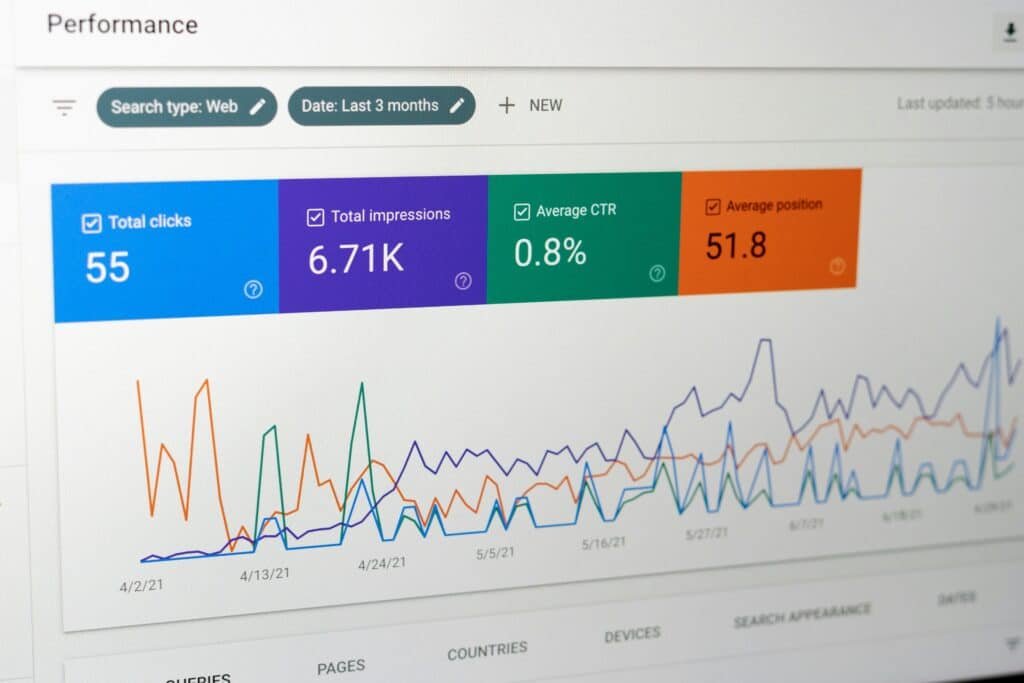
How to Optimize Your Website with Google Search Console

Photo by Justin Morgan on Unsplash

Introduction to Google Search Console

Google Search Console is an indispensable tool for webmasters, SEO professionals, and website owners aiming to enhance their online presence. This free service, provided by Google, allows users to monitor and manage their website’s performance in Google’s search results. Understanding the functionality of Google Search Console is crucial for anyone looking to improve their website’s visibility and traffic.

At its core, Google Search Console acts as a bridge between Google and website owners, providing essential insights into how a website is interpreted by the search engine. Users can analyze various performance metrics, including search traffic, indexing status, and potential issues affecting their site. This tool enables webmasters to ascertain how their website appears in search results, offering valuable feedback that can inform optimization strategies.

One of the key features of Google Search Console is its ability to track website performance over time. By examining critical data points such as click-through rates, impressions, and average rankings for specified keywords, webmasters can assess the effectiveness of their SEO efforts. Furthermore, the platform highlights any errors encountered while seeking to index the site, which can directly impact search visibility. Addressing these issues promptly can play a significant role in maintaining a healthy website ecosystem.

Additionally, Google Search Console allows users to submit sitemaps, aiding Google in understanding the structure of a website and enabling more efficient crawling. The tool also provides data on user experience, alerting webmasters to mobile usability issues and other factors influencing site performance. By leveraging the insights offered by Google Search Console, webmasters can make informed decisions to boost their site’s health, visibility, and overall search performance.

How to Set Up Google Search Console

Setting up Google Search Console is a crucial step for webmasters and SEO specialists aiming to enhance their website’s visibility and performance. The process begins by creating a Google account if you do not already possess one. This account will be used to manage various Google services, including Google Search Console. Once you have your account, navigate to the Google Search Console homepage.

Upon landing on the homepage, the next step is to add a property, which refers to the website you want to monitor. Click on the ‘Add Property’ button, which will prompt you to enter your website’s URL. It is essential to ensure that the URL you provide matches the exact version of your site you use, including the HTTPS protocol if applicable.

After entering your website URL, Google requires verification to confirm that you are the rightful owner of the property. Google Search Console offers several verification methods to streamline this process. The HTML file upload method involves downloading a verification file and uploading it to the root directory of your website. Alternatively, you can choose the meta tag method, where Google provides a unique tag to insert into the head section of your homepage.

If your website already utilizes Google Analytics, you can opt for the Google Analytics method for verification, which simplifies the process further if you have the correct permissions set in your account. Each verification method has its benefits, so choose the one that best suits your website management practices. Once verified, you will gain access to an array of tools and reports in Google Search Console vital for monitoring your website’s search performance and overall health.

Understanding Your Dashboard

The Google Search Console (GSC) dashboard serves as a crucial tool for website owners and digital marketers, providing essential insights into a site’s performance in Google search results. Upon accessing the GSC, users are greeted with a user-friendly interface designed to offer an overview of vital metrics and alerts for their website. This section will guide you through the primary components of the dashboard, ensuring effective navigation.

At the top of the dashboard, the performance report is prominently featured, revealing key statistics such as total clicks, impressions, average position, and click-through rate (CTR). These metrics allow users to gain immediate insight into how their website is performing on search engines. A graphical representation of performance trends over time is available, making it easier to identify fluctuations and seasonal variations that may affect site visibility.

Below the performance section, the coverage report highlights any indexing issues, presenting information on URLs that are successfully indexed, as well as those that encountered errors or warnings. This area is crucial for identifying pages that may not be appearing in search results due to technical issues, such as server errors or redirects. Users should pay close attention to these details, as resolving coverage problems can significantly improve a website’s performance.

Another essential component of the dashboard pertains to enhancements, which include opportunities to improve user experience and visibility. This section provides insights into mobile usability, Core Web Vitals, and structured data, essential elements in optimizing a website for both search engines and visitors. Effectively utilizing these components ensures that your website is not only visible but also provides a valuable experience for users.

By familiarizing yourself with the layout and primary components of the Google Search Console dashboard, you can navigate this invaluable platform more effectively, which is key to maximizing your website’s potential in search engine results.

Interpreting Performance Data

The Performance Report in Google Search Console is an invaluable tool for understanding how your website is performing in Google search results. This report provides key metrics that can help you assess the effectiveness of your search engine optimization (SEO) efforts. The core metrics include clicks, impressions, click-through rate (CTR), and average position. By analyzing these metrics, you can gain insights into both the visibility of your website and user engagement.

Clicks represent the number of times users have visited your site from search results. This metric is crucial as it indicates the effectiveness of your content in attracting visitors. Impressions, on the other hand, reflect the number of times your website’s links appeared in the search results, regardless of whether users clicked on them. By comparing clicks to impressions, you can calculate the CTR, which is a vital metric that shows the percentage of users that clicked your link after seeing it. A low CTR could suggest that your title or meta description needs to be more engaging or relevant to the search queries.

The average position metric indicates where your website ranks on average for queries. A higher position (closer to 1) typically correlates with better visibility and higher click-through rates. However, understanding trends over time is also essential. By examining the performance data over various timeframes, you can identify patterns that correlate with changes made to your website or shifts in search behavior. This analysis can reveal opportunities for improving your website’s performance, helping you implement optimizations to enhance visibility and user engagement.

In conclusion, effectively interpreting the performance data in Google Search Console is crucial for understanding your site’s performance in search results. By focusing on clicks, impressions, CTR, and average position, along with analyzing trends, you can identify actionable insights that drive better optimization outcomes.

Exploring Coverage Reports

Coverage reports in Google Search Console are essential tools that provide website owners with a comprehensive overview of how their pages are indexed by Google. These reports categorize page status into four main types: errors, valid with warnings, valid, and excluded. Understanding these classifications is crucial for troubleshooting issues related to your website’s visibility in search results.

When a page is marked with an error, it indicates a significant issue that prevents the page from being indexed. Common examples include server errors or issues related to redirects. It is vital to address these promptly, as errors not only hinder visibility but can also negatively impact user experience. By analyzing the specific error code and following Google’s provided guidance, website owners can often resolve these issues effectively.

Pages that are valid with warnings are indexed but may contain issues that could impact performance. These warnings could involve mobile usability problems or issues with structured data. While these pages are visible in search results, addressing the warnings is advisable to enhance user experience and ensure full optimization for search engines.

Valid pages, which are successfully indexed without any issues, indicate that the content is accessible and ready for visibility in search results. Maintaining a high number of valid pages is crucial for SEO success, and regular monitoring of these reports helps assure that the site remains search-friendly.

Finally, excluded pages are those that Google has intentionally not indexed. This may be due to a variety of reasons such as a ‘noindex’ directive or because the content is deemed duplicate or low-quality. Identifying and understanding why pages are excluded can inform content strategy and help in optimizing future pages for inclusion.

Overall, navigating the coverage reports in Google Search Console allows website owners to track the health of their site, identifying and resolving issues promptly to enhance their online visibility.

Understanding Enhancements and Mobile Usability

The Enhancements tab in Google Search Console serves as a crucial tool for webmasters aiming to optimize their websites for better performance and user engagement. This section will delve into specific features under this tab, notably, Accelerated Mobile Pages (AMP) and mobile usability. Both attributes are instrumental not only for improving the user experience but also for enhancing search rankings.

Accelerated Mobile Pages (AMP) is a framework designed to create fast-loading mobile pages. Given the increasing reliance on mobile devices for browsing, implementing AMP can significantly reduce loading times, thus minimizing bounce rates. The user expects quick access to content; delayed load times can lead to frustration, ultimately affecting user retention. Moreover, a well-optimized AMP implementation can positively impact search engine rankings, as Google favors pages that load quickly and deliver a seamless browsing experience.

Mobile usability extends beyond mere load times. This feature assesses how user-friendly a website is on mobile devices. Factors such as text size, button spacing, and viewport configuration play vital roles in determining mobile usability. A website that is challenging to navigate or read on a mobile device can dissuade users from visiting, leading to diminished traffic and lower search rankings. Utilizing the mobile usability report provided in Google Search Console offers valuable insights into areas that require improvement.

Incorporating both AMP and mobile usability strategies not only assists in creating a smoother experience for users but also aligns with Google’s ongoing commitment to prioritize mobile-friendly sites in its search results. Understanding and leveraging these enhancements allows website owners to stay competitive in an increasingly mobile-centric digital landscape.

Using the URL Inspection Tool

The URL Inspection Tool in Google Search Console is a powerful resource that allows webmasters to analyze individual URLs of their website. This tool provides insights into how Google indexes a specific page, making it an essential feature for troubleshooting issues related to indexing and visibility. By entering a URL from your site into the tool, users can obtain critical data, including the current indexing status, any potential errors that may prevent proper indexing, and the last time Google crawled the page.

To utilize the URL Inspection Tool, access Google Search Console and navigate to the ‘URL Inspection’ feature located in the left-hand menu. Upon entering the desired URL, the tool performs a comprehensive check and displays essential information. Any indexing issues, such as crawl errors or problems related to mobile usability, will be highlighted, providing a clear understanding of the issues at hand.

Moreover, the tool grants insights into how Google perceives the page’s content. For instance, it indicates whether a page is indexed, whether it has any associated rich results, and the canonical version recognized by Google. This information is invaluable for webmasters aiming to enhance their website’s performance in search results. Understanding the ways in which Google views individual pages can help in optimizing them for better indexing.

Furthermore, the URL Inspection Tool allows users to request re-indexing. If changes have been made to a page, or if an issue has been resolved, webmasters can utilize this feature to prompt Google to recrawl the URL. This ability to rectify problems quickly and efficiently makes the tool indispensable for maintaining optimal site performance and visibility in search engine results.

Setting Up and Monitoring Alerts

Setting up alerts in Google Search Console is a fundamental step for any website owner who aims to maintain optimal site performance and ensure a healthy online presence. By configuring alerts for critical issues, such as indexing errors and security problems, you can proactively identify and address any concerns before they escalate into significant challenges. This proactive approach not only enhances user experience but also supports your site’s ranking in search engines.

To initiate the alert setup, log in to your Google Search Console account. Once in the dashboard, navigate to the “Settings” tab located at the bottom left corner of the screen. Here, you will find the “Notifications” option. Google Search Console allows you to receive notifications via email, ensuring you are promptly informed about any alerts relevant to your website.

When you set the alerts, focus on the types of issues critical to your site’s integrity. Indexing errors indicate that Google is having trouble accessing certain pages, which could hinder your site’s visibility in search results. By receiving real-time notifications on these errors, you can quickly initiate corrective actions, such as optimizing your sitemap or resolving server issues.

Moreover, security issues represent a significant risk to your website, as they can lead to data breaches and loss of user trust. By integrating security alerts into your monitoring setup, you can be notified of any potential hacking attempts or malware vulnerabilities. These timely updates facilitate swift action, enabling you to safeguard your website effectively.

In conclusion, configuring alerts in Google Search Console is not merely a technical task but a strategic aspect of website management. By staying informed of critical issues as they arise, you maintain control over your online presence, ensuring that your website remains both functional and secure. Embrace this proactive measure to bolster your website’s performance and user experience over time.

Conclusion and Next Steps

In concluding our discussion on leveraging Google Search Console, it is essential to highlight the critical role it plays in optimizing your website. Throughout this guide, we have explored various features of the platform, including performance tracking, index coverage, and the importance of keyword analysis. Each of these elements provides valuable insights that are vital for managing a successful digital presence. Understanding these features allows website owners and digital marketers to pinpoint areas needing improvement and capitalize on opportunities for growth.

Consistency in utilizing Google Search Console is key for ongoing website optimization. Regularly monitoring the performance metrics helps ensure that your website remains aligned with the latest SEO practices and search engine algorithms. By interpreting the results effectively, you can make informed decisions that enhance user experience and ultimately improve search rankings. The data provided through the console serves as a guide for structured adjustments that will keep your website competitive in a constantly evolving digital landscape.

Moreover, digital marketing is inherently dynamic; techniques and strategies that work well today may not yield the same results in the future. Thus, relying solely on initial analyses without regular check-ins could diminish your online presence. Leveraging Google Search Console continuously will provide you with current information, enabling you to make timely updates to your SEO strategies. As you move forward, invest time in familiarizing yourself with the tools available in Google Search Console and incorporate their findings into your digital marketing strategies. This proactive approach will significantly enhance your website’s performance and enhance its visibility among search engine users.

How to Understand Public and Private Domain

Image by Markus Winkler from Pixabay

Introduction to Public and Private Domains

The concepts of public and private domains play a crucial role in understanding intellectual property and the rights associated with creative works. Public domain refers to a collection of creative works that are free for use by anyone, without restriction. These works are no longer protected by copyright or never were, allowing for unimpeded distribution, adaptation, and reproduction by the general public. This may include ancient literature, historical documents, and other artistic expressions that have entered the public domain through the expiration of copyright or have been deliberately placed there by their creators.

In contrast, the private domain encompasses works that are protected by intellectual property laws, including copyright, trademarks, and patents. Therefore, these works are the exclusive property of their creators or owners, who retain the rights to control how the work is used, modified, and distributed. The private domain serves to incentivize creativity and innovation by ensuring that creators can benefit financially and reputationally from their endeavors. It is characterized by the legal protections that deflect unauthorized reproduction or distribution, thus offering a framework to safeguard intellectual assets.

Understanding the distinctions and relationships between public and private domains is essential for anyone engaged in the creation, sharing, or use of intellectual property. While public domain works can inspire new creations or serve as collaborative resources, private domain projects demand a more cautious approach, necessitating permissions and licenses for lawful use. The coexistence of both domains underscores the importance of respecting copyright laws while also fostering the growth of accessible knowledge and culture through the proliferation of public domain resources. An appreciation of these concepts will aid individuals in making informed decisions regarding the utilization of creative works.

Understanding the Public Domain

The public domain refers to a space where creative works are free from copyright restrictions, allowing anyone to use, adapt, and share them without seeking permission or incurring costs. This concept plays a crucial role in the creative ecosystem, encouraging cultural exchange and innovation. Works enter the public domain through various means, such as the expiration of copyright protection, the creator’s decision to forgo their rights, or when a work is never subject to copyright due to its nature, like government publications in some jurisdictions.

Understanding how works transition into the public domain is essential for creators and the public alike. Copyright laws typically grant protection for a limited duration, often extending many years, after which works automatically enter the public domain. For instance, in the United States, most works published before 1924 are currently in the public domain. This legacy of history enables artists, educators, and businesses to draw inspiration and repurpose these invaluable cultural assets without legal hindrances.

The implications of the public domain are vast. For creators, access to these works means they can incorporate and build upon earlier ideas freely, ideally leading to new expressions and innovations. Additionally, the public domain supports the sharing of knowledge; for instance, educators utilize public domain texts and resources in teaching curricula, enhancing learning opportunities without financial constraints. In terms of examples, classic literature such as “Pride and Prejudice” by Jane Austen, as well as songs like “Happy Birthday to You,” are examples of works housed in the public domain. Their accessibility fosters a vibrant creative landscape where societal growth and cultural discussions flourish. Overall, the public domain not only enriches artistic expression but also empowers society through free access to shared knowledge.

Exploring the Private Domain

The private domain refers to the realm of creative works that are owned and controlled by individuals or entities. Unlike the public domain, where works are freely accessible to the general public, the private domain is characterized by exclusive rights granted to creators. Ownership in the private domain allows creators to dictate how their works are used, distributed, and altered, establishing a framework that protects their intellectual property rights.

One of the primary distinctions of the private domain is the concept of control over a creator’s work. When a creator retains ownership, they can implement restrictions that dictate the terms of use for their creations. This could range from prohibiting reproduction and distribution without permission to licensing works for specific purposes. Control is a significant aspect, as it empowers creators to monetize their works and ensures they receive recognition for their contributions.

Furthermore, private ownership leads to implications beyond mere control. It fosters innovation by encouraging creators to develop new ideas and expressions, knowing they can protect them from unauthorized exploitation. This legal framework promotes investment in creative endeavors by providing financial incentive, knowing that their creations will not be easily copied or abused. Consequently, the private domain serves as a critical component of the creative economy, allowing for a diverse array of artistic expressions while safeguarding the rights of creators.

In the private domain, creators must also navigate restrictions imposed by copyright laws, which may vary from one jurisdiction to another. These laws delineate the duration of protection, the scope of rights, and the processes for enforcing those rights. As such, understanding the private domain necessitates an appreciation for the legal instruments that underpin the rights and responsibilities creators face in managing their works. This specialized knowledge ultimately informs how creative industries operate within a landscape where ownership and control are pivotal.

The legal frameworks governing public and private domains are essential in understanding the operational dynamics of creative works. Public domain refers to works that are not protected by intellectual property laws, thus available for free use by anyone. In contrast, private domain encompasses works that are protected under various laws, primarily copyright. These laws dictate the rights of creators, dictate how works can be used, and outline the consequences of infringement.

At the national level, copyright law serves as a primary mechanism to protect the interests of creators. For instance, in the United States, the Copyright Act of 1976 serves as the foundation for copyright protection, establishing the duration and scope of rights granted to authors and artists. Similar frameworks exist in other countries, such as the Copyright, Designs and Patents Act in the United Kingdom, which delineates the parameters for usage of creative expressions. These legal protections often encompass a range of creative works, including literature, music, and visual art, ensuring that creators retain ownership and control over their productions.

On an international scale, treaties such as the Berne Convention and the Agreement on Trade-Related Aspects of Intellectual Property Rights (TRIPS) provide guidelines for member countries to harmonize their copyright laws. These treaties aim to protect creators’ rights across borders, enhancing the global landscape of intellectual property. In doing so, they facilitate an understanding of the balance between protecting individual creators in the private domain and allowing the public access to works in the public domain.

Thus, the legal frameworks governing public and private domains not only address copyright issues on a national level but also enable international cooperation in protecting creative works. Understanding these frameworks is crucial for both creators and consumers to navigate the intricate landscape of intellectual property.

Case Studies: Successes in the Public Domain

The public domain offers a wealth of creative possibilities, providing artists, writers, and innovators the freedom to transform and remix works without the constraints of copyright. Numerous notable examples illustrate the triumphant utilization of public domain materials in various creative projects, showcasing its advantages in fostering innovation.

One of the most celebrated instances is the adaptation of classic literature, such as the works of William Shakespeare. Numerous filmmakers and playwrights have reimagined his timeless plays, breathing new life into stories like “Romeo and Juliet.” Contemporary adaptations explore diverse themes and settings, enabling creators to craft innovative narratives that resonate with modern audiences. These adaptations underscore the fluidity and accessibility of public domain literature, demonstrating how older works can inspire vibrant, new interpretations.

Another significant case is the rise of public domain films, particularly in the realm of animation and digital media. Projects like “The Public Domain Review” have curated and shared a plethora of old films, allowing modern animators and digital artists to repurpose and remix these visual assets. One such success story is the animated short “Koko’s Dream,” which creatively utilizes silent film techniques to engage audiences, illustrating how traditional cinema can influence contemporary art forms through public domain resources.

Moreover, musicians frequently tap into public domain music to create fresh compositions. A notable example includes the incorporation of classical compositions by Beethoven into modern soundtracks, which not only pays homage to the original works but also provides a strong foundation for innovation. This practice reflects the ongoing impact of public domain materials across various artistic disciplines, reinforcing the notion that creativity thrives when creators can freely access a shared cultural heritage.

Case Studies: Challenges in the Private Domain

The realm of the private domain is fraught with challenges that often stifle creativity and innovation due to stringent copyright regulations. For instance, the case of the famous artist Shepard Fairey and his “Hope” poster illustrates the complexities surrounding copyright disputes. Fairey used an image of Barack Obama that he adapted without permission from a photographer. This led to a legal battle, highlighting how creators may inadvertently infringe on copyright while attempting to express their ideas. The ensuing lawsuit showcased the heavy burden that copyright laws can impose on artists, often leading to self-censorship and a chilling effect on creative expression.

Another relevant example is the music industry, where artists frequently grapple with licensing issues. The case of Robin Thicke’s “Blurred Lines” demonstrates the intricate web of claims that can arise from music borrowing and sampling. After being found liable for copyright infringement against Marvin Gaye’s estate, Thicke faced significant financial repercussions. This incident sparked widespread debate about the boundaries of inspiration versus theft in musical creativity, revealing how stringent copyright can hinder artistic freedom and experimentation.

Moreover, the tech industry encounters similar hurdles, as seen in Apple’s legal disputes over software patents. The ongoing battle between Apple and Samsung emphasizes the challenges of exclusive rights, with both companies engaging in lawsuits that consume substantial resources and divert focus from innovation. These disputes raise questions about whether enforcing exclusive rights serves the interests of creativity or merely entrenches corporate power, often sidelining smaller innovators.

These case studies encapsulate the multifaceted challenges creators in the private domain face, underscoring the tension between protecting intellectual property and fostering a vibrant creative landscape.

Finding Your Space: When to Choose Public or Private Domain

When embarking on creative projects, understanding whether to utilize public or private domain content is crucial. This decision is influenced by various factors, including intended use, target audience, and legal considerations. Public domain content, consisting of works whose copyrights have expired or works created by the government, is accessible to anyone for use without the need for permission or licensing fees. Such content can be highly beneficial for projects requiring a broad scope of materials, such as educational resources, creative adaptations, or research initiatives.

On the other hand, private domain content entails works still protected under copyright law, requiring permission from the creator or rights holder. When opting for private domain content, it is essential to evaluate how the material aligns with your project’s goals and the degree to which it resonates with your audience. For instance, if you are developing specialized content targeting a niche audience, most relevant private domain works may offer a level of quality or authority that public domain options lack.

Additionally, legal considerations play a key role in your choice. It is vital to be aware of copyright laws that differ by jurisdiction and how they may impact the use of private domain content. Always ensure that you have secured the necessary rights and licensing agreements to avoid potential legal complications. Furthermore, consider the ethical implications of your selection, as utilizing private domain content responsibly reflects professionalism and respect for creators.

In conclusion, the decision to choose between public and private domain content hinges on your project’s specific requirements. By thoughtfully assessing the intended use, audience, and legal ramifications, you can navigate these creative landscapes effectively, ensuring your work is both lawful and impactful.

The landscapes of public and private domains are continuously evolving, shaped by technological advancements, societal shifts, and the emergence of new platforms for content creation and sharing. One major trend is the increasing influence of social media as a dominant force in determining content ownership. As users curate and share content across various platforms, questions arise regarding the original ownership of creative works. Intellectual property laws are struggling to keep pace with these rapid changes, prompting discussions around revising frameworks to accommodate digital realities.

Additionally, the rise of open-source movements is fostering a culture of sharing that contrasts sharply with traditional notions of copyright and ownership. More creators and developers are opting for open licenses, allowing others to use, modify, and distribute their work. This shift not only challenges conventional views on creative ownership but also promotes collaboration and community-driven innovation. As a result, many industries are witnessing a blend of proprietary and open approaches, leading to hybrid models that prioritize both creator rights and public access.

Moreover, advancements in technology, such as blockchain, have the potential to revolutionize the landscape of content ownership. By providing a decentralized record-keeping system, blockchain can transparently document the origins of creative works and clarify ownership rights. This technology could empower creators to maintain control over their intellectual property while still facilitating sharing and collaboration. As this digital transformation continues, it will likely shape the future of creative expression, prompting a deeper examination of ownership and ethical considerations in the context of public versus private domains.

In conclusion, the evolving perspectives on ownership and sharing will have far-reaching implications for creators and consumers alike. As society becomes more interconnected, the dialogue surrounding public and private domains must adapt, ensuring that both individual rights and collective contributions are acknowledged and respected.

Conclusion: Finding Balance in Creative Practices

Navigating the intricate landscapes of public and private domains is essential for creators, consumers, and policymakers alike. Understanding the distinctions between these two realms is crucial for fostering a culture that values both innovation and respect for intellectual property rights. The public domain offers a rich reservoir of creative works that can inspire and inform new creations, while the private domain safeguards the rights of individual creators to control and profit from their intellectual labor.

For creators, awareness of how their works fit into these domains can guide their decisions in sharing and repurposing content. Utilizing materials from the public domain allows for diverse creativity and collaboration, as these works can be freely adapted and transformed. However, creators must also be mindful of the limitations imposed by private rights, which protect against unauthorized use. This balance is vital to maintaining both the integrity of individual contributions and the spirit of collective cultural evolution.

Consumers play a critical role in this ecosystem as well. Knowledge of public and private domain distinctions empowers them to engage with creative content responsibly. By recognizing the value of protecting creator rights, consumers can cultivate a more equitable environment that encourages artists and innovators to thrive. Furthermore, policymakers can facilitate this balance by crafting legislation that not only protects intellectual property but also promotes access to public domain works. Ensuring that these systems coexist harmoniously fosters a vibrant creative landscape that benefits everyone involved.

In this context, finding equilibrium is paramount. Respecting the rights of creators while embracing the possibilities offered by public domain works can result in a thriving culture of creativity that inspires future generations. By working together, creators, consumers, and policymakers can create a sustainable framework that honors both individual contributions and collective heritage.

Free Domain Authority Checkers: A Comparative Analysis

Image by Dennis Maldonado from  Pixabay

Introduction to Domain Authority

Domain Authority (DA), a metric established by Moz, assesses the likelihood of a website ranking on search engine result pages (SERPs). It is measured on a scale from one to one hundred, with higher scores indicating a greater ability to rank. DA is calculated by evaluating various factors, including the number and quality of inbound links, the age of the website, and the overall website quality, making it a significant aspect of Search Engine Optimization (SEO).

Understanding Domain Authority is crucial for digital marketers and website owners alike, as it provides insight into how competitive a website may be in its niche. Websites with high DA scores are generally more trustworthy to search engines, thereby gaining better visibility and more organic traffic. Consequently, businesses and individuals striving to enhance their online presence should keep a close eye on their DA, as it directly influences their SEO strategy.

In the context of SEO, Domain Authority works hand-in-hand with other metrics such as Page Authority (PA) and various backlink analysis tools. These metrics help webmasters identify areas of improvement in their SEO efforts and adjust accordingly. For instance, if a site exhibits a low DA, it may indicate that the site requires an improved backlink strategy or higher-quality content that can attract organic links. This directly links DA to the broader aspects of a comprehensive SEO strategy, forming a foundational understanding for further optimization.

The concept of Domain Authority is not static; it can fluctuate based on changes in the competitive landscape and algorithm updates from search engines. Tools that provide free Domain Authority checkers can assist users in tracking these changes over time, thereby refining their digital marketing efforts. A deeper knowledge of what DA encompasses is essential for anyone looking to improve their website’s performance in search engine rankings.

How Domain Authority is Calculated

Domain Authority (DA) is a ranking score established by Moz, designed to predict a website’s effectiveness in achieving high positions on search engine result pages (SERPs). The scoring system operates on a scale from 1 to 100, with higher scores indicating an increased likelihood of strong performance in search results. The calculation of Domain Authority is based on various factors and algorithms that collectively assess the strength and credibility of a domain.

One of the primary components of DA is the quality of backlinks a site receives. Backlinks play a crucial role in determining a website’s authority, as they serve as endorsements from other domains. The more high-quality, relevant links pointing to a site, the higher its potential DA. However, not all links are created equal; links from reputable sources carry more weight than those from lesser-known or low-quality websites.

Trustworthiness is another key factor in the calculation of Domain Authority. Moz uses a range of metrics to evaluate trust, including the age of the domain, the prevalence of spam in the backlink profile, and the overall reputation of linking domains. These factors help ascertain whether a website is a reliable source of information, influencing its DA score significantly.

Additionally, Moz employs a machine learning algorithm that analyzes a multitude of sites to determine how certain factors correlate with SERP rankings. This algorithm is designed to adjust continuously based on the evolving landscape of the web. Metrics like the number of linking root domains and the total number of links are included in the assessment, further refining the accuracy of the DA score. By understanding these elements, webmasters can make more informed decisions when aiming to enhance their Domain Authority and ultimately improve their visibility in search results.

What Constitutes a Good Domain Authority Score?

Domain Authority (DA) is a vital metric in the realm of Search Engine Optimization (SEO) that influences how a website is perceived by search engines. The score ranges from 1 to 100, allowing for a comprehensive analysis of a domain’s credibility and rank potential. Understanding what constitutes a good Domain Authority score is essential for webmasters and digital marketers seeking to enhance their online presence.

A DA score of 1 signifies a practically nonexistent presence, usually indicative of new or low-quality websites. Conversely, a score approaching 100 indicates an exceptionally strong website, often belonging to highly reputable brands or organizations that dominate in their respective industries. Generally, scores are categorized into ranges: low (1-30), medium (31-70), and high (71-100). Low scores highlight a need for improvement, while medium scores suggest a decent standing in search engine rankings.

The expectation of a good Domain Authority score varies significantly by industry. For instance, while a score of 40 might be considered respectable in a highly competitive niche like finance, it may be deemed insufficient in a less saturated area such as a local blog. Websites within competitive markets often see DA scores above 50 as beneficial, while those scoring above 60 are typically perceived as authoritative.

It is important to note that a good DA score is not merely a number; it reflects the overall SEO health of the website. Achieving an optimal score involves consistent efforts in building quality backlinks, enhancing content, and engaging users. Consequently, while a high Domain Authority is advantageous, it should not be the sole focus; continuous improvement in various SEO aspects is crucial for sustained visibility and competitiveness in search engine results.

The Role of Domain Authority in SEO

Domain Authority (DA) plays a pivotal role in the realm of search engine optimization (SEO) by serving as an indicative metric for a website’s credibility and potential ranking ability on search engine results pages (SERPs). This score, which typically ranges from 1 to 100, is determined by various factors, including the number and quality of inbound links, overall website content, and user engagement. Websites with a high Domain Authority are more likely to achieve greater visibility, making it essential for digital marketing strategies.

Improving your website’s Domain Authority can lead to increased traffic from search engines. A greater DA score generally correlates with a higher likelihood of ranking on the first page of search results, thereby attracting more visitors. This heightened visibility not only increases traffic but also enhances brand awareness and establishes authority in a specific niche. In other words, a strong DA serves as a compass guiding potential customers to your website among myriad competitors.

Furthermore, the implications of a high Domain Authority extend to conversion rates. When your site appears prominently on search engines, it cultivates trust among users. As potential customers encounter your website repeatedly in results, they are more likely to perceive your brand as reliable and credible. This credibility encourages higher engagement rates, leading to improved conversions whether through sales, sign-ups, or other defined actions. Therefore, optimizing for Domain Authority is integral not just for attracting traffic but also for nurturing user trust and driving genuine interaction with your audience.

In the broader context of digital marketing, focusing on improving Domain Authority helps in aligning your efforts with search engine algorithms. As these algorithms shift and evolve, maintaining a strong DA ensures your website adapts, remains relevant, and continues to engage users effectively. This strategic importance highlights that Domain Authority is not merely a number, but a crucial element for overarching SEO success.

Free Domain Authority Checkers: Overview

Free Domain Authority checkers are essential tools that help website owners and marketers assess the strength and credibility of their web domains. Developed by Moz, Domain Authority (DA) serves as a metric that forecasts the ranking capability of a website on search engine result pages (SERPs). Websites with a higher DA score are generally perceived as more reputable and trustworthy, significantly influencing their visibility and traffic potential. Utilizing free Domain Authority checkers allows users to efficiently gauge their site’s performance against competitors and identify areas for improvement.

The primary purpose of these checkers is to provide an accessible means for individuals and businesses to measure their online presence without incurring significant costs. This makes them particularly beneficial for small business owners, freelancers, and anyone looking to enhance their online marketing strategies. By leveraging these tools, users can gain insights into their website’s authority, as well as track changes over time, thus enabling them to make informed decisions about their digital marketing efforts.

Functionality is a crucial aspect of these free checkers; they typically require users to enter their website URL and, in seconds, deliver a report detailing the DA score along with additional metrics, such as spam score, backlinks, and overall website health. The ease of use and straightforward interface of these tools make them accessible for users of all technical skill levels, meaning that website owners can quickly understand their performance metrics and take actionable steps toward improvement.

In conclusion, free Domain Authority checkers are invaluable resources for website owners and marketers alike, providing critical insights into domain strength while remaining budget-friendly and user-oriented. Through their functionality, these tools empower users to enhance their online presence strategically.

Top Free Domain Authority Checkers Available

As the importance of Domain Authority (DA) in search engine optimization continues to grow, several free tools have emerged to assist webmasters and marketers in assessing this crucial metric. Here is a comprehensive list of notable free Domain Authority checkers, each evaluated for usability, features, and additional functionalities.

One of the most well-known tools is Moz’s Link Explorer. While it offers a suite of SEO metrics, its Domain Authority score is easily accessible and provides valuable insights into how a site compares within its niche. The user-friendly interface allows users to analyze backlinks and discover referring domains, making it a versatile option for many.

Another recommended tool is Ahrefs’ Domain Rating Checker. Although Ahrefs primarily operates as a paid service, it provides limited free access to its DA metrics and an array of important SEO data. Users can explore backlinks and organic search traffic information, enabling a comprehensive understanding of their domain’s positioning.

SEMrush also provides a handy Domain Authority checker as part of its extensive toolkit. Users can utilize its free trial to access various SEO metrics, including Domain Authority. Their tool generates a detailed overview of a domain’s standing in terms of backlinks, organic traffic, and potential keyword rankings, offering users a holistic view of their online performance.

Lastly, Small SEO Tools offers an easy-to-use free Domain Authority checker that allows users to analyze their websites quickly. With a straightforward input method, users receive instant results with a clear DA score, along with additional data on backlinks and keywords, making it an excellent choice for those looking for simplicity.

These free Domain Authority checkers enable webmasters and marketers to analyze their site’s performance and competitors effectively. By utilizing these tools, users can make informed decisions that improve their overall digital strategy.

How to Effectively Use Domain Authority Tools

Using Domain Authority (DA) tools is a strategic way to assess the strength of a website in relation to its competitors and to gauge its potential for ranking on search engines. To begin, ascertain a reliable Domain Authority checker, such as Moz, Ahrefs, or SEMrush. These tools provide an indicative score that ranges from 1 to 100, allowing users to measure their site’s likelihood of obtaining favorable search engine results. Begin by entering the URL you wish to evaluate; the tool will quickly calculate the domain’s authority based on numerous factors, including linking root domains and the quality of backlinks.

Once you have generated the results, it’s vital to interpret the data correctly. A higher DA score suggests that the domain has a more authoritative presence on the internet, but this should not be viewed in isolation. Always consider the context of your specific niche, as the average DA score can vary based on industry competitiveness. For example, a DA of 30 may be strong in a less competitive industry, while in a larger market, it may require further improvement. Therefore, consider comparing your DA scores against those of your competitors to identify where you stand.

After evaluating your Domain Authority, strategize your SEO efforts accordingly. If your DA score is lower than expected, it might be time to refine your link-building approach or to enhance the quality of your content. Focus on acquiring high-quality backlinks from authoritative sites, as they can significantly influence your own domain authority. Additionally, consistently monitor your score over time and analyze changes in relation to your ongoing SEO strategies. By effectively utilizing Domain Authority tools and leveraging those insights, you can make informed decisions to improve your site’s visibility and search performance.

Improving Your Domain Authority Score

Improving your Domain Authority (DA) score is essential for increasing your website’s visibility and fostering organic traffic growth. A higher DA can enhance your chances of ranking better in search engine results pages (SERPs). Implementing actionable strategies is crucial for achieving this objective. A primary focus should be on link-building, which plays a pivotal role in establishing authority. High-quality backlinks from reputable websites signal credibility and trustworthiness to search engines. Engaging in guest blogging, creating shareable content, and establishing partnerships with other sites can help improve your link profile significantly.

In addition to link-building, enhancing content quality is paramount. Content should be informative, engaging, and tailored to meet the needs of your target audience. Regularly updating your blog with fresh, original articles can position your site as a valuable resource within your niche. Employing various formats such as videos, infographics, and podcasts can further enhance user engagement and time spent on the site, both of which positively influence your DA.

Website optimization is another critical area to address. Ensure that your site is mobile-friendly, as more users access the internet via mobile devices. A fast-loading and easily navigable site improves user experience and encourages visitors to stay longer, which can lead to higher rankings. Furthermore, optimizing on-page elements like meta tags, headers, and image alt texts should not be overlooked. These practices improve both user experience and search engine indexing.

Additionally, maintaining a strong presence on social media platforms allows you to broaden your reach and potentially acquire more backlinks. Sharing valuable content on these platforms encourages engagement and helps in establishing relationships with influencers in your domain. By implementing these best practices in link-building, content quality enhancement, and overall website optimization, you can effectively boost your Domain Authority score over time.

Conclusion and Final Thoughts

In summary, understanding Domain Authority (DA) is essential for anyone looking to enhance their online presence. DA serves as a valuable metric that predicts how well a website will rank on search engine results pages. It is influenced by a variety of factors, including link building, content quality, and overall site structure. By monitoring your Domain Authority, you can gain insights into your website’s performance and make informed decisions for improvements.

The role of free Domain Authority checkers cannot be understated. These tools provide users with quick and accessible information about their website’s DA, enabling them to track changes over time and identify strengths and weaknesses in their strategies. Regularly using these free checkers can facilitate better understanding and continuous learning about SEO practices, which is crucial in the fast-evolving digital landscape.

Moreover, enhancing your Domain Authority is not merely a one-off task but an ongoing process that involves consistent effort and strategic planning. Engaging in effective link-building practices, producing high-quality content, and ensuring a seamless user experience are among the vital actions to improve DA. As you adopt these measures, the insights gained from free DA checking tools will guide you in refining your approach, helping to elevate your site’s authority over time.

Ultimately, by recognizing the importance of Domain Authority and utilizing free checking resources, individuals and businesses alike can position themselves for success in digital marketing. This understanding empowers webmasters to establish a solid online footprint, attract more organic traffic, and achieve their broader marketing goals effectively. Take the first steps today and leverage these tools for a more authoritative and competitive online presence.

The Ultimate Guide to Site Indexing: Importance, Processes, and Best Practices

Photo by Brandi Redd on Unsplash

What is Site Indexing?

Site indexing refers to the process by which search engines organize and store information from websites to facilitate quick and efficient retrieval in response to user queries. Essentially, it is an integral part of search engine optimization (SEO) that enables search engines, like Google, to understand the content on various web pages. This understanding allows search engines to return the most relevant results when users conduct searches based on specific keywords or phrases.

The site indexing process begins when search engines deploy automated programs known as web crawlers. These crawlers, also referred to as spiders or bots, traverse the web by following hyperlinks, collecting data from web pages as they go. Once a crawler encounters a site, it scans the HTML elements—including text, images, and links—to gather pertinent information. This collected data is then passed onto the indexing system, where it is analyzed and stored based on various factors, such as relevance and authority.

It is important to distinguish between crawling and indexing, as the terms are often used interchangeably but represent different stages in the search engine process. Crawling is the act of discovering and fetching web pages, while indexing is the subsequent step that includes organizing and storing the retrieved data. Not all pages that are crawled are indexed; if a page is deemed low-quality or irrelevant, it may be crawled but not added to the search engine’s index.

In summary, site indexing is a crucial element that determines how well a website performs in search engine results. A thorough understanding of this process helps website owners optimize their content effectively, ensuring their pages are indexed correctly and can be found by users searching for related topics.

Why is Site Indexing Important?

Site indexing plays a pivotal role in determining a website’s visibility and performance in search engine results. When a site is properly indexed, search engines can efficiently crawl and organize its content, allowing users to find relevant information quickly. This process significantly enhances a website’s search engine ranking, as it assures search engines that the site contains valuable content that deserves attention. Consequently, higher rankings in search results lead to increased organic traffic, which is essential for any online business or platform seeking to expand its reach.

Furthermore, effective site indexing not only boosts the quantity of traffic but also improves overall user experience. A well-indexed site can facilitate easier navigation, helping users locate the information they need without frustration. This usability aspect is crucial, as websites that offer positive experiences are more likely to retain visitors and encourage repeat visits, ultimately contributing to the site’s success.

Conversely, poor indexing can have detrimental effects on a website’s performance. If search engines struggle to index a site’s pages properly, these pages may not appear in search results, leading to reduced visibility. This invisibility can result in missed opportunities for attracting potential customers, adversely impacting traffic and conversions. Additionally, a lack of proper indexing may signal to search engines that the website’s content is of low quality or relevance, further pushing it down in rankings.

In conclusion, the importance of site indexing cannot be overstated. It is a critical component of search engine optimization (SEO) that influences website visibility, traffic acquisition, and overall user experience. By ensuring that a site is well-indexed, website owners can enhance their online presence, drawing in more visitors while fostering positive interactions with content.

How Does Site Indexing Work?

Site indexing is a critical component of search engine functionality, enabling users to find relevant content quickly. The process begins with search engines employing crawling methods to access a website’s pages. Crawlers, commonly known as bots or spiders, systematically browse the web, navigating from link to link. Once they reach a website, these bots analyze the page’s content, structure, and links to determine its relevance and context.

As crawlers explore a site, they collect data about each page, including metadata, keywords, and other visible content. This information is crucial, as it forms the basis of what search engines use to index and rank the pages. In addition to general crawling practices, two vital files significantly influence this process: sitemap.xml and robots.txt.

The sitemap.xml file acts as a blueprint for search engines, providing them with a structured list of URLs within a site. This file helps ensure that crawlers discover all relevant pages, especially in cases where navigation may not be straightforward. By including metadata, such as the last modified date or the page priority, webmasters can further inform search engines about the importance of specific pages, thereby enhancing indexing efficiency.

Conversely, the robots.txt file serves as a directive to search engine crawlers, dictating which pages or sections of the site should not be crawled or indexed. This file is essential for protecting sensitive content and managing resources effectively. Proper usage of the robots.txt file can also prevent crawlers from wasting time on non-essential pages, allowing them to focus on more critical content.

Ultimately, the effective interplay of crawling mechanisms, alongside the sitemaps and robots directives, shapes how well a website is indexed by search engines and, consequently, its visibility in search results.

Common Indexing Issues and How to Fix Them

Effective site indexing is crucial for ensuring that search engines can properly crawl and understand your website. However, several common issues can hinder the indexing process, leading to decreased visibility in search engine results. Identifying and resolving these issues is essential for optimal online presence.

One prevalent problem is duplicate content. Search engines may struggle to differentiate between duplicate pages, which can dilute the effectiveness of indexing and adversely impact rankings. To address this, you can implement canonical tags to indicate the preferred version of a page. Additionally, conducting regular content audits can help identify and rectify duplicate content issues, ensuring that each page offers unique value.

Another common obstacle is the presence of blocked pages. If important pages are inadvertently disallowed in the robots.txt file, they will be inaccessible to search engines, hindering indexing efforts. To resolve this, regularly review your robots.txt file to ensure that essential pages are not blocked. You can also monitor crawl errors via Google Search Console to identify any blocked pages that should be accessible.

Poor site structure can also impact indexing significantly. Pages that are deeply nested or have complicated navigation may not be crawled effectively. A clear and logical structure is vital for helping search engines understand the hierarchy of your content. Implementing a simple URL structure, using breadcrumb navigation, and creating an XML sitemap can enhance your site’s structure, facilitating better indexing.

By proactively addressing these common indexing issues, website owners can improve their site’s visibility and ensure that search engines effectively index their content. Implementing these best practices will lead to higher rankings and increased organic traffic.

Tools and Techniques for Optimizing Site Indexing

Optimizing site indexing is crucial for ensuring that your website is successfully crawled and indexed by search engines. Several tools and techniques are available to assist website owners in improving their site’s visibility and indexing performance. One of the most fundamental tools is Google Search Console, which provides insights into how Googlebot interacts with your site. Users can submit sitemaps, monitor indexing status, and identify potential issues that might hinder proper indexing. It also offers a thorough overview of performance metrics, including which queries drive traffic to your site.

Another prominent tool is Screaming Frog SEO Spider, which is invaluable for conducting website audits. This tool allows users to crawl websites, uncover indexing problems, and analyze metadata. By gathering comprehensive data about URL structures, response codes, and on-page elements, Screaming Frog assists in identifying areas that require optimization to facilitate better indexing by search engines.

Additional tools such as Ahrefs and SEMrush also play a significant role in website indexing. These platforms offer keyword tracking, backlink analysis, and website audit features that can help improve a site’s overall SEO. Their in-depth analysis helps identify issues related to site architecture and content that may be affecting indexing. Furthermore, utilizing XML sitemaps can provide search engines with a clear roadmap of your website’s structure, enhancing the chances of better indexing.

Incorporating proper techniques such as optimizing page load speed, using robots.txt files effectively, and ensuring mobile-friendliness are also critical aspects of site indexing. By employing these tools and techniques, website owners can significantly enhance their site’s indexing performance, ultimately contributing to improved search engine rankings and enhanced online visibility.

The Role of Content in Site Indexing

Content plays a critical role in the site indexing process, serving as the primary element that search engines evaluate to determine a webpage’s relevance and standing within search results. When search engines like Google crawl a website, they focus intensely on the quality and relevance of its content. High-quality content that is well-written, informative, and engaging not only captures user attention but also signals to search engines that the page offers value to its visitors.

The relevance of content is gauged through various factors such as keyword usage, contextual understanding, and overall coherence. Keywords are particularly important, as they are the terms that users input into search engines. Integrating relevant keywords naturally into the content enables search engines to understand the focus of a webpage, allowing them to index the content appropriately. However, it is essential to avoid keyword stuffing, which can result in penalties from search engines and diminish the user experience.

In addition to quality and relevance, freshness of content is another vital component in the indexing framework. Search engines favor updated content, viewing it as a signal that a website is active, pertinent, and a reliable source of information. Regularly refreshing content, whether through blog posts, articles, or product descriptions, enhances the likelihood of improved indexing and can elevate a site’s position in search engine rankings.

It’s crucial for website owners and content creators to prioritize the development of relevant, high-quality content. By focusing on the essential aspects of content, such as relevance to user queries, well-structured information, and timely updates, websites can enhance their chances of being indexed effectively and achieving higher visibility in search engine results.

In an era where mobile usage continues to rise, Google has fully embraced the necessity of mobile indexing, implementing a mobile-first indexing approach. This means that Google predominantly uses the mobile version of a website’s content to determine its rankings and relevance. For website owners and digital marketers, understanding mobile indexing is crucial for ensuring visibility in search results. Failure to optimize for mobile can lead to significant drops in organic traffic, as Google prioritizes sites that offer a seamless mobile experience.

Responsive design plays a pivotal role in mobile optimization. A responsive website automatically adjusts its layout and content to fit the screen size of the device being used. This adaptability not only enhances user experience but also meets Google’s standards for mobile indexing. Websites that employ responsive design are likely to perform better in search rankings, as Google prefers them over those with separate mobile sites or poorly optimized pages tailored for mobile users.

Additionally, mobile usability has become a key factor in site indexing. Google assesses various elements of mobile usability, including page loading time, navigation ease, and interactivity. Slow-loading sites or those with complex navigation structures can frustrate users, leading to increased bounce rates, which negatively impacts overall site performance. Consequently, optimizing for mobile usability has both direct and indirect consequences on search rankings. Sites that prioritize user-centric mobile design are not merely keeping in line with Google’s guidelines; they are also fostering a more engaging and accessible experience for their visitors.

Ultimately, as online behavior continues to evolve, adapting to mobile indexing is no longer optional but a necessity for businesses seeking to thrive in a digitally-driven landscape. Addressing mobile optimization comprehensively ensures that websites remain competitive and achieve their desired search performance.

The Future of Site Indexing and SEO

The landscape of site indexing and search engine optimization (SEO) is undergoing rapid transformation, influenced by advancements in artificial intelligence (AI) and evolving search engine algorithms. As the digital ecosystem progresses, we can anticipate novel approaches that will redefine how websites are indexed and ranked. One notable trend is the increased reliance on AI technologies, which can enhance indexing capabilities by analyzing and interpreting vast amounts of data more efficiently than traditional methods. AI-driven tools are expected to facilitate smarter and more accurate indexing, allowing search engines to discern the relevance and context of content more profoundly.

Furthermore, as search engines continue to evolve, they increasingly prioritize user experience and intent. This shift necessitates that websites adopt a more user-centric approach to their content. The rise of voice search is another significant factor influencing site indexing strategies. With the growing usage of voice-activated devices, optimizing for natural language queries will become crucial. Websites must ensure that their content aligns with common speech patterns, which may involve rethinking traditional keyword strategies to accommodate the nuances of voice search.

In addition to these advancements, emerging technologies such as augmented reality (AR) and virtual reality (VR) are set to influence site indexing practices. As these technologies become more prevalent, search engines may begin to incorporate indexing capabilities that cater to AR and VR environments, providing users with immersive search experiences. Understanding how these technologies will interact with SEO will be vital for companies looking to remain competitive.

Overall, the future of site indexing and SEO appears dynamic and innovative. Embracing AI, adapting to user behavior, and integrating new technologies will be essential strategies for marketers and webmasters. Keeping abreast of these trends will not only enhance site visibility but also ensure alignment with the future direction of search engine requirements.

Conclusion: Mastering Site Indexing for Online Success

In the competitive landscape of online content, effective site indexing is paramount for achieving visibility and success. As explored throughout this guide, indexing is the process through which search engines analyze and store information from your website, making it crucial for ranking in search engine results pages (SERPs). Ensuring that your site is indexed properly amplifies its discoverability, allowing potential visitors to find the information they seek.

Key takeaways from this guide underscore the importance of adhering to SEO best practices and utilizing various tools to streamline indexing processes. Verifying your website with search console tools, optimizing your site’s structure, and ensuring that all content is accessible through crawlable links are foundational strategies. Moreover, focusing on mobile responsiveness and site speed can dramatically impact how search engines perceive and index your pages.

Implementing these strategies not only aids in effective site indexing but also enhances overall user experience. A well-structured website that prioritizes indexability is likely to see improved traffic and engagement. As you progress, regularly monitoring indexing status and making necessary adjustments will be key to staying aligned with evolving SEO algorithms and search engine dynamics.

In light of the insights shared in this guide, it is essential that webmasters and content creators prioritize site indexing in their digital strategies. By taking proactive measures to implement the discussed techniques, you can significantly enhance your website’s ranking potential and ensure that your valuable content reaches its intended audience. Ultimately, mastering site indexing is a critical step toward achieving sustained online success.

Honor smartphone beside mug and paper with pen

How to Structure Different Blog Post Types

Photo by Andrew Neel on Unsplash

Introduction to Blog Posts

In today’s digital landscape, blogging has emerged as a vital tool for communication, content dissemination, and engagement with audiences. As platforms for sharing information, opinions, and narratives, blogs have transformed how individuals and organizations connect with their target demographics. The importance of a well-crafted blog post cannot be overstated, as it not only helps establish authority but also fosters community and interaction within specific niches.

The diverse types of blog posts play a crucial role in catering to the varied preferences and needs of online audiences. From how-to guides and listicles to opinion pieces and product reviews, each format serves a unique purpose and can engage readers differently. This variety not only enhances reader experience but also allows bloggers to showcase their expertise and thought leadership in their respective fields. Utilizing these distinct forms of content can significantly improve the chances of captivating an audience and maintaining their interest over time.

Moreover, the strategic deployment of different blog post types can facilitate better search engine optimization (SEO) outcomes. For instance, informative posts can attract organic traffic through targeted keywords, while engaging narrative formats may encourage social sharing and interaction. By leveraging the strengths of each blog post type, writers can optimize their content for both search visibility and reader engagement.

In this blog post, we will explore various types of blog posts, providing examples and discussing effective crafting techniques. By understanding the unique features and benefits of each type, you can enhance your blogging skills and elevate your overall impact within the digital space.

List Posts

List posts are a renowned format in the blogging realm, garnering significant attention for their straightforward and engaging structure. By presenting information in a numbered format, these posts cater to readers seeking quick insights without wading through lengthy paragraphs. Titles like “10 Tips for Effective Time Management” or “5 Must-Read Novels for Every Book Lover” instantly signal the content type and promise concise, digestible information.

The numerical association in list headings not only appeals to readers’ preferences for clarity and brevity but also enhances the likelihood of content being shared. Statistics show that list-based content often achieves higher engagement rates across various platforms, making them a powerful tool for bloggers aiming to maximize reach and influence. Additionally, they are easily scannable, allowing readers to locate specific items quickly, which increases the likelihood of staying engaged with the content.

When crafting an effective list post, it is essential to create an engaging outline that includes unique and valuable insights. Utilizing bullet points or short paragraphs under each list item enhances readability and allows the audience to absorb information easily. Adding personal anecdotes, statistics, or humor can also set a list post apart from others, providing readers with a memorable experience. Examples from popular blogs, such as “BuzzFeed” or “Lifehacker,” demonstrate how diverse approaches can be applied to list posts, varying from top-10 lists to thematic compilations tailored for specific audiences.

Ultimately, the effectiveness of list posts lies in their ability to deliver valuable insights succinctly while remaining visually appealing and easy to navigate. By adhering to these principles, bloggers can craft engaging and informative content that resonates well with readers, ensuring their posts remain relevant and widely shared.

How-To Guides

How-to guides are an invaluable resource for readers seeking step-by-step instructions on a wide array of topics. These guides typically break down complex tasks into easily understandable segments, allowing readers to follow along with clarity and precision. When crafting a how-to guide, it is essential to ensure that the instructions are logical, concise, and easy to follow, which helps in enhancing the reader’s experience and facilitating successful task completion.

To create effective how-to guides, writers should begin by identifying the subject matter and the target audience. Understanding the readers’ level of expertise will inform the language, tone, and depth of explanation required. Outlining the steps clearly at the onset is crucial, as this establishes a roadmap that guides readers through the process. Each step should be accompanied by detailed explanations, ensuring that even those unfamiliar with the subject matter can follow along smoothly.

Moreover, consistency in tone and terminology throughout the guide fosters continuity, making it easier for readers to maintain their focus. Utilizing bullet points or numbered lists can aid in presenting information in an organized manner, while images or diagrams can provide visual support that enhances comprehension. For instance, a successful how-to guide in the cooking niche may include not only the recipe steps but also photographs at each stage of meal preparation, which offers visual cues that correspond with the text.

Additionally, including practical tips and potential pitfalls can enrich the content further, empowering readers with the knowledge to navigate challenges effectively. For example, while creating a how-to guide for assembling furniture, mentioning common mistakes and how to avoid them can prevent frustration. Ultimately, a well-designed how-to guide serves as a reliable companion for readers looking to learn new skills or tackle specific tasks, making it a vital component within the diverse landscape of blog posts.

Personal Stories and Experience Posts

Personal stories and experience posts represent a unique genre of blogging that fosters a deeper connection between the writer and the audience. These narratives often draw upon the writer’s own life events, emotions, and lessons learned, making them relatable and engaging. Crafting compelling personal stories requires a careful balance of honesty and narrative technique. Writers must reflect on their experiences and select moments that can provoke thought, empathy, and understanding among readers.

In order to create a captivating personal story, one must begin with a clear structure. A strong introduction should draw the reader in, creating intrigue and setting the stage for the narrative that follows. For instance, using vivid descriptions or thought-provoking questions can capture attention immediately. As the story unfolds, it’s essential to maintain a coherent flow, employing descriptive language and sensory details that allow readers to visualize the experiences being shared. This not only enhances the narrative but also invites readers to feel the emotions the writer is conveying.

Vulnerability plays a critical role in personal storytelling. When writers share their struggles, triumphs, and failures, they invite readers into their world, creating a significant impact. This authenticity fosters trust and encourages an emotional connection, which is pivotal for a successful blog post. Renowned blogs such as “The Glass Castle” and “Humans of New York” exemplify the power of personal stories, showcasing how storytelling can be transformative. They illustrate the universal nature of human experiences, allowing readers to find solace and recognition in others’ journeys.

By sharing personal stories, writers not only provide valuable insights but also create a collective space where readers can reflect on their own experiences and emotions. Ultimately, these posts contribute to a larger narrative that promotes understanding, empathy, and connection among diverse audiences.

Interviews and Guest Posts

Interviews and guest posts are pivotal elements in the realm of blogging, contributing significantly to content diversity and audience engagement. They offer unique perspectives that can enhance a blog’s appeal while fostering community interaction. Interviews allow bloggers to connect with industry experts, influencers, or individuals with compelling stories. By engaging in this format, bloggers can provide their audience with insights that are not only informative but also relatable, thereby establishing a rapport with readers.

To conduct engaging interviews, it is essential to prepare thoughtful questions that encourage in-depth responses. Tailoring questions to reflect the interviewee’s expertise and experiences can elicit compelling narratives. Crafting an engaging introduction that highlights the interviewee’s background and relevance to the topic can also set the tone. The focus should remain on creating a conversational atmosphere, where the interviewee feels comfortable sharing their thoughts, ultimately leading to a more authentic exchange.

On the other hand, guest posts present an opportunity for collaboration with fellow bloggers or subject matter experts. This format not only enriches the content landscape but can also drive traffic to both the host and guest blogs, expanding reach and visibility. Choosing guest bloggers whose values align with the blog’s mission is crucial, as it ensures that the provided content resonates with the existing audience.

Successful examples of interviews and guest posts often highlight the power of storytelling and valuable insights. For instance, a blog that features an interview with a renowned author on their writing process can draw interest from aspiring writers, adding depth to the content. Similarly, a guest post from a marketing expert sharing practical strategies can provide immediate value to readers, thus enhancing engagement and fostering loyalty. By integrating interviews and guest contributions thoughtfully, bloggers can cultivate a dynamic and enriching content strategy that resonates with their audience.

Understanding Informative and Educational Posts

Informative and educational blog posts are essential components of content creation that aim to enlighten readers on specific topics. These posts serve a dual purpose: they not only share valuable knowledge but also engage the audience, fostering a deeper understanding of the subject matter. The effectiveness of such posts lies in their ability to present complex information in an accessible and relatable manner.

To effectively structure informative content, it is crucial to begin with a clear introduction that outlines the main topic and the reader’s expected takeaway. Following the introduction, the body should be divided into sections that systematically address various aspects of the topic. Each section must contain cohesive points, supported by credible references, data, and real-world examples, which enhance the post’s reliability. Utilizing subheadings can further improve readability by guiding readers through the material in a logical progression.

Visual elements, such as images, infographics, and video clips, can significantly augment educational content. They provide a visual representation of information, making it easier for readers to comprehend complex data. Infographics, in particular, are effective tools for summarizing key points and statistics in a visually appealing format. Furthermore, including hyperlinks to additional resources and research can deepen the reader’s understanding and encourage further exploration of the topic.

Successful educational blogs, such as “Khan Academy” or “Coursera,” reflect these principles by offering in-depth explanations accompanied by engaging visuals and interactive elements. Their effectiveness in conveying information showcases the potential of informative content to educate and inform a wide audience. By employing these strategies, writers can craft blog posts that not only inform but also resonate with readers, encouraging them to engage with the content and apply the knowledge gained.

Reviews and Recommendation Posts

Reviews and recommendation posts serve as essential tools for consumers seeking guidance in their purchasing decisions. These types of blog posts provide a detailed analysis of products or services, helping readers to navigate their options based on firsthand experiences. By presenting balanced assessments, bloggers can enhance the trustworthiness of their content. This section explores the effectiveness of these posts in aiding consumer choices while highlighting the core elements that contribute to a successful review.

One primary characteristic of effective review posts is honesty. Readers appreciate transparency and are more likely to trust recommendations that present both the strengths and weaknesses of a product. For instance, a review that discusses the durability of a gadget alongside its price points allows readers to weigh the pros and cons effectively. Balanced reviews not only inform but also resonate with a broader audience, enhancing engagement. Prominent bloggers like Wirecutter and The Verge excel in striking this balance, offering reviews that are both comprehensive and fair.

Another crucial element is the personal touch, where bloggers infuse their unique perspectives and experiences into the post. This approach fosters a connection with the audience, making the recommendations relatable. Incorporating real-life applications of the products, such as using a specific skincare brand over a month, can provide valuable insights. This method helps readers visualize the product in their lives, leading to informed decisions.

Moreover, effective reviews often include comparison segments that pit similar products against each other. This technique can be particularly useful for readers trying to determine which option best suits their needs. In summary, review and recommendation posts are powerful tools for guiding consumer behavior, relying on honesty, balance, and relatable experiences. By adopting these practices, bloggers can create influential content that empowers readers to make informed choices.

Opinion and Commentary Posts

Opinion and commentary posts serve as a crucial facet of blogging, particularly for individuals and organizations seeking to share their perspectives on current trends, events, or significant developments within their industries. Such posts allow bloggers to engage with their audience by presenting informed viewpoints, thereby fostering discussions that go beyond mere information sharing. Effectively articulating opinions requires a careful balance of personal insight and empirical evidence, which enhances credibility and invites readers to consider different viewpoints.

When crafting an opinion post, it is essential for bloggers to begin with a clear thesis statement that encapsulates their main argument. This could relate to recent news events, shifts in public opinion, or developments within a specific field. Following the initial assertion, providing strong supporting evidence is paramount; this not only includes data and research but also enables the blogger to substantiate their claims. For instance, if a blogger expresses a viewpoint on the environmental impact of a particular industry, it is beneficial to reference relevant case studies, statistics, or expert opinions that validate the argument presented.

Moreover, a distinctive characteristic of compelling commentary is the ability to engage the audience emotionally. This can be achieved through storytelling or by posing reflective questions that resonate with readers’ experiences. Additionally, integrating opposing viewpoints demonstrates thoroughness and engenders a richer discussion. A notable example can be drawn from popular platforms that frequently share commentary on societal issues, where bloggers do not shy away from presenting counterarguments and exploring the complexities surrounding the topic at hand.

In essence, opinion and commentary posts are vital for stimulating critical thinking and dialogue. When well-executed, they encourage readers not just to consume content passively, but to actively engage in discourse, ultimately contributing to a deeper understanding of the issues at hand.

Conclusion: Crafting the Right Blog Post for Your Audience

Creating engaging blog posts requires a nuanced understanding of your audience and the types of content that resonate with them. Throughout our exploration of different types of blog posts, it has become clear that variety is crucial in maintaining reader interest. By experimenting with various formats—from listicles and how-tos to in-depth analyses and personal anecdotes—content creators can effectively cater to diverse preferences and keep their material fresh. Each post type serves a specific purpose and has the potential to connect with readers in unique ways.

As we have discussed, the effectiveness of a blog post is often determined by how well it aligns with the needs and expectations of its audience. When considering which type of blog post to create, it is essential to reflect on the interests, pain points, and motivations of your target readers. This consideration will guide both the format and the style of writing, ensuring that content not only informs but also engages. The integration of visuals, storytelling elements, and careful structuring can further enhance reader experience and understanding.

Moreover, embracing a willingness to experiment is vital. As the digital landscape constantly evolves, so do reader behaviors and preferences. By periodically reassessing the types of posts being produced—analyzing performance metrics such as engagement rates and feedback from readers—bloggers can make informed decisions that enhance their content strategies. Ultimately, crafting the right blog post requires a blend of creativity and analytical thinking, aimed at meeting the dynamic demands of an audience. By applying these insights, bloggers can cultivate a loyal readership and position their content for sustained success.

A person holding a cell phone in front of a laptop

How to Leverage Mobile Marketing for Your Brand

Photo by Rahul Chakraborty on Unsplash

Introduction to Mobile Marketing

Mobile marketing refers to the process of engaging consumers through mobile devices, utilizing various digital communication channels such as SMS, mobile applications, and social media platforms. As mobile technology continues to develop, brands recognize the substantial impact that mobile marketing can have on their consumer engagement and overall strategy. The significance of mobile marketing has become increasingly evident in our digital landscape, manifesting the need for businesses to adapt their marketing tactics to remain relevant.

In recent years, the use of smartphones has surged dramatically, transcending from a luxury to a necessity for many consumers worldwide. This evolution is not merely a trend but a fundamental shift in consumer behavior. According to data, over 50% of web traffic now comes from mobile devices, indicating that potential customers are often accessible through these platforms. As a result, mobile marketing has become an essential element for businesses aiming to connect and communicate with their audience effectively.

Adapting to this mobile-centric environment has pushed companies to innovate their marketing strategies. Brands are now creating responsive websites, developing mobile applications, and implementing location-based marketing campaigns to enhance user experience. These strategies are geared towards providing tailored content and offers that resonate with consumers on their mobile devices. The ability to reach customers anytime and anywhere is a defining characteristic of mobile marketing, allowing brands to foster deeper consumer relationships while driving higher engagement rates.

Ultimately, the rapid evolution of mobile technology and changing consumer habits necessitate that businesses embrace mobile marketing. Doing so not only enhances customer outreach but also positions brands to capitalize on emerging opportunities within the complex digital landscape we navigate today.

Key Components of Mobile Marketing

Mobile marketing represents an essential dimension in the modern marketing landscape, leveraging various tools and techniques to engage consumers through their mobile devices. The key components of mobile marketing include mobile applications, SMS marketing, mobile websites, and location-based services, each playing a crucial role in creating effective marketing strategies.

First and foremost, mobile apps have become indispensable for brands seeking to elevate their engagement with users. These applications not only provide a customized experience but also facilitate direct communication between businesses and consumers. Brands can enhance user loyalty through personalized content, push notifications, and unique offerings available within the app. The growing ubiquity of smartphones accentuates the need for brands to prioritize app development as a mobile marketing strategy.

Another fundamental component is SMS marketing, which remains an effective method for reaching consumers directly. Through personalized text messages, brands can deliver promotional offers, reminders, and essential information instantly. Its high open rates and immediate nature make SMS an appealing option for marketers aiming to communicate rapidly with their audience. Effective SMS marketing requires careful planning to avoid overwhelming recipients with excessive messages, striking a balance that encourages engagement instead.

Furthermore, mobile websites play a pivotal role in the mobile marketing framework. With an increasing number of users accessing the internet via mobile devices, having a responsive mobile website is crucial. This ensures seamless navigation and an enjoyable browsing experience on smaller screens. A well-optimized mobile site can significantly improve customer retention, enhance visibility, and drive conversions for brands looking to capitalize on mobile traffic.

Lastly, location-based services harness the potential of GPS technology to provide tailored experiences and offers to consumers based on their geographical locations. This component allows brands to deliver timely promotions, enhance foot traffic to physical stores, and gather vital customer insights. By integrating location-based marketing, businesses can effectively reach consumers when they are most likely to engage.

In summary, the key components of mobile marketing, including mobile apps, SMS marketing, mobile websites, and location-based services, are vital tools for brands aiming to navigate the mobile landscape effectively. These components, when utilized strategically, can significantly enhance customer engagement and contribute to brand success in an increasingly mobile-driven world.

Mobile marketing is continually evolving, driven by advancements in technology and shifting consumer preferences. One of the most significant trends is the rise of social media advertising. Platforms such as Instagram, Facebook, and TikTok have transformed how brands interact with consumers. With over three billion users globally, social media offers unparalleled opportunities for targeted advertising. Brands are increasingly leveraging user-generated content, influencers, and interactive formats like polls and stories to engage audiences. These strategies are designed to enhance brand visibility and foster a sense of community among consumers.

Equally important in the current landscape is the integration of artificial intelligence (AI). AI technologies enable brands to analyze consumer behavior and preferences, facilitating more effective marketing strategies. Chatbots, for instance, provide personalized customer support on mobile platforms, enhancing user experience and driving conversions. Machine learning algorithms can predict customer needs based on historical data, allowing for tailored marketing campaigns that resonate with specific audiences. The application of AI not only streamlines operations but also enhances the overall effectiveness of mobile marketing initiatives.

Augmented reality (AR) is another trend that is gaining traction. Brands are utilizing AR to create immersive experiences that allow consumers to visualize products in real life before purchase. For example, retailers can offer virtual try-on features for clothing or makeup, significantly enhancing the consumer’s decision-making process. This interactivity not only enriches the shopping experience but also strengthens brand loyalty as consumers associate pleasant experiences with the brand.

Lastly, personalization remains at the forefront of mobile marketing strategies. As consumers increasingly demand tailored content and offers, brands must adapt by employing data analytics and segmentation to deliver relevant messages. Personalized marketing fosters stronger connections, as consumers appreciate brands that understand and cater to their individual needs.

Case Studies: Successful Mobile Marketing Campaigns

The evolution of mobile marketing has enabled brands to reach their audience more effectively than ever before. Several case studies exemplify the successful execution of mobile marketing campaigns, showcasing innovative strategies and impressive outcomes. One such example is Starbucks, which launched its mobile app, integrating loyalty rewards and mobile payments. This approach not only enhanced customer experience but also resulted in 26% of the company’s total revenue being generated through mobile app transactions. The app’s ability to personalize offers further solidified customer engagement, demonstrating the power of mobile marketing in the retail sector.

Another salient case is Coca-Cola’s “Share a Coke” campaign, which encouraged consumers to share photos of bottles featuring their names on social media. This mobile marketing initiative seamlessly integrated traditional advertising with digital engagement. By leveraging user-generated content and encouraging participation through social platforms, Coca-Cola saw a significant increase in sales and brand sentiment. Additionally, through mobile ads that targeted specific demographics, the company fostered a deeper connection with consumers, illustrating how mobile marketing can amplify brand narratives.

Furthermore, Nike’s use of location-based services in its “Nike+ Run Club” app stands as a notable example. The app provides runners with personalized training plans and community features, encouraging users to share their achievements through social media. By harnessing geolocation and user insights, Nike engaged its audience effectively while promoting a healthy lifestyle. These case studies underscore how successful mobile marketing campaigns can drive engagement, enhance brand loyalty, and ultimately lead to increased sales. Brands that employ innovative strategies within mobile marketing not only resonate with their audience but also reaffirm the undeniable impact of mobile devices in today’s marketing landscape.

The Impact of Mobile Marketing on Consumer Behavior

Mobile marketing has significantly reshaped consumer behavior, leading to a paradigm shift in how individuals interact with brands and make purchasing decisions. With the proliferation of smartphones, consumers are increasingly engaged with mobile devices for shopping, communication, and information retrieval. Research indicates that approximately 79% of smartphone users have made a purchase online using their mobile device in the last six months. This demonstrates the growing reliance on mobile platforms, underscoring the importance of mobile marketing strategies for businesses seeking to capture their audience’s attention.

One notable shift attributable to mobile marketing is the immediacy of consumer decision-making. Shoppers now expect real-time information, allowing them to research products and services while on the go. Studies have shown that consumers are not only browsing but also increasingly using their smartphones to compare prices and look for special offers. A report indicated that more than 70% of consumers are likely to use their mobile devices to research a product before making a purchase, showcasing the integral role of mobile marketing in informing purchasing decisions.

Furthermore, the convenience offered by mobile transactions has transformed traditional shopping habits. As mobile wallets and payment platforms gain popularity, consumers favor businesses that provide seamless, mobile-friendly purchasing options. Statistics reveal that mobile transactions accounted for over 50% of all e-commerce sales in 2021, indicating a substantial shift towards mobile channels for purchasing. Coupled with personalized marketing strategies, brands can enhance consumer engagement by delivering tailored content directly to users’ devices.

In a landscape where traditional marketing methods are being overshadowed, mobile marketing emerges as a crucial tool for brands aiming to influence consumer behavior. The ability to reach consumers instantly and personally not only facilitates stronger brand loyalty but also enhances the overall shopping experience, leading to increased sales and customer satisfaction.

Challenges and Limitations of Mobile Marketing

Mobile marketing has emerged as a powerful tool for brands looking to reach their audience effectively. However, along with its numerous advantages, it presents several challenges that marketers must navigate to optimize their strategies. One of the most pressing issues is privacy concerns. With increasing regulations surrounding data protection and privacy, such as the General Data Protection Regulation (GDPR) in Europe, businesses must ensure that their mobile marketing practices comply with these laws. Failing to do so can result in hefty fines and damage to the brand’s reputation.

Moreover, technical issues can impede successful mobile marketing campaigns. The diverse range of devices, screen sizes, and operating systems can create obstacles in developing universal and responsive marketing content. Brands often struggle with load times, compatibility issues, and the overall user experience, which can lead to decreased effectiveness of their marketing efforts. It is crucial for businesses to invest in technology that allows for seamless integration across various platforms to mitigate these challenges.

Another significant hurdle is maintaining customer engagement over time. As users face an overwhelming influx of promotional messages on their mobile devices, it becomes increasingly challenging to capture and retain their attention. Marketers need to develop innovative strategies and personalized content to foster ongoing engagement. Utilizing data analytics to understand user behavior and preferences can aid businesses in crafting tailored messages that resonate more deeply with their audience.

In navigating these challenges, brands can employ strategies such as transparent communication regarding data usage, optimizing their mobile content for various devices, and focusing on building sincere customer relationships. By addressing these pitfalls effectively, brands can harness the full potential of mobile marketing and enhance their overall outreach and campaign success.

Measuring the Success of Mobile Marketing Campaigns

Measuring the success of mobile marketing campaigns is crucial for brands aiming to optimize their strategies and enhance return on investment (ROI). By leveraging various metrics and key performance indicators (KPIs), businesses can assess how effectively their mobile marketing efforts resonate with their target audience. Engagement rates serve as a foundational metric, showing how users interact with mobile ads, emails, and content. A high engagement rate indicates that the campaign is capturing the audience’s interest, while a low rate may signal a need for content refinement.

Click-through rates (CTR) are another vital metric, reflecting the percentage of users who click on a mobile ad or a link within a message. A compelling CTR indicates that the messaging and creative aspects of the mobile marketing campaign are strategically aligned, driving user action. Additionally, conversion rates, which measure the percentage of users completing a desired action, such as making a purchase or signing up for a newsletter, are critical for determining the effectiveness of a campaign in driving tangible results.

Customer retention metrics further enhance the understanding of a campaign’s success. These metrics help brands evaluate how well they keep their audience engaged over time, ultimately influencing loyalty and lifetime value. Retention rates can indicate the long-term effects of a mobile marketing strategy, providing insights into how often users return to engage with the brand after their initial interaction.

To effectively measure these metrics, various tools and techniques can be employed. Analytical platforms, such as Google Analytics, allow brands to track user behavior, while customer relationship management (CRM) systems can offer valuable insights into customer interactions and retention trends. By integrating these measurement tools into their mobile marketing campaigns, brands can make data-driven decisions that enhance their marketing efforts and maximize overall success.

Future of Mobile Marketing

The landscape of mobile marketing is undergoing rapid transformation, influenced by advancements in technology and shifts in consumer behavior. One significant factor set to shape the future of mobile marketing is the widespread rollout of 5G technology. With significantly faster data speeds and lower latency, 5G will enable brands to enhance user experiences through high-quality video streaming, augmented reality (AR), and virtual reality (VR) applications. Consequently, marketers will harness these capabilities to create more engaging and immersive advertising campaigns that resonate with audiences.

As the mobile-first approach continues to gain traction, businesses must recognize that a significant portion of their audience primarily engages with content through mobile devices. Mobile-first strategies will no longer be optional but a fundamental necessity for brands striving to remain competitive. This shift emphasizes the need for optimized mobile experiences, encompassing responsive design, faster load times, and seamless navigation. Companies that prioritize mobile user experience are likely to witness improved customer satisfaction and retention rates.

Furthermore, the future of mobile marketing will increasingly emphasize personalization. With the advent of artificial intelligence (AI) and machine learning, brands will have access to vast amounts of consumer data. This wealth of information will enable marketers to tailor their messaging and product offerings to meet the individual preferences of users, greatly enhancing engagement. Additionally, the integration of chatbots and conversational marketing strategies will facilitate real-time interactions, streamlining customer service and building lasting relationships.

Ultimately, the brands that successfully embrace these emerging technologies and trends will not only capture consumers’ attention but also position themselves as key players in an ever-evolving marketplace. By investing in innovative solutions and developing a deep understanding of their customers, businesses can navigate the challenges of the future of mobile marketing and drive substantial growth.

Conclusion: The Ongoing Relevance of Mobile Marketing

Mobile marketing has emerged as a vital component of contemporary business strategies, owing to the rapid adoption of mobile devices and the changing landscape of consumer behavior. Throughout this blog post, we have explored various facets of mobile marketing, highlighting its effectiveness in engaging audiences, enhancing brand visibility, and driving conversions. As consumers increasingly rely on smartphones for their daily activities, brands must recognize the critical need to adapt their marketing approaches to cater to this mobile-centric worldview.

The integration of mobile marketing tactics such as SMS campaigns, mobile-optimized websites, and location-based advertising has proven beneficial for companies aiming to connect with customers on a more personal level. By leveraging the unique capabilities of mobile technology, brands can achieve higher engagement rates and reach consumers at pivotal moments in their purchasing journey. This immediacy and relevance are crucial for standing out in a crowded market and establishing lasting customer relationships.

Moreover, the data-driven nature of mobile marketing allows brands to analyze user behavior and tailor their messaging accordingly, enhancing the overall customer experience. As technologies such as artificial intelligence and machine learning continue to evolve, it is evident that mobile marketing will remain instrumental in shaping future marketing strategies. The ability to adapt and innovate in response to changing consumer expectations will be essential for brands seeking sustained growth and relevance.

In conclusion, the significance of mobile marketing in today’s business environment cannot be overstated. Embracing these strategies will not only enhance brand reach but also foster deeper connections with customers, ultimately driving long-term success in an ever-evolving digital landscape. Brands that invest in mobile marketing today will be better positioned to thrive in the competitive marketplace of tomorrow.

How to Use E-Books to Boost Your Brand Sales

Photo by @felipepelaquim on Unsplash

Introduction to E-Books and Branding

E-books have emerged as an influential component in modern marketing strategies, providing a unique avenue for businesses to elevate their brand presence. Essentially, an e-book is a digital publication designed to be read on electronic devices, such as computers, tablets, or e-readers. The rise of e-books can be attributed to the increasing accessibility of technology and the growing preference for digital content among consumers. This format allows businesses to communicate their messages effectively while catering to the contemporary audience’s consumption habits.

One of the primary reasons businesses should consider incorporating e-books into their marketing efforts is their capacity to enhance brand engagement. In a competitive marketplace, developing meaningful connections with potential customers is crucial. E-books can serve as effective storytelling tools, allowing brands to articulate their values, mission, and vision in a way that resonates with their target audience. By providing valuable insights or educational content through e-books, businesses can establish credibility and authority in their niche, ultimately fostering a stronger emotional connection with readers.

The growing popularity of e-books reflects a significant shift in consumer behavior, where individuals increasingly seek information and solutions online. As consumers turn to digital platforms for knowledge, offering an e-book can be a powerful means of capturing their interest. This not only helps in attracting new leads but also positions the brand as a thought leader in its industry. Integrating e-books into the marketing strategy can lead to enhanced brand visibility, promote customer loyalty, and drive conversions through compelling calls to action.

Building Authority and Credibility through E-Books

In the contemporary digital landscape, e-books have emerged as a powerful tool for brands aiming to establish authority and credibility within their niche. These digital publications enable businesses to present extensive, well-researched information on specific topics pertinent to their audience. By offering valuable insights, brands not only engage their existing customers but also attract potential clients who seek trustworthy and informative content.

Providing value through e-books fosters a perception of expertise in the industry. When a brand dedicates time and resources to develop a comprehensive guide or informative e-book, it signals to the target audience that the brand is knowledgeable and willing to share its understanding. This act of sharing effectively positions the brand as a thought leader, building trust among consumers who are increasingly discerning about whom they choose to do business with.

Many successful brands have harnessed the potential of e-books to advance their credibility. For instance, HubSpot has consistently released e-books on various marketing topics, effectively establishing itself as an essential resource for marketing professionals seeking to enhance their skills. These publications are meticulously crafted, providing actionable insights that resonate within the marketing community and thereby enhancing HubSpot’s reputation.

Similarly, the digital publishing platform Canva offers e-books that provide tips on design and branding. By supplying users with guidance on utilizing its tools to create visually stunning content, Canva reinforces its authority in the design space while simultaneously promoting its products. This dual benefit not only boosts the company’s credibility but also promotes customer loyalty.

Ultimately, leveraging e-books as a content marketing strategy is a compelling means to establish authority. Brands that focus on delivering comprehensive, valuable content naturally draw in an audience eager to engage with their expertise, thereby solidifying their position in the market.

Creating Engaging Content that Resonates

To successfully elevate a brand through e-books, it is imperative to create content that genuinely engages the target audience. Engaging e-books employ several characteristics that resonate well with readers, transforming a simple reading experience into an interactive journey. One of the foundational elements of engaging content is storytelling. By weaving a compelling narrative, brands can capture the reader’s attention and foster a deeper connection with the material. A well-crafted story not only communicates the brand’s message effectively but also builds an emotional bond with the reader, making the content more memorable.

In addition to storytelling, utilizing visual elements enhances the overall reading experience. High-quality images, graphs, and infographics can break down complex information and make it more digestible. Visuals serve as a vital tool to reinforce the text, ensuring that key messages are not only read but also visually understood. Integrating visuals strategically throughout the e-book can significantly increase engagement levels, inviting readers to pause and reflect on the information presented.

Furthermore, the inclusion of interactive elements can significantly enrich the e-book experience. Features such as clickable links, embedded videos, and interactive quizzes not only maintain reader interest but also encourage active participation. These elements can turn a passive reading session into an immersive learning opportunity, enabling readers to explore topics further or test their knowledge in real-time. This interactive aspect of e-books creates a personal connection, allowing the audience to feel more involved in the content creation process.

By focusing on storytelling, incorporating visuals, and integrating interactive elements, brands can develop e-books that resonate meaningfully with their audience. This level of engagement not only promotes brand loyalty but can also lead to increased sales, reinforcing the vital role e-books play in modern marketing strategies.

Leveraging E-Books for Lead Generation

E-books serve as powerful tools for lead generation, offering businesses an effective way to attract and engage potential customers. By developing high-quality e-books that provide valuable information related to your industry or niche, you can establish authority and credibility while simultaneously enticing users to share their contact information. The first step in utilizing e-books as lead magnets is identifying the specific challenges or interests of your target audience. This understanding will guide the content creation process, allowing you to produce an e-book that resonates with readers and addresses their needs.

Once you’ve chosen a relevant topic, focus on crafting engaging content that solves a problem, educates, or inspires your audience. Integrating visuals, illustrations, and diagrams can enhance the e-book’s appeal, making it not just informative but also enjoyable to read. The use of clear and concise language is essential for readability, ensuring that your core message reaches the intended audience effectively. Once the e-book is complete, you can implement various strategies to promote it, such as social media marketing, email campaigns, or even paid advertisements. Utilizing these platforms can widen your reach, attracting more potential leads to your offer.

A crucial step in the lead generation process is the opt-in mechanism. By creating a dedicated landing page for your e-book, you can streamline the process of collecting user information. In exchange for access to the e-book, potential customers should provide their email addresses, allowing you to build a robust email list for future marketing efforts. Promoting your e-book as a free resource creates a sense of value, encouraging users to engage further with your brand. This combination of valuable content and strategic promotion can significantly enhance your lead generation efforts, ultimately contributing to an increase in sales and customer engagement.

Integrating E-Books into Your Marketing Funnel

In the quest to elevate your brand, the integration of e-books into your marketing funnel can prove to be highly beneficial. E-books serve as valuable tools that can guide potential customers through various stages of their purchasing journey, from awareness to consideration and finally, to conversion. By strategically placing e-books at different points within your marketing funnel, you can effectively nurture leads and increase the likelihood of a sale.

At the outset, during the awareness stage, e-books can be an excellent means of attracting new prospects. By offering informative content that addresses common pain points in your target audience, you not only establish yourself as a thought leader but also generate interest and capture leads. For example, a comprehensive e-book on industry trends can prompt users to provide their contact information in exchange for access, helping you build a list of potential customers interested in your offerings.

Once leads have entered the consideration stage, e-books can further enhance their understanding of your products or services. This can be accomplished by offering case studies or detailed guides that show how your solutions effectively resolve specific challenges. By providing this nuanced content, you can position your offerings as compelling solutions, helping prospects evaluate their options more confidently.

Finally, during the conversion stage, e-books can serve to reinforce the decision-making process. Incorporating customer testimonials or success stories within these resources can instill trust and boost the chances of closing the sale. Additionally, employing targeted follow-up strategies based on the e-book content can help keep leads engaged, prompting them to take the next step.

Ultimately, by integrating e-books throughout the marketing funnel, businesses can create a structured approach to lead nurturing that enhances customer engagement and drives sales effectively.

E-Books as a Sales Tool: Direct and Indirect Impact

E-books have emerged as versatile tools that can significantly influence sales both directly and indirectly. One of the primary metrics to consider when evaluating the effectiveness of e-books as a sales tool is the download rate. A high number of downloads often indicates a strong interest in the subject matter, which can lead to increased customer engagement and, ultimately, higher conversion rates. Companies that provide valuable content through e-books not only generate leads but also position themselves as thought leaders within their industry.

Moreover, the indirect impact of e-books on sales should not be underestimated. E-books can serve as an essential part of a content marketing strategy. By offering in-depth information or exclusive insights, brands can build trust and credibility among their audience. This process often leads to a nurturing phase where prospects are guided through the sales funnel. The availability of e-books allows businesses to collect valuable data on user behavior, enabling them to enhance future marketing efforts based on what resonates best with their audience.

Successful brands demonstrate the power of e-books in driving sales. For instance, a well-known software company released an e-book focused on best practices and tricks that appealed to its target demographic. The result was an immediate spike in downloads, followed by an increase in inquiries for their software products. Another example includes an e-commerce brand that used an e-book to provide tips on optimizing online shopping experiences. Following the release, the company experienced a significant upturn in conversion rates, as the e-book not only showcased their offerings but also engaged potential customers with practical advice.

In conclusion, the strategic use of e-books can lead to substantial gains in sales performance. By understanding both the direct metrics, such as download rates, and the indirect effects of brand positioning and audience engagement, companies can leverage e-books effectively to foster growth and enhance overall sales strategies.

Optimizing E-Books for SEO and Discoverability

In today’s digital landscape, creating an e-book is only the first step; its discoverability through effective search engine optimization (SEO) is crucial for maximizing impact. To optimize e-books for search engines, one should start with comprehensive keyword research. Identifying relevant keywords and phrases that potential readers are likely to search for is essential. This involves using tools such as Google Keyword Planner or Ahrefs to analyze search volume and competition. By integrating these keywords naturally throughout the e-book, particularly in the title, headers, and body, you not only enhance its visibility but also improve its relevance to search queries.

In addition to keyword incorporation, formatting plays a significant role in optimization. E-books should be structured with clear headings, bullet points, and numbered lists to enhance readability. Search engines favor content that is easy to scan, so using hierarchical heading tags (H1, H2, H3) appropriately can improve both user engagement and SEO performance. Furthermore, incorporating images with proper alt text can also help search engines index content effectively and attract traffic from image searches.

Promotion is another vital aspect of optimizing e-books for discoverability. Sharing the e-book across various online channels, such as social media platforms, email newsletters, and relevant online forums, can significantly increase exposure. Collaborating with influencers or bloggers in your niche can also expand reach. Consider creating a dedicated landing page on your website, equipped with SEO-friendly elements including a compelling meta description and backlinks to relevant content. Ultimately, an integrated strategy focusing on keyword optimization, proper formatting, and proactive promotion will ensure your e-book not only serves as a branding tool but also drives measurable traffic and sales.

Case Studies: Brands That Have Thrived with E-Books

Numerous brands have harnessed the potential of e-books to enhance their visibility and drive sales. One notable example is HubSpot, an inbound marketing software company that published a series of comprehensive e-books focused on content marketing, SEO, and social media strategies. The challenges they faced included a saturated market and the need to differentiate themselves from competitors. By offering valuable insights through their e-books, HubSpot not only established itself as an industry authority but also effectively generated leads, converting readers into potential customers. The company reported an impressive increase in inbound leads and a heightened engagement rate, demonstrating the powerful role e-books play in driving brand awareness.

Another exemplary case is that of the National Geographic Society. They leveraged e-books to disseminate knowledge about wildlife and environmental conservation. The challenge was to engage a diverse audience while promoting their mission of exploration and education. National Geographic created visually rich and informative e-books that contained stunning photographs along with compelling narratives. The strategy included free downloads as a part of a promotional push, which not only engaged existing fans but attracted new subscribers. As a result, they observed increased membership renewals and heightened donations, showcasing how e-books can support nonprofit objectives while advancing brand loyalty.

Lastly, the cooking brand Blue Apron incorporated e-books into their marketing strategy to address the challenge of customer retention. The company developed a series of recipe e-books aimed at both educating their customers and enhancing their culinary skills. By implementing a customer feedback loop, they tailored content to fit customer preferences. These e-books not only provided value but also encouraged customers to experiment with new recipes, increasing brand utilization. Consequently, Blue Apron witnessed a marked improvement in subscription retention rates, effectively illustrating the substantial impact of e-books on customer engagement and brand strength.

Conclusion: The Future of E-Books in Branding and Sales

As businesses navigate the ever-evolving landscape of digital marketing, the role of e-books in branding and sales remains increasingly significant. This blog post has explored the multifaceted benefits that e-books offer, not only as tools for customer engagement but also as effective vehicles for enhancing brand visibility and credibility. The integration of e-books into a comprehensive branding strategy has shown to drive sales, offer content value, and foster deeper connections with target audiences.

In considering the future of e-books, the trends suggest that their importance will only grow. With the rise of mobile technology and an increased demand for accessible information, e-books will continue to cater to the reading preferences of contemporary consumers. As a result, businesses may find it advantageous to produce high-quality e-books that align with their brand narratives and engage specific customer segments. The incorporation of interactive elements and multimedia aspects within e-books may further enhance user experience, making the content more interactive and appealing.

Moreover, the ongoing refinements in digital marketing technologies will allow brands to gain more insights into reader behaviors and preferences. These insights can inform the development of tailored e-books that address the unique needs and challenges faced by their target demographics. Therefore, embracing e-books should not just be seen as a passing trend but rather as a sustainable strategy that offers a competitive edge in today’s saturated market.

Ultimately, by adopting e-books into their branding efforts, businesses can effectively communicate their values, share expertise, and position themselves as industry leaders. This proactive approach to digital content marketing represents a pivotal opportunity to engage consumers directly, thereby reinforcing brand loyalty and facilitating increased sales. The future of e-books appears bright, and those who harness this potential may well find themselves at the forefront of innovative branding strategies.

Everything You Need to Know About Link Shorteners: Benefits, Safety, and Best Practices

Photo by COPPERTIST WU

Link shorteners are online tools designed to transform long, complex URLs into concise, manageable links. The primary function of these tools is to simplify lengthy URLs, which can often be cumbersome and difficult to share in various digital environments, such as social media, emails, or text messages. By creating shorter versions of links, users can enhance the aesthetics of their shared content while providing a more streamlined experience for their audience.

The process behind link shortening typically involves replacing the original long URL with a unique identifier that redirects to the same destination. When a user clicks on the shorter URL, they are automatically routed to the intended webpage. This redirection is facilitated by a link shortening service, which tracks clicks and engagement metrics associated with each shortened link. As a result, link shorteners not only simplify sharing but also serve as valuable tools for marketers and content creators seeking to analyze user engagement.

Link shorteners have become especially prevalent in digital marketing and social media due to their numerous advantages. For instance, platforms like Twitter impose character limits, making it essential for users to utilize short links to maximize their message’s effectiveness. Additionally, these tools often help in branding efforts, as some services allow users to create custom short links that reflect their brand identity. By presenting a tidy and professional appearance, shortened links can enhance user trust and engagement.

While the utility of link shorteners is significant, it is essential to be aware of their potential risks. Users may sometimes hesitate to click on shortened URLs due to concerns about safety and security. Therefore, understanding how link shorteners function and their applications in digital marketing will equip users with the knowledge necessary to leverage these tools effectively while being mindful of associated risks.

Link shorteners offer several advantages that can significantly enhance various aspects of website management and marketing efforts. One of the most prominent benefits is the improved aesthetics of links. Shortened links are visually cleaner and more appealing, making them especially suitable for social media platforms, where character limits often apply. This aesthetic enhancement can encourage users to engage with the content more readily.

In addition to visual appeal, link shorteners facilitate easier sharing of URLs across multiple platforms. By converting lengthy and cumbersome links into concise alternatives, users can quickly share links via email, text messages, and social media. This ease of sharing is particularly beneficial for businesses aiming to promote their websites or campaigns effectively.

Tracking and analytics capabilities further amplify the advantages of using link shorteners. Many link shortener services provide detailed analytics, enabling users to monitor link clicks, geographic data, and referral sources. This feature allows businesses to evaluate their marketing strategies and gauge user engagement accurately. By understanding which links perform better, companies can optimize their content distribution strategy to improve overall effectiveness.

Moreover, employing short links has the potential to boost click-through rates (CTR). Research indicates that users are more likely to click on shorter, more straightforward URLs. This increase in CTR can lead to higher traffic levels and ultimately contribute to better conversion rates for businesses looking to achieve specific goals, whether that be generating leads, selling products, or raising awareness about a cause.

Lastly, link shorteners enhance user experience by minimizing the risk of broken links and ensuring that users are redirected to the intended destination seamlessly. This is crucial for maintaining credibility, as users may be deterred by lengthy or complex URLs that appear untrustworthy. Overall, the myriad benefits of implementing link shorteners can profoundly influence website functionality and marketing success.

Utilizing custom short links has emerged as an effective strategy for enhancing brand visibility in the digital landscape. Unlike generic URLs, custom short links allow businesses to incorporate their brand name directly into the link, which fosters a stronger brand identity. This capability not only presents an opportunity for businesses to promote their brand but also helps in building trust among users. When potential customers see a recognizable brand name in a link, they are more likely to click on it, as it conveys professionalism and reliability.

Furthermore, branded links serve as a powerful marketing tool. In a world saturated with information, having a memorable and recognizable URL can make a significant difference in capturing potential customers’ attention. For example, a link like brandname.com/promo is much easier to remember and share than a long, convoluted URL. This can lead to increased engagement and higher click-through rates, directly benefiting marketing campaigns.

To effectively utilize custom short links, businesses should follow certain best practices. Firstly, simplicity is key; the link should be concise and easy to read. Avoid unnecessary characters or complicated strings, as they detract from user experience. Additionally, consider incorporating relevant keywords into the custom link to enhance search optimization. Using descriptive elements encourages click-throughs and provides context to the user about what to expect when they follow the link.

Moreover, maintaining a consistent brand message across all short links is crucial. By aligning the link structure with the overall brand strategy, businesses can reinforce their identity and further enhance recognition. Finally, regular monitoring of link performance will allow you to gather insights and adjust your strategy accordingly, optimizing your custom short links for maximum visibility. Overall, branded short links stand as a valuable asset for establishing a trustworthy brand presence online.

In today’s digital landscape, link shorteners serve a vital function in marketing campaigns. They not only create concise and manageable URLs but also enhance tracking capabilities and overall engagement. By utilizing link shorteners, marketers can integrate deep links into various advertising channels, streamlining the user experience and improving click-through rates.

Deep linking enables marketers to direct users to specific content within apps or websites, rather than just the homepage. This targeted approach facilitates a more personalized experience for users, while also helping brands to convey their messages more effectively. Shortened links, enriched with deep links, allow for seamless navigation and can result in higher conversion rates as users are guided to relevant content swiftly.

Another significant benefit of link shorteners lies in their ability to track user engagement. Marketers can monitor important metrics such as click-through rates, geographic location of users, and device types. This data is invaluable as it informs future marketing strategies, allowing for more tailored and effective campaigns. By analyzing engagement statistics, companies can identify which links resonate most with their target audience and make informed decisions on how to allocate resources.

Furthermore, link shorteners can enhance A/B testing and performance analytics. By creating different shortened links for various segments of an audience, marketers can measure and compare performance more effectively. This approach offers insights into user preferences and behaviors, guiding adjustments in campaigns to maximize results.

In essence, link shorteners are powerful tools that enhance the effectiveness of marketing campaigns. Their roles in integrating deep links, tracking engagement, and facilitating A/B testing highlight their importance in the modern marketing toolbox. As digital marketing continues to evolve, the utilization of link shorteners will likely become increasingly integral to successful strategies.

Link shorteners have emerged as essential tools in the digital landscape, playing a significant role in enhancing user engagement. One of the most notable benefits of shortened links is their ability to streamline the sharing process, making URLs more manageable and visually appealing. Users are generally more inclined to click on links that are concise and neatly presented, as opposed to lengthy and complex URLs, which can inadvertently appear daunting or suspicious.

Moreover, the psychology behind clickability suggests that shorter links can evoke curiosity and interest. When users encounter an abbreviated URL, they may be more compelled to explore the content it directs to. This increased curiosity is often amplified when the link is accompanied by compelling calls to action (CTAs). CTAs that are crafted effectively, leveraging the simplicity of a shortened link, can significantly boost click-through rates. Engaging phrases like “Discover More” or “Limited Time Offer” resonate well when paired with a tidy link, encouraging users to take the desired action.

In addition to enhancing appearance and curiosity, link shorteners can also offer valuable insights through analytics. Many link-shortening services provide metrics on link performance, such as the number of clicks, geographic location of users, and referral sources. This data allows content creators and marketers to gauge user behavior accurately and adjust their strategies accordingly. For instance, if a particular shortened link demonstrates unexpectedly low engagement, the content or context may be revisited and refined to better capture user interest.

By integrating shortened URLs into digital communications thoughtfully and strategically, businesses and individuals can foster improved user engagement, ultimately leading to greater interaction and conversion rates. The effective use of link shorteners not only simplifies the user experience but also plays a pivotal role in understanding audience engagement and preferences.

Link shorteners are increasingly popular, providing users with the convenience of a compact URL; however, their use does raise legitimate safety and security concerns. One of the most significant risks associated with link shorteners is the potential for phishing and spam. Malicious actors can exploit these tools to mask harmful links, making it difficult for users to discern the true destination of a URL. This can lead to inadvertent clicks on phishing sites that attempt to steal personal information or install malware on devices.

To mitigate these risks, it is crucial for users to identify secure link shorteners. Reputable services often include features designed to enhance safety, such as link previews, which reveal the destination of a link before users click. Users should always verify that the link shortener uses HTTPS to ensure that the transmission of data is encrypted, adding an additional layer of security. Employing established link shorteners known for their robust security protocols can significantly reduce the dangers of using shortened links.

Moreover, businesses and content creators should prioritize using reputable services to protect their brand reputation and the safety of their audience. It is advisable to perform due diligence by researching user reviews, checking the service’s history, and assessing their compliance with security best practices. Furthermore, regularly updating security software can provide an augmentation to personal safety by guarding against threats that can arise from clicking on hazardous links.

In summary, while link shorteners offer practical benefits for sharing URLs, users must remain vigilant to ensure their safety. By choosing trusted services, being mindful of potential risks, and employing safe browsing practices, one can enjoy the convenience of link shorteners without compromising their security. When used properly, link shorteners can facilitate effective online communication while minimizing the associated threats.

When it comes to selecting a link shortening service, several factors must be considered to ensure the best fit for your needs. With a plethora of platforms available, it is essential to compare them based on features, pricing structures, and individual requirements. One prominent aspect to evaluate is the nature of your link shortening needs. Are you looking for basic short links, or do advanced analytics and custom branding play a critical role in your decision?

Many popular link shorteners, such as Bitly, TinyURL, and Rebrandly, offer varying functionality. Bitly, for instance, is renowned for its robust analytics capabilities, enabling users to track the performance of their links effectively. On the other hand, TinyURL is hailed for its simplicity, making it ideal for those who need quick and straightforward link shortening without the need for comprehensive tracking. Rebrandly stands out for its customization options, allowing users to create branded short links that can enhance brand recognition.

Pricing structures also differ significantly between services. While some platforms offer free basic plans, they may impose limitations on features such as link management and analytics. Businesses or individuals seeking extensive functionalities may find subscription-based models more beneficial, providing access to premium features like team collaboration options, API access for developers, and advanced reporting tools. This flexibility of different pricing options ensures that users can tailor their experience based on their specific needs.

As you make your selection, it’s crucial to consider the safety and security measures in place. Look for services that come with HTTPS support, ensuring your links are secure and trustworthy. Overall, by evaluating these key aspects—features, pricing, and safety—you can make a well-informed decision about the right link shortening service that aligns with your unique objectives.

Utilizing link shorteners can significantly enhance your digital strategy by simplifying URLs and making them more shareable. However, to maximize their effectiveness, it is essential to follow certain best practices that allow for effective use while ensuring brand consistency and tracking success through data analytics.

First and foremost, maintaining brand consistency is crucial. Whenever you create a shortened link, consider using a branded URL shortener that reflects your business name. This helps build trust with your audience and ensures that your links are instantly recognizable, encouraging higher click-through rates. Branded short links can differentiate your links from generic ones, which may be perceived as spam or untrustworthy.

Moreover, you should monitor link performance systematically. Utilize analytics tools that provide insights into link clicks, geographic data, and engagement patterns. By analyzing this data, you can identify which links are performing well and which are not. Such insights enable you to understand your audience better and refine your content strategy accordingly.

Proper link management techniques also play a vital role in the effective utilization of short links. Ensure that you have an organized way to categorize and store your links. This can prevent any confusion that might arise from having numerous shortened links, especially during campaigns. Maintaining clear documentation will aid in timely updates and replacements if necessary.

Finally, employing A/B testing strategies is beneficial in determining the most effective approach to your short links. By creating variations of links and testing them across different segments of your audience, you can gather data on which formats garner the most engagement. This iterative process will enable you to optimize your approach to link shortening continuously.

In this discussion about link shorteners, several key points have emerged that underscore their significance in the modern digital landscape. Link shorteners not only facilitate easier sharing of web addresses but also enhance tracking, analytics, and overall user engagement. By converting lengthy URLs into concise versions, businesses can improve their communication efficiency, offering users a seamless experience when navigating online content.

Moreover, the safety features integrated within many link shorteners, such as virus scanning and HTTPS support, reassure users when clicking on shared links. As digital marketing evolves, the necessity for such tools will only increase, particularly as audiences become more discerning and cautious about online safety. Understanding the benefits of link shorteners can empower businesses to communicate more effectively and engage with their target audience more dynamically.

Looking toward the future, advancements in technology are expected to evolve the link shortening landscape. Innovations in artificial intelligence might enable smarter analytics, providing deeper insights into user behavior and enhancing marketing strategies. For instance, predictive analytics could automate the customization of links based on user preferences, enabling businesses to create highly tailored campaigns that resonate with their audience. Additionally, trends like augmented reality and mobile-first design may drive the development of new shortcuts, increasing interaction rates and driving traffic to targeted areas of websites.

As the digital marketing ecosystem continues to expand, link shorteners will remain integral to content distribution strategies, offering efficiency and enhanced visibility. Therefore, keeping abreast of these developments and understanding their applications will be crucial for businesses aiming to capitalize on the opportunities presented by link shortening technologies. By integrating these practices effectively, companies can anticipate changes in how digital marketing strategies evolve, ensuring they remain relevant and forward-thinking.

How to Master Pinterest Marketing Strategies

Photo by GuerrillaBuzz on Unsplash

Introduction to Pinterest Marketing

Pinterest marketing represents a powerful approach within the broader realm of digital marketing. As a visual discovery platform, Pinterest serves both users and businesses by allowing for the sharing and organizing of visual content. Unlike traditional social media, the focus on imagery and the platform’s unique algorithm enables brands to foster engagement in distinct ways. This offers businesses an opportunity to reach potential customers who are actively seeking inspiration and ideas, ideally suited for marketing products or services that are visually appealing.

The significance of Pinterest marketing lies in its ability to drive traffic effectively. With over 450 million monthly active users, Pinterest is not only a hub for personal expression but also a robust search engine for visual content. Users often turn to the platform for discovering new ideas or planning significant life events, which implies their intent to make purchases. By strategically positioning content on Pinterest, businesses can capture the attention of these users, guiding them toward their websites and encouraging them to learn more about their offerings.

Moreover, Pinterest’s functionality as a visual discovery tool enables brands to enhance their visibility and drive conversions. By utilizing boards, pins, and visually appealing graphics, companies can create a cohesive brand narrative that resonates with audiences. The platform’s emphasis on high-quality imagery and creative storytelling allows businesses to stand out amidst fierce competition. As they leverage Pinterest marketing effectively, organizations can cultivate a lasting relationship with their audience, leading to increased brand loyalty and customer retention.

In an ever-evolving digital landscape, understanding Pinterest marketing is essential for businesses looking to maximize their outreach and engagement. Through its unique features, Pinterest offers an innovative way to connect with consumers who are visually inclined, making it a critical element of successful digital marketing strategies.

Setting Up Your Pinterest Business Account

Establishing a Pinterest business account is a fundamental step for individuals and brands aiming to leverage the platform for marketing. Unlike personal accounts, which focus on individual interests, business accounts offer tools specifically designed for promoting products and services. To initiate the process, the first step is to visit the Pinterest for Business website where you can either convert an existing personal account or create a new business account from scratch.

Upon accessing the site, you will be prompted to fill out necessary information, including your email address, a password, and a business name. A crucial aspect at this stage is to select the right business category, as this will help Pinterest showcase your content to the appropriate audience. Once registered, you can access the Pinterest dashboard which offers various features tailored to business needs, such as analytics, advertising options, and audience insights.

Next, it is important to create a compelling profile. This includes carefully crafting your bio, which should succinctly describe your business and what it offers. Incorporate keywords that are relevant to your brand while ensuring the text is easy to read. A well-optimized bio can significantly enhance your visibility on the platform. Moreover, include a professional logo or image as your profile picture to establish brand recognition.

Finally, familiarizing yourself with the Pinterest interface will empower you to navigate effectively. Key features to explore include creating boards for your content, utilizing rich pins, and scheduling posts for maximum engagement. Overall, setting up a Pinterest business account lays the groundwork for successful marketing strategies and connecting with your target audience.

Understanding Pinterest SEO

In the realm of social media, Pinterest stands out not only as a creative platform for sharing visual content but also as a powerful search engine. Understanding Pinterest SEO is critical for marketers and content creators looking to enhance their visibility on the platform. At its core, Pinterest’s search algorithm prioritizes relevance and engagement. This means that the way users interact with pins plays a significant role in determining which content appears in search results. As such, crafting engaging, eye-catching content is essential.

To effectively leverage Pinterest SEO, it is crucial to conduct thorough keyword research. Identifying relevant keywords involves exploring Pinterest’s search bar suggestions, analyzing trending topics, and researching popular pins within your niche. By utilizing tools like Pinterest Trends and Google Trends, marketers can understand what users are searching for, ultimately aiding in the identification of high-traffic keywords. These keywords can then be strategically integrated into pin descriptions, board titles, and even profile bios to enhance discoverability.

Optimizing pin descriptions is another fundamental aspect of Pinterest SEO. Each pin description should succinctly incorporate targeted keywords that resonate with your audience. Precise language not only boosts search visibility but also improves click-through rates. Additionally, utilizing rich pins can provide more context about your content, further enriching the user experience. Furthermore, organizing relevant boards with descriptive titles will help in establishing thematic relevance, making your profile more appealing to search algorithms.

In summary, mastering Pinterest SEO involves a combination of strategic keyword research, engaging content creation, and thoughtful organization of boards and profiles. By implementing these effective strategies, marketers can significantly improve their presence in Pinterest search results, driving traffic and engagement to their content.

Creating Engaging and Visually Appealing Pins

In the realm of Pinterest marketing, the emphasis on high-quality visuals cannot be overstated. Users on this platform are primarily motivated by visual content, which makes it essential to create pins that are not only attractive but also effectively communicate the intended message. To achieve this, one must consider several factors, including dimensions, color schemes, and types of images utilized in the pin designs.

The ideal dimensions for Pinterest pins are a vertical aspect ratio of 2:3, with recommended sizes of 1000 x 1500 pixels. This format is optimized for mobile devices, ensuring that your content stands out in users’ feeds. Additionally, adhering to these dimensions allows for better visual engagement, which can drive more clicks and saves. Consistent use of a specific aspect ratio is vital, as it contributes to a cohesive brand presence across the platform.

Color schemes play a significant role in the effectiveness of pins. It is advisable to utilize a palette that resonates with your brand identity while also considering the psychology of color. For instance, warm colors can evoke feelings of excitement, while cool colors may convey calmness. Combining contrasting colors can enhance readability and guide the viewer’s focus towards essential text or imagery. Consequently, ensuring that fonts are legible and prominent against the background is crucial for capturing attention.

When it comes to the types of images selected, high-resolution photos, infographics, and illustrations are particularly effective. Incorporating human elements or relatable scenarios can create a deeper connection with the audience. Tools such as Canva, Adobe Spark, and Piktochart offer accessible solutions for crafting professional-looking graphics. These resources enable marketers to design pins that not only attract views but also resonate with their target audience, ultimately contributing to heightened engagement and conversion rates.

Building and Organizing Your Boards

Creating and managing boards on Pinterest is a fundamental aspect of an effective marketing strategy. Boards serve as thematic containers for your curated content, helping to organize pins in a way that appeals to your audience. To begin, it’s essential to identify relevant themes and niches that align with your brand objectives. This process not only enhances engagement but also aids in attracting a targeted audience. Aim to create boards that reflect your brand’s identity, showcasing areas of expertise or interest, ensuring that each theme is distinct and cohesive.

Best practices for board organization include maintaining a consistent naming convention and utilizing clear, descriptive titles. Consider using keywords in your board titles, which can enhance discoverability. Regularly review and update your boards to ensure that the content remains relevant and aligns with current trends or brand campaigns. It’s also wise to limit the number of boards to ensure that they are manageable, thus preventing overwhelming your audience with too much information.

Moreover, curating content that resonates with both your brand and your audience is pivotal. This not only involves pinning relevant images but also engaging with other content that complements your themes. Utilizing rich pins and a mix of original and repurposed content can elevate the quality of your boards, further establishing your authority within your niche.

Collaboration plays a significant role in maximizing the effectiveness of your Pinterest boards. Engaging with group boards allows various users to contribute, expanding the diversity of content and increasing reach. Actively participating in relevant group boards can foster community and enhance your brand visibility, as followers of those boards are likely to engage with your contributions. Ultimately, a well-structured collection of boards can serve as a powerful tool in your Pinterest marketing arsenal.

Leveraging Pinterest Analytics

Pinterest Analytics serves as a powerful tool for marketers looking to optimize their pinning strategies and improve engagement with their target audience. By providing insights into how posts perform, it allows users to adjust their efforts based on concrete data. Understanding key metrics is essential for influencing marketing decisions effectively.

Among the critical metrics to monitor are impressions, saves, clicks, and audience engagement. Impressions indicate how many times your content has been displayed, while saves reflect the number of users who have added your pins to their boards, suggesting that the content resonates well. Monitoring clicks is crucial for gauging how many users are taking actionable steps by visiting your linked content. Collectively, these metrics reveal not only the immediate performance of specific posts but also provide a broader insight into what themes and styles resonate with your audience.

In addition to basic engagement metrics, Pinterest Analytics provides information about audience demographics and interests. Understanding who interacts with your content can help tailor future pins to better align with your audience’s preferences. This data can pinpoint trends and directions the audience is leaning towards, allowing marketers to adjust their content creation strategies accordingly.

To make the most of Pinterest Analytics, focus on setting specific, measurable goals and revisit the data regularly. Analyze patterns over time rather than relying on single data points, as this will enable more informed decisions. By monitoring what works and what doesn’t, marketers can refine their Pinterest marketing strategies, ensuring a data-driven approach that enhances overall effectiveness.

Scheduling and Promoting Your Pins

Establishing a successful Pinterest marketing strategy involves not just creating eye-catching pins but also ensuring they reach your target audience at optimal times. Scheduling tools are invaluable in this process, as they allow marketers to plan and automate pinning activities, ensuring a consistent online presence. A well-timed pin can significantly increase visibility, engagement, and ultimately, conversions. Several scheduling platforms offer user-friendly interfaces and features that enable users to manage multiple accounts, track analytics, and even curate content. Popular options include Tailwind, Buffer, and Hootsuite, all of which support Pinterest marketing.

Consistency is key in maintaining an active presence on Pinterest. Regular posting helps to stay within followers’ feeds and generates more opportunities for engagement. Research indicates that the best times to post on Pinterest often align with evenings and weekends, where users are more likely to browse for inspiration. While the frequency of posting may vary based on specific target audiences, a general guideline is to share 10 to 15 pins per day. This ensures that your content remains visible and continuously available to users searching for relevant topics.

Beyond scheduling, promoting your pins through Pinterest Ads can dramatically enhance their reach. Paid advertisements allow pin creators to target specific demographics, interests, and behaviors. Investing in Pinterest Ads ensures that your promotional content reaches an audience that is both broad and tailored, increasing the potential for engagement. Additionally, using promoted pins as part of your strategy amplifies not just individual posts, but the overall brand presence on the platform. Overall, the combination of a regular posting schedule and the strategic use of Pinterest Ads can optimize your marketing efforts, driving traffic and engagement effectively.

Engaging with Your Audience on Pinterest

Engagement on Pinterest is a crucial aspect of building a loyal and interactive community. As a visual discovery platform, Pinterest emphasizes not just the sharing of ideas, but also the interactions between users. To effectively engage with your audience, it is essential to cultivate a strategy that encourages participation and feedback. One fundamental approach is to respond to comments on your pins promptly. Acknowledging user interactions not only fosters a sense of community but also increases the visibility of your content through engagement metrics.

Participating in group boards is another effective strategy for enhancing your presence on Pinterest. By joining boards that resonate with your niche, you can reach a broader audience and connect with other content creators. This collaborative effort allows for diverse content sharing and opens the door to new followers who share similar interests. It is vital, however, to actively contribute to these boards by pinning quality content and engaging with other members, thus strengthening your community ties.

Cross-promoting your Pinterest content on other social media platforms can significantly enhance audience engagement. By sharing your Pinterest pins on platforms like Instagram, Facebook, or Twitter, you can attract a wider audience and drive traffic to your Pinterest profile. When promoting, consider tailoring your message to fit the specific audience and culture of each platform, ensuring a coherent and engaging narrative. Additionally, hosting contests or giveaways through your Pinterest boards can stimulate interactions, encouraging users to engage with your content and share it with their networks.

Ultimately, the key to successfully engaging with your audience on Pinterest lies in creating meaningful interactions. By responding to comments, participating in group boards, and cross-promoting content, you can build a community of loyal followers who are invested in your brand and its offerings.

Maintaining a competitive edge in Pinterest marketing necessitates a proactive approach to staying informed about the latest trends, updates, and best practices. Pinterest is a dynamic platform that continuously evolves, introducing new features, tools, and algorithms that can significantly impact how users engage with content. Therefore, marketers must prioritize continuous learning and adaptation to ensure their strategies remain effective.

One of the most reliable sources for updates is Pinterest’s official blog. This platform’s blog typically offers insights into new features, case studies, and successful marketing strategies that brands and creators have implemented. By regularly reviewing this resource, marketers can stay ahead of the curve and gain an understanding of how to optimize their content in alignment with Pinterest’s evolving guidelines. Additionally, subscribing to newsletters or alerts from Pinterest can ensure you receive timely information directly in your inbox.

Joining relevant online communities or forums can also contribute to understanding current trends. These communities often serve as platforms for sharing knowledge and experiences among fellow marketers. Participating in discussions and reading case studies shared by others can provide valuable insights into what strategies yield positive results. Social media groups, Reddit threads, or specialized forums dedicated to Pinterest marketing can be excellent places to network with like-minded individuals and gather firsthand information about emerging trends.

Lastly, taking advantage of continuing education opportunities is imperative. Many platforms and institutions offer courses or webinars focused on Pinterest marketing. These educational resources often cover a range of topics, from content creation to analytics interpretation, ensuring that marketers are equipped with the latest techniques. Embracing a mindset of lifelong learning will enable you to adapt your marketing strategies effectively as the Pinterest landscape continues to change.