

How to Use AI Tools for ADHD Support and Management
Understanding ADHD: Challenges and Needs
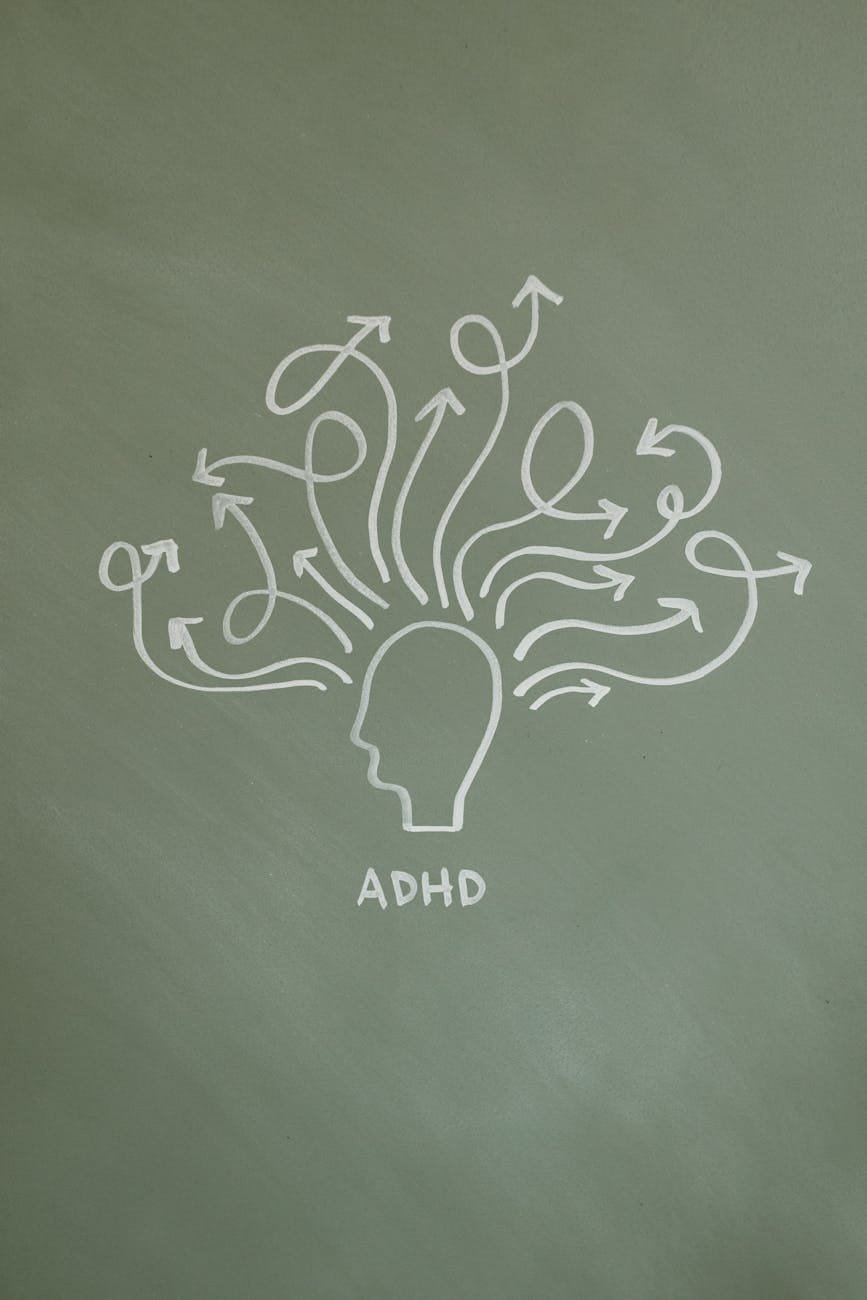
Attention-Deficit/Hyperactivity Disorder (ADHD) is a neurodevelopmental condition characterized by a persistent pattern of inattention and/or hyperactivity-impulsivity that interferes with functioning or development. ADHD is prevalent among individuals of all ages, with estimates suggesting it affects approximately 5% of children and often continues into adulthood. Symptoms and their severity can vary widely, leading to diverse experiences among those diagnosed with the disorder.
Individuals with ADHD often struggle with focus, which may result in difficulties completing tasks and maintaining productivity. This challenge can manifest in various settings, whether academic, professional, or personal, where sustained attention is required. Additionally, organizational skills can be significantly impacted; individuals frequently experience issues with keeping track of items, managing schedules, and adhering to deadlines. Time management is another critical area where those with ADHD face barriers, as they may underestimate the time needed for tasks or procrastinate, ultimately affecting their overall efficiency.
The emotional and psychological ramifications of ADHD are also profound. Many individuals encounter feelings of frustration, low self-esteem, and anxiety due to the societal demands and expectations that do not align with their capabilities. The impact extends beyond day-to-day activities, often leading to challenges in relationships and general well-being. Seeking personalized support tailored to the unique challenges of ADHD is essential in helping individuals navigate these difficulties. This support can take various forms, from behavioral therapies to the integration of artificial intelligence solutions that offer innovative approaches to managing ADHD symptoms effectively.
The Evolution of Support Tools: From Reminders to AI Integration
In recent years, the support landscape for individuals with Attention Deficit Hyperactivity Disorder (ADHD) has undergone a significant transformation, transitioning from traditional methods such as simple calendars and task lists to sophisticated AI-driven solutions. Historically, individuals relied heavily on physical planners or digital reminders, which offered basic functionality for task management. However, as technology has evolved, so too have the tools available to support those with ADHD.
Artificial Intelligence (AI) has played a crucial role in advancing ADHD support tools. Modern applications use AI to learn from user behavior, providing personalized strategies tailored to individual needs. For example, predictive text functions can guide users in sentence completion, thereby streamlining communication and reducing frustration associated with expressive difficulties. This feature not only enhances productivity but also boosts confidence, allowing users to focus on content rather than mechanics.
Additionally, AI tools are now equipped with adaptive learning capabilities, which adjust the support strategies based on user performance over time. Such customization enables individuals to engage more effectively with their tasks, promoting better focus and organization. Furthermore, intelligent reminders utilize machine learning algorithms to anticipate when a user may need a nudge, delivering prompts at optimal times. These reminders are not merely time-based but are instead informed by contextual data, making them significantly more effective than their traditional counterparts.
The integration of these advanced features marks a departure from one-size-fits-all solutions and provides a more nuanced approach to ADHD support. As technology continues to progress, the potential for AI to enhance the lives of individuals with ADHD becomes increasingly promising, revealing opportunities for further innovation in support tools.
AI Solutions in Action: Case Studies and Applications
The advent of artificial intelligence (AI) has brought forth significant advancements in various sectors, including education, healthcare, and personal development. For individuals with Attention Deficit Hyperactivity Disorder (ADHD), these innovative solutions have proven to be game-changing. Numerous case studies demonstrate how AI applications are effectively addressing the unique challenges faced by those living with ADHD.
One key application is the use of AI-assisted focus apps, such as Forest and Focus@Will. These applications employ algorithms to analyze user behavior and adapt their functionalities to enhance concentration. For instance, Forest uses gamification to keep users engaged in productivity tasks while avoiding distractions from their mobile devices. Case studies from users reveal that consistent use of such applications has led to marked improvements in attention spans and overall productivity, illustrating how AI can foster a more focused work environment.
Another strong example is the implementation of smart planners and organizational tools like Todoist and Notion, which utilize machine learning to help users efficiently manage their tasks. These platforms analyze user preferences and habits to suggest personalized organization strategies, effectively reducing organizational challenges often faced by individuals with ADHD. Testimonies from users indicate that these tools not only improve task management but also significantly reduce the stress associated with overwhelming schedules.
Additionally, mental wellness programs powered by AI, such as Woebot, provide therapeutic support through conversational agents. These AI-driven platforms offer real-time emotional support and cognitive behavioral therapy techniques tailored to users’ needs. Research indicates that users of these programs report improvements in emotional regulation and coping strategies, affirming the role of AI in enhancing mental health for those with ADHD.
In summary, these case studies convey the profound impact of AI solutions on the lives of individuals with ADHD, showcasing how technology can facilitate better focus, organization, and overall mental wellness.
The Future of ADHD Support: Emerging Trends and Considerations
The landscape of support for individuals with Attention Deficit Hyperactivity Disorder (ADHD) is undergoing significant transformation, largely driven by advancements in artificial intelligence (AI). As we look ahead, several emerging trends will likely shape the future of ADHD support. One critical area is the increased integration of AI-driven tools that facilitate personalized support for those affected by ADHD.
One prominent trend is the development of AI algorithms that can analyze an individual’s behavior, preferences, and requirements to tailor interventions effectively. These tools have the potential to offer more customized support than traditional methods, making it easier for individuals to engage with resources that resonate with their unique needs. Furthermore, as these tools become more sophisticated, they can provide real-time feedback, enabling users to make informed adjustments to their routines and strategies.
However, the implementation of AI in ADHD support raises several ethical considerations. Issues surrounding data privacy, the potential for bias in algorithms, and the necessity for transparency in how these tools operate are vital to ensuring that they are reliable and effective. Moreover, accessibility of AI resources must be prioritized, particularly for diverse populations who may face barriers in technology use due to socioeconomic or cultural factors.
Continuing research is crucial to further understand the long-term implications of AI use in ADHD support. Collaborative efforts involving developers, clinicians, and individuals with ADHD can lead to the creation of more beneficial tools that consider the complexities of the disorder. By fostering an environment of collaboration, the efficacy of AI-driven support solutions can be enhanced, ultimately leading to improved outcomes for those living with ADHD. The integration of technological innovation with ongoing research and ethical considerations will likely define the trajectory of ADHD support in the coming years.


