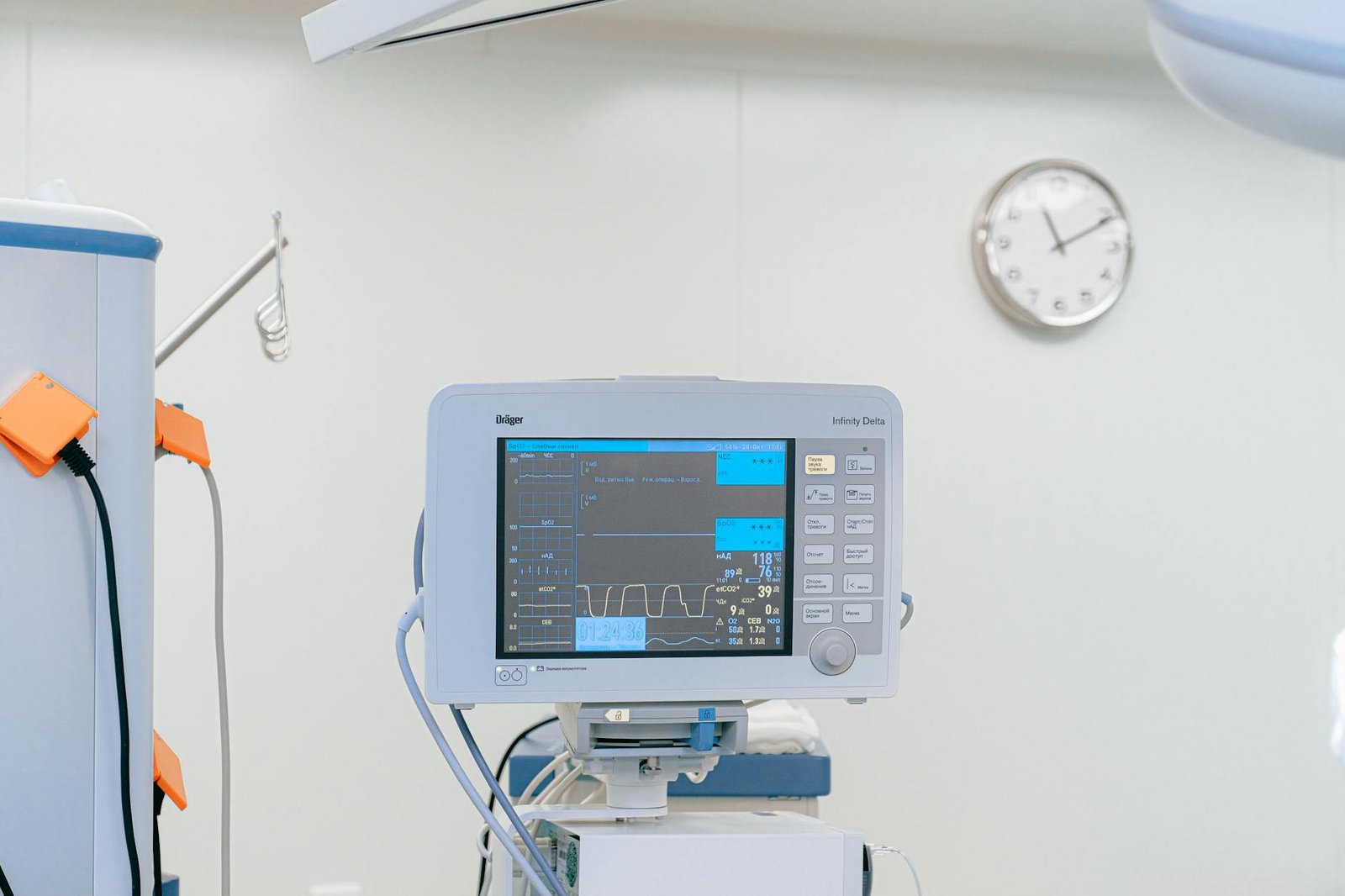
Introduction to qure.ai and AI in Healthcare
In recent years, qure.ai has emerged as a pioneering entity at the intersection of artificial intelligence (AI) and healthcare. This innovative company is leveraging advanced AI technologies to improve healthcare delivery through enhanced diagnostic and treatment capabilities. As the healthcare industry continues to evolve, the integration of AI is becoming increasingly significant in transforming patient care and clinical outcomes.
AI technology has revolutionized numerous sectors, and healthcare is no exception. By harnessing the power of AI, healthcare providers can analyze vast amounts of data rapidly and accurately, leading to more informed decision-making. The potential of AI in diagnosing diseases, managing patient data, and personalizing treatment plans is profound. Utilizing machine learning algorithms, AI can assist clinicians in identifying patterns in medical imaging and patient histories that might otherwise go unnoticed.
Furthermore, AI’s role in healthcare extends beyond diagnostics; it encompasses treatment where predictive analytics can forecast patient responses to various interventions. This capability not only enhances the precision of medical treatments but also reduces the likelihood of adverse reactions, thus improving overall patient safety. Ultimately, the application of AI technologies, such as those developed by qure.ai, is paving the way for streamlined operations within the healthcare system, making it more efficient and effective.
As we explore the capabilities of qure.ai further, it is essential to understand how AI integrates with existing healthcare frameworks, challenges it faces, and the transformative potential it holds for future practices. The amalgamation of AI technology and healthcare represents a significant stride towards realizing a future characterized by improved health outcomes and more accessible patient care.
The Technology Behind qure.ai
qure.ai employs a variety of advanced artificial intelligence technologies to elevate healthcare practices and improve the quality of patient care. Central to qure.ai’s innovations are machine learning algorithms and neural networks, both of which play a pivotal role in enhancing image analysis and data interpretation. Machine learning, a subset of AI, enables the system to learn from extensive datasets, continuously improving its performance without requiring explicit programming for every scenario.
Neural networks, particularly convolutional neural networks (CNNs), are specifically designed to process structured data and have shown exceptional efficacy in analyzing medical images. These deep learning models can automatically detect patterns in complex data sets, allowing healthcare professionals to identify abnormalities in imaging studies, such as X-rays, CT scans, and MRIs, with remarkable accuracy. By utilizing these sophisticated technologies, qure.ai can expedite the diagnostic process, reducing the time taken for radiologists to arrive at crucial decisions.
Furthermore, the AI-powered capabilities afforded by qure.ai’s technology do not merely enhance image analysis; they also foster a more comprehensive understanding of patient data. The robust algorithms can sift through vast quantities of information quickly, identifying trends and correlations that may not be apparent to the human eye. This aspect of AI technology allows for more informed clinical decisions and plays a significant role in predictive analytics, helping practitioners anticipate potential health risks based on historical data.
In the realm of healthcare, where accuracy and speed are paramount, qure.ai’s integration of machine learning and neural networks represents a significant leap forward. These technologies not only make the tasks of healthcare professionals more manageable but also improve patient outcomes by facilitating timely and precise interventions.
Key Innovations Offered by qure.ai
qure.ai is at the forefront of transforming healthcare through its innovative application of artificial intelligence technology, particularly in the field of radiology. One of the major breakthroughs from qure.ai is its automated diagnostic tools. These tools utilize deep learning algorithms to analyze medical imaging data, effectively interpreting results from X-rays, CT scans, and MRIs. By doing so, they assist radiologists in identifying critical conditions such as fractures, tumors, and other abnormalities with remarkable speed and precision. This enhancement not only reduces the time required for diagnosis but also minimizes the risk of errors that can arise in manual interpretations.
Furthermore, qure.ai has developed advanced decision-support systems designed to provide clinicians with real-time insights during the diagnostic process. These systems synthesize vast amounts of data, including patient history and imaging results, to generate actionable recommendations. As a result, healthcare professionals are better equipped to make informed decisions, which enhances the overall quality of care. The integration of these decision-support tools streamlines workflows significantly, allowing medical staff to focus more on patient interaction rather than being bogged down by administrative tasks.
In addition to diagnostic tools and decision-support systems, qure.ai’s innovations extend to predictive analytics. By harnessing machine learning models, the company enables healthcare providers to anticipate patient needs, thus fostering proactive rather than reactive care. This predictive approach not only optimizes resource allocation but also helps in managing patient outcomes more effectively.
In summary, qure.ai’s suite of automated diagnostic tools and decision-support systems represents a pivotal development in healthcare technology, streamlining processes and significantly improving the accuracy of patient diagnoses. Through these innovations, qure.ai not only enhances the capabilities of healthcare professionals but also fundamentally transforms the overall approach to patient care.
Impact on Radiology and Medical Imaging
The integration of artificial intelligence (AI) technology into the field of radiology is poised to fundamentally alter the landscape of medical imaging. One company making significant strides in this domain is qure.ai, which specializes in leveraging AI algorithms to enhance the interpretation of complex medical images. By implementing AI solutions, qure.ai aims to address critical challenges within radiology, such as interpreting a high volume of scans quickly and accurately.
Radiologists often face immense pressure to analyze and report on a substantial number of imaging studies within tight timeframes. The advent of qure.ai’s AI-driven applications provides a powerful tool in this domain, allowing for accelerated diagnostic processes. These algorithms assist radiologists by highlighting potential areas of concern in scans, thereby streamlining the review process and reducing the risk of human error. The resulting increase in efficiency not only lessens the burden on medical professionals but also contributes to improved patient outcomes.
The implications for medical imaging endpoints are profound. Radiologists equipped with advanced AI tools can make more informed decisions, drawing on detailed interpretations generated through deep learning models that are trained on extensive datasets. This enables them to quickly pinpoint issues such as tumors, fractures, or abnormalities with greater precision. Furthermore, AI technologies can facilitate early detection of diseases, a critical factor in effective treatment and management, validating the role of qure.ai as a transformative force in radiology.
As AI continues to evolve, it is expected to refine operational efficiencies in healthcare facilities, thereby enhancing the overall efficacy of radiological assessments. qure.ai’s contributions embody a pivotal trend toward the utilization of AI in healthcare, empowering professionals and ultimately enriching patient care through reliable, timely diagnostics.
Enhancing Patient Outcomes with AI
The integration of artificial intelligence (AI) in healthcare is not merely a technological advancement; it represents a fundamental shift in how patient care is delivered. qure.ai has emerged as a pivotal player in this domain, utilizing AI technology to enhance patient outcomes significantly. Case studies illustrate the effectiveness of these solutions, providing tangible evidence of their impact across various healthcare settings.
For instance, a study conducted in collaboration with hospitals in India showcased how qure.ai’s AI imaging solutions improved the accuracy of tuberculosis diagnosis. Before implementing these technologies, healthcare providers faced challenges in diagnosing TB due to the complexities involved in interpreting chest X-rays. Post-implementation, diagnostic accuracy reached 95%, a marked improvement from previous rates, thereby enabling timely and effective treatment for patients. This case not only underscores the technological prowess of qure.ai but also exemplifies the profound effect AI can have on patient outcomes.
Numbers speak volumes, and statistics reveal that facilities employing qure.ai technology have experienced a 30% reduction in the time taken to reach diagnosis. This acceleration in the diagnostic process can be critical, especially in life-threatening conditions where every moment counts. Furthermore, patient testimonials highlight transformational experiences. One patient noted, “Thanks to the swift diagnosis facilitated by AI, I received treatment earlier than expected, significantly improving my chances of recovery.” Such endorsements from both patients and healthcare providers reinforce the notion that AI technologies are enhancing the overall quality of care.
As the healthcare landscape continues to evolve, the importance of AI-driven solutions cannot be overstated. qure.ai exemplifies the potential of technology to streamline processes and foster improved health outcomes, providing a compelling case for their continued adoption in the healthcare industry.
Overcoming Challenges in Healthcare AI Adoption
The integration of artificial intelligence (AI) in healthcare presents significant opportunities, yet it also comes with a variety of challenges that must be addressed. One major obstacle is the regulatory framework governing medical technologies. Healthcare AI solutions must comply with stringent regulations to ensure patient safety and data integrity. The approval processes can be lengthy and complex, often stalling the deployment of innovative solutions like those offered by qure.ai. To successfully navigate these regulatory hurdles, organizations need to collaborate closely with regulatory agencies and develop robust compliance strategies.
Additionally, data privacy concerns play a crucial role in the adoption of AI technologies. Healthcare organizations handle vast amounts of sensitive patient information, and the utilization of AI raises questions about data security and confidentiality. Ensuring compliance with data protection laws such as the Health Insurance Portability and Accountability Act (HIPAA) in the United States requires healthcare providers to implement stringent data governance policies. Trust among patients regarding how their data is used is essential, and the healthcare industry must prioritize transparency to mitigate these concerns.
Moreover, the successful implementation of AI technologies hinges on the readiness and training of medical professionals. Instead of fearing job displacement, healthcare practitioners need to understand how AI can act as a complementary tool that enhances their capabilities. This necessitates comprehensive training programs that equip healthcare workers with the skills required to utilize AI solutions effectively. Clearly communicating the benefits of AI within clinical settings can foster a culture of acceptance and innovation, thereby facilitating adoption.
In conclusion, while the path towards integrating AI in healthcare is riddled with challenges, proactive measures addressing regulatory compliance, data privacy, and training can significantly mitigate these obstacles. By overcoming these barriers, qure.ai and similar organizations can lead the way in transforming the industry through AI technology.
Future Prospects for qure.ai and Healthcare AI
The realm of healthcare is continually evolving, with artificial intelligence (AI) playing a pivotal role in this transformation. As we look towards the future, qure.ai stands at the forefront of this revolution, poised to leverage advancements in AI technology to further enhance medical practice and patient care. With an expanding array of applications, the potential benefits of AI in healthcare are profound, ideally leading to improved diagnostic accuracy, personalized treatment options, and streamlined operational efficiencies.
One promising direction is the continual development of machine learning algorithms that will enhance the analysis of medical imaging. qure.ai’s expertise in this area could lead to even more precise AI-driven tools capable of detecting conditions earlier and with greater reliability. These advancements may not only reduce diagnostic errors but also enable clinicians to focus more on patient interaction and less on routine image assessment tasks.
Moreover, the integration of AI into electronic health records (EHR) could significantly optimize data management and analysis. By utilizing AI to mine patient data, healthcare providers can identify trends and predict outcomes, ultimately facilitating a more proactive approach to patient care. As qure.ai continues to innovate, we may also see a shift towards telemedicine, with AI enhancing remote diagnostics and consultations.
As qure.ai expands its influence, collaborations with regulatory bodies and healthcare institutions will likely become increasingly vital. These partnerships can drive the establishment of standards and guidelines to govern the ethical use of AI in clinical settings, ensuring that advancements prioritize patient safety and promote equity in healthcare access. The future of qure.ai and healthcare AI is bright, with the promise of not just technological evolution, but a radical re-imagining of how healthcare is delivered and experienced by millions.
Real-World Applications and Success Stories
In recent years, the integration of artificial intelligence (AI) into healthcare has shown remarkable promise, primarily through the pioneering efforts of companies like qure.ai. One notable example is the usage of AI-powered technology at the Lokmanya Tilak Municipal General Hospital in Mumbai, India. Here, qure.ai’s chest X-ray interpretation software has been instrumental in enhancing radiological assessments. The AI can analyze X-ray images with impressive accuracy, thereby enabling radiologists to identify conditions such as tuberculosis and pneumonia more efficiently. As a result, the hospital has significantly reduced the time taken for image interpretation, from hours to mere minutes, thus expediting patient care.
Similarly, at the Manipal Hospitals network, the implementation of qure.ai’s solutions has led to improvements in operational efficiency. The healthcare facility utilized AI algorithms to evaluate a broader range of CT scans, effectively augmenting the abilities of radiologists. The success of qure.ai’s technology at Manipal Hospitals has not only improved diagnostic precision but also optimized the resource allocation within the radiology department, ultimately leading to better patient outcomes.
Another significant collaboration is observed at the Christian Medical College in Vellore, India, where qure.ai’s AI technology has played a pivotal role in diagnosing neurological conditions. With the use of deep learning models, the facility has registered an increase in diagnostic accuracy for conditions such as stroke and brain tumors. The implementation of AI tools has empowered healthcare professionals to focus more on patient care rather than being overwhelmed by the sheer volume of imaging data.
These real-world applications underscore qure.ai’s impact in the healthcare sector, where AI technology is not merely a novel concept but a transformative force. As more hospitals adopt AI-driven solutions, the prospects for enhanced healthcare delivery continue to flourish, highlighting the critical role of qure.ai in shaping the future of medicine.
Conclusion: The Promise of AI in Healthcare
The impact of AI technology on the healthcare industry has been profound, particularly with the innovative contributions made by qure.ai. By harnessing the capabilities of artificial intelligence, qure.ai has not only streamlined diagnostic processes but has also enhanced the accuracy of medical image analysis. These advancements highlight the essential role that AI plays in reducing human error and expediting patient care, thereby revolutionizing healthcare delivery on multiple fronts.
The application of AI solutions in healthcare settings is gaining momentum, showcasing their ability to support medical professionals in making timely and informed decisions. With continuous development, the potential for AI to further augment areas such as predictive analytics, personalized medicine, and operational efficiencies remains immense. As we look to the future, it is clear that AI technologies like those offered by qure.ai are paving the way for improved health outcomes across various populations.
Encouragingly, the integration of AI into healthcare systems will continue to evolve, fostering a more responsive and adaptive healthcare framework. As stakeholders in the industry, from policymakers to healthcare providers and patients, it is crucial to recognize and embrace these advancements. The commitment to innovation, driven by AI, holds promise not only for enhanced patient care but also for addressing the growing challenges faced by the global healthcare landscape. Therefore, engaging with and investing in AI technology is vital for an efficient, effective, and equitable healthcare future.