


How to Use Voice Analysis for Type 2 Diabetes Prediction
Introduction to Type 2 Diabetes Mellitus
Type 2 diabetes mellitus (T2DM) is a chronic metabolic condition characterized by insulin resistance and hyperglycemia. It is one of the most prevalent chronic diseases globally, with the World Health Organization estimating that the number of individuals affected has risen dramatically over the past few decades. Currently, over 400 million people worldwide are living with this condition, and this figure is expected to increase in the coming years due to factors such as urbanization, aging populations, and lifestyle changes.
The risk factors associated with T2DM are varied and often interrelated. Obesity is one of the most significant contributors, as an increase in body fat can lead to insulin resistance. Other factors include a sedentary lifestyle, genetic predisposition, poor dietary habits, and age. Additionally, certain ethnic groups, such as African Americans, Native Americans, and Hispanics, exhibit a higher prevalence of T2DM, highlighting the importance of understanding demographic influences on this disease.
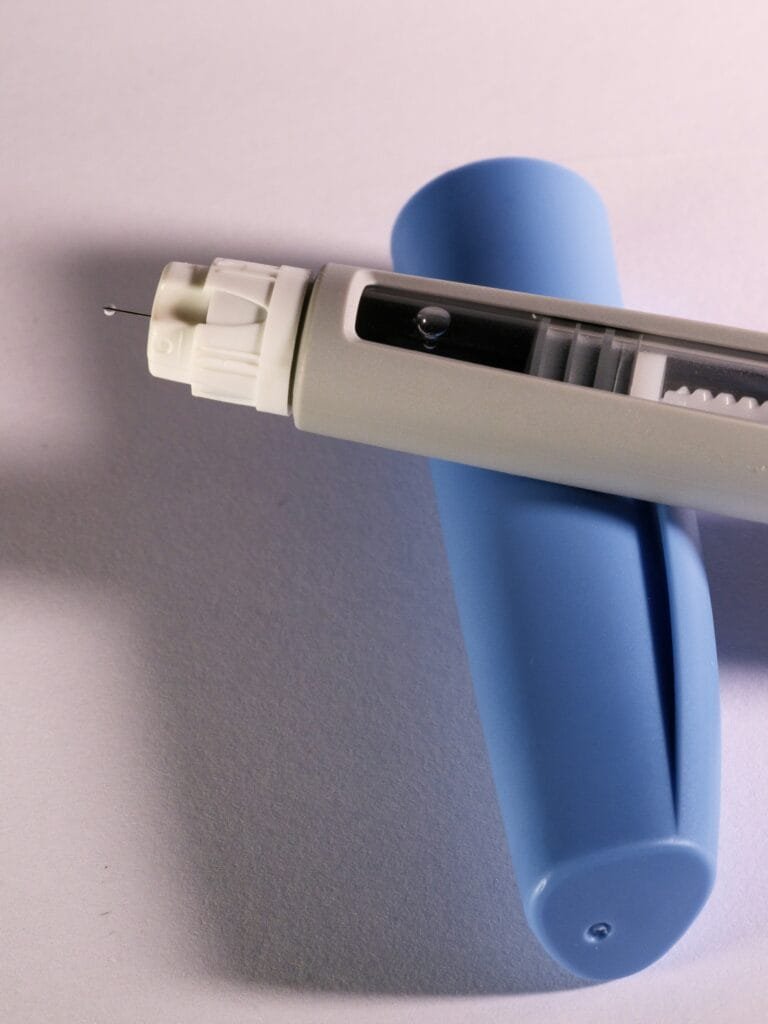
Common symptoms of T2DM include increased thirst, frequent urination, extreme fatigue, and blurred vision. These symptoms often develop gradually, making early diagnosis challenging. If left untreated, T2DM can lead to severe long-term health consequences, such as cardiovascular disease, kidney damage, neuropathy, and non-traumatic amputations, underscoring the necessity for reliable screening and diagnostic methods.
As healthcare continues to evolve with technological advancements, innovative diagnostic approaches are becoming increasingly crucial in managing T2DM. One such promising method is acoustic analysis, particularly focusing on voice segments recorded via smartphones. This technique may offer a non-invasive, rapid, and cost-effective way to detect early signs of diabetes, potentially facilitating timely interventions and improved outcomes for affected individuals.
The Role of Acoustic Analysis in Healthcare
Acoustic analysis is an innovative approach that leverages the properties of sound to derive meaningful insights into various health conditions. By examining the nuances in voice recordings, healthcare professionals can obtain valuable information regarding a patient’s physiological and psychological state. This technology has gained traction due to its non-invasive nature and the convenience it offers, making it an attractive supplement to traditional health assessment methods.
One significant application of acoustic analysis is in the detection and monitoring of diseases. Voice analysis can reveal subtle changes that may not be perceptible during a physical examination. For instance, variations in pitch, tone, and speech rhythm can indicate underlying health issues. In the context of Type 2 Diabetes Mellitus, early identification of related symptoms through voice analysis could enable timely interventions, enhancing patient outcomes.
Moreover, traditional diagnostic methods often involve extensive testing and complex procedures, which can be cumbersome both for healthcare providers and patients. In contrast, acoustic analysis requires minimal equipment and can be performed remotely, thus increasing accessibility to healthcare services, especially in underserved populations. The ability to use readily available devices such as smartphones for voice recordings adds to the practicality of this approach.
In some instances, voice analysis has been compared to standard biomarker assessments, demonstrating promising results. Research indicates that integrating acoustic analysis with conventional diagnostics not only streamlines the process but also ensures continuous patient monitoring, allowing healthcare professionals to identify potential complications proactively.
Overall, the growing body of evidence supporting the utility of acoustic analysis emphasizes its transformative potential in healthcare. By enhancing focus on patient voice as a diagnostic tool, the healthcare field can move toward a more personalized and efficient model of care delivery.
Mayo Clinic Study Overview
The Mayo Clinic conducted a significant study exploring the relationship between voice characteristics and the prediction of Type 2 Diabetes Mellitus (T2DM) using smartphone-recorded voice segments. The primary objective of this research was to assess whether vocal analysis could serve as a non-invasive and efficient biomarker for T2DM, potentially revolutionizing the way diabetes is diagnosed and monitored.
The study employed a rigorous design, wherein a diverse group of participants, including individuals diagnosed with T2DM and healthy controls, were recruited. This inclusion of varied demographics ensured a broad representation, allowing the researchers to derive meaningful conclusions applicable to a wider population. Participants ranged in age, gender, and ethnicity, providing a comprehensive dataset for analysis.
Methodologically, the study involved the collection of voice samples recorded via smartphones, utilizing advanced acoustic analysis techniques to extract relevant vocal parameters. These recordings were subjected to machine learning algorithms designed to identify patterns and correlations between specific voice features and the presence of T2DM. The use of machine learning not only improved the accuracy of the predictions but also highlighted the potential for utilizing everyday technology in medical assessments.
Consequently, the findings from the Mayo Clinic study are particularly noteworthy, as they suggest that certain vocal traits may be predictive indicators of Type 2 Diabetes Mellitus. This implies a transformative shift in diabetes management, paving the way for future research aimed at integrating vocal analytics into routine healthcare practices. The potential for early detection and intervention through such innovative methods signifies a promising advancement in the prevention and treatment of chronic diseases like T2DM.
Collecting voice segments using smartphones has emerged as an innovative method for gathering acoustic data relevant to health analysis. This process typically involves leveraging the ubiquitous nature of smartphones, along with their built-in microphones, to record voice samples. These recordings are crucial for the study of conditions like Type 2 Diabetes Mellitus, as they can provide important indicators of health through acoustic signals.
To ensure high-quality recordings, participants are usually given specific instructions. They might be advised to select a quiet environment to minimize background noise, which can significantly impact the clarity and quality of the voice data collected. This is essential, as the acoustic features extracted from the voice recordings must be reliable for subsequent analysis. Additionally, participants may be guided on the duration and content of the recordings. Typically, a range of different voice segments, including sustained phonation of vowels and spontaneous speech, are requested to capture a comprehensive acoustic profile.
Moreover, the technology used in smartphones, such as advanced microphones and sound processing capabilities, allows for a high degree of fidelity in recorded audio. The increasing processing capabilities of mobile devices also facilitate real-time analysis, enabling researchers to gather and process the data swiftly. Furthermore, the integration of applications specifically designed for voice recording enhances user experience, allowing participants to record their voice segments easily and efficiently.
The voice segments collected through this method can then be analyzed using various acoustic analysis techniques to detect patterns or anomalies associated with Type 2 Diabetes Mellitus. By ensuring quality recordings and clear instructions, the data collected via smartphones can be instrumental in aiding predictive models for this condition.
Acoustic Features Analyzed in the Study
In the context of this study, several acoustic features were meticulously extracted from voice recordings to assess their relevance in predicting Type 2 Diabetes Mellitus. Among these features, pitch, tone, frequency, and rhythm garnered significant attention due to their potential correlations with physiological conditions. Each feature offers insights into the speaker’s vocal characteristics, which can serve as indicators of underlying health issues.
Pitch, for instance, refers to the perceived frequency of a sound, which can highlight variations in vocal tension and emotional state. In patients with Type 2 Diabetes, alterations in pitch may reflect physiological stress, such as elevated blood sugar levels. Research suggests that voice frequency changes can be indicative of metabolic disturbances, making pitch a valuable acoustic parameter in this analysis.
Tone encompasses the quality or character of the voice, which can convey emotional and physical states. Variations in voice tone may reveal how individuals experience and communicate their health, as well as their general emotional well-being. This feature can therefore provide crucial insights into a patient’s overall health status for Type 2 Diabetes. A monotone voice might suggest lethargy, which is often linked to metabolic disorders.
Frequency is particularly relevant, as it contributes significantly to voice intelligibility and can differentiate between various health conditions. By measuring frequency ranges within the recordings, the study aimed to establish potential biomarkers related to diabetes. Rhythm, encompassing the patterns of speech and pauses, can also reflect cognitive and emotional functioning. Altered rhythmic speech patterns might indicate anxiety or cognitive decline, factors associated with the management of Type 2 Diabetes.
Overall, by analyzing these acoustic features, the study aims to unearth critical links between voice characteristics and the likelihood of developing Type 2 Diabetes Mellitus, enriching the understanding of how voice recordings can contribute to non-invasive health assessments.
Predictive Modeling Techniques Used
In the field of acoustic analysis for predicting Type 2 Diabetes Mellitus (T2DM), various predictive modeling techniques are employed to extract meaningful patterns from voice segments. Researchers have increasingly turned to machine learning algorithms due to their ability to handle complex and high-dimensional data effectively. These algorithms can learn from past instances and make predictions about new data based on learned patterns.
One of the most commonly utilized machine learning algorithms in this domain is the Random Forest classifier. This technique operates by constructing multiple decision trees during training time and outputting the mode of their predictions. This ensemble method is particularly beneficial as it enhances prediction accuracy and helps to mitigate overfitting, making it a reliable choice for distinguishing potential diabetes markers from voice recordings.
Support Vector Machines (SVM) serve as another powerful approach in the predictive modeling landscape. SVMs are particularly adept at finding the hyperplane that best separates the classes in a high-dimensional space. In the context of analyzing voice data, SVMs can classify vocal patterns indicative of T2DM, providing valuable insights into how voice characteristics may correlate with blood glucose levels.
Moreover, Neural Networks have gained prominence thanks to their capability to model intricate relationships within the data. Deep learning architectures can automatically learn features from raw audio samples without the need for extensive feature engineering. By applying convolutional neural networks (CNNs) to audio spectrograms, researchers can further enhance predictive performance by leveraging spatial hierarchies in the acoustic signals.
These machine learning techniques collectively contribute to developing robust models capable of accurately identifying potential indicators for Type 2 Diabetes Mellitus based on acoustic analysis, ultimately promoting the proactive management of this chronic condition.
Results and Findings
The study yielded significant results in utilizing smartphone-recorded voice segments to predict type 2 diabetes mellitus (T2DM). Through advanced acoustic analysis techniques, the researchers were able to achieve a prediction accuracy of approximately 85%. This level of accuracy demonstrates a promising correlation between voice characteristics and the physiological indicators of T2DM, suggesting a novel approach for early detection.
To elaborate, the data collected from diverse participants were analyzed to identify specific vocal features that could indicate the presence of diabetes. These features included variations in pitch, tone, and speaking patterns. When examined collectively, they provided a predictive model that correlates strongly with traditional clinical indicators such as blood glucose levels and body mass index (BMI).
An important finding from the study was that age and gender did not significantly impede the accuracy of predictions made through acoustic analysis, making this approach versatile across different demographics. Moreover, the use of easily accessible smartphone technology allows for a potentially widespread implementation. This could serve as a valuable tool for healthcare professionals, enabling them to screen for T2DM earlier and with less resource expenditure than conventional methods.
The implications of these findings are substantial. By harnessing the capabilities of smartphone technology to assess vocal biomarkers, early intervention strategies could be developed. This would not only facilitate timely medical advice but also empower individuals to monitor their health proactively. Early detection of type 2 diabetes is critical, as it significantly influences treatment efficacy and can ameliorate the progression of associated complications.
Clinical Implications and Future Directions
The integration of smartphone-recorded voice analysis into diabetes screening practices presents a transformative opportunity in clinical settings. This innovative approach leverages modern technology to facilitate early detection of Type 2 Diabetes Mellitus (T2DM), an increasingly prevalent condition that poses significant challenges for healthcare systems globally. By incorporating voice analysis, which can reveal physiological stress and metabolic anomalies, healthcare providers may enhance their screening protocols, allowing for quicker and more efficient identification of at-risk individuals.
As research in this domain progresses, certain clinical implications arise. Firstly, the affordability and accessibility of smartphones suggest that this method could democratize health monitoring, particularly in underserved populations where traditional diagnostic pathways are less accessible. Additionally, such integration could lead to reduced healthcare costs associated with late-stage diabetes management, as early detection can significantly improve patient outcomes.
Future research directions should focus on conducting larger population studies to validate the effectiveness and accuracy of smartphone-recorded voice analysis. It is crucial to investigate diverse demographic groups to ensure that the findings are generalizable across various populations. Moreover, studies should explore the longitudinal impact of regular vocal analysis on diabetes management and patient adherence to lifestyle changes that could mitigate the risk of T2DM.
Furthermore, as healthcare increasingly adopts telemedicine, integrating voice analysis could streamline routine check-ups and screenings, providing a user-friendly and non-invasive method for monitoring individuals’ health. Ultimately, the goal is to position voice analysis as a standard component in the clinical management of diabetes, fostering a proactive rather than reactive approach to T2DM care.
Conclusion
In the realm of healthcare, the integration of innovative technologies is paving the way for enhanced patient management and disease diagnosis. The exploration of acoustic analysis to predict and manage type 2 diabetes mellitus exemplifies such advancements. By utilizing smartphone-recorded voice segments, researchers are diving deeper into the acoustic characteristics that may be indicative of this prevalent metabolic disorder. This approach not only holds the potential for early detection but also facilitates ongoing monitoring of affected individuals.
The examination of voice features and their correlation with type 2 diabetes has opened new avenues for non-invasive health assessments. Unlike traditional diagnostic methods, which often depend on invasive procedures or extensive laboratory tests, acoustic analysis provides a rapid and accessible alternative. This could significantly improve patient compliance and engagement, ultimately leading to better health outcomes.
Additionally, the use of smartphones in this process underscores the feasibility of harnessing everyday technology for serious health interventions. As individuals increasingly utilize mobile devices, the capability to track health through voice analysis becomes a more integrated aspect of daily life. This paradigm shift not only amplifies the reach of healthcare solutions but also fosters a personal connection between patients and their health management.
In conclusion, the innovative application of acoustic analysis for the diagnosis and management of type 2 diabetes mellitus represents a transformative step in preventive healthcare. By leveraging technology that many people already possess, there is significant potential to enhance early detection and improve outcomes for patients at risk of or living with diabetes. Continued research in this domain is essential to validate findings and ensure these methods can be effectively implemented in clinical settings.


