

Hume Band vs Whoop: Which Health Tracker is Better?
Introduction to Health Trackers
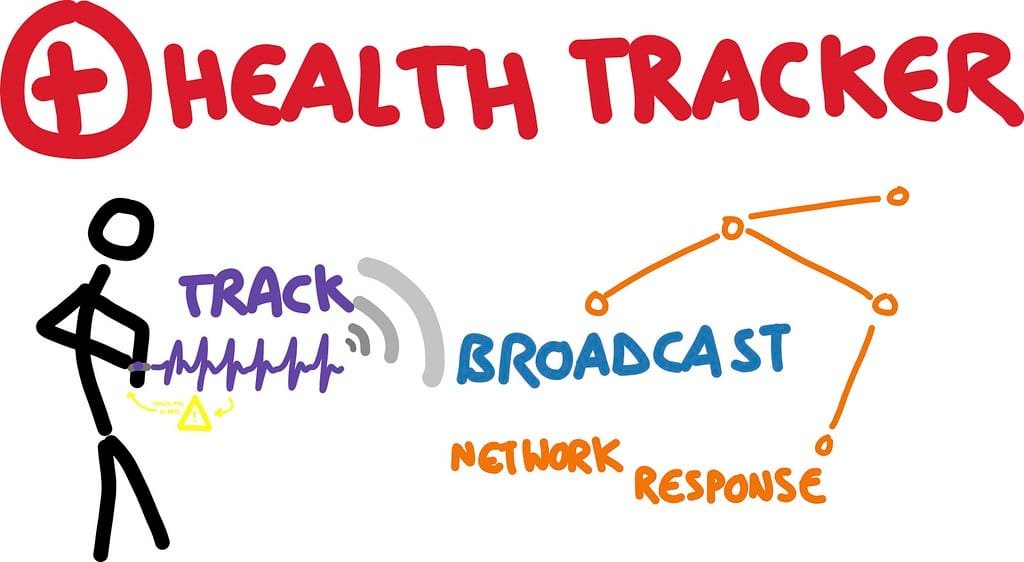
In recent years, health trackers have gained significant traction among individuals keen on personal health management, fitness monitoring, and overall wellness. The rise of wearable technology has transformed how we approach health and fitness, making it increasingly accessible and comprehensive. Health trackers, often in the form of wristbands or smartwatches, offer invaluable insights into various aspects of one’s health, enabling users to monitor metrics such as heart rate, physical activity, sleep patterns, and even stress levels.
These devices are equipped with advanced sensors that collect data, which is then processed and presented through user-friendly applications. This functionality not only encourages individuals to stay active but also provides essential feedback that can guide lifestyle choices. For instance, tracking daily steps can motivate users to engage in regular exercise, while monitoring sleep quality can inform adjustments to improve rest and recovery.
The integration of health trackers into everyday life signifies a shift towards a more data-driven approach to wellness. These devices are particularly beneficial for those pursuing fitness goals or managing specific health conditions, offering personalized recommendations based on real-time data. Additionally, the convenience of having health metrics readily available fosters a proactive attitude towards one’s health.
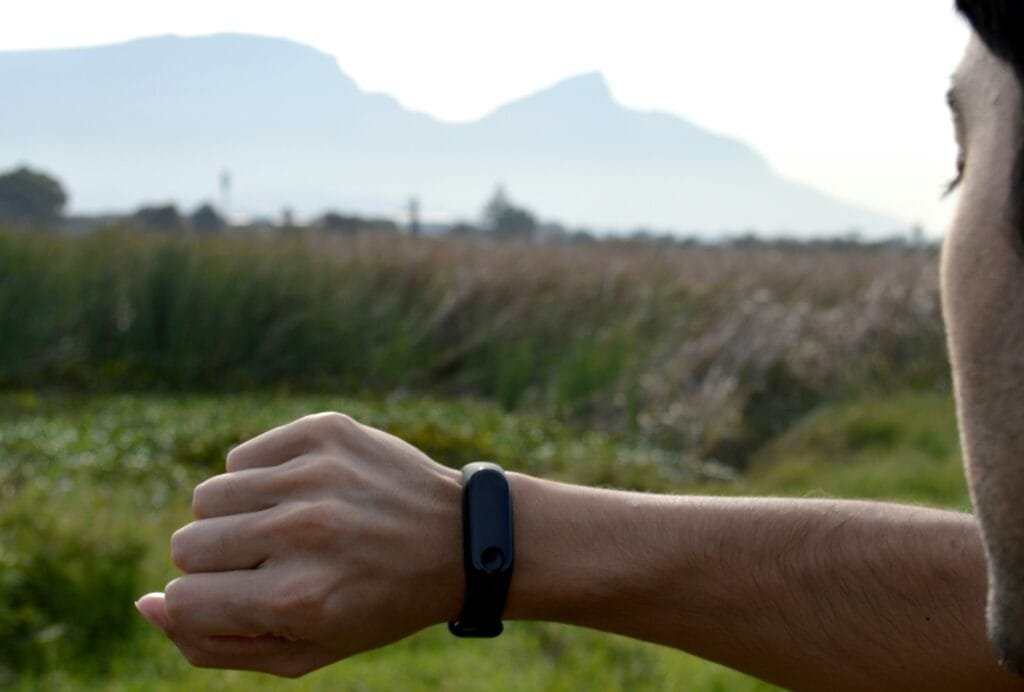
As the wearable technology market continues to advance, health trackers are becoming increasingly versatile, incorporating features such as GPS monitoring, smartphone notifications, and hydration tracking. This evolution not only enhances the capabilities of the devices but also broadens their appeal across various demographics. Ultimately, health trackers represent a valuable tool in promoting healthier lifestyles and empowering users to take control of their wellbeing.
Overview of Hume Band
The Hume Band is a cutting-edge wearable health tracker designed to provide users with a comprehensive suite of health monitoring features. With its sleek and ergonomic design, the Hume Band is not only comfortable to wear but also visually appealing, making it a suitable accessory for both workouts and daily activities.
One of the standout features of the Hume Band is its advanced sensor technology, which allows for precise tracking of various health metrics. The device monitors heart rate, sleep patterns, physical activity, and even provides insights into stress levels. This data is invaluable for individuals looking to maintain or improve their overall wellness.
Moreover, the Hume Band is equipped with a user-friendly interface that facilitates easy navigation through its functionalities. Synchronization with smartphones is seamless, enabling users to access their health data in real-time through a dedicated mobile application. This app also includes personalized recommendations based on the tracked metrics, which sets the Hume Band apart from other health trackers.
Another significant aspect of the Hume Band is its focus on mental health. By incorporating features that track mood and mindfulness, it offers a holistic approach to health that goes beyond mere physical fitness. Users can engage in guided breathing exercises and mindfulness sessions through the app interface, promoting a balanced lifestyle.
Additionally, the Hume Band features customizable alerts and reminders for physical activity, hydration, and sleep hygiene, encouraging users to adopt healthier habits. The device’s battery life is commendable, typically lasting several days on a single charge, which adds to its practicality for daily use.
In the realm of health tracking, the Hume Band stands out for its innovative approach and comprehensive capabilities, making it an excellent choice for health-conscious individuals seeking to monitor their well-being effectively.
Overview of Whoop Wearables
Whoop wearables represent a significant advancement in health tracking technology, differing notably from traditional health trackers. Designed for athletes and fitness enthusiasts, Whoop focuses on performance optimization through continuous monitoring of physiological data. Unlike standard wearables that primarily track steps and heart rate, Whoop offers an integrated analysis of strain, recovery, and sleep patterns, translating complex data into actionable insights.
The design of Whoop wearables is both minimalistic and durable, featuring a comfortable strap that allows for extended wear without causing discomfort. Available in various sizes and colors, the look of Whoop is modern and unobtrusive, making it suitable for both workouts and everyday life. Additionally, Whoop does not feature a display, setting it apart from many competitors. Instead, it syncs with a smartphone application, which serves as the central hub for data visualization and insights.
At the heart of its unique functionality is the performance optimization model that Whoop employs. This model assesses strain by determining the cardiovascular load based on individual workouts, helping users understand stress levels in relation to recovery. Whoop’s Recovery score, derived from sleep data and heart rate variability, not only indicates how well an individual is recovering but also offers personalized recommendations on training intensity for optimal performance. Furthermore, the app’s sleep analytics delve deep into sleep quality, providing insights such as sleep cycles and disturbances.
The advantages of using Whoop over traditional health trackers are evident in its comprehensive approach to wellness. While standard wearables typically provide basic metrics, Whoop allows for a deeper understanding of the body’s responses to physical activity, subsequent recovery, and overall health management. This makes it an invaluable tool for serious athletes looking to enhance their performance and longevity in their sport.
Core Features Comparison
The Hume Band and Whoop wearables both aim to provide comprehensive health tracking, yet they employ different methodologies and features tailored to the needs of their users. A comparative analysis of their core functionalities reveals the strengths and weaknesses of each device.
Starting with heart rate monitoring, both devices utilize advanced sensors. The Hume Band measures heart rates continuously, providing real-time data on physical exertion during workouts. In contrast, Whoop focuses on long-term heart rate variability (HRV), offering insights into overall cardiac health and helping users adjust their training intensity based on recovery.
Next, we consider sleep tracking capabilities. The Hume Band offers a sleep analysis feature that categorizes sleep into different stages, alongside sleep quality scoring. This enriches the user’s understanding of their sleep patterns. Conversely, Whoop emphasizes sleep performance, analyzing how well the user recovers during sleep and how their sleep contributes to athletic performance. The Whoop app provides personalized sleep recommendations based on daily exertion.
Recovery metrics are another crucial aspect of both wearables. While the Hume Band focuses on activity conformity to promote optimal recovery, Whoop’s recovery tracking is more nuanced, integrating HRV, resting heart rate, and sleep quality to determine a user’s readiness for physical activity. This offers a more tailored view for athletes or regular fitness enthusiasts.
Battery life is an essential consideration for wearables. The Hume Band boasts a battery life of up to 7 days, allowing for extended use without frequent recharging. In comparison, the Whoop device is designed for continuous monitoring but requires regular charging for optimal use—typically every few days, depending on the user’s activity level.
Lastly, the application functionality of both wearables deserves attention. Hume’s app emphasizes user-friendly interfaces and accessibility, catering to casual users focused on health. Alternatively, Whoop’s app provides in-depth analytics and recommendations, making it particularly suited for fitness enthusiasts or professional athletes seeking granular data to enhance their training.
User Experience and Interface
When evaluating the Hume Band and Whoop Wearable Health Tracker, the user experience and interface play pivotal roles in determining their effectiveness and appeal. The Hume Band is designed with a minimalist interface that promotes simplicity and ease of navigation. Users can efficiently access various health metrics, including heart rate, sleep patterns, and activity levels, through an intuitive app. This user-friendly design encourages regular engagement, allowing users to stay updated on their health without feeling overwhelmed.
In contrast, the Whoop Wearable Health Tracker offers a more comprehensive data presentation, focusing on extensive analytics and insights. The app interface is slightly more complex, as it caters to users who prefer detailed performance metrics. While this depth of data can be beneficial for serious athletes and fitness enthusiasts, new users may find the initial learning curve challenging. However, once acclimated, users appreciate the wealth of information that Whoop provides, including recovery scores and strain assessments, fostering a proactive approach to health management.
Moreover, both apps prioritize accessibility, ensuring that critical health data is readily available at a glance. The Hume Band allows for quick snapshots of data, while the Whoop app organizes information into categories, enabling users to delve deeper into specific areas of interest. Notifications and reminders in both applications help maintain consistency in usage, promoting healthier habits.
Overall, while the Hume Band excels in simplicity and ease of use, the Whoop Wearable Health Tracker stands out for its detailed analytics. The choice between the two will ultimately depend on the user’s preferences and level of engagement with health monitoring. Whether opting for the straightforward interface of the Hume Band or the comprehensive insights from Whoop, both trackers offer valuable tools to support personal health journeys.
Target Audience and Market Positioning
The Hume Band and Whoop wearables occupy distinct yet overlapping segments within the fitness technology market, each appealing to specific demographics. The Hume Band primarily targets casual fitness enthusiasts and individuals who are embarking on their health journey. Its user-friendly design, along with a focus on basic health metrics such as heart rate and step tracking, makes it accessible for those new to health tracking. As such, the marketing strategy for Hume centers around educating potential users on the benefits of fitness tracking without overwhelming them with complex data insights. This approach appeals to younger adults and individuals seeking to foster healthier lifestyles through manageable technology.
Conversely, Whoop wearables cater to a more niche audience, consisting primarily of serious athletes and fitness aficionados. These devices are designed with advanced metrics that analyze factors like recovery, strain, and sleep quality, providing data-driven insights crucial for optimizing athletic performance. The marketing strategy of Whoop often emphasizes elite sports professionals and high-performance training, effectively targeting individuals who prioritize competitive fitness and require sophisticated analytics for their health management.
Moreover, both brands recognize the importance of community in enhancing user experience. Hume Band builds a sense of belonging among users through social sharing features and community challenges, appealing to a collective motivation. On the other hand, Whoop emphasizes a more individualized experience, offering personalized coaching and in-depth analytics, which resonate well with athletes deeply invested in their performance metrics.
Overall, while both wearables aim to improve health outcomes, they do so by addressing different audience needs and motivations, thus establishing their unique market positions within the broader landscape of fitness technology.
Pricing and Value for Money
The Hume Band and Whoop wearables are two prominent choices in the health tracking market, each offering distinct pricing models that reflect their unique features and capabilities. The Hume Band generally opts for a straightforward one-time purchase price, which typically ranges from $150 to $250, depending on the model and included accessories. This upfront investment grants users access to a comprehensive suite of health tracking features, including heart rate monitoring, sleep tracking, and daily activity analysis without ongoing fees.
In contrast, the Whoop wearable operates on a subscription service model that can be considered a unique approach in the wearables market. Users must first acquire the Whoop strap, which can be obtained at a subsidized price of around $0 to $30 on a monthly plan, provided they commit to a minimum subscription period. The subscription service starts at approximately $30 per month and includes access to a robust app ecosystem that offers personalized insights, recovery tracking, and extensive performance analytics. This model appeals to users who prefer ongoing software updates and continuous access to advanced analytics.
When comparing the perceived value for money, it is essential to consider an individual’s health tracking needs and budget. The Hume Band can be seen as a more budget-friendly option for those who do not wish to engage in a recurring payment structure and are satisfied with basic health monitoring features. On the other hand, Whoop’s subscription model may be more appealing for serious athletes or health enthusiasts who value in-depth analytics and personalized feedback, justifying the ongoing costs. Ultimately, the choice between Hume Band and Whoop should align with personal preferences, lifestyle requirements, and investment priorities in health tracking technology.
Success Stories and User Testimonials
In the burgeoning world of health technology, personal testimonies provide invaluable insight into the effectiveness of wearable devices. Users of both the Hume Band and Whoop have shared experiences that highlight their satisfaction, aspects of effectiveness in health tracking, and measurable benefits gained from these devices.
Many Hume Band users have reported significant improvements in their daily routines and overall well-being. One user noted, “Since starting to wear the Hume Band, I have become more aware of my sleep patterns and stress levels. It’s not just a device; it’s a tool that guided me towards a healthier lifestyle.” This sentiment resonates widely among the Hume Band community, where improved sleep quality and reduced stress levels are often cited as major advantages.
On the other hand, Whoop users have shared compelling stories regarding the predictive analytics offered by the device. A user from an athletic background remarked, “The recovery insights from Whoop have been revolutionary for my training regimen. I can now adjust my workouts based on the recovery score, allowing for optimized performance without risking injury.” This level of personalized feedback showcases Whoop’s unique approach to health tracking, making it particularly popular among athletes and fitness enthusiasts.
Both devices have cultivated a loyal following, attributed largely to the tangible health benefits reported by users. Testimonials indicate enhanced motivation, accountability, and empowerment in managing health. As individuals pursue their fitness goals, the integration of data-driven insights from wearables like the Hume Band and Whoop seems to foster remarkable achievements. The combination of user satisfaction and measurable outcomes offers clear evidence of the impact these health trackers have had on personal health journeys.
Conclusion and Recommendations
In the realm of health tracking, both the Hume Band and Whoop Wearables have carved a niche, offering unique features that cater to different user preferences. The Hume Band is particularly praised for its user-friendly design that seamlessly integrates sleep tracking and stress management tools. This device excels for users seeking a straightforward approach to monitoring wellness without the complexity often associated with advanced wearables. Additionally, its affordability makes it accessible for a broader audience.
On the other hand, Whoop Wearables stands out for its in-depth analytics and performance tracking, appealing primarily to athletes and fitness enthusiasts who are keen on optimizing their training regimen. The subscription model associated with Whoop may be viewed as a disadvantage by some; however, it ensures the continuous delivery of new features and improvements, keeping users engaged and informed. The device’s emphasis on recovery and performance metrics positions it as a robust option for serious competitors aiming to enhance their athletic capabilities.
When considering which health tracker aligns better with individual needs, potential buyers should reflect on their primary objectives. For those who prioritize ease of use and daily wellness management, the Hume Band may be the preferable option. Conversely, individuals who are focused on athletic performance and recovery metrics might find the advanced features of Whoop Wearables more beneficial.
Ultimately, both devices offer compelling advantages and disadvantages. An informed decision should hinge on assessing personal health goals and budget considerations. By identifying key requirements, users can choose the best wearable that genuinely enhances their health tracking experience and supports their lifestyle.


