

AI in Manufacturing: A Catalyst for Sustainable Growth
- Introduction to AI in Manufacturing
- Streamlining Production Processes
- Enhancing Quality Control through AI
- Supply Chain Optimization
- Predictive Maintenance and Downtime Reduction
- Customizing Products with AI
- Innovations in Robotics and Automation
- AI-Driven Research and Development
- The Future of AI in Manufacturing
Introduction to AI in Manufacturing
In recent years, artificial intelligence (AI) has emerged as a pivotal force in transforming various sectors, with manufacturing being one of the most significantly impacted. The integration of AI technology into manufacturing processes has revolutionized operations, enhancing efficiency and productivity in unprecedented ways. By leveraging machine learning, data analytics, and automation, manufacturing companies are increasingly able to optimize their workflows, reduce downtime, and improve product quality.
The significance of AI in manufacturing cannot be overstated. With advancements in AI technologies, industries are seeing improvements in predictive maintenance, quality control, and supply chain management. For instance, predictive analytics can anticipate equipment failures before they occur, allowing companies to schedule maintenance proactively. This level of foresight translates not only to cost savings but also to increased operational efficiency and reduced waste.
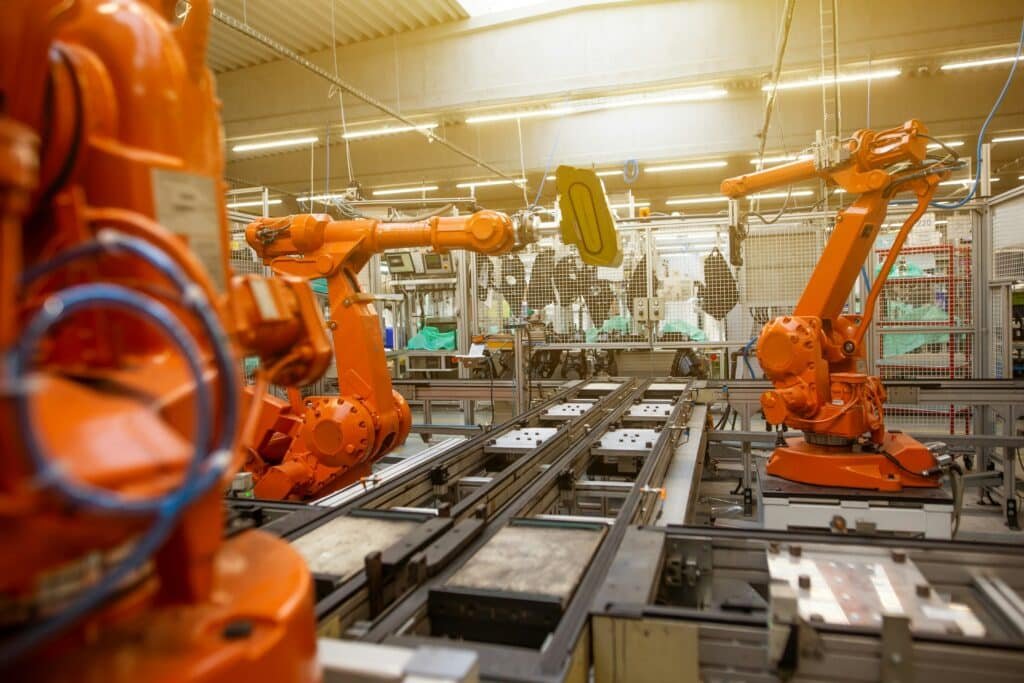
Recent advancements in AI also encompass the use of robotics and intelligent automation systems that can operate alongside human workers, leading to a collaborative environment. These systems can perform complex tasks and adapt to changes in production demands more swiftly than traditional machinery. Furthermore, AI-driven decision-making tools facilitate real-time analysis of production data, enabling manufacturers to respond rapidly to market changes and consumer preferences.
As a result, AI has become an integral part of modern manufacturing processes, reshaping the industry landscape. Companies that adopt AI technologies are not only improving their productivity but also positioning themselves as leaders in innovation. The future of manufacturing is undoubtedly interlinked with advancements in AI, which promises to streamline operations and foster sustainable growth.
Streamlining Production Processes
Artificial Intelligence (AI) is fundamentally changing the manufacturing sector through enhanced production processes that demonstrate increased efficiency and reduced operational costs. The integration of AI systems enables manufacturers to optimize workflows via machine learning algorithms that analyze vast datasets, allowing for data-driven insights that promote better decision-making. These algorithms adapt over time, learning from past production metrics to enhance current processes, thereby streamlining operations.
One significant application is predictive maintenance, where AI predicts equipment failures before they occur. By analyzing real-time data from machinery, AI can pinpoint wear and performance issues, resulting in timely interventions that prevent unplanned downtimes. This not only extends the lifespan of equipment but also reduces maintenance costs. For instance, a prominent automotive manufacturer implemented predictive maintenance AI tools and reported a reduction in equipment downtime by up to 30%.
Automation, another critical facet of AI in manufacturing, enables the deployment of robots and automated systems that increase operational efficiency. Automated production lines equipped with AI can operate continuously, significantly enhancing output and reducing the need for manual labor. This shift towards automation allows companies to concentrate on quality control while robots handle repetitive tasks with precision. A case study from a leading electronics manufacturer illustrates that the adoption of automated processes led to a 25% increase in production rates.
In conclusion, through machine learning, predictive maintenance, and automation, AI facilitates the streamlining of production processes, setting the stage for a more efficient and cost-effective manufacturing landscape. These advancements not only represent improved operational capacities but also highlight a significant evolution in manufacturing methodologies.
Enhancing Quality Control through AI
Quality control is a cornerstone of effective manufacturing, ensuring that products meet required standards before reaching consumers. The integration of Artificial Intelligence (AI) technologies into quality control processes has significantly advanced these efforts, as manufacturers adopt innovative solutions such as computer vision and anomaly detection systems.
Computer vision employs machine learning algorithms to analyze images captured during the production process. This technology allows for real-time inspection of products, identifying defects that may not be detectable by the human eye. For example, automotive manufacturers have implemented AI-driven systems that scrutinize vehicle components for flaws during assembly, leading to a marked reduction in recalls and increased safety for end-users. The precision of computer vision not only enhances quality but also minimizes human error, which is often a common factor in production flaws.
Another essential aspect of AI in quality control is anomaly detection. This technology uses statistical methods to identify deviations from expected patterns in manufacturing data. By setting benchmarks based on historical performance, AI systems can flag anomalies that may indicate quality issues. An automobile manufacturer employing anomaly detection technology recently reported a 20% decrease in defects, significantly boosting customer satisfaction levels and reducing waste related to returns and repairs.
Together, these AI technologies are revolutionizing quality control in manufacturing by allowing for swift detection and resolution of potential defects. The implications are profound; not only do these advancements reduce waste and costs associated with poor quality, but they also enhance brand reputation and consumer trust. As industries continue to embrace AI, the resultant improvements in quality control promise a future where manufacturing excellence becomes the norm rather than the exception.
Supply Chain Optimization
Artificial Intelligence (AI) is fundamentally reshaping supply chain management in the manufacturing industry. By harnessing the power of advanced algorithms and data analytics, businesses can predict demand, streamline inventory management, and enhance logistics operations. This transformation emphasizes the critical role AI plays in optimizing various aspects of the supply chain.
One of the core strengths of AI is its ability to analyze vast amounts of data swiftly and accurately. This data-driven approach allows manufacturers to forecast demand more effectively. Through sophisticated predictive analytics, AI considers historical sales data, market trends, and external factors to generate more accurate demand forecasts. As a result, companies can better align their production schedules and inventory levels, minimizing excess stock and reducing the risk of stockouts.
Furthermore, AI-powered inventory optimization tools can calculate optimal inventory levels based on real-time data. This capability ensures that manufacturers are not over-committing resources to unnecessary stock while still being prepared for fluctuations in demand. By decreasing holding costs and waste, companies can enhance their overall operational efficiency.
Logistics is another area where AI contributes significantly to supply chain optimization. Machine learning algorithms can analyze routing patterns, transportation costs, and shipment timelines to identify the most efficient delivery routes. For instance, companies like Amazon and Tesla utilize AI to optimize their logistics networks, resulting in reduced delivery times and lower transportation costs.
Real-life examples underscore the practical benefits of AI in supply chains. For instance, Siemens employs AI algorithms to enhance its supply chain visibility, allowing them to respond dynamically to disruptions. By integrating AI into their operations, manufacturing firms can achieve efficiency, significant cost reductions, and enhanced competitiveness in an increasingly complex market.
Predictive Maintenance and Downtime Reduction
The evolution of artificial intelligence (AI) has ushered in a new era in the manufacturing sector, particularly with respect to predictive maintenance. Predictive maintenance involves utilizing advanced algorithms and machine learning models to monitor the health of production machinery proactively. By analyzing historical and real-time data from machinery, AI can identify patterns indicative of potential failures, allowing manufacturers to schedule maintenance activities just before a machine is likely to fail.
The primary benefit of this sophisticated approach is the significant reduction in unplanned downtime. Traditionally, manufacturing operations faced productivity losses due to unexpected machine failures, which often led to costly production halts. However, with the implementation of AI-driven predictive maintenance strategies, manufacturers can anticipate issues, allowing them to perform timely interventions that can avert catastrophic machinery breakdowns. This not only helps maintain continuous production schedules but also enhances overall equipment efficiency.
Financially, the advantages of adopting AI for maintenance strategies are noteworthy. Manufacturers experience decreased operational costs by reducing the need for emergency repairs and minimizing the labor associated with unplanned maintenance. The shift from reactive to predictive strategies enables organizations to allocate resources more effectively, optimizing maintenance scheduling and inventory management processes. Ultimately, investment in AI technologies for predictive maintenance yields substantial returns, improving productivity and profitability over time.
Furthermore, this integration of AI extends beyond immediate maintenance tasks; it fosters a culture of continuous improvement within manufacturing facilities. As manufacturers utilize predictive insights to adapt their production methodologies, they can enhance overall operational resilience, making companies better equipped to meet market demands. Thus, the transformative impact of AI on predictive maintenance not only benefits individual companies but also contributes to a more robust manufacturing landscape.
Customizing Products with AI
In the modern manufacturing landscape, the demand for customized products is on the rise. Artificial Intelligence (AI) serves as a pivotal tool in enabling manufacturers to meet this demand through various innovative approaches. One of the most significant contributions of AI to customization is the advent of mass customization technologies, which allow companies to produce goods tailored to individual preferences without a significant increase in production costs.
AI-driven design tools utilize machine learning algorithms that analyze consumer trends and preferences to inform product design. These tools enable designers to create variations of products quickly while ensuring adherence to quality standards. For instance, AI can assist in selecting materials, adjusting dimensions, and even creating virtual models to visualize the final product. This ability to iterate designs based on consumer data leads to a more responsive and personalized manufacturing process.
Furthermore, the integration of AI in manufacturing facilitates the effective use of consumer data. By leveraging data analytics, manufacturers can gain valuable insights into customer preferences, enabling them to produce tailored products that resonate with their target audience. This data-driven approach ensures that customization is not only feasible but also efficient, allowing manufacturers to stock fewer standard products while still meeting diverse consumer needs.
The capabilities of AI extend to optimizing production schedules and workflows, thus enhancing efficiency. As manufacturers increasingly adopt these technologies, they can create a more agile system that adapts to consumer demands promptly. This transformation in manufacturing practices underscores the importance of AI not only in customizing products but also in streamlining operations, ultimately leading to a competitive edge in today’s marketplace.
Innovations in Robotics and Automation
The emergence of artificial intelligence (AI) has led to significant innovations in robotics and automation within the manufacturing sector. These advancements have enabled the development of robotic systems that not only enhance efficiency but also improve accuracy and flexibility. Traditionally, robots were limited in their capabilities and often designed for specific tasks within a production line. However, with the integration of AI, modern robotic systems can now adapt to various tasks, learning and optimizing processes in real-time.
One notable innovation is the rise of collaborative robots, also known as cobots, which are designed to work alongside human operators. Cobots utilize advanced sensors and AI algorithms to navigate shared workspaces safely. This synergy between human workers and intelligent machines enhances productivity and reduces the risk of injury or errors. Moreover, cobots can be easily reprogrammed for different functions, making them a versatile addition to manufacturing environments.
Furthermore, advancements in machine vision and natural language processing are allowing robots to interpret their surroundings more effectively. For instance, AI-enabled vision systems can assist robots in identifying components on an assembly line, facilitating sorting and quality inspection at unprecedented speeds. This precision significantly lowers production costs by minimizing waste and defects.
Looking ahead, the future of robotics and automation in manufacturing appears promising. We can expect to see increased use of sophisticated AI algorithms that enable predictive maintenance, thus extending the lifespan of machinery. Additionally, as the capabilities of AI continue to expand, the potential for fully autonomous manufacturing systems may soon become a reality. These developments promise not only to enhance operational efficiency but also to create a dynamic relationship between technology and human labor that fosters growth and innovation in the industry.
AI-Driven Research and Development
The integration of artificial intelligence (AI) in research and development (R&D) is rapidly transforming the manufacturing industry. AI enhances the capabilities of engineers and scientists, allowing for more efficient data analysis, which plays a pivotal role in new product development. By leveraging machine learning algorithms and advanced data analytics, companies can quickly identify patterns and insights that would be challenging or time-consuming to uncover through traditional methods.
In the context of material innovations, AI facilitates the exploration of new composite materials and processes. For instance, AI systems can analyze existing material properties and predict the performance of novel combinations, significantly reducing the time and cost associated with experimental testing. The predictive capabilities of AI enable manufacturers to create materials that not only meet but exceed industry standards for quality and sustainability.
Additionally, AI is transforming the prototyping phase of product development. Traditionally, prototyping can be a lengthy process, often requiring multiple iterations. However, with AI-driven simulations and modeling, manufacturers can produce digital twins of their products, allowing for rapid testing and iteration. This accelerates the innovation cycle dramatically, enabling firms to bring products to market faster while minimizing resource consumption.
For instance, companies like Siemens and GE are using AI technologies to streamline their R&D processes, which leads to quicker turnaround times for product advancements and a more agile response to market demands. The ability to harness vast amounts of data and glean actionable insights positions AI not just as a tool but as a strategic asset in R&D initiatives within the manufacturing sector.
The Future of AI in Manufacturing
The manufacturing industry is on the brink of a significant transformation as artificial intelligence (AI) continues to evolve and integrate into production processes. This technological advancement promises numerous opportunities, yet it also presents ongoing challenges that stakeholders must navigate. One of the crucial aspects of the future of AI in manufacturing lies in workforce dynamics. As AI systems become more capable of performing complex tasks, there may be a shift in employment needs, requiring upskilling and reskilling of the workforce to keep pace with these technological advancements. The demand for skilled professionals who can operate and maintain AI systems will likely increase, driving a fundamental change in manufacturing job specifications.
Additionally, organizations must take into account regulatory considerations surrounding AI implementation. As governments and regulatory bodies establish frameworks to govern the use of AI, manufacturers will need to ensure compliance while also fostering innovation. The evolving nature of regulation in this sphere may affect how manufacturers adopt and utilize AI technologies, highlighting the importance of strategic planning in AI deployment.
Beyond operational changes, AI is poised to have a broader impact on global manufacturing trends. The ability to analyze vast amounts of data facilitates enhanced decision-making, improves production efficiency, and reduces waste. Consequently, organizations may benefit from greater competitiveness in the global market. However, this shift necessitates a careful examination of ethical implications associated with AI. Concerns about data privacy, the potential for bias, and the overall sustainability of AI practices will become increasingly significant as manufacturers strive for ethical and environmentally friendly operations.
In summary, the future of AI in manufacturing is characterized by both transformative potential and complex challenges. As the industry adapts to these changes, ongoing dialogue regarding the ethical and sustainable use of AI will be vital to fostering a responsible and resilient manufacturing ecosystem.


