

How to Choose the Right SIM Card for Global Travel
- Introduction to SIM Cards and Roaming
- The Role of Network Providers
- Technical Barriers to Connectivity
- Regulatory and Legal Considerations
- Limitations of International Roaming Plans
- How SIM Locking Affects Connectivity
- Customer Support and Solutions
- The Future of Global Connectivity
- Conclusion and Key Takeaways
Introduction to SIM Cards and Roaming
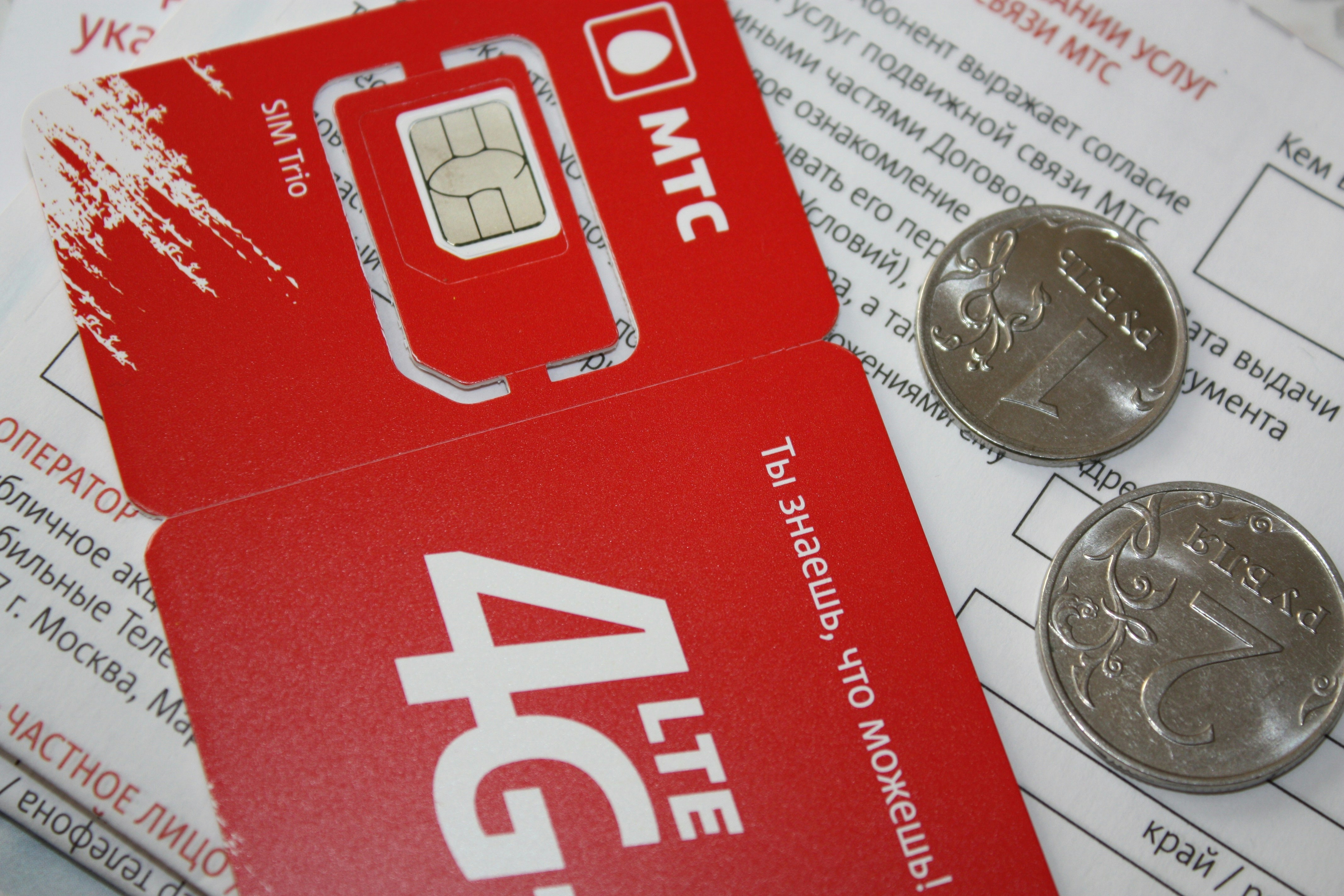
SIM cards, or Subscriber Identity Module cards, are integral components in mobile devices that enable users to connect to cellular networks. Each SIM card is a small chip that stores critical information, including the user’s phone number, personal data, and network authorization details. This allows the mobile device to authenticate itself on the network and facilitates various services, such as calls, messaging, and data usage. In essence, SIM cards serve as the bridge between the device and the network, defining the user’s experience with mobile services.
Roaming is a feature that allows mobile users to access their service when traveling outside their home country, effectively extending the reach of their network connectivity. When a SIM card is used outside of its original country, the device establishes a connection with local networks through international roaming agreements. These agreements between telecom providers ensure users can access voice and data services abroad, typically charging them either a premium rate or a predetermined fee based on their plans. Roaming can be beneficial for travelers who need to stay connected while away from their home network, but it often comes with complexities and potential limitations.
The challenges faced when using a SIM card from one country in another, despite both being under the same telecommunications provider, stem from various factors. These include differences in regional technology standards, network compatibility, and regulatory restrictions imposed by different countries. Additionally, providers may have unique roaming agreements that affect the availability of certain services when a SIM card is utilized in an alternate geography. Thus, while roaming may allow for continued connectivity, it does not guarantee seamless access to network services akin to those experienced at home, highlighting the nuanced nature of mobile connectivity across borders.
The Role of Network Providers
The functionality of SIM cards in international contexts is significantly influenced by the role of network providers. Each telecommunications operator operates within the boundaries of national regulations and agreements which dictate how connectivity is managed. Consequently, even if a network provider maintains a global brand presence, the operational framework for SIM cards can vary sharply from one country to another.
Firstly, network providers must adhere to local laws and regulations, which include obtaining the necessary licenses and operating under specific conditions mandated by government agencies. These regulatory requirements can include aspects such as data protection, emergency services access, and environmental concerns. For example, a network provider in the United States will operate under the Federal Communications Commission (FCC), while in the European Union, it must comply with the European Telecommunications Standards Institute (ETSI) standards. Such differing regulations can lead to incompatible structures for SIM cards between countries.
Moreover, partnerships and agreements between network providers and local carriers significantly impact the interoperability of services. Even if two customers possess SIM cards from the same global provider, these cards are often programmed to connect to specific local networks. There may be no agreement in place that allows a SIM card from one country to seamlessly connect to a network in another, even if they share the same brand. This lack of compatibility is often due to different infrastructure technologies and bandwidth allocations managed by the local network operators.
Overall, while the identity of a network provider may remain consistent, the operational challenges that arise due to regulatory frameworks and regional partnerships result in limitations that prevent SIM cards from one country from effectively connecting to networks in another. Understanding these complexities is essential for consumers traveling or relocating internationally.
Technical Barriers to Connectivity
The inability of a SIM card from one country to connect to networks in another, even under the same provider, can be primarily attributed to various technical barriers. These challenges stem from disparities in network technologies, frequency allocations, and compatibility issues that arise when crossing international borders. Understanding these factors is crucial for comprehending the broader subject of mobile connectivity and roaming.
First, it is essential to recognize that different countries often employ various network technologies to deliver mobile services. The most notable technologies include GSM, CDMA, LTE, and newer advancements like 5G. While certain mobile providers may operate on a universal technology standard, specific countries may adopt unique systems optimized for local conditions. Thus, a SIM card operating on one technology may not be compatible with another, leading to connectivity issues when attempting to access networks abroad.
Frequency allocation is another significant component of this dilemma. Mobile networks utilize specific frequency bands designated for communication within a country. These allocations can vary, causing a SIM card to fail to connect to foreign networks that operate on different frequency ranges. For example, a SIM designed for use in the United States may struggle to access networks in Europe due to these variations in frequency assignment.
Moreover, compatibility issues related to roaming can also hinder connectivity. Mobile operators often have distinct arrangements with foreign networks, affecting the ability of their SIM cards to establish connections while abroad. Roaming agreements are negotiations between providers that enable customers to utilize their devices in different regions, but not all providers maintain extensive partnerships, especially in countries with diverse communication infrastructures.
To improve connectivity experiences while traveling internationally, obtaining a local SIM card or ensuring your existing provider has robust roaming support is advisable. Addressing these technical barriers is vital for enhancing mobile communication across borders.
Regulatory and Legal Considerations
The functioning of SIM cards across borders is inherently influenced by a myriad of regulatory and legal frameworks established by telecommunications authorities in various countries. Each nation has its own set of rules and regulations concerning mobile network operations, which govern how telecom providers must manage their services. These regulations often dictate the technical standards, frequencies, and protocols that mobile networks must adhere to, creating distinct barriers for international connectivity.
Different countries may have unique licensing requirements for telecom operators, resulting in discrepancies among service providers, even those that appear similar or belong to the same parent company. For instance, a mobile network operator that offers services in both Country A and Country B may be subject to different operational licenses, leading to incompatibility issues between the two networks. This scenario can severely limit the ability of a SIM card from one country to communicate with the network in another jurisdiction, despite the provider being the same.
Additionally, international agreements among countries can further complicate cross-border connectivity. Bilateral treaties may permit one nation’s telecom provider to offer services seamlessly within another nation’s territory; however, such arrangements are not universally applicable. When regulatory frameworks are not aligned, users may experience challenges such as limited network access, inability to roam, or exorbitant roaming charges in foreign markets. Ultimately, understanding the regulatory landscape becomes a crucial factor in mobile connectivity, emphasizing the importance of compliance and standardization in enabling a cohesive global telecommunications infrastructure.
Limitations of International Roaming Plans
International roaming plans are often marketed as convenient solutions for travelers who wish to maintain connectivity while abroad. However, these plans come with notable limitations that can hinder seamless access to mobile services outside one’s home country. One of the primary restrictions stems from the partnerships that mobile providers establish with foreign carriers. These alliances may limit the availability of services or determine specific networks that customers can connect to when traveling, which can result in inconsistent service quality and availability.
Moreover, the scope of international roaming can vary significantly based on the traveller’s destination. While a roaming plan might allow for a data connection in urban centers, it may not offer the same level of service in rural areas, leading to potential connectivity issues. Service availability often relies on the local partner network’s coverage, which can differ widely between countries. Consequently, even if you are using the same provider, your experience may vary dramatically depending on the local conditions.
Another concern is the limitations on data usage imposed by international roaming plans. Many providers cap data allowances to prevent excessive usage, which can result in additional charges once the limit is exceeded. These caps can restrict the ability to stream media, access online services, or utilize apps that require high data consumption. Additionally, certain features such as visual voicemail or Wi-Fi calling may not be available while roaming, further affecting the utility of the SIM card.
In conclusion, while international roaming plans aim to provide an extensive network experience for global travelers, consumers should be aware of the potential limitations. Understanding these restrictions is essential for effective mobile connectivity when navigating across international boundaries.
How SIM Locking Affects Connectivity
SIM locking is a technology used by mobile network operators to restrict the use of a mobile device to a specific carrier’s network. This security measure is common for phones purchased at subsidized prices through a carrier. A locked SIM card only functions with the specific provider it is associated with, meaning that users cannot easily switch to a different network, even if the new network is compatible with the device.
When traveling internationally, the implications of SIM locking can become particularly significant. For instance, if a user purchases a smartphone with a SIM card tied to a local network, they may find themselves unable to connect to networks in another country, even if the service provider exists there. The primary reason lies in the limitations imposed by the SIM lock, which restricts the phone’s capability to register on foreign networks that are not authorized by the original provider.
In contrast, unlocked SIM cards offer greater flexibility, allowing users to connect to various networks worldwide. This is imperative for travelers who need reliable communication while abroad. An unlocked SIM card grants users the option to obtain a local prepaid SIM or use a roaming plan without the risk of incurring exorbitant fees associated with international service from their home provider.
SIM lock can thus play a critical role in limiting connectivity for users transitioning to different countries. Users should consider the possibility of purchasing an unlocked device or verifying the unlocking policy of their service provider before embarking on international travel. This preparative step can help ensure that they maintain uninterrupted service and connectivity, thereby enhancing their overall travel experience.
Customer Support and Solutions
When users encounter connectivity issues while traveling abroad, especially with SIM cards from their home country, effective customer support can be a vital resource. Telecom providers typically offer a range of support services to assist customers in addressing such challenges. It is essential for users to familiarize themselves with the specific services their provider offers, as these can vary significantly based on the company’s policies and resources.
Customers experiencing difficulties in connecting to a network while using their international SIM card should first reach out to their provider’s customer support team. This can often be done via mobile apps, websites, or by dialing an international hotline. It is advisable for customers to provide detailed information about their situation, including the device they are using, the country they are in, and any error messages they may have received. This information will enable customer service representatives to diagnose the issue more effectively.
Moreover, it is also important for customers to understand their rights when it comes to using telecommunications services abroad. Many providers have specific policies in place that allow users to utilize their roaming services, ensuring that they remain connected, even when outside their home country. If a SIM card is not connecting to the local network as expected, customers should inquire about potential solutions, which may include troubleshooting steps, temporary activation of roaming services, or even advice on using local SIM cards as an alternative.
For travelers who believe their connectivity issues align with common problems experienced by other users, online forums and support communities can also be a source of insights. Ultimately, staying informed and utilizing customer support services proves crucial for a satisfactory resolution of connectivity issues experienced while abroad.
The Future of Global Connectivity
As the world becomes increasingly interconnected, the future of global connectivity is poised for significant transformation. Emerging technologies, particularly eSIMs (embedded Subscriber Identity Modules) and satellite communication, are offering promising solutions to overcome the hurdles currently faced by SIM cards linked to specific geographic networks. These advancements could potentially eliminate the limitations imposed by traditional SIM card usage, allowing users greater flexibility in maintaining connectivity across borders.
eSIM technology is at the forefront of this evolution. Unlike traditional SIM cards that require physical swapping when changing carriers or countries, eSIMs are embedded directly within devices and can be reprogrammed remotely. This means that users can switch between different networks or services without the need for a physical card, significantly simplifying the process of maintaining connectivity while traveling. As more network providers adopt eSIM technology, it is anticipated that smartphones, tablets, and other internet-enabled devices will increasingly support this innovative solution.
On the other hand, satellite communication is also set to play a critical role in the future of global connectivity. This technology allows for widespread coverage, even in remote or underserved areas where traditional cellular networks may not be available. With the advent of low Earth orbit (LEO) satellite constellations, such as those being launched by companies like SpaceX and Amazon, the potential for seamless global internet access is becoming a reality. By utilizing satellite networks, travelers and residents alike can enjoy uninterrupted connectivity, regardless of their geographical location.
With these advancements, users will likely experience a future where global connectivity is no longer hindered by the limitations of traditional SIM cards. The combination of eSIM technology and satellite communication could result in a seamless experience for users, allowing them to stay connected wherever they are in the world. As these technologies continue to develop, the landscape of global connectivity will undoubtedly evolve, making it easier for people to communicate, work, and maintain their digital lives across borders.
Conclusion and Key Takeaways
In examining the complexities surrounding the inability of SIM cards from one country to connect to networks in another, even when provided by the same carrier, we uncover several key elements that contribute to this phenomenon. A fundamental reason lies in the variation of network technologies employed by mobile operators across different regions. Various countries may utilize different frequency bands and technologies such as GSM, CDMA, or LTE, inhibiting a seamless connection between SIM cards and networks.
Additionally, regulatory requirements and mobile network agreements can significantly influence cross-border connectivity. Each nation may have stringent licensing rules and adherence to local laws that restrict how mobile services are offered to both residents and visitors. These regulations can prevent foreign SIM cards from accessing domestic networks, even when the same carrier operates in both locations. For instance, roaming agreements can be complex, contingent upon the negotiation between network operators, thereby affecting the availability of services for travelers.
Moreover, provisioning frameworks often differ based on geographic location. A SIM card activated in one country may not be configured to connect automatically to networks while abroad, thus complicating the use of a single line across borders. This technical restriction necessitates a nuanced understanding of service terms to ensure that users are adequately prepared when traveling internationally.
In summary, the inability of a SIM card from one country to connect to a network in another, despite being from the same provider, is influenced by a confluence of technical, regulatory, and operational factors. As globalization increases and travel becomes more frequent, it is crucial for consumers to familiarize themselves with their mobile connectivity options and the implications for their communication needs abroad. Staying informed will empower travelers to make educated decisions regarding their mobile use while navigating various networks internationally.


