
patakhdeletsolutionsltd.tech

Loading

How to Choose the Best Wi-Fi Service on Flights

How to Choose the Best Wi-Fi Service on Flights

Photo by Jakub Żerdzicki on Unsplash

Introduction to In-Flight Wi-Fi

The landscape of air travel has evolved significantly over the past few years, not only in terms of comfort and safety but also in technology integration. One of the most notable advancements is in-flight Wi-Fi, which has rapidly become a standard offering for many airlines around the world. The rising demand for internet connectivity during flights reflects a growing expectation among travelers who wish to stay connected while in transit. Whether for business or personal use, having access to Wi-Fi on airplanes allows passengers to check emails, browse social media, or stream content, thus enhancing the overall travel experience.

In the past, long-haul flights meant disconnecting from the digital world for hours at a time. However, airlines have recognized the importance of in-flight Wi-Fi as a pivotal element in passenger satisfaction. As connectivity becomes increasingly essential in our daily lives, the inability to access the internet during air travel can be seen as a significant drawback. Consequently, many airlines have invested in modern technologies such as satellite or air-to-ground systems to provide reliable internet access at high altitudes. This trend is particularly significant considering the busy lifestyles of today’s travelers, who often require seamless connectivity for work-related tasks or personal communication.

The implementation of in-flight Wi-Fi has also prompted airlines to enhance their overall service offerings. As the aviation industry becomes more competitive, the provision of Wi-Fi services is not merely an amenity but a crucial factor that influences a passenger’s choice of airline. In addition to profitability, providing efficient in-flight internet access has emerged as a commitment to improving customer experience, demonstrating that airlines are attuned to the evolving needs of their passengers. Overall, in-flight Wi-Fi represents a significant shift towards making air travel more accessible and accommodating to modern expectations.

How Does Wi-Fi Work on Airplanes?

Wi-Fi on airplanes provides a connection to the internet while in flight through two main technologies: satellite communication and ground-based systems. Each of these systems has its own advantages and challenges, but both are designed to keep passengers connected during air travel.

The satellite-based system relies on communications satellites orbiting the Earth. In this setup, the airplane is equipped with a satellite antenna that connects to these satellites, enabling internet access. The process begins when a passenger sends a request through their device, which transmits the signal to the onboard antenna. This antenna then communicates with a satellite above, which relays the request back to ground stations for internet connectivity. This method is particularly useful for long-distance flights over remote areas where ground towers may not be accessible.

On the other hand, some airlines utilize a ground-based system that involves a network of antenna towers positioned along flight paths. In this case, the airplane connects to these towers as it flies overhead. This connection works similarly to a cell phone, where signals are transmitted to and from the aircraft, allowing users to access data and browse the web. Although this system can provide high-speed internet access, its effectiveness is often limited by the airplane’s altitude and location relative to the ground stations.

Both systems face challenges in providing a seamless experience. Factors such as altitude, weather conditions, and geographical obstacles can impact the quality of the connection. However, advancements in technology continuously improve the reliability and speed of in-flight Wi-Fi. As airlines enhance their services, traveling consumers can expect better and more stable internet access while soaring through the skies.

Types of In-Flight Wi-Fi Technologies

As air travel has become increasingly digital, the demand for in-flight Wi-Fi has risen significantly. Two primary technologies dominate the market: satellite-based systems and air-to-ground systems. Each of these systems carries distinct advantages and disadvantages, influencing their adoption by various airlines.

Satellite-based Wi-Fi relies on satellites orbiting the Earth to provide connectivity. This technology sends signals from an aircraft to the satellite, which then transmits the data back to ground stations. One of the significant advantages of this system is its ability to offer coverage over vast geographic areas, including oceans and remote regions where ground connections may be unavailable. Satellite-based systems are typically utilized by international airlines and long-haul flights, where connectivity over oceans is necessary. However, this technology can face limitations in terms of bandwidth, potentially resulting in slower speeds during peak times when many passengers are online simultaneously.

On the other hand, air-to-ground systems use antennas on the aircraft that connect to a network of ground towers. This system is generally less expensive to operate than satellite-based systems and can provide significantly faster internet speeds due to its lower latency. Airlines that operate predominantly within the continental United States often prefer air-to-ground technology because of its lower costs and reliable service in densely populated areas. However, air-to-ground Wi-Fi coverage is limited by geographic regions and can become inaccessible further away from populated areas.

Understanding the differences between satellite-based and air-to-ground in-flight Wi-Fi technologies is essential for recognizing how they impact connectivity options offered by airlines. Each system caters to specific needs and operational constraints, thereby influencing which airlines choose to implement them for their in-flight services.

The Role of Satellites in Airplane Wi-Fi

Satellite technology plays a pivotal role in delivering Wi-Fi services to airplanes while cruising at high altitudes. Unlike traditional ground-based systems that rely on cell towers, satellite communication enables aircraft to maintain an internet connection even when flying over oceans and remote areas where terrestrial networks are unavailable. This is essential for modern air travel, where passengers increasingly expect reliable connectivity.

In-flight Wi-Fi systems typically use two types of satellites: geostationary satellites (GEO) and low Earth orbit satellites (LEO). Geostationary satellites orbit the Earth at approximately 22,236 miles above the equator, allowing them to maintain a fixed position relative to the planet. This offers extensive coverage but can result in higher latency due to the long distance the signals must travel. On the other hand, low Earth orbit satellites are positioned much closer to the Earth’s surface, at about 1,200 miles or less, which significantly reduces latency and can enhance the internet experience by allowing faster data transmission.

When an aircraft is in flight, the onboard Wi-Fi system establishes a connection with the satellite through a specialized antenna mounted on the aircraft’s exterior. This antenna sends and receives signals to and from the satellite, which in turn routes data to and from ground stations equipped with high-speed internet access. The process involves various advanced technologies, including frequency modulation and multiple transmission bands, ensuring that a stable connection is maintained at cruising altitudes.

Despite the complexities involved, the integration of satellite technology in airplane Wi-Fi continues to evolve. Airlines are consistently exploring improvements in both capacity and speed, aiming to meet the increasing demand for high-quality in-flight connectivity. This synergy between aviation and satellite communication heralds a new era of travel, where passengers can seamlessly access the internet while soaring above the clouds.

In-Flight Wi-Fi Coverage and Speed

As air travel evolves, access to Wi-Fi has become an integral part of the passenger experience. Understanding the nuances of in-flight Wi-Fi coverage and speed is essential for travelers who wish to stay connected. Several factors influence the quality and reliability of Wi-Fi signals while in the air. These include the type of technology used, the altitude of the aircraft, and the number of users onboard.

Most airlines utilize either satellite-based or air-to-ground systems to provide internet connectivity. Satellite systems tend to offer wider coverage, enabling passengers to access the internet over vast geographic areas, even at high altitudes. Conversely, air-to-ground systems rely on ground stations to transmit signals. As a result, their coverage may vary based on the flight path and geographical location, potentially leading to inconsistent connectivity.

When it comes to speed, passengers can typically expect varying performance levels during their flight. Average speeds range from 3 Mbps to 30 Mbps, depending on the airline, type of technology employed, and the number of active users. For comparison, these speeds are often lower than what one might experience with a robust home broadband connection. Nevertheless, in-flight internet can adequately accommodate activities such as checking emails, browsing websites, and even streaming content, albeit with some limitations.

It is important to note that the connection quality may be affected by the time of the day, air traffic, and the overall bandwidth allocated for the flight. Passengers should also be aware that using multiple devices on the same network may impact individual speeds. Being informed about these factors enables passengers to manage their expectations and maximize their in-flight connectivity experience.

Pricing Models for In-Flight Wi-Fi

As travelers increasingly expect connectivity while in the air, airlines have developed various pricing models for in-flight Wi-Fi services. Understanding these pricing structures can help passengers make informed choices regarding access to the internet during their flights. The primary models utilized by airlines include free services, pay-per-use options, and subscription models.

Some airlines offer complimentary Wi-Fi as a strategy to attract customers and enhance the flying experience. This model is often contingent upon specific criteria, such as flying on premium routes, being a member of a frequent flyer program, or while in premium seating classes. While free access can be enticing, it often comes with limitations, such as slower speeds or restricted usage hours, which can deter extensive online activities.

On the opposite end of the spectrum, pay-per-use models allow passengers to pay a one-time fee for internet access during a specific flight. This model can vary significantly in pricing and terms between different airlines, depending on the flight duration, speed, and data accessibility. Some airlines may offer tiered pricing, where higher fees correspond to faster speeds or unlimited data usage, catering to varying passenger needs. However, this model can be relatively costly for travelers, especially on long-haul flights.

Another popular option is subscription-based pricing, which appeals to frequent travellers. Airlines may provide a monthly fee that allows access to Wi-Fi across multiple flights. This model is beneficial for business travelers or individuals who often fly, as it often reduces the cost per flight. With subscription models, airline loyalty programs may also offer incentives like discounts or free trials, making these services more attractive.

In summary, the choice of Wi-Fi access on airplanes depends significantly on travelers’ needs and preferences. The various pricing models, including free services, pay-per-use options, and subscription plans, illustrate the diversity in service offerings, allowing passengers to enjoy connectivity while flying. Understanding these options can lead to better decisions regarding in-flight internet access.

The Future of Wi-Fi on Airplanes

The landscape of in-flight Wi-Fi technology is poised for significant transformation in the coming years, heralded by advancements that promise not only faster speeds but also broader coverage across air travel routes. As air travel becomes increasingly accessible and integral to global connectivity, ensuring that passengers remain connected at high altitudes has emerged as a priority for airlines and technology providers alike.

One of the most anticipated developments is the integration of 5G networks into aviation. With 5G technology offering exponentially higher data transmission rates and reduced latency, the potential for enhanced in-flight internet access is immense. Airlines that adopt 5G could significantly improve the passenger experience, allowing for seamless streaming, video conferencing, and real-time engagement with online services during flights. This connectivity not only caters to leisure travelers who wish to stay entertained but also supports business travelers relying on uninterrupted internet access.

Another area of improvement involves satellite technology. New satellite constellations, such as those being launched by various tech companies, aim to provide nearly blanket coverage around the globe. This could result in fewer dead zones during flights, significantly improving the quality and reliability of in-flight Wi-Fi. As satellite technology becomes more sophisticated, airlines can deliver a more consistent service that matches the expectations passengers have come to associate with terrestrial Wi-Fi networks.

Moreover, advancements in onboard hardware will facilitate better performance. Innovations in antennas and routers designed specifically for the aviation environment can improve connectivity and service quality, allowing for more passengers to access the internet simultaneously without experiencing lag. As these technologies evolve, it is likely that passengers can look forward to a future where in-flight Wi-Fi is as reliable and accessible as the internet on the ground.

Common Myths and Misconceptions

When it comes to in-flight Wi-Fi, there are several prevalent myths that can lead to misunderstandings among travelers. One common misconception is that using Wi-Fi on an airplane is unsafe. In reality, in-flight Wi-Fi operates on systems that are specifically designed to ensure safety during air travel. The technology used allows for internet access without compromising aircraft systems, and regulatory bodies have established guidelines to ensure both wireless connectivity and safety for passengers.

Another myth suggests that in-flight Wi-Fi connections are unreliable and consistently slow. While it is true that the connection speed may vary, advancements in technology have significantly improved the reliability of in-flight Wi-Fi. Most airlines utilize satellite technology or air-to-ground systems that permit stable and efficient internet connections. Although the bandwidth shared among multiple users can sometimes lead to slower speeds, airlines are continually working to enhance their connectivity options to meet passenger demands.

Additionally, many travelers mistakenly believe that Wi-Fi service is universally available on all flights. However, this is not the case. The availability of in-flight Wi-Fi largely depends on the airline and the specific aircraft involved. Some airlines offer free services, while others may require a fee or have limitations on the types of online activities allowed, such as streaming or video conferencing. It is essential for passengers to check with their airlines ahead of time to understand the specific in-flight Wi-Fi services that will be offered on their journey.

In light of these misconceptions, it is important for travelers to seek out accurate information regarding in-flight Wi-Fi to avoid unnecessary confusion and to better prepare for their flying experience.

Conclusion

Understanding how Wi-Fi operates on airplanes is essential for modern travelers. The evolution of in-flight internet connectivity has progressed significantly over the years, transforming the way passengers communicate and consume media while in the air. Initially, the concept of using the internet at cruising altitudes seemed futuristic; however, with recent technological advancements, access to Wi-Fi on airplanes has become a standard amenity for many airlines. This development is largely attributed to both air-to-ground and satellite technology, allowing for a more reliable connection that passengers can rely on during their travels.

The integration of these technologies has made it feasible for airline companies to offer internet services, enhancing the overall flight experience. Passengers can now stay connected with family and friends, conduct business effectively, and enjoy entertainment options, making long flights more manageable. This connectivity, however, comes with its challenges, including bandwidth limitations and varying service quality, which travelers should be aware of when planning to use in-flight Wi-Fi.

As airlines continue to invest in improving their in-flight internet offerings, it is crucial for travelers to stay informed about the options available to them. Understanding the nuances of in-flight Wi-Fi can help travelers make educated decisions about when and how to utilize these services. Moreover, being aware of the differences in connectivity quality across airlines can impact the travel experience significantly. Thus, it is beneficial to keep an eye on developments in this area, as advancements promise to enhance in-flight Wi-Fi services further in the near future.


Unlocking the Secrets of Airplane Mode in Aviation

Unlocking the Secrets of Airplane Mode in Aviation

Photo by Nick Shandra on Unsplash

Introduction to Airplane Mode

Airplane mode is a function available on most mobile devices, including smartphones, tablets, and laptops, designed to disable the device’s wireless communication capabilities. When activated, airplane mode turns off cellular network connections, Wi-Fi, and Bluetooth, allowing the device to conform to airline regulations during flights. This feature has roots that date back to the early adoption of mobile phones, reflecting the growing need to manage electronic device usage in environments where interference could pose risks.

The inception of airplane mode arose from safety concerns surrounding the use of personal electronic devices while in flight. Initially, there was a significant apprehension regarding the potential for signal interference with aircraft navigation systems and communication equipment. In recognizing these hazards, regulatory authorities, such as the Federal Aviation Administration (FAA) in the United States, instituted guidelines that mandated the use of airplane mode during flights. This requirement aimed to eliminate risks that could arise from mobile devices emitting signals during takeoff, landing, and cruising altitudes.

Through the years, as technology advanced and the understanding of electronic devices’ impact on aviation safety evolved, the protocols surrounding airplane mode have been refined. While many airlines now allow the use of Wi-Fi on board and have begun to permit the usage of mobile devices in airplane mode, the foundational principle remains: to minimize the potential for interference with critical flight operations. Moreover, airplane mode is not only influenced by safety concerns but also encourages a more peaceful flying experience, enabling passengers to focus on their travels without distractions from incoming calls or messages.

Overall, the development and implementation of airplane mode represent a significant intersection of technology and aviation safety, ensuring that airborne travel remains secure while accommodating the connectivity needs of modern passengers.

Potential Risks of Using Mobile Devices During Flights

The use of mobile devices during flights poses several potential risks, primarily associated with interference with an aircraft’s navigation and communication systems. When mobile devices are not set to airplane mode, they continuously seek cellular signals from ground towers. This active searching can create radio frequency interference, which can disrupt critical avionics systems. Although rare, incidents of such interference can lead to erroneous readings or loss of communication with air traffic control, compromising overall flight safety.

Moreover, the regulatory measures established by aviation authorities stem from these safety concerns. Airlines across the globe, following Federal Aviation Administration (FAA) and other international guidelines, enforce the use of airplane mode to mitigate risks. Not only does this help keep the aircraft’s systems functioning optimally, but it also reduces the probability of distractions caused by incoming calls or notifications that passengers might otherwise feel compelled to respond to during critical flight phases such as takeoff and landing.

In addition to technical interference, the social implications of unregulated mobile device usage must be considered. The close quarters of an aircraft cabin can make conversations, ringing phones, and alerts particularly disruptive to other passengers. In environments where maintaining a collective atmosphere of calm is necessary, respecting the rules surrounding device usage contributes to a more comfortable flying experience for all. Thus, the enforcement of airplane mode can be seen not only as a precautionary measure for technical safety but also as a protocol for ensuring passenger comfort and mutual respect within the tightly confined space of an aircraft.

Ultimately, ensuring that mobile devices are set to airplane mode minimizes potential disruptions while maintaining the integrity of the aircraft’s systems. Awareness of these risks underlines the importance of compliance with in-flight regulations and highlights the collaborative responsibility of passengers and crew alike in preserving safety standards during air travel.

Regulatory Guidelines on Electronic Devices

The use of electronic devices during flights is regulated by various aviation authorities, notably the Federal Aviation Administration (FAA) and the Federal Communications Commission (FCC). These guidelines are designed to ensure the safety of all passengers and crew members while in the air. The FAA primarily focuses on the safe operation of aircraft, while the FCC oversees the communication aspects of electronic devices on board.

When it comes to the use of electronic devices such as smartphones, tablets, and laptops, these regulations differentiate between various phases of flight. Generally, passengers are allowed to use personal electronic devices in “airplane mode” once the aircraft reaches cruising altitude. This mode disables the device’s cellular capabilities, ensuring it does not interfere with the aircraft’s communication and navigation systems. However, during takeoff and landing, passengers are typically required to completely switch off their devices, as these critical phases of flight demand undivided attention from personnel and clear communication between the flight crew.

Prohibitions against using devices that emit signals are grounded in safety concerns. The concern is that electromagnetic interference from personal electronic devices may affect sensitive avionics and communication equipment. Although modern aircraft are built with robust systems designed to mitigate such risks, regulatory bodies take a conservative approach to safeguard against potential issues. Moreover, some airlines have adopted their own policies allowing the use of Wi-Fi and certain apps during flight, subject to the aircraft’s technical capabilities.

In conclusion, compliance with these regulatory guidelines is crucial for ensuring a safe travel experience. Understanding the rationale behind the regulations regarding electronic devices aids passengers in making informed decisions about their use during flights. This ultimately contributes to the overall aviation safety ecosystem. By adhering to these rules, everyone on board can enjoy their journey while maintaining maximum safety standards in the air.

The Science Behind Electromagnetic Interference

Understanding electromagnetic interference (EMI) is crucial for comprehending why airplane mode is necessary during flights. Electromagnetic interference occurs when electronic devices emit signals that can disrupt the operation of sensitive avionics systems onboard an aircraft. These devices often operate within specific frequency ranges, and the potential for interference arises primarily from their cellular, Wi-Fi, and Bluetooth communications.

Cellular networks, for instance, utilize radio frequencies in the range of 800 MHz to 2.5 GHz. When multiple passengers use their mobile devices simultaneously, the resultant signals can create a cumulative effect, potentially causing interference with the aircraft’s navigation and communication systems. This is particularly important given that commercial airplanes are designed to operate in a highly controlled electromagnetic environment, minimizing potential disruptions.

Aircraft systems rely on specific frequency bands for safe operation, such as communication with air traffic control and navigational aids. The critical nature of these systems means that even minute levels of interference can result in degraded performance or unexpected behavior. Additionally, the use of modern avionics systems, which may be more sensitive to EMI, heightens the importance of minimizing any extraneous signals.

Furthermore, it is not solely cellular devices that pose a risk; other electronic gadgets can also contribute to electromagnetic interference. Items such as tablets, laptops, and smartwatches are known to emit signals that could potentially interfere with onboard equipment. As such, airlines and regulatory bodies emphasize the need for passengers to activate airplane mode, which disables cellular, Wi-Fi, and Bluetooth functions during flight.

By understanding the complexities of electromagnetic interference, passengers can appreciate the significance of adhering to aviation guidelines designed to ensure the safety and efficiency of air travel.

Benefits of Airplane Mode Beyond Safety

Airplane mode, a feature present in most modern smartphones and electronic devices, is often associated primarily with safety during flights. However, it offers numerous additional benefits that can enhance the overall travel experience for passengers. One significant advantage is the conservation of battery life. When airplane mode is activated, devices discontinue their attempts to connect to cellular networks, Wi-Fi, and Bluetooth. This results in a significant reduction in battery consumption, allowing travelers to extend the usability of their devices for the duration of the flight. It is particularly beneficial for those on long-haul flights, where access to charging facilities may be limited.

Moreover, enabling airplane mode can prevent users from incurring unexpected roaming charges. International travelers often find themselves at risk of hefty fees when connecting to foreign networks. By turning on airplane mode, travelers can avoid these charges altogether, allowing them to use their devices freely for offline activities such as reading, playing games, or watching downloaded content without the concern of incurring additional costs.

Another advantage of using airplane mode is its role in minimizing distractions during flights. Travel can be stressful, and many people use flights as an opportunity to unwind. By switching to airplane mode, passengers can limit notifications from apps and messages, helping to foster a more peaceful environment. This can enhance relaxation, allowing travelers to immerse themselves in books, music, or simply enjoy the view from their window. In a world increasingly dominated by constant connectivity, taking a break from notifications can serve as a beneficial mental reset.

All these factors combined illustrate that airplane mode offers far more than just a safety measure; it serves as a practical tool that enhances the travel experience in various ways.

How to Properly Use Airplane Mode

Activating airplane mode on your devices is a simple yet essential process when flying. This step effectively disables all wireless communication, including cellular voice and data services, Wi-Fi, and Bluetooth. However, most modern devices allow you to customize certain settings, even in airplane mode. Below is a guide on how to activate airplane mode across various devices.

For smartphones, whether you are using an Apple or Android device, the process is generally the same. First, swipe down from the top of the screen to access the quick settings menu on Android, or swipe down from the upper-right corner on an iPhone. Look for the airplane icon and tap it to activate airplane mode. Ensure the icon illuminates, indicating that all wireless signals are disabled. If you need Wi-Fi access when in airplane mode, you can typically enable it by navigating to the Settings app and turning it back on manually, as most devices allow this flexibility.

For tablets, the procedure remains mostly the same as smartphones. Access the quick settings menu, tap on the airplane icon to enable it, and then go into Settings to re-enable Wi-Fi or Bluetooth if required. Tablets are particularly useful for downloading content or using apps offline during flights.

For laptops, activating airplane mode can vary depending on the operating system. On a Windows laptop, you can usually find the airplane mode option in the Action Center, accessible through the notifications icon in the taskbar. On a Mac, click on the Wi-Fi icon in the menu bar, and select ‘Turn Wi-Fi Off’ while ensuring that airplane mode is also activated through System Preferences if applicable.

Remember, while airplane mode disables standard communications, you can still use offline features and applications. By following these steps, you can ensure compliance with airline regulations while making the most of your device during your flight.

Common Misconceptions About Airplane Mode

Airplane mode is often surrounded by various misconceptions, leading to misunderstandings about its function and the importance of its use while flying. One prevalent myth is that activating airplane mode is unnecessary since the airplane will still reach its destination safely without it. However, this belief overlooks the critical purpose of airplane mode in reducing radiofrequency interference that electronic devices can produce. Even though modern aircraft are equipped with advanced technology, regulators emphasize compliance with airline protocols to ensure that no electronic signals disrupt navigation and communication systems.

Another common misconception is that airplane mode only disables cellular connections. In reality, switching to airplane mode affects all wireless communications on the device, including Wi-Fi and Bluetooth. While it might be possible to re-enable Wi-Fi after engaging airplane mode, this can create confusion among passengers regarding which features are truly disabled during a flight. The primary goal is to prevent any potential interference late in the takeoff and landing phases, which are critical moments in any flight.

<padditionally, aircraft.=”” airline=”” airplane=”” an=”” and=”” app=”” background=”” battery=”” because=”” believe=”” both=”” but=”” by=”” communications=”” compliance.=”” consume=”” detract=”” devices=”” do=”” electronic=”” energy-saving=”” ensuring=”” feature.=”” following=”” for=”” from=”” fundamental=”” helps=”” in=”” integrity.

Changes in Technology and Future of Airplane Mode

The evolution of technology has consistently shaped various aspects of aviation, including the protocols associated with airplane mode. Traditionally, airplane mode was introduced to ensure that electronic devices do not interfere with the aircraft’s communication and navigation systems. However, advancements in communication technologies have led to a reassessment of these regulations. Today, in-flight Wi-Fi services and connectivity options are becoming more prevalent, allowing passengers to retain their electronic devices online without compromising flight safety.

Innovative technologies, such as 5G networks, enhance the speed and reliability of in-flight communications. This improvement raises questions about the future necessity of airplane mode. The development of systems designed to minimize interference from electronic devices suggests that airlines may eventually reconsider the rules surrounding personal device usage during flights. In fact, some airlines have already begun relaxing restrictions, permitting the use of mobile devices to a degree in-flight.

Furthermore, regulatory bodies, including the Federal Aviation Administration (FAA) and the European Union Aviation Safety Agency (EASA), are constantly revisiting their policies as a result of these technological advancements. Future regulations may allow for broader use of electronic devices throughout a flight, perhaps even eliminating the requirement for airplane mode altogether. As such changes unfold, airlines and passengers alike must remain informed about these developments and their implications on travel experiences.

Looking ahead, alternative technologies may emerge, capable of facilitating safe communication between on-board devices and ground systems while ensuring compliance with aviation safety standards. As these innovations shape the aviation landscape, they may redefine the relevance of airplane mode, leading to a future where the need for such a mode diminishes in the context of safe travel technology.

Conclusion: The Importance of Compliance

As we have discussed throughout this blog post, the implementation of airplane mode is not merely a suggestion but a necessary protocol that ensures the safety of passengers and the integrity of aviation operations. The majority of modern aircraft are designed to withstand various electronic interferences; however, enabling airplane mode substantially mitigates the risk of any disruption. This compliance is particularly vital during critical phases of flight, such as takeoff and landing, where operational integrity is paramount.

Passengers must recognize that the use of personal electronic devices in standard modes can inadvertently lead to communication interference with a plane’s navigation and communication systems. Such interferences, though infrequent, can potentially jeopardize the safety of the entire flight. Hence, adhering to the regulations set forth by aviation authorities, which advise the use of airplane mode, reflects a commitment to the broader safety of all individuals onboard.

Furthermore, understanding the rationale behind airplane mode can transform perceptions about this requirement from inconvenience to an acceptance of responsibility. By adopting this small behavior change, travelers contribute to a collective sense of security in air travel. It illustrates that each passenger’s actions have an impact on the flight environment, reinforcing the interconnectedness of traveler and crew in ensuring safety. Thus, the call for compliance with airplane mode regulations should resonate with all frequent flyers while serving as a reminder of our shared duty to prioritize safety and operational integrity in aviation.

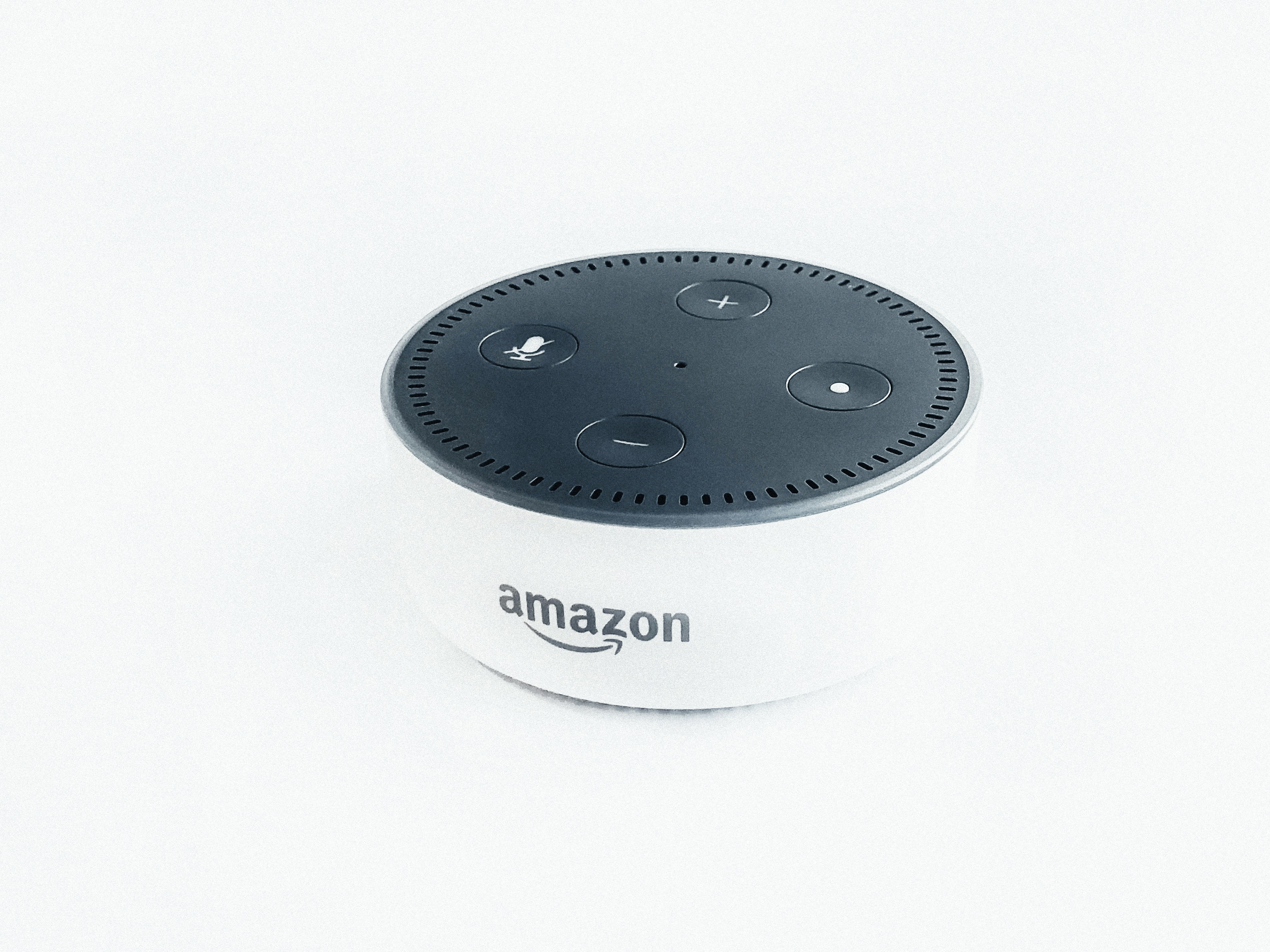
How to Optimize Battery Life on Your Voice Remote Pro

How to Optimize Battery Life on Your Voice Remote Pro

Photo by Rubaitul Azad on Unsplash

Introduction to Voice Remote Pro Gen 2

The Voice Remote Pro Gen 2 represents a notable advancement in the landscape of smart home technology, significantly enhancing the way users interact with their digital entertainment systems. Designed to streamline the control of various devices, this remote offers a blend of convenience and functionality that meets the growing demands of today’s consumers. As smart home environments become increasingly ubiquitous, the importance of intuitive control mechanisms, such as voice remotes, has never been more pronounced.

At its core, the Voice Remote Pro Gen 2 aims to simplify the user experience, allowing for seamless navigation between devices, apps, and content through voice commands. This technology harnesses the power of voice recognition to facilitate quicker interactions, enabling users to change channels, search for content, or adjust settings hands-free. With the proliferation of smart TVs, streaming devices, and home automation systems, the role of a voice remote has evolved into an essential tool for maintaining a cohesive user experience across platforms.

The integration of advanced features such as personalized voice recognition and customizable shortcuts introduces a level of personalization that further enhances user engagement. Users are now able to configure their remote settings to cater to individual preferences, making interactions more efficient and tailored. This capability not only saves precious time but also fosters a more enjoyable entertainment experience. Additionally, the focus on accessibility ensures that users of all abilities can comfortably engage with their devices, underscoring the significance of inclusivity in modern technology.

In conclusion, the Voice Remote Pro Gen 2 exemplifies how advancements in remote control technology can revolutionize user experiences in the smart home ecosystem. By prioritizing convenience and accessibility, this device serves as a pivotal element in the shift towards more intuitive digital entertainment interactions.

Key Features and Improvements

The Voice Remote Pro Gen 2 stands out in the realm of smart technology, presenting several key features and improvements that cater to the modern user’s needs. One of the most significant enhancements is the advanced voice recognition capability. With a more sophisticated algorithm, the remote can accurately interpret a wider array of voice commands, which is crucial for seamless interaction with various devices. This feature not only improves responsiveness but also supports a diverse range of accents, making it accessible to a broader audience.

In addition to enhanced voice recognition, the customizable buttons are another noteworthy feature of the Voice Remote Pro Gen 2. Users can personalize their experience by assigning specific functions or shortcuts to the remote’s buttons, allowing for quicker access to frequently used applications or commands. This level of customization streamlines the user experience, providing convenience at the fingertips of individuals who prioritize efficiency in their technology usage.

Ergonomic design enhancements have also been integrated into the remote, addressing user comfort during extended periods of use. The thoughtfully designed layout ensures that the buttons are easy to reach, minimizing strain during operation. The lightweight build further contributes to a comfortable grip, which can significantly enhance the overall enjoyment of the user experience.

Comparatively, the Voice Remote Pro Gen 2 improves upon its predecessor in various ways. The previous generation struggled with certain voice commands and button responsiveness. With the advancements in technology, the current model has rectified these issues, leading to a more fluid and intuitive user interaction. Overall, the Voice Remote Pro Gen 2 offers tangible improvements that reinforce its position as a valuable tool for modern users seeking convenience and efficiency in their smart home ecosystem.

Voice Recognition Technology

The Voice Remote Pro Gen 2 incorporates advanced voice recognition technology that significantly enhances its usability and accessibility. Central to its functionality is the ability to accurately understand a variety of spoken commands, which allows users to navigate their devices with remarkable ease. This technology leverages sophisticated algorithms and machine learning techniques to interpret speech, ensuring a seamless interaction between the user and their television or streaming device.

One notable aspect of the voice recognition system is its capacity to differentiate between various accents and dialects. This feature is increasingly important in our diverse society, where individuals possess distinct speech patterns and pronunciations. The Voice Remote Pro Gen 2 is designed to recognize and adapt to these differences, enhancing user experience for a wider audience. By accommodating regional accents and colloquial expressions, it minimizes frustration, ensuring that commands are executed accurately and promptly.

Furthermore, the remote’s voice recognition technology enables it to function effectively in environments with background noise, which is a common challenge for many voice-activated devices. The integration of noise cancellation features means that users can issue commands without raising their voices, making it more practical for use in households where multiple activities occur simultaneously. This capability is particularly beneficial in modern homes, where distractions can easily interfere with the performance of traditional remotes.

Ultimately, the effectiveness of the voice recognition technology utilized in the Voice Remote Pro Gen 2 not only streamlines the user experience but also enhances accessibility for users of varying abilities. By ensuring that a broad demographic can comfortably interact with their devices, the remote serves as a testament to the continuous evolution and improvement of voice-controlled technology in everyday life.

Compatibility and Connectivity

The Voice Remote Pro Gen 2 is designed to offer extensive compatibility with a variety of devices, allowing users to streamline their entertainment experience significantly. It supports an array of smart TVs, making it a versatile addition to any home entertainment setup. Major brands, including Samsung, LG, and Sony, have embraced the functionality of this remote, enabling users to control their television sets effortlessly. Additionally, the Voice Remote Pro Gen 2 is compatible with various streaming devices, such as Roku, Amazon Fire TV, and Apple TV. This wide-ranging compatibility means that users can consolidate their control over different devices into a single remote, enhancing convenience and reducing clutter.

Moreover, the Voice Remote Pro Gen 2 excels in connectivity options. It employs Bluetooth technology, which facilitates a seamless connection to devices without the need for line-of-sight. This is particularly beneficial in scenarios where traditional remotes might face obstacles, allowing for uninterrupted control even in less-than-ideal conditions. The remote also supports Wi-Fi connectivity, enabling it to communicate effectively with smart home ecosystems. Users can leverage this feature to integrate it with home automation systems, thereby controlling not just their television and streaming devices, but also lights, thermostats, and other smart home gadgets.

The combination of Bluetooth and Wi-Fi connectivity ensures that the Voice Remote Pro Gen 2 can serve as a comprehensive interface for managing multiple devices from various manufacturers. This makes it an essential tool for anyone looking to create an integrated smart home environment. By maximizing compatibility, the Voice Remote Pro Gen 2 empowers users with a level of control that enhances their overall experience, providing both convenience and efficiency in their daily interactions with technology.

User Experience and Usability

The Voice Remote Pro Gen 2 has been designed with user experience at its core, ensuring that both setup and everyday interactions are intuitive and straightforward. Upon initial setup, users have reported a seamless experience. The easy-to-follow instructions allow even the least tech-savvy individuals to connect the remote to their devices within minutes, significantly reducing initial frustration commonly associated with technology deployments.

One of the standout features of the Voice Remote Pro Gen 2 is its ergonomic design, which has received positive feedback from a diverse range of users. With contoured buttons that facilitate tactile recognition, finding the right control without looking down is remarkably efficient. This intuitive layout has made it a favorite among users who prioritize comfort and accessibility during their viewing experiences.

User testimonials highlight the device’s voice control capabilities, which further enhance usability. Many users have shared that speaking commands feels remarkably natural, and the accuracy of voice recognition prevents misunderstandings that can often arise with competitors. For instance, one user commented, “I can ask it to dim the lights or change the channel without fumbling for buttons, which makes watching TV much more enjoyable.” Such feedback underscores the convenience the remote provides, transforming how users interact with their entertainment systems.

<pmoreover, 2=”” a=”” accommodating=”” across=”” adaptability=”” allows=”” also=”” an=”” and=”” attractive=”” but=”” can=”” children=”” customizable=”” demographics,=”” demonstrates=”” design=”” device=”” different=”” elderly.=”” encourages=”” enhances=”” enrich=”” experience=”” experience,=”” features=”” for=”” gen=”” households.

Battery Life and Maintenance

The Voice Remote Pro Gen 2 is designed with user convenience in mind, particularly regarding battery life. This device utilizes a rechargeable battery that provides an impressive performance, often lasting several weeks on a single charge, depending on usage patterns. The built-in battery ensures that users do not need to constantly rely on disposable batteries, which not only lowers the operating cost but also reduces environmental impact.

To maximize the battery life of the Voice Remote Pro Gen 2, it is advisable to charge the device using the included USB-C cable. This method is both efficient and convenient, as it allows for charging through various power sources such as laptops, wall adapters, or power banks. Additionally, users should avoid overcharging the remote, as excessive charging can lead to battery degradation over time. The remote is equipped with an indicator that shows the battery status, helping users to keep track of when it requires charging.

Maintenance of the Voice Remote Pro Gen 2 is relatively straightforward. Regularly cleaning the device helps to ensure optimal performance. Users should gently wipe the remote with a soft, damp cloth to remove dust and fingerprints, avoiding harsh chemicals that may damage the surface. It is also beneficial to periodically check for any updates to the remote’s firmware, as manufacturers often release enhancements that can improve functionality and battery efficiency.

In summary, by following these maintenance tips and leveraging the robust battery life features of the Voice Remote Pro Gen 2, users can ensure their remote remains in peak condition, providing uninterrupted convenience for all their entertainment needs.

Price Point and Value for Money

In evaluating the Voice Remote Pro Gen 2, it is crucial to consider its price point relative to its features and the competition in the market. Priced at $49.99, the Voice Remote Pro Gen 2 falls within a mid-range bracket when compared to similar products from major brands. Competitors in this space, such as the Logitech Harmony Elite and the Amazon Fire TV Voice Remote, have varied price points, with some exceeding the $100 mark and others available for as low as $20. This positioning suggests that the Voice Remote Pro Gen 2 aims to deliver a balanced combination of quality and affordability.

When assessing the value for money of the Voice Remote Pro Gen 2, it is essential to weigh its capabilities against the expectations of potential consumers. Users benefit from features such as customizable shortcuts, enhanced voice recognition, and a user-friendly interface that simplifies navigation across various devices and applications. These elements contribute to a seamless user experience, which enhances the remote’s value proposition. Comparatively, some budget alternatives may offer basic functions but lack the advanced features that aim to streamline multi-device control and overall user functionality.

Moreover, potential buyers should also consider the longevity and customer support associated with the Voice Remote Pro Gen 2. The manufacturer’s warranty and product support can significantly impact a consumer’s perception of value. In conjunction with the quality of materials and technology used, these factors can justify the investment in this device, particularly for those who prioritize functionality and ease of use.

Ultimately, the Voice Remote Pro Gen 2 presents a compelling balance of quality, features, and pricing that positions it as a worthwhile consideration for consumers in the market for an advanced voice remote control.

Comparisons with Other Remote Controls

The Voice Remote Pro Gen 2 stands out in the highly competitive market of remote controls, offering features that cater to modern users seeking convenience and efficiency. When compared to leading alternatives such as the Logitech Harmony Elite and the Roku Voice Remote, several key strengths and weaknesses become apparent.

One significant advantage of the Voice Remote Pro Gen 2 is its advanced voice recognition technology. While the Logitech Harmony Elite offers robust device compatibility and universal control, its reliance on manual inputs can be cumbersome for users seeking a more streamlined experience. The Voice Remote Pro Gen 2’s ability to execute commands through voice prompts simplifies navigation across various platforms, reducing the need for complex button combinations.

On the other hand, the Roku Voice Remote is primarily designed for use with Roku devices, which limits its versatility. The Voice Remote Pro Gen 2, however, supports a wider range of devices, making it an attractive option for users with diverse media setups. Furthermore, the Pro Gen 2 features customizable buttons, allowing users to create personalized shortcuts that enhance their viewing experience, a feature not prominently available in the Roku counterpart.

In terms of build quality, all three remotes present differing levels of durability. The Logitech Harmony Elite, while sophisticated, can be temperamental, especially when faced with software updates or compatibility issues. The Voice Remote Pro Gen 2, with its robust design and responsive buttons, provides users with a more consistent performance. This reliability is essential in a time when seamless connectivity is valued.

Another area worth noting is battery life. Users have reported longer battery performance with the Voice Remote Pro Gen 2 compared to the more frequently charged Logitech Harmony Elite. Overall, while each of these remote controls has its unique benefits, the Voice Remote Pro Gen 2 offers a balanced blend of convenience, compatibility, and performance, making it a compelling choice for those in search of an advanced remote control solution.

Conclusion and Final Thoughts

The Voice Remote Pro Gen 2 presents a notable advancement in remote control technology, enhancing users’ interactions with their devices through intuitive voice recognition and a user-friendly interface. With features such as customizable buttons, backlighting for low-light environments, and the capacity to integrate multiple devices, this remote stands out as an excellent choice for those seeking convenience and efficiency. The integration of voice commands ultimately streamlines navigation, allowing users to perform tasks hands-free, which adds to the overall ease of use.

However, like any technological product, the Voice Remote Pro Gen 2 is not without its drawbacks. Some users have reported occasional connectivity issues, particularly when using the remote at extended distances from the devices. Additionally, while the advanced features cater well to tech-savvy individuals, casual users may find the plethora of options somewhat overwhelming. Thus, potential buyers must consider their familiarity with smart technology before making a purchase decision.

For tech enthusiasts who regularly engage with various streaming platforms, gaming consoles, or home automation systems, the Voice Remote Pro Gen 2 can significantly enhance their experience, unlocking a level of convenience that traditional remotes cannot provide. On the other hand, casual users who prioritize simplicity may prefer a more basic remote option that enables them to access content without the complexities of advanced features.

Ultimately, the Voice Remote Pro Gen 2 can play a valuable role in many households by seamlessly fitting into daily routines. It invites users to rethink their entertainment experiences and streamline interactions with technology. For anyone searching for a sophisticated yet convenient remoting option, this device warrants serious consideration.

How to Choose the Right VoIP Solution for Your Needs?

How to Choose the Right VoIP Solution for Your Needs?

Image by Travis Zimmerman from Pixabay

Introduction to VoIP Technology

Voice over Internet Protocol, commonly known as VoIP, signifies a transformative advancement in the realm of communication technology. Rather than relying on traditional circuit-switched telephone networks, VoIP utilizes packet-switched protocols to transmit voice data via the internet. This fundamental shift allows users to make voice calls through their internet connection, significantly improving the efficiency and flexibility of voice communication.

The importance of VoIP technology in modern communications cannot be overstated. Its benefits are manifold and contribute to its increasing adoption among both businesses and consumers. Firstly, VoIP can drastically reduce the costs associated with traditional phone services. Long-distance calls, which typically incur hefty charges on conventional systems, can be made at minimal or no additional cost. Thus, it promotes cost-effective communication and can be particularly advantageous for businesses with a remote workforce or those engaged in international operations.

Moreover, VoIP offers remarkable flexibility. Users can make and receive calls from various devices—smartphones, tablets, and computers—provided they have an internet connection. This adaptability suits the modern lifestyle, where mobility and constant connectivity are paramount. Additionally, VoIP systems often come equipped with features such as voicemail to email, call forwarding, and video conferencing that enrich the communication experience.

As VoIP technology continues to evolve, its applications are diversifying beyond merely voice calls. For instance, businesses utilize VoIP for collaborative tools, integrating video conferencing and messaging services into their communication systems. Additionally, the technology supports customer services through features like interactive voice response (IVR) systems. With these growing use cases, VoIP stands at the forefront of a digital communication revolution, making it essential for anyone looking to build a VoIP call feature to understand its core principles and applications.

Understanding the Essential Components

Implementing a Voice over Internet Protocol (VoIP) call feature entails several critical components that work cohesively to ensure effective communication. At the heart of VoIP is the Session Initiation Protocol (SIP), which is integral for establishing, maintaining, and terminating voice sessions. SIP functions as the signaling protocol that initiates the call by sending requests and receiving responses between clients and servers. This protocol is essential for determining how sessions are negotiated and managed across various networks, ensuring that calls are routed accurately.

Real-time Transport Protocol (RTP) follows SIP in importance, as it is responsible for the actual transfer of audio and video streams during the call. RTP encapsulates the data packet and then delivers it in a time-sensitive manner, which is pivotal for maintaining audio quality and minimizing delays. It works in conjunction with SIP to provide real-time communication capabilities, allowing for seamless interaction between parties.

Media servers also play a vital role in the VoIP infrastructure, acting as points of control for audio, video, and data streams. They facilitate call processing, conferencing capabilities, and can assist with transcoding to adjust different media formats for compatibility across devices. This is especially useful in scenarios where diverse codecs are employed to compress voice data; codecs convert the sound into a digital format for transfer, and their efficiency directly impacts the call’s quality.

Signaling servers enhance the functionality of SIP by managing session establishment and control. These servers handle incoming and outgoing signaling data crucial for maintaining stable connections. Moreover, to ensure robust performance and high quality of service (QoS), a strong infrastructure must support these components, including adequate bandwidth, reliable network connections, and redundancy measures to handle potential outages. By understanding these essential elements, developers can create a comprehensive VoIP call feature that meets user expectations for clarity and reliability.

Choosing the Right Tech Stack

When embarking on the development of a VoIP call feature, selecting the appropriate tech stack is crucial to ensure robust functionality, scalability, and maintainability. The tech stack typically comprises various programming languages, frameworks, and tools tailored for both backend and frontend development. Here, we will examine several options that can help developers make informed decisions based on their project requirements.

For the backend, popular programming languages include Node.js, Python, and Java, each offering unique benefits. Node.js is particularly well-suited for handling asynchronous calls, making it ideal for real-time applications like VoIP. Its event-driven architecture allows for efficient translation of calls into data packets. Python, renowned for its clear syntax and extensive libraries, can facilitate rapid development, whereas Java promotes scalability and strong performance for larger applications. The choice often boils down to team familiarity and specific project needs.

On the frontend, frameworks such as React or Angular can enhance the user experience by creating responsive and interactive interfaces. React, with its component-based architecture, allows for reusable UI components, thereby speeding up development. Angular, on the other hand, provides an extensive set of tools and features which may be beneficial for larger teams focusing on complex projects. The integration of these frameworks with backend services is critical in delivering seamless VoIP functionality.

Additionally, developers must consider relevant libraries and APIs that can support VoIP functionalities. WebRTC, for instance, is a powerful open-source project designed to enable audio and video communication directly between web browsers. By leveraging such technologies, developers can implement features like real-time audio and video calls with minimal latency.

In selecting the right tech stack, it is vital to evaluate the specific project requirements and team capabilities. This strategic alignment will ultimately facilitate the creation of a successful VoIP call feature that meets user expectations.

Designing the User Interface

Creating an effective user interface (UI) for a VoIP call feature is crucial for promoting accessibility and enhancing user engagement. A well-designed interface not only simplifies the user experience but also contributes to the overall satisfaction of the users. When designing the UI, it is essential to consider several key elements that will facilitate a seamless experience.

First and foremost, the layout should prioritize intuitiveness. Users should be able to navigate the interface easily, with all necessary elements clearly visible. Important UI components include call buttons, contact lists, and call history displays. Placing standout call buttons in prominent locations ensures that initiating a call is straightforward and quick. Furthermore, implementing visual cues such as color coding or icons can guide users effectively through their tasks.

Accessibility is another critical consideration in UI design. Ensuring that the interface is navigable via keyboard shortcuts and compatible with screen readers can significantly improve usability for individuals with disabilities. Additionally, the text size should be adjustable, and high-contrast color schemes should be provided to accommodate users with visual impairments.

Responsiveness across various devices is equally important. The user interface should adapt seamlessly to different screen sizes, allowing users to experience the same level of functionality whether they are on a smartphone, tablet, or desktop. A responsive design can be achieved through the use of flexible grid layouts, which ensure that all UI elements remain appropriately scaled and positioned across different platforms.

Ultimately, the design of a VoIP call interface should focus on creating a user-friendly experience that enhances engagement. By adhering to best practices in UI design—ensuring intuitiveness, accessibility, and responsiveness—developers can create an effective tool that meets the needs of diverse users.

Implementing Core Functionality

The implementation of core functionality in a Voice over Internet Protocol (VoIP) call feature is crucial for ensuring seamless communication. This section will explore various essential components such as initiating and receiving calls, managing call sessions, answering calls, and terminating calls. Each of these functionalities can be implemented through a combination of signaling protocols and media handling techniques, ensuring a robust VoIP experience.

To initiate a call, developers typically employ the Session Initiation Protocol (SIP). A standard SIP invite message can be constructed as follows:

INVITE sip:recipient@example.com SIP/2.0Via: SIP/2.0/UDP sender.example.com:5060;branch=z9hG4bK776sgdjTo: From: ;tag=12345Call-ID: 123456789@sender.example.comCSeq: 1 INVITEContact: Content-Type: application/sdpContent-Length: 0

Once the call is initiated, the user will be alerted for incoming calls, which can be handled using similar SIP mechanisms to accept the call. Therefore, handling incoming calls involves setting up appropriate signaling to notify the recipient and then establishing a media session.

Managing call sessions is an integral part of the VoIP system that ensures all parts of the call stay synchronized. This can involve handling user states such as ringing, connected, and on-hold. Using state management patterns allows developers to easily transition between different states during a call.

Lastly, terminating a call involves sending a SIP BYE message to the other party, effectively informing them that the session will be closed:

BYE sip:recipient@example.com SIP/2.0CSeq: 2 BYE

By implementing these core functionalities, developers can create a robust VoIP call feature that provides an efficient and effective communication platform. Each step in the process contributes to the overall reliability and quality of the VoIP service.

Handling Quality of Service (QoS)

Ensuring high call quality in Voice over Internet Protocol (VoIP) communications involves addressing several challenges, including jitter, latency, and packet loss. These factors can significantly impact the user experience by causing interruptions, distortions, and delays in conversations. By implementing effective Quality of Service (QoS) strategies, developers and network administrators can manage and mitigate these issues, ultimately enhancing call performance.

Jitter refers to variations in packet arrival times that can lead to inconsistency in audio quality during calls. To tackle this, one of the most effective measures is to use jitter buffers, which temporarily store incoming packets and smooth out variations before playback. Setting an appropriate size for the jitter buffer is crucial; too small may cause delays, whereas too large can introduce latency. Monitoring jitter levels with QoS tools allows for proactive adjustments to network configurations to maintain optimal performance.

Latency, or the delay between speaking and hearing responses, is another critical factor in VoIP quality. It can result from network congestion, inefficient routing, or inadequate bandwidth. To minimize latency, it is advisable to prioritize VoIP traffic over less sensitive data through QoS protocols such as IP precedence or DiffServ. By classifying VoIP packets with higher priority, organizations can ensure that voice traffic is less affected by general network fluctuations.

Packet loss also poses significant challenges to maintaining a quality VoIP experience. Even small amounts of lost packets can lead to disruptions in conversation and affect overall call integrity. To combat this, it is essential to monitor the network continuously and investigate any discrepancies. Utilizing redundancy within the network infrastructure can also serve to create failover paths for VoIP traffic, ensuring continuity even under duress. Overall, these combined strategies to manage jitter, latency, and packet loss contribute to a superior user experience in VoIP communications.

Integrating with Other Services

Integrating VoIP (Voice over Internet Protocol) call features with other services can significantly enhance overall communication solutions. The synergy created by combining VoIP with various platforms—including SMS, video calls, and diverse communication APIs—allows users to enjoy a more robust and versatile experience. By leveraging these integrations, organizations can streamline their communication processes and improve operational efficiency.

One notable integration opportunity is combining VoIP with SMS functionalities. This allows users to send and receive text messages alongside voice calls, providing a seamless communication experience. Such an integration can be particularly beneficial in customer support scenarios, where users might want to switch between calling and texting without leaving the platform. This multipurpose functionality not only heightens user satisfaction but also fosters more effective communication between businesses and their clients.

Integrating video call capabilities is another way to enhance VoIP services. With the increasing demand for face-to-face interaction, adding video to a VoIP solution can greatly improve conversations, making them more personal and engaging. This feature is especially valuable for remote teams and telehealth services, where visual interaction helps in building rapport and clarity.

Furthermore, linking VoIP features with existing platforms, such as Customer Relationship Management (CRM) systems or customer support tools, can create an all-in-one solution that empowers users. For instance, a CRM integration can enable automatic logging of calls, allowing for better record-keeping and follow-up efficiency. This powerful connection between VoIP and other services ensures that businesses maintain comprehensive communication records while improving their productivity.

In conclusion, integrating VoIP with other essential services not only elevates the functionality but also creates a more unified communication experience. By embracing these integrations, organizations can optimize their workflows and ultimately deliver an enhanced experience for their users.

Testing and Debugging the VoIP Feature

Testing and debugging are crucial steps in developing a robust Voice over Internet Protocol (VoIP) call feature. Effective verification of functionality allows developers to identify issues early on and ensure that the feature operates smoothly under various conditions. There are several types of testing that should be conducted to achieve this goal: unit testing, integration testing, and user acceptance testing.

Unit testing involves evaluating individual components of the VoIP feature. This testing is essential to confirm that each function behaves as expected when isolated from the rest of the system. By using a framework such as JUnit or NUnit, developers can create automated tests that validate the logic of their code. This step is critical in quickly identifying and resolving issues before they grow into larger problems during later stages of development.

Integration testing follows unit testing and assesses how the VoIP feature interacts with other components of the system. This is particularly important for ensuring that the call feature effectively communicates with servers and endpoints without issues. Tools like Postman or SoapUI can help simulate different scenarios and provide insights into the performance of the VoIP application as a whole.

User acceptance testing (UAT) is the final phase before deployment, focusing on real-world use. In this stage, actual users validate whether the VoIP feature meets their expectations and requirements. Gathering feedback can highlight usability issues or reveal areas that require enhancement, ensuring the feature is fit for purpose.

In addition to formal testing, developers should implement monitoring and logging tools to troubleshoot common issues post-deployment. Implementing solutions like APM tools provides real-time insights into call quality and system performance, facilitating quick identification of potential problems. By applying these testing strategies, developers can enhance the reliability and user experience of their VoIP call feature.

Deployment and Scalability Considerations

When implementing a Voice over Internet Protocol (VoIP) call feature, deployment strategies and scalability are critical components to contemplate. One effective approach is leveraging cloud hosting options, such as Platform as a Service (PaaS) or Infrastructure as a Service (IaaS), which provide the necessary infrastructure and resources for seamless VoIP communications. Cloud hosting enhances accessibility, allowing users to connect from various devices while ensuring that the system remains versatile and adaptive to changes in user demand.

Load balancing is another essential element in the deployment of VoIP services. It helps distribute network traffic evenly across multiple servers, which is vital for maintaining performance levels as the number of concurrent users fluctuates. Implementing load balancers in conjunction with dynamic scaling solutions can help manage incoming connections, thereby reducing the risk of service degradation during peak usage times. Utilizing techniques like horizontal scaling, where additional server instances are added to handle increased load, can further enhance the system’s responsiveness and reliability.

Moreover, preparing for varying numbers of concurrent users is paramount. Providers need to analyze historical usage data and anticipate growth in user base to effectively allocate resources. By establishing thresholds and automated scaling alerts, organizations can proactively address increases in call volume without sacrificing quality. Additionally, real-time monitoring tools can be integrated into the VoIP system to track performance metrics and user engagement, ensuring timely interventions when performance drops.

To maintain optimal functionality during traffic spikes, best practices involve prioritizing traffic, deploying Quality of Service (QoS) protocols, and optimizing the network environment to support VoIP traffic. This guarantees that voice calls retain the necessary quality and reliability, even when the network experiences substantial load. Long-term maintenance strategies should include regular software updates, ongoing performance evaluations, and infrastructure audits to sustain the overall health of the VoIP service, fostering its continuous development and scalability over time.

How to Integrate Google Voice API with Google Sheets

How to Integrate Google Voice API with Google Sheets

Photo by Mitchell Luo on Unsplash

Introduction to Google Voice API and Google Sheets

Google Voice is a telecommunications service that provides users with a unique phone number for making calls, sending texts, and managing voicemail. It serves as a bridge for communication, offering features such as call forwarding, voicemail transcription, and the ability to make international calls at competitive rates. The transformational aspect of Google Voice is its adaptability for both personal use and various business applications, allowing organizations to streamline their communication processes and enhance customer interactions.

On the other hand, Google Sheets is a widely utilized spreadsheet program that facilitates data management, analysis, and visualization. As part of the Google Workspace suite, it enables users to create, edit, and collaborate on spreadsheets in real time. Google Sheets is particularly favored for its versatility, supporting a plethora of functions such as calculations, data organization, and chart creation. Moreover, the cloud-based nature of Google Sheets allows for seamless access from any device connected to the internet, promoting teamwork and productivity.

The integration of Google Voice API with Google Sheets presents a powerful synergy that enhances communication efficiency. By leveraging the capabilities of the Google Voice API, users can automate calling and messaging processes directly from within Google Sheets. This integration allows businesses to utilize data stored in spreadsheets, such as contact lists or client information, to initiate calls or send texts without needing to manually access external applications. Consequently, this not only saves time but also minimizes the likelihood of human error, ultimately contributing to a more streamlined operational workflow.

Benefits of Integrating Google Voice API with Google Sheets

The integration of Google Voice API with Google Sheets offers numerous advantages that collectively enhance the efficiency of calling processes. One of the significant benefits is the ability to streamline communication workflows. By linking Google Voice with Google Sheets, users can instantly make calls to contacts listed within the spreadsheet, eliminating the need to manually input phone numbers and reducing the risk of errors. This seamless interaction saves valuable time, particularly in scenarios involving bulk calling or outreach campaigns, where multiple contacts need to be reached quickly and accurately.

Another noteworthy advantage is improved data accessibility. Google Sheets serves as a central repository for contact information, which can be dynamically updated in real-time. This means that any changes made to contact details are immediately reflected in the calling process, ensuring that users always operate with the most current data. Such accessibility is crucial in maintaining effective communication, especially for organizations that rely on precise contact information for their outreach efforts.

The combination of Google Voice API and Google Sheets not only enhances productivity but also allows for individualized communication strategies. Users can create tailored communication plans based on insights drawn from the data housed in the spreadsheet. For example, marketers can segment their target audience and customize messages based on historical data, leading to more personalized outreach that improves engagement rates.

Furthermore, the integration fosters a unified platform for communication and data management. By bringing together calling capabilities and data analysis into a single location, businesses can minimize the complexity of managing multiple tools, thereby optimizing their operations. The overall functionality and adaptability of this integration position it as a robust solution for enhancing communication processes, highlighting its substantial benefits for both individual users and organizations alike.

Setting Up Your Google Voice API Account

To begin utilizing the Google Voice API, the first step involves setting up a Google Cloud project. This project serves as a container for the resources and services you will use, including the Google Voice API. Start by visiting the Google Cloud Console at console.cloud.google.com. If you do not already have an account, it is imperative to create one. Once signed in, click on “Select a project” and then “New Project” to initiate the process of creating a new project.

Next, provide a unique name for your project and select the appropriate organization, if applicable. After completing this, click “Create”. Your new project will now be listed and ready for further configuration. To enable the Google Voice API, navigate to the “Library” section found in the left-hand menu. Within the Library, search for “Google Voice API” and select it from the search results. Click on the “Enable” button to activate the API for your project. This action allows your project to access the functionalities offered by the Google Voice API.

Once the Google Voice API is enabled, the next crucial step involves acquiring the required API credentials. Navigate to the “Credentials” section located in the left-hand menu. Select “Create Credentials” and choose “Service account” from the options provided. Here, you will be guided through the steps to define a service account name and assign the necessary roles. Ensure that you grant proper access to the roles that suit your use case for integrating Google Voice. After finalizing the service account setup, download the JSON key file. This file contains essential information needed for authentication when connecting your application to the Google Voice API.

Following these steps, you will be equipped with the Google Voice API credentials required for developing applications that can integrate seamlessly with Google Voice and Google Sheets. With everything in place, you are now ready to leverage the advantages of the Google Voice API.

Preparing Your Google Sheets for Integration

To effectively integrate Google Voice API with Google Sheets, it is essential to prepare your spreadsheet in a manner that facilitates seamless data management. A well-structured spreadsheet not only simplifies the integration process but also enhances the overall efficiency in making faster calls. The primary components of your Google Sheets should include organized columns for contact information such as names, phone numbers, and any additional relevant data.

Begin by creating a new Google Sheet and labeling the primary columns appropriately. Typical headers might include “Name,” “Phone Number,” “Email Address,” and “Notes.” This systematic approach ensures that crucial data is easily accessible during the API interaction. Use consistent formatting for phone numbers; for instance, utilize the international format to maintain uniformity (e.g., +1-123-456-7890). This reduces errors during API calls as the Google Voice API requires correctly formatted phone numbers to function properly.

In addition to proper formatting, employing data validation features can significantly enhance the quality of your data. By defining the types of data that can be entered into each column, such as restricting the phone number field to numeric input only, you can minimize potential input errors. Utilizing dropdown menus for fields like “Contact Type” or “Status” can also streamline data entry, ensuring that all users maintain a consistent structure throughout the sheet.

Furthermore, consider grouping similar columns together and using freeze panes for headers so that they remain visible as you scroll through your data. This organizational strategy fosters better readability and accessibility. Lastly, regularly update and audit the spreadsheet to prune any obsolete information, ensuring that your data remains current and reliable. Adopting these best practices will pave the way for a smooth integration process with the Google Voice API and enhance your workflow in managing calls.

Connecting Google Voice API to Google Sheets

Integrating the Google Voice API with Google Sheets allows users to streamline their communication processes by enabling calls directly from a spreadsheet. This integration can be achieved by utilizing Google Apps Script as a bridge between the two platforms. Google Apps Script is a JavaScript-based platform that allows users to extend the capabilities of Google Workspace applications. Below are the detailed steps to set up this connection.

Firstly, access your Google Sheets document where you want to integrate the calling feature. Open the Script Editor by navigating to Extensions > Apps Script. This will open a new script editor window where you can write your custom code.

The next step involves enabling the Google Voice API. Navigate to the Google Cloud Platform console and create a new project if you haven’t already. Then, search for the Google Voice API and enable it for your project. This process will provide you the necessary credentials required to authenticate your API requests.

Once you have your API credentials, return to the Apps Script editor. You will need to write a function that connects to the Google Voice API and makes a call. Below is a basic example of how that function might look:

function makeCall(phoneNumber) {  var url = "https://voice.googleapis.com/v1/voice/call";  var options = {    "method": "post",    "contentType": "application/json",    "headers": {      "Authorization": "Bearer " + ScriptApp.getOAuthToken()    },    "payload": JSON.stringify({      "phoneNumber": phoneNumber    })  };  var response = UrlFetchApp.fetch(url, options);  return response.getContentText();}

This function takes a phone number as an argument and sends a POST request to the Google Voice API to initiate a call. You can now link this function to buttons or specific cells within your Google Sheet. With this setup, users can easily make faster calls directly from their spreadsheets, effectively leveraging the power of Google Voice API.

Making Calls from Google Sheets

Integrating the Google Voice API with Google Sheets allows users to streamline communication processes by initiating calls directly from their spreadsheets. This functionality is particularly useful for businesses that rely heavily on telephonic outreach. Below is a step-by-step guide to executing calls directly from Google Sheets using the Google Voice API.

To begin with, ensure you have access to both the Google Voice API and a Google Sheets document. First, you will need to enable the Google Voice API in your Google Cloud project. Navigate to the Google Cloud Console, create a new project or select an existing one, and enable the Google Voice API. Once this is set up, obtain your API keys, as these will be required for authentication during the call process.

The next step involves creating a custom function in Google Sheets. Open your spreadsheet, click on “Extensions,” then select “Apps Script.” This will open a new scripting environment. Here, you can write a function to make calls using the Voice API. You will need to specify the parameters for the call, including the recipient’s phone number and any additional settings such as caller ID, if applicable. A basic function might look like this:

function makeCall(phoneNumber) {  var url = 'https://www.googleapis.com/voice/v1/calls';  var options = {    'method': 'post',    'headers': {      'Authorization': 'Bearer ' + ScriptApp.getOAuthToken(),      'Content-Type': 'application/json'    },    'payload': JSON.stringify({ 'to': phoneNumber })  };  UrlFetchApp.fetch(url, options);}

After creating the function, you can now call it from any cell in your Google Sheet by entering the formula, for instance, =makeCall(“1234567890”). This will initiate a call to the specified number. It is crucial to handle potential errors, such as invalid phone numbers or API access issues. Common errors can usually be resolved by checking the phone number format or ensuring that the API is properly authenticated. By following these steps, you can efficiently utilize the Google Voice API in Google Sheets for making calls, enhancing your overall productivity.

Automating Processes with Google Apps Script

Google Apps Script is a powerful tool that allows users to automate tasks across Google’s suite of applications, including Google Sheets and the Google Voice API. By integrating these two platforms, users can streamline their calling processes, significantly enhancing efficiency and productivity. This section will delve into advanced scripting methods that enable users to trigger calls based on specific conditions such as date, time, or data changes within Google Sheets.

To begin automating calls, one must first ensure that access to the Google Voice API is properly configured within the Google Cloud Console. This involves enabling the necessary APIs and generating OAuth credentials. Once authentication is established, scripts can be developed to utilize the calling functionalities of Google Voice seamlessly. For instance, one may create a script that automatically schedules phone calls during particular hours or when specific entries are made in a spreadsheet.

Using triggers, the automation process can become highly customizable. By employing time-based triggers, users can set up calls to initiate at designated times, such as reminders for important meetings or follow-ups. Additionally, event-based triggers can activate calls when a user inputs or modifies data in designated cells. This feature is particularly advantageous for businesses that require timely communications based on real-time data updates.

Moreover, Google Apps Script offers the capability to handle responses from Google Voice, further enhancing user interaction and feedback mechanisms. By collecting responses or call statuses, users can refine their processes and ensure all communications are logged effectively within Google Sheets.

In conclusion, by mastering Google Apps Script, users can significantly automate their calling processes, thereby improving their operational efficiency and streamlining communications through the seamless integration of Google Voice API with Google Sheets.

Use Cases and Real-Life Applications

The integration of Google Voice API with Google Sheets offers numerous practical applications, particularly beneficial in various business settings. One primary use case is in sales operations, where sales teams can utilize this synergy to streamline their outreach processes. By linking customer information stored in Google Sheets with the Google Voice API, sales representatives can make calls directly from their spreadsheets, thus reducing time spent switching between applications. This enables quicker follow-ups and helps maximize conversion rates efficiently.

Another significant application is in managing appointment reminders. Businesses can automate the process of sending reminders via voice calls, reducing the likelihood of missed appointments. By setting up a system in Google Sheets that tracks appointments, businesses can seamlessly integrate calls through the Google Voice API, ensuring that clients receive timely reminders. This proactive approach not only enhances customer satisfaction but also increases operational efficiency.

Customer service outreach also benefits greatly from this integration. Companies can maintain a dynamic sheet of customer issues, queries, or feedback and use the Google Voice API to initiate calls for resolution directly from that data. This immediate response capability allows customer service teams to address issues more quickly, fostering improved relationships with clients and demonstrating a commitment to customer care.

Additionally, businesses can utilize this integration for conducting surveys or gathering feedback. By compiling a list of respondents in Google Sheets, organizations can execute outreach campaigns through phone calls powered by the Google Voice API. This approach can yield richer insights compared to traditional methods, as phone conversations often reveal more nuanced and detailed responses from participants.

These use cases demonstrate how integrating Google Voice API with Google Sheets can profoundly impact processes, from sales to customer service, ultimately enhancing productivity and client engagement.

Conclusion and Next Steps

In conclusion, integrating the Google Voice API with Google Sheets offers significant advantages for users looking to streamline their communication processes. By utilizing this powerful combination, individuals and businesses can make faster calls, enhance productivity, and improve their overall workflow. The simplicity of accessing voice functionalities directly from Google Sheets allows for greater efficiency in managing contacts and call logs, ultimately fostering a more organized communication approach.

Throughout this post, we explored various aspects of how the Google Voice API can be leveraged within Google Sheets. From setting up the necessary credentials to executing API calls, each step was aimed at demonstrating the ease with which users can handle calling tasks directly from their spreadsheets. Moreover, by automating calling processes, users can save time and minimize errors, allowing them to focus on other critical aspects of their work.

As you consider implementing the Google Voice API and Google Sheets integration within your own projects, we encourage you to delve deeper into the rich offerings of Google Cloud services. There are numerous opportunities for further integrations that could enhance your productivity even more, such as combining Google Calendar for scheduling and reminders or using Google Drive for seamless document management. Taking the time to experiment with these powerful tools may yield considerable benefits for both personal and professional tasks.

Ultimately, embracing the capabilities of the Google Voice API combined with Google Sheets can position you at the forefront of efficient communication practices. We invite readers to explore these possibilities, assess their unique needs, and take actionable steps toward more productive workflows.

How to Integrate 3CX with Twilio for Better Calls

How to Integrate 3CX with Twilio for Better Calls

Photo by e m on Unsplash

Introduction to 3CX and Twilio

In today’s fast-paced digital landscape, effective communication is paramount for businesses of all sizes. Two prominent solutions in the telecommunications sphere are 3CX and Twilio. 3CX is a software-based private branch exchange (PBX) that enables organizations to manage their telephony systems efficiently. It provides a centralized platform for voice, video, and chat communications, allowing businesses to streamline operations, enhance collaboration, and significantly reduce costs associated with traditional phone systems.

On the other hand, Twilio is a cloud communications platform that provides APIs for voice, messaging, and video services. With Twilio, developers can build tailored communication experiences by utilizing its programmable voice features. This flexibility allows businesses to create automated call handling systems, integrate various applications, and implement advanced call routing capabilities that suit specific needs.

Redirecting calls from 3CX to Twilio presents a valuable opportunity for businesses to leverage the robust functionalities that Twilio offers. One of the primary reasons for this integration is the enhanced flexibility Twilio provides. Businesses can utilize Twilio’s advanced call routing features to ensure that incoming calls are directed accurately, improving customer satisfaction and reducing wait times. Moreover, by integrating Twilio’s capabilities, organizations can implement solutions that allow for seamless interactions across multiple channels, including SMS and video, thereby creating a comprehensive communication strategy.

Additionally, Twilio’s extensive integration capabilities allow businesses to connect with various software and services, thereby enhancing productivity. In this context, organizations can benefit from having a unified communication solution that incorporates the advanced technological features available through Twilio while maintaining the foundational telephonic capabilities of 3CX. This strategic redirection not only improves the overall communication experience but also positions businesses to adapt rapidly in an ever-evolving market.

Understanding Call Redirects

Call redirection is a telecommunication feature that allows incoming calls to be sent from one endpoint to another. This can facilitate various scenarios, such as routing calls to different devices, ensuring calls are answered even if a user is unavailable, or directing calls based on business hours or specific conditions. The mechanism behind call redirection often employs SIP (Session Initiation Protocol), a signaling protocol widely used for managing multimedia communication sessions, such as voice and video calls.

When a call is initiated, SIP messages are exchanged between devices, allowing them to establish a communication path. In the context of 3CX, a popular VoIP PBX solution, the system utilizes SIP to receive and redirect incoming calls efficiently. By configuring various settings within 3CX, users can ensure that calls are redirected to the desired endpoint, such as a mobile phone or another PBX extension. This flexibility is crucial for businesses that rely on effective call management.

Common scenarios for call redirects include finding the best available agent to handle a call, managing calls after-hours, or forwarding calls to an external VoIP service like Twilio Programmable Voice. Implementing call redirection through 3CX requires careful consideration of routing rules and configurations to minimize disruptions. Best practices should be followed to manage SIP settings, such as ensuring the appropriate codecs are in use and that the firewall settings are configured to allow SIP traffic.

In summary, understanding how call redirects work within the framework of SIP is essential for businesses looking to optimize their inbound communications. The correct configuration can lead to improved customer service and streamlined call management, making it imperative to establish a properly functioning redirection system.

Setting Up Your 3CX Environment

To enable the redirection of inbound calls from your 3CX system to Twilio Programmable Voice, it is essential to perform a series of configurations within the 3CX environment. This process begins with setting up a SIP trunk that connects your 3CX system to the Twilio service. Navigate to the ‘SIP Trunks’ section within the 3CX management console and select ‘Add SIP Trunk’. Here, you will enter the credentials provided by Twilio, including the SIP domain, username, and password. Ensure that the registration of the SIP trunk is successful, as this establishes the necessary connection.

Once the SIP trunk is configured, the next step involves defining the inbound rule that governs the handling of calls intended for redirection. Access the ‘Inbound Rules’ section and click ‘Add Incoming Rule’. In this configuration, specify the DID numbers or ranges that you wish to redirect to Twilio. It is crucial to select the appropriate SIP trunk you just created from the ‘Select SIP Trunk’ dropdown menu. This step ensures that calls arriving through the specified numbers utilize the configured SIP trunk for redirection.

Additionally, to minimize potential issues, remember to check the firewall settings and ensure that the necessary ports are open to allow for SIP traffic between 3CX and Twilio. Improperly configured firewall settings can lead to call routing failures or significant latency, impacting call quality. Should you encounter difficulties during this process, consider consulting the official 3CX documentation or Twilio support for troubleshooting assistance. Ensuring that all configurations are correctly set will facilitate a smooth call redirect process, enhancing your overall telephony experience.

Creating a Twilio Account

To begin redirecting inbound calls from 3CX to Twilio Programmable Voice, you first need to create a Twilio account. This process is straightforward and involves several key steps. Start by navigating to the Twilio website and clicking on the “Sign Up” button. You will be prompted to enter your email address, a password, and your account type. After filling out the necessary information, confirm your email address by clicking the verification link sent to your inbox.

Once your email is verified, you can log in to the Twilio Console. The Console serves as your central hub for managing applications, accessing tools, and monitoring usage. Here, you need to obtain your API keys, which are essential for authenticating your requests to the Twilio services. To find your API keys, go to the “Settings” section in the Console and look for “API Keys & Tokens.” Make sure to store these keys securely as they are vital for connecting your 3CX system with Twilio.

Next, it is important to choose the right pricing plan for your needs. Twilio offers a pay-as-you-go model that allows flexibility based on your usage. You can find detailed information about the different pricing structures in the “Pricing” section of the website. Consider your expected call volume and features needed, such as call recording or transcription when deciding on a plan.

After this, you will need to purchase a phone number for handling inbound calls. In the Console, navigate to the “Phone Numbers” section and click on “Buy a Number.” Here, you can select a number based on your preferences, such as area code or toll-free options. Completing this step is crucial, as it links your inbound calls directly to your Twilio account, allowing for seamless call management.

Configuring Twilio Programmable Voice

To effectively redirect inbound calls from 3CX to Twilio Programmable Voice, it is essential to configure your Twilio environment accurately. Start by logging into your Twilio console, where you can manage your voice settings and explore various functionalities offered by Twilio. Make sure you have a Twilio phone number assigned for receiving calls, as this will be crucial for redirecting the calls from 3CX.

Next, navigate to the Voice settings section of the console. Here, you will input the required information, including the webhook URL that will handle incoming calls. This URL needs to point to a server or a Twilio Function that will process these calls. It is integral to utilize TwiML (Twilio Markup Language) to define how calls should be handled, such as providing options for the caller or forwarding the call to another number. A simple example of TwiML may involve answering the call and playing a greeting message before connecting the caller to an agent.

The flexibility of Twilio Programmable Voice extends beyond standard call routing. Integration with Twilio Messaging allows you to create comprehensive communication workflows, enabling SMS notifications about incoming calls or even allowing users to opt for a call-back via text. Moreover, leveraging WebRTC can facilitate real-time communication through web browsers, thereby broadening your access point to customers.

It is essential to test your Twilio setup after configuring it. Conduct thorough tests by placing calls to ensure TwiML responses function as intended and that forwarding mechanisms operate smoothly. By optimally configuring Twilio Programmable Voice, you can enhance call management and streamline communication, directly benefiting your operational efficiency.

Linking 3CX with Twilio

Integrating 3CX with Twilio Programmable Voice requires a series of key technical steps, particularly in establishing outbound rules and configuring SIP settings to ensure seamless call redirection. Initially, users need to navigate to the outbound rules section in the 3CX management console. This is where the fundamental configuration begins, as it dictates how calls originating from your 3CX system will be forwarded to the Twilio number. A new outbound rule must be created that targets the necessary dial patterns associated with the numbers you intend to redirect.

Next, the formulation of an appropriate SIP trunk is vital. Within the SIP trunk settings, input the SIP endpoint provided by Twilio, which can be found in your Twilio dashboard under the Programmable Voice settings. Make sure to assign the correct authentication credentials. In most cases, users will need to enter a username and password specific to their Twilio account to establish a secure connection. This SIP trunk is critical, as it acts as a conduit for routing calls from your 3CX server directly to Twilio’s infrastructure.

Following the configuration of the outbound rules and SIP trunk settings, it is prudent to conduct thorough testing to validate the integration. Beginning with a simple test call from a 3CX extension to a Twilio number can effectively confirm if the setup is functioning correctly. If the call connects without issues, further rigorous testing should be carried out to assess different scenarios, such as calls to various regions or specific numbers routed through Twilio. Such testing is paramount to ensuring reliability and quality of service.

Overall, linking 3CX with Twilio involves a careful and structured approach to configuration and testing. Ensuring that both the outbound rules and SIP settings are accurately set up will facilitate a smooth call redirection experience between the two platforms.

Testing and Troubleshooting

Testing the setup to redirect inbound calls from 3CX to Twilio Programmable Voice is a critical step to ensure seamless communication. Once the initial configuration is complete, it is essential to conduct thorough testing to confirm that calls are being successfully redirected. Start by making inbound calls to your 3CX number and observe whether they are being forwarded to Twilio as intended. This step can be facilitated by using different devices and network types to simulate various real-world scenarios.

In the event that calls are not redirecting smoothly, several troubleshooting techniques can be employed. First, inspect the 3CX settings to ensure that the SIP trunks and forwarding rules are configured correctly. Pay particular attention to the following aspects: SIP server address, authentication credentials, and the specific routing rules set for inbound calls. A mismatch in any of these settings could lead to unsuccessful redirection.

Moreover, check the Twilio logs for any error messages that may indicate issues during the call routing process. Twilio provides comprehensive logging tools which can help identify problems such as failed authentication attempts or routing mismatches. If an error occurs, refer to Twilio’s error codes documentation, which provides detailed descriptions and solutions for common issues.

Another common troubleshooting scenario involves network issues. Ensure that there is stable internet connectivity and that firewall settings are not obstructing the necessary ports for VoIP communications. If using a VPN, verify that it does not interfere with SIP signaling or media traffic.

Lastly, to enhance the troubleshooting process, maintain a checklist of configurations and tests performed, which can serve as a reference for identifying patterns or recurring issues. Following these steps can significantly alleviate common problems that arise during the redirection of calls from 3CX to Twilio. This proactive approach will help streamline the process, ensuring a reliable communication experience.

Best Practices for Call Management

Effective call management is critical to ensuring seamless communication in any organization. When integrating 3CX with Twilio Programmable Voice, adhering to best practices can significantly enhance call quality and user experience. One of the foremost practices is to maintain call quality. To achieve this, organizations should leverage high-speed internet connections and ensure that their network bandwidth is sufficient to handle voice traffic. Regular testing of call quality is also essential; tools such as Quality of Service (QoS) can be employed to identify and mitigate issues that may arise during calls.

Another best practice involves setting up Interactive Voice Response (IVR) options that efficient route calls to the appropriate department or personnel. A well-structured IVR system can help in managing customer expectations and reduce waiting times. It is vital to keep the IVR messages clear and concise for optimal user experience. Highlighting essential options while minimizing the length of the menu ensures that callers navigate the system quickly and efficiently.

Monitoring call performance and analytics is equally important for continuous improvement of customer communication. Utilizing the analytics tools available in both 3CX and Twilio allows organizations to track call volume, duration, and abandonment rates. This data provides insights into areas that may require refinement, such as staffing during peak hours or revising IVR options based on caller behavior. Regularly reviewing this information empowers businesses to make data-driven decisions that enhance overall communication effectiveness.

Moreover, conducting training sessions for staff involved in call handling ensures that all team members are familiar with the systems in place, including 3CX and Twilio functionalities. Such training can lead to increased efficiency and improved customer satisfaction. By following these best practices, businesses can optimize their call management processes utilizing the integration of 3CX and Twilio Programmable Voice.

Conclusion and Next Steps

In this blog post, we have explored the process of redirecting inbound calls from 3CX to Twilio Programmable Voice, highlighting the benefits and opportunities that this transition offers. Redirecting calls enhances flexibility, scalability, and the overall efficiency of telecommunication systems, making it an appealing option for businesses looking to improve their communication infrastructure. By leveraging Twilio’s programmable voice capabilities, organizations can tailor their telephony solutions to better meet their specific needs, facilitating a more personalized and responsive customer interaction.

Throughout the discussion, we emphasized the advantages of combining 3CX’s robust functionality with Twilio’s versatile cloud-based services. This synergy can lead to improved call management, advanced analytics, and better integration with other business applications, resulting in a seamless communication experience. Companies can gain valuable insights into their communication patterns and customer interactions through Twilio’s analytics, ultimately aiding in strategic decision-making processes.

As you consider the implementation of this redirect, it is important to evaluate your current telephony needs and determine how Twilio’s extensive features can be fully utilized. We encourage readers to explore additional offerings from Twilio, such as SMS messaging and programmable video, which can further enhance customer engagement and operational efficiency. Additionally, scaling your telephony solutions with Twilio can help accommodate growth, ensuring your business remains agile in a rapidly changing market.

For those seeking to deepen their understanding or troubleshoot issues, accessing further resources and community support is recommended. Twilio’s documentation and user forums provide valuable insights and assistance, establishing a strong network for users embarking on this telephony integration journey. As you move forward, take advantage of these resources to maximize the potential of your 3CX and Twilio setup, fostering ongoing improvements in your communication strategy.

What Are the Best Practices for Twilio Voice API?

What Are the Best Practices for Twilio Voice API?

Photo by Gustavo Sánchez on Unsplash

Introduction to Twilio and Voice APIs

Twilio is a cloud communications platform that offers a wide range of APIs to facilitate communication over various channels, including SMS, video, and voice. The Twilio Voice API, in particular, enables developers to incorporate voice calling capabilities into their applications, thereby enriching user interactions and promoting real-time communication. With Twilio’s robust infrastructure, it becomes possible for developers to implement voice features that operate seamlessly across web and mobile applications.

The utility of the Twilio Voice API extends beyond mere voice calls; it encompasses functionalities such as call recording, transcription, and interactive voice response (IVR), which allow for a more comprehensive communication experience. Developers can orchestrate calls programmatically, direct them through different pathways, and set up intricate workflows that align with their business logic. This flexibility makes Twilio an efficient solution for any application that seeks to engage users more dynamically through voice communication.

When integrating Twilio Voice APIs into a React application, several advantages emerge. First and foremost, Twilio’s documentation and resources are readily available, providing guidance that enhances the ease of development. Furthermore, the combination of React’s component-based architecture with Twilio’s functionality enables developers to create scalable and maintainable voice call implementations without a steep learning curve.

Moreover, implementing Twilio within a React application supports various use cases, from customer support solutions to telemedicine services. The real-time communication capabilities offered by Twilio contribute significantly to enhancing user satisfaction and operational efficiency. Thus, understanding the fundamentals of Twilio and its Voice API sets the groundwork for developers looking to leverage these features effectively in their React applications.

Prerequisites for Integration

Before embarking on the process of integrating Twilio Voice Calls with your React application, it is essential to establish certain prerequisites that will set the stage for successful implementation. Firstly, you must create an account on Twilio. This account will allow you to gain access to the Twilio Console where you can manage your projects, configure settings, and access the API keys necessary for integration. During the account creation process, you will be guided to verify your identity, which is imperative for utilizing Twilio’s services securely.

Once your Twilio account is active, the next step involves obtaining the API keys. Twilio provides several keys, including the Account SID and the Auth Token, both of which play a crucial role in authenticating your application to communicate with Twilio’s services. These tokens ensure that your application can securely send requests to Twilio’s API and receive responses accordingly. It is vital to store these credentials safely to prevent unauthorized access.

In conjunction with establishing a Twilio account, you also need to have a React application prepared. This means having a basic understanding of React components, state management, and lifecycle methods. It’s beneficial to have your development environment set up with the necessary tools, such as Node.js and relevant packages like Create React App if you are starting from scratch. A foundational knowledge of both React and Twilio’s functionalities will facilitate a smoother integration process.

Understanding the core aspects of APIs and how asynchronous programming works in JavaScript will also enhance your ability to effectively implement the integration. Familiarity with handling user permissions and security best practices is equally important, as it will help in safeguarding user data during voice calls. With these prerequisites in place, you will be well-equipped to dive into the integration process with Twilio Voice Calls.

Setting Up the Twilio Account

Setting up a Twilio account is the foundational step for integrating Twilio Voice Calls with your React application. The process begins by visiting the Twilio website, where you can create a new account. As part of the registration, you will be required to verify your email address. This verification step is crucial, as it allows you to create a secure and reliable account. Once your email address is verified, you will have access to the Twilio Console, which is the dashboard where most of the configuration will take place.

After gaining access to the Twilio Console, the next step is to purchase a phone number. Twilio provides options to select a number based on various criteria, such as location and capabilities (SMS, Voice, etc.). This phone number will serve as the endpoint for your voice calls in your React application, making its selection an important part of the setup process. Be sure to choose a number that fits your application’s requirements and is compatible with voice features.

Once you have acquired a Twilio phone number, you should configure some basic settings within the Twilio Console. This includes setting up voice webhook URLs that specify how incoming calls are handled, and ensuring that your account settings align with your project needs. Moreover, it is essential to familiarize yourself with the Twilio API documentation, which offers detailed guidance on how to make voice calls, handle incoming calls, and integrate those functionalities into your React application.

Bear in mind that proper setup of your Twilio account, including email verification, purchasing a phone number, and configuring settings, is critical for ensuring smooth integration with your React application. Following these steps diligently will help you harness the full potential of Twilio’s communication capabilities.

Installing Required Libraries

To successfully integrate Twilio voice calls into your React application, it is essential to install several libraries and dependencies that facilitate communication with the Twilio API. The following sections will guide you through the necessary packages and how to install them seamlessly using either npm or yarn.

The primary library you need is the Twilio JavaScript SDK, which provides the tools necessary for handling voice calls in your React app. You can install this library by running the following command in your project directory:

npm install twilio-client

Alternatively, if you are using yarn, the command is:

yarn add twilio-client

The Twilio Client library enables you to make and receive voice calls directly within your React application. It abstracts the complexities of handling audio streams and offers a straightforward API for managing the call lifecycle.

In addition to the Twilio Client, you will need to ensure you have the React library installed if it isn’t already. Most React applications will have this dependency, but for completeness, you can install it using:

npm install react

or with yarn:

yarn add react

Furthermore, if you plan to work with WebRTC for handling real-time communication, you may also require the `webrtc-adapter` library. This library ensures compatibility across different browsers by providing a consistent interface for WebRTC functionality. You can add it using:

npm install webrtc-adapter

or

yarn add webrtc-adapter

After installing these libraries, your React application will be well-equipped to start integrating Twilio Voice capabilities. Make sure to review your package.json file to confirm that these dependencies are correctly listed. Having these libraries installed is a crucial step towards successfully adding voice call functionalities powered by Twilio.

Configuring Twilio in the Application

Integrating Twilio Voice Calls into a React application requires careful configuration of the Twilio settings. The first step involves importing the Twilio Client SDK into your project. This is accomplished by installing the Twilio SDK via npm, which allows your application to leverage Twilio’s communication services. You can add it to your project by running the command npm install twilio-client in your terminal. Once the SDK is installed, you can import it into your components where you intend to implement the voice functionality.

Next, you need to initialize the Twilio Client. This process typically occurs within a lifecycle method, such as componentDidMount, ensuring that the client is set up as soon as the component mounts. During the initialization, you will often receive an access token from your server, which authenticates the client with the Twilio API. It is important to securely fetch this token, as it contains sensitive information tied to your Twilio account. Make an API call to your server to get the token and then initialize the Twilio Client using Twilio.Device.token(token).

To further enhance security, creating an environment file is crucial. This file allows you to store sensitive data, such as Twilio Credentials and API keys, away from the public source code. In your React application, you can create a file named .env at the root of your project. Within this file, you can define variables like REACT_APP_TWILIO_ACCOUNT_SID and REACT_APP_TWILIO_AUTH_TOKEN. Make sure to access these variables in your code using process.env.REACT_APP_TWILIO_ACCOUNT_SID. By following these guidelines, you ensure that your Twilio integration is both functional and secure, enabling seamless voice communication within your React application.

Implementing Voice Call Features

Integrating voice call functionalities into a React application is a multi-step process that revolves around Twilio’s robust JavaScript SDK. To begin this implementation, it is essential to have a solid understanding of your application’s architecture and the user interface design that will facilitate voice calling. The first step involves creating UI components that users will interact with when making or receiving calls. This typically consists of buttons for initiating a call, ending a call, and optionally, a display for call status.

To create a basic calling interface, you can leverage React’s component structure. For instance, a functional component could provide buttons that trigger call events. When the user clicks the “Call” button, a function can be executed to establish a connection via Twilio. In addition, you will need to manage state to reflect whether the user is on a call, which might involve using hooks like useState and useEffect.

Next, handling call events is crucial for providing users with effective feedback during their calling experience. Twilio’s JavaScript SDK provides several events, such as onIncomingCall and onCallDisconnected, which can be employed to update the UI appropriately. For instance, a call may be accepted using the acceptCall method when an incoming call event occurs, while a disconnection can be handled to clean up the UI and inform users.

Integrating these functionalities requires setting up the Twilio SDK within your React app. Ensure you’ve installed the necessary packages, and initialize the SDK with your credentials. Here’s a small code snippet:

import { connect } from 'twilio-video'; const initiateCall = async () => {   const room = await connect(token, { name: 'room_name' });   // Handle room connection events here };

This basic structure lays the groundwork for implementing voice call features in your React application. By thoughtfully designing your UI components and efficiently incorporating Twilio’s capabilities, you can create a seamless voice communication experience for your users.

Testing the Voice Call Functionality

Once you have successfully integrated Twilio Voice calls into your React application, it is crucial to conduct thorough testing to ensure that both incoming and outgoing call functionalities operate seamlessly. Proper testing will help identify any bugs or issues, allowing you to maintain a high-quality user experience.

To start the testing process, consider creating a test environment that mirrors your production environment. This setup allows you to conduct tests without the risk of affecting real users. Begin by implementing unit tests for the core functions related to call management. Utilize frameworks such as Jest or Mocha, which can help automate the testing process and ensure that your call features are working as expected after each change in code.

In addition to unit testing, you should perform manual testing. Make use of the Twilio console to initiate calls and verify that call notifications and events are triggered correctly within your application. You should check the routing of calls, audio clarity, and latency during both incoming and outgoing calls to scrutinize the overall performance of the voice functionality.

It is also beneficial to leverage testing tools and services specifically designed for VoIP applications. Solutions like Twilio’s own testing tools or third-party applications can simulate hosting multiple endpoints, enabling you to validate different scenarios such as call transfers, hold features, and conference calls. Utilizing these services can illuminate potential issues associated with user load and network quality, which are crucial for real-world applications.

Don’t forget to include edge cases in your testing suite. For instance, examine how your application handles network interruptions or poor connectivity. Ensuring that your React application gracefully manages such issues is vital for providing users with a robust voice calling experience.

Handling Call Events and Notifications

Incorporating Twilio Voice calls into a React application requires effective management of various call events to ensure a seamless user experience. One of the critical aspects of this integration is handling call status changes, disconnections, and user notifications. By properly managing these elements, developers can provide real-time feedback and enhance user interaction with the application.

To begin with, it is essential to listen for different call events emitted by the Twilio Voice API. Key events include onConnect, onDisconnect, and onError. Each of these events can be utilized to trigger specific actions within the React application. For instance, upon the onConnect event, developers may choose to display a message indicating that the call has been successfully established, while, in the case of the onDisconnect event, they might alert the user that the call has ended. This direct communication with the user not only keeps them informed but also builds trust in the application.

In addition to informing users about call status, it is vital to manage disconnections gracefully. When a call is unexpectedly disconnected, the application should provide an appropriate notification that helps users understand what occurred. Implementing fallback mechanisms—such as suggesting a call retry or offering alternative contact methods—can significantly enhance the user’s experience during such disruptions.

Moreover, utilizing notification libraries can streamline the process of alerting users about ongoing call activities. Libraries such as React Toastify or Notistack can be integrated to provide visually appealing and functional notifications. These tools allow developers to customize notifications according to their application’s theme and user preferences, adding to the overall aesthetic and usability of the application.

In conclusion, efficiently handling call events, including status changes and disconnections, is paramount when integrating Twilio Voice calls into a React application. By proactively managing these events and offering timely notifications, developers can significantly enhance user experience and satisfaction.

Best Practices and Considerations

Integrating Twilio voice functionalities into a React application involves careful planning and consideration across several critical aspects. Firstly, user privacy should be paramount during the development process. This entails implementing robust data protection measures to secure sensitive information exchanged during calls. Developers must adhere to regulations such as GDPR or CCPA, ensuring that users’ consent is obtained before collecting and processing their personal data. Utilizing end-to-end encryption during voice transmissions can further reinforce user confidence in the application’s security.

Security measures should also be a primary focus when integrating Twilio voice calls. This includes employing secure authentication methods, such as OAuth or token-based validation, to prevent unauthorized access to voice services. Additionally, regular updates and patches should be applied to the infrastructure hosting the application to mitigate vulnerabilities. Actively monitoring the application for suspicious activities can help identify potential security threats early on, thus enhancing the overall safety of users making calls.

Scalability is another crucial consideration; as the user base grows, the application must accommodate increased call volumes without performance degradation. Developers should leverage Twilio’s capabilities to dynamically scale resources in response to real-time demand. This could involve using serverless architectures or microservices, which allow for greater flexibility and efficient resource management.

Moreover, maintaining a good user interface is essential for ensuring a positive user experience. The design should prioritize intuitiveness, making it easy for users to initiate and manage calls without confusion. Features like clear call status indicators and easy navigation can greatly enhance usability, encouraging continued engagement with the application.

By focusing on user privacy, enhancing security, ensuring scalability, and maintaining an excellent user interface, developers can successfully integrate Twilio voice functionalities into a React application while adhering to industry standards.

How Does SIP Work for Better Voice Communication?

How Does SIP Work for Better Voice Communication?

Photo by CoWomen on Unsplash

Introduction to Programmable Voice

Programmable voice refers to the integration of voice communication capabilities into software applications, enabling users to interact with technology through speech. This innovative approach contrasts sharply with traditional telephony, which primarily relies on Public Switched Telephone Network (PSTN) systems. By embracing programmable voice, organizations can significantly enhance their communication efficiency and flexibility.

One of the key distinctions between programmable voice and traditional telephony lies in the underlying architecture. While PSTN relies on circuit-switched networks that connect calls through dedicated physical paths, programmable voice operates using Session Initiation Protocol (SIP). SIP is a signaling protocol that facilitates voice communication over the Internet, allowing for a more dynamic and scalable communication process. This transition to SIP presents numerous advantages, such as easier integration with web and mobile applications, lower operational costs, and the ability to leverage advanced features like voice automation and analytics.

The significance of programmable voice in modern communication systems cannot be overstated. As businesses increasingly adopt digital solutions, the need for efficient, adaptable communication tools has grown. Programmable voice enables seamless connectivity across various channels, including mobile devices, desktop applications, and even IoT devices, thereby breaking down barriers that traditional voice systems often impose. With the rise of remote work and global collaboration, the demand for flexible communication solutions that programmable voice provides is more critical than ever.

In summary, the emergence of programmable voice marks a significant shift in how communication is conducted in today’s digital landscape. By facilitating faster, more cost-effective, and feature-rich interactions compared to traditional PSTN systems, programmable voice is undoubtedly shaping the future of telecommunication. Understanding these fundamental differences paves the way for an in-depth examination of SIP versus PSTN in the following sections.

Understanding SIP (Session Initiation Protocol)

Session Initiation Protocol (SIP) is an integral component of modern communication systems, particularly in Voice over Internet Protocol (VoIP) applications. It is primarily designed to initiate, maintain, and terminate real-time sessions that encompass voice, video, and messaging services. SIP operates at the application layer, leveraging existing internet protocols to facilitate seamless communication over networked environments.

One of the core functionalities of SIP is its ability to manage multimedia sessions between multiple users. The protocol defines a standardized framework for establishing connections, ensuring that communication can be initiated through commands that specify participants, session parameters, and media formats. As a result, developers can create programmable voice applications that integrate easily with various communication endpoints, such as desktops, mobile devices, and even traditional telephony systems.

SIP boasts several significant features that enhance its usability and effectiveness. Notably, it supports user mobility, allowing participants to maintain ongoing sessions while transitioning between different devices. Furthermore, SIP can handle various forms of media, making it versatile for applications beyond voice, including video conferencing and instant messaging. This flexibility in media handling is what makes SIP an appealing choice for developers looking to craft cutting-edge communication solutions.

The advantages of utilizing SIP for programmable voice applications extend beyond mere functionality. By replacing or integrating with traditional Public Switched Telephone Network (PSTN) systems, businesses can reduce communication costs and improve scalability. SIP’s reliance on internet infrastructure allows for more efficient resource utilization. Additionally, its open standards promote compatibility across a wide array of platforms and devices, simplifying deployment processes.

In essence, SIP serves as a robust and adaptable protocol that can greatly enhance communication capabilities within programmable voice applications. Its features not only streamline the initiation of calls and sessions but also support multimedia integration, thus providing a comprehensive solution for modern communication needs.

The Limitations of PSTN (Public Switched Telephone Network)

The Public Switched Telephone Network (PSTN) has served as a fundamental infrastructure for telecommunications since its inception. This traditional framework relies on circuit-switched technology, where a dedicated communication path is established for the duration of a call. While effective for decades, its limitations have become increasingly apparent, especially as technology advances and user needs evolve.

One of the primary constraints of PSTN is scalability. With an ever-growing demand for voice and data services, the fixed nature of circuit-switched systems struggles to accommodate a rapidly increasing volume of communications. This limitation not only hampers the capacity to expand services but also results in congestion during peak usage times. Consequently, as user demands shift toward more flexible and high-capacity systems, the inability of PSTN to scale effectively becomes a critical drawback.

Moreover, the rigidity of PSTN hinders flexibility in telecommunications. New services or features require extensive infrastructure upgrades, which often involve significant cost and time barriers. The lack of adaptability makes it difficult for businesses to innovate or respond quickly to market changes. Additionally, PSTN’s reliance on copper wiring and outdated hardware renders it less compatible with modern digital requirements, further constraining its ability to integrate seamlessly with contemporary communication technologies.

Cost considerations further illustrate the limitations of the PSTN framework. Maintaining an extensive network composed of legacy systems incurs high operational and maintenance expenses. As businesses look to optimize their budgets and invest in cutting-edge technology, the financial burden associated with PSTN operations often leads to the exploration of alternative solutions, particularly those based on more efficient protocols.

Finally, the technological obsolescence faced by PSTN highlights its shortcomings in comparison to Voice over Internet Protocol (VoIP) and Session Initiation Protocol (SIP) solutions. As digital communication continues to evolve, the reliance on PSTN becomes increasingly impractical, pushing organizations to seek modern, scalable, and cost-effective alternatives to meet their communication needs.

Comparing SIP with PSTN: Key Differences

Session Initiation Protocol (SIP) and Public Switched Telephone Network (PSTN) are two distinct technologies used for voice communication, each with unique characteristics that cater to different business needs. Understanding these differences is crucial for organizations contemplating a shift toward more modern communication solutions.

One of the primary distinctions between SIP and PSTN lies in cost. SIP typically offers a more economical solution by utilizing the internet for call transmission, thus reducing the expenses associated with traditional telephone lines. Businesses can realize significant savings on long-distance calls and eliminate the need for expensive hardware installations. Furthermore, SIP services often come with flexible pricing models that allow organizations to choose plans tailored to their specific requirements.

Flexibility is another notable advantage of SIP over PSTN. Companies leveraging SIP can easily adjust their communication systems to match evolving business requirements. SIP facilitates seamless integration with various applications, such as customer relationship management (CRM) systems and unified communications platforms. This interoperability enables organizations to enhance productivity and streamline workflows, vastly outperforming the more rigid structure of PSTN.

Quality of service is an essential factor when evaluating communication technologies. While PSTN networks have long been revered for their reliability, advancements in internet technology have allowed SIP calls to achieve comparable or even superior audio quality, given that sufficient bandwidth is available. Additionally, SIP provides enhanced features such as video conferencing and instant messaging, further bolstering its appeal.

Lastly, scalability plays a pivotal role in modern communication systems. SIP allows businesses to easily scale their services according to growth and fluctuating demands, providing the flexibility to add or remove lines quickly. Conversely, the PSTN model is generally more cumbersome, requiring time-consuming installations and costly upgrades to accommodate increases in user numbers.

Benefits of Switching to SIP for Programmable Voice

The transition from traditional Public Switched Telephone Network (PSTN) to Session Initiation Protocol (SIP) has become a crucial factor for organizations looking to enhance their voice communication capabilities. One of the primary benefits of implementing SIP for programmable voice solutions is enhanced adaptability. SIP technology allows businesses to adjust their communication systems according to their specific needs, enabling a flexible and scalable approach to voice management. Organizations can easily modify call handling rules, dial plans, and other functions in real-time, responding swiftly to changing business requirements.

Cost reduction is another significant advantage associated with switching to SIP. With SIP, companies can significantly lower their telecommunication expenses. SIP eliminates the need for costly dedicated telephone lines typical of PSTN and allows for the use of existing internet infrastructure. By leveraging Voice over Internet Protocol (VoIP) capabilities, businesses can make local, national, and international calls at a fraction of the cost, ultimately enhancing the bottom line.

Improved service quality is also a noteworthy benefit of SIP technology. SIP enables higher voice quality and reliability through digital transmission methods, reducing instances of interference and enhancing the overall user experience. Additionally, advanced features such as voice analytics, which provides insights into call patterns and customer interactions, can be integrated into a SIP-based system, offering businesses valuable data for strategic decision-making.

Furthermore, call routing capabilities inherent in SIP solutions allow organizations to manage communications more efficiently. Intelligent call routing leads to reduced wait times and ensures that customers are connected to the right resources swiftly. Overall, adopting SIP for programmable voice solutions presents a multitude of benefits, making it an increasingly attractive choice for organizations aiming to optimize their telecommunications strategy.

Real-world Applications of Programmable Voice Using SIP

The adoption of programmable voice technology using Session Initiation Protocol (SIP) has led to transformative solutions across various sectors. One prominent application is in customer support systems. Companies are increasingly incorporating SIP-based programmable voice solutions to enhance customer interaction and service efficiency. For instance, businesses can employ interactive voice response (IVR) systems powered by SIP to streamline inquiries and direct customers to the appropriate support channels. This not only reduces wait times but also improves customer satisfaction, as customers receive timely assistance tailored to their specific needs.

Another significant use case is the integration of virtual assistants into business operations. Utilizing programmable voice technology with SIP allows organizations to implement sophisticated virtual assistants that can manage a multitude of tasks, from basic information retrieval to complex scheduling queries. These virtual assistants utilize natural language processing capabilities to interact with users seamlessly. By enabling voice commands and responses, companies can improve operational efficiency and offer a more intuitive user experience, facilitating better engagement with clients and prospects.

Additionally, automated notification systems represent a key implementation of SIP in programmable voice applications. Various organizations utilize this technology to send timely alerts, reminders, and essential updates to customers or employees. For example, healthcare providers use SIP to dispatch appointment reminders and critical health notifications, ensuring that patients stay informed about their care. Similarly, educational institutions can leverage automated notifications to communicate vital information to students and parents, such as class cancellations or important deadlines. These applications demonstrate how programmable voice solutions harnessing SIP technology can significantly optimize communication processes and improve overall operational efficiencies.

Challenges and Considerations When Transitioning to SIP

The shift from Public Switched Telephone Network (PSTN) to Session Initiation Protocol (SIP) can present several challenges that organizations must carefully navigate. One primary concern is the technical hurdles associated with the transition. SIP requires a different type of infrastructure compared to PSTN, where traditional telephone lines are physically dismantled in favor of an internet-based solution. This migration necessitates a robust internet connection and the replacement or upgrading of existing hardware, such as routers and telephony equipment. Failure to address these technical requirements may lead to service interruptions or inadequate performance.

In addition to technical challenges, organizations must also consider the need for potential infrastructure upgrades. Current systems may not support SIP efficiently, leading to additional costs and planning for necessary upgrades. This transition can be particularly complex for larger enterprises with extensive legacy systems, as they may need to undergo significant modifications to be fully compatible with SIP technology.

Security concerns are another vital aspect of SIP that requires careful consideration. Transitioning to an internet-based communication system exposes organizations to various cybersecurity risks, including potential attacks targeting the network infrastructure. Organizations must implement advanced security measures such as encryption, firewalls, and intrusion detection systems to safeguard communication against unauthorized access and voice-related attacks, such as VoIP hacking.

Training for staff is yet another critical component of this transition. As SIP operates differently than PSTN, employees must be equipped with the necessary skills to handle the new technology effectively. Proper training programs can help alleviate concerns about usability and functionality, ensuring employees are comfortable with the new system. Failing to adequately prepare staff could result in low adoption rates and potential inefficiencies in communication.

All these elements—technical challenges, infrastructure needs, security considerations, and training—must be evaluated thoroughly to ensure a seamless transition to SIP, ultimately leading to the improved capabilities that this technology offers.

The landscape of programmable voice and Session Initiation Protocol (SIP) technologies is undergoing profound transformation, driven by several key trends that promise to enhance communication experiences across various sectors. One notable development is the increasing integration of artificial intelligence (AI) into voice applications. Organizations are leveraging AI to create more intuitive, context-aware voice interactions. This advancement allows systems to learn user preferences and adapt responses accordingly, thereby improving overall satisfaction and engagement. The incorporation of natural language processing (NLP) further facilitates seamless conversations, making voice interfaces more accessible and user-friendly.

Simultaneously, the rise of the Internet of Things (IoT) is leading to increased connectivity among devices. Programmable voice applications are evolving to accommodate the unique requirements of IoT environments, where voice commands can be used to control smart devices efficiently. For example, users might issue voice commands to manage their home automation systems, thus simplifying daily routines. The adaptability of SIP technology makes it an ideal choice for integrating voice capabilities into diverse IoT frameworks, promoting interoperability and flexibility.

Moreover, advancements in network infrastructure, including the deployment of 5G technologies, play a pivotal role in shaping the future of programmable voice. Enhanced bandwidth and reduced latency offered by 5G allow for higher-quality voice transmissions and real-time interactions, which are crucial for applications such as telemedicine and remote collaboration tools. This development not only strengthens the reliability of voice services but also expands their potential applications in industries ranging from healthcare to education.

As these trends continue to evolve, the programmable voice market is poised for significant growth. Organizations that leverage SIP technologies and stay abreast of these innovations will be well-positioned to enhance their communication strategies, unlocking new possibilities for interaction and user engagement across various platforms.

Conclusion and Call to Action

The transition from Public Switched Telephone Network (PSTN) to Session Initiation Protocol (SIP) marks a significant shift in communication technology. As discussed, SIP offers several advantages over traditional PSTN systems, including enhanced flexibility, scalability, and cost-effectiveness. By leveraging SIP, businesses can not only streamline their communication processes but also integrate modern features that cater to the evolving needs of their operations. The ability to implement programmable voice solutions provides organizations with the tools necessary to remain competitive in a rapidly changing digital landscape.

Moreover, the move towards SIP can significantly reduce operational costs associated with legacy phone systems. With SIP trunking, enterprises can benefit from lower call rates, especially for international communications, while also minimizing the need for extensive infrastructure investments. This financial advantage, combined with increased service reliability and the potential for improved call quality, positions SIP as a compelling choice for any organization looking to enhance its communication capabilities.

As you consider this transition, it is essential to assess your organization’s specific communication requirements and determine how SIP could fulfill these needs. Consulting with industry experts who specialize in programmable voice solutions can provide valuable insights and assist in navigating the implementation process. Furthermore, exploring additional resources on SIP adoption will equip your team with the knowledge needed to capitalize on the benefits of this modern telecommunication paradigm.

In conclusion, embracing SIP technology is not merely a trend but a strategic decision that can significantly transform how businesses communicate. We invite you to take the next step in your journey towards adopting programmable voice solutions to enhance efficiency and drive growth within your organization.

How to Choose the Right DSP Chip for Audio Applications

How to Choose the Right DSP Chip for Audio Applications

Photo by Maxence Pira on Unsplash

Introduction to DSP Chips

Digital Signal Processing (DSP) chips are specialized microprocessors designed to manipulate digital signals efficiently. These chips serve a fundamental role in a variety of audio processing applications by converting analog signals into digital format and vice versa, enabling the effective processing of sound. The primary purpose of DSP chips is to perform complex mathematical operations on the audio signals, allowing for real-time alterations that enhance sound quality and functionality.

There are two main types of DSP chips: fixed and programmable. Fixed DSP chips are designed to handle specific audio processing tasks, executing pre-defined algorithms that cater to particular audio applications. On the other hand, programmable DSP chips offer a high degree of flexibility, enabling developers to create custom algorithms tailored to their specific audio processing needs. This programmability is crucial in today’s rapidly evolving audio landscape, where the demand for unique sound experiences and features is growing.

The ability to program DSP chips makes them indispensable in modern audio applications, ranging from professional audio equipment to consumer electronics. For instance, they allow manufacturers to customize the sound profile of hearing aids, enhance audio in smartphones, and create immersive environments in home theater systems. Moreover, the availability of programming languages and development tools has simplified the process of designing audio applications that leverage DSP technology, making it accessible to a broader audience, including independent developers.

In conclusion, understanding DSP chips and their distinct fixed and programmable types is essential for anyone involved in audio processing. Their crucial role in the manipulation of sound not only revolutionizes traditional audio applications but also paves the way for innovative advancements in how we experience audio in daily life.

How DSP Chips Work

Digital Signal Processing (DSP) chips are pivotal components in modern audio processing, transforming raw audio signals into enhanced sound experiences. Understanding how these chips operate begins with the concepts of sampling and quantization. Sampling is the initial step where an analog audio signal is converted into a digital format. This is achieved by measuring the amplitude of the audio signal at regular intervals, known as the sampling rate. Higher sampling rates yield more accurate representations of the original sound wave, allowing for better fidelity in playback and processing.

Once the audio signal is sampled, the next step is quantization. This process involves mapping the infinite range of audio signal amplitudes into a finite number of discrete levels. Each level corresponds to a binary value, allowing digital systems to store and manipulate the sound. Quantization is crucial because it directly affects the dynamic range and overall quality of the audio. A higher bit depth in quantization provides increased resolution, thereby enabling the capture of subtle nuances in the audio, which is essential for producing high-quality sound.

Furthermore, DSP chips incorporate digital filtering techniques to manipulate the audio signals effectively. These filters can enhance or suppress certain frequency ranges, thus tailoring the sound to the listener’s preferences and the specific application. Digital filters are highly versatile, capable of performing complex operations such as equalization, noise reduction, and spatial effects. By utilizing algorithms that define the filter characteristics, DSP chips can adjust audio in real-time, delivering an optimized listening experience.

In summary, the operational principles of DSP chips hinge on the processes of sampling, quantization, and digital filtering. These elements collectively contribute to the sophisticated audio processing capabilities that modern DSP chips deliver, playing a critical role in revolutionizing sound processing technology.

Advantages of Programmable DSP Chips

Programmable DSP (Digital Signal Processing) chips have transformed the landscape of sound processing, providing numerous advantages over traditional fixed-function devices. One of the primary benefits of these chips is their flexibility in functionality. Unlike fixed DSP chips, which are limited to pre-configured algorithms, programmable DSP chips allow developers to implement various algorithms tailored to specific applications. This adaptability is particularly valuable in industries such as telecommunications, automotive, and consumer electronics, where audio processing requirements can differ significantly.

Another significant advantage is the ease of updating algorithms. With programmable DSP chips, developers can modify or enhance existing audio processing algorithms without needing to replace the hardware. This capability not only extends the lifespan of the devices but also allows manufacturers to respond quickly to changing market needs and technological advancements. For instance, a smartphone manufacturer can update the audio processing software to improve voice recognition features or noise cancellation without the cost of redesigning the hardware.

The potential for personalized sound processing is another key benefit. Programmable DSPs can be configured to suit individual user preferences, enabling customized audio experiences. Users can adjust sound parameters such as equalization, dynamic range control, and spatial audio settings. This personalization is particularly beneficial in applications like hearing aids and high-fidelity sound systems, where user needs and auditory environments vary widely.

Examples of programmable DSP applications can be seen across various industries. In automotive, these chips are used for developing enhanced voice recognition systems and adaptive noise control, improving the overall driving experience. In consumer electronics, programmable DSPs have become essential in portable audio devices and smart speakers, allowing for advanced features that cater to user preferences. Overall, the advantages provided by programmable DSP chips underscore their importance in modern audio processing technologies.

Applications of Programmable Audio DSP Chips

Programmable audio DSP (Digital Signal Processing) chips have found a diverse array of applications across multiple fields, showcasing their versatility and significance in modern technology. In music production, these chips play a critical role by enabling composers and sound designers to manipulate audio signals with unprecedented precision. By implementing real-time effects such as reverb, equalization, and dynamic range compression, music producers can craft polished soundtracks that resonate well with audiences. The ability to customize processing algorithms further allows for creative experimentation and innovative sound design, making programmable audio DSP chips indispensable in studios.

In the realm of live sound processing, programmable audio DSP chips are employed in mixing consoles and sound reinforcement systems to ensure optimal audio quality during performances. These chips facilitate advanced processing capabilities that allow sound engineers to adjust audio signals dynamically based on environmental factors. For instance, adaptive filtering can optimize sound clarity in varying acoustical conditions, providing audiences with an immersive listening experience. The integration of these chips helps to improve overall system performance and reliability in live sound environments.

Telecommunications is another sector where programmable audio DSP chips are essential. They are utilized in devices such as smartphones and VoIP systems to enhance audio clarity and reduce noise. Functions like echo cancellation and noise suppression are primarily executed by these chips, ensuring high-quality voice communication. Likewise, in embedded systems used in consumer electronics, such as soundbars and smart speakers, programmable audio DSP chips contribute to their capability to deliver high-fidelity audio playback. By allowing for user programmability, these chips enable manufacturers to differentiate their products and cater to the specific needs of consumers.

Overall, the applications of programmable audio DSP chips span numerous industries, each benefiting from the advanced audio processing capabilities they provide, thereby revolutionizing the way we experience sound.

Key Players in the DSP Chip Market

The digital signal processing (DSP) chip market has witnessed significant advancements and innovations, driven by the contributions of prominent companies. Several key players have emerged as leaders in the industry, each making notable impacts through their technologies and product offerings.

Texas Instruments (TI) is one of the pioneering companies in the DSP chip market, known for its extensive range of signal processing solutions. They have developed various DSP chips that cater to applications spanning from consumer electronics to automotive systems. TI’s investments in research and development have allowed them to refine their technology, thus maintaining a strong presence in the competitive landscape.

Analog Devices is another critical player in the DSP chip arena, providing high-performance solutions that excel in audio processing, communications, and industrial applications. Their commitment to innovation is evident in their new architectures designed for real-time processing, which enhance capabilities in cutting-edge applications such as 5G communications and smart sensing technologies.

NXP Semiconductors has also made significant strides, particularly in automotive and communication sectors. The company offers advanced DSP solutions that prioritize power efficiency and processing speed, catering to the growing demand for high-performance audio processing in vehicles and connected devices. Their focus on integrating machine learning with digital signal processing has positioned them at the forefront of industry innovations.

Lastly, Qualcomm, widely recognized for its contributions to mobile technology, also plays an important role in the DSP market. Their Snapdragon processors include integrated DSP functionalities that enhance audio and multimedia processing capabilities in smartphones and other mobile devices. Through continuous development and advancement, Qualcomm remains a key influencer in shaping the future of sound processing technologies.

As these companies continue to innovate, they will undoubtedly influence the DSP chip market, with significant implications for audio processing and the broader electronics industry.

Choosing the Right DSP Chip for Your Needs

When it comes to selecting a digital signal processing (DSP) chip, several factors must be considered to ensure that the chip aligns with your specific requirements and intended applications. One of the primary concerns is processing power. The capabilities of various DSP chips can vary significantly, affecting their ability to handle complex audio algorithms and real-time processing. It is essential to assess the expected workload and select a chip that can comfortably manage the necessary computations without introducing latency.

Memory is another critical aspect to take into account. DSP chips can come with varying amounts of built-in RAM and flash memory, which directly impacts their ability to store audio sample data and execute algorithms efficiently. Depending on the complexity of the audio processing tasks—such as equalization, filtering, or dynamic range compression—opt for a DSP with adequate memory capacity to avoid bottlenecks in operation.

Compatibility with existing systems and components is also pivotal. Before making a decision, it is prudent to review the interfacing capabilities of the DSP chip, ensuring it is compatible with the other elements in your audio processing framework, such as microcontrollers, input/output devices, and various protocols. This compatibility can greatly influence the integration process, impacting the overall performance of your audio system.

Lastly, consider the intended application of the DSP chip. Different applications may require varying features such as low power consumption for battery-operated devices or higher performance levels for professional audio equipment. Understanding your use case—be it consumer audio, automotive sound systems, or broadcast applications—can guide you towards the most suitable DSP chip, ensuring that it meets both your functional requirements and performance expectations.

The landscape of audio Digital Signal Processing (DSP) chips is undergoing significant transformation, driven by advancements in technology and the increasing demands of audio production and consumption. One of the most prominent trends is the integration of machine learning algorithms within audio DSP chips. This integration enables adaptive processing capabilities, allowing chips to learn from the audio they handle and make real-time adjustments to optimize sound quality. As the field of artificial intelligence continues to evolve, we can anticipate even more sophisticated audio enhancement techniques, leading to immersive sound experiences.

In addition to machine learning, energy efficiency has become a focal point in the development of future audio DSP chips. As consumer electronics become more portable and the demand for battery-operated devices rises, manufacturers are tasked with creating chips that not only provide superior audio performance but also consume less power. This shift towards energy-efficient designs is not only beneficial for battery life but also aligns with global sustainability goals, which increasingly influence technological innovations across various sectors, including audio technology.

The rapid evolution of audio technology itself also plays a crucial role in shaping the future of DSP chip design. With the emergence of new audio formats and advancements in spatial audio, DSP chips must adapt to support these innovations. Companies are now focusing on enhancing the capabilities of DSP chips to handle higher sample rates and bit depths, ensuring compatibility with high-resolution audio. As virtual reality and augmented reality applications become more prevalent, the demand for versatile and powerful audio DSP chips that cater to these environments is expected to rise significantly.

Overall, the future of programmable audio DSP chips is bright, characterized by integration of advanced technologies, increased energy efficiency, and a continuous adaptation to the evolving audio landscape. As these trends unfold, they will undoubtedly redefine sound processing, impacting both the industry and the end-user experience.

Challenges and Limitations of DSP Chips

Digital Signal Processing (DSP) chips have transformed sound processing through their ability to handle complex algorithms efficiently. However, their deployment is not without challenges and limitations that can impact overall performance. One of the primary concerns is latency. Although DSP chips are designed to process signals quickly, the time delay between input and output can adversely affect real-time applications, such as live sound reinforcement and interactive audio systems. Users often perceive this delay as a lack of responsiveness, which can compromise the auditory experience.

Another significant limitation is power consumption. DSP chips, especially those deployed in portable devices, must balance processing performance with energy efficiency. High-performance DSP chips can drain battery life rapidly, leading to trade-offs between sound quality and device longevity. Designers must often opt for lower power models, potentially sacrificing some processing capabilities for the sake of battery life. This necessity can constrain developers when trying to implement high-quality sound processing solutions in battery-operated devices.

Additionally, the complexity of programming DSP chips presents a considerable barrier for many developers. Unlike traditional computing where general-purpose languages can suffice, DSP programming typically requires specialized knowledge of digital signal processing techniques and its associated tools. The steeper learning curve can deter new developers and limit the diversity of applications that can utilize these chips effectively. Furthermore, the optimization of algorithms for specific DSP architectures adds another layer of complexity, as not all chips support the same features or performance metrics.

These challenges – latency, power consumption, and programming complexity – highlight the intricate balancing act required in designing effective audio processing systems. A successful deployment of DSP technology hinges on addressing these limitations while maximizing sound processing capabilities.

Conclusion

In summary, programmable audio DSP chips have emerged as a pivotal technology that significantly enhances audio processing capabilities across various applications. Through their ability to manipulate sound in real-time, these chips offer unparalleled flexibility, enabling developers and audio professionals to tailor sound experiences according to specific needs and preferences. This adaptability is crucial, particularly in industries such as music production, live sound reinforcement, and consumer electronics, where high-quality audio is paramount.

Moreover, the integration of advanced algorithms with programmable audio DSP chips allows for improved sound fidelity, noise cancellation, and dynamic range control, leading to a superior listening experience. The shift towards digital audio processing has made it essential for audio engineers and content creators to adopt these technologies to stay competitive and meet the demands of contemporary audiences.

As we have explored, the significance of these chips extends beyond mere sound enhancement; they represent a broader trend towards modular and scalable audio solutions. This trend empowers users to customize their setups, whether in professional studios or home environments, fostering a culture of innovation in audio design.

The implications of programmable audio DSP technology are profound, encouraging further exploration and exploitation in future projects. For those interested in music technology, embracing the use of these chips can lead to exciting developments and creative breakthroughs. Therefore, it is essential for audio professionals, hobbyists, and technologists to delve deeper into the functionalities and applications of programmable audio DSP chips. By doing so, one can unlock new possibilities in sound processing and contribute to the evolving landscape of audio engineering.

How to Address Security in AI Voice Agent Development

How to Address Security in AI Voice Agent Development

Photo by Logan Voss on Unsplash

Introduction to AI Voice Agents

AI voice agents are software applications designed to interact with users through spoken language. They utilize advanced technologies, including natural language processing (NLP) and machine learning, to understand, process, and respond to verbal commands. Over recent years, these voice-activated systems have gained immense popularity and are now integral components of various devices and services, ranging from smartphones and smart speakers to customer service platforms.

The evolution of AI voice agents can be traced back to the early days of command recognition, where users were limited to specific phrases or keywords. This rudimentary functionality has significantly progressed, paving the way for sophisticated conversational agents capable of engaging in nuanced dialogues. Modern AI voice agents are designed to understand context, recognize user intent, and exhibit a level of emotional intelligence, enhancing human-computer interactions. Such advancements make it possible for these agents to respond to queries, provide recommendations, and execute commands with remarkable accuracy.

The significance of AI voice agents in today’s technology landscape cannot be overstated. They offer convenience, accessibility, and efficiency, particularly for individuals with disabilities or those who prefer hands-free interactions. Businesses have also begun to recognize the potential of integrating voice technology into their operations to improve customer engagement and streamline processes. As more individuals and organizations embrace this technology, the demand for advanced AI voice agents will only continue to grow, shaping the future of communication and interaction.

In a world where technology aims to bridge the gap between humans and machines, AI voice agents stand out as a pivotal innovation, driving change and fostering a new era of voice interaction.

The Importance of Programmability

Programmability serves as a vital cornerstone in the development of AI voice agents, providing a flexible framework that empowers developers to customize solutions tailored to specific requirements. This adaptability is essential in a rapidly evolving technology landscape, allowing voice agents to cater to various industries such as healthcare, finance, and customer service. By leveraging a fully programmable platform, developers can create distinct functionalities and features that enhance the user experience, ultimately driving engagement and satisfaction.

One key advantage of programmability in AI voice agents is the ability to address unique business needs. For instance, a programmable platform enables a healthcare provider to configure a voice agent that manages patient inquiries and appointment scheduling, while a financial institution can develop an interactive voice assistant that supports transactions and provides real-time account updates. These tailored solutions not only improve efficiency but also contribute to a more personalized interaction, which is a growing expectation among users today.

Moreover, programmability allows for continuous improvement and adaptation of AI voice agents in response to changing consumer demands. With the capability to update features and integrate new functionalities, developers can quickly respond to market trends and user feedback. For example, a retail company may utilize a voice agent that recognizes evolving product offerings and promotions, enhancing the shopping experience through relevant and timely recommendations.

Overall, the importance of programmability in AI voice agents extends beyond mere customization; it transforms how voice technology can be integrated across various sectors. The multitude of applications illustrates the profound potential of this technology, as businesses can innovate and differentiate themselves through specialized voice interactions. By embracing a fully programmable platform, developers are well-positioned to harness the future of AI voice agent capabilities, ultimately fostering more engaging and meaningful connections with users.

Key Features of a Programmable AI Voice Agent Platform

A fully programmable AI voice agent platform is pivotal for developing sophisticated voice interaction systems. One of the most critical features is multi-language support. This capability not only broadens the agent’s potential user base but also ensures effective communication across diverse demographic groups. As businesses operate in a global marketplace, having an AI voice agent that understands and interacts in multiple languages is essential for reaching a wider audience.

Another fundamental element is natural language processing (NLP) capabilities. Advanced NLP allows voice agents to comprehend context, intent, and nuances in human speech. This feature enhances the user experience by ensuring that the agent responds accurately and appropriately to varying inquiries. The seamless understanding and processing of language significantly improve user satisfaction and engagement, as the voice agents can handle complex interactions.

Integration with third-party APIs is also a vital aspect of a programmable AI voice agent platform. This feature permits the voice agent to access external data and services, enriching its functionality and responsiveness. By leveraging third-party applications, developers can expand the capabilities of voice agents, enabling them to perform a wide range of tasks, from booking appointments to providing real-time information, thus making them a more valuable tool for users.

Furthermore, platform flexibility is crucial for accommodating diverse use cases. A programmable AI voice agent platform should offer customization options, allowing developers to tailor the agent’s features and interactions according to specific requirements and contexts. This flexibility ensures that the voice agent can evolve alongside changing user needs and technological advancements.

Lastly, a user-friendly interface is necessary for both developers and end-users. An intuitive platform allows for easier development and implementation of voice agents while ensuring that users can interact comfortably with the technology. Combining these features creates a robust framework for designing effective AI voice agents that can significantly enhance communication and operational efficiency.

Designing Conversational Flow: Best Practices

Creating effective conversational flows for AI voice agents is a pivotal aspect of ensuring a seamless user experience. A well-structured dialogue is essential; thus, clarity and conciseness should be prioritized. This means avoiding jargon, using simple language, and focusing on the core message. By making the dialogue straightforward, users can easily understand and interact with the voice agent, leading to a more satisfying experience.

Another crucial element in designing conversational flows is anticipating user intents. Understanding the various ways users may express their needs allows for more accurate responses. Employing natural language processing (NLP) techniques will enable developers to analyze user input patterns and identify the most common intents. By creating a library of expected user phrases, developers can ensure that the voice agent can respond appropriately, thus minimizing user frustration and improving interaction quality.

Additionally, implementing feedback loops is significant in refining conversational flows. Feedback loops provide users with opportunities to clarify or correct their inputs, which further enhances engagement. For instance, if a user’s request is misunderstood, the AI voice agent should prompt for clarification, asking questions like, “Did you mean to book a flight or check flight status?” This approach not only allows for error correction but encourages user participation, making the interaction feel more dynamic and responsive.

To illustrate these principles, consider a scenario where a user interacts with a virtual shopping assistant. The assistant’s dialogues should be clear, utilizing succinct phrases like “What item are you looking for?” Moreover, by anticipating user intents, the assistant can suggest popular categories based on previous interactions, such as “Would you like to see our electronics or clothing sections?” Overall, these best practices are essential for creating engaging conversational flows that foster repeat interactions with AI voice agents.

Integration with Existing Technologies

The integration of a fully programmable platform for building AI voice agents with existing technologies is crucial in today’s rapidly evolving digital landscape. As businesses strive to enhance efficiency and improve customer interactions, the ability to seamlessly connect AI voice agents with Customer Relationship Management (CRM) software, Internet of Things (IoT) devices, and data analytics tools becomes increasingly significant.

One of the primary advantages of such integration is the enhancement of user experience. By allowing AI voice agents to interface with CRM systems, organizations can ensure that customer data is readily available. This access enables the agents to provide personalized interactions based on previous engagements, preferences, and purchase history. For instance, when a customer interacts with a voice agent related to a support inquiry, the system can pull relevant information from the CRM, leading to a more efficient resolution process.

Moreover, integrating AI voice agents with IoT devices can transform how users interact with their environments. For example, a voice agent could control smart home devices, manage home security systems, or monitor energy usage through vocal commands. By leveraging existing IoT technology, the functionality of these voice agents is significantly expanded, creating a cohesive ecosystem that enhances user interaction across multiple platforms.

In addition, data analytics tools can provide invaluable insights into customer behavior and preferences. When integrated with AI voice agents, these tools allow for real-time analysis and adaptation of responses, thereby enhancing the relevancy of interactions. The synergy between voice agents and data analytics not only improves service delivery but also aids businesses in making informed decisions based on actionable insights.

Ultimately, the success of AI voice agents hinges on their ability to work synergistically with existing technologies, creating an integrated system that promotes operational efficiency, improves customer satisfaction, and enriches user experiences across various touchpoints.

Security and Privacy Considerations

In the context of developing AI voice agents, security and privacy are paramount concerns that must be addressed with utmost diligence. As these agents process vast amounts of personal and sensitive information, it is essential to implement stringent measures to safeguard user data. This involves establishing robust encryption protocols and access controls to protect against unauthorized access and data breaches. AI voice agents must be designed to ensure that the data collected is stored securely, minimizing the risks associated with potential cyber threats.

Moreover, secure communication protocols play a critical role in safeguarding the transmission of data. Utilizing protocols such as Transport Layer Security (TLS) ensures that any information exchanged between the AI voice agent and users is encrypted and protected from interception. This not only enhances security but also fosters confidence among users, knowing that their information is being handled with care. In addition, regular security audits and updates are necessary to address any vulnerabilities that may arise over time, ensuring that security measures remain effective against evolving threats.

Another critical aspect of security and privacy in voice agent development is transparency in data usage. Organizations should provide clear information regarding how voice data is collected, used, and stored. This transparency is vital for building trust with users, as they are more likely to engage with technologies that respect their privacy and allow them to make informed choices. Furthermore, adhering to privacy regulations, such as the General Data Protection Regulation (GDPR) or the California Consumer Privacy Act (CCPA), is essential in maintaining compliance and protecting user rights.

By prioritizing these security and privacy considerations, developers can create AI voice agents that not only meet user demands but also uphold the highest standards of data protection and regulatory compliance.

Real-World Use Cases of AI Voice Agents

AI voice agents are increasingly becoming integral tools for various industries, enhancing efficiency and customer engagement. In the healthcare sector, for instance, organizations are employing programmable AI voice agents to manage patient inquiries and appointment scheduling. These voice agents can guide patients through the process of booking an appointment, addressing frequently asked questions, and even delivering medication reminders, thereby allowing healthcare providers to allocate more resources to patient care.

In the realm of customer service, businesses are leveraging AI voice agents to create seamless interactions with their customers. Companies like banks and telecommunications firms utilize voice technology for handling account inquiries, billing issues, and service requests. The programmable nature of these voice agents enables them to learn and adapt to customer preferences, ultimately leading to enhanced satisfaction and reduced wait times. A prominent example is the utilization of AI voice agents by major airlines for flight bookings and customer support, which has streamlined services significantly.

The retail sector is another area where AI voice agents have showcased their versatility. Leading e-commerce platforms are implementing voice technology to facilitate hands-free shopping experiences. Customers can use voice commands to search for products, track deliveries, and receive personalized recommendations based on previous purchases. This shift not only enhances the shopping experience but also fosters customer loyalty by making interactions more convenient and engaging.

Lastly, in education, institutions are increasingly adopting AI voice agents to assist students and faculty. Voice technology can provide instant answers to common queries, help navigate educational resources, and even deliver personalized learning experiences. By utilizing programmable AI voice agents, educational institutions can cater to diverse learning styles and improve access to information.

The landscape of AI voice technology is continuously evolving, presenting numerous advancements that are expected to shape the future. One of the most significant trends is the potential incorporation of artificial general intelligence (AGI) into voice agents. AGI refers to a level of artificial intelligence that can understand, learn, and apply knowledge across a wide range of tasks, similarly to human cognitive abilities. By integrating AGI, voice agents may achieve a remarkable degree of understanding and adaptability, facilitating more effective interactions with users.

Another advancement on the horizon is improved emotional recognition. Current AI voice systems can discern basic emotional cues through voice tone and pace; however, the next generation is anticipated to engage in deeper emotional analysis, allowing them to tailor responses based on a thorough understanding of the user’s emotional state. This capability will not only enhance user experience but also enable voice agents to establish a more profound connection with users. Businesses can leverage this technology to better cater to customer needs, ensuring a more personalized service that fosters loyalty.

The potential for more human-like interactions will also be a defining trend in AI voice technology. Efforts are being made to create voice synthesis that closely resembles natural human speech, including nuances in pronunciation, accent, and inflection. This development will enhance conversational abilities, making interactions with voice agents feel less mechanical and more relatable. As a result, users are likely to embrace these systems as integral parts of their daily lives, leading to a surge in adoption among both consumers and businesses.

With these advancements, companies must prepare for the implications of AI voice technology in the marketplace. Organizations should consider how these innovations might transform customer service, marketing strategies, and user engagement, enabling them to align their operations with the evolving expectations of tech-savvy consumers.

Getting Started: Steps to Build Your Own AI Voice Agent

Embarking on the journey to create your own AI voice agent can seem daunting, but with a structured approach and the right resources, you can successfully navigate the process. Here we present a step-by-step guide to help you build an effective and engaging voice agent utilizing a fully programmable platform.

Firstly, define the purpose and scope of your voice agent. Consider what tasks you would like the agent to handle, such as answering questions, providing customer support, or offering product recommendations. Clearly outlining the functionalities will guide your decisions as you move through the development process.

Next, choose a suitable platform. Numerous platforms offer tools and APIs for developing AI voice agents, such as Google Dialogflow, Amazon Alexa Skills Kit, or Microsoft Bot Framework. Research these options and select one that aligns with your requirements and skill level.

Once you’ve chosen a platform, it’s time to design your agent’s conversational flow. This involves creating an outline of possible interactions users may have with your AI voice agent. Use flowcharts or diagrams to visualize these conversations, ensuring that they are logical and user-friendly.

Moving forward, start building the agent by leveraging the chosen platform’s features. This might involve writing code to handle user intents, integrating machine learning models for natural language processing, and programming responses. Pay attention to the design of the user experience to ensure it is intuitive and effective.

After completing the development, it’s crucial to test your AI voice agent extensively. Use both automated testing tools and human testers to identify errors and improve functionality. Collect feedback to refine the conversational experience and ensure it meets user expectations.

Lastly, deploy your AI voice agent on the intended channels, such as smart speakers, mobile applications, or websites. Monitor its performance and make necessary adjustments based on real-world usage. Following these steps will equip you with the knowledge and skills to harness the potential of AI voice technology effectively.